
Category Blog
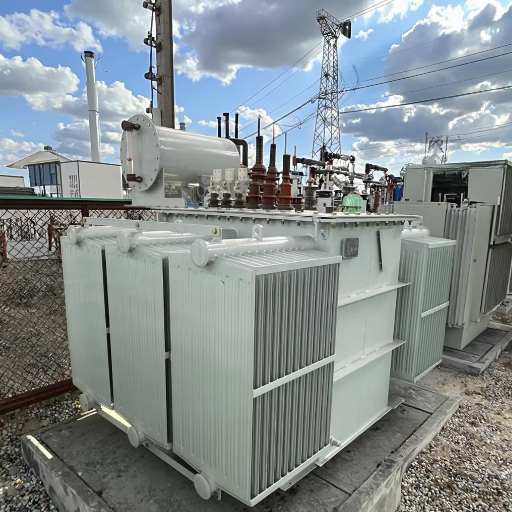
Industrial Transformer Supplier: How to Choose a Reliable Partner for Factory and Plant Power
The best industrial transformer supplier does more than deliver a box with windings inside. They review your load profile, ask about your environment, and recommend a unit that will still be reliable ten years after installation. Choose the wrong supplier,…
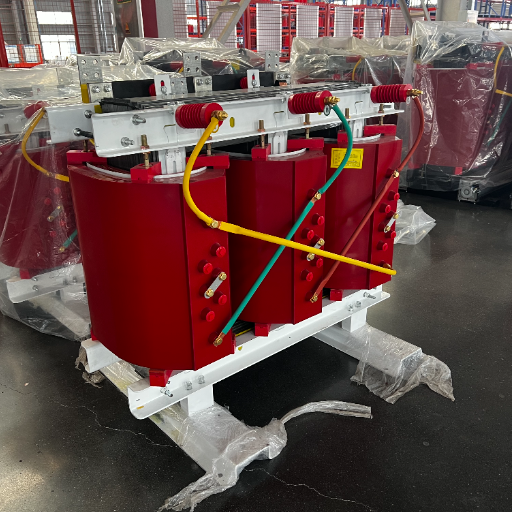
Three Phase Transformer Manufacturer: Industrial Buyers Guide
A three-phase transformer manufacturer builds voltage conversion equipment for three-wire AC power systems used in factories, commercial buildings, utilities, and infrastructure projects. These transformers differ from single-phase units in winding configuration, kVA calculation, and load balance requirements. Selecting the right…
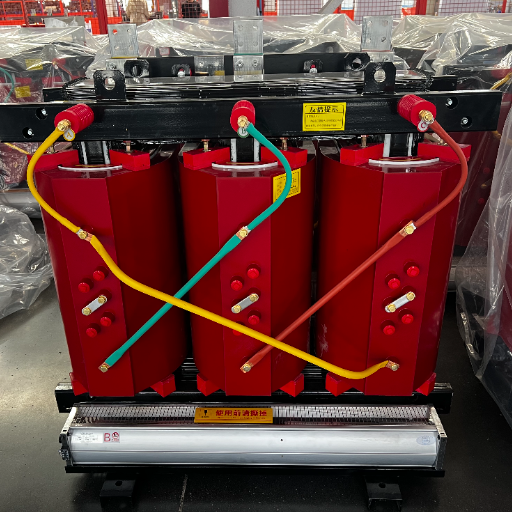
Transformer Factory China: A Buyer’s Guide to Manufacturing and Quality
A transformer factory in China produces approximately 40 to 50 percent of global transformer capacity. That scale offers buyers significant advantages in cost, lead time, and product range, but only if they know how to distinguish a fully integrated manufacturer…
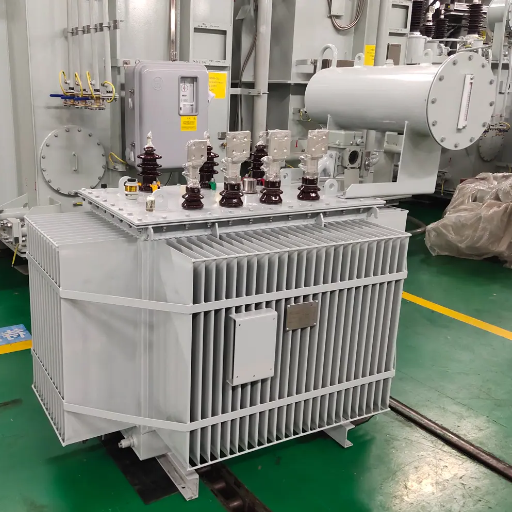
Custom Transformer Manufacturer: When and How to Specify Non-Standard Designs
A custom transformer manufacturer engineers and builds units for applications where standard catalog specifications do not match real operating conditions. Standard transformers fit roughly 60 to 70 percent of typical installations. The remaining 30 to 40 percent require modified voltage…
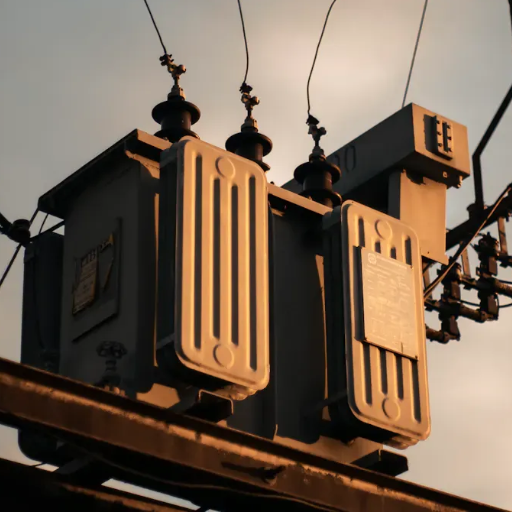
Best Transformer Manufacturer in China: 10-Point Evaluation Framework
The best transformer manufacturer in China combines in-house core and winding production, high-voltage testing infrastructure, recognized standards certification, and documented export experience. Quality varies enormously across the market, so buyers need a systematic framework to separate top-tier manufacturers from trading…
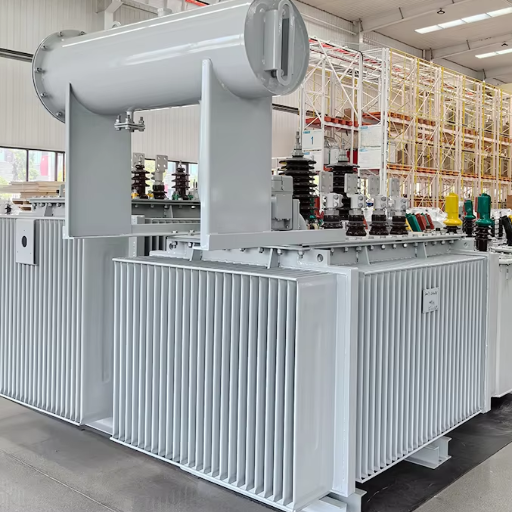
Electrical Transformer Manufacturer: Industrial Selection Guide
An electrical transformer manufacturer designs and builds voltage conversion equipment for industrial plants, commercial buildings, utilities, and infrastructure projects. The global transformer market exceeds $60 billion, and selecting the right manufacturing partner directly affects project cost, timeline, and long-term power…
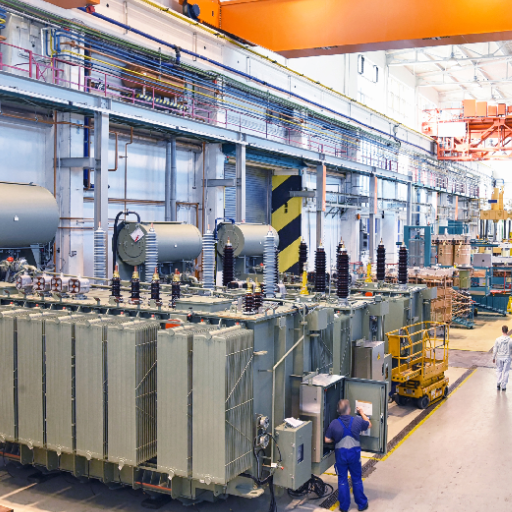
Power Transformer Manufacturer: How to Source High-Capacity Units for Substations and Industry
A power transformer manufacturer designs, engineers, and produces high-voltage, high-capacity transformers typically rated from 2.5 MVA to over 300 MVA. Unlike distribution transformer manufacturers, who specialize in smaller units for end-user delivery, a power transformer manufacturer operates large core cutting…
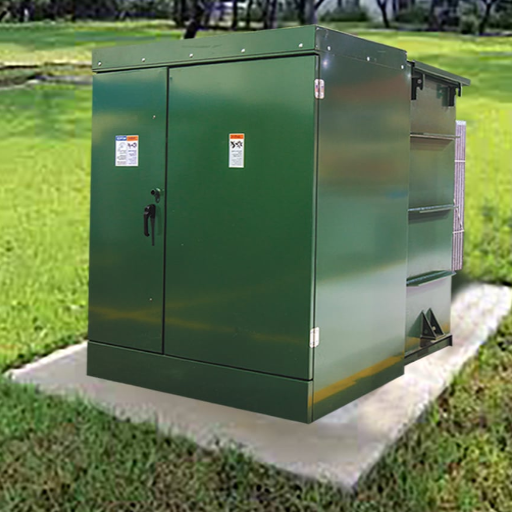
Pad Mounted Transformer: Complete Guide for Underground Distribution
A pad mounted transformer is a ground-level, oil-filled distribution transformer installed on a concrete pad inside a tamper-resistant metal enclosure. It steps down medium-voltage power (typically 4.16 kV to 34.5 kV) to low-voltage distribution (120/240V or 120/208V) for residential, commercial,…
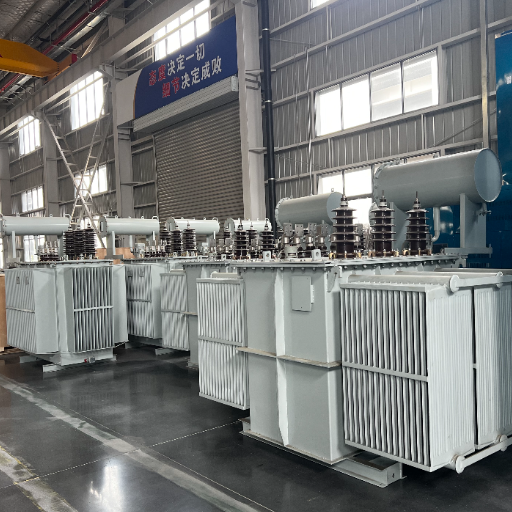
Oil Transformer Manufacturer: How to Evaluate and Source with Confidence
The right oil transformer manufacturer is verifiable through factory capability, not just a polished website. Evaluate tank fabrication, core winding, vacuum drying, oil filling systems, testing laboratory equipment, ISO quality systems, raw material traceability, production consistency, export documentation experience, and…
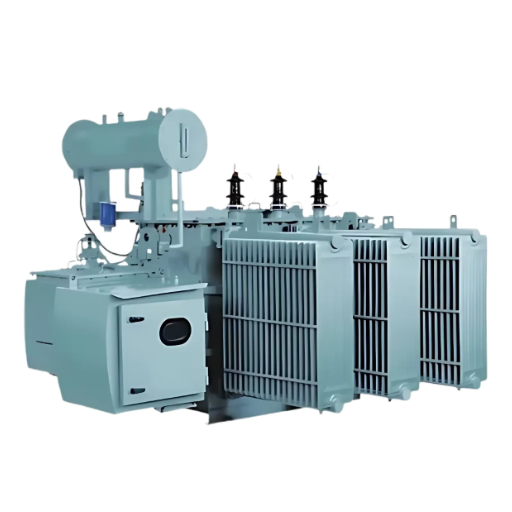
Oil Cooled Transformer: Cooling Modes, Design and Selection Guide
An oil-cooled transformer uses insulating liquid to absorb and transport heat away from the core and windings, enabling reliable operation at power levels that air or solid insulation cannot match. The cooling mode you select determines not just how much…