
Category Blog
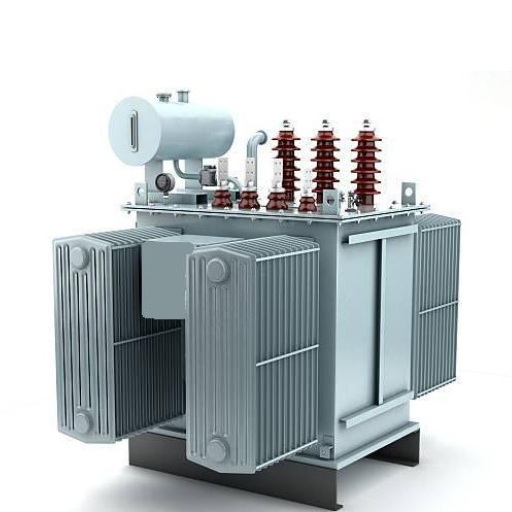
Transformer for Solar Plant: Sizing, Selection, and Standards Guide
A transformer for solar plant applications is not a standard distribution transformer with a new label. Solar farms require specially specified units that handle inverter harmonics, tolerate highly variable load cycles, and remain energized through long no-production periods. Get the specification wrong,…
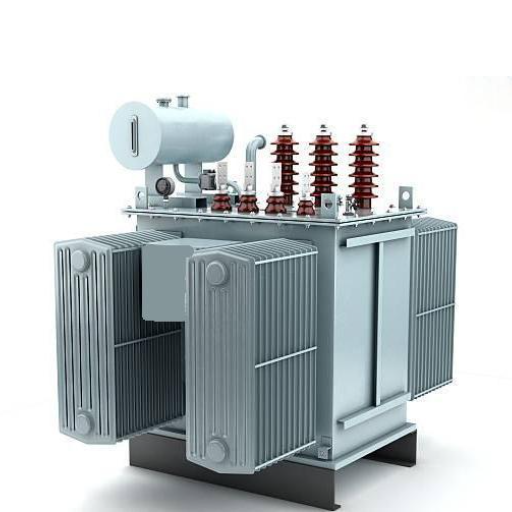
Distribution Transformer: Complete Engineering Guide for Utility and Industrial Applications
The distribution transformer is a step-down transformer that changes the medium voltages such as 11 kV, 22 kV, or 33 kV coming from the utility grid to lower voltages usable by end consumers, usually 400 V three-phase or 230 V…

Transformer Manufacturer: How to Choose a Reliable Partner for Your Power Project
The transformer manufacturer creates and designs and builds transformers at their factory which includes dedicated testing areas and quality assurance equipment and their team of engineers. The right manufacturer delivers equipment that operates reliably for 25 to 40 years, while…
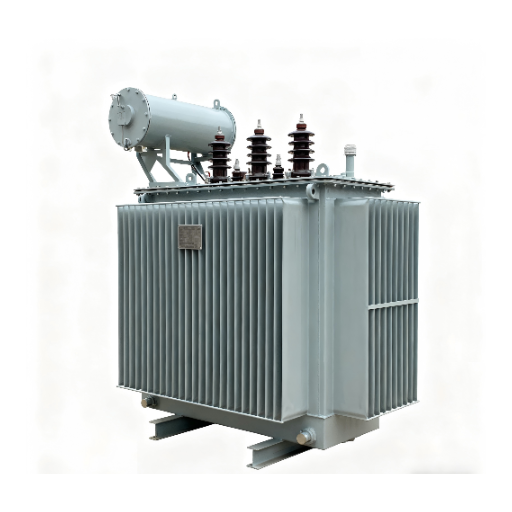
Instrument Transformer CT PT Guide: Selection, Standards, and Procurement
The instrument transformer transforms high voltage or current into safe measurable levels which can be used for equipment metering and protection functions. Current transformers (CT) reduce current to lower values while potential transformers (PT) reduce voltage to lower values, which…
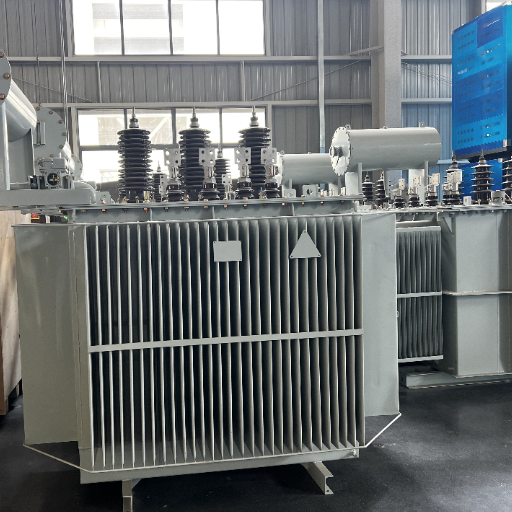
Transformer Cooling Classes ONAN ONAF OFAF: A Procurement and Selection Guide
Transformer cooling classes ONAN ONAF OFAF determine how much continuous power a transformer can deliver, how much it costs, and how long it lasts. A substation designer in Texas specified ONAN for a 20 MVA unit in a 45 degrees…
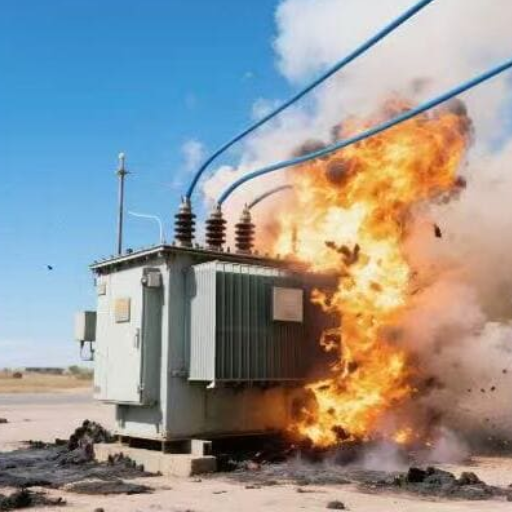
Transformer Failure Causes and Prevention: A Data-Driven Guide for Industrial Facilities
The leading transformer failure causes are winding insulation breakdown (29%), transient overvoltage (16%), and bushing failure (14%), with most incidents preventable through predictive maintenance and thermal monitoring. A disciplined prevention program costs a fraction of the $3 million average failure…

Transformer Oil Testing and Maintenance: A Practical Guide for Industrial Facilities
Transformer oil testing and maintenance requires annual transformer oil dielectric breakdown voltage testing and dissolved gas analysis for critical assets, plus event-triggered testing after faults or overloads. A structured program prevents insulation failure, unplanned outages, and catastrophic equipment loss. A…
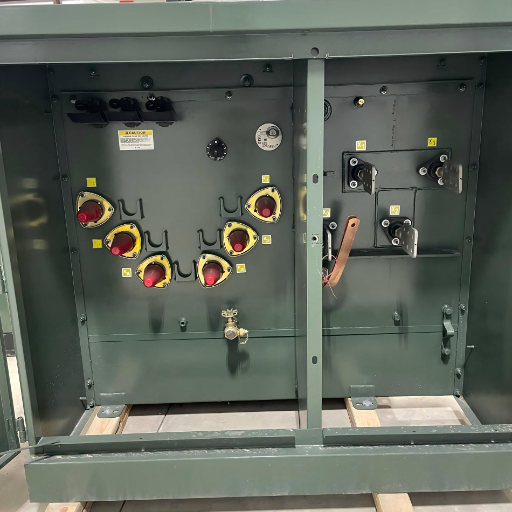
Pad Mounted Transformer Installation Guide: A Step-by-Step Guide for Contractors and EPCs
The installation of a pad mounted transformer demands multiple requirements which include a concrete pad that needs to be level and specific clearance measurements and effective grounding methods and correct cable connections and testing of equipment before utility approval. Most…
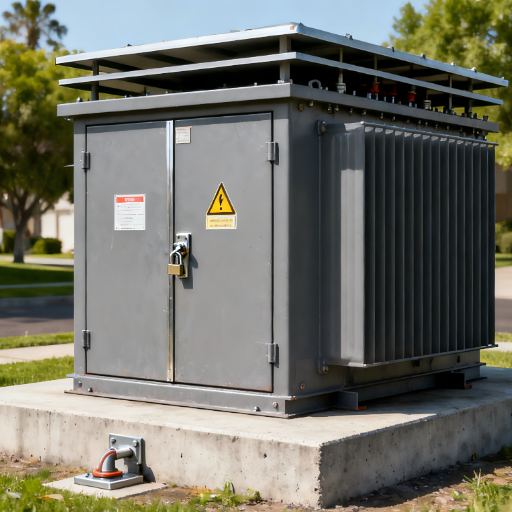
Transformer Ratings Explained: How to Select the Right kVA or MVA for Your Project
Rating a transformer in kVA or MVA means the apparent power that they can supply continuously without overheating. Choose a correct rating through taking your total load in kVA (voltage times current) or kW divided by power factor, adding an…

Power Transformer vs Distribution Transformer: A Complete Guide for Buyers
The power transformer transmits large quantities of electricity through transmission lines at high voltage while the distribution transformer reduces that electricity to safe levels which people can use near residential areas and commercial buildings and industrial facilities. The two are…