
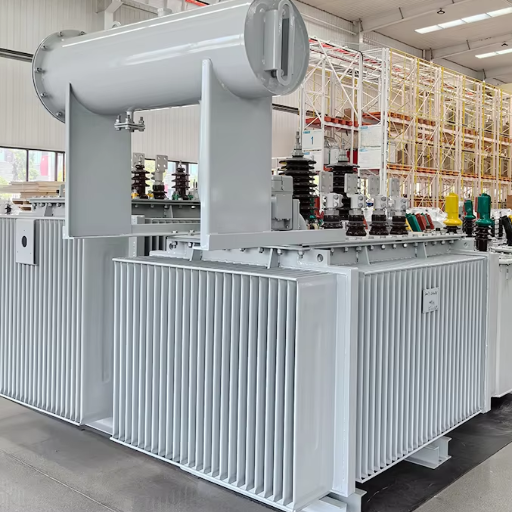
Electrical Transformer Manufacturer: Industrial Selection Guide

An electrical transformer manufacturer designs and builds voltage conversion equipment for industrial plants, commercial buildings, utilities, and infrastructure projects. The global transformer market exceeds $60 billion, and selecting the right manufacturing partner directly affects project cost, timeline, and long-term power reliability.
David, a procurement manager for a Malaysian manufacturing facility, learned this the hard way. He selected a distribution-focused electrical transformer manufacturer for a heavy industrial motor control center upgrade. The manufacturer lacked experience in harmonic-rich environments. The delivered units overheated within three months. Redesign, replacement, and reinstallation cost the project six weeks and 22% over budget.
By the end of this guide, you will know how to evaluate an electrical transformer manufacturer by capabilities, certifications, voltage class coverage, and application fit. You will also understand the differences between industrial and commercial procurement priorities, and how lead times vary by transformer specification.
Key Takeaways
- An electrical transformer manufacturer should cover your required voltage class (LV, MV, or HV) and offer both dry type and oil immersed construction options.
- Industrial buyers prioritize overload capacity and environmental ruggedness; commercial buyers prioritize safety, noise, and space constraints.
- Lead times range from 4-16 weeks depending on voltage class, custom engineering, and testing requirements.
- IEC 60076 and IEEE C57 standards are the most widely accepted benchmarks for transformer quality and safety.
- Chinese manufacturers produce 40-50% of global transformer capacity and offer strong export documentation and cost efficiency when properly vetted.
What Is an Electrical Transformer Manufacturer?
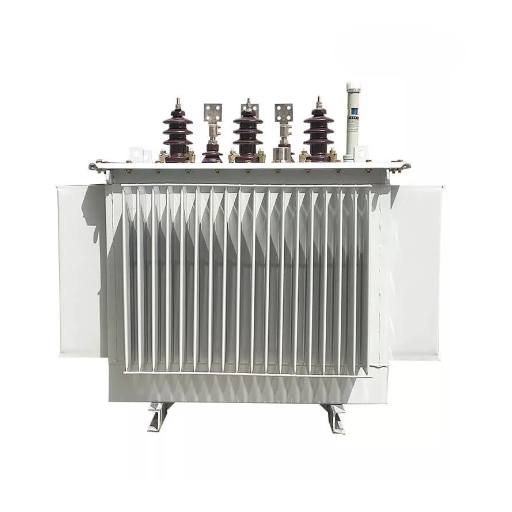
An electrical transformer manufacturer is a company that engineers and produces transformers for electrical power systems. Their scope covers voltage step-up, step-down, isolation, rectifier, auto-transformer, and specialty designs for commercial, industrial, and utility applications.
This category is broader than a power transformer manufacturer, which typically focuses on high-capacity MVA-class units for substations and transmission networks. An electrical transformer manufacturer serves a wider voltage range, from low-voltage commercial installations through medium-voltage industrial distribution to high-voltage grid interfaces.
The industrial sector accounts for approximately 40% of global transformer demand. That demand spans factories, data centers, hospitals, renewable energy sites, and infrastructure projects. Each application requires different voltage classes, cooling methods, and enclosure standards.
David’s mistake was assuming that any electrical transformer manufacturer could handle heavy industrial loads. His supplier specialized in standard commercial distribution units. They had limited experience with K-factor-rated windings or high-temperature rise designs. When the harmonic currents from variable frequency drives created excessive heating, the standard insulation system degraded rapidly.
A qualified electrical transformer manufacturer asks about load profile, harmonics, ambient temperature, and altitude before quoting. They do not simply match kVA ratings. For a broader evaluation framework, see our transformer manufacturer guide.
Key Capabilities to Evaluate
Not every electrical transformer manufacturer builds to the same standards. Before requesting quotations, verify four core capabilities.
Voltage Range Coverage
Confirm the manufacturer produces units across your required voltage classes. Some factories focus only on low-voltage commercial products. Others specialize in medium-voltage industrial or high-voltage utility classes. If your project spans multiple voltage levels, a single-source partner simplifies logistics and maintains specification consistency.
Core Manufacturing Processes
Ask about core construction methods. Step-lap cores with grain-oriented silicon steel reduce no-load losses compared to conventional stacked cores. Winding techniques, whether foil or wire, affect short-circuit withstand and thermal performance. A capable electrical transformer manufacturer controls these processes in-house rather than outsourcing core or coil production.
Testing and Quality Control
Request a copy of the manufacturer’s routine test protocol. Standard tests include winding resistance, turn ratio, no-load loss, load loss, and impulse withstand. Type tests and special tests, such as heat run or noise level verification, demonstrate deeper quality commitment. Manufacturers with in-house high-voltage test bays can verify performance without third-party delays.
Custom Engineering Support
Off-the-shelf transformers rarely fit complex industrial sites. Look for an electrical transformer manufacturer that offers custom voltage configurations, special tapping ranges, and enclosure modifications. Engineering review of single-line drawings and load profiles before manufacturing prevents costly field corrections.
Voltage Classes and Application Matching
Selecting the right voltage class is where many procurement decisions go wrong. An experienced electrical transformer manufacturer should clearly guide you through low, medium, and high voltage requirements.
Low Voltage (LV) Transformers
LV transformers typically operate at 1 kV or below. They serve commercial buildings, light industrial facilities, and internal power distribution. Common applications include 400V/230V step-down for facility panels, isolation transformers for sensitive equipment, and K-factor units for non-linear loads.
Medium Voltage (MV) Transformers
MV transformers cover 1 kV to 52 kV. They connect industrial plants to utility distribution networks, feed medium-voltage motor drives, and serve as primary substation transformers for large facilities. Most industrial transformer supplier inquiries fall into this range.
High Voltage (HV) Transformers
HV transformers operate above 52 kV, often at 66 kV, 110 kV, or higher. These units interface with transmission networks and large substations. If your project requires HV class equipment, confirm that your electrical transformer manufacturer holds the specific winding, insulation, and testing infrastructure for these ratings.
| Voltage Class | Typical Range | Common Applications |
|---|---|---|
| Low Voltage (LV) | Up to 1 kV | Commercial buildings, data centers, light industry, internal distribution |
| Medium Voltage (MV) | 1 kV – 52 kV | Industrial plants, primary substations, utility distribution, and renewable energy |
| High Voltage (HV) | Above 52 kV | Transmission substations, grid interfaces, and large infrastructure projects |
For projects requiring MVA-scale HV units, review our detailed guide on power transformer manufacturer selection for substation and transmission applications.
Maria, a plant engineer at a Brazilian food processing facility, faced a voltage class decision during a facility expansion. Her incoming utility supply was 13.8 kV, but her production line required 480V three-phase with significant VFD loading. She worked with an electrical transformer manufacturer that specified a 13.8 kV to 480V dry type unit with K-factor 13 windings. The correct voltage match and harmonic-rated design saved 15% on installation costs by eliminating the need for secondary filtering equipment. The project met its commissioning deadline with no thermal issues.
Transformer Type Selection for Electrical Projects
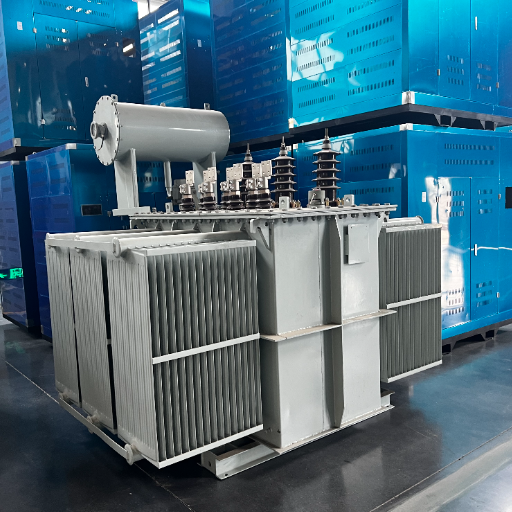
Once voltage class is established, the next decision is cooling and insulation type. A full-service electrical transformer manufacturer should offer both dry type and oil immersed options, and should recommend based on your environment rather than simply pushing their standard product.
When to Specify Dry Type
Dry type transformers use air, epoxy resin, or vacuum pressure impregnated insulation. They contain no liquid coolant. Specify dry type when:
- Installation is indoors with occupancy nearby
- Fire safety codes prohibit liquid-filled equipment
- Maintenance access is limited or ventilation is restricted
- Environmental regulations restrict spill risks
Commercial buildings, hospitals, schools, and data centers frequently choose dry type transformer designs for these reasons.
When to Specify Oil Immersed
Oil immersed transformers use mineral oil or synthetic fluid for insulation and cooling. They offer higher thermal capacity and often lower cost per kVA at medium and large ratings. Specify oil immersed when:
- Installation is outdoors or in dedicated transformer yards
- Higher kVA capacity is needed in a compact footprint
- Overload capability and long service life are priorities
- The site has proper containment and fire suppression systems
Industrial plants, utility substations, and renewable energy sites often benefit from oil immersed transformer solutions.
The dry type transformer market is growing at approximately 6-7% CAGR, driven by commercial construction and indoor safety regulations. However, oil immersed designs still dominate heavy industrial and utility applications due to their superior overload performance and lower lifecycle cost in demanding environments.
Standards and Certifications for Every Electrical Transformer Manufacturer
Standards compliance separates professional manufacturers from trading companies or unqualified shops. Before placing an order, confirm which standards your electrical transformer manufacturer follows.
IEC Standards
IEC 60076 is the most widely adopted transformer standard globally. It covers power transformers, dry type transformers, and testing methods. Manufacturers exporting to Asia, Africa, Europe, the Middle East, and South America typically build to IEC standards. IEC compliance ensures your units will be accepted by utility engineers and consulting firms in most international markets.
IEEE/ANSI Standards
IEEE C57 series governs transformer design and testing in North America and many Latin American markets. If your project specifies IEEE standards, confirm that your electrical transformer manufacturer understands dual-standard construction. Some manufacturers build to IEC dimensions but test to IEEE methods, which can create field compatibility issues if not coordinated during design.
ISO Quality Systems
ISO 9001 certification indicates a documented quality management system. For manufacturing, ISO 9001 alone is a baseline. Ask whether the electrical transformer manufacturer also holds ISO 14001 for environmental management. A manufacturer with robust ISO systems is more likely to deliver consistent core construction, correct winding practices, and reliable testing.
Transformer efficiency standards also matter. Regional regulations such as DOE 2016 in the United States and EU Ecodesign requirements mandate minimum efficiency levels.
For more information, please read “ISO Certified Transformer Manufacturer“.
Industrial vs Commercial Procurement Checklist
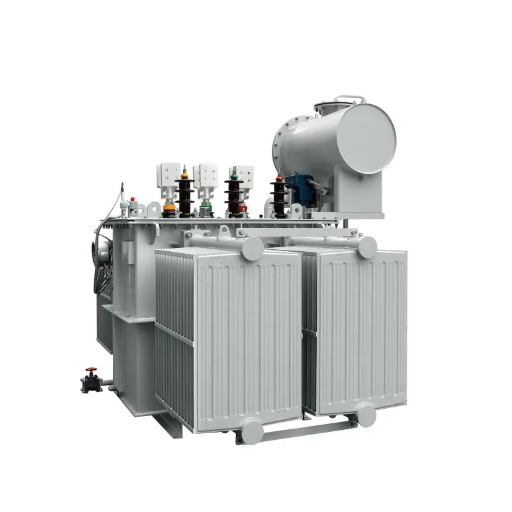
Industrial and commercial buyers often search for the same electrical transformer manufacturer, but their priorities differ significantly. Understanding these differences prevents specification mismatches.
Industrial Buyer Priorities
Industrial facilities operate in harsh environments with high uptime requirements. Their procurement checklist typically includes:
- Overload capacity for motor starting and process variations
- Short-circuit withstand to survive upstream faults
- Environmental protection for dust, moisture, and chemical exposure
- High-temperature rise capability for tropical or enclosed installations
- Harmonic tolerance for VFD and rectifier loads
- Spare parts availability and technical documentation
Commercial Buyer Priorities
Commercial buildings prioritize safety, occupant comfort, and space efficiency. Their checklist includes:
- Low noise levels for occupied spaces
- Fire safety compliance and zero liquid spill risk
- Compact footprint for electrical rooms
- Low losses to reduce operating cost and heat generation
- Aesthetic enclosure finishes for visible installations
- Ease of maintenance with minimal downtime
| Factor | Industrial Priority | Commercial Priority |
|---|---|---|
| Cooling method | Oil-immersed preferred for capacity | Dry type preferred for safety |
| Overload capability | High, for motor inrush | Standard, steady-state loads |
| Noise limit | Less critical | Strict, near occupants |
| Fire safety | Containment systems | Zero liquid, self-extinguishing |
| Maintenance access | Scheduled shutdown windows | Minimal disruption |
| Enclosure | NEMA/IP for harsh conditions | Aesthetic, compact designs |
If your project spans both industrial and commercial zones, consider whether a single electrical transformer manufacturer can supply mixed transformer types under one quality system and documentation package.
When you are ready to compare quotations, contact our engineering team with your voltage, load profile, and site conditions for a detailed specification review.
Lead Times and Project Planning
Transformer lead times range from 4 to 16 weeks depending on specifications, voltage class, and manufacturer workload. Planning around realistic lead times prevents project delays.
Standard vs Custom Lead Times
Standard catalog units in common LV and MV ratings often ship within 4-6 weeks. Custom designs with special voltage ratios, tapping ranges, or enclosure modifications typically require 8-12 weeks. Large HV units or multi-unit orders may extend to 14-16 weeks.
Factors That Affect Delivery
Several variables influence lead time beyond manufacturing time:
- Material availability: Grain-oriented electrical steel and copper pricing fluctuate. Manufacturers with strong supplier relationships and inventory management reduce wait times.
- Testing requirements: Routine tests add minimal time. Witnessed type tests or third-party inspection can add 1-2 weeks.
- Export documentation: IEC test reports, material certificates, and shipping documentation require preparation. Experienced export manufacturers complete this in parallel with production.
- Engineering review: Complex custom orders require design approval cycles. Early engagement with the manufacturer’s engineering team prevents approval bottlenecks.
James, an EPC contractor managing a data center expansion in Southeast Asia, engaged his electrical transformer manufacturer twelve weeks before the scheduled energization date. He provided single-line drawings, load schedules, and ambient temperature data during week one. The manufacturer’s engineers identified a voltage tap range mismatch in the drawing review stage and proposed a correction before production started. The transformers arrived on schedule, passed commissioning tests on the first attempt, and the project avoided any rework. Early manufacturer engagement saved an estimated three weeks compared to his previous project where drawings were submitted after purchase order placement.
Why Location Matters: Electrical Transformer Manufacturer in China
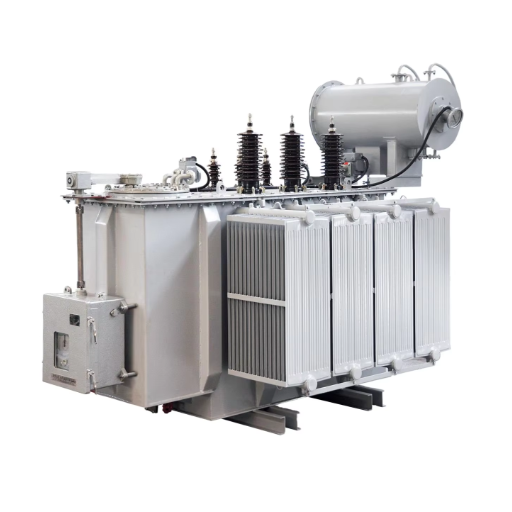
China produces approximately 40-50% of global transformer capacity. For international buyers, sourcing from a Chinese electrical transformer manufacturer offers scale, export experience, and cost efficiency when due diligence is applied.
Manufacturing Scale
Large-scale Chinese manufacturers operate integrated production lines for cores, windings, tanks, and enclosures. This vertical integration controls quality and reduces lead time variability. Scale also enables investment in high-voltage test bays and automated core cutting equipment that smaller regional shops cannot justify.
Export Experience
Established Chinese electrical transformer manufacturers understand international documentation requirements. They routinely provide IEC test reports, material mill certificates, packing lists formatted for destination customs, and shipping coordination for FOB, CIF, or DDP terms. First-time exporters often lack this operational maturity.
Cost Efficiency
Chinese manufacturing offers competitive pricing without sacrificing quality when the manufacturer holds proper certifications. The savings come from integrated supply chains, not from cutting corners on core steel grade or insulation quality. Total cost of ownership, including efficiency, maintenance, and service life, should still guide the final decision.
Are Chinese Manufacturers Reliable?
The question arises frequently in procurement discussions. The answer depends on verification, not geography. Reliable Chinese electrical transformer manufacturers demonstrate:
- In-house high-voltage testing capability
- ISO 9001 and relevant product certifications
- Documented export references in your target region
- Transparent engineering communication in your language
- Clear warranty and spare parts support terms
Unreliable suppliers, regardless of country, avoid facility audits, provide vague test protocols, or refuse to share reference projects. Conduct video facility tours, request third-party inspection clauses, and verify certifications directly with issuing bodies.
At Shandong Electric Co., Ltd., we manufacture dry-type and oil immersed transformers for industrial and commercial projects worldwide. Our engineers review your voltage, load profile, and site conditions before recommending the most practical solution.
Conclusion
Selecting the right electrical transformer manufacturer requires more than comparing price lists. It demands verification of voltage class capability, transformer type expertise, standards compliance, and application-specific engineering support.
Start by confirming your voltage class and installation environment. Then evaluate whether the manufacturer offers both dry-type and oil immersed construction, and whether they understand the difference between commercial and industrial procurement priorities. Factor realistic lead times into your project schedule, and engage the manufacturer’s engineering team early to prevent specification errors.
The right partner reduces installation cost, protects uptime, and lowers lifecycle operating expenses. Send your project specifications to Shandong Electric Co., Ltd. for a technical review and custom quotation.