
Category Blog
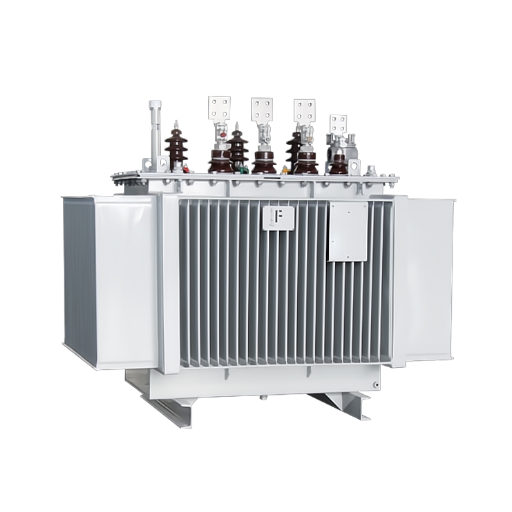
11kV and 33kV Oil Immersed Transformer: Specifications and Selection Guide
An 11kV oil-immersed transformer is the standard distribution voltage class for utility grids, industrial plants, and commercial installations across Europe, Africa, Asia, and Australia. A 33kV oil-immersed transformer serves the next tier: medium-voltage distribution networks, rural grids, wind farms, and…
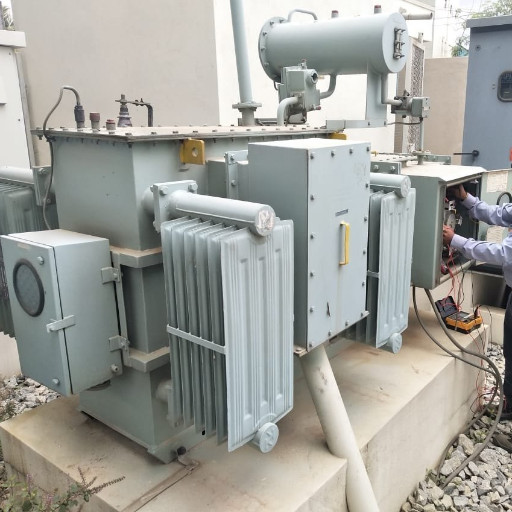
Outdoor Transformer Installation: Complete Guide & Best Practices
Installing an outdoor transformer requires coordinated civil, electrical, and environmental preparation before the unit ever reaches the site. A single oversight in foundation design, oil containment, or grounding can create safety risks, regulatory violations, or project delays that cost far…
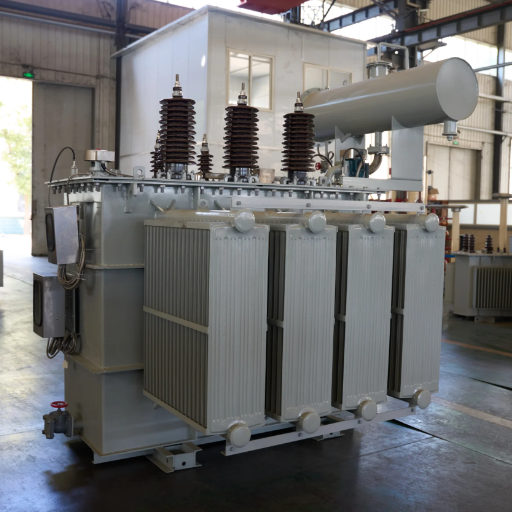
Oil Filled Transformer for Substation: Design Standards & Installation Guide
An oil-immersed transformer for substation service is the standard choice for electrical transmission and distribution networks, providing the efficiency, overload capacity, and voltage range needed to step power down from transmission levels to distribution voltages. Choosing the wrong rating, vector…
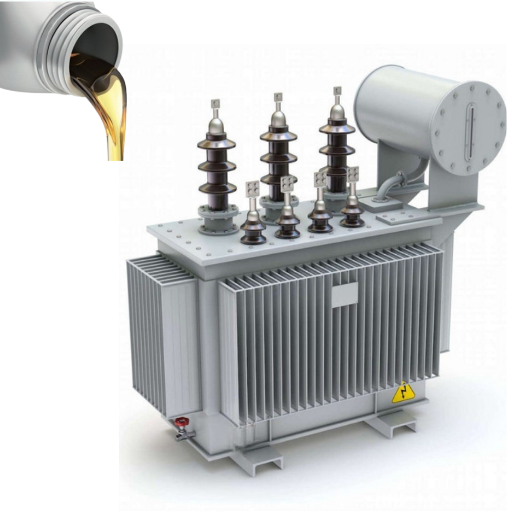
Transformer Oil Types: Complete Comparison Guide (Mineral, Ester, Silicone)
The four main transformer oil types are mineral oil, natural ester, synthetic ester, and silicone, each offering different combinations of fire safety, environmental impact, cost, and cold-weather performance. Mineral oil remains the standard for approximately 85% of installations due to…
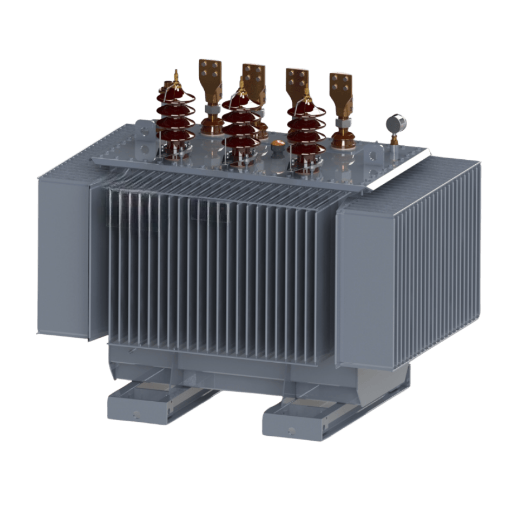
Hermetically sealed transformers: Design, advantages and selection guide
A hermetically sealed transformer uses a fully welded tank with no breathing system, preventing air and moisture from contacting the insulating oil and extending oil life by two to three times compared to standard conservator-type designs. This construction makes it…
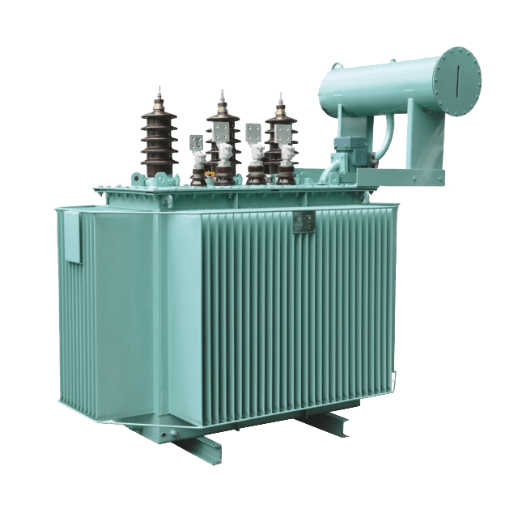
Oil Filled Transformer: Complete Technical Guide & Selection Manual (2026)
An oil filled transformer uses insulating liquid to cool its core and windings while providing dielectric protection, making it the dominant technology for outdoor substations, utility grids, and large-scale industrial applications worldwide. Choosing the wrong sub-type or fluid for your…
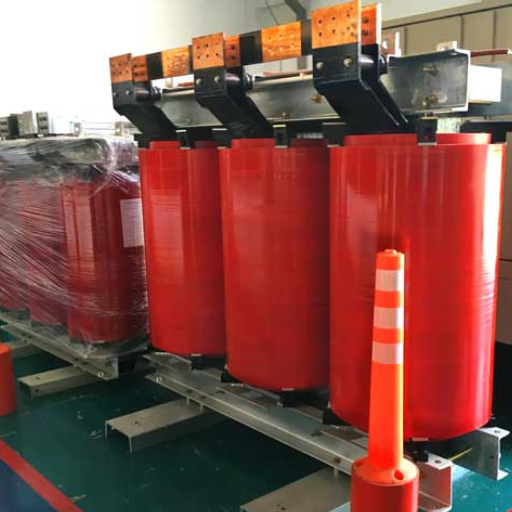
Dry Type Transformer Manufacturer: How to Evaluate and Source with Confidence
A dry type transformer manufacturer designs, builds, and tests transformers that use air or solid insulation instead of liquid oil, with capabilities ranging from standard catalog units to fully custom-engineered systems. The global market for these transformers reached approximately $6.5…
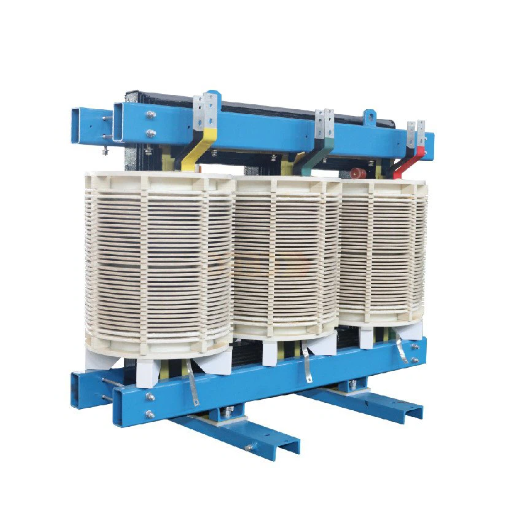
Indoor Dry Transformer: Selection, Room Design & Building Integration Guide
An indoor dry transformer is the safest, most code-compliant choice for bringing medium-voltage power into occupied buildings because it uses solid or air insulation instead of flammable oil, eliminating fire vaults, containment pits, and spill hazards. Whether you are designing…
Dry Type Transformer Maintenance: Schedule, Testing & Inspection Guide
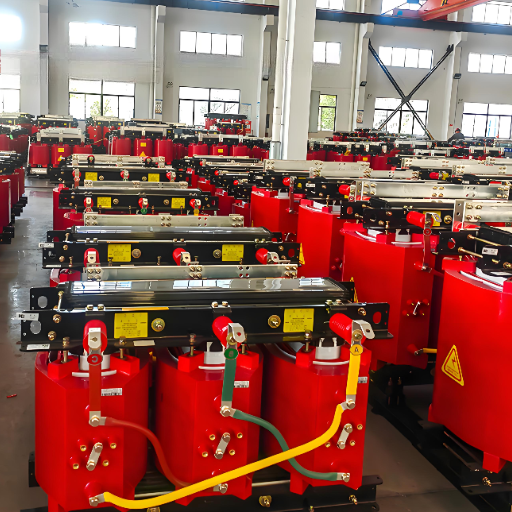
Dry type transformer maintenance includes regular visual inspections, scheduled electrical testing, proper cleaning, temperature monitoring, and systematic record keeping. Performed consistently, these activities can extend service life from 15 years to 30 years or more. Neglected, the same transformer can…
Dry Type Transformer Installation: Clearances, Mounting & Commissioning Guide
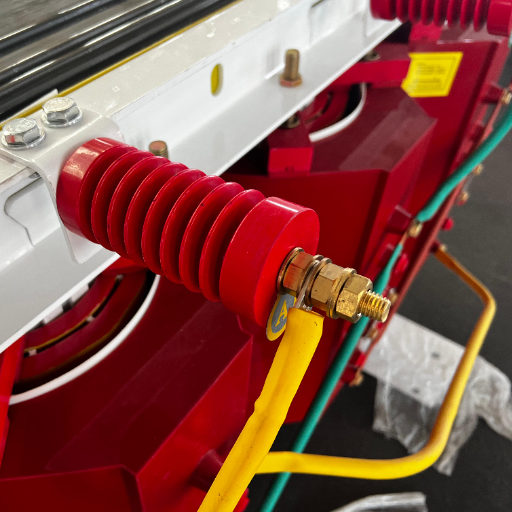
Dry type transformer installation requires proper foundation preparation, adequate clearances per IEC or NEC standards, correct lifting and handling, secure mounting, proper electrical connections, grounding, ventilation, and pre-energization testing before commissioning. Getting any of these steps wrong can lead to…