
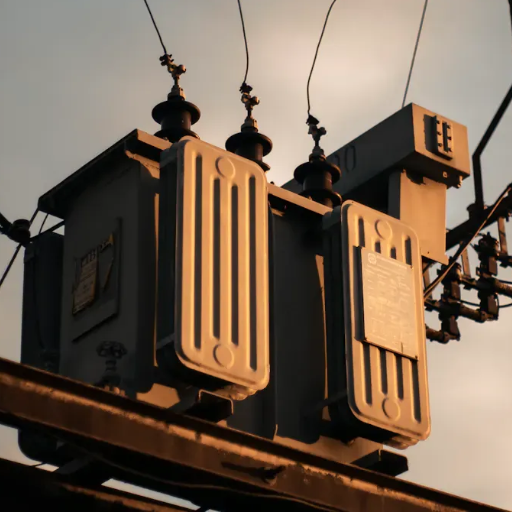
Best Transformer Manufacturer in China: 10-Point Evaluation Framework

The best transformer manufacturer in China combines in-house core and winding production, high-voltage testing infrastructure, recognized standards certification, and documented export experience. Quality varies enormously across the market, so buyers need a systematic framework to separate top-tier manufacturers from trading companies and unqualified shops.
China produces approximately 40 to 50 percent of global transformer capacity. That scale creates opportunity, but it also creates risk. Ravi, a procurement director for an Indian industrial conglomerate, learned this the hard way. He selected a manufacturer based solely on price for a 2,500 kVA substation project. The supplier outsourced core production to a third-party workshop. When the units arrived, core losses exceeded specification by 18 percent. The utility rejected commissioning. Redesign, replacement, and reinstallation cost the project eight weeks and pushed the budget 22 percent over plan.
By the end of this guide, you will have a 10-point technical evaluation framework to identify the best transformer manufacturer in China for your project. You will understand the difference between a true manufacturer and a trading company, know which red flags to avoid, and be able to assess any factory against objective engineering criteria.
Key Takeaways
- The best transformer manufacturer in China controls core cutting, winding, and testing in-house, not through subcontractors.
- A qualified manufacturer must have an in-house high-voltage test bay capable of impulse, heat run, and partial discharge testing.
- IEC 60076 and IEEE C57 standards compliance, plus ISO 9001 certification, are baseline requirements, not differentiators.
- Export experience matters: reference projects in your region, proper documentation, and post-sales support separate reliable partners from risky vendors.
- Price-only selection frequently produces higher total cost due to field failures, rework, and schedule delays.
What “Best” Actually Means for Transformer Manufacturing
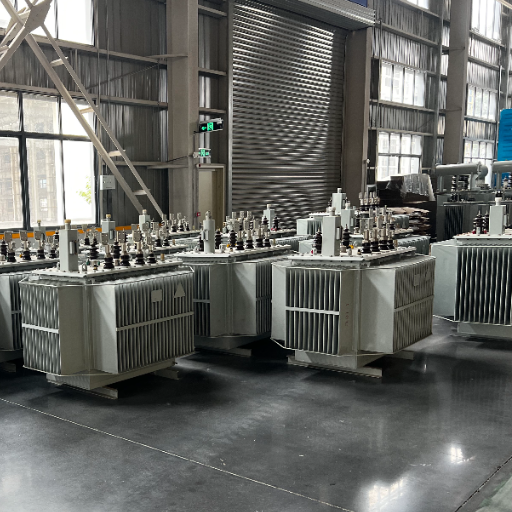
The word “best” gets overused in manufacturer marketing. For transformer procurement, it should mean something specific and measurable. A top-tier transformer manufacturer in China demonstrates capability across engineering, quality control, and export operations.
This is different from a trading company that sources units from multiple workshops and resells them under one brand. It is also different from an assembler that purchases cores and windings from subcontractors and only handles final tanking and wiring. True manufacturers control the processes that determine transformer performance: core steel cutting, winding construction, insulation systems, and high-voltage validation.
Ravi’s supplier claimed to be a manufacturer. In reality, they were an assembler. They purchased cores from a low-cost workshop that used non-oriented steel instead of grain-oriented electrical steel. The result was excessive no-load losses that no amount of field adjustment could fix. The lesson is clear: verify what happens inside the factory before placing an order.
For a broader view of manufacturer selection principles, see our transformer manufacturer guide.
The 10-Point Evaluation Framework
Use these ten criteria to evaluate any transformer manufacturer in China. Score each point as confirmed, partial, or missing. A top-tier partner should confirm at least eight of the ten.
1. In-House Core Manufacturing
The transformer core accounts for approximately 30 to 40 percent of total material cost and directly determines no-load losses. Ask whether the manufacturer cuts and assembles cores in-house.
Step-lap core construction, where core joints overlap in stepped segments, reduces no-load losses compared to conventional butt-joint stacking. Grain-oriented silicon steel from recognized mills provides the magnetic performance baseline. Manufacturers who outsource core production lose visibility into steel grade, lamination thickness, and stacking quality.
Confirm that the factory operates automated core cutting lines and measures core loss before winding assembly.
2. Winding and Insulation Control
Windings generate heat under load. Their construction determines short-circuit withstand, thermal performance, and service life. A capable transformer manufacturer in China should produce windings in-house using either foil or wire techniques appropriate to the voltage class and kVA rating.
For dry type transformers, ask about insulation systems. Cast resin and vacuum pressure impregnated (VPI) systems offer different thermal and environmental performance. For oil immersed units, confirm insulation material grades and temperature class options. Manufacturers who purchase windings from subcontractors cannot guarantee consistency.
3. High-Voltage Testing Infrastructure
This is where many suppliers fail evaluation. Routine factory tests, including winding resistance, turn ratio, and no-load loss, are basic. The best transformer manufacturer in China also maintains in-house type test and special test capability.
Require evidence of:
- Lightning impulse test equipment
- Heat run testing for temperature rise verification
- Partial discharge measurement for medium and high voltage units
- Noise level measurement capability
Third-party witnessed tests add credibility, but in-house capability demonstrates engineering depth. If a manufacturer cannot show you their test bay, treat that as a serious gap.
4. Standards Certification and Compliance
Standards compliance is a baseline, not a bragging point. Any professional transformer manufacturer in China should hold:
- IEC 60076 series compliance for international markets
- IEEE C57 series capability for North American projects
- ISO 9001 quality management system certification
- ISO 14001 environmental management (preferred)
Ask for certificate copies and verify them with the issuing body. Some manufacturers claim compliance without formal certification. Regional efficiency regulations, such as DOE 2016 in the United States or EU Ecodesign requirements, should also be understood if your project falls under those jurisdictions.
5. Voltage Class and Product Range Breadth
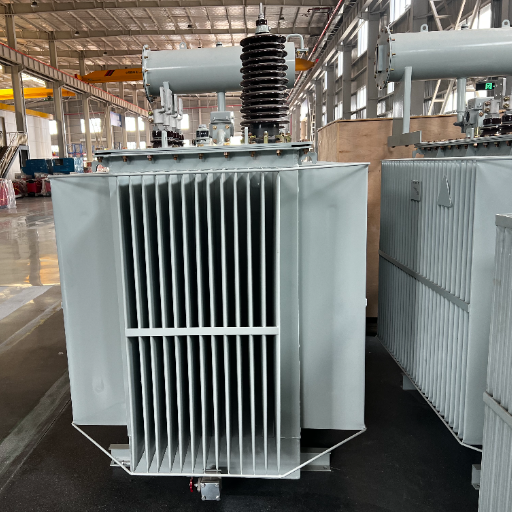
A full-service transformer manufacturer in China should offer both dry type and oil-immersed construction across low voltage, medium voltage, and high voltage classes. Single-product shops may deliver excellent units in their specialty, but they create procurement complexity when your project requires mixed transformer types.
Verify coverage for:
- Low voltage (up to 1 kV) for commercial and light industrial
- Medium voltage (1 kV to 52 kV) for industrial plants and primary substations
- High voltage (above 52 kV) for transmission and large substation projects
If your project spans multiple voltage levels, a single-source partner simplifies logistics, maintains specification consistency, and reduces vendor management overhead.
For projects requiring MVA-scale HV units, see our guide on selecting a power transformer manufacturer.
6. Export Experience and Documentation
Manufacturing capability means little if the supplier cannot deliver successfully to your country. The best transformer manufacturer in China for your project has documented export experience in your region.
Request reference projects in similar markets. Confirm they routinely provide:
- IEC or IEEE test reports with traceable data
- Material mill certificates for core steel and copper
- Packing lists formatted for destination customs
- Shipping coordination for FOB, CIF, or DDP terms
- Export-ready crating and moisture protection
If you need help assessing export readiness for your region, contact our engineering team with your destination and project scope.
Elena, a consulting engineer based in Eastern Europe, applied this criterion rigorously. She evaluated three Chinese manufacturers for a municipal utilities project. One had no impulse test bay. Another could not provide IEC-traceable certificates. The third demonstrated reference projects in Poland and Romania, complete with third-party inspection reports and customs documentation. She selected that manufacturer. The project commissioned on schedule with zero defects. Her systematic evaluation prevented the field surprises that plague less rigorous procurement processes.
7. Engineering Communication and Pre-Sales Support
The quality of pre-sales engineering communication predicts manufacturing maturity. A top-tier transformer manufacturer in China reviews your single-line drawings, asks about load profiles, and identifies potential issues before quoting.
Poor signs include:
- Quotes based only on kVA rating without voltage or environment details
- No questions about harmonics, altitude, or ambient temperature
- Generic proposals without technical specifications
- Delayed or vague responses to engineering questions
Strong signs include:
- Detailed technical questionnaires before quoting
- Drawing review with proposed corrections
- Load profile analysis for harmonic-rich environments
- Clear specifications for tapping range, impedance, and enclosure
Kenji, an EPC project manager in Southeast Asia, needed twelve units for a manufacturing campus with mixed voltage requirements. The manufacturer he selected offered single-source supply for both dry-type and oil-immersed transformers. During the pre-sales engineering review, their team identified a voltage tap range mismatch in his single-line drawing and proposed a correction before production started. The transformers arrived on schedule, passed commissioning tests on the first attempt, and the project avoided rework. Early engineering engagement saved an estimated three weeks compared to his previous project where drawings were submitted after purchase order placement.
8. Material Traceability and Quality Control
Quality control starts with incoming materials, not finished-unit testing. Ask the transformer manufacturer in China about their material traceability practices.
Key questions:
- Do you receive mill certificates for grain-oriented electrical steel?
- Is copper purity verified on incoming wire or foil?
- What incoming inspection records do you maintain?
- Can material certificates be provided with delivery documentation?
Manufacturers with robust quality systems track materials from receipt through production to final test. This traceability protects you if field issues arise and supports warranty claims.
9. Lead Time Reliability and Production Scale
Ask about actual production capacity, not claimed capacity. A factory operating at 90 percent utilization may struggle to meet quoted lead times during peak demand periods.
Standard LV and MV units typically ship in 4 to 6 weeks. Custom designs with special voltage ratios, tapping ranges, or enclosure modifications require 8 to 12 weeks. Large HV units or multi-unit orders may extend to 14 to 16 weeks.
Confirm whether the manufacturer provides production scheduling visibility. Can they confirm your slot in the production plan? Do they communicate delays proactively? Lead time reliability is often more valuable than the shortest possible lead time.
For a detailed breakdown of lead time factors, see our electrical transformer manufacturer selection guide.
10. After-Sales Support and Spare Parts
Transformer service life exceeds 20 years. The relationship with your manufacturer should last beyond delivery. Evaluate after-sales support before signing a contract.
Confirm:
- Warranty terms and duration
- Claims process and response time
- Spare parts availability and shipping time
- Technical troubleshooting support channels
- Installation and commissioning guidance
Manufacturers who disappear after delivery create long-term risk. The best transformer manufacturer in China maintains support infrastructure for the full service life of the equipment.
| Evaluation Point | What to Verify | Red Flag |
|---|---|---|
| Core manufacturing | In-house cutting, step-lap construction, grain-oriented steel | Outsourced core production |
| Winding control | In-house foil or wire winding, insulation system expertise | Purchased windings from subcontractors |
| Testing infrastructure | Impulse, heat run, partial discharge in-house | No high-voltage test bay |
| Standards compliance | IEC 60076, IEEE C57, ISO 9001 with verifiable certificates | Claims compliance without certification |
| Product range | LV, MV, HV in both dry type and oil immersed | Single product line only |
| Export experience | Reference projects in your region, proper documentation | No export references or vague shipping terms |
| Engineering support | Drawing review, load analysis, technical proposals | Quotes based only on kVA with no questions |
| Material traceability | Mill certificates, incoming inspection records | No material documentation available |
| Lead time reliability | Production scheduling visibility, proactive communication | Unrealistically short quotes with no schedule confirmation |
| After-sales support | Warranty terms, spare parts, technical support | Vague or missing post-delivery support |
Red Flags: Signs of a Manufacturer to Avoid
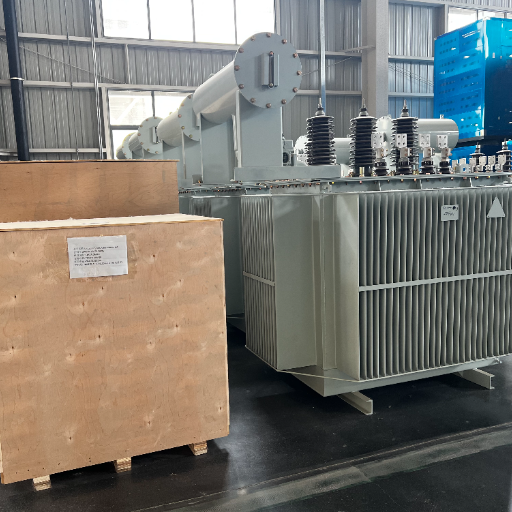
Some warning signs are universal. If you encounter any of the following, proceed with extreme caution or eliminate the supplier from consideration.
Cannot provide factory video or virtual audit. A legitimate transformer manufacturer in China has nothing to hide. Refusal to show production areas suggests outsourcing, poor conditions, or trading company status.
No high-voltage test bay. If the manufacturer sends units to a third party for basic testing, they lack the infrastructure to verify performance before shipping.
Quotes without technical questions. A supplier who sends a price within hours of your inquiry, without asking about voltage, load profile, or installation environment, is selling catalog units, not engineering solutions.
No export reference projects. First-time exporters often struggle with documentation, packing, and logistics. Experienced manufacturers have solved these problems repeatedly.
Vague or missing warranty terms. A manufacturer confident in their product specifies clear warranty duration, coverage, and claims procedures.
Unwilling to share material certificates. Material traceability is fundamental to quality. Refusal to share certificates suggests uncontrolled sourcing.
Why Location Within China Matters
Transformer manufacturing clusters in specific Chinese provinces. Understanding these clusters helps you evaluate logistics and supply chain advantages.
Shandong Province, where Shandong Electric Co., Ltd. is headquartered, hosts a mature electrical equipment manufacturing base with strong steel and copper supply chain access. Jiangsu and Zhejiang provinces also have significant transformer production concentrations.
Proximity to steel mills and copper suppliers reduces material transit time and supports just-in-time inventory management. Coastal location simplifies export shipping to Southeast Asia, the Middle East, Africa, and Latin America.
Regional specialization also exists. Some areas focus on distribution transformers for domestic utilities. Others specialize in large power transformers for grid applications. Match the manufacturer’s location and specialization to your project requirements.
Conclusion
Selecting the best transformer manufacturer in China requires more than comparing price lists or reading marketing claims. It demands a systematic technical evaluation across ten core criteria: core manufacturing, winding control, testing infrastructure, standards compliance, product range, export experience, engineering support, material traceability, lead time reliability, and after-sales support.
Use the framework in this guide as a checklist for your next procurement process. Verify capabilities before placing orders. Ask for evidence, not promises. Engage the manufacturer’s engineering team early to prevent specification mismatches.
The right partner reduces installation cost, protects project schedules, and delivers equipment that performs reliably for decades. Send your project specifications to Shandong Electric Co., Ltd. for a technical review and custom quotation.