

Transformer Oil Testing and Maintenance: A Practical Guide for Industrial Facilities

Transformer oil testing and maintenance requires annual transformer oil dielectric breakdown voltage testing and dissolved gas analysis for critical assets, plus event-triggered testing after faults or overloads. A structured program prevents insulation failure, unplanned outages, and catastrophic equipment loss.
A facility manager in Ohio skipped the annual 500dissolvedgasanalysistransformeroiltestona5MVAunit.Eighteenmonthslater,arcinginsidethetankdestroyedthewindings.Thereplacementcostexceeded500dissolvedgasanalysistransformeroiltestona5MVAunit.Eighteenmonthslater,arcinginsidethetankdestroyedthewindings.Thereplacementcostexceeded2.4 million, not counting three weeks of lost production.
Most maintenance teams know oil matters. What they often lack is a clear transformer oil testing and maintenance schedule and a simple framework for deciding when to filter, reclaim, or replace.
This guide covers the tests that matter, the frequencies that protect assets, and the decision thresholds that make transformer oil testing and maintenance programs successful. You’ll learn why oil degrades, which tests to run and when, how to sample correctly, and how to interpret results against IEEE and IEC standards.
Key Takeaways
- Annual DGA and dielectric breakdown testing are the foundation of any predictive maintenance program.
- A BDV below 30 kV, acidity above 0.4 mg KOH/g, or moisture above 30 ppm typically signals the need for corrective action.
- Filtration restores physical properties; replacement is required when chemical degradation (acidity, sludge, fault gases) is present.
- Always sample from the bottom valve after flushing stagnant oil to ensure accurate results.
- Factory oil quality and transformer operating temperature directly affect how quickly oil degrades in service.
For a more in-depth understanding of power transformers, (please refer to our complete guide to power transformers.)
Why Transformer Oil Degrades
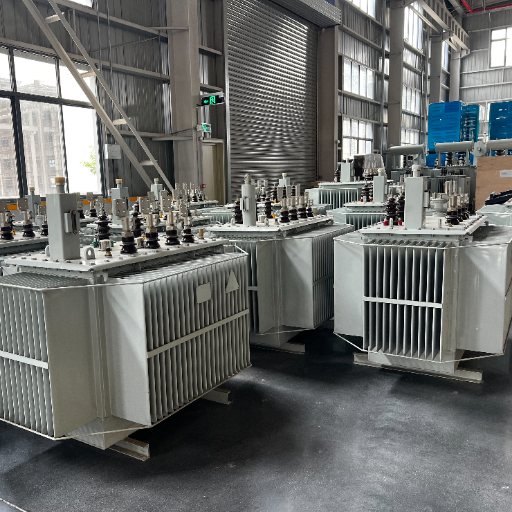
Transformer oil plays a crucial role by acting as an electrical insulator, for heat dissipation, or by extinguishing arcs. Due to its hygroscopic nature, oil degrades with time, and in-house transformer oil testing with equated maintenance is a must to prevent insulation failures and subsequent fires.
Oxidation and Thermal Stress
Oxygen combining with oil when temperatures are high forms acids and sludge, and wiping off exclusionary forces but reduce dielectric power and block cooling gaps. Transformers operating higher loads or facing hot climate are quickened oxidation. With low-loss core designs and efficient cooling systems, the temperature is brought down and the rate of deterioration is modest.
Moisture Ingress
Water is the most destructive contaminant in transformer oil. Even small amounts drastically reduce dielectric strength and accelerate cellulose insulation aging. Moisture enters through breathing systems, gasket leaks, or improper oil handling during maintenance. The moisture content in solid paper insulation is often higher than in the oil itself, creating a hidden risk that standard oil tests may understate.
Electrical Fault Gases
Internal faults generate characteristic gases that dissolve in the oil. Overheating produces methane and ethylene. Partial discharge generates hydrogen. High-energy arcing creates acetylene, the most dangerous fault gas. Detecting these gases early through dissolved gas analysis transformer oil testing is the best defense against catastrophic failure.
If you are selecting a new oil immersed transformer, ask for factory oil test reports that verify dielectric strength, moisture content, and gas levels before shipment. For indoor environments where oil maintenance is undesirable, a dry type transformer eliminates fluid concerns entirely.
Essential Transformer Oil Tests and What They Measure
Each test reveals a different aspect of oil condition. Running them together provides a complete picture. Relying on a single metric leads to incomplete diagnoses and wrong decisions.
Dielectric Breakdown Voltage Test for Transformer Oil
Transformer oil dielectric breakdown voltage, or BDV, measures the oil’s ability to withstand electrical stress. The test applies voltage across electrodes immersed in the oil sample until sparking occurs.
Minimum acceptable values vary by standard:
| Condition | Minimum BDV |
|---|---|
| New oil as received | > 60 kV |
| New oil in equipment | > 30 kV |
| In-service oil (general) | >= 30 kV |
| In-service oil (critical/EHV) | >= 40 kV |
Test method: ASTM D1816 using VDE electrodes with a 1 mm or 2 mm gap. ASTM D1816 is more sensitive to moisture and particles than the older ASTM D877 disk electrode method, making it the preferred standard for in-service oil evaluation.
Dissolved Gas Analysis (DGA) in Transformer Oil
Dissolved gas analysis transformer oil testing is the most critical predictive test. It detects incipient internal faults by measuring gases dissolved in the oil. SDMyers publishes comprehensive guidance on interpreting DGA trends for maintenance planning.
Key gases and what they indicate:
| Gas | Source | Concern Level |
|---|---|---|
| Hydrogen (H2) | Partial discharge | Elevated levels warrant investigation |
| Methane (CH4) | Low-temperature overheating | Trend is more important than single value |
| Ethylene (C2H4) | High-temperature overheating | > 50 ppm indicates serious concern |
| Acetylene (C2H2) | Arcing/high-energy discharge | Any detectable level requires immediate action |
| Carbon monoxide (CO) | Paper insulation degradation | Correlates with solid insulation aging |
Sampling and interpretation follow IEEE C57.104 and IEC 60599. DGA should be performed annually on critical assets and every two years on standard distribution transformers.
Moisture Content (Karl Fischer Method)
The Karl Fischer titration measures water content in parts per million (ppm). Water reduces dielectric strength and accelerates paper insulation degradation.
Acceptable moisture limits:
| Transformer Class | Maximum Moisture (ppm) |
|---|---|
| New oil pre-energization | <= 15 |
| In-service distribution | <= 30 |
| In-service EHV/critical | <= 20 |
| EHV > 500 kV | <= 8 (industry best practice) |
Acidity (Neutralization Number)
Acidity indicates oil degradation due to oxidation. Acids corrode internal components and accelerate aging of both oil and solid insulation.
| Condition | Acid Number (mg KOH/g) |
|---|---|
| New oil | < 0.03 |
| Good in-service | < 0.1 |
| Monitor closely | 0.1 – 0.2 |
| Reclamation recommended | > 0.2 |
| Replacement required | > 0.4 |
Furan Analysis
Furan compounds in the oil indicate degradation of solid paper and cellulose insulation. Unlike oil properties, furan levels directly measure the condition of the transformer windings.
A total furan content exceeding 1 ppm suggests significant paper insulation deterioration and should trigger a detailed engineering assessment of remaining transformer life.
Interfacial Tension (IFT)
IFT detects polar contaminants like oxidation by-products and soaps. Values below 22 mN/m typically indicate significant contamination, even if other parameters appear acceptable.
Transformer Oil Testing and Maintenance Schedule by Asset Class
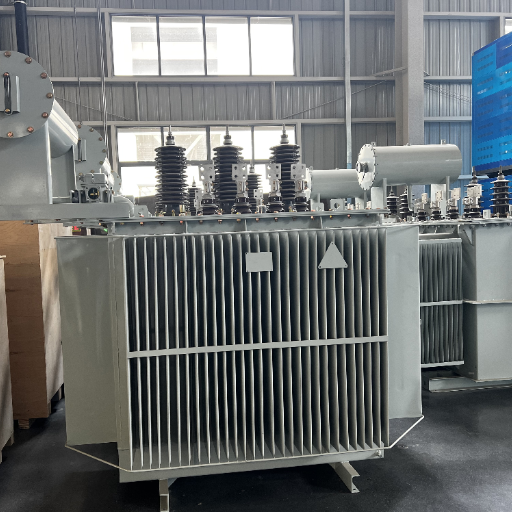
Transformer oil testing and maintenance frequency depends on transformer voltage class, criticality, and operating history. A one-size-fits-all schedule wastes resources on some units while under-protecting others.
For a complete fluid comparison with selection guidance, see our transformer oil types guide.
Critical and EHV Transformers (132 kV and Above)
Critical assets where unplanned failure would cause major operational or financial impact require the most intensive monitoring:
- Dissolved gas analysis: Annually
- Dielectric breakdown voltage: Annually
- Moisture content: Every 6 months
- Acidity/IFT: Annually
- Furan analysis: Every 2 years
- Insulation resistance and polarization index: Annually
Distribution and Medium-Voltage Units
Standard distribution transformers and pad-mounted units follow a less intensive but still disciplined schedule:
- Dissolved gas analysis: Every 2 years
- Dielectric breakdown voltage: Annually
- Moisture content: Annually
- Acidity: Every 2 years
- Visual inspection: Monthly
If you operate pad mounted transformers in outdoor environments, increase BDV and moisture testing frequency during periods of high humidity or rapid temperature cycling.
Event-Triggered Testing
Certain events require immediate testing regardless of the normal schedule:
- Buchholz gas or pressure relay alarm or trip
- Directly after and within weeks following a short circuit
- After obvious overloading
- When abnormal noise, vibration, or odor is detected
- When commissioning a new or repaired transformer, with follow-up testing after several months
For a comprehensive breakdown of failure modes and preventive strategies, read our transformer failure causes and prevention guide.
Transformer Oil Sampling Procedure and Best Practices
Accurate test results depend on a proper transformer oil sampling procedure. Contaminated bottles, wrong sampling points, or air bubbles invalidate expensive lab work.
Sampling Location and Technique
The correct transformer oil sampling procedure always starts from the bottom drain valve after flushing the line until clear, flowing oil appears. The bottom valve captures settled moisture and particulates that the top oil may not reveal.
- Wear complete PPE including arc-rated clothing where required.
- Flush the valve and sampling tube thoroughly. Stagnant oil in the valve body doesn’t represent actual tank condition.
- Rinse the sample bottle twice with the oil being sampled.
- Fill bottles completely, allowing slight overflow to eliminate air pockets.
- Seal immediately and label with transformer ID, location, oil temperature, date, time, and technician name.
- Record oil temperature at the time of sampling.
Don’t sample from the top unless specifically authorized. Don’t use spark-producing tools or mobile phones near the equipment during sampling.
Labeling and Documentation
Every transformer oil sampling procedure must include complete documentation that travels with the sample. Labs can’t interpret results accurately without knowing transformer rating, oil temperature at sampling, last test date, and any recent events. A well-documented sample history enables trend analysis, which is far more valuable than any single test result.
Safety Precautions
Never sample if the transformer is leaking, vibrating abnormally, or making unusual sounds. Don’t sample during precipitation or if the tank isn’t properly grounded. Keep sampling equipment clean and dry between uses to prevent cross-contamination.
Transformer Oil Filtration vs Replacement: How to Decide
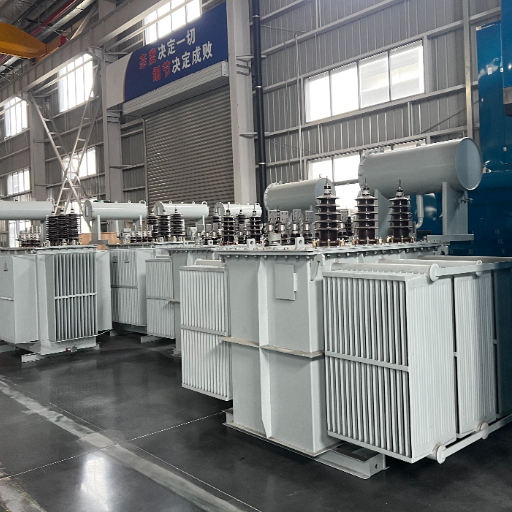
The most expensive mistake in transformer oil filtration vs replacement decisions is filtering oil that actually needs replacement. Filtration and replacement solve different problems. Choosing the wrong approach leaves the real issue unaddressed.
When Filtration Is Sufficient
Filtration (vacuum dehydration and particulate removal) restores physical and electrical properties by removing water, dissolved gases, and solids. It doesn’t change the chemical composition of the oil.
Filtration is the right choice when:
- BDV is marginal but above 30 kV
- Acid number is below 0.2 mg KOH/g
- Moisture and particulates are present but chemical properties are intact
- DGA shows no fault gases like acetylene
- The transformer itself is in good condition with significant service life remaining
A maintenance team in Georgia filtered the oil on a 2,500 kVA unit after BDV dropped to 28 kV. The acid number was 0.15 and DGA was normal. Filtration restored BDV to 52 kV at one-third the cost of replacement. The unit continues to operate reliably four years later.
When Replacement Is Required
Replacement is necessary when the oil is chemically degraded or when internal faults have contaminated it:
- Acid number exceeds 0.4 mg KOH/g
- BDV has fallen below 30 kV and filtration didn’t restore it
- Dark color, visible sludge, or sediment is present
- DGA indicates acetylene (arcing) or rapidly rising thermal gases
- Tan delta exceeds 0.7 percent, indicating severe aging
Replacement requires complete draining, tank cleaning if sludge is present, vacuum drying of the transformer tank, and slow refilling to avoid air entrapment. New oil must pass its own BDV, acidity, and moisture tests before use.
The Hidden Cost of Wrong Decisions
Another facility in Michigan filtered oil with an acid number of 0.55 mg KOH/g because filtration was cheaper. Six months later, acidity had climbed to 0.72. The acidic oil attacked internal connections and accelerated paper insulation degradation. The eventual repair cost four times what immediate replacement would have required.
Decision Matrix
Use this matrix to guide the transformer oil filtration vs replacement decision:
| Parameter | Filtration Zone | Replacement Zone |
|---|---|---|
| BDV | > 30 kV | < 30 kV |
| Acid number | < 0.2 mg KOH/g | > 0.4 mg KOH/g |
| Moisture | < 50 ppm | > 50 ppm (severe) |
| Tan delta | < 0.7 % | > 0.7 % |
| DGA | Normal/trace gases | Acetylene present or rapidly rising fault gases |
Always retest BDV, moisture, and acidity after filtration or replacement before re-energizing the transformer.
If you are sourcing a distribution transformer for a utility or industrial project, request factory oil test reports with your quotation. Knowing the starting oil quality makes future maintenance decisions easier.
Transformer Oil Testing Standards (IEEE, IEC, ASTM)

Transformer oil testing standards provide the framework for consistent, comparable results. Understanding which standard applies to your region and asset type prevents confusion during procurement and maintenance.
IEEE C57.106 (North American Practice)
IEEE C57.106 is the primary transformer oil testing standard for acceptance and maintenance of insulating oil in North America. It defines acceptance limits for new oil, maintenance limits for in-service oil, and recommended test methods. The standard emphasizes ASTM D1816 for dielectric breakdown testing of in-service oil and provides moisture limits based on equipment voltage class.
IEC 60422 (International Practice)
IEC 60422 is the international transformer oil testing standard governing mineral insulating oils in electrical equipment. It places greater emphasis on supervision and trending over time rather than strict pass-fail thresholds. Many Asian, European, and Middle Eastern utilities reference IEC standards in procurement and maintenance contracts.
ASTM Test Methods
ASTM standards define the laboratory procedures used to measure oil properties:
| Test | ASTM Standard | Purpose |
|---|---|---|
| Dielectric breakdown voltage | ASTM D1816 | Measures electrical withstand capability |
| Moisture content | ASTM D1533 | Coulometric Karl Fischer titration |
| Dissolved gas analysis | ASTM D3612 | Identifies thermal and electrical faults |
| Acidity | ASTM D974 | Detects oxidation byproducts |
| Interfacial tension | ASTM D971 | Detects polar contaminants |
For export projects, clarify at procurement which transformer oil testing standards the receiving utility requires. Factory test reports should reference the correct standard to avoid commissioning delays.
Factory Oil Quality and Long-Term Maintenance
The oil condition at delivery strongly influences transformer oil testing and maintenance requirements over the transformer service life. Oil that starts clean and dry stays useful longer, especially when paired with efficient transformer designs that minimize thermal stress.
What to Verify at Delivery
Before accepting a new transformer, verify that the factory oil meets these minimums:
- Dielectric breakdown voltage > 60 kV (ASTM D1816, 2 mm gap)
- Moisture content <= 15 ppm
- Acid number < 0.03 mg KOH/g
- Dissolved gas content within normal limits per IEC 60599
- Color and visual appearance clear and bright
Request certified factory test reports with every delivery. These reports become the baseline against which all future maintenance testing is compared.
How Operating Temperature Affects Oil Life
Transformer oil degrades faster at higher temperatures. For every 10 degrees Celsius increase in average operating temperature, oxidation rates approximately double. Transformer efficiency directly affects oil life because lower core and winding losses generate less heat. Specifying low-loss designs at procurement is a long-term oil maintenance strategy, not just an energy-saving measure.
Documentation for Export Projects
International shipments require oil test certificates that match local utility transformer oil testing standards. IEC-oriented utilities need certificates referencing IEC 60296 for new oil and IEC 60422 for maintenance guidance. North American projects typically require ASTM D3487 and IEEE C57.106 compliance. Confirm that step up transformer vs step down transformer voltage configurations match local grid specifications. Incomplete oil documentation is a common cause of customs delays and inspection rejections.
Send your project voltage, kVA, and application details for a transformer quotation with complete factory oil test reports and maintenance documentation.
Frequently Asked Questions
How often should transformer oil be tested?
Critical transformers rated 132 kV and above need dissolved gas analysis and dielectric breakdown testing annually, with moisture testing every six months. Standard distribution transformers should have DGA every two years and BDV testing annually. Always test immediately after a fault, overload, or Buchholz relay alarm.
What is the minimum BDV for transformer oil?
In-service transformer oil must maintain a minimum dielectric breakdown voltage of 30 kV for general equipment and 40 kV for critical or EHV units. New oil should exceed 60 kV before energization. Values below these thresholds signal the need for filtration or replacement.
What does dissolved gas analysis tell you?
Dissolved gas analysis detects incipient internal faults by measuring gases in the oil. Hydrogen indicates partial discharge, methane and ethylene point to overheating, and acetylene reveals high-energy arcing. Any detectable acetylene requires immediate action.
When should transformer oil be replaced?
If the acid number reaches above 0.4 MG KOH/g, BDV is less than 30 KV after filtration, obvious sediments are seen in the sight glasses, or the DGA result indicates acetylene generated from an arcing. Filtration only cannot undo the chemical degradations.
What is the difference between oil filtration and oil regeneration?
Filtration removes water, dissolved gases, and particulates to restore physical properties. Regeneration (reclamation) goes further by removing acids and polar contaminants using adsorbent media. Replacement is required when both chemical and physical properties are beyond recovery.
What causes transformer oil to degrade?
Oxidation at elevated temperatures forms acids and sludge. Moisture ingress from breathing systems or leaks reduces dielectric strength. Internal electrical faults generate dissolved gases that accelerate insulation breakdown. Operating temperature is the single biggest factor in oil life.
Conclusion
Effective transformer oil testing and maintenance comes down to five principles:
- Test annually for critical assets and every two years for standard distribution units
- Monitor BDV, DGA, moisture, and acidity together rather than relying on a single metric
- Filter when physical contamination is present and chemical properties are still good
- Replace when acidity exceeds 0.4 mg KOH/g, BDV stays below 30 kV, or fault gases appear
- Verify factory oil quality at delivery to establish a strong maintenance baseline
Oil condition is a direct indicator of transformer health. A disciplined testing program costing a few hundred dollars per year protects assets worth millions and prevents unplanned outages that disrupt operations.
Send your voltage, kVA, and site conditions to Shandong Electric Co., Ltd., a leading transformer manufacturer, for an oil immersed transformer quotation with factory-tested oil, complete documentation, and engineering support for long-term maintenance planning.