

Transformer Manufacturer: How to Choose a Reliable Partner for Your Power Project

The transformer manufacturer creates and designs and builds transformers at their factory which includes dedicated testing areas and quality assurance equipment and their team of engineers. The right manufacturer delivers equipment that operates reliably for 25 to 40 years, while the wrong choice can lead to premature failure, project delays, and unexpected costs.
A website does not provide clear evidence to distinguish between a genuine transformer manufacturer and a trading company. Many buyers discover too late that their supplier outsources production, skips critical testing, or lacks the engineering depth to support custom requirements. The guide provides information about the actual functions of transformer manufacturing companies and the important capabilities which must be assessed when selecting a business partner for a purchase order.
The article will teach you how to confirm actual manufacturing capacity, which standards demonstrate product excellence, which timeframes are feasible, and which questions to ask before choosing a transformer manufacturer.
Key Takeaways
- A true transformer manufacturer performs core design, winding, assembly, and testing in-house, not through subcontractors or trading partners.
- IEC 60076, IEEE C57.12.00, and ISO 9001 are the minimum certifications to verify before selecting a manufacturer.
- Standard transformer lead times range from 4 to 6 weeks; custom units typically require 8 to 12 weeks depending on material availability and testing scope.
- The cheapest quotation often comes from the manufacturer with the least testing infrastructure, and that cost appears later in the form of defects or early failure.
- Factory verification through video audits, test report review, and direct engineering communication separates manufacturers from intermediaries.
What Does a Transformer Manufacturer Do?
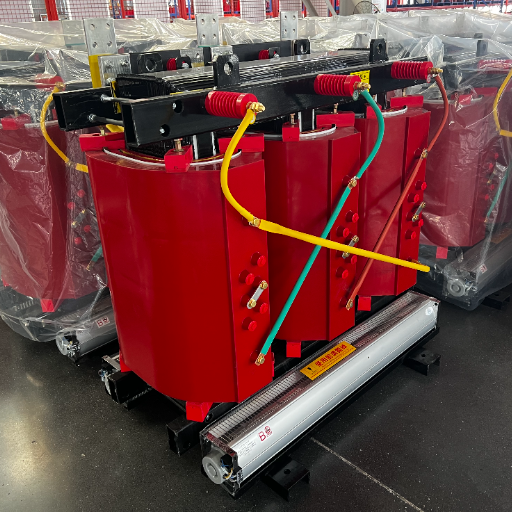
A transformer manufacturer transforms raw materials into finished power equipment through a controlled, multi-stage production process. That process typically includes electromagnetic design, core steel cutting and stacking, copper or aluminum winding, insulation assembly, tank fabrication, and comprehensive electrical testing.
The manufacturer begins with engineering design. Engineers calculate turns ratios, flux densities, and thermal performance based on the customer’s voltage, capacity, and operating environment. This design phase determines whether the unit will meet efficiency targets, handle overload conditions, and comply with local grid codes.
Once the design is approved, production moves to the shop floor. Core laminations are cut from grain-oriented silicon steel and stacked to minimize no-load losses. Windings are formed from insulated copper or aluminum conductors, then assembled with the core inside a tank or enclosure. The unit is dried, filled with insulating liquid if oil-immersed, and sealed. This end-to-end control is what defines a genuine electrical transformer manufacturer rather than a reseller.
Testing is where a manufacturer proves the design. Routine tests include winding resistance, turns ratio, no-load loss, load loss, and applied voltage tests. Type tests, performed on representative designs, verify short-circuit withstand, temperature rise, and impulse voltage performance. A manufacturer without an in-house testing laboratory cannot guarantee these results.
Want to understand how transformer testing protects your investment? Learn about transformer efficiency standards and testing protocols to see what routine and type tests cover.
Types of Transformers Manufacturers Produce
A full-capability transformer manufacturer produces multiple product families to serve different applications. Understanding these types helps you evaluate whether a manufacturer’s portfolio matches your needs.
Power Transformers
Power transformers handle high-voltage transmission and large industrial applications, typically rated from 500 kVA to several hundred MVA. These units step voltage up for long-distance transmission or down for industrial distribution. A capable power transformer manufacturer needs advanced core cutting equipment, large winding machines, and high-voltage test bays.
Distribution Transformers
Distribution transformers are the final voltage step-down stage between utility networks and end users. Ratings typically range from 50 kVA to 2,500 kVA. These units serve residential communities, commercial buildings, and light industrial facilities. A manufacturer with strong distribution transformer capability understands utility standards and outdoor enclosure design. Learn more about distribution transformer types and applications. Many of these units are three-phase, so it helps to work with a proven three phase transformer manufacturer that understands balanced load design.
Dry Type Transformers
Dry type transformers use air, cast resin, or vacuum pressure impregnated insulation instead of liquid. The equipment serves as the preferred solution for indoor installations which require both fire safety and environmental protection. Hospitals, data centers, schools, and commercial towers rely on these units. The production of dry type transformers needs cleanroom environments for winding operations and epoxy resin manufacturing equipment.
Oil Immersed Transformers
Oil immersed transformers place the core and windings inside insulating mineral oil or synthetic ester. The oil dissipates heat and provides dielectric protection, allowing higher continuous loading and dependable outdoor operation. These units dominate utility substations, solar farms, wind installations, and heavy industrial sites.For plant and process environments, a specialized industrial transformer supplier can match these units to demanding duty cycles.
Pad Mounted Transformers
Pad mounted transformers function as ground-level transformers which operate underground distribution systems through their enclosed design. The system combines its transformer with switching and protection equipment inside a secure enclosure that prevents unauthorized access. The production of pad mounted units requires manufacturers to possess metal fabrication capabilities together with corrosion-resistant coating systems and expertise in ANSI/IEEE standards.
Instrument Transformers
Instrument transformers include current transformers (CTs) and potential transformers (PTs) used for metering and protection. While smaller than power transformers, they require precision winding and accuracy class verification. When your application falls outside standard ratings, a dedicated custom transformer manufacturer can engineer units to your exact specification.
Key Capabilities to Look For in a Transformer Manufacturer
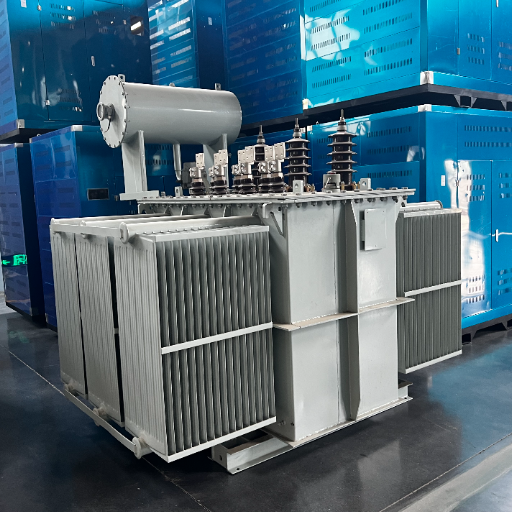
When evaluating a transformer manufacturer, verify these core capabilities before requesting a detailed quotation.
In-House Engineering Team
A manufacturer should employ electrical and mechanical engineers who can review your specifications, identify potential issues, and propose optimized designs. Ask whether the manufacturer has engineers on staff or relies on outsourced design services. Direct engineering communication reduces miscommunication and speeds up custom projects.This engineering depth is also what allows a true transformer OEM manufacturer to build to your brand and technical requirements.
Core Material Sourcing and Processing
Transformer cores are made from thin layers of silicon steel which have been oriented to particular grain directions. The steel quality determines both no-load losses and operating noise performance. A capable manufacturer sources steel from reputable mills, maintains material traceability, and uses automated cutting and stacking equipment to minimize burrs and air gaps.
Winding Capability
Windings are the heart of the transformer. The manufacturer should have multiple winding machines capable of handling different conductor types, insulation classes, and voltage levels. Ask about their experience with your specific kVA range and voltage class.
Testing Laboratory
This is the most critical differentiator. A legitimate transformer manufacturer operates a testing laboratory which contains power supplies and bridge measurement equipment and high-voltage test sets and environmental chambers. You can request their standard test report to examine the specific measurements they typically document. The company needs to check every single unit through testing because their quality standards require this process.
Quality Management System
ISO 9001 certification establishes fundamental quality management standards. Some manufacturers also hold ISO 14001 for environmental management. The certifications do not ensure quality100, but they show the factory uses documented procedures for design, production, inspection, and corrective action.Choosing an ISO certified transformer manufacturer gives you documented assurance that these processes are audited and maintained.
Standards and Certifications That Matter
Transformer standards exist to ensure safety, interchangeability, and predictable performance. A credible transformer manufacturer designs and tests to recognized international or national standards.
IEC 60076 Series
The IEC 60076 standards govern power transformer design, testing, and performance worldwide. These standards cover temperature rise limits, short-circuit withstand, insulation levels, and test methods. If your project serves markets in Asia, Africa, Europe, or the Middle East, IEC compliance is typically required.
IEEE C57.12.00 and C57.12.90
IEEE standards are the reference for North American and several Latin American markets. C57.12.00 defines performance requirements, while C57.12.90 specifies test codes. A manufacturer serving global markets should understand both IEC and IEEE requirements.
ANSI Standards
ANSI standards apply to distribution transformers in the United States, particularly pad mounted and pole mounted units. ANSI C57.12.34 and related standards define efficiency levels, physical dimensions, and safety requirements.
CE Marking
For export to European Economic Area countries, transformers may require CE marking under the Low Voltage Directive or EMC Directive. Verify that your manufacturer understands the applicable directives and can provide compliant documentation.
ISO 9001
ISO 9001 certification demonstrates that the manufacturer follows a documented quality management system. It covers design control, supplier management, production planning, inspection, and continuous improvement.
Ready to compare manufacturers against these standards? Send us your project voltage, kVA, and target standard, and our engineers will confirm compatibility and compliance scope.
Transformer Manufacturer vs. Trading Company: How to Tell the Difference
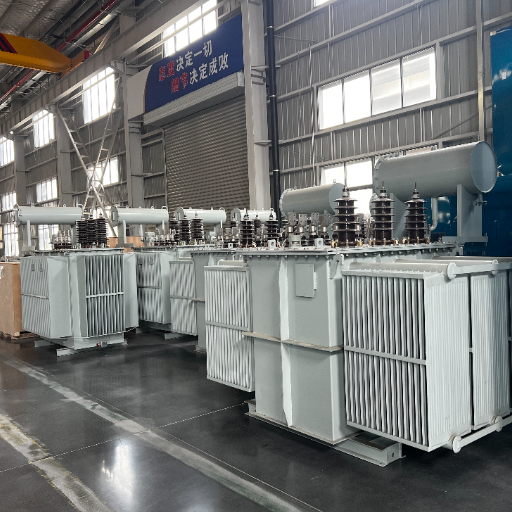
Many buyers have learned the hard way that not every company calling itself a transformer manufacturer actually manufactures anything. Trading companies present themselves as factories while outsourcing production to the lowest bidder. The result is inconsistent quality, limited customization, and no direct technical support. This is exactly why visiting or verifying an actual transformer factory in China matters so much before you commit.
Ahmed who worked as a procurement manager for a Middle East-based EPC contractor needed to purchase 12 distribution transformers for a commercial project. He selected a supplier who provided an excellent website with quick quotation delivery. The units arrived with mismatched nameplates, no factory test reports, and oil levels below the sight glass. The supplier blamed the shipping company and offered no technical support. Ahmed later discovered the supplier had become a trading company which lacked any manufacturing capabilities. The project faced a six-week delay while replacement units were sourced from a real manufacturer.
Use this comparison to protect your project:
| Factor | Real Manufacturer | Trading Company |
|---|---|---|
| Factory visit | Welcomes video audits and physical visits | Deflects or offers only office tours |
| Test reports | Provides detailed routine test data for every unit | Offers generic or missing reports |
| Customization | Modifies voltage, taps, enclosure, and accessories freely | Limited to standard catalog options |
| Engineering contact | Direct access to design engineers | Communication through sales staff only |
| Material traceability | Documents steel mill, copper source, insulation batch | No material documentation |
| Lead time control | Manages production schedule directly | Depends on subcontractor availability |
| After-sales support | Offers installation guidance, spare parts, troubleshooting | Limited or no technical support |
If a supplier cannot provide a factory video call, detailed test report, or direct engineering contact, treat it as a warning sign. Real manufacturers have nothing to hide.
What Affects Transformer Manufacturing Lead Time?
Lead time is one of the first questions buyers ask, and it is one of the most variable. Understanding what drives manufacturing time helps you plan realistically and identify when a supplier is overpromising.
Standard vs. Custom Design
Standard catalog designs with common voltage ratios and ratings move through production faster. Custom designs require engineering review, material procurement for non-standard components, and sometimes additional testing. A 500 kVA, 11kV/400V distribution transformer in a standard configuration may ship in 4 to 6 weeks. A 5 MVA unit with custom voltage taps, K-factor rating, and stainless steel enclosure may require 10 to 14 weeks.
Material Availability
Transformer core steel and copper conductor account for a significant share of material cost and lead time. Global demand for grain-oriented electrical steel fluctuates, and copper pricing volatility affects procurement timing. Manufacturers with strong supplier relationships and material inventory buffers manage these risks better than smaller operations.
Testing Requirements
Routine tests are performed on every unit and take 1 to 3 days depending on rating. Type tests, witness tests, or special tests add time. If your specification requires a customer-witnessed heat run or impulse test, schedule an additional 3 to 5 days.
Export Documentation
International shipments require certificates of origin, packing lists, commercial invoices, and sometimes material certifications or third-party inspection reports. A manufacturer with export experience prepares this documentation efficiently. Inexperienced suppliers need to hold back their shipments because they try to create appropriate documentation.
Elena, who works as a project manager for a South American utility, expected all manufacturers to deliver her substation upgrade within an 8-week timeframe. She discovered that the 8-week delivery time frame required additional time for customs documentation and sea freight booking and port clearance processes. The total project duration decreased by 3 weeks because she collaborated with a manufacturer who operated in her area and the factory had already completed export paperwork and used its regular freight forwarders.
Realistic lead time ranges:
- Standard distribution transformers: 4 to 6 weeks
- Standard power transformers: 6 to 8 weeks
- Custom industrial transformers: 8 to 12 weeks
- Large or complex substation units: 12 to 16 weeks
- Add 2 to 4 weeks for sea freight to most international destinations
Choosing a Transformer Manufacturer for Export Projects
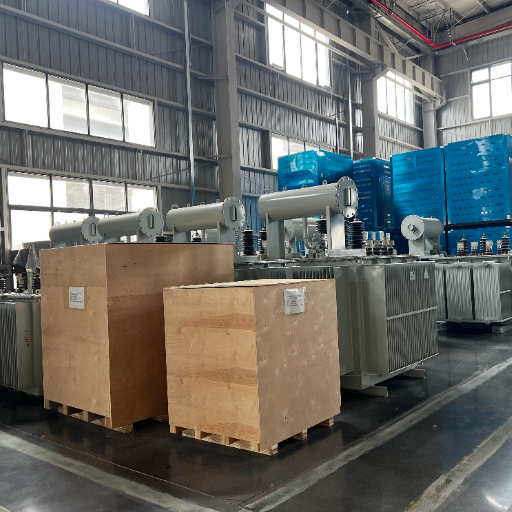
International buyers face additional complexity when selecting a transformer manufacturer. Voltage standards, frequency, climate conditions, and documentation requirements vary by region. A seasoned transformer exporter will anticipate these regional differences before they become costly surprises.
Voltage and Frequency Compatibility
Verify that the manufacturer understands your local grid voltage and frequency. A 60 Hz transformer will experience overheating when operated at 50 Hz with identical voltage settings. The insulation coordination requirements need to match the actual local lightning and switching surge conditions. The manufacturer should request your system voltage, frequency, Basic Insulation Level (BIL), and grounding configuration information before proceeding to complete the design process.
Packaging for Sea Freight
Transformers that need ocean transportation must have strong shipping crates together with effective moisture control systems and shockproof mounting solutions. The oil immersed units need to undergo both sealing and pressure testing procedures before their delivery. The manufacturer should provide information about their packaging methods while confirming their expertise with your specific destination port’s operational procedures.
Documentation
Export shipments require complete documentation:
- Commercial invoice and packing list
- Certificate of origin
- Factory test reports
- Material certifications (if specified)
- Third-party inspection certificate (if required)
- Installation and maintenance manuals in your language
A manufacturer with established export processes provides this documentation without delay. New exporters may struggle to produce correct customs paperwork, causing port detention and demurrage costs.
Installation Support
Some manufacturers offer remote installation supervision or send technicians for commissioning. This support is valuable for large or critical units where proper installation directly affects performance and warranty coverage. Confirm what support is included and what carries additional cost.
Spare Parts Availability
Transformers operate for decades, and spare parts such as bushings, gaskets, tap changers, and breather cartridges may be needed. A reliable manufacturer maintains spare parts inventory and can supply replacements years after the original delivery.
Questions to Ask Before Selecting a Manufacturer
Use this checklist during your evaluation process. The answers will reveal whether you are dealing with a capable manufacturer or an intermediary.
- Can you share a recent factory test report for a unit similar to my specification?
This verifies testing capability and report quality. - What is your routine test protocol for every unit?
The answer should include winding resistance, turns ratio, no-load loss, load loss, and applied voltage tests at minimum. - Do you perform design and engineering in-house, or is it outsourced?
In-house engineering enables faster custom design and direct technical support. - What standards do you design to, and can you comply with IEC, IEEE, or ANSI as needed?
Multi-standard capability indicates engineering depth. - Can you accommodate custom voltage ratios, taps, or enclosure modifications?
Customization flexibility separates manufacturers from catalog resellers. - What is your realistic production lead time for my specification and quantity?
Be wary of quotes that seem too fast for the complexity of the order. - Do you offer on-site installation supervision or remote commissioning support?
This indicates customer commitment beyond the sale. - What is your warranty policy, and what does it cover?
Standard warranties range from 12 to 36 months. Clarify coverage for materials, workmanship, and performance. - Can you provide references from projects in my region or industry?
Relevant experience reduces risk. - What is your spare parts availability and typical replacement lead time?
Long-term support matters for assets with 25+ year lifespans.
How to Evaluate Total Value, Not Just Price
The lowest quotation is rarely the best value. A transformer operates for decades, and small differences in efficiency, reliability, and support compound into significant cost differences over time.
Total cost of ownership should be considered as a better measurement than purchase price. A transformer with 0.5% higher efficiency saves thousands of dollars in electricity costs over 20 years. The unit provides enhanced ability to withstand short-circuits which decreases both catastrophic failure danger and need for system replacement. A manufacturer with responsive technical support resolves installation issues before they become operational problems.
Ken, who works as a facility manager for a manufacturing plant in Southeast Asia, received price estimates between 18,000 and 28,000 for three new transformers he needed to buy. He selected the mid-range option based on lower no-load losses, a 24-month warranty, and the manufacturer’s offer of installation supervision. Plant operations had experienced no downtime from the new units after three years because energy savings had compensated for their higher purchase expenses. The cheapest option would have cost more in the long run.For buyers weighing quality against price, our guide to the best transformer manufacturer in China shows how to balance both.
Ready to evaluate transformers for your project? Contact our engineering team with your voltage, kVA, and installation details for a practical recommendation and competitive quotation.
Conclusion
The selection of a transformer manufacturer represents one of the critical choices which project developers must make during power plant development. The correct partner provides equipment which delivers dependable performance throughout multiple decades while assisting your personnel during both installation and commissioning processes and backing the product through technical knowledge.
The organization incurs hidden expenses because of improper selection which results in equipment breakdowns before its expected lifespan and insufficient testing and incomplete documentation and loss of technical assistance.
The manufacturer must design systems through their internal team while performing tests on all products and obtaining necessary certifications and establishing direct contact with your technical staff before you finalize your decision. The organization needs to obtain test results and factory confirmation together with actual delivery times for their project. The complete value should be evaluated instead of focusing on the initial purchase cost.
The transformer serves as an asset that delivers value to the organization for an extended period. The manufacturer should regard the equipment as a permanent asset.
Our engineering team requires your voltage information together with kVA details and installation conditions and project schedule. We will assess your needs and determine compliance with standards before delivering a complete quote which will include all necessary details about delivery times.