
Dry Type Transformer Maintenance: Schedule, Testing & Inspection Guide

Dry type transformer maintenance includes regular visual inspections, scheduled electrical testing, proper cleaning, temperature monitoring, and systematic record keeping. Performed consistently, these activities can extend service life from 15 years to 30 years or more. Neglected, the same transformer can fail catastrophically with repair or replacement costs reaching tens of thousands of dollars.
A commercial facility in Bangkok maintained a 2,500 kVA VPI transformer with annual megger tests. Each year the technician recorded the readings and noted “above minimum” without ever graphing the trend: 2,800 M ohms in 2020, 1,200 M ohms in 2021, 600 M ohms in 2022, and 280 M ohms in 2023. In 2024, a phase-to-ground fault developed during startup after a weekend shutdown. Moisture-degraded windings could not withstand the switching transient. The repair bill reached $22,000. A simple trend graph, costing nothing, would have revealed the 10x decline two years earlier and prompted preventive action.
This guide provides a complete dry type transformer maintenance program. You will find inspection schedules adjusted by operating environment, step-by-step testing procedures, cleaning methods, cost breakdowns, and a clear framework for deciding when to repair, rewind, or replace.
Want the complete picture of all dry type transformer types? See our dry type transformer guide covering cast resin, VPI, and open ventilated designs.
Key Takeaways
- Dry type transformer maintenance should include monthly visual inspections, quarterly temperature reviews, annual electrical testing, and major inspections every 5 years.
- Well-maintained dry type transformers achieve 25-35 year service life; neglected units often fail at 10-15 years.
- Annual maintenance costs range from 400−800fora500kVAunitto400−800fora500kVAunitto1,000-2,000 for a 2,000 kVA unit.
- Cast resin and VPI transformers require different testing frequencies and cleaning approaches.
- Preventive maintenance reduces transformer failure probability by 70-80% compared to run-to-failure strategies.
Need guidance on selecting the right transformer before it reaches your maintenance program? See our dry-type transformer sizing guide for capacity calculations and selection methodology.
How Often Should Dry Type Transformers Be Maintained?
Standard Maintenance Intervals
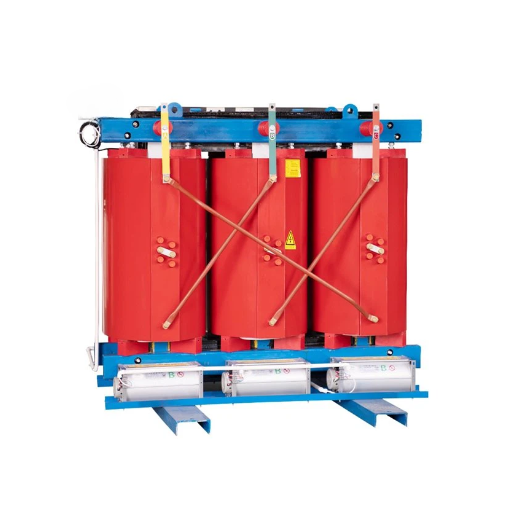
Dry type transformer maintenance follows a tiered schedule based on both calendar time and operating conditions. The standard intervals are:
- Monthly: Visual walk-down inspection
- Quarterly: Temperature and load review
- Annually: Comprehensive electrical testing
- Every 5 years: Major internal inspection (or per manufacturer recommendation)
These intervals assume a clean indoor environment with normal loading. Operating conditions should adjust this baseline.
Environment-Adjusted Maintenance Schedules
Not all installations face the same stress. A transformer in a climate-controlled hospital electrical room requires different attention than one in a dusty cement plant.
| Environment | Visual Inspection | Electrical Testing | Cleaning | Major Inspection |
|---|---|---|---|---|
| Clean indoor (office, hospital) | Monthly | Annually | Annually | 5 years |
| Moderate industrial (factory, warehouse) | Bi-weekly | Annually | Semi-annually | 3-4 years |
| Dusty/dirty (cement, mining, textile) | Weekly | Semi-annually | Quarterly | 2-3 years |
| Coastal/corrosive | Bi-weekly | Semi-annually | Monthly (exterior) | 2-3 years |
| High altitude (>1,000 m) | Monthly | Annually | Annually | 3 years |
| High ambient (>40 C) | Bi-weekly | Semi-annually | Semi-annually | 3 years |
Salt air in coastal environments accelerates terminal corrosion. Dusty environments clog cooling channels and accelerate insulation surface contamination. High ambient temperatures increase thermal aging rates. Each factor justifies more frequent attention.
Visual Inspection Checklist
What to Look for During Monthly Walk-Downs
A thorough visual dry type transformer inspection takes 10-15 minutes and requires no special equipment. Inspect:
- Enclosure integrity: cracks, missing panels, damaged gaskets, or open covers
- Dust accumulation: thickness on cooling channels, enclosure louvers, and top surfaces
- Bushing and terminal condition: corrosion, discoloration, tracking marks, or loose hardware
- Fan and auxiliary equipment: fans running when called, no unusual noise from bearings
- Indicator lights and temperature displays: all monitors operational, no fault indicators
- Surrounding area: stored materials blocking ventilation, water leaks, pest intrusion
Photograph the unit condition during each inspection. Comparing photos over time reveals gradual changes that a single visit might miss.
Common Visual Warning Signs
These observations demand immediate attention:
- Discoloration of insulation: Yellowing or darkening indicates thermal aging
- Cracking in cast resin: Visible cracks in epoxy surfaces allow moisture ingress
- Corroded terminals: Green or white oxidation increases contact resistance
- Unusual noise changes: Increased hum or new vibration suggests core or winding displacement
- Excessive dust: More than 1 mm of dust on cooling surfaces reduces heat dissipation by 10-15%
Electrical Testing During Maintenance
Insulation Resistance (Megger) Testing
Insulation resistance measurement is the most important single test during dry type transformer maintenance. It reveals moisture ingress, insulation degradation, and contamination.
Test voltages by winding voltage class:
- Low voltage windings (up to 1 kV): 1,000 V megger
- Medium voltage windings (1-36 kV): 2,500 V megger
Minimum acceptable values:
- New transformer: 1,000 M ohms or higher at 20 C
- In service: 100 M ohms or higher
Temperature correction: Insulation resistance approximately halves for every 10 C increase above 20 C. A reading of 500 M ohms at 40 C equals approximately 2,000 M ohms at 20 C.
Trend analysis matters more than single readings. Record values over time. A downward trend over 2-3 consecutive tests indicates active degradation even if each individual reading remains above minimum.
Winding Resistance Measurement
Measure DC resistance of all windings at the same tap position. Compare phase-to-phase values; they should balance within 2%. Significant deviation indicates loose connections, broken conductor strands, or internal damage. Compare results to factory test reports as a baseline.
Turns Ratio Verification
Verify turns ratio annually using a TTR (transformer turns ratio) tester. The measured ratio should match the nameplate within 0.5%. This test also confirms vector group and detects shorted turns.
Partial Discharge Testing
Partial discharge measurement detects insulation voids, cracks, and contamination. Test at 1.5x rated voltage per IEC 60270.
Acceptable limits:
- Cast resin transformers: less than 10 pC
- VPI transformers: less than 50 pC
Testing frequency:
- Critical installations (hospitals, data centers): annually
- Standard commercial/industrial: every 2-3 years
- After any overvoltage event or fault: immediately
Thermographic Inspection
Infrared thermography identifies loose electrical connections before they cause failures. Scan terminals, busbar joints, and cable lugs under load. Hot spots exceeding 10 C above ambient connection temperature indicate excessive resistance requiring torque verification.
Cleaning Procedures for Dry Type Transformers
Dry Cleaning Methods
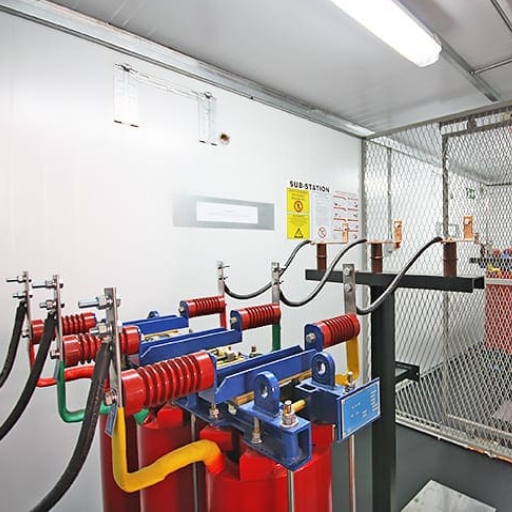
Dry type transformer cleaning should always start with dry methods:
- Low-pressure dry air: Use filtered, dry compressed air at maximum 30 psi (2 bar) with the nozzle held at least 300 mm from surfaces
- Vacuum cleaning: Industrial vacuum with soft brush attachments removes dust without redistribution
- Lint-free wipes: For accessible flat surfaces and enclosure interiors
Never use metal brushes or abrasive materials. They scratch insulation surfaces and create conductive paths.
When Wet Cleaning Is Acceptable
Wet cleaning is sometimes necessary for heavily contaminated units, but requires strict precautions:
- De-energize and lock out the transformer completely
- Use only manufacturer-approved cleaning solutions
- Avoid excessive moisture on windings and insulation
- Allow minimum 24 hours drying time before re-energization
- Verify insulation resistance after drying and before energizing
Some manufacturers void warranties if wet cleaning is performed without approval. Check documentation before proceeding.
Environment-Specific Cleaning Frequency
| Environment | Cleaning Frequency | Method |
|---|---|---|
| Clean office / hospital | Annually | Dry air or vacuum |
| Moderate industrial | Semi-annually | Vacuum + dry air |
| Dusty (cement, mining) | Quarterly | Vacuum + compressed air |
| Coastal | Monthly exterior / quarterly interior | Damp wipe exterior, dry interior |
A shopping mall in Dubai installed four 1,600 kVA cast resin transformers in 2018. The maintenance contractor performed only annual visual inspections, never cleaning the cooling air channels. By 2023, dust accumulation had reduced heat dissipation by an estimated 20%. During a July heatwave, one unit tripped on overtemperature. Investigation revealed resin discoloration and degraded winding insulation. The unit required replacement at 38,000, including emergency rigging and after-hour electrical work.Quarterlycompressedaircleaningat38,000includingemergencyriggingandafter−hourselectricalwork.Quarterlycompressedaircleaningat200 per year per unit would have prevented the failure entirely.
Temperature Monitoring and Thermal Management
Winding Temperature Alarm Settings
Proper alarm thresholds protect insulation from thermal overload. Set alarms based on insulation temperature class:
| Insulation Class | Maximum | Alarm Setpoint | Trip Setpoint |
|---|---|---|---|
| Class F (155 C) | 155 C | 140 C | 150 C |
| Class H (180 C) | 180 C | 165 C | 175 C |
For units without embedded temperature sensors, monitor enclosure surface temperature and add a safety margin. Surface temperature typically runs 20-30 C below internal winding temperature.
Load Monitoring and Overload History
Review peak load records quarterly. Repeated overload events, even brief ones, accelerate insulation aging through thermal cycling stress. Transformer life halves for every 6-10 C of continuous operating temperature above rated (Arrhenius relationship for Class F insulation). Document overload events and consider load redistribution if peaks exceed 110% of rating regularly.
Cooling System Maintenance
For forced-air cooled (AF) units:
- Test fan operation monthly; verify automatic startup at set temperature
- Clean or replace intake filters per environment schedule
- Listen for bearing noise indicating pending failure
- Verify alarm wiring: a normally-open alarm contact should open on fault, not close
A hospital in Sao Paulo installed temperature-monitored dry type transformers with forced air cooling. One unit’s exhaust fan failed silently; the alarm relay was wired incorrectly (normally closed instead of normally open). For 14 weeks the transformer operated at 25-30 C above design temperature. When maintenance discovered the fault during a quarterly inspection, thermal aging had reduced the insulation’s remaining life from 20 years to approximately 8 years. The hospital chose preemptive replacement rather than risk an in-service failure during critical operations. Total cost: $31,000. A correctly wired alarm and monthly fan verification would have caught the fault within days.
Cast Resin vs VPI Transformer Maintenance Differences
Cast Resin Specific Concerns
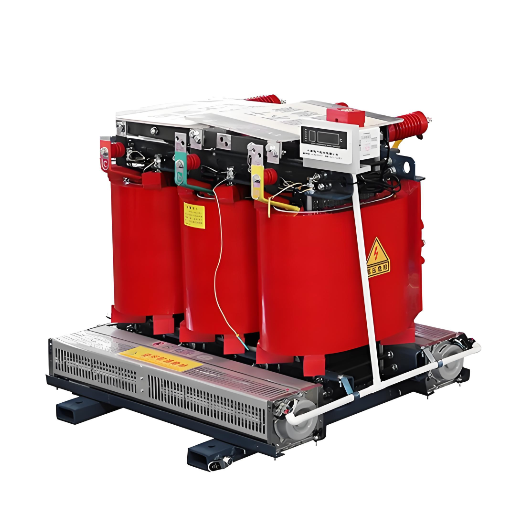
Cast resin transformer maintenance focuses on mechanical and thermal integrity of the epoxy encapsulation:
- Resin cracking: Thermal cycling can create microcracks in epoxy surfaces. Inspect visually for cracks during every cleaning. Cracks allow moisture ingress and create partial discharge sites.
- Partial discharge sensitivity: Cast resin units have tighter PD limits (<10 pC). Test annually for critical installations.
- Cleaning chemical compatibility: Harsh solvents can attack epoxy resins. Use only mild detergents approved by the manufacturer.
- Impact damage: Epoxy is brittle. Physical impact during maintenance activities can chip encapsulation.
VPI Specific Concerns
VPI transformer maintenance requires greater vigilance against moisture:
- Moisture absorption: VPI windings are more hygroscopic than cast resin. Storage in humid conditions or enclosure breaches can raise moisture content.
- More frequent IR testing: Test insulation resistance semi-annually rather than annually, especially in humid climates.
- Re-impregnation assessment: If IR values decline consistently and cleaning does not restore them, the winding may need re-impregnation. This is economical only if the core and enclosure remain sound.
- Drying procedures: VPI units benefit from periodic low-voltage drying or space heater operation during extended shutdowns.
For a deeper comparison of these technologies, see our cast resin transformer guide and VPI transformer guide.
Common Failure Modes and Early Warning Signs
Insulation Degradation
Causes: Moisture ingress, thermal aging from overload, partial discharge activity, surface contamination
Early signs: Declining insulation resistance trend, increasing partial discharge levels, visible discoloration of insulation materials
Prevention: Maintain clean, dry environment; enforce load limits; test IR and PD on schedule
Connection Loosening
Causes: Thermal cycling expanding and contracting conductors, vibration from adjacent equipment, inadequate initial torque
Early signs: Hot spots on thermography 10 C above ambient connection temperature, rising winding resistance on one phase, visible oxidation at terminals
Prevention: Annual torque verification with calibrated wrench; use Belleville washers on critical busbar joints
Cooling System Failure
Causes: Fan bearing wear, filter blockage, control relay failure, incorrect alarm wiring
Early signs: Rising operating temperature at consistent load, fans not starting at setpoint, unusual bearing noise
Prevention: Monthly fan verification, scheduled filter replacement, alarm circuit functional testing
Maintenance Cost Breakdown
Annual Maintenance Cost by Transformer Size
The following costs include labor and basic materials for a standard preventive maintenance program. They exclude major repairs or replacement parts.
| Component | 500 kVA | 1,000 kVA | 2,000 kVA |
|---|---|---|---|
| Visual inspection (annual) | $100-150 | $150-200 | $200-300 |
| Electrical testing (annual) | $200-400 | $300-600 | $500-900 |
| Cleaning (annual) | $50-100 | $100-200 | $200-400 |
| Thermographic inspection | $150-250 | $200-300 | $300-500 |
| Total annual cost | $500-900 | $750-1,300 | $1,200-2,100 |
Adjustments: Add 30-50% for dusty, coastal, or high-temperature environments due to more frequent service. Subtract 20-30% if multiple transformers are serviced in the same visit.
Cost of Neglect: Common Failure Expenses
Unplanned transformer replacement costs 3-5x more than planned replacement. Emergency expenses include:
- Expedited procurement and shipping
- After-hours rigging and electrical labor
- Production downtime or facility closure
- Possible damage to downstream equipment from voltage transients
A single emergency replacement often costs 15,000−40,000dependingonkVAratingandaccessibility.Annualpreventivemaintenanceat15,000−40,000dependingonkVAratingandaccessibility.Annualpreventivemaintenanceat500-2,000 represents 5-10% of failure cost.
In-House vs Contract Maintenance
In-house maintenance suits facilities with qualified electrical staff and multiple transformers. Advantages include faster response and lower per-visit cost. Requires investment in test equipment (megger, TTR, winding resistance meter, thermal camera).
Contract maintenance suits facilities with few transformers or limited electrical staff. Specialist transformer service companies bring calibrated equipment and trending software. Typical contract rates run 20-40% above in-house labor cost but include equipment and reporting.
Ready to plan your maintenance program? Send your transformer rating, operating environment, and last test date for a customized maintenance schedule and cost estimate.
When to Repair, Rewind, or Replace
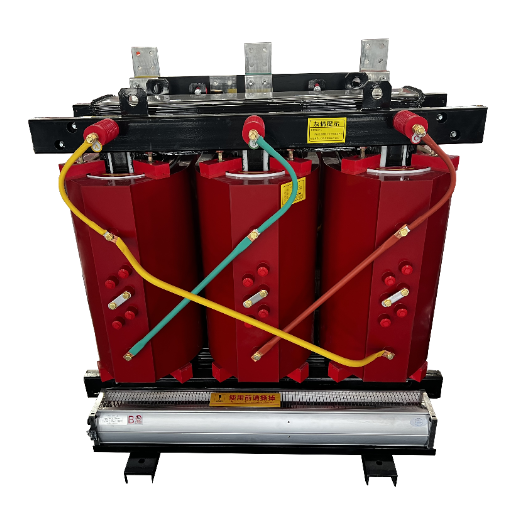
Repair Criteria
Repair is appropriate for isolated, non-winding issues:
- Damaged or corroded terminals and busbars
- Loose connections requiring re-torquing
- Failed cooling fans, temperature monitors, or control relays
- Enclosure damage or gasket replacement
- Minor resin patching (cast resin) after manufacturer consultation
Rewind Criteria
Rewinding is viable when the core, frame, and enclosure remain sound:
- Localized winding damage with no core distortion
- Insulation degradation confined to windings
- Cost threshold: rewind is economical when less than 60% of replacement cost
- Manufacturer assessment confirms core integrity
Rewind costs typically range from 40-60% of new transformer price for medium-voltage units. Lead time is 4-8 weeks.
Replacement Criteria
Replace the transformer when:
- Core damage exists (repair or rewind cannot address this)
- Insulation degradation is systemic rather than localized
- Repeated failures indicate a design or application mismatch
- Efficiency improvements in modern units justify replacement on energy savings alone
- The unit has reached or exceeded normal service life with declining test results
For replacement sizing guidance, refer to our dry type transformer installation guide for clearance and room requirements.
Documentation and Record Keeping
Required Maintenance Records
Systematic documentation transforms individual tests into a predictive tool. Maintain records of:
- Inspection logs with dates, inspector name, findings, and photographs
- Insulation resistance values with temperature corrections
- Winding resistance measurements by phase and tap position
- Turns ratio and vector group verification results
- Partial discharge test results with voltage and date
- Thermographic inspection reports with images
- Load history and documented overload events
- Cleaning dates and methods used
- Repair and parts replacement history
Digital Maintenance Management
Modern facilities benefit from CMMS (Computerized Maintenance Management System) integration:
- Automatic scheduling based on calendar or operating hours
- Trend graphing of IR, resistance, and PD values over time
- Alarm thresholds that trigger work orders when trends exceed limits
- Mobile access for technicians in the field
Digital trending is especially valuable for insulation resistance. A single reading of 400 M ohms may seem acceptable. A trend showing 2,800, 1,200, 600, 400 over four years reveals active degradation requiring immediate action.
Frequently Asked Questions
How Often Should Dry Type Transformers Be Inspected?
Visual inspections should occur monthly in standard environments, bi-weekly in dusty or high-temperature locations, and weekly in severe industrial conditions. Comprehensive electrical testing should occur annually, or semi-annually in harsh environments.
What Tests Are Required During Dry Type Transformer Maintenance?
Minimum annual tests include insulation resistance (megger), winding resistance, turns ratio verification, and thermographic inspection. For critical installations, add partial discharge testing. After any fault or overvoltage event, test insulation resistance and turns ratio before re-energizing.
How Long Do Dry Type Transformers Last?
Well-maintained dry type transformers typically achieve 25-35 years of service life. Poorly maintained units in harsh environments may fail at 10-15 years. Life expectancy depends heavily on operating temperature, environmental cleanliness, and maintenance discipline.
What Is the Difference Between Cast Resin and VPI Transformer Maintenance?
Cast resin maintenance focuses on resin crack inspection and tight partial discharge limits (<10 pC). VPI maintenance requires greater moisture vigilance, more frequent insulation resistance testing, and consideration of re-impregnation if moisture absorption occurs.
How Much Does Dry Type Transformer Maintenance Cost?
Annual preventive maintenance costs range from 500−900fora500kVAunit,500−900fora500kVAunit,750-1,300 for 1,000 kVA, and $1,200-2,100 for 2,000 kVA. These costs are typically 5-10% of emergency replacement expenses.
Can You Clean Dry Type Transformer Windings?
Yes, using dry methods: low-pressure compressed air, vacuum cleaning with soft brushes, or lint-free wipes. Wet cleaning is possible only with de-energization, manufacturer-approved solutions, and minimum 24-hour drying before re-energization.
What Temperature Is Too High for a Dry Type Transformer?
For Class F insulation (155 C maximum), alarm at 140 C and trip at 150 C. For Class H (180 C maximum), alarm at 165 C and trip at 175 C. Continuous operation even 10 C above rated temperature halves insulation life.
When Should a Dry Type Transformer Be Replaced?
Replace when core damage exists, insulation degradation is systemic, repeated failures occur, efficiency upgrades justify replacement cost, or the unit exceeds normal life with declining test trends. Rewind is viable if damage is localized and cost is under 60% of replacement.
Conclusion
Dry type transformer maintenance is not optional infrastructure care. It is an investment with measurable returns: a 500−2,000annualprogramprevents500−2,000annualprogramprevents15,000-40,000 emergency replacements and protects production continuity.
The core maintenance program is straightforward: inspect monthly, test annually, clean per environment, and trend every result. The discipline is not in complexity but in consistency. The Bangkok factory, Dubai mall, and Sao Paulo hospital all suffered preventable failures because a simple scheduled action was skipped, misinterpreted, or improperly wired.
If your transformer is approaching 10 years of service, or if test records show declining trends, act before the next heating season or production peak. For new installations, establish the maintenance schedule during commissioning and baseline all test values for future comparison.
Shandong Electric Co., Ltd. provides dry type transformers from 100 kVA to 5,000 kVA with complete factory testing documentation to establish maintenance baselines. Send your transformer rating, operating environment, and last test date for a customized maintenance schedule.