
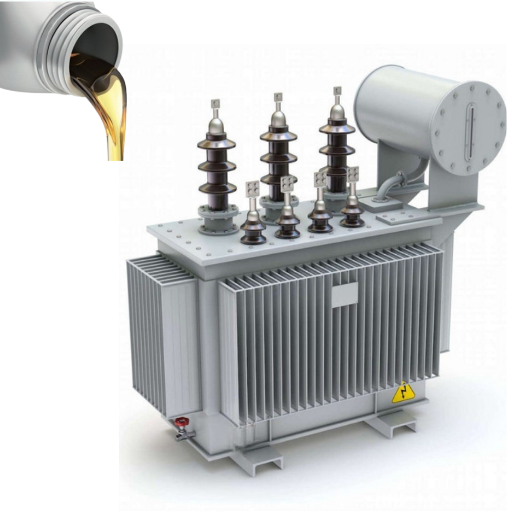
Transformer Oil Types: Complete Comparison Guide (Mineral, Ester, Silicone)

The four main transformer oil types are mineral oil, natural ester, synthetic ester, and silicone, each offering different combinations of fire safety, environmental impact, cost, and cold-weather performance. Mineral oil remains the standard for approximately 85% of installations due to low cost and proven reliability. Still, natural ester is the fastest-growing alternative because its flash point exceeds 300°C (more than double mineral oil’s 140°C) and it is fully biodegradable.
A 40 MW solar farm in Spain discovered the importance of fluid selection only after installation. The developer specified mineral oil transformers to minimize capital expenditure, a common and logical choice. Six months later, local fire authorities required safety upgrades for the outdoor transformer compound, which sat adjacent to a protected woodland area. The developer faced two options: install firewalls, containment pits, and an automatic suppression system for 120,000, or retrofill all 20 units with natural ester fluid at 120,000, or retrofill all 20 units with natural ester fluid at 45,000. The natural ester option not only satisfied fire codes but also provided biodegradability protection for the aquifer beneath the site. The initial savings from mineral oil were erased by compliance costs that could have been avoided with the right fluid specification from the start.
This guide compares all four transformer oil types with quantified data, explains fire safety classifications, and provides a selection framework for your application.
Key Takeaways
- Mineral oil is the standard (85% of installations) with lowest cost but 140°C flash point and no biodegradability.
- Natural ester offers 300°C+ flash point, full biodegradability, and moisture-absorbing properties at 15-30% cost premium.
- Synthetic ester provides the widest temperature range and highest oxidation stability at 40-60% premium over mineral oil.
- Silicone delivers extreme fire safety with no flame propagation but costs 4-5 times more than mineral oil.
- Fluid selection should be driven by fire codes, environmental sensitivity, climate, and total cost of ownership, not purchase price alone.
What Is Transformer Oil?
Core Function
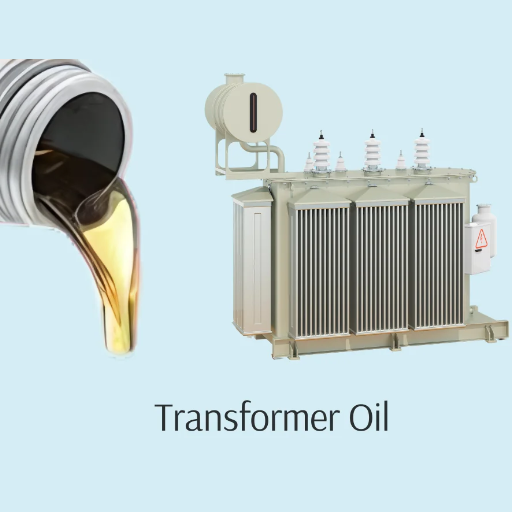
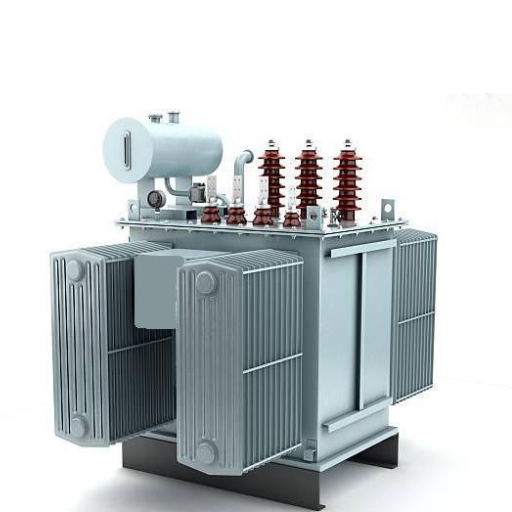
Transformer oil, also called insulating oil or dielectric fluid, serves two essential functions inside an oil filled transformer. It provides electrical insulation between windings and between windings and the grounded tank, and it absorbs and transports heat away from the core and coil assembly. Without the oil, a transformer of equivalent rating would need to be physically much larger, or it would operate at dangerously high temperatures.
The oil fills every space inside the tank that is not occupied by the active part. It penetrates between winding layers, around conductor strands, and through cooling ducts. This complete immersion ensures uniform temperature distribution and consistent dielectric strength throughout the insulation system.
Key Properties
All transformer oils are evaluated against a standard set of properties:
- Dielectric strength: The voltage the oil can withstand before breakdown, typically measured in kilovolts across a standardized gap. New mineral oil should exceed 70 kV per IEC 60296.
- Viscosity: Resistance to flow, which affects heat transfer efficiency and pumpability in cold weather. Lower viscosity means better circulation.
- Thermal conductivity: Ability to conduct heat, which determines cooling efficiency.
- Oxidation stability: Resistance to chemical reaction with oxygen, which produces acids, sludge, and degraded performance over time.
- Flash point: The temperature at which the oil vapors ignite when exposed to a flame. This is the primary fire safety metric.
- Pour point: The lowest temperature at which the oil will flow, critical for cold-climate performance.
Why Fluid Selection Matters
The choice of transformer oil affects four dimensions that persist for the entire service life of the unit:
- Fire safety: Flash point determines whether the transformer can be installed indoors, near buildings, or in sensitive environments without expensive fire protection systems.
- Environmental liability: Spills of non-biodegradable mineral oil create cleanup obligations. Biodegradable esters reduce or eliminate this risk.
- Equipment life: Natural ester’s ability to absorb moisture from cellulose insulation can extend the life of the paper insulation system.
- Operating cost: Fluid type influences maintenance frequency, oil replacement intervals, and fire protection infrastructure requirements.
For the broader context on how oil works inside transformers, see our complete oil filled transformer guide.
Mineral Oil (Standard Petroleum-Based)
Composition and Properties
Mineral oil is a refined petroleum product, essentially the same family as lubricating oils and fuels but processed to meet the electrical and chemical requirements of transformer service. It consists of a mixture of paraffinic, naphthenic, and aromatic hydrocarbons. The refining process removes sulfur, nitrogen, and other impurities that would accelerate degradation.
Standard new mineral oil per IEC 60296 has a dielectric strength above 70 kV, viscosity of approximately 10-12 cSt at 40°C, and a pour point of -30°C to -45°C depending on the base stock. These properties have made it the reference standard against which all alternative fluids are compared.
Advantages
Mineral oil dominates the transformer market for clear reasons:
- Lowest cost: It is the cheapest insulating fluid available, typically serving as the 1.0x baseline for price comparisons.
- Proven track record: Over 100 years of service history with well-understood behavior, degradation patterns, and maintenance protocols.
- Excellent dielectric properties: High dielectric strength and low dissipation factor when new.
- Wide availability: Produced globally with established supply chains and competitive pricing.
- Established service infrastructure: Every transformer service company has mineral oil testing, filtration, and reclamation capability.
Limitations
The limitations of mineral oil are what drive buyers toward alternatives:
- Flammability: Flash point of approximately 140°C and fire point of approximately 160°C. This is the lowest of all transformer fluid options.
- Non-biodegradable: Mineral oil persists in soil and water for years after a spill, creating environmental liability.
- Oxidation sensitivity: Reacts with oxygen to form acids and sludge, requiring more frequent testing and earlier replacement than ester fluids.
- Moisture intolerance: High dielectric strength drops rapidly as moisture content increases. Saturation limit is only 50-60 ppm at room temperature.
Typical Applications
Mineral oil remains the right choice for standard outdoor utility and industrial applications where fire codes permit, environmental sensitivity is low, and first cost is a primary constraint. It is the default fluid for utility substations, manufacturing plants, and rural distribution networks in temperate climates.
Natural Ester (Seed-Based / Vegetable Oil)
Composition
Natural ester fluids are produced from vegetable oils, primarily soybean, rapeseed (canola), or sunflower oil. The base oil is chemically modified through an esterification process that improves oxidation stability and reduces viscosity compared to raw vegetable oil. The result is a fluid that retains the high molecular stability of plant-based oils while meeting transformer performance requirements.
Advantages
Natural ester offers a combination of benefits that no other single fluid provides:
- Superior fire safety: Flash point exceeds 300°C, more than double that of mineral oil. Fire point exceeds 350°C. This places natural ester in the K1 fire safety classification per IEC 61039.
- Full biodegradability: Passes OECD 301 biodegradability tests with greater than 95% degradation in 28 days. A spill into soil or water breaks down naturally.
- Moisture absorption: Natural ester can hold 800-1,000 ppm of dissolved moisture at room temperature, compared to 50-60 ppm for mineral oil. This allows the fluid to draw moisture out of cellulose insulation paper, slowing paper aging and potentially extending transformer life.
- Higher flash point without silicone cost: Achieves near-silicone fire safety at a fraction of the price.
Limitations
- Cost premium: 15-30% more expensive than mineral oil for the fluid itself. The transformer unit cost increase is typically 10-20% when natural ester is specified from the factory.
- Higher viscosity at low temperatures: Viscosity at 0°C is approximately 5-8 times higher than mineral oil, which can slow cold-start circulation. Pour point is typically -18°C to -21°C.
- Oxidation sensitivity: While more stable than raw vegetable oil, natural ester is still more susceptible to oxidation than synthetic ester or silicone. Proper tank sealing (hermetically sealed construction) is recommended.
- Material compatibility: Some older gasket and seal materials may not be fully compatible. New transformers are built with compatible materials from the factory.
Typical Applications
Natural ester is increasingly specified for renewable energy projects (solar and wind farms), installations near buildings or water sources, indoor applications where fire codes restrict mineral oil, and any project where environmental liability or fire safety is a concern.
A hospital in Toronto needed to replace aging indoor transformers in 2024. Local fire codes required K1-rated fluid with a flash point above 300°C, which immediately eliminated mineral oil. The engineering team evaluated natural ester, synthetic ester, and silicone. Natural ester met the fire code at the lowest premium but had a pour point of -18°C, which was adequate for the heated indoor vault. Synthetic ester offered better cold-start margin but at 50% higher cost. Silicone was 4 times the cost of mineral oil with no additional benefit for this application. Natural ester was selected, saving $85,000 compared to silicone while fully meeting fire safety requirements.
For sealed transformer construction that maximizes natural ester life, see our hermetically sealed transformer guide.
Synthetic Ester (Engineered Fluid)
Composition
Synthetic ester is a chemically engineered fluid, not derived from plant or petroleum sources. It is produced by reacting organic acids with alcohols under controlled conditions to create a tailored molecular structure. This allows manufacturers to optimize specific properties: oxidation stability, viscosity-temperature behavior, and material compatibility.
Advantages
- Highest oxidation stability: Synthetic ester resists chemical breakdown better than natural ester or mineral oil, making it ideal for applications where oil replacement would be difficult or expensive.
- Wide temperature range: Pour points of -30°C to -40°C, matching or exceeding mineral oil while maintaining high flash points above 300°C.
- Excellent material compatibility: Compatible with standard transformer gaskets, seals, and paints without special material selection.
- K1 fire safety classification: Flash point above 300°C with stable fire performance.
Limitations
- Higher cost: Typically 40-60% more expensive than mineral oil. The cost gap narrows when total lifecycle cost is calculated, but the upfront premium is significant.
- Lower market penetration: Smaller installed base means less service infrastructure compared to mineral oil. Testing and filtration services are available but less universal.
Typical Applications
Synthetic ester is preferred for cold climates where natural ester’s higher low-temperature viscosity would be problematic, critical indoor installations where maximum reliability is required, rail and underground applications, and retrofills where compatibility with existing materials is essential.
Silicone Transformer Oil
Composition
Silicone transformer oil is a polydimethylsiloxane (PDMS) fluid, a synthetic polymer with a silicon-oxygen backbone. This molecular structure gives silicone unique properties that no hydrocarbon-based fluid can match.
Advantages
- Extreme fire safety: Flash point above 300°C and, critically, essentially no flame propagation. If ignited by an extreme external heat source, silicone oil does not sustain combustion on its own. This is the highest practical fire safety level available.
- Chemical stability: Extremely resistant to oxidation and thermal breakdown. Service life can exceed 30-40 years with minimal degradation.
- Wide temperature range: Performs well from -50°C to over 200°C.
Limitations
- Highest cost: Silicone fluid costs 4-5 times more than mineral oil. For a large power transformer, the fluid alone can add tens of thousands of dollars to the project cost.
- Non-biodegradable: Unlike natural ester, silicone does not break down in the environment. A spill creates persistent contamination.
- Poor environmental degradation: If released into soil or water, silicone persists indefinitely.
- Special handling: Some silicone fluids require specific disposal procedures and are not compatible with standard oil reclamation equipment.
Typical Applications
Silicone is reserved for applications where maximum fire safety is mandated by code and no other fluid will suffice: high-rise buildings, underground tunnels, mass transit systems, critical hospital installations, and other locations where a transformer fire would be catastrophic and evacuation difficult.
Complete Transformer Oil Comparison
Side-by-Side Property Comparison
| Property | Mineral Oil | Natural Ester | Synthetic Ester | Silicone |
|---|---|---|---|---|
| Base chemistry | Petroleum hydrocarbon | Vegetable oil (soy/rapeseed) | Engineered ester | Polydimethylsiloxane |
| Flash point | ~140°C | >300°C | >300°C | >300°C |
| Fire point | ~160°C | >350°C | >350°C | >350°C |
| Pour point | -30°C to -45°C | -18°C to -21°C | -30°C to -40°C | -50°C to -60°C |
| Dielectric strength (new) | >70 kV | >70 kV | >70 kV | >70 kV |
| Viscosity at 40°C | ~10 cSt | ~30-35 cSt | ~15-25 cSt | ~40 cSt |
| Biodegradable | No (<30%) | Yes (>95%) | Yes (>95%) | No |
| Oxidation stability | Good | Good | Excellent | Excellent |
| Moisture saturation (25°C) | ~50-60 ppm | ~800-1,000 ppm | ~300-400 ppm | ~80-100 ppm |
| Cost vs mineral oil | 1.0x | 1.15-1.30x | 1.40-1.60x | 4.0-5.0x |
| IEC 61039 fire class | K3 | K1 | K1 | K1 |
Fire Safety Classifications (IEC 61039)
IEC 61039 classifies insulating liquids by fire performance:
| Class | Flash Point | Fire Safety Level | Examples |
|---|---|---|---|
| K0 | No requirement | None | Some special applications |
| K1 | >300°C | High | Natural ester, synthetic ester, silicone |
| K2 | Not specified | Moderate | Some blended fluids |
| K3 | <300°C | Standard | Mineral oil |
K1 classification is increasingly required by building codes, insurance underwriters, and project specifications for indoor installations, sensitive environments, and high-value facilities.
Environmental Classification
| Fluid | Biodegradability (OECD 301) | Aquatic Toxicity | Spill Risk |
|---|---|---|---|
| Mineral oil | <30% in 28 days | Moderate | Persistent contamination |
| Natural ester | >95% in 28 days | Very low | Rapid degradation |
| Synthetic ester | >95% in 28 days | Very low | Rapid degradation |
| Silicone | <10% in 28 days | Low | Persistent contamination |
For cooling mode considerations that affect manufacturer capability, see our oil cooled transformer guide.
How to Choose the Right Transformer Oil
Step 1: Evaluate Fire Safety Requirements and Codes
Start with the building and fire codes that govern your installation. Indoor transformers in commercial buildings, hospitals, and schools often require K1-rated fluid. Outdoor utility installations may permit K3 (mineral oil). Check NFPA 70 (NEC Article 450), IEC 61936-1, or local equivalents before considering cost.
Step 2: Assess Environmental Sensitivity and Spill Risk
Consider the consequences of a spill. Is the transformer above a drinking water aquifer? Near a river or wetland? In agricultural land? Natural ester and synthetic ester eliminate long-term environmental liability. Mineral oil and silicone create cleanup obligations.
Step 3: Consider Operating Temperature Range and Climate
For cold climates (below -10°C regularly), natural ester’s higher viscosity and -18°C pour point may be limiting. Synthetic ester or mineral oil may be better choices. For tropical or desert climates, all four fluids perform adequately from a temperature perspective, though natural ester’s superior oxidation stability in hot environments is an advantage.
Step 4: Calculate Total Cost of Ownership
Do not compare fluid price alone. Include:
- Fluid cost difference
- Fire protection infrastructure savings (K1 fluids often eliminate fire walls and suppression systems)
- Oil replacement and maintenance cost differences over service life
- Environmental liability and insurance cost differences
- Potential transformer life extension from natural ester’s moisture-absorbing properties
Step 5: Check Availability and Service Infrastructure
Mineral oil has the most extensive global service network. Natural ester service infrastructure is growing rapidly. Synthetic ester and silicone have more limited service networks in some regions. For remote installations, consider whether oil testing, filtration, and replacement services are available for your chosen fluid.
Application Selection Matrix
| Application | Recommended Fluid | Reasoning |
|---|---|---|
| Standard outdoor utility substation | Mineral oil | Lowest cost, fire codes permit, established maintenance |
| Solar farm (outdoor, remote) | Natural ester | Fire safety, biodegradability, moisture protection |
| Wind farm (cold climate) | Synthetic ester | Low pour point, high fire safety, oxidation stability |
| Hospital (indoor, critical) | Natural ester or silicone | Fire code K1 requirement, patient safety |
| Data center (indoor) | Natural ester | Fire safety, biodegradability, and good value |
| Mining / heavy industry | Natural ester or mineral oil | Environment or cost priority depending on site |
| High-rise building | Silicone | Maximum fire safety, no flame propagation |
| Underground / tunnel | Silicone or synthetic ester | Evacuation difficulty demands the highest fire safety |
| Coastal/sensitive environment | Natural ester | Biodegradability if the spill reaches water |
| Cold climate (-20°C and below) | Synthetic ester or mineral oil | Pour point requirements |
Retrofilling: Converting Mineral Oil to Ester
When Retrofill Makes Sense
Retrofilling, the process of draining mineral oil and replacing it with natural or synthetic ester, is increasingly common for three reasons:
- Oil replacement timing: When mineral oil has degraded and requires replacement anyway, the incremental cost of switching to ester is lower than the full retrofill price.
- Code changes: When building codes or insurance requirements are updated to mandate K1-rated fluids.
- Environmental requirements: When project conditions change and environmental sensitivity becomes a concern.
Retrofill Process
The process requires precision to avoid contamination:
- Drain mineral oil completely from the transformer tank and cooling system.
- Flush with ester fluid to remove residual mineral oil from internal surfaces, ducts, and radiators.
- Replace incompatible materials: Gaskets, seals, and some paints may not be compatible with ester. A compatibility assessment is essential.
- Fill with ester under vacuum to ensure low moisture and gas content.
- Test: Verify dielectric strength, moisture content, and dissolved gas levels meet specifications.
- Document: Update nameplates, MSDS records, and maintenance protocols for the new fluid.
Compatibility Considerations
Not all transformers are suitable candidates for retrofill. Check:
- Gasket and seal materials: Nitrile rubber (NBR) and some cork gaskets may swell or degrade with ester contact. Viton (FKM) and silicone gaskets are generally compatible.
- Paint and coatings: Some internal tank paints may soften or delaminate. Epoxy-based coatings are usually compatible.
- Bushing seals: Verify bushing gasket compatibility with the ester manufacturer.
- Tap changer: On-load tap changers have their own oil systems that may require separate treatment.
Cost vs New Unit
Retrofill typically costs 15-25% of a new transformer for distribution units. For large power transformers, retrofill can be even more economical relative to replacement. The economics are most favorable when the existing unit has significant remaining mechanical life and the mineral oil requires replacement anyway.
A municipal utility in California faced PCB contamination in 50 mineral oil distribution transformers installed in the 1980s. Replacement would have cost 1.2million.Retrofillwithnaturalestercost1.2million.Retrofill with natural ester costs 280,000, eliminates PCB liability, improves fire safety to K1 classification, and provides biodegradability. The utility completed the project in 8 months versus 2 years for full replacement.
For detailed oil testing and maintenance procedures, see our transformer oil testing and maintenance guide.
Transformer Oil Standards and Classifications
IEC 61039: Fire Safety Classifications
IEC 61039 is the international standard that classifies insulating liquids by fire performance. The classification system uses K-class ratings:
- K0: No fire performance requirement. Used for some special applications where fire risk is not a concern.
- K1: Flash point greater than 300°C. Includes natural ester, synthetic ester, and silicone. Required by many indoor fire codes and insurance specifications.
- K2: Fire performance between K1 and K3. Rarely used in practice.
- K3: Flash point less than 300°C. Mineral oil falls into this category.
IEC 60296: Mineral Oil Specifications
IEC 60296 defines the requirements for mineral insulating oils for electrical equipment. Key parameters include:
- Dielectric breakdown voltage: minimum 30 kV (some specifications 70 kV)
- Moisture content: maximum 30-40 ppm for new oil
- Acidity: maximum 0.01 mg KOH/g
- Interfacial tension: minimum 40 mN/m
ASTM D3487: North American Mineral Oil Standard
The ASTM standard for mineral insulating oil used in electrical apparatus specifies similar parameters to IEC 60296 with some differences in test methods and acceptance limits. North American utilities and manufacturers typically reference ASTM D3487 Type I or Type II.
OECD 301: Biodegradability Testing
OECD 301 is the standard test suite for ready biodegradability. Natural ester and synthetic ester fluids that pass OECD 301 (typically greater than 60% biodegradation in 28 days, with natural ester often exceeding 95%) can be marketed as biodegradable. Mineral oil and silicone do not meet this standard.
IEEE C57.106: Oil Maintenance Guide
IEEE C57.106 guides the acceptance and maintenance of insulating oil in equipment. It defines test methods, frequency recommendations, and acceptance limits for mineral oil. Maintenance limits for ester fluids are covered in newer supplements and manufacturer guidance.
Frequently Asked Questions
Which transformer oil has the highest flash point?
Natural ester, synthetic ester, and silicone all have flash points above 300°C, compared to approximately 140°C for mineral oil. Among these three, silicone has a slight edge in practical fire safety because it does not sustain flame propagation, but all three qualify for K1 classification per IEC 61039.
Can I mix mineral oil and natural ester?
No. Mixing mineral oil and natural ester creates a blend with unpredictable dielectric, chemical, and fire safety properties. The mixture may not meet the specifications of either fluid and could void warranties. Retrofill requires complete draining, flushing, and replacement, not topping off.
How much more does natural ester cost than mineral oil?
Natural ester fluid typically costs 15-30% more than mineral oil on a per-liter basis. When specified in a new transformer from the factory, the total unit cost increase is typically 10-20% because the fluid is only one component of the total transformer cost. The premium is often recovered through reduced fire protection infrastructure, lower environmental liability, and extended oil life.
Is natural ester suitable for cold climates?
Natural ester has a pour point of approximately -18°C to -21°C and higher viscosity at low temperatures than mineral oil. For climates where ambient temperatures regularly drop below -10°C, synthetic ester (pour point -30°C to -40°C) or mineral oil may be more suitable. In heated indoor vaults or temperate climates, natural ester’s low-temperature performance is adequate.
What does K-class mean for transformer oil?
K-class is the fire safety classification system defined in IEC 61039. K1 means flash point above 300°C (natural ester, synthetic ester, silicone). K3 means flash point below 300°C (mineral oil). Building codes, insurance requirements, and project specifications increasingly reference K-class when determining which fluids are permitted for indoor or sensitive installations.
Can any transformer be retrofilled with ester?
Most modern transformers can be retrofilled, but several factors must be checked first. Gasket and seal material compatibility is the primary concern. Some older nitrile rubber gaskets may swell or degrade with ester contact. Internal paint, bushing seals, and tap changer mechanisms must also be evaluated. A compatibility assessment by the transformer manufacturer or ester fluid supplier is recommended before proceeding.
How long does transformer oil last?
Service life depends on fluid type, transformer construction, and operating conditions. Mineral oil in a conservator-type transformer typically lasts 15-25 years before acidity limits are reached. In a hermetically sealed transformer, mineral oil can last 30-40+ years. Natural ester can exceed 40-50 years in sealed construction. Synthetic ester and silicone can last 30-40+ years in most applications. Regular testing extends life by identifying problems before they cause failure.
Is silicone oil better than ester for fire safety?
Silicone has a theoretical advantage in fire safety because it does not sustain flame propagation. If exposed to an extreme ignition source, silicone will burn only while the external heat is applied. Natural ester and synthetic ester, while having equally high flash points, can sustain combustion if ignited. However, in practical terms, all three fluids meet K1 classification and satisfy the vast majority of fire code requirements. The choice between them for fire safety alone rarely justifies silicone’s 4-5x cost premium.
Conclusion
Transformer oil selection is a decision with consequences that last for decades. The fluid inside a transformer determines fire safety classification, environmental liability, maintenance requirements, and in some cases, the lifespan of the insulation system itself.
Mineral oil remains the right choice for standard outdoor applications where fire codes permit and first cost drives the decision. Natural ester is the best balance of fire safety, environmental performance, and cost for most modern applications, especially renewable energy, indoor installations, and sensitive environments. Synthetic ester serves cold climates and critical applications where natural ester’s viscosity would be limiting. Silicone is reserved for the small number of applications where maximum fire safety justifies the highest cost.
The key is matching the fluid to the real requirements of the application, not defaulting to the lowest purchase price. Fire codes, environmental sensitivity, climate, and total cost of ownership all matter more than the per-liter price of the fluid.
Ready to specify the right transformer oil for your project? Send us your voltage, kVA, installation environment, and any fire code or environmental requirements. Our engineering team will recommend the optimal fluid type and provide a detailed quotation for transformers built with the right oil from the factory.