
Category Transformer Basics & Education
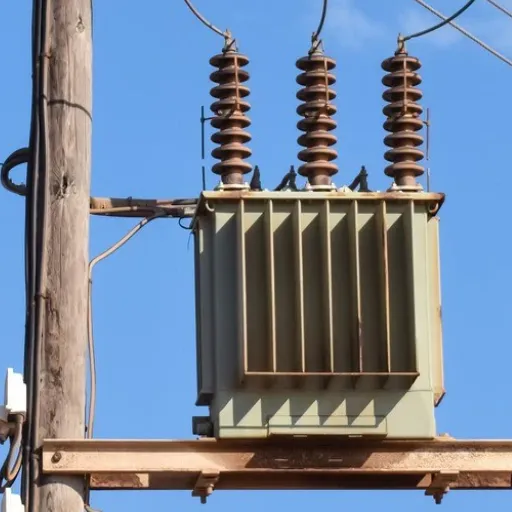
Distribution Transformers: Complete Selection Guide for Industrial Applications
Manufacturing firms in Southeast Asia faced a major operational decision during their last quarter, which would affect their business activities throughout the upcoming three decades. The distribution transformer had reached its end-of-life status so the procurement team needed to decide…
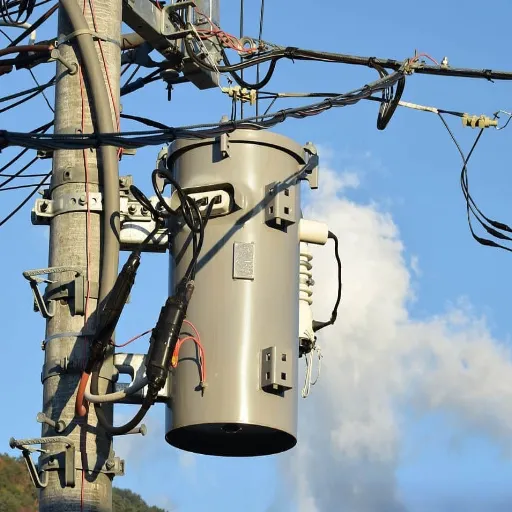
A Beginner’s Guide to Pole-Mounted vs. Ground-Mounted Distribution Transformers
The selection of appropriate transformer equipment stands as a vital decision that determines performance results, upkeep requirements, and financial expenditures in contemporary electrical distribution networks. The two available options of pole-mounted distribution transformers and ground-mounted distribution transformers provide distinct benefits…

How to Size a Transformer: KVA Calculation Guide & Formula
The success of electrical system design and industrial equipment power solutions depends on the correct transformer selection. But how do you determine the correct size of a transformer for your needs? The guide presents essential calculations and required formulas that…

Understanding Transformer Vector Groups: Dyn11, Yyn0 & More
Transformers serve as vital elements for modern electrical power systems because they enable efficient electricity transmission through various voltage ranges. The operation of transformers depends on one core principle, which requires examination through the vector group designations Dyn11 and Yyn0…

PCB in Transformers: Testing, Regulations & Disposal
Polychlorinated biphenyls (PCBs) had a wide range of applications when they were introduced due to their unique properties of being inert and non-conductive, highly regarded in the making of transformers, net-installed electric devices, etc. However, in the long run, this…
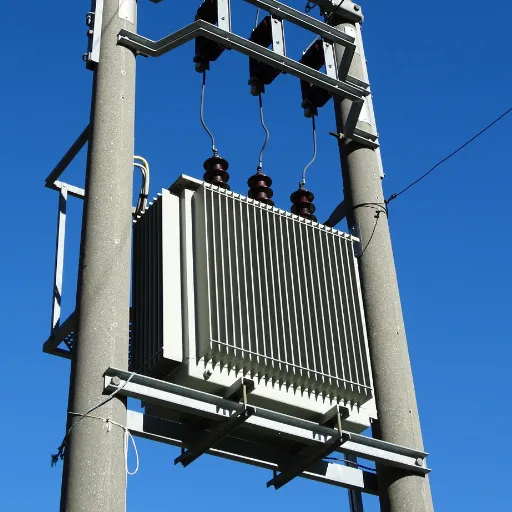
What Is A Distribution Transformer? Types & Applications
Distribution transformers function as vital parts of electrical power distribution systems because they provide safe and efficient energy transmission from power stations to all types of buildings. The essential function of distribution transformers in everyday life requires an explanation of…
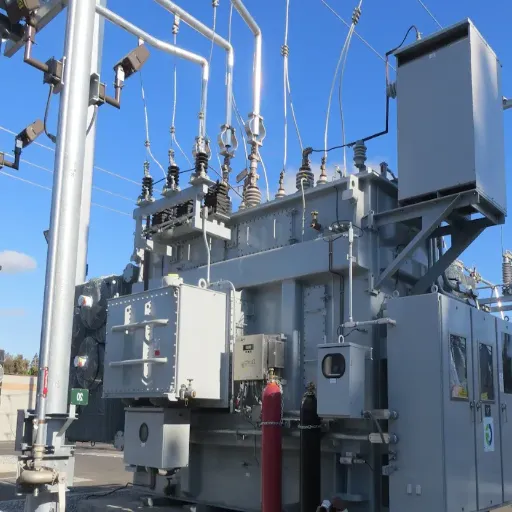
Step-Up vs Step-Down Transformers: Differences & Applications
Transformers function as essential components in contemporary electrical systems because they enable power distribution and consumption through their fundamental operation. The operational efficiency of electrical energy distribution and usage depends on step-up transformers and step-down transformers, which are the two…

Understanding Transformer Losses: No-Load, Load & Total Losses
The present electrical systems require transformers as vital components because these devices enable power distribution through networks while ensuring reliable energy transmission. Transformers display operational inefficiencies that occur in all standard electrical equipment. The process of optimizing performance and reducing…

Transformer Tap Changers: OLTC vs DETC Functions & Benefits
The efficient functioning of power transformers depends on tap changers which help to stabilize the system and enhance its operational capabilities. The performance of tap changers differs because their design varies among different types. The two primary types of on-load…

Transformer Cooling Methods: ONAN, ONAF, OFAF & Forced Air
Transformers function as essential components within electrical power systems, which enable the efficient movement of electrical energy throughout extensive distances. Transformers generate heat during their maximum loading capacity because they produce more heat than their system needs to operate without…