
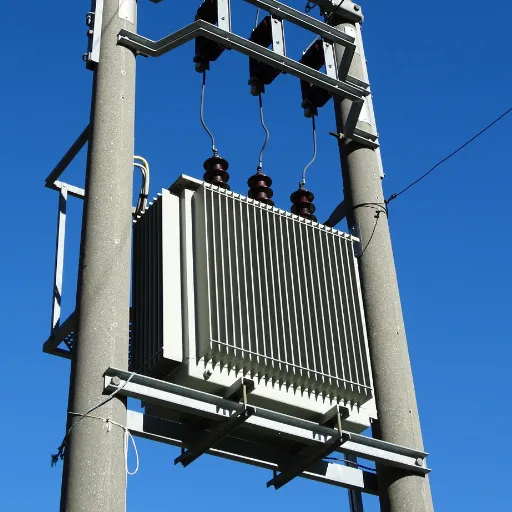
What Is A Distribution Transformer? Types & Applications

Distribution transformers function as vital parts of electrical power distribution systems because they provide safe and efficient energy transmission from power stations to all types of buildings. The essential function of distribution transformers in everyday life requires an explanation of their definition and operation. The blog post introduces distribution transformers, which exist as an exciting field through its explanation of their definition, diverse types, and multiple real-world applications. The article presents essential information about electricity distribution to your home through its accessible content, which suits electrical engineers and students, as well as general readers. The upcoming presentation will demonstrate the role of distribution transformers in providing electricity to our surrounding environment.
Introduction to Distribution Transformers
Definition of Distribution Transformers
The electrical power distribution system requires distribution transformers because these devices convert high-voltage transmission line electricity into lower-voltage electricity that homes, businesses and industrial facilities can use. The transformers function as the final stage in power distribution to guarantee that electricity reaches end users through safe and efficient delivery methods. The transformers operate at voltage levels between 33 kV and 0.4 kV because they need to handle different load conditions during their entire operational life.
The transmission efficiency of distribution transformers directly affects the amount of energy that gets lost during power transmission. Modern distribution transformers can achieve over 98% efficiency because technology improvements have developed amorphous core materials and better design methods. The optimization of distribution transformers becomes essential because they account for 40% of electricity transmission and distribution system losses, which directly affects energy efficiency.
Distribution transformers exist in multiple forms because different applications require different types of transformers, which include pole-mounted transformers, pad-mounted transformers, and underground transformers. Pole-mounted transformers operate in rural and suburban regions because these systems provide affordable electricity supply solutions to low-population areas. Urban areas use pad-mounted transformers because these devices provide small-scale power distribution systems that prevent unauthorized access.
The distribution transformers perform two essential functions for voltage control, which allow distribution of electricity throughout the system to create dependable power networks that meet the requirements of daily domestic electricity use and industrial production activities.
Importance of the Power Grid
The power grid depends on distribution transformers because these essential devices connect high-voltage transmission lines with the electricity needs of end users. The transformers control voltage levels to deliver electricity which powers the daily operations of residential, business, and industrial spaces. The International Energy Agency (IEA) report shows that transformers cause 40% of global transmission and distribution losses, which demonstrates the need for ongoing efficiency enhancements through new technological developments.
Distribution transformers will become increasingly essential because solar and wind energy sources will continue to expand their use in electrical systems. The systems undergo upgrades to support energy flow in both directions, which enables the grid to receive excess electricity from decentralized energy sources back into the system. The Grand View Research market study projects that the global distribution transformer market value will reach $26.81 billion by 2030 because urban expansion, smart grid development, and renewable energy utilization drive market growth.
The effective operation of distribution transformers, together with their dependable performance, results in decreased energy waste because they enhance grid strength while aiding sustainable development objectives. The power distribution systems maintain constant voltage levels while they provide electricity throughout their network, which enables power grids to evolve into energy-efficient systems that meet current environmental standards.
How Distribution Transformers Function
Distribution transformers transform high-voltage electricity from power stations into lower-voltage electricity, which people use in residential, commercial and industrial locations. The system operates through electromagnetic induction that requires two main elements, which are primary and secondary windings and a magnetic core. The primary winding generates a magnetic field that induces a secondary winding voltage transformation when alternating current flows through it.
Distribution transformer innovations introduce new materials and design methods that enhance system performance while decreasing energy losses. Amorphous metal core transformers achieve a reduction in core losses that reaches 70% when compared to traditional silicon steel core transformers. The implementation of high-efficiency transformers across the global transformer network will result in annual energy savings of 85 terawatt-hours (TWh), which equals the yearly energy consumption of 20 million households, according to industry reports.
The 2023 data shows that people are increasingly focusing their attention on smart transformers. The solutions use IoT (Internet of Things) technology to provide real-time system monitoring with predictive maintenance functions that help manage power loads. People invest more than $35 billion per year in smart grid technologies, which include smart transformers, because they want power solutions that provide sustainable energy.
Types of Distribution Transformers
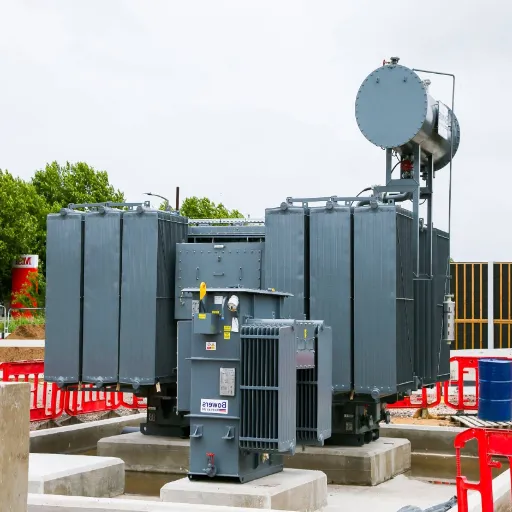
Type 1: Single-Phase Distribution Transformers
Single-phase distribution transformers function as power distribution systems for residential buildings and light commercial establishments, which require minimal electricity usage. The transformers achieve optimal performance for rural power distribution systems because their design enables operation with single-phase electrical supply networks. A single-phase transformer comprises a magnetic core that contains its winding system and insulation materials that enable electrical power transmission through electromagnetic induction. Modern single-phase transformers use advanced technologies that enable them to protect against overloads and improve operational efficiency while extending their product lifespan. The transformers function across a power range from 5 kVA to 167 kVA, which enables them to provide electrical service to every category of smaller clients.
According to the latest industry analysis, the global market for single-phase distribution transformers will experience continuous expansion because rural areas require electric power and people are beginning to adopt renewable energy solutions. The growing demand for single-phase transformers in developing nations results from government initiatives that aim to provide electricity access to remote regions. The Indian government implements programs that will bring electricity to more than 18000 villages that currently lack power service because these locations need single-phase transformers for their electricity systems.
Single-phase transformers now achieve advanced operational capabilities through smart sensors together with IoT-enabled monitoring systems, which enhance their performance and reliability. The system utilizes current load tracking innovations to conduct predictive maintenance and fault detection operations, which result in a more reliable energy distribution system.
Type 2: Three-Phase Distribution Transformers
Three-phase distribution transformers function as critical components that power electrical distribution systems that function primarily in industrial and commercial environments. The transformers work to deliver power through three-phase systems because these systems provide better power delivery results than single-phase systems due to their higher stability and operational efficiency. Three-phase transformers use three primary and secondary coil sets, which wind around a common core to improve their ability to handle balanced loads. The equipment functions as high-power systems that use large amounts of electricity for operation in manufacturing plants and data centers, and large office spaces. According to recent industry data, the global market for three-phase transformers is projected to grow at a compound annual growth rate (CAGR) of approximately 6% from 2023 to 2030, driven by the increasing demand for energy-efficient solutions, renewable energy integration, and expanding urban infrastructure.
The recent technological improvements of three-phase transformers focus on improving operational efficiency through the development of low-loss core materials and high-performance insulation systems, and biodegradable oil cooling methods. The integration of IoT-enabled smart monitoring systems has improved their operational reliability. The systems maintain complete monitoring capabilities for all parameters, which include voltage, temperature, and load current, to enable predictive maintenance while minimizing operational interruptions. Research shows that the implementation of smart technologies can result in maintenance cost reductions of up to 20% while extending transformer operational life by 5 to 10 years.
Three-phase distribution transformers function as essential components that connect different renewable energy systems. The systems function as devices that transform voltage between solar and wind power systems and the primary electrical grid to achieve smooth energy distribution. The organization functions as the preferred option for main electrical systems because its robust design and adaptable abilities meet the requirements of both urban and rural electrification programs, which support worldwide sustainability efforts.
Comparison of Different Types
The evaluation of various distribution transformer types requires assessment of their operational efficiency and lifespan and their ability to function effectively in specific applications, and their effect on the environment. Oil-filled transformers become the preferred choice because they deliver cost savings and they achieve operational efficiency, which ranges between 98.5% to 99%. The equipment needs maintenance because oil leaks cause environmental damage, which requires proper containment of the contaminated equipment.
Dry-type transformers deliver an environmentally safe solution that operates as a secure transformer system. The transformers achieve their optimal performance indoors, although they maintain operational safety for areas that require environmental safeguards. The technological developments in insulation materials have improved system functionality because current systems can withstand heat and wear because of recent technological breakthroughs. The systems maintain operational efficiency rates between 96% and 98%, but their recent insulation system enhancements have improved their operational capabilities.
Amorphous core transformer demand has increased because these transformers achieve core loss reductions that reach up to 70% when compared to standard silicon-steel core designs. The design functions as a highly effective system that meets all modern energy efficiency requirements. The technology requires a higher initial price, but it results in lower adoption rates in areas where costs become critical for decision-making.
The decision between these alternatives is based on the need to balance three factors: initial expenses, operational efficiency, and environmental protection requirements. The demand for sustainable transformer solutions will rise as the world seeks renewable energy sources and enforces strict energy efficiency regulations.
How Distribution Transformers Work
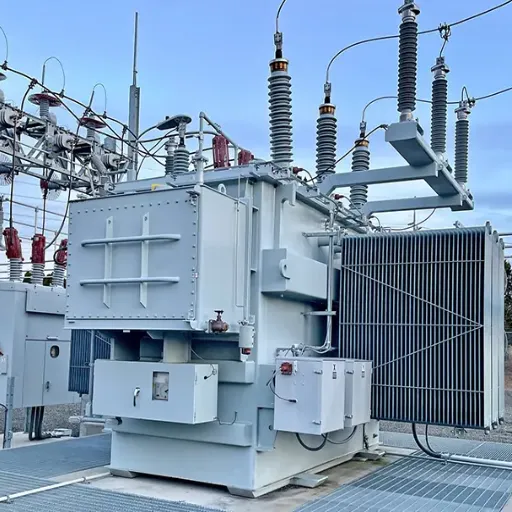
Basic Operating Principles
Distribution transformers operate according to electromagnetic induction principles. The transformers receive high-voltage electricity from power lines, which they transform into lower voltages that people use in homes and businesses. The primary winding starts the process because it receives electricity at high voltage. The system transmits energy through the magnetic core, which reaches the secondary winding that transforms the energy into a lower voltage for end-users.
The latest transformer technology developments focus on enhancing energy efficiency while decreasing power losses during operation. The industry reports show that modern transformers with amorphous metal cores achieve core energy losses that decrease by 60 to 70 percent when compared to standard silicon steel transformers. The distribution transformers introduce energy losses, which create major power system inefficiencies because they produce approximately 2 percent of total energy losses, according to a 2022 study.
The introduction of eco-friendly insulation oils, together with automated condition monitoring systems, has improved the reliability and environmental sustainability of these systems. The distribution transformers market is expected to grow from $34.8 billion in 2027 while maintaining a 6.0% CAGR from 2021 until 2027. The worldwide adoption of these innovations will create energy-saving benefits throughout the globe.
Key Components of Distribution Transformers
The electrical power distribution system relies on distribution transformers because these essential devices transmit electricity from power grids straight to end users. Distribution transformers consist of multiple essential components that work together to create their complete operational framework.
Core
Transformers use high-grade silicon steel to make their core materials because it allows magnetic flux to move through their internal structure. Modern electric power transformers operate with a low-loss transformer design that uses CRGO steel together with a step-lap core configuration. Advances in core material development have achieved core loss reductions that reach 15%, thus enabling better energy efficiency results.
Windings
Transformers contain two primary windings—primary and secondary. The device uses copper or aluminum conductors in its windings to perform voltage level transformations. The introduction of new insulation materials together with the implementation of improved winding techniques has enabled windings to achieve better durability and efficiency, which results in a 30% reduction of electrical losses when compared to traditional designs.
Insulation System
The insulation materials operate to prevent electrical faults while they safeguard the safety of protected internal components. Eco-friendly insulation oils, which include natural ester-based fluids, have enhanced transformers’ fire protection capabilities through their implementation.
Cooling System
Air-cooled (AN/AF) and oil-filled (ON/OF) designs use their cooling systems to maintain safe temperature levels while they help support operational efficiency. Nowadays, oil-filled transformers use radiators and fans as their main equipment for managing heat dissipation. The systems now use IoT-enabled sensors, which enable temperature monitoring to occur in real-time, thus reducing the potential danger of overheating and equipment failure.
Conservator Tank
The oil-filled transformers use a conservator tank to manage the insulating oil, which expands and contracts with temperature changes. The industry has transitioned from using traditional oil storage systems toward modern sealed units, which contain integrated air cell systems that enhance oil protection while cutting down on extra expenses.
Tap Changer
Tap changers enable voltage adjustments, which help maintain stable power output during periods of changing load demands. The automated system of on-load tap changers (OLTCs) has brought about less complicated voltage control operations because it removes the necessity of manual handling, which produces more uniform results.
Bushings
Bushings function as insulated components that create electrical pathways between transformers and electrical power distribution networks. The development of polymeric and composite bushing materials has produced innovations that enhance material strength and safety during operations, especially at high voltage levels.
Smart Features
Distribution transformers of today use intelligent technologies, which include smart sensors with IoT capability and predictive analytics systems. The operators use real-time data monitoring to detect operational deficiencies, which leads to predictive maintenance activities that help decrease equipment downtime.
The distribution transformers complete their essential functions through these main components, which deliver reliable and efficient operational performance. The upcoming technological progress, together with the worldwide emphasis on energy efficiency, has transformed distribution transformers into essential components that help power systems achieve both modernization and environmental sustainability targets.
Voltage and Winding Configurations
The electrical performance of distribution transformers and their specific functional applications depend on the selection of voltage levels and winding designs. The primary and secondary windings of transformers enable them to transform voltage levels through their operation for electrical system needs. The network needs of different systems can be met through three basic formats, which include Delta-Delta and Delta-Wye and Wye-Wye. Delta-Wye configurations serve as a standard connection method that power distribution systems use to link medium-voltage primary networks with low-voltage secondary networks. The system enables efficient energy transfer and establishes a reliable neutral point, which protects the grounding system.
The most recent data indicates that transformers with optimized winding configurations achieve up to 30% less energy losses in specific models when compared to standard transformers. The development of new computational modeling methods enables manufacturers to create winding designs that reduce core losses while improving thermal performance. Research indicates that smart transformers, which feature Artificial Intelligence (AI) technologies, can monitor their winding temperatures and load conditions in real-time, resulting in maintenance cost reductions of approximately 20%. Modern transformers use these technologies to create systems that can adapt to changing energy demands in real time.
Applications of Distribution Transformers
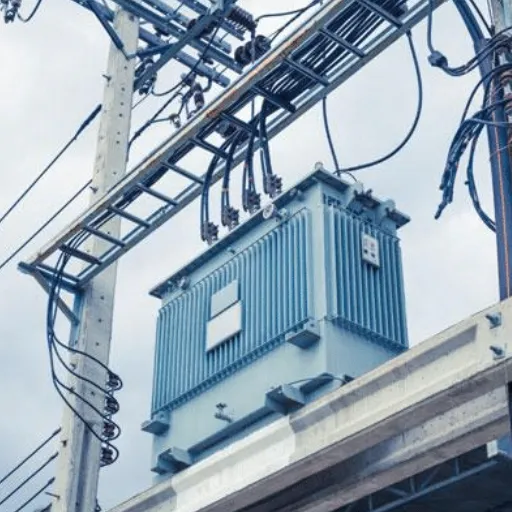
Role in Substations
The distribution transformers work as vital substation elements because they decrease high transmission voltages to correct levels, which enable electricity distribution to residential, commercial, and industrial areas. Substations operate at voltage ratings between 11 kV and 33 kV for distribution purposes, which distribution transformers subsequently convert to standard voltage levels of 440V or 220V per regional specifications, according to current data. The system controls voltage levels to provide safe and effective electricity distribution to users.
Modern substations establish their current design because they connect their electrical systems to intelligent transformer technology, which permits system monitoring and operation through Internet of Things sensors and advanced communication networks. The International Energy Agency (IEA) reported in 2023 that predictive maintenance solutions now use data analytics to forecast potential transformer failures, which enables organizations to cut downtime and operational costs by up to 30%. The eco-friendly transformer market now includes biodegradable insulating fluid transformers because organizations demand sustainable solutions that decrease their environmental impact. Current substations require advanced configuration systems that can handle continuous energy industry changes according to technological progress.
Applications in Various Industries
Substations function as essential power distribution systems in multiple industries because they deliver dependable electricity that meets the specific operational requirements of different industries. High-efficiency substations deliver continuous power to manufacturing facilities, which enables their automated systems and heavy machinery to operate without interruptions, thus achieving maximum productivity. The global smart substation market was valued at approximately $39 billion in 2022 and is projected to grow at a compound annual growth rate (CAGR) of 7.1% from 2023 to 2030, according to recent market insights.
The renewable energy sector is now undergoing major changes because advanced substation technologies are being implemented throughout the industry. Advanced digital monitoring systems enable substations to effectively manage wind and solar power integration into electrical grids, which allows them to handle the intermittent nature of renewable energy generation. Smart substations enable grid operators to achieve up to 20% efficiency improvements according to the U. S. Department of Energy, which helps the transition to cleaner energy sources.
The transportation industry relies on substations because they provide electricity for electrified rail systems and electric vehicle (EV) charging stations. The International Energy Agency (IEA) projects that worldwide EV sales will exceed 14 million units in 2023, which makes innovative high-voltage substations essential for efficient energy distribution across charging networks. The industry needs to adopt new energy technologies that help substations develop sustainable energy practices according to these examples.
Efficient Power Distribution
Power distribution systems need to operate efficiently because they serve as essential infrastructure that enables society to use increasing electricity loads, which result from rising renewable energy usage and the electrification of multiple industries. Modern substations use advanced technologies, which include digital monitoring systems, AI, and automation systems to operate as critical components that improve power distribution networks. Intelligent grid systems enable power distribution networks to make real-time changes that enhance system dependability while decreasing service interruptions.
The global electricity demand forecast indicates an annual growth rate of approximately 3% for the upcoming decade because of rising electric vehicle (EV) adoption and enhanced renewable energy use. The International Energy Agency (IEA) reports that global renewable electricity capacity will achieve a 50% increase to 5,400 GW by 2030. High-voltage direct current (HVDC) systems create a powerful tool for power distribution because they allow long-distance transmission with 30% less power losses compared to conventional systems.
The development of EV charging infrastructure represents a successful case study that demonstrates how effective power distribution systems work. The number of public fast chargers globally stood at over 2.7 million in 2022 and is expected to grow exponentially as EV adoption surges. Advanced substations now support bidirectional power flow, which enables EVs to charge efficiently and return power to the grid during peak periods, thus promoting energy sustainability. The electricity distribution system needs these advancements to become an affordable and sturdy network that operates in an eco-friendly manner.
Reference Sources
Wikipedia: Distribution Transformer – A comprehensive overview of distribution transformers, their role in voltage reduction, and their applications in power distribution systems.
MarketsandMarkets Research Report
This research report offers a detailed analysis of the distribution transformer market, including types, applications, and market trends. It also covers technological advancements and the role of transformers in grid modernization and renewable energy integration.
Frequently Asked Questions (FAQs)
What is a Distribution Transformer?
A distribution transformer serves as a vital element within electrical power distribution systems, which decreases high transmission voltage to the voltage required by final users. The transformers use different locations because the transformers need to deliver electricity more effectively to people who live in residential areas or work in business spaces or manufacturing sites. Distribution transformers need to deliver an uninterrupted power supply to their users because their systems must operate throughout all 24 hours with various power load demands.
What Are the Different Types of Distribution Transformers?
The various types of distribution transformers exist to meet the different power distribution needs of diverse countries’ environments. The main types include pole-mounted transformers, which utility crews install on power poles to enable electricity delivery in rural and suburban areas and pad-mounted transformers, which operators install on the ground inside protective cabinets for urban and underground power delivery systems and dry-type transformers, which use air cooling methods to operate safely in indoor spaces and areas with high safety requirements. The transformer type that industrial facilities commonly use operates through an oil-filled design that enables effective transformer cooling.
How Do Distribution Transformers Support Energy Sustainability?
The distribution transformers maintain energy sustainability through their power delivery capacity which reaches high efficiency levels while enabling renewable power sources to be integrated into the system. The advanced design includes low-loss cores that support bidirectional power flow and modern grid systems to achieve better energy efficiency and handle distributed renewable power sources like solar panels and wind turbines. These features make up the essential components that support the development of a more environmentally friendly and sustainable electrical grid system.
Where Are Distribution Transformers Commonly Used?
Distribution transformers find applications in residential buildings, commercial facilities, and industrial workplaces. The residential usage of these transformers enables them to deliver electricity power to both homes and small business operations. The commercial sector uses these transformers to supply electricity for office buildings and shopping centers, and healthcare facilities. Industrial operations require transformers that can support their power needs from large equipment and manufacturing tools. The transformers provide essential power distribution support for renewable energy systems, which need to transfer electricity from solar farms and wind power systems.
What Are Some Key Applications of Smart Distribution Transformers?
Smart distribution transformers represent a contemporary upgrade of established distribution transformers, which provide superior capabilities for both grid management and energy efficiency enhancements. The technology finds application in electric vehicle charging stations, which require advanced load management to manage their dynamic operational equipment. Smart transformers use real-time data sharing between power transmission and load control systems to maintain grid stability during peak demand times.
What Factors Affect the Efficiency of Distribution Transformers?
Three primary factors determine distribution transformer efficiency, which include their design specifications, their material selection, and their methods of operation. The core material, silicon steel, together with advanced winding methods, enables energy loss reduction during operation. Regular maintenance procedures ensure systems run at their best performance by preventing both overheating issues and load distortion problems. The use of amorphous cores together with automated monitoring systems represents current technological advancements that boost system efficiency through core loss reduction and early problem detection.