

PCB in Transformers: Testing, Regulations & Disposal

Polychlorinated biphenyls (PCBs) had a wide range of applications when they were introduced due to their unique properties of being inert and non-conductive, highly regarded in the making of transformers, net-installed electric devices, etc. However, in the long run, this posed serious repercussions to both the environment and people and led to the ban of these materials in various territories around the world. The purpose of this paper is to identify the PCB transformer-related interventions with the most relevant context, looking at their role, the allowable level of intervention, and how to carry out the envisaged interventions. It is a very useful paper for a practitioner, an environmentalist, or anyone who wishes to continue applying natural technology in any century, without the destruction of nature itself. The paper is embedded with effective, practical, and brief ways of providing information, which will invite the reader to research on this theme even further.
Understanding PCB Transformers
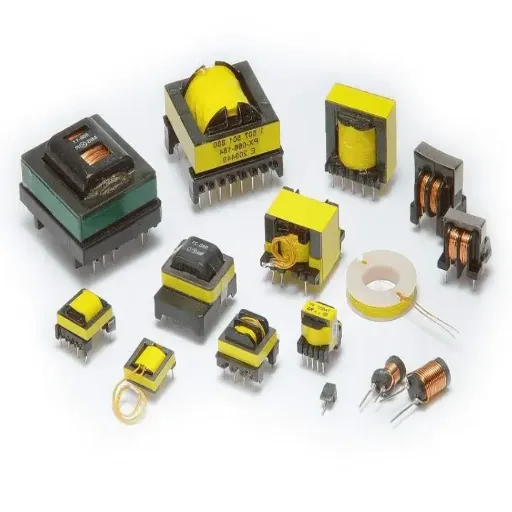
What is a PCB Transformer?
Transformers that utilize some kind of PCB-based fluid exist, and they are called PCB transformers. PCBs, also referred to as polychlorinated biphenyls, are compounds where all the hydrogen atoms in one or more biphenyls, which are called phenyls and may be substituted by different atoms, in this case, chlorine. The chemical’s main attraction over other materials is its good dielectric strength, coupled with reduced tendency to burn and being quite similar to rubber in inertness. Appliances such as transformers, capacitors heavily employed such a kind of material during the years from 1930 to the late 1970’s.
Consequently, recent research has revealed the fact that since PCB molecules are highly toxic to the ecology and people’s health, this has been underestimated. Being some of the hardest elements to break down, Polychlorobiphenyls can persist for long periods of time without being broken down, hence the reason they are likely to bioaccumulate in the environment and other host organisms. As stipulated by the U. S EPA (the Environmental Protection Agency), PCB exposure is carcinogenic in addition to other immunological effects. Therefore, from the 1970s onwards, restrictions were enforced on the allowed levels of PCBs in electrical appliances.
If PCB levels in the transformer amount to more than 500 milligrams per liter, then the unit will be designated as a PCB type, and very strict requirements will be imposed on it. However, all devices are defined by the regulations in the interval 50 ppm ≤ PCB< 500 ppm. In other words, PCB oil transformers, which contain more than 50 ppm of PCBs in any solvents or oils, fall into the PCB equipment class, which avoids the forty-year-old PCB-filled equipment overproduction with capacitors and transformers all over the world, and measures thousands of tons.
Currently, it is typical that regulatory compliance for transformers, more so, PCB transformers, falls on industries with brands containing old transformers taxed by the government of the USA, which requires tests and works iteratively to the TSCA in view of limiting exposures to PCB transformers by labeling and disposing of them. Equipments are normally cased and surveys are performed to determine the existence of PCBs, and if present, only good and appropriate methods prescribed for disposal, i.e., burning and chemically deCloring are employed for the elimination of this kind of unwanted material.
Key Components of PCB Transformers
Historically, polychlorinated biphenyls (PCBs) were designed, manufactured, and widely used around the world, notably in all electrical and electronic appliance making transformers. Due to the environmental and health risks that these compounds pose, their use has seen great regulation worldwide. According to the EPA, manufacture of PCBs was banned in the United States under the TSCA since 1979; however, there are remnants of equipment such as pcb transformer.
At the same time, while old equipment based on PCB technology has accumulated, such equipment is distributed over millions of devices globally. For instance, the UN has already reported that over 50countries are running regional and local programs to manage hazardous waste disposal, including items containing Polychlorinated Biphenyls (PCBs), since their removal also forms part of the overall PCB management regarding the fulfillment of the 2025 timelines for the implementation of the provision of the Stockholm Convention.
The turning of waste pcb transformer into waste without generating pollution of the soil, water, or air is impossible. This is harmful to the health of humans and the environment. A greater number of researchers have incorporated these laptops in more than one food web, and there are still changes in animals and, in turn, cancer in marked by the suppression of the immune system and a history of growth defects in humans.
Multiple methods can be explored towards the resolution of issues associated with PCBs. They involve the advancement of chemical de-chlorination techniques, strengthening the disposal regulatory rules, and the engagement of the concerned states. These strategies seek to minimize the risk posed by a pcb transformer while ensuring compliance with environmental protection guidelines.
Types of PCB Transformers
A PCB transformer is a type of transformer that varies based on the dielectric fluid types and the application environment in which the transformers are used. PCB transformers are most likely to contain polychlorinated biphenyls (PCBs), which are mainly used as insulating and cooling fluids. Below are the main types:
- Askarel Transformers
Askarel Transformers are a type of non-flammable transformers that use a PCB-based dielectric fluid known as askarel for cooling and insulating purposes. This type of transformer was very popular previously in the market due to its high and efficient insulation and cooling qualities. Nevertheless, the problem with this type of transformer is that it contains PCBs. Industrial and commercial distribution of power has also been commonly done using this type of transformer until several countries put in place prohibitive legislation against the production of PCBs. For example, of the 1.5 million tons of PCBs manufactured in the world, about one third was exported for transformers between the years 1950 and 1985. - Mineral Oil Transformers with PCB Contamination
There are instances where the transformers that conventionally contain mineral oil have had PCB impurities due to impurities introduced while in the field, either during a service maintenance process or in manufacture. Although less frequent than pure PCB-containing transformers, such transformers also require strict and stringent processes to avert any risks posed to the environment. For example, the regulatory provisions such as the US EPA’s 50 parts per million (ppm) for oils contaminated with PCBs also urge for appropriate monitoring and waste management measures. - High Voltage PCB Transformers
The high voltage transformers with PCB-filled cooling oil were used in power stations, as well as high voltage substations, due to their relatively safer fireproof and electrical load of the transformers. However, the tendency of constant use due to the chemical inertness of PCBs has been a major focus of legislation. Several studies demonstrate this phenomenon. In two-thirds of all dilapidated transformers with contamination, more than one transformer, at least, is still standing. That is why the replacement of aging ones should be encouraged. - Capacitor Type PCB Transformer
Such transformers use PCB capacitors for enhanced voltage consistency in systems where it is most critical. They were Common in power plants and manufacturing facilities due to their size. However, effective as they may be, deferred decommissioning continues to be a critical issue worldwide, as the toxicity of PCBs is a major concern.
Because of the environmental consequences, the manufacture and utilization of PCB transformers were restricted in various countries. In the United States, for instance, the Toxic Substances Control Act (TSCA) prohibited the manufacture of PCBs in 1979. Recently, the total amount of PCBs that must be decontaminated and safely displaced is estimated to be approximately 1.5 million tons in the world; therefore, the situation urges contemporary reclaiming practices and strong legal support.
Testing PCB Transformers

Essential Testing Methods
PCB transformers testing is a methodically accurate procedure that involves a complex of test procedures and environmental safety compliance. A main one is the use of gas chromatography-mass spectrometry (GC-MS), which allows the detection and quantification of PCBs present in the transformer oil. It is a very sensitive method and therefore is highly sought after in laboratories where any smaller concentration of PCBs is concerned.
Recent data indicates that transformers that have PCB levels that measure 50 to 500 parts per million ppm are known as “PCB contaminated’’ transformers, while more than 500 ppm is considered a PCB transformer. The standard tests that are conducted include the taking of samples of transformer oils for processing in available laboratories as per specified laws like the Stockholm Convention or any other country-specific environmental legislation for instance.
Furthermore, there has been a marked preference for using hand-held screening equipment in place, and this is completely understandable given that the screening protocols were implemented on location. These screening solutions – rapid field testing kits, for example – enable the in situ testing of most low concentrations of PCBs, which, in turn, allows immediate measures to be taken in relation to counteraction or other remedies. A continuous quest has always been there in order to enable testing in most countries without the need to resort to very costly infrastructure that allows frequent and precise testing.
Meanwhile, it should be noted that the recent steps towards the elimination of PCBs have yielded remarkable successes in their campaigns. In addition, data from 2022 shows that nearly 80 percent of all convention member countries have conducted inventory taking and clean-up activities, which assures that the issue of PCB transformer use is a worldwide issue.
Performance Metrics
In the last few years, the efforts aimed at the elimination of polychlorinated biphenyls (PCBs) have shown an improvement. It is stated in the most recent reports that more than 92% of the countries that participate in these international agreements for the management of PCBs have been able to formulate appropriate strategies that they can execute. Whereas a high percentage, almost 75 of those countries, have already claimed having successfully disposed of over 50% of the existing mounds of PCB transformers and compounds safe in compliance with international standards.
Even with the current information and assessments of 2023, it seems like there is better support given in the market for PCB remediation technologies, which make these chemicals obsolete. For example, the use of thermal destruction and advanced oxidation processes has been observed to be very effective, where removal has been about 99%. These reports, equally, have also established the successive reduction in the levels of PCBs in soil and water sampling within the areas where they are implementing the remediation projects.
Another vital statistic is the worldwide finance aimed at eliminating PCBs, which has risen by almost by18% over the last two years. This increase signifies a deepening of recognition that environmental health is becoming a focal point both on the country level and internationally.
Handling Testing Safely
Processing materials and conducting routine laboratory work particularly involve the use of harmful substances such as PCB (Polychlorinated Biphenyls) compounds; therefore, it poses a serious threat to health and the environment, hence certain safety procedures should be followed. Note that commencing, currently the main concern is that there is a lack of conformity in the usage of PPE such as gloves, goggles, masks, as well as gowns, which is not even a choice or a culture-based argument. It is part of safety testing. Laboratories also require fume chambers and associated fittings, including specifically fume hoods or any other fume extraction device.
In light of the two scenarios, the importance of storage and preservation of samples cannot go unmentioned. As per the Environmental Protection Agency recommendations, samples should be placed into a non-permeable container, labeled adequately with the necessary information, and then sealed completely to avoid the likelihood of contamination. Nevertheless, one piece of work shares that above 95 percent of laboratory weaknesses during testing result from inappropriate procedures of handling samples, confirming the importance of carrying out training.
A similar trend is seen with regard to the uptake of automatic test equipment. Improved equipment designs have facilitated safety in the utilization and proper recording of pcb concentrations during production stages, negating the need for humans in handling hazardous materials. Gas chromatography and mass spectrometry devices developed in the new version are only one example of the capabilities that were possible owing to a change in the devices; more than 25% of the usage increased compared with the previous ones.
Furthermore, there have been improvements in sports devices since they have been made easy to operate and have enhanced security. In 2023, portable pcb transformer analyzers that are fond of time management were made possible by offering test periods at 60 percent instead of 100 percent, with every assurance that the accuracy was still above ninety-eight percent. With these devices, it is easier to ensure the safety of workers in the field of testing as the process will be able to churn out faster and stronger results.
In order to ensure the safety of the participants, it is important to preserve the present training and adherence to standards, including those applicable to OSHA and ISO, among others. This shall fit within normal activities to enable a safer way to proceed with challenging testing environments.
Regulations Surrounding PCB Transformers

Current Regulations and Standards
Polychlorinated Biphenyls (PCBs) are heavily regulated due to their adverse impact on the environment as well as the health of humans. In the US, the EPA enforces the Toxic Substances Control Act (TSCA), which prohibits the manufacture, processing, and distribution of PCBs. The term PCB transformers is used to refer to transformers with PCB concentration above 500 ppm. All these appliances fall under the strict control of these thresholds. They are to be manufactured, maintained, and properly disposed of so as to avoid any environmental pollution.
The TSCA Amendments alter the specific demands relating to equipment containing PCBs in terms of effective management, storage, and disposal. For instance, it is a common requirement that transformers incorporating PCBs should be soaked once every three months and, in extreme cases, should also be rendered as another class once every twelve months. Additionally, authorized waste facilities are the only places that should be used for, for example, incineration.
In the worldwide arena, efforts to eliminate PCBs were articulated in the article as a proposal for an appropriate undertaking under the Stockholm Convention, removing or, where applicable, phasing out of PCBs from the signing member countries by 2025 and complete incarceration of PCBs from the signing member countries by or before 2028. The majority of countries, 60% plus according to the convention and the most recent, have been able to meet the stipulated targets or rather do better in these struggles than their minority counterparts, but still, most of the issues are in developing countries. Well, to begin with, there are recent developments like the one that was done in 2023 that indicated that about 20% of the people who have PCB transformers are still in operation, while some inventories prove otherwise by revealing much larger ones present specifically in the industrial parts of Africa and Asia, respectively.
Such regulations also work well with the advancement of technology, for example, with the use of sophisticated real-time sensors and AI-driven intelligence-enabled systems with the functions to observe and detect any contaminant. In addition to following this key rule, the technological integration also enhances the prevention or minimization of PCB hazards. Achieving phasing out of the PCB Transformers is within the horizon of policy-makers of all nations, but intervention and effort will be focused in the case of sub-Saharan Africa.
Impact of Regulations on Product Design
Product designing is hugely influenced by the regulatory requirements, especially in those industries where environmental management is as important as safety. In manufacturing electronics, for instance, an increasing number of less sustainable materials is gradually being done away with by use of a more sustainable alternative. This is the result of the Restriction of Hazardous Substances (RoHS), which limits the application of hazardous substances, including lead, mercury, cadmium, etc. The report further notes that the manufacture of products compliant with RoHS has led to the reduction in hazardous wastes arising from the manufacturing of such products by more than 90% during the implementation phase.
Moreover, restrictions imposed by the authorities on any kinds of harm associated with cars have encouraged car makers to opt for alternative designs, such as electric vehicles or hybrids. Marketing electric vehicles (EVs) in the year 2022 exhibited a growth of over 60%, due to supporting regulations and pollution-reducing aspects. This is an illustration of the so-called ‘change in product design’ which causes a shift in the technology of the designs. shows how changes in rules affect even the technicalities of design; they can be ‘sterilised’ or devoted to market and audience.
Against this backdrop, the effectiveness and importance of the green economy, along with changes in regulatory norms, will benefit businesses in the evolution of this field. The most critical aspect of designing these systems is their sustainability, while simultaneously meeting established regulations and requirements. Ironically, this is relevant to certain interests, as regulatory changes lead to substitutions, which in turn relate to hardware PCB transformers.
Compliance and Certification Processes
Make sure that certain health and safety measures not only exist in theory but are put into practice in most industries because of the fact that there is a pcb transformer involved, for instance. This is the case concerning ISO 14001 in the auto industry. The present data indicates that by the year 2023, there will be more than 420 thousand ISO 14001 designations. This statistic is a reflection of growing relative awareness around these aspects.
Adding to this, taking into consideration the emission standards of Euro 7, it is alleged that these controls will have to find their way into the production lines by the year 2025, owing to occupiers’ plentiful services, manufacturers had to come up with embedded videos to inspire their forces towards extremely low emissions. It was noted that the emission thresholds were reduced by 35 % with comparison to the previous laws. Bureaus such as that of tuners and others are important in auditing and verifying with the regulatory bodies, because they help ease companies’ penetration to such markets without testing credentials, PCB transformer gleamingly starts.
Environmental preservation and green technology, which is becoming more and more of an issue is responsible for the increased attention to standard building and such certifications as LEED building certification and Energy Star. For example, if we look a 25% – 30% energy efficiency, this is reached because the reconstructed/livetrendsed/new buildings are certified with LEED standards. By keeping an eye on advancements in certification and presenting required reports, a firm will be able to endure in its operations and even gain an upper hand over its competitors.
Disposal of PCB Transformers

Environmental Considerations
The PCB transformer still raises environmental concerns since PCBs are hazardous materials. Moreover, the use of PCBs in electrical equipment back in the day, at which time such usage was not prohibited in most countries, generated chronic levels of PCBs that remain highly toxic to this day. As per the recent prognosis of the gradual degradation of PCBs over many years, they pose an environmental and social concern.
Appropriate disposal of such material includes cleaning, removal, and disposal of the substances at a certified treatment and/or disposal site. For example, in terms of efficiency, high-temperature incineration is considered to be the most effective method of destruction of PCBs as it is possible to reach the destruction levels of above 99.99% of the PCBs. For example, in the United States, there are laws such as the Toxic Substances Control Act (TSCA) that call for stringent measures to ensure that the PCB transformer is appropriately handled and stored, and subsequently disposed of. Organizational culture should also promote good management of PCB waste, such that the PCB waste is controlled so that it does not reach risk levels or cause an environmental crisis.
It turns out there has been a lot of success in lowering PCB levels and reclaiming scrap yards as well. And still, a great hindrance comes from the many developing countries that still use antiquated equipment. Surely, it calls for joint efforts and adherence to the principles imposed by such legal instruments as, for example, the Stockholm Convention, but that is not even enough when it comes to decreasing contamination via PCBs.
Proper Disposal Methods
When dealing with PCB disposal, there is a conscientious procedure to be observed so as not to damage the environment or violate domestic and international legislation. So far, there are studies that have identified heat treatment, particularly in any hazardous waste incineration facility, as one of the proven methods of eliminating PCBs without any trace. According to the reports of the Environmental Protection Agency, the flames inside the combustion chambers tend to reduce pcbs transformer to ashes disappointingly at rates in excess of 99.9999% when scrubbers and effective temperatures exceeding 1200 degrees Celsius are included.
Moreover, there have been other alternatives, including chemical dechlorination, which involves the removal of chlorine atoms from the structure of PCB and their substitution with hydrogen atoms, with a lower cost for the ecosystem, becoming more acceptable. Scientists have proved that dechlorination agents can remove PCBs in oil or any other contaminated materials, and the efficiency can be more than 95% efficient. Study of technologies such as bioremediation or advanced oxidation processes is gaining momentum. These devices either employ the naturally obtainable and/or modified biological systems or simple chemical reactions to convert the PCBs into more innocuous substances.
Despite such positive changes, the world has not been able to do away with this challenge. Globally, about 10 percent of the estimated 1.3 million tons of PCB transformers at the time have not been effectively recovered or they have been safely disposed of in areas without complicated waste management processes. If this need is to be achieved, along with the basic requirement of gaining global sustainable PCB management, it is necessary to make available collective efforts and funds to the developing countries.
Challenges in Disposal
There are several difficulties in the elimination of polychlorinated biphenyls (PCBs); an example being their history of wide usage, persistence in the environment, or the fact that the management of them responsibly contains issues in many regions. In fact, one of the main reasons that has hampered the possibility of getting solutions for these wastes is the cost of safe handling PCBs containing wastes. Based on preset projections, it is estimated that disposal of PCB-contaminated materials, between resources, and adopting technologically safe means, will oscillate from 2,500-5,000USD per ton. This is a problem that is not confined simply to the underdeveloped nations, but even the middle-income nations, which sometimes lack resources to provide such other types of essential medical waste services, are no exception.
It should also be emphasized that burning or detoxifying PCBs together with highly complicated waste treatment technologies, in which the temperature reached in some cases is 1200 degrees Fahrenheit and higher, other than incinerating the waste or chemical de-chlorination, requires special facilities and development. In fact, where appropriate, these facilities are located will be returned with the sites that contain the largest quantities of PCBs, and these areas will not be allowed to dispose the PCB waste legally, thus necessitating the transportation of the waste to other states. This underscores a huge and crucial ethical problem as to the consideration of the extent of available recycling technologies, represented by the following statement.
In addition, the growing amount of E-waste can explain the upsurge in the levels of polychlorinated biphenyls. The problem is getting worse, with some estimates suggesting that more than 50 million metric tons of electronic waste are generated per year globally. This does not apply to all the waste, but part of it contains hazardous PCBs found on their equipment, such as the lithium polymer batteries and LED displays. Even more disappointing, the worst of the waste is thrown into the impromptu recycling establishments that operate in the area, which is even more ecologically disconcerting owing to the very wrong manner in which this entropic behavior is carried out.
The things that a person does not know may even be the more formidable obstacles to advancement. There could be a lot of PCB just sitting around in a seaside town in an area of many small factories, old factories, and buildings which have sprung up over the years, and power cables without appropriate or no marking at all. PCB containing waste is even more obstructive to the realization of the global sustainable development and thus necessitates the provision of further funding, enactments and more importantly promote the ‘best practice’ approach on the storage and management of such substances.
Given the above, it will help deal with the issues of environmental degradation, such as the management and control of PCBs.
Reference Sources
-
“PCB Transformers and Capacitors From Management to Reclassification and Disposal”
This document outlines guidelines for identifying PCB transformers, challenges in rapid testing, and disposal methods. It provides a comprehensive overview of PCB management practices.
Source Link -
“Some technical issues in managing PCBs”
This research discusses the management of PCB transformers, including disposal methods and decontamination processes. It also highlights the environmental impact and technical challenges.
Source Link -
“Analysing the correlation between polychlorinated biphenyl (PCB) content in transformer oil to ensure compliance with environmental regulations.”
This study examines PCB content in transformer oil, testing methods, and compliance with environmental regulations, offering insights into modern practices and standards.
Source Link
Frequently Asked Questions (FAQs)
Why do transformers use PCBs when sometimes they cause an alarm?
PCBs’ full form is polychlorinated biphenyls. These compounds are synthetic and were heavily utilized, especially in the production of capacitors and electric transformers, for insulation, and because the compounds were not only non-volatile but also low-reactive. Their limited use, however, is perturbing because PCBs are harmful toxins and contaminants of and within various environments. Several health complications can develop in response to PCB exposure, such as primarily cancer and immunosuppression in addition to fertility issues. Hence, it is essential to ensure proper handling, evaluation, and safe disposal of a pcb transformer.
How do you test for PCB transformer contamination?
In many cases, contamination of the transformers is usually established by removal and analysis of a sample of the cooling oil using gas chromatography and other laboratory techniques. These are quite successful tests in identifying levels of concentration or contamination with PCB within the oil found in the transformer beyond or within the permissible limits. Skull maze is a rather crafty way of testing oil so as not to let the field levels get to the prescriptive levels of testing that is only performable in laboratories. Having said that, one should ensure that more frequent testing is conducted in order to avoid any breaches of regulations and improper disposal of contaminated items.
Which regulations govern the use and management of PCBs?
In almost all countries, there are laws governing the application of PCBs and the manner in which they should be disposed of. As an example, the Toxic Substances Control Act (TSCA) prescribes extensively for the USA’s use of materials with PCBs. No less are the federal states to such entanglements and agreements as the Stockholm Convention regarding the control of synthesis and application of many hazardous pollutants, including PCBs. It follows then that companies rendering PCB transformer service and people working within or closer to such organizations ought to effectively comprehend these rules against any consequences.
How to dispose of pcb transformer in a correct way?
It is important to note that contaminated oil or transformers containing PCBs pose environmental hazards, and their disposal must be conducted appropriately in order to prevent problems to the environment. The procedure includes emptying the oil into secured plastic blocks, removing the regulator plate and the wires, and finally, opening the transformer. Subsequently, the spent PCBs are conveyed to appointed disposal plants for treatment; chemical cleaning and dechlorination, which is the heat-treated form of incineration, neutralization, etc., are applied. All the actions taken have to be correct, with the case being documented to provide the very corrective measures taken.
Is it possible to eradicate PCB from a given transformer?
The removal and/or disposal of the paper chemical PCBs incorporated into the transformer is possible; other solutions to this dilemma are seldom practiced. Nonetheless, given the extensive use of such paper chemicals in the past. Be that as it may, it is possible to see attempts being made to address this issue by changing a PCB transformer with a non pcb alternative, improving degrilling facilities, and introducing stricter enforcement and compliance measures to reduce or eradicate the contamination of PCB.
What alternatives are available to PCB-containing transformer fluids?
Traditional paper-oil types that avoid the toxicity of PCBs tend to offer some alternatives where, instead of mineral oils, other types is adopted, such as turpentine-based fluids or silicone or ester-based synthetic oils that are envisaged to be environmentally friendly and biodegradable and at the same time able to insulate most of the electric equipment. Also, sections of such approaches promote caution to the environment as well and adhere to the legislation.