

Transformer Tap Changers: OLTC vs DETC Functions & Benefits

The efficient functioning of power transformers depends on tap changers which help to stabilize the system and enhance its operational capabilities. The performance of tap changers differs because their design varies among different types. The two primary types of on-load tap changers (OLTC) and de-energized tap changers (DETC) perform distinct functions which prove essential during various operational situations. Operators need to understand transformer performance optimization through their particular differences and benefits and usage situations. This article presents the main functions and advantages of OLTC and DETC which establish their role in maintaining modern electrical systems at operational status. The article provides industry professionals and power system enthusiasts with important information about power systems.
Overview of Transformer Tap Changers
Definition and Importance of Transformer Tap Changer
The power transformers use transformer tap changers as voltage control devices which maintain system stability during load and input voltage changes. The system achieves this function through tap changers which alter the transformer’s turns ratio to create different voltage outputs. The tap changers perform an essential function which guarantees transformers supply stable voltage patterns to both the electricity grid and other linked networks.
The two main tap changer types include On-Load Tap Changers (OLTC) and De-Energized Tap Changers (DETC). The OLTC system enables transformers to change their turns ratio while operating which makes it suitable for applications that need continuous voltage management. The DETC system requires transformers to be turned off before any adjustments can be made which makes it better for applications that need voltage changes on rare occasions. Both types are essential for achieving accurate voltage control across different operational situations.
The main value of transformer tap changers exists because they improve both power quality and system reliability. The system experiences equipment wear and voltage fluctuations when tap changers fail to operate correctly which leads to electric system breakdowns and operational inefficiencies. The devices enable proper voltage control which enables electrical networks to function efficiently while their equipment lifespan increases. Transformer tap changers serve as the main element which helps power systems achieve stable and reliable operation.
Key Functions of Tap Changers
Tap changers perform essential functions which help control electrical power distribution from transformers. Tap changers function as vital parts of transformers which enable them to control electricity flow through power systems by adjusting voltage outputs. The system main function exists to adjust transformer winding ratios which guarantee steady voltage output to different load requirements. The system maintains voltage stability because it can handle different network operational conditions.
Power distribution networks become more effective through another operational capability which boosts their overall performance. The process enables tap changers to adjust voltage levels precisely which decreases energy waste while protecting electrical systems and delivering power efficiently. The system upgrade not only enhances its operational capabilities but also helps to extend the service life of its infrastructure elements.
The grid gets stronger through tap changers which also create operational flexibility for power systems. The system enables transformers to handle various load conditions which includes peak operation times and unexpected system disturbances while maintaining secure power delivery. The system serves as a vital tool which enables modern power systems to achieve high operational performance while handling upcoming changes in energy production.
Role in Voltage Regulation
- Load Compensation: The use of tap changers enables voltage control during both peak and off-peak times which results in steady power delivery to all connected devices while reducing power supply variations.
- Reduction of Energy Losses: The tap changers optimize voltage control which results in reduced energy losses throughout transmission lines and improves the total efficiency of the system.
- Support for Renewable Integration: The increasing use of renewable energy sources makes tap changers essential for maintaining voltage control with the fluctuating power output of solar and wind energy systems.
- Protection of Sensitive Equipment: The tap changers maintain proper voltage levels which prevents sensitive electronic and industrial equipment from suffering damage about overvoltage and undervoltage events.
- Emergency Response Capability: The grid system uses tap changers to make instant voltage corrections which helps maintain stable power distribution during sudden system events such as faults and peak demand situations.
Types of Transformer Tap Changers
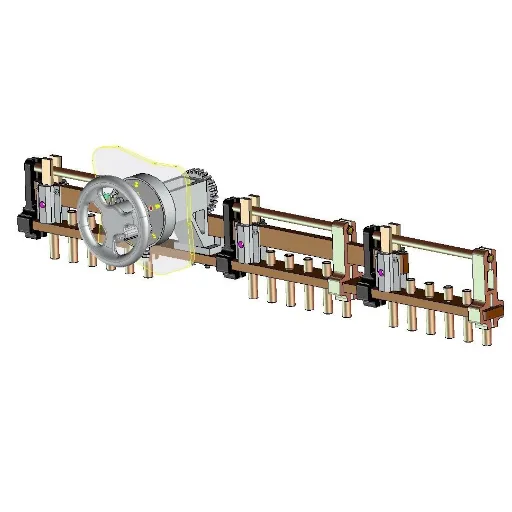
On-Load Tap Changer (OLTC)
The On-Load Tap Changer (OLTC) functions as a transformer tap changer that enables voltage changes during power distribution while maintaining continuous service. The power transmission and distribution systems depend on OLTCs because these devices maintain voltage levels and system stability during ongoing operations.
Modern OLTCs use advanced technology which includes vacuum interrupters and solid-state switches to obtain better durability and lower maintenance needs. The system operates through its installation on transformers high-voltage winding which allows it to function as a step-up or step-down transformer. OLTCs possess essential features which provide accurate voltage control while enabling high-frequency switching and managing demanding operational conditions.
The power distribution systems in substations and industrial power plants and renewable energy installations use OLTCs to maintain uninterrupted operation during shifting load patterns and changing grid conditions. The development of monitoring and automation systems enables OLTCs to acquire advanced capabilities through their use of sensors and digital systems which provide live system evaluations and future equipment upkeep needs while improving power grid efficiency and energy conservation.
Off-Load Tap Changer (DETC)
An Off-Load Tap Changer (DETC) functions as a device which receives operational power through power distribution systems while providing voltage regulation at dedicated output points. The design of Off-Load Tap Changer (DETC) systems needs the transformer to shut down before users can perform adjustments at the equipment. The system design of DETC provides easy maintenance while detecting operational problems which makes it suitable for use in smaller transformers that experience low voltage changes.
The primary function of distribution transformers requires DETCs to perform voltage adjustments during installation, routine maintenance and significant load profile changes. The device achieves operational simplicity through transformer de-energization which enables tap-changing while maintaining above-ground transformer operation. The process of from turning off transformers for system adjustments limits transformers utility within environments that demand high performance which need real-time operational adjustments.
The implementation of new transformer technologies has enhanced the efficiency and effectiveness of DETCs. The operators can use digital monitoring tools to evaluate current load conditions which enables them to determine the best tap adjustment settings and manage downtime activities. The tap changer components achieve longer product lifespans and lower maintenance expenses through the application of durable lightweight materials. The power system needs in stable environments, which require low maintenance operations, rely on DETCs because they fulfill essential functions while offering cost-effective and dependable service.
Comparison of OLTC and DETC
OLTC allows tap changes under load for real-time voltage regulation, while DETC requires de-energization for infrequent adjustments.
|
Aspect |
OLTC |
DETC |
|---|---|---|
|
Operation |
Under load |
De-energized |
|
Usage |
Frequent |
Rare |
|
Control |
Automatic/Manual |
Manual |
|
Cost |
High |
Low |
|
Maintenance |
High |
Low |
|
Applications |
Dynamic systems |
Static systems |
|
Voltage Range |
Fine adjustments |
Coarse adjustments |
Operation Mechanism of Tap Changers
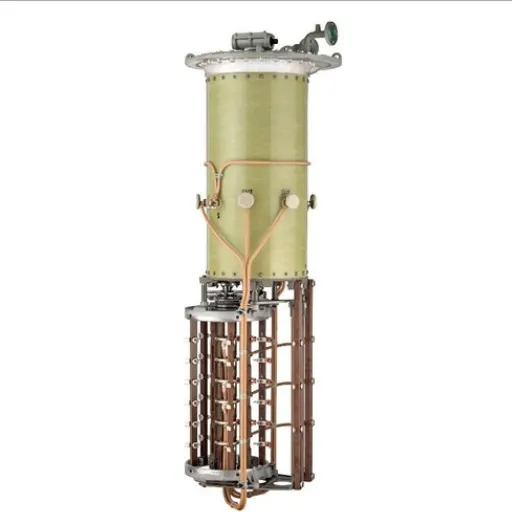
Basic Principles of Tap Change Operation
The operation of tap changers is fundamentally tied to adjusting the turns ratio of a transformer to regulate its output voltage. Tap changers function by changing the connection points of transformer windings which include both primary and secondary sides according to specific design needs. The transformer uses this adjustment to maintain voltage stability while it accommodates changes in load requirements throughout the entire system.
The current world has developed modern technology which operates according to these scientific principles. For example, many OLTC (On-Load Tap Changer) designs now incorporate vacuum interrupters to minimize contact wear and enhance reliability. The new technology enables users to switch between taps at high speeds which decreases the chance of arcing while it extends the duration that components will function. The current technological systems develop automated functions with monitoring systems which provide immediate data evaluation to deliver accurate voltage regulation and support upcoming maintenance needs.
Tap changers undergo performance assessments through various evaluation methods which include monitoring their ability to switch between states and measuring their efficiency in reducing energy losses during voltage adjustments. Advanced OLTC systems enable operators to complete switching operations within 150 milliseconds while maintaining system efficiency at less than 0.5% loss. The detailed benchmarks demonstrate how tap changers have achieved better performance through continuous development which enables them to function properly during peak usage periods.
Load Tap Changer Operation Explained
Power transformers use Load Tap Changers (OLTCs) as essential components which enable them to adjust their voltage output without interrupting the electrical supply. The system achieves its operational capacity through transformer winding tap position changes which create different turns ratios that sustain voltage stability during load changes. Real-Time OLTC systems control voltage declines throughout their operational period which helps sustain electric delivery standards in modern power systems.
The essential function of an OLTC system allows it to control high voltage and current switching operations without creating dangerous arcing problems which lead to system failures. The system achieves this objective through diverter switches which work together with resistor and reactor systems to manage the switching process by handling transient current flows. The new OLTC systems achieve two primary goals through their technological development which includes reducing switching durations and optimizing their operational components to extend component durability. Research shows that high-performance OLTC systems can conduct more than 1 million switching operations without requiring maintenance which results in longer operational intervals for these systems.
Current utilities use the latest OLTC technologies to manage their system losses more effectively. Digital controllers have evolved into sophisticated systems which now provide real-time monitoring capabilities together with advanced predictive diagnostic tools to optimize their switching functions. Testing standards which are specific to each industry show that modern OLTC systems achieve a 20% loss decrease when compared to older technology. The new energy solutions help to meet rising energy requirements while they achieve environmental goals through enhanced energy efficiency combined with reduced energy losses in power transmission systems.
Control Systems for Tap Changer Mechanisms
The tap changer control systems work to maintain precise voltage control while delivering maximum efficiency for transformer operations. The systems operate automatic switching which enables operators to maintain exact voltage control while protecting the transformer from power network disturbances. The modern control systems use their built-in microprocessors and sophisticated algorithms to monitor voltage load and essential system parameters throughout the day. The transformer uses real-time data to adjust its on-load tap changer because the system needs to match current grid demand for optimal energy efficiency.
Control systems have reached a major breakthrough through the implementation of digital systems together with Internet of Things-based technological frameworks. The systems provide remote access to both monitoring and control functions for tap changers which creates better operational options while decreasing the need for technicians to visit work locations. The machine learning-powered predictive maintenance algorithms use historical tap changer performance data to identify upcoming problems which will result in critical breakdowns. The system reduces both downtime and system failures while decreasing upkeep expenses which maintain grid operation reliability.
The current industrial pattern shows a rising demand for control system solutions which need to work together with energy management systems to enable renewable energy sources. Tap changer control systems stabilize grid voltage and frequency because they automatically respond to the unpredictable behavior of renewable energy sources such as wind and solar power. The energy infrastructure becomes stronger and more sustainable because of data-driven decision-making which works with increased automation. The current energy efficiency targets which require power grid modernization efforts to protect network performance and grid stability will be met through this integrated system.
Applications of Transformer Tap Changers
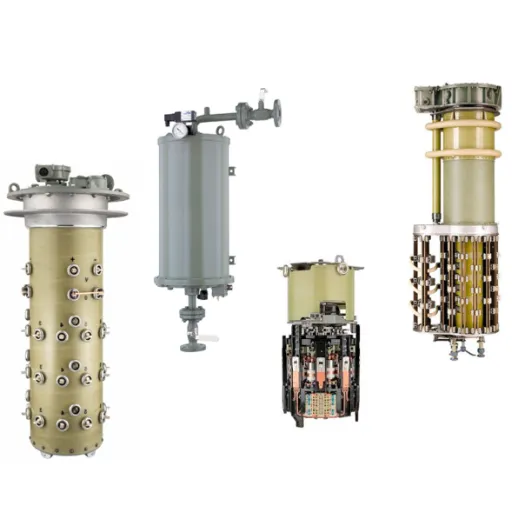
Usage in Power Distribution Networks
The five primary functions of tap changers serve power distribution networks through the following applications.
- Voltage Regulation: Tap changers maintain voltage levels within specified limits which deliver power to residential and industrial customers. The system enables users to transmit electricity through extended distances because it improves service quality during voltage drops.
- Enabling Load Balancing: Tap changers enable transformers to balance electrical loads by adjusting their tap positions throughout the grid system. This system prevents certain areas from becoming overloaded while it establishes better electricity distribution across the network.
- Integration of Renewable Energy Sources: Tap changers stabilize fluctuating input voltage which results from solar and wind energy because renewable energy sources have become more widely used. The system maintains continuous power supply for both peak and off-peak electricity generation times.
- Minimizing Energy Losses: The tap changers optimize voltage levels which lead to reduced transmission losses and prevent power system failures caused by excessive or insufficient voltage. The system aids in reducing costs while it improves energy efficiency.
- Protection Against Power Surges: Tap changers create extra protection because they respond to unexpected voltage increases which include both voltage spikes and voltage surges. The system protects delicate equipment from harm while it strengthens the power network’s ability to maintain operations during extreme events.
The modern power grid system depends on transformer tap changers for their essential role in maintaining power distribution stability and operational efficiency.
Role in Renewable Energy Systems
Transformer tap changers serve as essential components which enable power grids to incorporate renewable energy technologies. The technology solves problems which arise when renewable energy sources experience variable and unpredictable power generation. The five main benefits of tap changers for renewable energy systems include the following advantages:
- Voltage Regulation for Wind Farms: Wind energy generation experiences power output fluctuations because wind speeds change throughout the day. Tap changers maintain stable voltage control because they handle power system fluctuations that help deliver reliable electric power.
- Grid Stability with Solar Panels: Solar power generation requires sunlight to generate electricity, which results in different power output during daytime and seasonal changes. Tap changers use transformer setting adjustments to control system changes which allow for stable grid operation.
- Integration of Hybrid Systems: Renewable energy systems use multiple energy sources, including wind and solar power, to achieve maximum energy production. Tap changers enable system integration by maintaining voltage balance between various operational systems.
- Minimizing Transmission Losses: Tap changers enhance energy transmission efficiency by reducing line losses through their ability to modify voltage during power transmission from distant renewable energy facilities.
- Support for Microgrid Functionality: Tap changers serve as vital components which renewable energy microgrids utilize to control voltage distribution across their independent power systems.
Tap changers provide essential functions which allow renewable energy systems to expand while they operate efficiently through current power grid systems.
Industrial Applications
The existence of tap changers is vital for various industries because they enable power systems to operate with both reliability and optimal efficiency. The following list presents five essential industrial uses together with their respective advantages:
- Power Transmission and Distribution: Tap changers function as vital components in power transformers because they enable voltage control throughout transmission and distribution systems. The system uses voltage adjustments to decrease line loss while delivering energy with optimal efficiency thus enhancing grid performance.
- Renewable Energy Integration: The increasing adoption of renewable energy sources depends on tap changers because they enable solar and wind power to connect with existing power grids. The system uses voltage stabilization technology to counteract changes in voltage caused by different energy generation methods.
- Heavy Industry Operations: Steel manufacturing and mining operations require industrial facilities to maintain constant access to dependable electrical power. The system uses tap changers to control transformer voltage which enables equipment and building systems to operate at their maximum electrical capacity.
- Microgrid Stability: The use of tap changers enables microgrid systems to control local voltage levels which is essential for communities that depend on small-scale renewable energy systems for power generation.
- Data Centers: Contemporary data centers depend on tap changers to operate their power distribution systems which require uninterrupted and stable electrical supply. The system maintains continuous server operation through voltage regulation which prevents power interruptions.
The applications demonstrate that engineers consider tap changers to be essential components of contemporary energy systems which enable efficient power distribution throughout various industrial applications.
Recent Developments in Transformer Tap Technology
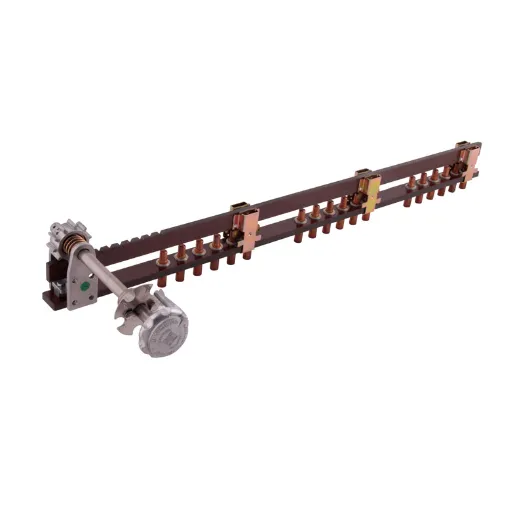
Innovations in Tap Changer Design
The latest improvements in tap changer technology create higher transformer efficiency together with better operational reliability which benefits energy systems. Current tap changers increasingly use vacuum interrupters as their main switching method instead of traditional oil-based systems. The maintenance costs decrease because the operational safety improves through better protection against electrical arcing and fire hazards. Vacuum technology extends tap changers operational life because it supports environmentally sustainable solutions that eliminate oil usage together with its disposal problems.
The digital control systems now operate together with tap changers as their primary control system. The system uses advanced sensors together with automated controls to achieve real-time monitoring while maintaining precise voltage control. The process of digitalization enables predictive maintenance because it generates detailed analytics about the tap changer system’s health and operational performance. The technique decreases equipment downtime which leads to improved system performance. Energy demand changes through smart tap changers which support grid stability during periods of renewable energy generation from wind and solar power sources.
Innovations have also focused on compact and modular designs suited for urban and space-constrained environments. The design of these tap changers allows them to manage high power density operations without losing performance capability. The use of advanced composite materials and high-temperature insulation systems to enhance durability together with operational capability at extreme conditions. The technological advances guarantee that tap changers function as essential elements within contemporary power distribution networks which can fulfill the intricate requirements of the changing energy market.
Impact of Smart Grid Technologies on Tap Changers
The implementation of smart grid technologies has led to major changes in how tap changers operate and how efficiently they function in power distribution networks. The new technology advances present three benefits because they provide organizations with operational intelligence while enhancing system reliability and system adaptable capabilities. The following section presents five essential domains which smart grid technologies have changed how tap changers operate.
- Real-Time Monitoring and Diagnostics: The tap changers use smart grid technologies to access real-time monitoring systems which deliver comprehensive operational health information. The system uses sensors together with data analytics to identify contact wear and insulation degradation problems before they develop into major issues which lead to extended downtime and increased maintenance expenses.
- Automated Load Management: The advanced algorithms together with automation in smart grid technology enable tap changers to make automatic voltage and load adjustment operations. The system maintains proper voltage control while decreasing grid demand during peak hours.
- Improved Energy Efficiency: The smart tap changers adjust their operational patterns according to advanced energy management systems which help them decrease power distribution energy waste. The system leads to an energy network which operates sustainably and effectively.
- Integration with Renewable Energy Sources: The tap changers which use smart technology can operate better because they handle the unpredictable energy supply from solar and wind renewable sources. The system can quickly adjust to changes in energy supply while maintaining stability throughout the power grid.
- Enhanced Communication and Interoperability: The current communication protocols enable smart grid tap changers to connect with other grid elements through complete integration. The connection between components of the power distribution system enables better system performance and reliability while facilitating predictive analysis and unified operation across the entire system.
Smart grid technologies enable tap changers to adapt their functions for the new energy requirements because of these technological developments.
Future Trends in Voltage Adjustment Solutions
The future of voltage adjustment solutions will develop through three main technology fields which include automation, artificial intelligence (AI) and renewable energy integration. The current trend develops voltage regulation systems which use machine learning algorithms for their operational processes. The intelligent systems execute real-time grid condition analysis while they forecast system changes and use voltage control methods to boost system performance and operational reliability.
The current trend integrates solar and wind energy systems with existing electricity distribution networks. The design of voltage adjustment systems now requires dynamic control methods which can manage power quality during times when renewable energy sources experience intermittent operation. Solid-state transformers (SSTs) will transform voltage management practices because they provide faster and more accurate voltage control capabilities than traditional mechanical tap changers.
The industry experiences changes due to IoT-enabled devices which enable better oversight and remote control of voltage adjustment systems. The networked devices deliver critical performance data which helps operators enhance efficiency while identifying future maintenance requirements. Advanced voltage control systems combined with energy storage systems have become essential to maintain grid security during peak power consumption times.
The combination of digital transformation with renewable energy implementation and advanced technologies such as artificial intelligence and Internet of Things solutions creates intelligent voltage adjustment systems which serve the contemporary requirements of power systems.
References
-
University of Tennessee at Chattanooga – Transformer Load Tap Changer Control: This thesis discusses the function of load tap changers in transformers, specifically their role in adjusting secondary voltage to maintain desired levels.
-
University of Washington – Tap Adjustment in AC Load Flow: This report provides insights into transformer taps, their purpose in voltage transformation, and their impact on reactive power flow.
- Click here to read more.
Frequently Asked Questions (FAQ)
Q: What do you mean by transformer tap changer? What is its function in regulating voltage?
A: A transformer tap changer is a part of a transformer’s construction that allows for changing the ratio of turns on the primary and secondary windings of a transformer. So, in attempt to regulate output voltage up or down the tap changer mechanism changes input or output voltage by changing the number of directly connected turns in a voltage winding.
Q: How does on-load tap changing differ from off-load tap changing?
A: Most large power transformers implement on-load tap changing (OLTC) which allows tap changing circuits to function while the transformer is power energized i.e., no disconnections are required during the change, unlike off-load tap changing (also known as of-circuit tap changer) transformers, which have to be shut down in order to change the tap settings and are usually for smaller or more low-rating units, considering that tap switching not very frequent.
Q: Do tap steps or tap voltages have any influence on the functioning of the transformer?
A: Tap steps refer to discrete differences in tap voltages that can be provided by a transformer tap changer. Each tap step represents a change in the tap and tap setting, which is a change of the voltage winding effective turns. Tap steps are useful if they allow the main transformer to restore the nominal voltage level or cope with voltage rise or dip. Every erroneous tap voltages or inappropriate tap steps results into unstable voltage or over strain of the transformer respectively.
Q: What is the usual place of installation of the tap changer compartment and which equipment can be found there?
A: Typically, the tap changer compartments are either located within or are mounted onto the transformer tanks. It consists of a tap changing device, tap jumper links, selection switches, diverter switch of an On-Load Tap changer (OLTC), and the insulation medium which is transformer oil itself or other appropriate fluids. Inside the unit, the moving contacts are segregated and the compartment allows the space for the operation and maintenance of the tap changer.
Q: Is there a function of transformer oil in relation to tap changer or the transformer itself in general giving long service?
A: The main function of transformer oil is to act as insulation within the transformer tank and heat dissipation. It is also used in the portions of the transformer tap changer units for the extinction of arcs caused by changing of tappings in the OLTC and other types of tap-changers. Proper quantity of suitable oil within defined limits must be maintained in the oil buffer and the mechanisms if the arc contacts are to be protected since they will otherwise suffer excessive wear and tear thereby limiting the use of the tap changers in service with the main transformer.
Q: How do load variations and load current affect the tap changer operation?
A: Load variation and load current limit the output voltage because of the voltage horizons of the windings; therefore, tap adjustments are made in the tap changer in order to control the secondary voltage. Increased load current implies an increase in the voltage drop across the windings, thus compelling the higher voltage winding to select a tap higher than the nominal value of that winding to enable the secondary winding to remain at the same nominal voltage.
Q: What maintenance is needed in case of on-load tap changing mechanisms in comparison to off-load types?
A: Given that on-load transformer tap changer mechanisms are composed of contacts, motor drives, oil, and, more importantly, diverters, they are subjected to servicing on a regular basis which extends to inspection of all the above components. Off-load version of the tap changer requires less frequent maintenance; however, tap jumper connectors, mechanical system linkages, and actual taps themselves have to be checked prior to putting the transformer back into service.