
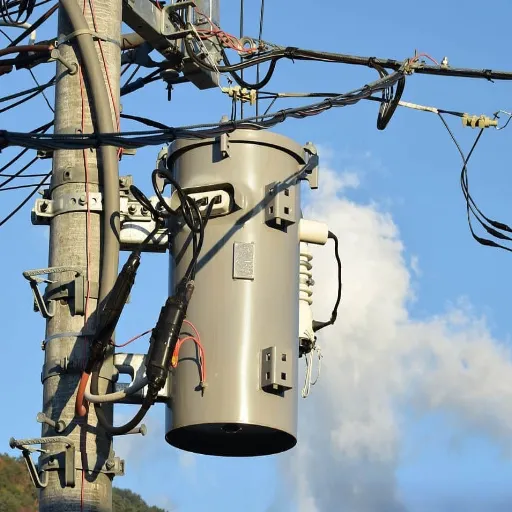
A Beginner’s Guide to Pole-Mounted vs. Ground-Mounted Distribution Transformers

The selection of appropriate transformer equipment stands as a vital decision that determines performance results, upkeep requirements, and financial expenditures in contemporary electrical distribution networks. The two available options of pole-mounted distribution transformers and ground-mounted distribution transformers provide distinct benefits that suit different operational environments. What methods do you use to select the ideal solution that meets your specific requirements? The guide presents essential information about both types of products, including their distinct features and advantages, and their recommended applications to help you make a well-informed decision. The article provides utility workers and engineers, and home and business power system users with essential information, which makes it easier to understand complex issues and choose between different options. Keep reading to discover the information you require.
Understanding Distribution Transformers
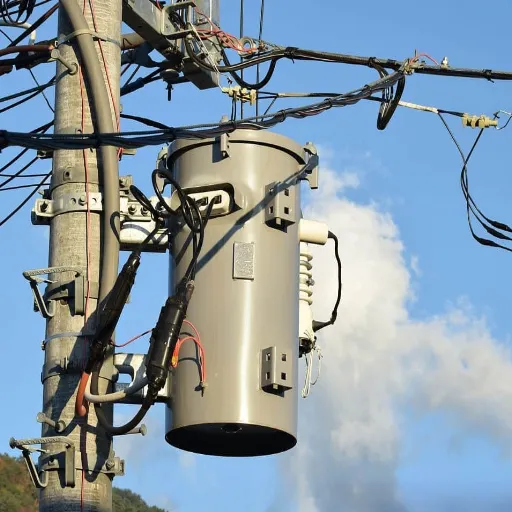
Definition of a Distribution Transformer
The operational needs of an electrical distribution system require the installation of a distribution transformer, which serves as its essential operational component. The transformer works to decrease power transmission high voltage levels into safe voltage levels, which people can use in their homes, businesses, and factories. The primary side of distribution transformers functions between 2.4 kV and 34.5 kV, while their secondary side provides two voltage options of 120/240V and 480V.
The transformers achieve their best energy efficiency when the system experiences low load conditions because they continuously function during the day in distribution networks. The modern world requires energy-efficient solutions, which current technology provides through inventive solutions such as amorphous core transformers, which achieve 70 percent core loss reduction when compared with traditional silicon-steel core transformers. Distribution transformers provide three installation options, which include overhead line pole-mounted systems, underground pad-mounted systems and specialized submersible systems.
The average lifespan of a distribution transformer used in power grids across urban and rural areas spans between 20 and 30 years but proper maintenance and modern designs enable people to extend this lifespan significantly. The new transformers match sustainability goals because they meet conservation requirements established by DOE 2016 efficiency standards and IEC international standards, which protect grid reliability through reduced energy losses.
Importance of the Electric Power Distribution System
Distribution transformers convert high-voltage electricity from transmission lines into electrical power that can be used by homes, businesses, and factories. The worldwide transformer market had an estimated value of $64.3 billion in 2022, which will increase at a compound annual growth rate (CAGR) of 7.4% during the period from 2023 to 2030. The increase results from rising capital expenditures dedicated to energy infrastructure development and renewable energy system implementation, and existing power grid systems being upgraded.
Modern distribution transformers use advanced materials because they employ amorphous steel cores, which achieve 70% energy loss reduction when compared to traditional grain-oriented steel core transformers. Smart transformer systems achieve energy efficiency through their design, which enables real-time system monitoring during their operational performance. Smart transformers maintain grid stability during load changes while they work with solar and wind power systems.
Sustainability initiatives drive organizations to adopt DOE 2016 standards and IEC regulations, which help them minimize their environmental damage. Eco-design transformers that consume less energy will enable Europe to achieve annual energy savings of up to 16 TWh by 2025. Distribution transformers deliver a constant power supply, which enables them to maintain power system reliability while supporting environmental sustainability goals.
Key Components of Distribution Transformers
The design of distribution transformers includes essential elements that function to provide optimal operational results while maintaining system dependability and enabling flexible usage throughout current energy requirements. The following section presents the essential elements that describe their functions, together with their newest technical developments:
- Core
The core of a transformer functions as its main component, which determines how efficiently the device operates through its capacity to conduct magnetic flux. Researchers work to decrease core losses, which electrical engineers also refer to as no-load losses, by developing new materials that create transformer cores. Amorphous metal cores provide a major advancement because they enable a 60 percent reduction in core losses, which traditional silicon steel cores experience, thus making them appropriate for eco-design transformers. - Windings
The transformer windings function as electrical bridges that connect two different circuits through their design, which uses either copper or aluminum material as its main element. Recent research focuses on using high-conductivity materials, which produce lower load losses and enhance the thermal performance of systems. According to industry data, copper windings show a 30 percent conductivity advantage over aluminum, yet aluminum provides benefits through its lower cost and lighter weight. - Insulation System
Insulation materials establish a safe operational environment for transformers because they stop electrical faults from occurring between their various components. The modern distribution transformers installation process now uses eco-friendly biodegradable oils, which include natural esters, because these materials provide greater safety and flash point protection than traditional mineral oil insulation systems. Research indicates that ester-based fluids enable transformers to achieve extended operational life because they decrease thermal stress on the equipment. - Tap Changer
The tap changer system enables transformers to adjust their output voltage according to changes in grid voltage. The latest developments include automatic tap changers (OLTC), which enable smoother operation and better voltage regulation without interrupting the load. This new technology functions as a crucial element that helps maintain grid stability during periods when renewable energy sources generate more power. - Tank and Cooling System
The transformer tank functions as a protective barrier that protects all internal components from environmental impacts. The system includes cooling mechanisms that use radiators or fans to remove heat from the system. The modern designs use cooling systems that decrease noise production and energy usage while meeting international energy efficiency requirements, which include DOE 2016 and Tier 2 of the EU Eco-design directive. - Protections and Monitoring Devices
The advanced monitoring systems use smart sensors and Internet of Things (IoT)-enabled devices to enable real-time performance analysis and predictive maintenance. The latest data shows that transformers that use smart technology experience operational downtime reductions of up to 40%, which leads to greater reliability.
Global manufacturers and utilities work to enhance transformer efficiency while decreasing energy waste through their knowledge and optimization of these components, which supports the development of sustainable energy systems.
Types of Mounted Transformers
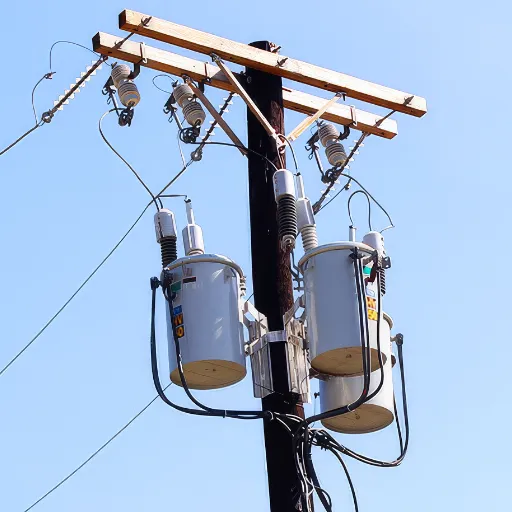
Overview of Pole-Mounted Transformers
Pole-mounted transformers serve as vital components for electricity distribution networks, which deliver power to rural and suburban territories. The utility pole transformers function as voltage converters, which reduce high-voltage electricity from distribution grids to the lower voltage requirements of residential and commercial customers. The transformers need less ground area because their base exists above the earth, and their design enables them to resist flooding in locations that experience such natural disasters.
The current design of modern pole-mounted transformers enables manufacturers to create small transformers that generate minimal operational expenses while maintaining functionality throughout multiple years. Recent industry research indicates that approximately 70 percent of distribution transformers used in rural areas exist as pole distribution transformers because these systems require less financial investment and can be installed quickly. The new design improvements have increased energy efficiency, with some products reaching efficiency levels above 98 percent.
The transformers now include intelligent monitoring systems, which deliver immediate fault detection and overload detection, and equipment maintenance needs to enhance their operational life while reducing machine downtime. The research demonstrates that smart pole distribution transformers enable operational cost reductions of up to 25 percent because they achieve better performance through their capacity to detect and resolve future challenges. The remote and semi-urban regions rely on pole-mounted transformers as their primary equipment for utility poles, which deliver reliable power distribution to accommodate growing electricity needs.
Overview of Ground-Mounted Transformers
Ground-mounted transformers serve as vital components in electrical distribution systems because these systems operate in areas where pole-mounted transformers cannot function. The transformers need to be built with larger and more robust structures because they must provide high power capacity to both urban areas and industrial sites, and extensive commercial facilities. The design of their enclosure allows the establishment of direct ground mounting, which creates both safe access for operations and maintenance activities.
Ground-mounted transformers require special protective features, which include tamper-proof doors and reinforced enclosures to protect against theft and vandalism. The latest advancements in ground-mounted transformers include features like enhanced cooling systems, automated monitoring, and eco-friendly designs that use dry-type transformers that do not require oil insulation.
The global ground-mounted transformer market shows a projected growth rate of over 5% compound annual growth rate (CAGR) during the period from 2023 to 2030, according to recent data. The combination of rising urban development, industrial growth and government support for renewable energy projects drives this expansion. The demand for dependable ground-mounted transformers that can handle heavy loads increases because of smart grid systems and the development of electric vehicle (EV) charging networks. The transformers meet sustainability requirements because their modern designs improve energy efficiency while decreasing carbon emissions to meet both operational and ecological requirements.
Comparative Analysis of Mounted Transformers
The mounted transformer solutions of the world contain two separate transformer types that function as distinct solutions for different operational environments. Utility companies use pole-mounted transformers, which need less space for installation on rural utility poles to provide power distribution. The equipment maintains protection against flooding because of its elevated position, which requires minimal ground space. Ground-mounted transformers need protective enclosures because they function as larger systems that exceed common power requirements found in urban areas and industrial zones.
The latest data shows that ground-mounted transformers are becoming more popular as they are used in both renewable energy systems and urban infrastructure projects. The industry research indicates that energy-efficient transformers have become more needed because smart grid technology needs advanced transformers for proper operation. Ground-mounted transformers achieve better efficiency because they handle bigger loads and use advanced insulation methods. The main benefits of pole-mounted transformers become obvious when organizations need to save money and implement solutions immediately.
Site application requirements determine system selection through geographical analysis, economic assessment, and operational evaluation. The development of energy-efficient technologies has created modern solutions that reduce environmental damage while matching the energy needs of sustainable power systems.
Core Differences Between Pole-Mounted and Ground-Mounted Transformers
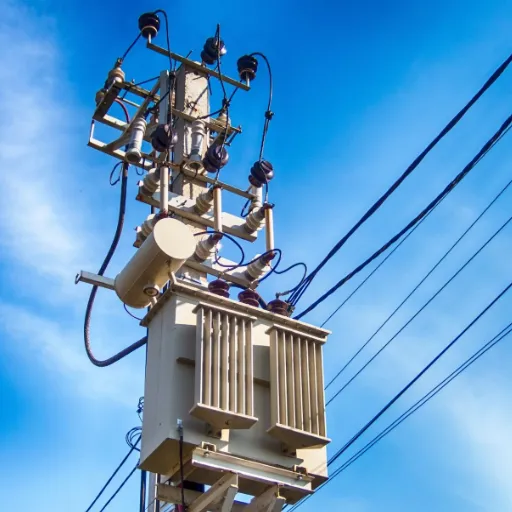
Installation and Accessibility
Utility companies install pole-mounted transformers at utility poles because they need to be installed at High altitudes to keep their transformers safe from ground threats. The equipment needs very little ground area, which makes it ideal for use in urban spaces that experience high population density and have restricted open areas. Maintenance and repair work create difficulties because the equipment needs bucket trucks to access its elevated installation location.
Construction teams protect ground-mounted transformers because they need to be installed at ground level through building safety and durability enclosures. Technicians at this setup can perform maintenance and troubleshooting because they can reach the unit without needing equipment that requires elevation. Ground-mounted transformers function as equipment that can be used in industrial sites, large residential areas, and rural spaces where there are no space limitations.
The two types of equipment need evaluation according to site requirements and budget restrictions, and access needs, because each type provides unique benefits for both setup and system upkeep.
Cost Considerations
The assessment process for transformer costs requires multiple elements to be evaluated, which include installation expenses, maintenance requirements, and energy performance. The initial costs of pole distribution transformers are lower because they require less installation time and their equipment needs are reduced through the use of compact and lightweight materials. The system requires maintenance, which will escalate expenses throughout its operational life because the system operates in environments with extreme weather that causes rapid equipment degradation.
The installation of ground-mounted transformers requires higher expenses because their safety requirements, their civil construction needs and their equipment requirements lead to bigger operational spaces. The equipment requires less weather protection because it has better accessibility, which results in reduced maintenance costs for the equipment.
The decision needs to match the particular requirements and limitations of the location and the expected system load, and the estimated operational time of the system. When organizations evaluate total ownership expenses, they consider both immediate expenses and future expenses to make better financial decisions. The latest market evidence shows that energy-efficient products need a higher investment at first but they deliver substantial cost reductions during their entire operational period. The adoption of these products has continued to increase.
Maintenance Requirements
The equipment requires ongoing maintenance because this process enables the equipment to function at its best while extending its lifespan. The newest studies demonstrate that equipment performance drops by 30 percent when businesses neglect their scheduled maintenance, while this practice increases the likelihood of equipment breakdowns. The maintenance team needs to complete essential functions that involve cleaning machinery and applying lubrication, inspecting components for wear, and testing equipment to ensure it works correctly.
Research from credible sources demonstrates that businesses must adhere to their established maintenance schedule for preventive maintenance. The energy efficiency of HVAC systems improves by 5-15% when air filters are replaced every 1-3 months. Periodic inspections on industrial equipment help businesses to identify equipment issues before they turn into major breakdowns, which results in annual maintenance costs that are 50% cheaper than maintenance methods that wait until problems arise.
The introduction of innovative technologies, which include predictive maintenance systems that use IoT sensors and AI algorithms to monitor equipment in real time, results in approximately 20% maintenance cost savings and 50% equipment downtime reduction. The system achieves its highest operational efficiency through forward-looking strategies that deliver consistent performance during the entire duration of system use.
Applications of Pole-Mounted and Ground-Mounted Transformers
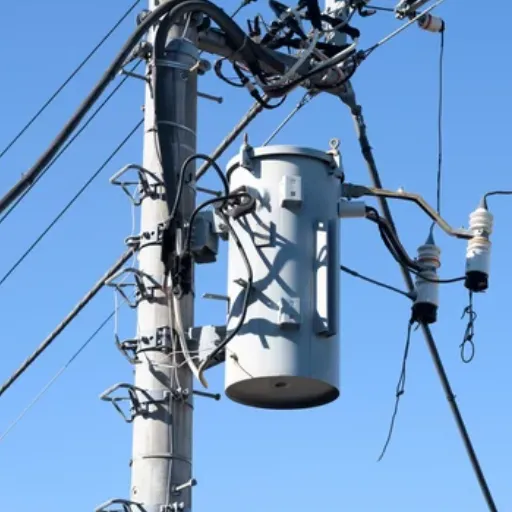
Common Use Cases for Pole-Mounted Distribution Transformers
The distribution transformers, which mount on poles, deliver electrical service to three different types of areas because they convert high-voltage transmission line power into usable electricity for residential, commercial, and industrial applications. The latest data indicate that these systems deliver critical electricity service to both residential neighborhoods and agricultural sites and small production facilities. The transformers function at primary voltage levels of 11 kV, 22 kV, and 33 kV, which they use to generate 400 V and 230 V power for their customers.
The small size of these transformers permits their installation on power distribution poles, which provides major benefits for their users. The equipment needs less space because it does not require additional land, which makes it suitable for areas where space is limited, and people live in high density. Research indicates that contemporary pole distribution transformers now provide modern transformers with energy-efficient cores and thermally upgraded insulating materials, which enable them to achieve energy savings of up to 15% compared to their previous design.
Utilities have started to adopt smart grid technology because they now manage power systems through pole distribution transformers. The IoT-enabled sensors deploy together with remote monitoring tools, which permit organizations to track their operational performance and temperature and load conditions throughout their entire operational period. The implementation of these technologies by utilities results in up to 30% increase of reliability rates. The system provides two benefits because it improves preventive maintenance cycles and maintains critical regions with a continuous power supply.
Common Use Cases for Ground-Mounted Distribution Transformers
Ground-mounted distribution transformers serve as essential elements within power distribution networks, which operate by reducing high voltage from overhead and underground lines to voltages that residential, commercial, and industrial customers can use. The transformers mentioned below serve multiple practical applications, which include these functions:
- Residential Areas
Ground-mounted transformers establish dependable electricity distribution in residential neighborhoods, which serves to power homes. The power infrastructure requires installation in underground distribution systems to decrease its visual effect on the environment. The recent studies show that these transformers help residential areas achieve energy efficiency improvements through line loss reductions, which lead to 5 percent energy savings of residential power use. - Commercial and Retail Establishments
Shopping malls and office complexes, and large retail establishments depend on ground-mounted transformers to provide continuous electrical power, which supports their daily business activities. The systems include advanced load management capabilities that allow them to maintain power requirements during different operational periods. The modern ground-mounted transformers with smart grid compatibility enable businesses to achieve more than 20% reduction in operational downtime, according to recent reports. - Renewable Energy Integration
Ground-mounted distribution transformers function as vital components within renewable energy facilities, which include solar farms and wind energy systems. The systems work to transform generated electricity into grid-compatible standards while they maintain minimal energy loss throughout the entire process. Industry studies show that advanced transformers develop solar farms that provide up to 10% higher energy output efficiency, thus becoming essential elements for sustainable energy developments. - Industrial Applications
Heavy industry sectors, which include manufacturing plants, oil refineries, and mining operations, require strong power systems that high-capacity ground-mounted transformers provide. These units are designed to operate under extremely high load requirements while enduring severe environmental conditions. Data from utility companies shows that transformers in industrial applications have improved operational efficiency and reduced unplanned outages by approximately 15%. - Critical Infrastructure Support
Uninterrupted power supply together with stable power systems constitutes the basic requirement for hospitals’ data centers, and essential infrastructure facilities. Ground-mounted transformers, which operate together with backup systems, provide power protection for these critical functions. The development of IoT-enabled monitoring systems in transformer technology has resulted in real-time status monitoring, which decreases repair response time by 40%.
The different use cases demonstrate how ground-mounted distribution transformers operate in various ways to support electricity distribution systems, which modernize power grids for current energy requirements.
Choosing the Right Transformer for Specific Applications
The process of selecting the appropriate transformer needs evaluation of various factors, which include power capacity and efficiency, voltage levels, and environmental conditions. The load requirements determine transformer specifications because both undersized and oversized transformers result in operational inefficiencies and increased operational costs. The industrial process applications that need lower voltage operation find step-down transformers to be their most suitable option, while power transmission networks use step-up transformers to reduce energy losses that occur during long-distance transmission.
The 2023 study shows that modern transformers, which use smart sensors and Internet of Things (IoT) technology, can achieve a 20% efficiency improvement according to recent research results. The advanced transformers enable real-time system performance tracking and maintenance scheduling through predictive maintenance, which increases system operational dependability and service life. Environmental factors, which include transformer type selection between oil-immersed and dry-type transformers, emerge as important considerations. At high-load conditions, oil-immersed transformers demonstrate better performance, while they create environmental problems, whereas dry-type transformers secure safe operations in sensitive environments, which include hospitals and schools, because they present no fire risk.
Amorphous core transformers and other energy-efficient transformer designs provide energy efficiency benefits through their ability to cut no-load losses. The types help organizations decrease their operational expenses, which applies to both residential properties and industrial facilities. Businesses can achieve better results from their transformer investments by studying their actual site conditions, load needs, and potential future needs.
Reference Sources
-
Global Market Insights Report on Pole-Mounted Transformers
This report provides detailed insights into the market trends, growth drivers, and applications of pole-mounted transformers. It highlights their role in rural electrification, urbanization, and renewable energy integration.
Source: Global Market Insights -
National Renewable Energy Laboratory (NREL) Report
The NREL report discusses the demand segmentation, drivers, and management of distribution transformers, including pole-mounted types. It provides data on aging infrastructure, electrification efforts, and future demand trends.
Source: NREL Report
Frequently Asked Questions (FAQs)
What is a pole distribution transformer?
Electric companies use a pole distribution transformer to install one on utility poles, which transforms high-voltage electricity from power lines into lower voltages that residential and small commercial customers need. The devices provide enhanced installation and maintenance capabilities because their design produces smaller and lighter components, which enable operations to continue in areas with restricted space and existing overhead power lines.
What is a ground-mounted distribution transformer?
A ground-mounted distribution transformer operates as a distribution transformer that is installed at ground level with protection from its metal enclosure. The transformers operate in cities and industrial zones that use underground wiring systems. The design of their system enables them to handle heavy electrical loads that operate in energy facilities that use sophisticated technology.
How do I choose between a pole distribution transformer and a ground-mounted transformer?
The site needs both pole distribution transformers and ground-mounted transformers because its current system infrastructure and operational requirements and environmental conditions dictate which type of transformer to install. Rural areas with low population density benefit more from pole-mounted transformers, which use overhead power lines as their primary distribution method. Ground-mounted transformers bring safe power distribution to urban areas and to locations that operate with underground electrical systems.
Are there energy efficiency differences between pole-mounted and ground-mounted transformers?
Both design types can create energy-efficient designs, but their efficiency depends on their main construction material and their maximum weight limit. The advanced energy-efficient designs of ground-mounted transformers, which operate at their peak load capacity, use amorphous steel cores to decrease both no-load and load losses. The most energy-efficient solution requires understanding load characteristics together with future scalability.
What maintenance needs should I consider for each type?
The maintenance needs of pole distribution transformers need less ground space because their height creates difficulties for accessing the equipment, which requires specialized tools for access. Ground-mounted transformers provide better access yet need security enclosures to protect against unauthorized access and environmental threats. The two types require scheduled inspections to maintain safety standards and operational performance.
Are pole-mounted or ground-mounted transformers better for long-term scalability?
Transformers that are installed on the ground deliver superior long-term scalability to sites that will experience major energy demand increases. The system operates at higher capacity limits, which enables simpler upgrades for urban and industrial environments. Pole-mounted transformers provide fixed-energy capacity they best serve locations with constant or low electricity needs.