

Transformer Cooling Methods: ONAN, ONAF, OFAF & Forced Air

Transformers function as essential components within electrical power systems, which enable the efficient movement of electrical energy throughout extensive distances. Transformers generate heat during their maximum loading capacity because they produce more heat than their system needs to operate without errors and protect against equipment failures. The specific problem can be solved through the use of advanced cooling techniques that have been developed. The article investigates four transformer cooling methods, which include ONAN cooling, ONAF cooling, OFAF cooling, and forced air cooling, as the most common methods used in transformer cooling. The guide presents operational knowledge about these methods together with their benefits and different applications to support engineers and technicians, and all others who want to learn about transformer internal functions. The upcoming section will show the different cooling methods as well as their function in sustaining transformer operational reliability and efficient performance.
Introduction to Transformer Cooling
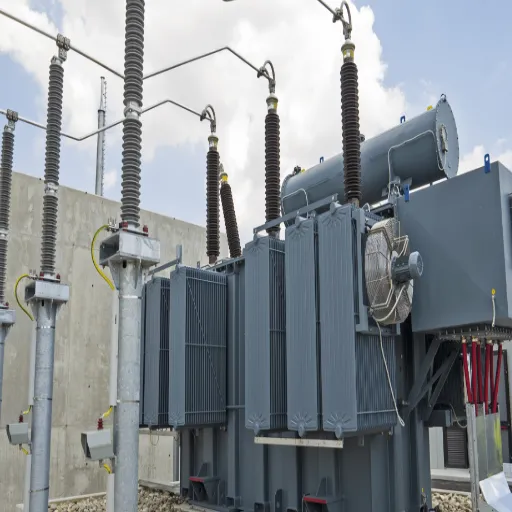
The Importance of Transformer Cooling
The reliable operation of power transformers needs transformer cooling to function effectively. The core and windings of transformers produce large amounts of heat because they lose electrical energy during their operation. The transformer will experience overheating problems because of the heat that remains in its system, which will result in decreased operational performance and increased risk of complete system breakdown.
Transformers in modern electrical systems use advanced cooling technologies, which enable them to operate safely during periods of maximum power consumption by controlling built-up heat. Data shows that a 10°C temperature increase beyond the recommended operating temperature will decrease a transformer’s lifespan by about 50%, which shows how vital effective cooling systems are for transformers. The cooling systems maintain the transformer at its optimal operating temperature, which prevents water from damaging oil-filled transformers while protecting insulation from damage to extend equipment lifespan and operational capacity.
Transformers with medium capacities use advanced cooling methods, which include ONAN (Oil Natural Air Natural) and ONAF (Oil Natural Air Forced), according to recent industry reports, because these methods provide simple operation and affordable costs. The extreme heat dissipation needs of high-capacity transformers require OFAF (Oil Forced Air Forced) and water cooling systems, which provide more powerful cooling solutions. The methods enable power transformers to fulfill modern energy distribution standards because they effectively dissipate thermal energy toward their surrounding environment.
Artificial intelligence systems and automated monitoring solutions have made cooling technology more popular in recent years. The systems have the ability to track operational conditions at all times while implementing necessary cooling adjustments, which results in greater energy efficiency and operational reliability. The solutions deliver essential benefits today because they provide operators with flexible capabilities that enable them to modify operations based on power load changes and environmental conditions.
Critical infrastructure facilities, such as substations, industrial facilities, and renewable energy sites, need effective cooling systems to maintain operational efficiency, which protects transformer safety. The advanced cooling technologies that operators implement will secure essential electrical networks because these systems ensure safe and continuous network operation.
Overview of Cooling Classes
The categorization of transformer cooling systems depends on the cooling medium and the operational heat dissipation methods that transformers use. The main cooling techniques include natural air cooling (AN) and forced air cooling (AF), natural oil cooling (ON) and forced oil cooling (OF), while advanced systems use multiple cooling techniques in combination with each other.
The assessment of cooling performance needs to determine how well each system moves heat between its parts. The cooling system of smaller transformers uses natural air cooling (AN) to obtain its cooling capacity from the surrounding air. The solution provides an economical way to handle transformer loads that exist at their minimum operational levels.
Forced air cooling (AF) uses fans to create air movement, which cools transformer radiators. The system provides heat removal capabilities, which enable its use in transformers that require medium to heavy electrical power consumption. The latest evidence demonstrates that forced air cooling increases heat transfer efficiency by 30% when compared to standard natural cooling techniques.
Oil-immersed transformers operate with two systems: natural oil cooling (ON) and forced oil cooling (OF). Natural oil cooling operates by using the transformer tank oil’s natural convection movement to transfer thermal energy toward external radiators. The research indicates that systems that implement forced oil cooling through oil pump circulation achieve better thermal management, which results in 50% efficiency improvements for high-capacity setups.
Hybrid cooling systems achieve further development through their combination of water or air movement systems with oil cooling mechanisms. Direct water cooling (OW) has become a common cooling system for large transformers used in essential infrastructure because it provides effective cooling techniques within small space requirements. The International Energy Agency (IEA) states that these methods function as essential elements for urban environments that experience high energy consumption and face challenges with limited available space.
The latest cooling technology advancements improve transformer system reliability and extend their operational life span, which leads to lower maintenance expenses throughout their operation. The right cooling class selection combined with advanced cooling techniques enables operators to achieve maximum energy efficiency while meeting modern power system requirements.
Applications in the Power Industry
Transformers serve as vital elements in power systems because they allow electricity to be transmitted across long distances through various voltage levels. Advanced cooling methods, which enhance operational efficiency, have become essential because the need for reliable energy distribution has grown. The global transformer cooling systems market will experience significant growth according to recent data, which shows a projected CAGR of 6% from 2023 to 2030 due to power grid expansion and renewable energy system development.
The renewable energy sector now requires high-voltage transformers that have better cooling systems to support wind farms and solar power plants. The transformers now use oil-immersed cooling systems and advanced air-blast cooling methods to support high operational loads while ensuring system reliability. Forced-air and forced-oil cooling systems have become more popular because they provide solutions for industrial operations and urban substations that require effective thermal management.
Digital monitoring systems now function as the cooling performance optimization tool that modern transformer designs use to achieve their monitoring function. Organizations can forecast thermal load variations through the use of sensors and AI-based analytics, which allow them to adjust cooling operations to prevent overheating and reduce energy consumption. The new technologies reduce operational expenses while supporting the worldwide initiative for sustainable energy development.
Understanding Transformer Cooling Methods

What is ONAN Cooling?
The ONAN system, which stands for Oil Natural Air Natural, provides a widely used solution for cooling transformers. The system uses insulating oil and air from the environment to create a natural cooling system, which removes heat generated by the transformer during its operation. The method works best for transformers with lower cooling requirements because it does not require advanced cooling systems.
The process starts when the transformer winding produces heat, which moves into the surrounding oil. The heated oil rises because it has a lower density, while the cooler oil moves downwards to create a natural convection cycle. The transformer tank surface releases heat to the surrounding air through natural convection. The ONAN cooling system operates without the need for external pumps and fans, which makes it an affordable and easy-to-use cooling solution.
Key technical insights:
- The ONAN cooling system achieves its highest operational efficiency when used with transformers that have 20 MVA (Mega Volt-Amps) capacity and operate at voltage levels below 132 kV. The system needs additional cooling through forced methods after reaching this point.
- The ONAN system effectively handles heat dissipation from transformers within the 500 to 1000 W/m² range. The system achieves operational efficiency through its design, which does not require any mechanical components since it has no pumps or fans.
Recent advancements enable ONAN-cooled transformers to use thermal sensors and IoT-enabled devices for real-time temperature monitoring. The system maintains efficient natural convection through its design, which adapts to different environmental and load conditions. The development of new transformer oil formulations has increased the heat-transfer coefficient, which leads to better performance of ONAN cooling systems.
Exploring ONAF Cooling Systems
The ONAF cooling system, or the Oil Natural Air Forced system, constitutes a breakthrough for transformer cooling technology. The ONAF system requires external cooling fans to create forced air movement, which then travels across radiator surfaces, and the system achieves better heat dissipation than ONAN systems. The active cooling system enables transformers to operate at higher loads because it improves their ability to dissipate heat.
Modern ONAF systems use advanced sensors together with IoT technology to provide real-time performance monitoring and optimization. Intelligent systems automatically adjust fan speeds when they detect temperature spikes to keep systems in ideal operating conditions. ONAF cooling systems enable transformers to handle 25%-50% more load because they outperform traditional ONAN systems, according to recent research.
The industry expert data collection shows that ONAF systems reduce operational hazards because they provide consistent thermal performance during periods of heavy load changes. The ONAF cooling system allows the 25 MVA transformer to achieve better heat dissipation because its highest operating temperature has decreased by 10-15°C compared to the ONAN cooling system. The new fan designs, together with improved materials, have boosted energy efficiency while achieving 20% lower power usage and maintaining cooling performance.
The ONAF cooling system market is starting to adopt predictive maintenance tools through continuous product innovation. The system uses temperature sensor data together with fan activity and environmental condition information to predict potential problems, which ensures transformer operations remain dependable and affordable.
Insights into OFAF and Other Methods
OFAF cooling systems and OFAF systems together develop an effective cooling method that high-capacity transformers require during their operational schedule. The system operates by using pumps to move oil through the transformer while it uses air-blower systems to create controlled cooling. The OFAF systems function through forced circulation, which moves transformer oil and ambient air, resulting in better heat dissipation and improved thermal performance during heavy load operations.
Recent data indicate that OFAF systems can increase cooling efficiency by nearly 30% compared to traditional ONAN (Oil Natural Air Natural) systems, especially in industrial environments where transformers experience high stress levels. The systems now use predictive analytics tools, which enable advanced monitoring of oil flow rates, pressure levels, and temperature gradients. The system enables users to perform adjustments that decrease the risk of overheating and extend the operational life of transformer components.
According to industry insights, employing OFAF systems in combination with digital monitoring has shown a reduction in transformer maintenance costs by up to 15%. The development of modern sensor technology now enables operators to identify operational problems that lead to unplanned downtimes. The development of these technologies demonstrates how contemporary technology and system design collaborate to transform transformers into more trustworthy and efficient machines.
Common Transformer Cooling Systems
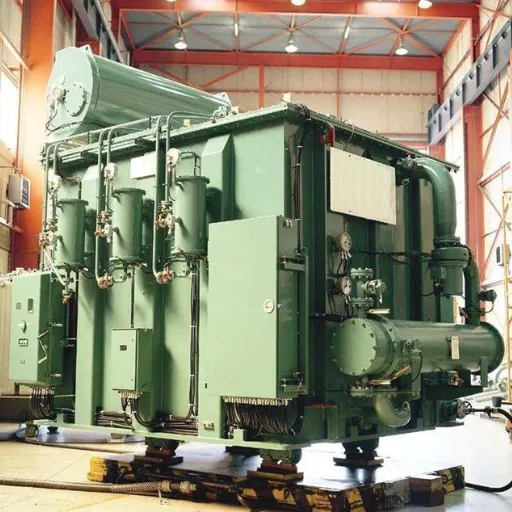
Dry Type Transformer Cooling
The process of cooling dry-type transformers relies on air as their primary method. The transformers operate without using liquid insulation, which makes them better for the environment while also decreasing their potential for oil spills and fire dangers. The feature permits use in indoor spaces that require fire safety compliance for schools, hospitals, and high-rise buildings.
Dry-type transformers use natural ventilation (AN, Air Natural) or forced ventilation systems (AF, Air Forced) to dissipate heat. Recent studies show that modern transformers use high-efficiency cooling fans, which improve their heat dissipation abilities by 25%, and this results in improved energy efficiency together with longer device lifespans.
The primary benefit of dry-type transformers comes from their requirement for minimal maintenance work. The proper installation of ventilation systems, together with their ongoing inspection, will lead to a 30% reduction in maintenance expenses when compared to oil-cooled systems. The sealed encapsulated technology of Vacuum Pressure Impregnation (VPI) enables transformers to endure adverse environments because it provides enhanced protection against moisture and dust.
Dry-type transformers maintain their operational life for more than 25 years when used properly, which makes them an essential component for achieving sustainable energy objectives. The system uses advanced monitoring sensors together with thermal imaging tools to provide real-time temperature monitoring, which boosts system reliability and operational performance. Dry-type transformers provide power distribution systems with their dependable performance and flexible applications.
Comparative Analysis of Cooling Equipment
The operation of electrical systems in industrial facilities that require precise temperature management depends entirely on cooling systems. The two main cooling techniques, liquid cooling and air cooling, provide different advantages that make them appropriate for specific situations.
- Air Cooling
Air cooling functions as a fundamental and cost-effective cooling solution that people commonly use. The system employs fans or natural convection to transfer heat from components to the surrounding environment. The research studies demonstrate that air-cooling systems achieve efficiency levels between 60 and 70 percent for moderate thermal demands. The systems experience major performance declines when they must operate in environments with high temperatures and high-density conditions. Air cooling remains suitable for smaller systems that require space-saving design and reduced initial investment. - Liquid Cooling
Liquid cooling utilizes water or special coolants to transfer heat from essential equipment through the cooling system. The method shows better thermal conductivity than air because it achieves 90 percent efficiency according to industrial benchmarks. Liquid cooling systems have seen performance advancements through these new technologies, which include microchannel heat exchangers and immersion cooling systems that enable better load management and energy efficiency improvements. The long-term advantages of liquid cooling make it a popular choice for demanding applications because it decreases noise pollution, needs less space, and operates at high efficiency. - Recent Technological Trends
The 2023 market analysis shows that hybrid cooling systems, which use both air and liquid cooling systems, are becoming more popular. The systems use air cooling, which costs less, together with liquid cooling, which provides better performance to achieve better energy efficiency and lower operational costs. AI-based monitoring systems enable predictive maintenance and dynamic thermal management, which boost industrial productivity and reliability.
The analysis of these two options shows that organizations must select either air cooling or liquid cooling based on their specific requirements, which include thermal needs, system size, energy consumption targets, and financial limitations. The development of both air cooling and liquid cooling systems provides organizations with environmentally friendly solutions that work better for their operational needs.
Heat Exchangers in Transformer Cooling
The operational efficiency of transformers depends on heat exchangers, which manage heat dissipation from their operations. Transformers require their cooling systems to function at optimal levels because their electrical load cycles generate extreme heat, which needs to be controlled for their reliable performance. The industry data shows that modern transformer cooling systems integrate advanced thermal technologies with efficient heat exchangers to manage heat loads successfully.
The most commonly used types of heat exchangers include air-to-air, air-to-oil, and oil-to-water systems. The oil-to-water heat exchangers can transfer higher amounts of heat because they use water, which has excellent thermal conductivity properties. Recent reports show that modern oil-to-water heat exchangers can achieve up to 70%-80% efficiency in heat transfer processes because they use advanced materials and designs. The combined cooling effect of these systems provides industrial transformers with energy savings that result in longer operational lifetimes for transformers.
Researchers have found evidence that nanofluids work effectively as cooling media for heat exchangers. The use of nanoparticles in standard cooling fluids allows for a heat transfer rate improvement of 15%-20%, which leads to more efficient and environmentally friendly transformer cooling solutions. The latest heat exchanger innovations enable installation systems that successfully fulfill modern energy infrastructure needs.
Key Technical Takeaways
Summary of Key Cooling Methods
- Oil-Based Cooling
The oil-based cooling system for transformers functions as a validated cooling method because its thermal conductivity, combined with its insulation capabilities, produces maximum cooling efficiency. The latest technology now enables the use of synthetic esters, which serve as biodegradable materials and demonstrate improved resistance to oxidation. The modern oil-based cooling systems found in transformers reduce core overheating incidents by 30% when compared to older transformer systems, according to statistical data. - Nanofluid Cooling
Nanofluid cooling systems achieve their 15%-20% thermal performance enhancement through the addition of nanoparticles, which include aluminum oxide, copper oxide, and silica to regular transformer oil. The systems achieve better heat dissipation through their ability to increase fluid thermal conductivity, which laboratory studies and field tests have confirmed. NIST experiments demonstrated that a 0.1% copper oxide nanoparticle concentration achieved an 8°C temperature reduction of hotspot areas under standard load conditions. - Air-Based Cooling
Air-based systems use either natural air movement or active air movement to transfer heat away from systems. The systems prove advantageous in particular settings that prohibit liquid usage because they would create unnecessary safety hazards. Energy grid installation reports from Europe show that forced air systems combined with advanced heat sink designs achieve cooling efficiency improvements of 25%, according to new installation reports. - Hybrid Cooling Solutions
The hybrid cooling technology uses multiple systems to achieve maximum heat dissipation through its oil and air cooling systems in response to different operational loads. The newest hybrid designs incorporate sensors and smart controls for adaptive cooling, which optimizes energy use. The U. S. power sector has achieved energy savings of up to 10% through its initial field tests of energy-efficient technologies, which compares to conventional energy-saving methods.
The research-based solutions, together with innovative methods, create reliable and sustainable transformer cooling technologies that satisfy urgent requirements. The installation site needs to assess which method suits its operational requirements because each method provides different advantages based on specific environmental conditions and energy consumption objectives.
Critical Considerations for Transformer Maintenance
Transformers require maintenance because it enables power systems to function reliably while consuming energy efficiently and maintaining equipment operational life. The process of preventing unplanned outages requires facilities to conduct their regular inspections and testing procedures while following the established industry standards. Recent sources report that more than 70% of transformer failures occur because of moisture contamination and insulation material breakdown, according to research studies. Advanced moisture monitoring systems, together with high-quality insulation materials, will effectively decrease the associated risk.
Transformers achieve their energy efficiency through thermal performance, which serves as an essential factor. The current data shows that transformers that operate in high ambient temperature conditions experience faster aging because their lifespan decreases by 50% for each 10°C temperature increase beyond the maximum safe operating temperature. The implementation of advanced cooling systems, which include ONAN (Oil Natural Air Natural) and ODAF (Oil Directed Air Forced) systems, will decrease thermal stress while extending system operational life.
The use of oil analysis techniques has emerged as an essential maintenance procedure according to maintenance practices. The technicians use dissolved gas analysis (DGA) tools to detect transformer oil faults through the identification of important gases, which include hydrogen, methane, and ethylene. The recent study shows that organizations that use oil testing before any potential equipment failures reduce their failure rates by 30% this finding proves that testing has become an essential element in contemporary maintenance methods.
The development of digital monitoring systems together with Internet of Things (IoT) solutions provides organizations with instant diagnostic capabilities, which help them decrease system downtime while enhancing their operational productivity. The technologies deliver performance metric data, which organizations use to create predictive maintenance systems that guarantee transformers function properly during peak energy usage while fulfilling environmental sustainability requirements.
Implications of Cooling Class on Performance
The cooling class used by transformers determines their operating efficiency and reliability, which affects their total performance. Transformers require dependable systems for cooling, which must manage their generated heat because excessive heat leads to insulation breakdown, which reduces their lifespan. Distribution transformers use ONAN cooling as their primary cooling method, which reduces operating temperatures between 20 and 30 percent, while this improvement results in higher energy efficiency and longer equipment lifespan.
High-capacity transformers achieve better cooling performance through advanced cooling technologies such as OFAF and ODAF. The two methods use forced insulating oil circulation or directed airflow to achieve better heat removal capacity. The research demonstrates that OFAF-cooled transformers can handle 30% to 50% more load compared to ONAN-cooled transformers that share the same specifications, which makes them suitable for use in industrial and energy-demanding settings.
Internet of Things technology enables modern monitoring systems to provide real-time updates about cooling system performance. The sensors throughout the transformer can identify temperature changes, which provide operational information that helps operators enhance cooling system efficiency. The 2022 report shows that organizations that implement predictive maintenance for their cooling systems experience a 40% reduction in unexpected breakdowns, which leads to better grid reliability and sustainability throughout the entire system.
The selection of the proper cooling class by transformer operators, together with their digital tool usage, provides two advantages because it helps them operate their equipment more efficiently while complying with international energy efficiency standards.
Reference Sources
- Design of the Cooling System for the Transformer
Source link - Reduced model for the thermo-fluid dynamic analysis of a power transformer radiator working in ONAF mode
Source link - Power Transformers Cooling Design: A Comprehensive Review
Source link
Frequently Asked Questions (FAQs)
What is the ONAN cooling method, and how does it work?
The ONAN (Oil Natural Air Natural) cooling method functions as a transformer cooling system that utilizes passive cooling techniques to maintain transformer temperature. The system uses natural convection processes to move heat away from the transformer through oil and air movement. The transformer oil moves through the tank system to transport heat from the core and windings to the radiator, which releases heat into the surrounding environment. The method uses a simple process that delivers reliable operation without needing any outside mechanical components. The system proves effective for smaller transformers that require moderate cooling capacity.
How does the ONAF cooling method improve on ONAN?
The ONAF (Oil Natural Air Forced) cooling method enables transformers to achieve better cooling performance through its use of forced air movement. The transformer uses natural oil circulation but relies on external fans to create airflow across its radiators, which results in better heat dissipation. The method functions as a standard practice in major transformers that need advanced cooling systems to manage their increased operational demands.
What is OFAF cooling, and where is it used?
The OFAF (Oil Forced Air Forced) cooling method functions as an advanced cooling system that transforms high-capacity transformer operations. The OFAF method uses forced circulation to distribute both oil and air through its system, which distinguishes it from ONAN and ONAF systems. The system uses oil pumps to move transformer oil through radiators while fans create air movement that cools the radiators. This method provides superior cooling efficiency, which transformers use to operate in heavy load conditions or high ambient temperature environments.
What is the importance of forced air in transformer cooling?
The ONAF and OFAF cooling systems depend on forced air as their cooling method because it helps to improve transformer cooling efficiency. The forced air system uses fans to create airflow across the transformers’ radiators, which enables transformers to release heat at faster rates. The system allows transformers to handle their full operational capacity while keeping their temperature within safe limits, which results in extended equipment life and improved operational safety.
How do I select the correct cooling solution for my transformer equipment?
The selection of the optimal cooling solution requires assessment of multiple factors, which include the transformer’s dimensions and its operational load, and the conditions of its working environment. The ONAN method functions properly with smaller transformers that need moderate heat dissipation requirements. The ONAF method and the OFAF method provide better cooling solutions for transformers that operate at higher capacities in regions with higher temperature conditions. The selection of a cooling solution requires evaluation of both maintenance needs and expenses.
Why is proper cooling essential for power transformer performance?
The power transformer operates efficiently when all of its essential cooling systems function correctly, and the power transformer needs all of its cooling systems to operate properly throughout its entire operational lifespan. The failure of cooling systems to deliver adequate cooling capacity results in transformer oil deterioration and insulation system breakdown, which leads to equipment failure and decreased operational capabilities. The transformer requires proper cooling through ONAN and ONAF, and OFAF systems, which enable effective heat management to maintain safe operation during different load conditions and temperature variations. The system maintains operational efficiency while providing dependable performance throughout its entire lifespan.