

wish.technology.ltd@gmail.com
Transformers for Data Centers: Sizing, Redundancy & Efficiency
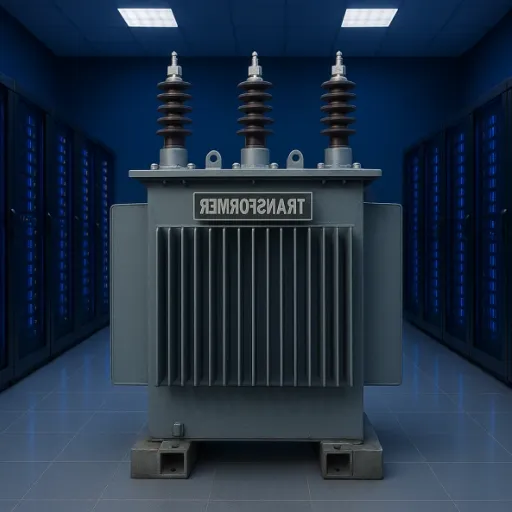
Data centers function as the main support system, which enables our entire digital world to operate by delivering power to both cloud services and vital business activities. The facilities depend on transformers, which function as vital components, although people usually…
Transformer Noise Levels: NEMA Standards & Reduction Methods
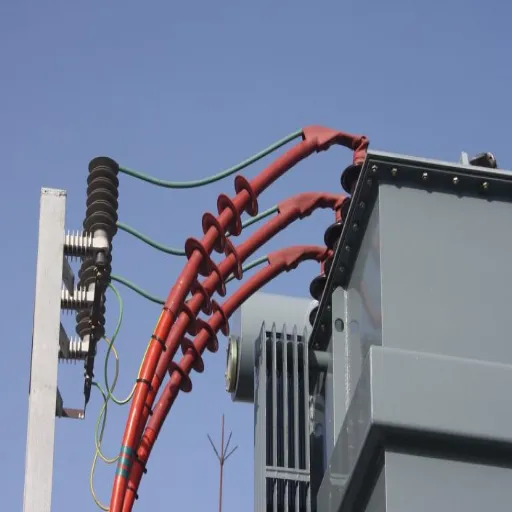
The designers and operators of transformers must pay attention to noise levels, which they find essential yet frequently disregard. The community receives disruptive noise, which also functions as a warning system that detects operational issues and identifies system vulnerabilities. This…
Oil Sampling & Analysis for Transformers: Complete Guide

One of the most important strategies for ensuring reliability as well as promoting efficiency in most transformers, which are an integral part of the modern-day power system, is through sampling and analysis. All transformers have to endure a great deal…
Transformer Grounding: Methods, Requirements & Best Practices
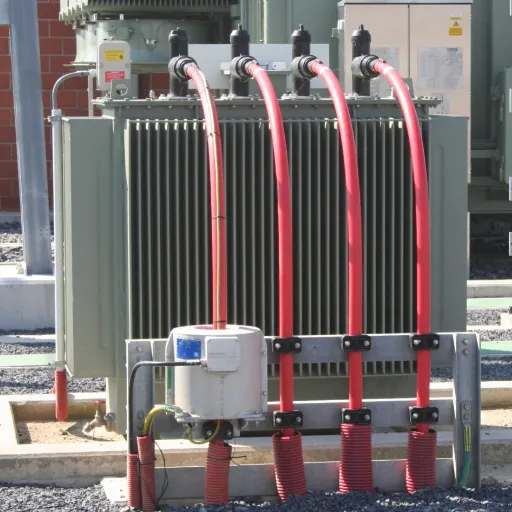
Transformers need proper grounding because it protects their safety and system reliability while maintaining operational efficiency for electrical systems. Grounding serves as essential practice for modern electrical infrastructure because it protects equipment from fault currents while keeping personnel and assets…
Transformer Bushings: Types, Functions & Maintenance
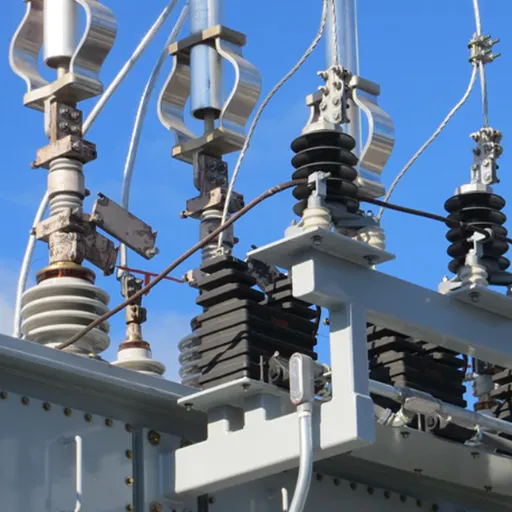
Transformer bushings function as essential components that electrical systems need to achieve their dependable and effective system operation. The design of these components enables safe electrical current flow between a transformer’s internal parts and external electrical circuits while they deliver…
Understanding Transformer Losses: No-Load, Load & Total Losses
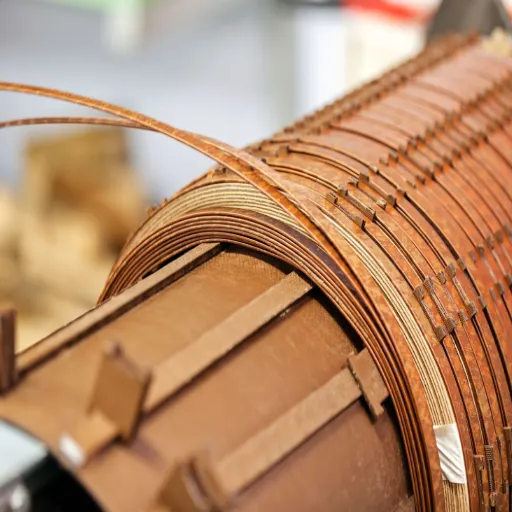
The present electrical systems require transformers as vital components because these devices enable power distribution through networks while ensuring reliable energy transmission. Transformers display operational inefficiencies that occur in all standard electrical equipment. The process of optimizing performance and reducing…
Isolation Transformers vs Auto Transformers: Key Differences
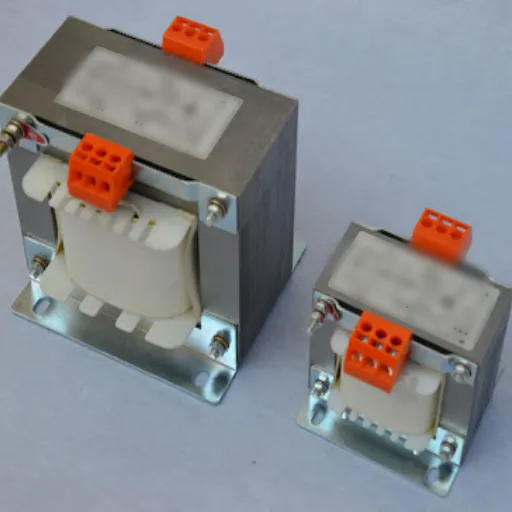
The differences between isolation transformers and auto transformers which require electrical system management skills exist as essential knowledge for system operators. The two transformer types which serve power distribution functions operate through different design elements and distinct operational capabilities and…
Understanding Transformer Insulation Classes: A, B, F, H

Among the fluid-immersed type transformers, insulation is both simple and complicated, and so constantly evolving transformers should involve the designer to ensure that the designs have a transformer of choice capable of providing both the required operational conditions and long…
Transformer Temperature Rise and Thermal Management
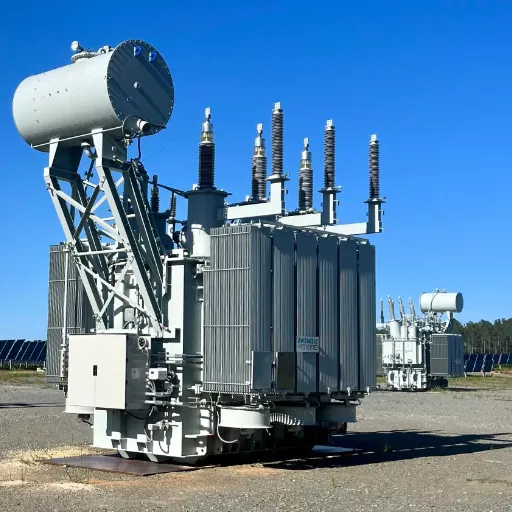
Transformers need thermal management because their operation requires temperature control, and they function as vital elements of global power distribution systems. The transformer generates heat during its operation because electrical losses occur, and if those temperatures become too high for…
Common Transformer Failures: Causes, Symptoms & Prevention
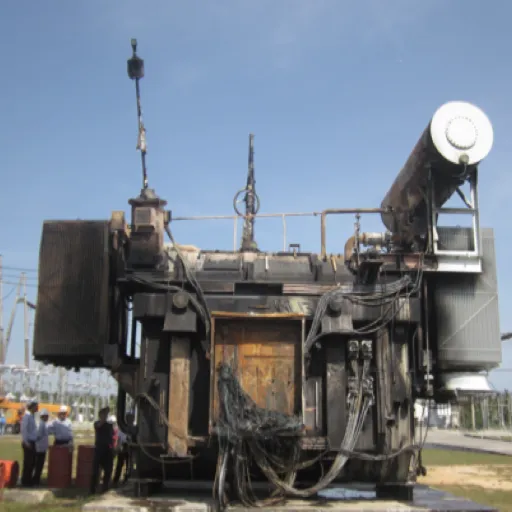
Transformers are devices that are integral to the electrical supply network and are central to the efficient distribution of electricity to residential, commercial and industrial consumers. Like any other piece of equipment, transformers can undergo malfunctions, which may result in…