
Transformers for Data Centers: Sizing, Redundancy & Efficiency

Data centers function as the main support system, which enables our entire digital world to operate by delivering power to both cloud services and vital business activities. The facilities depend on transformers, which function as vital components, although people usually do not pay attention to their importance. The selection process for transformers stands as a critical step that determines the success of data center operations through three main objectives: providing dependable power distribution and achieving maximum energy efficiency, and sustaining system performance. The blog post examines essential elements that need to be evaluated when selecting transformer sizes, executing backup systems, and improving data center energy usage. The factors that you need to understand will help you reduce expenses and minimize operational interruptions while creating environmentally friendly facility operations. Read on to explore how transformers shape the pulse of modern data center infrastructure.
Understanding Data Center Transformers
What is a Data Center Transformer?
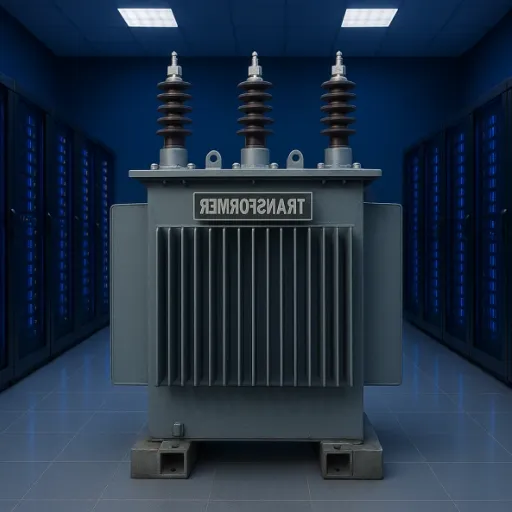
A data center transformer functions as an essential electrical device that transforms voltage levels to supply the required power needed by data center equipment. The device operates by reducing utility voltage, which delivers high voltage power to generate power at lower voltage levels, which match the requirements of servers, networking devices, and all IT equipment. The transformers function as essential elements that enable the safe and efficient distribution of electricity throughout the building.
Transformers with high efficiency become standard components of modern data centers because these transformers maintain their full operational capacity while consuming minimal power throughout their operational life. The global data center transformer market shows expected substantial expansion because the industry needs dependable and environmentally friendly power systems, according to current market research. The market experienced an estimated value of almost $3 billion in 2023, and it will expand because of cloud computing growth and the increase in AI-based workloads, according to market projections.
Data centers make efficiency their primary focus for operational activities. High-efficiency models such as cast resin or amorphous core transformers achieve energy loss reduction of up to 70% through their design, which exceeds the performance of traditional transformers. The transformers reduce power usage effectiveness(PUE), which designers use to build energy-efficient systems for data centers.
People who install new transformers select eco-friendly transformers that use biodegradable fluids as their insulating materials because of the growing demand for transformers that protect the environment. Organizations employ these advanced technologies to boost operational security while decreasing harmful environmental impacts, which helps them achieve their green data center objectives.
Role of Transformers in Data Centers
Transformers function as vital elements that manage electrical systems in data centers because they convert incoming high-voltage power from the grid into usable lower-voltage power for server operations. The transformers perform their task with high efficiency, which results in negligible power loss during operations that create the Power Usage Effectiveness (PUE) metric, which functions as a vital standard for measuring data center energy efficiency.
Through the use of advanced materials today, modern transformers achieve higher power efficiency through their use of amorphous core materials that generate 70% less core losses than traditional silicon steel transformers. The recent industry study found that these new technologies enable energy savings between 5-10% annually for data centers, which depend on their size and operational capacity. The market accepted dry-type transformers because they provide better safety benefits and lower maintenance needs while completely removing the requirement for liquid insulation.
Data center operators are also increasingly adopting smart transformers enabled with IoT (Internet of Things) technology. The system allows operators to continuously track all critical operational parameters, which comprise voltage, current, temperature, and additional essential performance metrics. Worldwide energy consumption and carbon emissions will decrease through transformer efficiency optimization, which will enable companies to operate sustainably as the global data center market expands at a 10.2% CAGR from 2023 to 2030.
The transformers supply constant power distribution, which fulfills operational requirements while assisting data center operators in their quest for environmental sustainability. Modern transformers combine innovative materials with intelligent technology and eco-friendly operations to establish a digital framework that achieves energy efficiency while maintaining resilience against environmental threats.
Types of Transformers Used in Data Centers
- Step-Up and Step-Down Transformers
Data centers use step-up transformers to convert power generation voltage into transmission voltage because this method enables better energy transmission across long distances. Data centers use step-down transformers to reduce voltage levels to standards needed for their equipment to function. The voltage adjustment process decreases transmission losses while keeping essential power levels needed for sensitive IT equipment to work properly. - Liquid-Immersed Transformers
Data centers prefer liquid-immersed transformers because they provide better cooling performance and dependability than other transformer types. The transformers use insulating liquids like mineral oil and biodegradable ester fluids to transfer heat, which they produce during their normal operations. Biodegradable oils have become popular because they provide environmental benefits while making transformers safer to operate. Research shows that using these liquids can lead to a 50% reduction in carbon emissions when compared to standard mineral oils. - Dry-Type Transformers
Dry-type transformers, which operate with air as their cooling medium, are suitable for indoor spaces and environmentally sensitive locations because they eliminate the possibility of liquid cooling system failures. The transformers require minimal upkeep while providing outstanding protection against fires, which makes them suitable for data centers located in urban areas and facilities that must meet strict safety regulations. Current technology enables dry-type transformers to achieve efficiency ratings above 98%, which results in substantial energy waste reduction. - Smart Transformers
Smart transformers use advanced monitoring and sensor technologies to achieve better operational performance and maintain equipment through predictive techniques. The systems have the ability to identify equipment failures as they develop, which results in shorter operational interruptions and increased equipment longevity. Industry research shows that using smart transformer technology for predictive maintenance operations results in a 25% reduction of maintenance expenses and a maximum 15% boost in energy efficiency.
Data centers achieve energy efficiency improvements through the implementation of various transformer types, which also help them reach their carbon neutrality targets.
Correctly Sizing Transformers for Data Center Loads
Determining Current Load Requirements
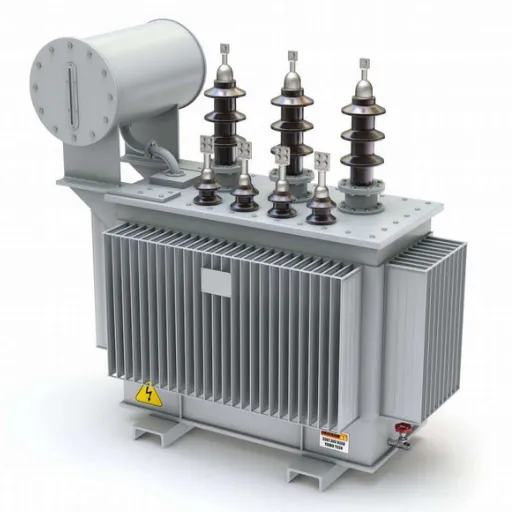
The process of transformer size determination starts when engineers evaluate how much power the data center requires at the present time. The assessment includes peak demand evaluation and average load evaluation and load variability evaluation to verify that the transformer capacity meets operational requirements without reaching both overload and underutilization conditions. The newest research demonstrates that transformers that operate below their required capacity create heating difficulties that decrease their operational lifespan, while transformers that operate above their required capacity result in energy wastage and extra operational costs.
The 2023 study demonstrates that data centers suffer from energy losses that exceed 18% because their transformers have not been properly sized, thus increasing their operational expenses. The combination of load calculation tools with real-time monitoring systems creates precise evaluations that enhance transformer capacity, matching actual load requirements, thus increasing system efficiency and performance. The future capacity requirements of data center transformers depend on the assessment of server density growth and IT infrastructure expansion needs.
Planning for Future Capacity Needs
Data centers need to plan their capacity requirements because it plays an essential role in their effective infrastructure development process. The worldwide data center sector will reach its energy consumption peak of 200 terawatt-hours (TWh) by 2025, according to current projections, which show that scalable solutions have become vital for industry needs. Organizations must implement advanced predictive analytics as their primary method to develop load demand models that use both historical data and their anticipated growth patterns.
Industry sources highlight the growing role of hyperscale data centers, which will see their number of facilities increase to 1,200 worldwide by 2026. The rapid expansion of this market creates a need for energy-efficient transformers, which must include advanced load management systems to handle changing energy requirements.
Data centers can achieve better scalability when they use modular energy systems because these systems enable operators to expand their capacity through small steps that need less initial investment. A recent Uptime Institute study demonstrates that organizations must create flexible infrastructure because 72% of operators view scalability as an essential requirement for their future workload needs.
Capacity planning processes are now being transformed because organizations are investing in renewable energy sources, which include solar and wind. The combination of transformer systems with renewable energy generation at data centers enables facilities to decrease carbon emissions and achieve sustainable development goals while simultaneously addressing their changing power requirements. The complete approach guarantees operational achievements for current operations and future operations through efficient and strong solutions.
Factors Influencing Transformer Sizing
Transformer size determination requires three elements, which include present power consumption, future growth projections and efficiency requirements. Accurate load requirement assessment enables organizations to identify their actual demand requirements that their equipment must handle. The kVA rating serves as the primary measurement for transformer capacity determination because it captures both voltage and current requirements.
Modern data centers depend on emerging technologies, which include artificial intelligence and machine learning, because these technologies create significant increases in energy consumption. The average data center requires hundreds of megawatts of power annually, and global data center energy consumption is projected to exceed 500 terawatt-hours (TWh) annually in the coming years. The rising demand creates a crucial requirement for transformer systems, which must be able to support rapid expansion throughout their entire operational period.
The sizing and efficiency of transformers depend on environmental elements, which include temperature and humidity conditions. Higher operational temperatures decrease equipment efficiency while increasing component wear, thus organizations need to use cooling systems. The use of solar and wind power as renewable energy sources creates load profiles that require transformers to implement flexible operational designs. The adoption of renewable energy systems leads to carbon footprint reductions between 30 and 40 percent, thus demonstrating the need for transformer capacity planning, which supports sustainability objectives.
The factors mentioned should be examined together with advanced predictive analytics to help businesses reach their goal of establishing optimized transformer sizes that maintain business operations through efficient power systems that withstand future technology changes.
Redundancy Strategies for Maximum Uptime
Understanding N+1 and 2N Configurations
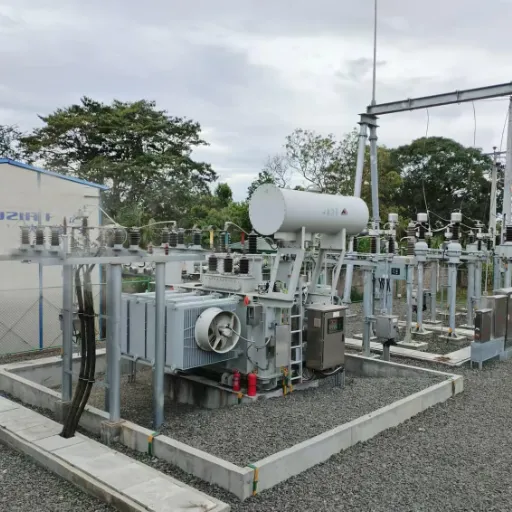
Power systems need N+1 and 2N configurations because these redundancy strategies provide essential support for maintaining operational efficiency throughout their entire duration. The N+1 configuration requires one extra component beyond the established N value, which serves as the minimum requirement to maintain operations during unpredictable events. The N+1 design requires three transformers for system operation and includes four transformers for backup purposes. Businesses can achieve 99.99% uptime through N+1 configuration, which serves as a dependable solution that costs less than competing options.
The 2N configuration establishes complete system redundancy through its requirement to duplicate every essential system element. The strategy best matches mission-critical environments, which include data centers and hospitals, because system downtime would lead to disastrous impacts. The 2N system achieves operational uptime between 99.999% through its five-nines availability standard, which defines operational uptime. The process requires substantial expenses because all operational systems must be replicated within the framework. The proper selection of redundancy methods enables businesses to achieve their operational targets while meeting their risk management needs because it maintains system reliability and decreases operational costs.
Benefits of Redundancy in Power Distribution
The continuous operation of power distribution systems needs redundancy because it decreases system downtime, which prevents operational interruptions that lead to severe financial losses and safety hazards in industries that require complete operational capacity. The average IT downtime expense reaches $5,600 per minute, which results in total costs exceeding $300,000 per hour based on the size of the organization and the sector it operates in. The implementation of power redundancy systems through 2N and N+1 power architectures protects against outages by supplying backup systems that take control during primary system breakdowns.
Current power technologies have improved operational performance through enhanced redundancy systems. Modern power management systems now feature intelligent power management solutions that enable businesses to maintain operational performance through two main features. The system provides enterprises with the ability to manage their operational risks, which enables them to achieve better overall performance. The system develops operational risk protection through its energy-efficient parts, which lead to reduced energy consumption during its entire operational period. The implementation of proactive redundancy methods delivers operational savings that reach maximum values of 30% while securing continuous operational performance, which represents a high return on investment.
Case Studies on Redundancy Implementation
Modern organizations employ advanced technologies, which have become essential to improving performance while minimizing operational costs that arise from redundant system development. The industrial automation and control systems market will reach a CAGR of 6.7% according to the 2023 prediction made by MarketsandMarkets, which shows its growth potential between 2023 and 2028. The implementation of redundancy strategies has become necessary for industries that need to maintain continuous business operations.
The data center industry uses N+1 and 2N redundancy systems as common operational standards. The Uptime Institute report (2023) shows that Tier III facilities achieve 99.982% operational uptime while Tier IV facilities reach 99.995% operational uptime, which results in decreased service disruptions and limited operational interruptions. The artificial intelligence-based software tools now enable operational staff to monitor systems in real time while identifying failures, which has led to a 40% reduction in failure detection time.
Energy companies now depend on redundancy through the implementation of microgrid and smart grid systems. The International Energy Agency (IEA) 2022 report states that grid reliability improvements of 50% accompany energy loss reductions during transmission, which become essential for achieving global sustainability targets.
The case studies demonstrate that redundancy implementations serve as crucial mechanisms for improving system performance and establishing dependable operations while fostering innovation throughout different industries.
Maximizing Energy Efficiency in Data Centers

High-Efficiency Transformer Technologies
The data centers require high-efficiency transformer technologies because they serve as vital elements that help present-day energy management systems. The transformers achieve a maximum energy efficiency improvement of 30% through their core and winding loss reduction design, which converts normal energy performance into savings. The U. S. Department of Energy projects that high-efficiency transformers will enable the United States to save 200 terawatt-hours of electricity every year, which equals the annual energy use of 17 million American households when the technology becomes widely adopted across the country.
Modern transformers utilize advanced materials such as amorphous metal cores, which demonstrate superior energy efficiency compared to traditional silicon steel core materials. Design strategies that prioritize minimal heat output and maximum equipment durability will lead to both financial and energy efficiency benefits. High-efficiency transformers operate at peak performance through their design, which prevents energy loss when demand levels fluctuate, which is a typical operational pattern observed in data centers.
The power transformers must meet mandatory efficiency targets, which the European Union Ecodesign Directive and other global initiatives have established. The industry has developed new transformer solutions that achieve efficiency ratings above 98% because these regulations require organizations to create more effective systems. The implementation of these systems allows organizations to decrease their operational expenses while achieving their environmental sustainability goals through substantial decreases in carbon footprint.
Load Management Techniques
Load management serves as an essential process that helps power systems achieve better operational performance and greater operational dependability. Organizations can achieve better energy efficiency through advanced power management methods, which help them maintain power distribution balance while preventing system overload during peak demand times. The latest demand response technology uses advanced systems that automatically modify their energy usage according to existing load requirements and available renewable power resources.
The existing research indicates that electricity demand peaks during thirty percent of all peak times, which results in energy waste because there is excess capacity that remains unused. The implementation of dynamic load shifting, together with real-time energy monitoring solutions, enables facilities to achieve this during off-peak hours because it redistributes energy loads throughout their operations. The combination of IoT sensors and AI analytics in modern smart grids enables operators to forecast demand increases with high precision, which helps them make timely power distribution changes. The worldwide initiatives that aim for carbon neutrality, together with environmental protection during high energy consumption periods, work in harmony with the operational improvements brought by these innovations.
Cooling Strategies to Reduce Operational Costs
Energy-intensive facilities, such as data centers and manufacturing plants, require efficient cooling strategies to achieve their operational cost reduction goals. The liquid cooling systems, which are now becoming more common, show energy efficiency results that surpass standard air cooling systems by more than 50 percent. The systems enable equipment to transfer heat energy through their enhanced ability to absorb and move the captured heat through their structure.
Free cooling techniques use natural air or water sources to achieve optimal temperature control without requiring mechanical refrigeration. The outside air systems that data centers in colder regions use provide free cooling, which results in energy savings that reach 30% throughout the year. Data centers achieve their best performance from free cooling systems during the winter months when outside temperatures help to decrease heat levels.
AI-driven smart cooling systems, which use IoT monitoring tools, provide businesses with significant cost savings. The technologies enable cooling systems to adjust their output based on changing workload patterns and environmental conditions. The Uptime Institute report shows that facilities using AI-powered cooling systems achieve Power Usage Effectiveness (PUE) reductions of up to 15%, which results in major energy efficiency advancements.
The market interest in thermal energy storage systems has experienced substantial growth. The systems retain extra cooling capacity during non-peak times and discharge it during peak hours to decrease electricity expenses. The installation of these systems in commercial spaces enables building owners to reduce their annual cooling costs by 25%.
The integration of advanced technologies with natural cooling systems and energy management systems leads to substantial cost reductions for operations while decreasing environmental impact.
Reference Sources
-
99% Efficient 10 kV SiC-based 7 kV/400 V DC Transformer for Future Data Centers
This study explores high-efficiency transformer designs for data centers, focusing on power density and redundancy considerations.
Read more on IEEE Xplore -
Data Center Energy Efficiency and Power Quality: An Alternative Approach with Solid State Transformer
This paper investigates the role of solid-state transformers in improving energy efficiency and power quality in data centers.
Read more on IEEE Xplore -
The Role of Isolation Transformers in Data Center UPS Systems
This document examines the functions of isolation transformers in UPS systems, focusing on size, weight, and redundancy applications.
Read more on Insight
Frequently Asked Questions (FAQs)
What factors should be considered when sizing transformers for data centers?
The process of sizing transformers for data centers requires consideration of multiple elements, which include total load capacity, expected future growth, and energy efficiency. The data center needs assessment requires both current power needs and the highest capacity power requirements to be calculated while maintaining system redundancy for vital operations. The process of optimizing performance and reliability needs assessment of transformer losses, temperature rating, and harmonics.
Why is redundancy important for transformers in data centers?
The system maintainsa constant power supply during component failures and maintenance periods because of redundancy. The N+1 and 2N redundancy systems provide continuous operation to data centers that require high service availability. The system maintains data center operations through backup transformers that support vital functions while the primary systems face downtime for maintenance and repair activities.
How can transformers improve energy efficiency in data centers?
The energy efficiency of a data center improves through transformers which decrease energy losses that occur during power conversion. The establishment requires high-efficiency transformers that produce minimal core and copper losses. The implementation of advanced cooling system transformers or high-load operating transformers leads to financial benefits and environmental impact reduction.
What is the role of natural cooling in transformer design for data centers?
Natural cooling decreases the need for active cooling systems, which results in energy savings. The transformers depend on their increased surface area and airflow control features to achieve temperature control without using mechanical systems. The use of natural cooling in transformer systems supports energy management objectives, which result in reduced energy expenses throughout operations.
How do energy management systems complement transformers in data centers?
Energy management systems EMS operate together with transformers to control and distribute electrical power while optimizing energy usage throughout data center facilities. The systems track transformer operations to discover performance gaps and implement operational changes that boost electricity output. EMS helps balance peak and off-peak energy consumption, thereby improving overall system reliability and energy utilization.
What should be considered to ensure the long-term reliability of transformers in data centers?
The process of maintaining equipment needs to occur at scheduled times to guarantee equipment functions properly throughout its lifespan. The process requires ongoing assessment of three components, which include insulation and cooling systems and transformer connections. The operational life of a transformer extends when users select premium materials and follow correct installation methods. Energy management systems that use predictive analytics will assist in identifying potential problems, which will help organizers plan maintenance activities.