
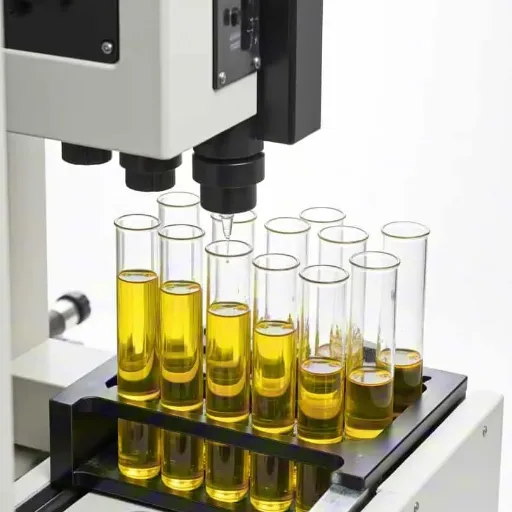
Oil Sampling & Analysis for Transformers: Complete Guide

One of the most important strategies for ensuring reliability as well as promoting efficiency in most transformers, which are an integral part of the modern-day power system, is through sampling and analysis. All transformers have to endure a great deal of both electrical and thermal stress built in over a period of time which in turn leads to the breakdown of the insulating oil in side them. Inside the transformers, the oil acts as a heat-neutralizer and insulator; thus the status of its quality determines the optimal performance of the transformer and the duration within which it may last. As oil analyses are carried out frequently operators manage to keep track of the conditions of the transformers in addition to identifying the possibility of any problems in advance that is in need of attention as well as maintaining the equipment in a state ready for use. The aim of this work is to provide an overview of al the methods and problems that have been offered up by oil analysis, beyond just transformer oil testing. Also the intention is for the reader to be in a position where how to enhance the reliability of a transformer is fully understood in order to prevent certain losses from a failure of such a system.
Importance of Transformer Oil Testing
Preventing Equipment Failures
It is of the utmost importance to carry out transformer oil testing in order to prevent the failure of equipment due to some failures which are bound to occur anyway. Through routine testing, it is possible to detect such impurities as moisture, dissolved gases, oxidation by products which may affect the dielectric properties and thermal stability of the oils, an without which these properties may still be affected negatively. Nevertheless, without timely intervention, these foreign materials cannot be allowed to be accumulated as they can cause breakdown of the insulation, excessive heat or even disaster such as explosion.
There are main including concentrations of the dissolved gaseous components which could be used to detect early warnings of any hot spots or arcing within the transformer to rise. As a result, increase in hydrogen and acetylene content normally means electrical problems and increased concentration of ethylene or carbon monoxide suggests thermal overload or aging of the papers respectively. Awareness of these indicators helps the operators take preventative measures to avoid prolonged downtime and premature wear of the transformer equipment.
Developing a routine oil sampling program is key to the assurance of functionality of the system as well as lowering the risk of unplanned services. The test results are interpreted as corresponded to practices developed by various industries such as IEEE C57.104 and ASTM D7156, to make rational preventive maintenance judgments. Following these rules helps utilities enhance system wide reliability, help contain maintenance cost and place safety of assets, operations and people first.
Enhancing Transformer Reliability
To substantially increase transformer reliability utilities need preventative maintenance and diagnostic measures in place as well as operation monitoring that is more pro-active. Preventive maintenance consists of things such as checking and maintaining the level of oil and overall cleanliness of insulation. These help minimalize the probability of failure due to any environmental influences or wear and tear of the structures. The most important of them is the oil testing procedures as this procedure is concerned with the practice of examining transformer oil for moisture, gases, insulation breakdown among other things the presence of which is an indication of the decrease in dependability as stipulated in standard (IEEE C57.104).
Accurate diagnostics mandate the inclusion of advanced monitoring techniques, for instance, dissolved gas analysis (DGA) sensors, infrared cameras, and high voltage impulse detectors. These technologies enable utilities to obtain information on the condition of transformers and prevent failures at an early stage. Automatization of supervision of work processes, including ANSI and IEC code compliance, on the other hand benefits workflow improvement and minimal reliance on human intervention and more than the previously described still possible omission of human errors. Fast response to anomalies that are noticed with the help of these systems helps avoid the shutdown for too long and helps equipment function for a longer period.
Finally, operations monitoring covers load, voltage regulation, and continuous temperature variation monitoring in the distribution station. The methodology termed predictive analytics helps improve transformer work and predicts future repairs based on accumulated data. This allows utilities to maintain reliability most economically by reconstructing repair outages based on the actual operating loading of equipment rather than years of service. The proposed approach guarantees transformer oil testing to counter loads and/or environmental parameters that degrade the performance and useful life of the grid.
Cost-Effectiveness of Regular Testing
Scheduled transformer oil testing is a low-cost way to keep power systems effective and functioning. Transformer oil testing utilities assist by detecting issues on time and solving them before they lead to enormous failures or performing repairs that are costly. Minimizing unanticipated service and operational interruptions helps to lower costs because replacement and repairs done on an emergency basis are always expensive compared to the planned ones. Consequently, there is evidence that if diagnostic tests are undertaken, the replacement of the transformers will be required less soon than later.
Such financial benefit of frequently testing is the improvement of resources utilization. As testing provides exact data, maintenance staff are able to allocate priorities among tasks intelligently, depending on the plans or assets that need it and do not have to incur much spending on those which do not. For instance, analytics of gases in transformer oils helps identify the yet initial stages of deterioration of the insulation, whereby the electricity firm can concentrate efforts on the most probably problematic transformers. Such a specific targeting of resources helps make use of them with minimum wastage and optimizes the business performance.
Finally, routine assessment assures compliance with industrial norms and legal requirements thus preventing punishment. On the other hand, standards such as IEEE C57.104-2008 outlines the methods for analyzing the test data and interpreting machine conditions hence assuring the operators of the safety of their transformers. Continuing application does not only avert the losses but adds to the organizations credit as a trustworthy firm. Besides the savings, efficient use of resources and compliance benefits, this testing becomes a strategically beneficial expense.
Methods of Transformer Oil Testing

Field Testing Procedures
The primary purpose of field transformer oil testing procedures is to look for possible faults in electric power transformers. Normally, when looking to determine how well a transformer’s oil and all other transformational components including the transformer itself perform, a number of diagnostic approaches are utilised. One of the most basic diagnostic techniques which can be performed at the site is known as the Breakdown Voltage test of oil, which is a gauge of the oil’s endurable strength against electric stressors before failure. Due to contamination in the insulating oil, this test identifies the presence of impurities like water droplets or solids that reduce the ability to insulate.
Moreover, the amount of moisture, level of contamination is usually and even the method of protection are sometimes checked using field devices, such a Karl Fischer apparatus, real time during operation in order to evaluate the risk of inadvertent electrical discharge or insufficient insulation. Another measurement undertaken for the said purpose is total acid displayed in form of neutralisation value NDA. This is due to the fact that within the oil there can be acids, corrosion of the device components, as oil degradation products take place making analysis mandatory. Neat transformer oil testing dissolved gas analysis, many gases such as hydrogen, ethylene ethane and methane are not available from high temperature arc or arc removed discharges can be measured by using carry-on kind chromatograms.
Using the latest portable diagnostic devices and methods specified by the international standards that are ASTM D1816 or IEC 60156, field test data is accurate and useful for proactive maintenance. These strategies avoid expensive forced outages and help operators comply with the set regulations while maintaining optimal system reliability and safety.
Laboratory Testing Techniques
Measurement of transformer oil testing and solid insulation materials in laboratory provides precise analysis of possible aging, contamination and degradation of these materials. One primary technique is DGA or Dissolved Gas Analysis, which helps in quantifying gases such as hydrogen and dissolved methanes within the oil. Such gases are an indication of excessive thermal and or electrical stresses taking place within the transformer. More advanced chromatographic techniques such as GC-MS (Gas Chromatography-Mass Spectrometry) help in medically separating these vlims even more so improving diagnosis.
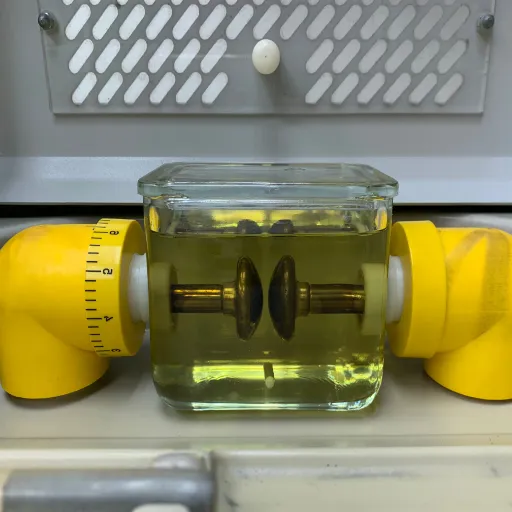
Another important diagnostic test for transformer oils is to establish the dielectric breakdown voltage of the oil. This test helps to check how well the oil can provide insulation when subjected to a certain electrical stress. For more precise results, the oil sample is conditioned by ridding off moisture and impurities before testing in accordance with global standards, say IEC 60156. Furthermore, the Furan Analysis of the oil helps examine whether the cellulose insulation is deteriorating. Various furanic compounds in a sample indicate how aged the paper insulation is and tells how much operating time the transformer has got left.
Oil stability and contamination is also assessed by subjecting the oil to various chemical tests. These include the measurement of the oil acidity and the determination of the interfacial tension. Increases in the acidity value as well as decreases in IFT are indications of oxidation and contamination of the oil by polar compounds and, as a result, the formation of sludge and decrease in the insulation efficiency. When used in combination with field tests, they offer a holistic diagnostic system, and this assists the asset managers in applying these analytical methods to support maintenance practices aimed at ensuring long term reliability and safety of equipment.
Comparing On-Site and Lab Testing
On-site testing offers quick results for immediate decisions, while lab testing provides detailed and accurate analysis for comprehensive diagnostics.
|
Aspect |
On-Site Testing |
Lab Testing |
|---|---|---|
|
Speed |
Fast |
Slower |
|
Accuracy |
Moderate |
High |
|
Cost |
Lower |
Higher |
|
Equipment |
Portable |
Advanced |
|
Detail |
Basic |
Comprehensive |
|
Use Case |
Immediate checks |
In-depth analysis |
|
Environment |
Field |
Controlled |
Key in Transformer Oil Analysis

Dielectric Strength Measurements
Transformer oil testing requires the analysis of dielectric strength, which is the highest voltage the oil can bear before becoming conductive. The mechanical and functional stability of transformers is directly determined by the value of this property. In the most common dielectric strength tests, the oil sample is subjected to incrementally increasing levels of either AC or DC voltage until the sample breaks. This breakdown voltage is expressed in kilovolts (kV) and represents how insulating the oil is.
The presence of such impurities as liquids, suspended solids, and gaseous substances has a considerable bearing on the dielectric strength. For example, the presence of the water in the oil reduces its insulation property that increases chances of internal arcing caused by short circuits and failure of the transformer. Periodic testing aids in the preservation of oil’s dielectric property, aside from filtration or degassing, avoiding unwanted cessation of operation. Advanced instruments like automatic dielectric testers, which are capable of delivering reliable as well as accurate measurements enabling the rates to be increased while reducing the chances of operator errors are in line with contemporary diagnostic methods.
When these restrictions are analyzed in the context of other facts, such as FA acidity levels and dissolved gas levels, this information is invaluable in assessing the condition of the transformer. For instance, by plotting changes in dielectric strength over time, engineers are in a position of controlling proactively any probable eventualities and ensuring the life of assets is prolonged.
Moisture Content Assessment
Careful monitoring of the moisture levels in transformer insulation is important for the proper functioning and long lifespan of the equipment. This is because the introduction of moisture through environmental exposure, operational practices, or even composition degradation impacts the strength of the insulating materials and encourages aging. Between all these, advanced diagnostics are capable of quantitative moisture analysis in transformer oil. This means that it is possible to measure water, much less than parts per million. The use of such tools is a good idea for preventing failures by drawing a clear picture of moisture content and taking corresponding measures.
One can form a good image of the system’s moisture distribution through an analysis of both oil and solid insulation. Solid insulations like paper or pressboard absorb moisture faster than oil, which in turn reduces its ability to maintain the thermal and mechanical properties over a longer period of time. By analysing the content of dissolved moisture in oil and the moisture saturation in solid insulation, the equilibrium between the two can be analysed enabling one to predict more accurately the service life of the insulation under different loads. These analytically derived conclusions serve as fertile grounds for making well-informed decisions on the installation of dryers, on reclaiming the oil or doing a complete refurbishment of the drier equipment.
Recent changes in technology have allowed for online moisture management systems to perform continuous and real-time measurement of water activity and changes in temperature. Such systems contain capacitive sensors to scan the saturation levels and can be easily incorporated in condition monitoring systems. Predictive analytics, coupled with trend and weather parameters, can be even more useful in planning maintenance services. This helps to control any moisture related fault mechanisms, such as bubbling of dielectric fluid or limiting deterioration up to dielectric breakdown, before they bring about serious damage. Such sophisticated evaluation techniques allow better use of assets, since they help extend the useful service-interval of crucial grid elements in view of asset managers.
Dissolved Gas Analysis (DGA)
One essential method of transformer oil testing is dissolved gas analysis (DGA), which is a maintenance practice for high-cost electrical transformers. Gas chromatography (or DGA) has been developed since the 1970s to be able to help in the early warning of transformer problems through determination of gases that are dissolved in transformer oil. The exact technique is based on the measurement of the concentrations of the mentioned gases, most commonly hydrogen H2, , methane , CO2 and C2H2 among others which suggest deterioration of insulation or oil performance beyond normal operation.
The introduction of sophisticated analytical techniques has made Dissolved Gas Analysis (DGA) useful and dependable as a relatively routine test. Sustained monitoring through such an online DGA system is entirely possible nowadays without any disturbance to the transformer since the data is collected and processed in real time and on the cloud. These diagnostic tools rely on artificial intelligence such as machine learning and can therefore assess the type of fault, the failed parts and suggestions in a bid to avoid such problems in future. The use of historical DGA data in conjunction with environmental factors helps operators identify marginal deviations compared to offline testing which can be done periodically.
DGA is a powerful maintenance diagnostic technique and when combined with modern analytical tools, the utility of this technique can be exploited to minimize unscheduled interruptions, trim maintenance cycles and prolong the service life of transformers increasing system reliability transformer oil testing.
Benefits of Regular Transformer Oil Tests
Extending Equipment Life
Routine transformer oil testing of equipment is of paramount importance as it helps in the identification of potential issues that may occur in transformers and instead of waiting for problems to occur helps in protection and enhancement of the equipments’ lifespan. Below are the five particular points regarding the importance of equipment’s transformer oil testing and how it helps in the extension of the equipment’s service life:
- Insulation Deterioration Monitoring: In a transformer, insulation materials often deteriorate due to exposure to either thermal or electrical faults or both. However, as gaseous contaminants such as CO and CO2 are dissolved in the sampled oils; operator can inspect the samples for any damage that has been made on the cellulose insulation and attend to the problem before reinforcing them.
- Overheating Detection at Early Stages: Excessive heat beyond the permissible limit in a transformer is detrimental since it leads to the aging of the component or eve failure. Testing transformer oil for hydrogen (H2), ethylene (C2H4), and many other hydrocarbons help in prediction of hot temperature hotspots within the transformer and timely provides useful information on heat issues.
- Elimination of Water: The presence of water in transformers is very dangerous as it normal transformers to perform effectively. It weakens the dielectric strength of the insulation and increases the chances of breakdowns. Oil tests that quantify the water content in the oil in parts per million (ppm) enable users to dry the surface of the oil and solid insulation to revert the equipment to its initial condition.
- Partial Discharge Detection: It is well known that degradation of dielectrics is preceded by partial discharges. As a result, evaluation of such gases as methane (CH4) and acetylene (C2H2) through dissolved gas analysis (DGA) is useful because it allows understanding the origin of many electrical problems and reduces the possibility of those problems becoming severe.
- Evaluation of Oil and Stability Levels: The chemical stability of oil is a crucial factor in terms of its cooling and dielectric properties. Acidity (Total Acid Number), interfacial tension and dielectric breakdown voltage analysis is conducted to make sure the oil and the transformer are in a good condition for a longer period of time before they have to be replaced.
This in turn greatly helps the utilities to optimise the costs associate with transformer oil testing and retaining the performance of the critical transformer equipment for a longer.
Reducing Downtime
There is a strong need to reduce downtime of power transformers because it contributes to systemic service delivery and business outcome satisfaction. It is possible to limit grid outages through development and implementation of high-quality maintenance. There are five effective ways in which downtime can be minimized:
- Condition-based Maintenance (CBM): Install state of the art sensors and diagnostics that allow advanced surveillance of the transformer’s temperature, quality of oil, and loading condition. Analytics is useful in preventing breakdowns by anticipating them which makes it possible to undertake actions to minimize the time wasted.
- Preventive Maintenance: Carry out planned maintenance activities in line with the manufacturer’s advice as well as operational records. This includes but is not limited to the inspection of internal components such as bushing, change-off tap, and coil windings to check and detect any physical damage before repair can be done.
- Cleaning the Oil and Bringing It Back to Form: It is important to clean and regenerate the insulating oil regularly, as this increases its ability to withstand electric fields and its chemical resistance. With good-quality oil, the efficiency of the transformer is maximized and unexpected downtime is minimized.
- Replacement of Safety Equipment and Other Devices: Introduction of new protection devices and improvement in the old ones such as directional Buchholz and thermometers for current protection is recommended. These strategies ensure a faster response to prevent or rectify the problem that has arisen in the system.
- Spare Parts Management: Ensure the availability of critical spares like gaskets, bushings and the likes of cooling fans in adequate quantities so as to enable swift maintenance or breakdown interventions. These spare parts supply mechanisms can also assist in reducing restoration time to zero.
These activities are standard activities in the industry. However, majority of these activities or similar activities are done as part of an asset management system analysis and not because of interval of transformer oil testing.
Improving Overall Efficiency
To maximize the profits and minimize losses in the transformer industry, the efficiency of the operations should go up. Here are five concrete recommendations to achieve this aim, each backed with supporting analysis and data:
- Control the Load: Managing transformers with equal loads can keep them from suffering the effects of overloading which in this case is high power consumption. Research has shown that a 10% cut in overloading can translate to up to 2% improvement in transformer performance. Load management systems, ought to be installed in the system to detect load patterns and balance the demand.
- High-Efficiency Environment Upgrade: About 30-70% of energy losses are reduced, when these transformers transform the conventional ones with high efficiency amorphous core transformers. The payback in this investment is achieved in a period of 3 – 5 years due to the energy savings from the reduced no load losses, despite the extra capital expense.
- Install Systems for Temperature Monitoring: The excessive temperature in a transformer, which is well beyond its design limits, causes a reduction in the life of the insulation as well as increased losses. Maintaining very sophisticated temperature monitoring solutions for instance, Fibre Temperature Sensors, allow for easy and exact monitoring of Hot Spots. Maintaining the temperature of the transformer at the desired level increases the life of the transformer by 20-30 percent.
- Perform Oil Testing Periodically: The performance of a transformer also depends on the quality of insulation oil used. Parameters such as dielectric, acidity, and moisture concentration can be checked from time to time following oil testing protocols. To enhance performance and minimize machine failures, most of the time oil is maintained at levels within acceptable limits.
- Consider Automatic Regulators for Voltage Control: Make use of automated voltage regulators (AVRs) to keep the voltage levels constant even when the demand varies. AVRs enhance the performance of the system, provide energy savings and diminish the maintenance. After the installation of voltage regulators, 5-15% improvement in the efficiency is perceived.
In this way, taking this elaborated aspects allows to greatly raise the efficiency of transformers without increasing the cost of their operation and in accordance with the principles of saving energy resources.
Case Studies and Real-World Examples
Consequences of Neglecting Testing
Turning away from extensive testing and preventive maintenance of electric transformers will come to a cost both in operational and financial aspects. Transformers whose testing levels are inadequate are at risk of failing insulation, internal overheating, and damages of the core. These problems in most cases cause outages that are unplanned, thus causing interruptions in productive activities that depend on stable power supply, especially in business settings. For instance, several surveys have established that failure caused by insulation failure, which is not identified due to the shortage of regular inspection and testing, contributes about 70% of the failure of transformers.
In the same vein , if one fails to carry out the maintenance practices such as Dissolved Gas Analysis (DGA) and Partial Discharge Testing; even though the faults are minor, they can go unchecked and develop into catastrophic ones. The monetary implications of such ignorance can be severe. This is because the replacement of transformers after failure can cost them hundreds of thousands of dollars especially when taking into account lost revenues and reputational damages resulting from interruption of services. Furthermore, the failure to meet the regulatory statutes on scheduled maintenance and requisite testsess and assessments would lead to imposition of fines or penalties which would be an additional cost.
For instance, in 2018 motor failure and an electrical box was the cause of a transformer failure in a manufacturing facility. The event was a consequence of unrecognized thermal build-up. The invasion led to uninterrupted production for days causing more than $1.5 million in terms of revenues and repair costs. Such scenarios clearly depict the importance of incorporating scheduled transformer oil testing where necessary proper testing procedures with continual equipment maintenance in efforts to enhance reliability as well as safeguard against risks within specific industrial requirements.
Successful Implementations of Testing Programs
The advance of testing programs in the respective strategical arrangement contributes successfully to the improvement of the structure of activity of different enterprises. For example, forecasting maintenance systems, which involve control of conditions and monitoring and testing from time to time, have led to the reduction of failures by about 15-20% in several big manufacturing enterprises. These systems benefit from the use of sophisticated diagnostic equipment including but not limited to infrared thermovision and PD testing, making it possible to contain faults before they become irreversible failures.
It is true that transformer oil testing is an important step that should not be skipped. Although not very detailed and unable to pinpoint the cause of transition breakdowns, it cannot be omitted as a first step. Such tools, while effective at preventing catastrophic events, can also be the cause of insulation breakdowns due to improper use. This is the case of a transmission system operator that introduced a structured control framework to optimize asset conditions including transformers by using modern transformer oil testing with few exceptions. The discipline enabled the transmission system operator to rationalize asset replacement investment based on risk levels, thus preventing shortfalls of almost $2.3m per year in unbudgeted replacement costs. This amongst others echoes the need to optimally refill the testing paradigms that are actively employing data analytical processes in real time which also conform with either IEEE or IEC standards.
Properly meshing explicit, electromagnetic diagnosis interval and the new emerging technologies, applies more the organisation in question, than unexpected events of breakdown. These strategies negate the conjecture about the effectiveness of the commonly considering an unconstrained organisation where there are structured testing programmes.
Lessons Learned from Industry Failures
Various issues may be learnt from the scrutiny of the causes of failure in industrial contexts, mainly on effective management of systems where faults are likely to occur. Predictive maintenance strategies, specifically, underscores the need for their adoption. This is evidenced by an investigation into the causes of failure of equipment in the manufacturing sector which revealed that more than 70% of the cases would have been avoided if predictive statistics and transformer oil testing were employed. Maintenance on an as-needed basis without any aid of monitoring systems increases significance of down time while repair cost grows 30% then in case of proactive actions as frequently secondary problems appear during breakages that are inefficiencies of resources.
Additionally, other interesting aspects are related to international standards such as ISO 55000 and the need to adhere to them. Quite often, the absence of such compliance is followed by the sporadic failure of the asset management systems, which causes a lot of reformations and periods of loss. Some industries in particular, fail to adopt or review their safety measures because of established ways of conducting business and associated legal and professional risks.
Evelinger goes on to mention that, after having all this basic infrastructure in place, the problem of independent sets of data and the failure of information systems quite significant. For example, the well-known power outage of 2017, which collapsed most city systems is a prime example of missing such synchronization. Therefore, it is recommended to have such cloud bases with centralizing information for current status, and making decisions to prevent these domino effects in such cases.
References
-
In-Service Transformer Oil Regeneration Based on Laboratory-Scale Process
This study explores laboratory-scale processes for regenerating aged transformer oil. -
Real-Time Monitoring of a Distribution Transformer Based on IoT
This research discusses IoT-based monitoring methods, including transformer oil testing. -
State of the Art Review on Managing Vegetable Oil Filled Transformers
This review focuses on managing and testing vegetable oil-filled transformers. -
Mineral Insulating Oil in Transformers
This IEEE paper examines the properties and testing of mineral insulating oils in transformers. - Click here to read more.
Frequently Asked Questions (FAQ)
Q: How would one define testing of transformer oil and its purposes in connection with electrical equipment?
A: The term testing of transformer oil encompasses both examination and classification of transformer insulating oil due to its dielectric properties and purity, which also includes other different liquids used for insulation such as air and water. Testing of insulating liquids is important because its analysis will be able to trace three major possible problems – dielectric losses, ingress of ambient contaminants, or worn out mineral oil or synthetic ester fluids, if any, so that there is some action taken to enhance the working conditions of the transformer and all other electrical components.
Q: Transformer oil testing is a significantly common activity. What are the other standard testing procedures for transformer oil?
A: Tests commonly carried out include, but are not limited to: dielectric break down test, tan delta calculation for determining charging losses in high electric field capacitors, gassing test also known as dga test to distinct gases, testing for degradation by-products released by paper made from cellulose in contact with water known as furan test, acidity and neutralization values, dampness and surface tension tests. This test detects acids, gasses, disturbances, and contaminants that aids in effective transformer monitoring.
Q: In what way is DGA useful in analyzing the transformer?
A: DGA is a practice where the target gases contained in the transformer oil as a result of electrical or thermal failures are examined. Gas analysis in respect to the type of gas and level of saturation helps in diagnosing any defects like sparking, degraded insulation or heating at specific places, which assists in timely repair and minimizes the chance of destructive breakdown.
Q: Describe furan testing. How is it useful for the transformer oil testing in paper and insulating oil?
A: In the case of furan analysis, it refers to a part of the transformer where samples are drawn for the purpose of the analysis. More importantly, It helps to assess the aging condition of the solid insulation and oil, containing paper products that undergo the process of aging. Avoiding wasteful expenses and unnecessary downtime in the transformers depend in part on periodic furan testing to become a prime source of information and support through their various lifecycle phases and annually during the planning of maintenance.
Q: Why do the tests like the power factor and dielectric loss tangent help in the maintenance of the transformer?
A: The purpose of power factor or tan delta testing is to determine the amount of dielectric losses in the insulating oil of the transformer and its overall insulation system. Insulation materials can become more contaminated, wet or aged, causing the power factor to be too high. Consequently, the maintenance response can include transformer oil testing and its treatment as would be the case in this case.
Q: Can they be tested in the same procedures considering that they include mineral oil, ester, and synthetic oil included in transformer functions?
A: Historically, mineral oil is used as an insulator in transformers, but fluids like esters and synthetics enhance the system’s fire safety and aging characteristics. It is worth noting that the manners to test the transformer oil are the same, nevertheless the differences within the tests may surprise you: naturally, esters tend to be more acidic or contain different soluble products of degradation, so the tests sometimes need to be adapted to the tested fluid type. When interpreting the tests, it is recommended that the composition of the analyzed solution, whether an inhibitor is present, and the type of test is taken into account.
Q: How does acidity inhibitors and content of acids formed influence the testing of transformer fluids?
A: Acidity shows how much acids are incorporated into the oil as a result of its oxidation and degradation. It is cheaper, in terms of maintenance operations of a transformer, than oil treatment or replacement. Heavy acids will also strengthen the reaction of paper as they will start to eat through it at a very fast rate. Inhibitors are deterrent materials which reduce, as much as possible, oil’s oxidation; therefore, a transformer oil testing evaluates if inhibitors are still in the system and if additional acid is being generated. Acidity control is a cheap means of transformer servicing and helps in deciding whether to treat or change oil in a transformer.
Q: What practical issues, such as sample turnaround time and cost minimization of transformer testing, should utility professionals take into account?
A: Reliable laboratories with a good track record for sample turnaround times should always be preferred by utilities in order to obtain critical data for decision making in a timely fashion. An efficient transformer testing program is one that offers a combination of convenient tests like DGA and power factor more frequently as well as detailed assessments at the required interval, addressing especially equipment of high priority. Sampling techniques, and training of personnel and analysis of trends can also assist in cutting down lifecycle costs of electrical equipment and guarantee their robustness.