

Understanding Transformer Insulation Classes: A, B, F, H

Among the fluid-immersed type transformers, insulation is both simple and complicated, and so constantly evolving transformers should involve the designer to ensure that the designs have a transformer of choice capable of providing both the required operational conditions and long service life in each of the classes. These are usually classes A, B, F, and H insulation. What do these classes mean by themselves? And more importantly, how are they significant when dealing with transformers? This article aims to discuss what the transformer insulation class means and the specific classes that are dealt with in the standards for the objective, their performance, as well as that of equipment in general. Being a tech person or an engineer, there are also some relevant ideas that may be familiar to the reader, but as none of this is compulsory and irrelevant, those just wanting to understand how transformers work will find it useful.
Introduction to Transformer Insulation Classes
Importance of Insulation Class in Transformer Longevity
An important factor of every transformer is its insulation class, which significantly affects how long the transformer will last, how safe it will be, and how dependable it will be. Even the transformer insulation class is determined by a single very important fact, and that is the limits beyond which insulation of any material is not possible, and the equipment is capable of functioning in a better manner for a longer period of time. In cases of transformer ratings with respect to heat handling capabilities, they mostly fall under Class A, which is rated at 105 degrees Celsius, Class B, rated at 130 degrees Celsius, Class F rated at 155 degrees Celsius, and lastly the highest class being Class H, and rated at 180 degrees Celsius. Stages for each class are described as the top temperature limit achievable by the content.
As an example, Class F transformer design has an insulating structure, which ensures the transformer’s operating temperature of up to 155°C. Higher central limits make the core develop at a faster rate, with additional heat, rendering the transformer less functional. In professional work, it is argued that for every additional increase of 10 °C on the scales, their working life expectancy is shortened by half. These underline the need for a very strict respect of the temperature limit of the transformer Insulation Class in order to prevent the wearing out of the transformer winding before its normal lifetime.
In addition, transformers equipped with enhanced insulating materials have undergone much more efficient operations without compromising the transformers’ thermal stability. Recent surveys show that these high grades and thermally modified pulp combined with synthetic material can be a significant improvement in thermal performance and service life. This is mainly in areas with intense application where the transformers are expected to continuously operate for longer periods of time, and even in harsh conditions.
Relevant transformer insulation class for the specific load, together with reasonable service conditions with monitoring, ensures longer operation periods of the transformers, less downtime, and the spending of fewer resources on maintenance costs.
Safety Considerations for Different Insulation Classes
To evaluate the danger in a transformer insulation class, it is noteworthy that the functional voltage values references shall not be exceeded; as well, any temperature limits exceeded, and the nature of the materials used. For many transformer insulation classes, this corresponds to the highest rated temperature that can be tolerated by the insulation envelope along with all its parts. For example, Class A (105 °C) insulation is used in normal cases, whereas Class H (180 °C) or Class C (220 °C) insulation is used when the wire will still be exposed to excessive heating in the course of working the systems.
The number of failures of transformers appears to be related to the breakdown of the insulation because of thermal aging. Research indicates that for every increase in the design temperature of the next transformer insulation class by ten degrees Celsius, the expected years of operation of the transformer insulation are reduced by half, besides the coefficient correction issues. This all the more emphasizes the importance of choosing the right class of insulation which is suitable for the existing conditions in order to prevent any negative outcomes.
Furthermore, the adoption of Nomex and other modern materials has produced fruitful work on fire behavior modification and economical properties in insulation. Furthermore, there are more deterioration-safe materials, which are utilized in some other sectors, including renewable and heavy industry. This includes predictive maintenance, that is, installing elements like thermal imaging, insulation testing, gas, and when required, to continually monitor the condition of some aspect or other over a period of time in an industry to almost eliminate the safety issues. There are a total of six transformer insulation class ratings that are attained.
Overview of Transformer Insulation Standards
A set of transformer insulation class systems in the context of international standards aims at their optimal and safe use under operating conditions. Perhaps the most well-known of these is IEC 60076. This standard has a wide scope; however, it pays special attention to transformer insulation class characteristics. There is also the IEC 60076-5:2006 of transformer nomenclature, which is focused on power transformers and dielectric as well as thermal and loading design capabilities.
In the last two decades, significant advancements in the field of high-temperature insulation have been absorbed by the market. For instance, the development of aramid-based papers such as Nomex for use over higher temperatures in a transformer has been pursued invariably as well. There is evidence, however, that there are transformers with insulating components made from materials that can withstand a winding temperature of 220°C whereas conventional transformers climax at only 105°C. This is vital in some renewable energy applications where compact design and high power are achievable.
Furthermore, there is also a need to evaluate the condition of insulation in such a manner as to provide a precise assessment of the condition. Dissolved Gas Analysis (DGA) is an example, which is one of the standard procedures in the industry to detect failure at an early stage. In addition, studies suggest that 70% of transformer failures are attributed to insulating power being applied more appropriately, thus making the diagnosis and prognosis of outage chances the single most important practice among ALL stakeholders.
In the case of transformers, it can be advised to move from the conventional ones to transformers that contain new types of transformer insulation class – high temperature insulating materials and fluid capable of operating at elevated temperatures.
In addition, once such techniques, modern substances, and observation apparatus have been implemented, industries are able to utilize transformers more efficiently, while reducing the need for maintenance for extended durations.
Temperature Rise Limits and Hot-Spot Temperatures
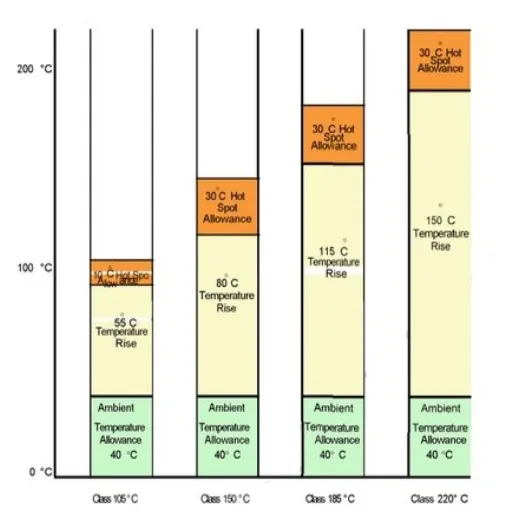
Factors Affecting Transformer Temperature Rise
These temperatures are due chiefly to the load of the transformer, the surrounding conditions, and the cooling techniques applied to the transformer. IEEE and IEC standards outline that, in the case of oil-insulated transformers, the maximum permitted temperature for the top oil and winding hot spot should not surpass 65°C and 100°C, respectively. This, on the other hand, acknowledges that such temperatures are designed into fibers that act as layers of insulation and are not affected by such levels.
Another significant consideration is the fact that the little-known temperature increases of hot spots are also significant in terms of the insulation affecting the insulation system of hot spots to a great extent, and therefore the reliability of the system itself. This innovation allows inference from modern systems that the fibers and, of course, thermal images can be used to communicate how a certain system will be broken in a certain period of time, because hot spots, which are usually more than 110°C, shall be reported, as systems will be loaded.
A research study conducted in 2023 and supported by several expert bodies established that when it comes to transformers, none of the exceptions of transformers that run beyond the allowed hot spot limits includes those that are likelyto be up to 50% of the transformer insulation class over a period of ten years. Active cooling systems like forced fans and oil pumps can be installed, which cool the system by removing 15°C and, as a result, increase the service confidence of the apparatus.
Simply put, such results lend themselves in improving demand management using prediction analytics by organizations and the international benchmarks for such demand management, enhancing their capabilities in both stress dimensions.
Defining Hot-Spot Temperatures for Insulation Classes
Temperature is one of the important features that contributes towards structural integrity of the electrical insulation and the devices. Previous studies and empirical evidence indicate that the increase in temperature decreases the age of the insulating material quite significantly, which is in most cases, reasonable. For example, many existing models of the operating temperatures of insulation, including the models accustomed to IEEE C57.91, consider this point such that the operating life of the insulation is reduced to half whenever the temperature of the insulation is 10°C higher than the temperature limits of the transformer insulation class.
The ability to withstand heat is the main factor used in classifying insulators, where a more popular system of classification adopted is, for instance, 105°C- Class A, 130° C – Class B, 155° – Class F, and 180° – Class H. Every such class, in this context, means the maximum permissible heat level for satisfactory operation beyond whichthe rate of deterioration is greatly accelerated. With the arrival of angel improvements in techniques of manufacturing insulating material,s e.g., polymer matrix irarts capable of withstanding higher temperatures, the aforementioned types of insulating materials were and are developed to compensate for the limitations of the present devices operating inspired by various forces.
Moreover, it has been shown in the literature that insufficient control scarcely keeps the temperatures within the limits provided. For example, power transformers that are subject to very heavy use cases are very rarely subjected too much surprises, in the sense of unexpected outages of the transformer insulation class, as a result of such aggressive temperature measurement by 30% and even more during maintenance periods by 20%. Also, it is easy to appreciate that such calculated temperature control not only includes thermal predictors and thermometers, but also immerses control actions, which, after having sensed the environment and obtained the data, avoid the physical execution of the system for overheating and even preventive troubleshooting whilst in operation and in real time.
Impact of Temperature on Transformer Life
Transformers are majorly affected by temperature variations over long periods of time since heat has a tendency of accelerating deterioration of insulating materials. According to existing research on insulation, transformer insulation class, for instance, which is common for all transformers, withstands the increase in temperature, implying that the insulation life for some transformers is half of what would have been expected were it not for the temperature rise. The explanation for this is based on the fact that cellulose-based materials used as winding insulation tend to age at high temperatures, with a mechanical and dielectric breakdown because of the instability of the properties.
The advent of novel technology such as IoT sensors and predictive analys, is has created a revolution in temperature management systems. Unlike the previous methods of controlling and monitoring temperature, this technology has turned out to be efficient. Take, for example, smart transformers equipped with sensors that can monitor hotspots, changes in the surrounding temperature, and the effectiveness of coolants in real-time. This allows preventive maintenance to be done on them. Most recently, publications scholars have disclosed that the adoption of this technology has brought down catastrophic transformer failures globally by about 25%, thus leading to saving billions each year.
Transformers too have been made more efficient, and their performance improves, as well as the power distribution networks, due to the merging of the latest technologies and the information richness indication. This further addresses the issue of increasing the transformer insulation class at no additional cost.
Breakdown of Common Insulation Classes

Class A: Characteristics and Thermal Ratings
In the context of insulation of electrical machines and transformer insulation class, there is one category that is almost common, that is, class A. This class is safe to use in electrical machines with a temperature not exceeding 105°C. Most of the materials of these class consists of organic fibers, cotton, and silk paper, among others, together with inorganic moisture protective coatings which may be properly called inorganic. It emanates from common formulation and principles already mentioned. Insulation of grade A that does not emphasize a great intensity of heat resistance is in the environment of domestic transformers, small-scale machines in some cases. This is the basis of any potential conclusions that can be reached in the light of the current investigation.
Additionally, the introduction of class A transformer insulation can reduce operational expenses by as much as 10 to 15 percent because it has a slight advantage in terms of longevity. The main reason for this is that it has a lower chance of failing due to medium temperature stresses in the event of breakdown. Meanwhile, in an industry that focuses on standards, for example, in the IEEE standard or the IEC standard, classes for engineers, such as class A, are an exemplary way of preserving the quality and function of different equipment.
Class B: Benefits and Limitations
Class B insulation is typically used in protecting motor and other windings, motors, transformer insulation class, and turbines. This is because the insulating materials used in the specific technology contain insulation based on polyesters, microwires, pole papers, resins, and even glass structures, with the addition of solvents or adhesives. Such materials show good performance in temperature and mechanical impact (for example, vibration and shocks) scenarios and temperatures. It is important to note, however, that all this performance is ‘benchmarked’ in appropriate industrial environments, which are very difficult to work in.
Currently, it is becoming apparent that in the present case, the use of Class B insulation has pronounced positive effects on prolonging equipment’s lifetime due to its thermal performance capabilities, which allows for up to 25% life increase. For example, nearly 12% more instances of insulation failure are evident in an industrial motor fitted with Class A insulation wire than in one fitted with Class B insulation wire. Another advantage worth mentioning is that the materials of Class B or higher comply with the limits above, the IEC number 60085, and the national standards for updating electrical and non-electrical equipment – ANSI / NEMA, the relevant authorities, and safe use, ensuring many design limits.
All of these benefits of Class B insulation, however, come at a cost and necessitate that you incur some additional costs compared to using Class A materials. Nevertheless, maintenance does not cost much, and there is such a notion that by paying upfront, it is possible to save on the equipment for many years due to its long service life, the negative impact of which upon wear is minimized. Therefore, for middle to some high industrial and utility grade systems, it is advisable to replace transformer insulation class A with that of class B due to the obvious merits of an overhead cost-bound economic analysis.
Class F and Class H: Advanced Insulation Solutions
Class F and Class H insulation are two forms of thermal management that rank highly within the electrical component. The maximum allowable temperature for Class F is 155 degrees Celsius, with Class H having the range of utility for temperatures up to 180 degrees Celsius. Accordingly, they become extremely important in high-performance applications, including various heavy industrial equipment and temperature control machines. In simple terms, the environment is well suited to damaged especially when high thermal and chemical resistance is required for prolonged periods of time.
In line with the improvement in the applied materials, these levels of insulation have also changed. For instance, within Class F, one is able to find materials such as silicones and micas, which are less prone to abrasion and higher temperatures. In the high temperature maximum transformer insulation class H, there are several materials, such as polyimides or other complex materials, with very good eraser capability and non-hazardous to the environment.
To put it another way, analysis of the data from the report indicates that in industries such as power generation, aerospace, and renewable energy, the use of Class F and H insulation systems has increased. For instance, studies on motors and transformers using Class H insulation reveal that the useful life of these motors and transformers is extended by 25-30%. This is, however, attributable to the improved thermal resistance associated with these materials, as well as the deterioration of components. High demands on energy efficiency, as well as acceptance of international safety standards is the basis for a plea for these operations and usage of the transformer class.
The advanced material, together with an effective design, implies that insulation of Class F and H exceptionally addresses high use cases, focusing on wear and tear resistance in particular.
Material Comparisons for Insulation Classes
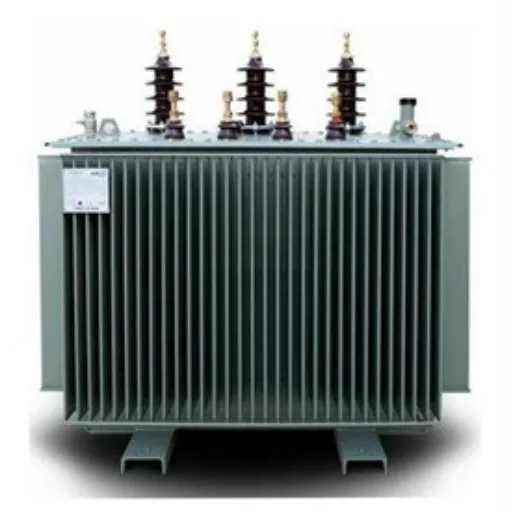
Common Materials Used in Class A, B, F, and H
Insulation classes vary depending on the intended application and the material type that they are made up of. Compare some of the most common materials used in each type of insulation below:
- Class A (105°C Maximum Temperature): This group of materials is composed of organic paper and cotton polyester treatments with varnishes or similar material application for specific purposes. For the strategy and use of class A insulation, it is easy to say that such a material is used for low heat resistance, small motors, and transformers mainly.
- Class B (130°C Maximum Temperature): Here, the materials used include synthetic ones like mica, glass fiber, and polyester film. Showcase at moderate weight loads, such as machines, for example, are industrial motors and transformers that are in class B insulation.
- Class F (155°C Maximum Temperature): Covered in this portion are insulations including epoxy resins, silicon, and composite fibers. These materials exhibit impeccable structural integrity in elevated temperature conditions as well as mechanical stress, which is useful when dealing with voltage transformers and industrial machines.
- Class H (180°C Maximum Temperature): These insulating materials, including silicone rubber, polyimide films, and mica composites, are prepared for extreme use. Insulating materials of class H work well under high temperature conditions, which power generators and other advanced production appliances operate in.
The compositions of such materials are not heterogeneous, and the inefficiency of the product is among the reasons why repair and maintenance of these goods is of primary concern. However, in modern engineering and electrical appliance design, the complexity of manufacturing resources governs the choice of materials. This is particularly relevant in the selection of transformer insulation class types.
Thermal Performance of Various Insulation Materials
The importance of understanding the efficiency of transformer insulations is especially important during the operation as well as the maintenance of this equipment. Insulation class types associated with a transformer insulation class most often include (but are not limited to) classes A, B, F, H & C (thermally rated). The class of each insulation has an upper thermal limit. Thus, Class A insulation can resist heat as much as 105 degrees Celsius, while Class H can withstand heat up to 180 degrees Celsius. Such classification is imperative where the designer or user of such materials is concerned more with the performance of the materials or, in wider concepts, the temperature.
The development of a transformer insulation class saw the utilization of such insulation materials as an oil filled paper, anti-erosion paper, and, for the fancier materials of fiber, insulation such as Nomex. It is shown how the inarmid materials of the future will outperform any generic material that suffers from selective like, transverse downing of any diameter in any course of operation. Some points further suggest that the supplement is not to allow the dielectric efficiency of such function only with the easters, but also the secretion of additional cooling is significant with the use of the synthetic one prognosticated to be between 10 and 20 percent better than the mineral insulation oils.
The same dynamic can be observed in the case of the insulation transformer class, where the optimization within the structure is possible. Not only did they take three meetings over two pages to present the needs of transformer design, including everything from basic physics to utility requirements.
Choosing the Right Material for Your Application
The issue of thermal effectiveness, electrical reistance and eco-friendliness has to be considered when choosing a material for a particular application. In this case, attention has turned to ester-based oils, which are considered to perform better on account of their fire resistance and biodegradability. For instance, natural esters belong to the transformer insulation class, where they disappear almost without a trace, rendering problem encountered with mineral oils, which manage to some extent limit their adverse effects on the environment.
Additionally, in terms of fire resistance, ester fluids fare even better, and their operating temperatures go beyond 300 ᵒC, while for mineral oil this is closer to 170 – 180 ᵒC. This makes it less likely for major crises to happen, especially in flash-prone facilities. Further, reports indicate that the use of modified ester-insulated transformers gives better temperature control, thus raising the transformer insulation class in some instances by even over ten percent. Esters obtained from renewable sources are less damaging to the environment; in combination with high-consistency aramid paper systems, this offers advantages also in terms of ecological methodology.
Hence, it can be said that these aforementioned advances imply a change not only in favor of materials that functionally meet the requirements, but also imply materials that ensure a more environmentally friendly industry. It is evident that, in addition to the understanding of how to use these applications, there is an expectation that such modern materials will significantly increase the durability of the machinery for which they are being utilized.
Relevant Industry Standards
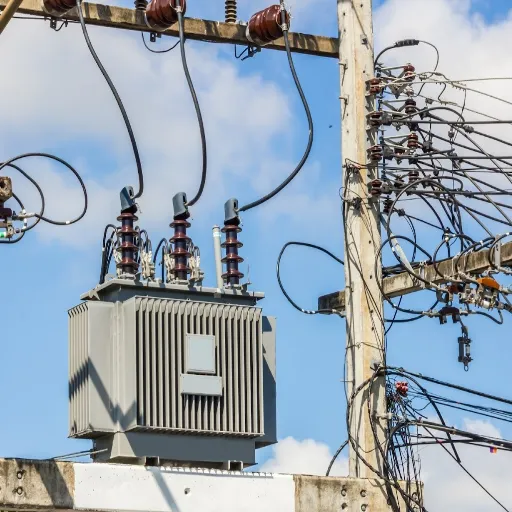
Overview of IEEE Standards for Transformer Insulation
An effective insulation system is vital for transformers because it safeguards the electrical apparatus and enhances its efficiency and longevity. Here, stern standards have been developed by the Institute of Electrical and Electronics Engineers (IEEE) for the manufacture, testing, and operation of transformer insulation systems. IEEE C57.12. 00 is on pen and oil-immersed transformers used in power transmission and distribution, and its purpose is to ensure the performance of insulation components and materials.
It is deduced that nowadays, cells and aramid materials processed at these high temperatures instead of ordinary materials are more age-resistant by over thirty percent. Recently, it has been noted that innovation in coolers consisting of advanced features like biodegradability or heat resistance, such as natural ester or synthetic and natural ester oils, has assisted in coping with the ever-increasing environmental challenges.
Besides the listed ones, several studies show that efficient tracking modalities in relation to transformers may limit insulation breakdown and lengthen the useful period. This has been made possible by the capability of the system to exploit the business intelligence data and develop ways and operations for multiple care of the system and of benchmarks in a periodic manner.
Taking these materials into account, along with the predicting techniques, they increase the drain on the transformer’s life and operation, which meets IEEE standards and all other standards that exist in the world. If an ultimate level of available functionality is to be enjoyed, such changes are necessitated.
The extrusion temperature of a particular class of transformer insulation is limited to the temperature of bearing a winding of such a class.
IEC and NEMA Guidelines on Insulation Classes
IEC and NEMA i.e national Council for specifications, regulate the different transformer insulation classes and equipment designs. They extend tolerance limits to materials used in equipment, and this aids the users to judge the safe temperatures that should not be exceeded durinh operation of equipment.
Diffusion classes of IEC: Existence of different working classes regarding thermal normalcy bases also begins with A, which is 105 degrees Celsius, E at 120 degrees Celsius, B at 130 degrees Celsius, F rated at 15, and lastly H at 180 degrees Celsius. This provision describes the temperature an insulation product would withstand before it begins to break down without breaking down in several years. Compliance with IEC norms was an attempt to allow S and RS transformers and their equipment to function periodically for a reasonable period of time without heating damage.
NEMA Insulation Standards: Unlike IEC, which has a more universal approach, NEMA is more specific to the performance demands of manufacturing in North America. For this reason, its emphasis is on varied environmental conditions, including heat or humidity, and the ability to withstand voltages and so on. For instance, there is the NEMA H insulation used in transformers, which is made to withstand high temperatures. Such transformers have high levels of impedance that are suited for industrial use.
Current status and developments: The global transformer industry has been experiencing current trends such as the increasing use of advanced thermal insulating materials to improve functionality. For example, studies indicate that replacing traditional insulating materials with aramid fiber-based material leads to up to 20% higher temperature tolerance. Moreover, IoT-based predictive maintenance techniques help in keeping the insulating materials in good health by means of actual thermal conditions, thus averting defects and interruption of work. Transformer market analyses predict that thermal insulation demand will increase by more than a quarter over the period up to 2030 due to a rise in energy efficiency requirements of global electricity networks.
Following these rules and also improving materials and offering contemporary solutions not only allows for meeting the standards, but to enhance the power systems’ availability and efficiency. Such are the requirements of the day for power systems.
Importance of Compliance with Industry Standards
Electrical engineers are bound to follow some established principles, which most of them call them fact, with appropriate guidelines, that is, how to make or transform an electric circuit or a device, most notably a transformer. These two most recent articles predict that the global revenue from the distribution of transformers is expected to hit 100 billion in the ten-year span from 2020 due to an increasing installation of smart grid systems and eco-friendly hybrid systems. For example, the practice codes such as IEC 60076 and IEEE C57 present the classification of a transformer’s insulation that designates at what temperatures the insulation works.
The study indicates that, on average, more than fifty percent of transformer failures are due to the degradation of the insulation or heating effects. To overcome this, researchers have started building new materials for insulation, taking advantage of nanotechnology, and the new materials are about 30 percent more heat-resistant than the current insulation material. Interestingly, several surveys indicate that digital forms of control are promoted as a causative element in prolonging these systems and that online means of doing so are purported to increase by almost 40% in ten years.
All these regulations and technologies are expected to assist the firms in extending the operating life of the systems and mitigating the operational risks arising from such networking powers without compromising the ability to provide high standards of service to society.
Reference Sources
-
Transformer Insulation Classes – Technical Notes
This source provides detailed information on the temperature ratings and classifications of transformer insulation materials. -
Towards Sustainable Transformer Insulation Design
A research-based review on advancements in transformer insulation design, including hybrid materials and their implications for insulation classes.
Frequently Asked Questions (FAQs)
What does the transformer insulation class mean? Why do they have significance?
The transformer insulation class describes the type of insulation materials and substances that can be used within any transformer of any size, and as per the temperatures that would be considered safe for operation. In contact B, A, F, and H are extensive. These norms justify the exclusion of any deviations in the course of designing transformers. Insulation, first of all, protects the transformer’s windings from heating and subsequent destruction of the device.
What are the differences between A, B, F, and H transformer insulation classes?
The main difference between these transformer insulation classes is the thermal capability. Class A insulation can work under normal operating temperatures of up to 105°C, while Class B can work under greater temperatures of up to 130°C. Class F can withstand temperatures of up to 155°C, and Class H can be used in environments with temperatures of 180°C. Cooler or warmer classes are selected depending on the requirements for the operation of the transformer.
How do the Rules of the Industry Affect Insulation Class?
IEEE, ANSI, and IEC industry rules define in detail the required transformer insulation classes to structure the use of appropriate materials, obeying the appropriate thermal and safety considerations. These regulations define the methods for establishing the testing conditions, the maximum allowable rises in temperature, and other parameters to ensure ‘equality’ and propagation of ordered insulation aging curves over time.
Which features influence the determination of transformer insulation class?
Several factors influence the determination of the degree of insulation, such as the working environment of the transformer, the degree of loads for which the transformer is designed, and the life expectancy. As an example, in the case of transformers used in areas with heavy loading and severe heat working conditions tend to have very high insulation classes F or H to operate the transformer safely without damage. There are also the costs of some materials, as well as the systems themselves (in terms of efficiency), from the perspective of long periods of usage.
Is it possible to extend the life span of the system by adding modern insulation methodologies?
Yes. So, for instance, the performance of a transformer can also be enhanced by the use of advanced materials within the insulation of the equipment. These materials possess the necessary thermal and dielectric properties. These technologies remain effective even upon exposure to surpassing temperatures since they do not undergo deterioration. It should be understood that these technologies are supplemented with new protocols incorporating ethical considerations during operations.
Is there any impact of digital surveillance on the transformer insulation class?
Digital transformer monitoring systems have been of benefit in cases of live monitoring for the transformer insulation class. Such techniques depend on levels of temperature, moisture, and partial discharges, which allow action to be taken before the next-to-last stage of the process of both proactive and reactive insulation failure. The digital oversight of intervention and maintenance in organizations, their operational risk, as well as changing grid needs, can be achieved with the help of digital systems of monitoring.