
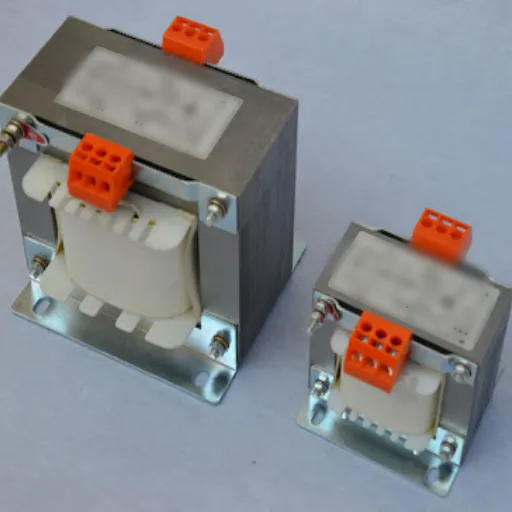
Isolation Transformers vs Auto Transformers: Key Differences

The differences between isolation transformers and auto transformers which require electrical system management skills exist as essential knowledge for system operators. The two transformer types which serve power distribution functions operate through different design elements and distinct operational capabilities and special uses. But how do you know which one is right for your needs? The article explains the main differences which separate isolation transformers from auto transformers through their distinct characteristics which help readers choose between the two solutions. The guide enables electrical engineers and facility managers and general professionals to understand essential components through its comprehensive knowledge base.
Understanding Transformers
What is an Isolation Transformer?
An isolation transformer serves as an electrical device which transmits power between a power source and the connected load while maintaining complete electrical separation between both points. The primary purpose of this separation system exists to restrict electrical current movement between source and load which increases safety while decreasing hazards that could lead to electric shocks or equipment failures. The transformer achieves this function through its design which uses independent windings for both primary and secondary coils that remain electrically isolated from one another.
The primary duty of an isolation transformer serves to reduce electrical interference throughout its operations. The system operates as a protective shield which stops all high-frequency signals and temporary disturbances from reaching delicate equipment. The industrial environments and medical equipment systems plus laboratory facilities rely on isolation transformers because they deliver uninterruptible power with dependable equipment security. The devices commonly use windings which include shielding functions to achieve better performance through advanced noise control systems.
Isolation transformers serve as essential tools which help boost safety measures throughout their operation. The systems create secondary circuit isolation from earth ground which helps them eliminate ground loop issues together with other dangerous electrical conditions. This characteristic provides particular advantages for essential systems which exist in medical settings because they must protect patient safety and for industrial environments which depend on system reliability.
What is an Autotransformer?
An autotransformer operates as an electrical transformer which uses one winding that contains multiple taps to produce different voltage outputs. The system operates without separate primary and secondary windings which define traditional transformers. The input and output of the system share a common winding section which enables the system to operate at high efficiency while adjusting voltage output.
Autotransformers achieve their energy transfer capability through their design which allows both electromagnetic induction and direct electrical connection methods to operate simultaneously. The design of these machines enables users to achieve compact and lightweight products which cost less than traditional transformers. The connection between primary and secondary circuits creates an electrical link which results in decreased electrical isolation than required for secure operation and system protection.
The field of voltage regulation through autotransformers supports multiple applications which include motor starting power distribution and industrial operations. The technology proves especially useful when the input voltage and output voltage difference stays within narrow limits because it helps achieve better efficiency through reduced energy losses. Modern electrical engineering systems depend on their needs for compact space and efficient performance which make these devices essential.
Basic Principles of Operation
Autotransformers function through electromagnetic induction because they use one continuous winding which serves both primary and secondary functions. The winding of the transformer provides multiple voltage outputs which can either increase or decrease the incoming voltage. Autotransformers achieve voltage conversion with less material usage and greater operational efficiency compared to conventional transformers which need two separate windings for different voltage outputs.
The operation of an autotransformer depends on mutual inductance between its two parts. The primary winding generates a magnetic field which induces voltage in the secondary part of the shared winding, when voltage is applied. Control over output voltage becomes possible through winding tap point adjustments. Autotransformers enable variable voltage operation because they can handle different voltage outputs to control motor speeds and maintain power supply stability.
The high efficiency of autotransformers results from energy transfer through direct electrical linkages instead of magnetic induction. The system decreases core and copper losses, which occurs during regular transformer operation. The system lacks electrical isolation between primary and secondary circuits, which presents a problem for situations that need safety-based galvanic separation. The design of electrical systems requires proper understanding of component design and system boundaries to achieve their most effective functions.
Key Features of Isolation Transformers
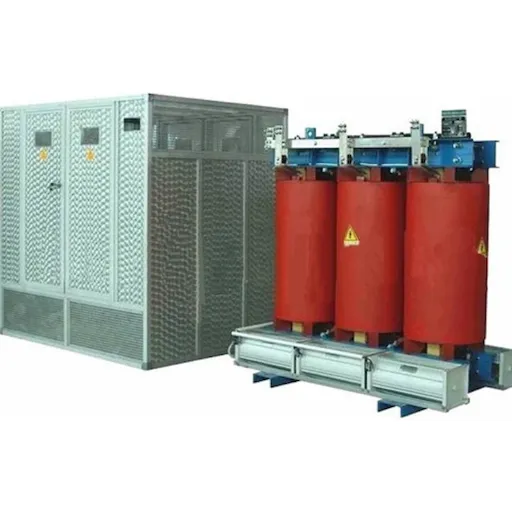
Electrical Isolation
Isolation transformers exist as specialized devices which create electrical isolation between their primary and secondary windings through their design. The separation system of this device protects areas where increased protection and sound reduction need to be achieved. Isolation transformers create a physical barrier which breaks the link between input and output circuits to stop ground loops from damaging delicate electronic equipment through unwanted noise and signal disturbance. The system acts as a protective shield which defends downstream equipment against electrical faults and power surges and transient disturbances that occur on the power supply line.
The modern developments in transformer materials and design together with their low-loss core and advanced insulation technology components have produced high efficiency and long-lasting durability results. The power of clean and dependable electricity has made isolation transformers essential for use in medical equipment and telecommunications systems and industrial control systems which need reliable power. The recent research studies show that their electromagnetic interference (EMI) mitigation function and voltage spike handling ability serve base high-frequency environments.
An isolation transformer requires an assessment of three key elements which include power requirements and insulation capacity and operating frequency compatibility. The performance and safety of applications become more effective through the implementation of industry standards which include UL and IEC.
Voltage Regulation Capabilities
Isolation transformers stand as essential components which maintain voltage stability in electronic systems that require precise voltage control. The devices maintain constant power supply through their voltage output control system which prevents electrical output changes during different input conditions. Electrical equipment needs stable voltage supply to protect its functionality from interruptions and to avoid equipment harm. The system achieves precise voltage regulation through isolation transformer design which combines winding patterns with magnetic coupling to produce stable voltage output needed for industrial equipment and advanced systems.
Transformed through tightly controlled turns ratios the isolation transformer enables precise control over its voltage outputs to enhance its performance in voltage regulation applications. The system maintains output voltage within acceptable limits when input voltage experiences changes. The advanced insulation materials together with core materials protect against core saturation and electromagnetic losses which leads to stable voltage output performance. Isolation transformers now provide harmonic filtering functions which handle nonlinear loads because they use modern technology to create their systems which help maintain voltage integrity while meeting power quality requirements.
The designers of isolation transformers now create systems with real-time monitoring capability together with automatic voltage correction functions. The new system improvements work to make transformers more efficient while providing better operational reliability through automatic handling of changing loads. The installation of advanced voltage control systems enables isolation transformers to maintain their operational functions throughout different environments which include renewable energy systems and medical devices and data centers and telecommunications infrastructure.
Safety Benefits
The operation of isolation transformers delivers multiple safety advantages which enable secure voltage operation in different service environments. The following list presents five essential safety benefits which I will describe in full detail.
- Shock Protection:Isolation transformers protect users from electrical shocks because they create a barrier which stops direct current from flowing between their primary and secondary windings. The system protects against accidental contact with active electrical wires which are present in both industrial facilities and medical environments.
- Ground Loop Prevention: The transformers provide electrical isolation which prevents connected devices from creating ground loops. The presence of ground loops creates two problems because they generate signal interference and dangerous voltage differences which impact sensitive systems in both audio equipment and laboratory instruments.
- Overvoltage Protection: The design of isolation transformers provides protection for connected devices against sudden voltage spikes which create power surges. The system prevents equipment breakdowns which would lead to fire hazards through its ability to handle power system variations.
- Fire Hazard Reduction: The design of isolation transformers helps decrease fire hazards because they prevent both overheating situations and short circuit conditions. The system provides essential protection in data center operations which experience high equipment demand and require constant safety monitoring.
- Electromagnetic Interference (EMI) Reduction: Isolation transformers prevent electromagnetic interference together with noise which disrupts the operation of delicate electronic systems. The system maintains signal purity to protect both equipment and operators from accidental equipment failures which result from electromagnetic interference.
The safety features of isolation transformers create essential protection systems which help maintain safe operations in extreme work conditions.
Key Features of Autotransformers
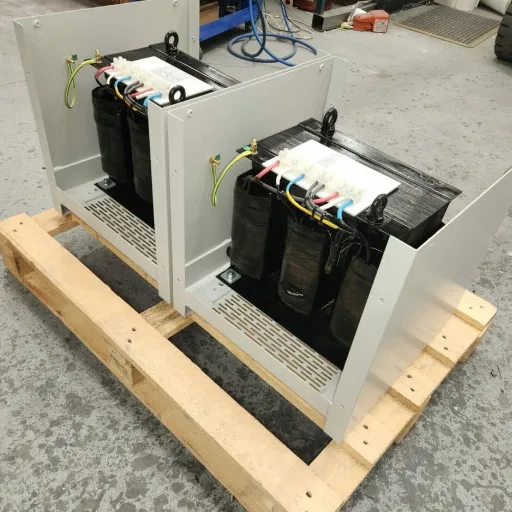
Design and Construction
The design of autotransformers shows fundamental differences from conventional isolation transformers. Autotransformers use a single winding that functions as both primary and secondary winding because their design needs all of their winding sections to connect both input and output points. The special winding design enables material savings which creates a lightweight and cost-efficient product.
Autotransformer cores use high-quality silicon steel laminations because they help reduce core losses while increasing operational efficiency. The system employs copper windings because they provide excellent electrical conductivity and long-lasting performance, while insulation materials undergo selection based on their capacity to handle thermal and dielectric pressure requirements. The design incorporates tap points into the winding system, which allows operators to change voltage levels. This design enables multiple voltage configurations to operate through its system.
Current autotransformer designs use cutting-edge software tools together with exact manufacturing methods to achieve their maximum operational efficiency. The transformers now meet strict electrical performance requirements because of their improved thermal management system together with enhanced magnetic flux distribution and advanced high-efficiency materials. The industrial sector and commercial market and renewable energy systems use autotransformers because they provide smaller size and greater efficiency for applications that need to minimize weight and cost while maximizing energy efficiency.
Efficiency and Performance
Modern autotransformers achieve their efficiency improvements through better component engineering and advancements in material technology. The latest designs use low-loss core materials which include amorphous steel to achieve substantial core loss reductions that enhance overall energy performance. The transformer gets better operational capacity and longer service life because precision winding techniques reduce resistive losses.
Computational modeling together with advanced simulation tools enables performance optimization for load capacity and voltage regulation and thermal stability. Engineers use finite element analysis (FEA) to model electromagnetic behavior and thermal characteristics of materials when they experience different operational conditions which helps establish reliable performance standards for high-demand applications.
Recent industry studies show that modern autotransformers achieve efficiency ratings above 99 percent when used in applications that maintain steady load conditions. The transformers now handle high power levels because modular construction methods and forced-liquid cooling systems work together to meet the high operational requirements of industrial and renewable energy applications while achieving international energy efficiency standards. The organization achieves environmental benefits through these innovations which deliver lower operational expenses.
Cost-Effectiveness
The modern transformers achieve cost-effectiveness through their capacity to deliver financial savings after extended periods because they reduce energy waste and decrease maintenance needs. The development of amorphous metal core technology through materials science progress has successfully decreased no-load losses which allows systems to operate at high efficiency during standby mode. The combination of high-quality copper windings with modern insulation materials creates a system that operates at lower resistance while maintaining better thermal management properties, which results in decreased operational expenses. The factors enable industries and utility providers to achieve lower total operating expenses through their complete resource distribution during the complete transformer life cycle.
The modular design approach establishes an important element that determines cost efficiency through its ability to expand operations. The system enables operators to develop their capacity through gradual increases which protects them from wasteful expenses that result from excessive system installation. The combination of IoT-based predictive maintenance methods and smart sensors allows operators to identify potential system faults which helps them prevent costly equipment failures that would lead to operational interruptions. The organization achieves unbroken workflow management through this system which protects them against unplanned expenses from urgent equipment repairs or replacements.
The transformer technologies at present fulfill worldwide energy standards which include the EU Ecodesign Directive and the U. S. Department of Energy efficiency requirements. Organizations can avoid penalties through compliance which enables them to obtain tax breaks and subsidies when those options exist. The combination of renewable energy systems with advanced transformer technology creates a solution which guarantees maximum financial returns for projects that must meet both economic and environmental evaluation standards. These innovations are creating new opportunities for developing energy transition projects which require large-scale implementation throughout the world.
Comparison: Isolation Transformer vs Autotransformer
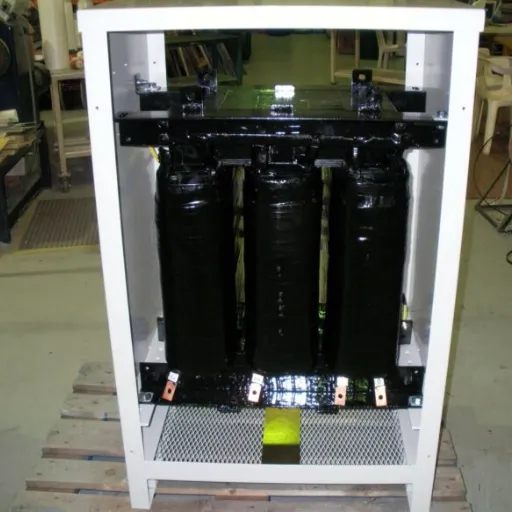
Technical Differences
Isolation transformers provide complete electrical isolation and noise rejection, while autotransformers are more compact, cost-effective, and share windings between input and output.
|
Key Point |
Isolation Transformer |
Autotransformer |
|---|---|---|
|
Isolation |
Complete |
Partial |
|
Noise Rejection |
Excellent |
Limited |
|
Size |
Larger |
Compact |
|
Weight |
Heavier |
Lighter |
|
Cost |
Higher |
Lower |
|
Efficiency |
Lower |
Higher |
|
Safety |
High |
Moderate |
|
Applications |
Sensitive Systems |
General Use |
Performance Metrics
Isolation transformers excel in safety and noise rejection but are less efficient and costlier, while autotransformers are more efficient, compact, and cost-effective but offer limited isolation.
|
Key Point |
Isolation Transformer |
Autotransformer |
|---|---|---|
|
Efficiency |
Lower |
Higher |
|
Noise Rejection |
Excellent |
Limited |
|
Safety |
High |
Moderate |
|
Size |
Larger |
Compact |
|
Weight |
Heavier |
Lighter |
|
Cost |
Higher |
Lower |
|
Durability |
High |
Moderate |
|
Power Rating |
Lower |
Higher |
Application Suitability
Isolation transformers are ideal for sensitive systems requiring safety and noise isolation, while autotransformers are suited for cost-effective, high-power, and general-purpose applications.
|
Key Point |
Isolation Transformer |
Autotransformer |
|---|---|---|
|
Safety |
Critical Systems |
Moderate Systems |
|
Noise |
Sensitive Equipment |
General Use |
|
Cost |
High-End Applications |
Budget Applications |
|
Power |
Low to Medium |
High Power |
|
Size |
Larger Systems |
Compact Systems |
|
Use Case |
Medical, Labs |
Industrial, Utilities |
Applications of Isolation Transformers and Autotransformers
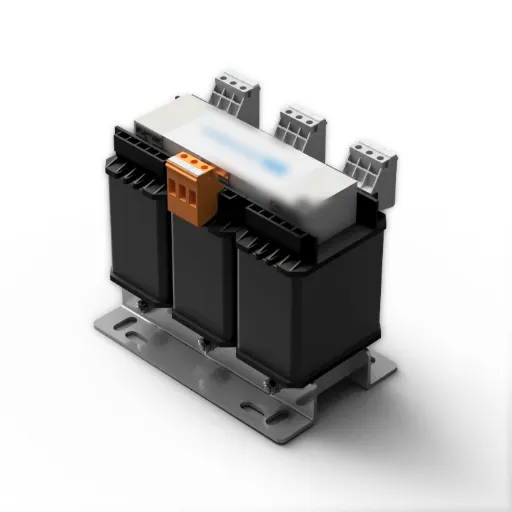
Common Use Cases for Isolation Transformers
- Medical Equipment Operations: Medical facilities depend on isolation transformers because they provide essential safety measures for protecting patients. Medical facilities use these devices to create power separation between their critical medical equipment which includes defibrillators and MRI machines and X-ray systems to prevent power-related issues from affecting their operations. The transformers help decrease electrical shock hazards which endanger both staff members and patients.
- Laboratory and Scientific Research: Laboratories need equipment that can function properly without receiving any electrical disturbances. Isolation transformers supply clean power to sensitive instruments which include spectrometers and electron microscopes because they stop power fluctuations and electromagnetic interference (EMI) from creating noise disturbances that affect instrument performance and data collection.
- IT Infrastructure and Data Centers: Data centers need to maintain continuous operation of their server systems and network equipment. Isolation transformers protect essential IT equipment and systems from power surges and electrical leaks and harmonic disturbances. The system guarantees dependable data storage capabilities together with data transfer functions which minimize system downtime risks.
- Audio-Visual and Broadcasting Systems:Audio-visual systems which include broadcasting equipment require high-quality power supply to ensure their audio and visual content remains undistorted. The application of isolation transformers in these systems enables the removal of electrical disturbances and ground loops which leads to accurate system operation and lower disturbance levels.
- Industrial Automation Equipment: Industrial systems which use robotics and CNC machines together with automated production lines depend on isolation transformers to provide them with power that maintains stable voltage levels while eliminating all electrical noise. The system protects delicate components while enabling essential manufacturing equipment to operate for extended periods with dependable performance.
Common Use Cases for Autotransformers
Autotransformers are widely used across various industries because they provide compact designs which deliver cost savings while enabling effective voltage control. The following section presents five common use cases which include complete descriptions of their functions.
- Voltage Regulation in Power Distribution: Autotransformers are essential components in power distribution systems because they maintain voltage control between transmission lines and end-user facilities. The system maintains stable power delivery by stepping voltage up or down which results in reduced energy losses.
- Testing and Calibration Laboratories:Laboratories depend on autotransformers to provide exact voltage control which serves their testing needs. The system enables voltage adjustments which allow engineers to test electronic components and calibrate instruments while obtaining precise measurements.
- Motor Starting in Industrial Applications: Industrial facilities use autotransformers to initiate their large electric motors which operate pumps and compressors at lower voltage levels. The system decreases mechanical stress during startup operation which leads to reduced motor current draw and extended motor life.
- HVAC Systems in Commercial Buildings: Autotransformers serve as essential components for voltage control in heating ventilation and air conditioning HVAC systems. The system enables power consumption efficiency while maintaining stable operation and safeguarding equipment from voltage-related damage.
- Renewable Energy Systems: Autotransformers serve as key components in renewable energy systems which need wind and solar power facilities to produce electricity at grid-compatible voltage output. The process enables energy transmission between systems while it increases operational efficiency and maintains compliance with grid requirements.
Autotransformers demonstrate their capability to handle different electrical problems which industrial operations face through their application in these multiple use cases.
Industry-Specific Applications
Autotransformers have become popular in multiple industries because they provide flexible solutions which deliver efficient performance at budget-friendly rates. Below is a detailed list of five key industry-specific applications:
- Power Transmission and Distribution Networks: High-voltage transmission lines require autotransformers because these devices perform voltage adjustments which decrease energy losses during long-distance electricity transmission. The autotransformers used in a 220 kV grid system provide efficient voltage adjustment capability which meets local distribution needs.
- Renewable Energy Integration: Power grids depend on autotransformers to connect wind and solar farm renewable energy sources. The technology converts wind turbine generated voltage of 690 V and photovoltaic system generated voltage of 1500 V into standard grid voltage to maintain stable power distribution and operational efficiency.
- Industrial Manufacturing Facilities: Autotransformers provide voltage control solutions which large manufacturing plants need to operate their industrial equipment and machinery. Industrial zones that use 480 V systems require autotransformers to generate specific voltages which support their unique production processes while reducing energy waste.
- Railway Electrification Systems: Railway electrification systems use autotransformers as their main component for all alternating current train systems. The system provides reliable energy transmission because it reduces overhead line high-voltage electricity of 25 kV to the operational power needs of trains which operate over long distances.
- Oil and Gas Industry: The oil and gas industry depends on autotransformers to provide electrical power for drilling operations, pumping stations and refining facilities located in remote areas. The systems control voltage output in operations which require stable voltage because they need to maintain continuous power supply for motors and compressors that operate in high-demand situations.
Autotransformers demonstrate their ability to support advanced electrical systems through multiple applications which deliver operational efficiency and cost-effective performance.
References
-
Fast testing platform for the isolation transformer
This paper discusses the verification of isolation transformers’ functionality and regulatory compliance. -
Transformer protection based on dynamic state estimation
This research includes a discussion on auto-transformer parameters and their identification. -
Design and Analysis of a Transformer-Based Solid-State Relay
This study focuses on transformer-based systems and their applications in Automatic Test Equipment (ATE). - Click here to read more.
Frequently Asked Questions (FAQ)
Q: What is the basic difference between an isolation transformer and an auto (autotransformer vs isolation)?
A: The primary differences lie in construction and utility: some key attributes of autotransformers, such as not providing galvanic isolation and their single-coil configuration (with simulated taps for voltage adjustment) for voltage conversion; isolation transformers, however, work based on separate windings with a primary/secondary separation capable of providing electrical isolation between the input and output. Very briefly, isolation transformers let the primary side float against the secondary, but autotransformers do not.
Q: When should an autotransformer be chosen and when is isolation required?
A: The choice between an autotransformer and an isolation transformer depends on application requirements. Choose an autotransformer where fabrication and size constraints make higher efficiency, smaller size/lighter weight, and lower cost possible, but galavnic isolation is not required. Select an isolation transformer if electrical isolation, safety, noise reduction, or protection against ground loops is needed; for instance, in medical, sensitive electronics, or industrial and commercial applications, in which an isolation on the primary side is a must.
Q: How does the size and weight compare – that is, are isolation transformers bigger and heavier than autotransformers?
A: Yes, isolation transformers are bigger and heavier. With the Two Windings quite separated and usually with additional insulation and core for the isolation part, isolation transformers end up being bigger and heavier compared to autotransformers (usually smaller and lighter than isolation transformers), so they offer a more compact solution for space-constrained installations.
Q: How are autotransformers and isolation transformers different in terms of efficiency and costs?
A: Autotransformers are inherently more efficient and cost less than isolation transformers as they make use of a single coil with less copper and core material. Isolation transformers have greater efficiency than lower cost owing to their heavily insulated and wound windings, which add to the cost but provide galvanic isolation and a much better class of safety that is apposite for applications under demand.
Q: Can an autotransformer offer galvanic isolation or isolate circuits like an isolation transformer?
A: An autotransformer cannot possibly provide galvanic isolation because the primary and secondary have a common winding and are electrically connected. If isolation is required to isolate circuits, prevent ground loops, or protect against faults, an isolation transformer with separate windings should be used to ensure electrical separation.
Q: In choosing between the two transformer types, how does one weigh the input voltage and the ratio of voltage?
A: The desired voltage transformation, primary voltage, and voltage ratio largely decide the choice between isolation transformers and autotransformers. Use autotransformers whenever a voltage conversion is needed alone with good efficiency and with the voltage ratio not too high. On the flip side, an isolation transformer is the best choice when the transformer is expected to provide electrical isolation alongside voltage transformation, even if the voltage ratio is similar. Keep the field of application and their transformer requirements like safety standards and electrical separation in mind to pinpoint the right transformer for the application.
Q: Are there any specific applications that actually require electrical isolation, while autotransformers are not recommended?
A: Yes. Some applications requiring electrical isolation could be medical applications, lab instruments, certain industrial control systems, and instances where isolation is needed to keep ground loop interference at bay to protect sensitive electronics. In all complex systems and demanding applications, isolation transformers must allow for separate windings so that circuits are safely isolated and are able to meet safety code requirements and potential standards.
Q: What are the benefits and drawbacks of autotransformers versus isolation transformers?
A: Autotransformers are beneficial for their higher efficiency, smaller size, lighter weight, and lower costs. The drawbacks, however, are that they do not offer galvanic isolation and can be hazardous in an environment where isolation is needed. Isolating transformers provide electrical isolation, increase the level of safety, and eliminate noise, but they are bigger in size and heavier, as well as less efficient and a bit more expensive. Therefore, which type of transformer to choose would depend on the operation considerations, space constraints, and necessity for isolation.
Q: How would I decide which transformer to end up in an industrial and commercial environment?
A: Look at the specific application with regards to isolation requirements, the type of voltage transformation desired, primary voltage, the limitations in space and weight, what efficiency needs are sought after, and lastly, the budget. Isolation transformers are often used in heavy industrial and commercial systems despite their larger size due to the safety that they provide along with noise suppression and isolation. Conversely, in installations where space is limited except for efficiency, an autotransformer serves well for being an inexpensive and practical choice as galvanic