
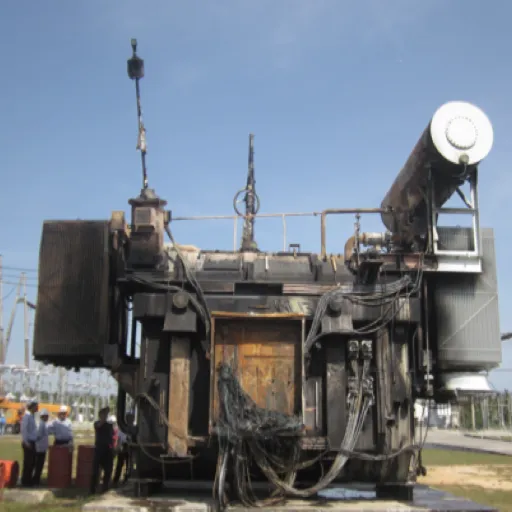
Common Transformer Failures: Causes, Symptoms & Prevention

Transformers are devices that are integral to the electrical supply network and are central to the efficient distribution of electricity to residential, commercial and industrial consumers. Like any other piece of equipment, transformers can undergo malfunctions, which may result in time-consuming breaks, threats to life and safety, and operational losses. It is however crucial to learn the main causes of the transformer failures as well as the indications thereof in relation to ensuring performance and avoiding blackouts. This piece explores the most prevailing problems in the transformer, indicates the ways to detect such problems and how to avoid them. This guide provides an opportunity to both industry practitioners and enthusiasts who deal with transformers to glean valuable information on how to manage such machines effectively and efficiently.
Understanding Transformer Failures
What is a Transformer?
A transformer is a piece of equipment specifically built to transform electrical energy from one circuit to another (or more) by means of electromagnetic induction. Essentially, a transformer is employed to step up or step down (depending on the application) voltage levels, maintaining the same frequency. Transformers provide the basis of electrical networks for transmission and distribution of electrical power in a safe and operative way.
Transformers work on the principle of electromagnetic induction. If an alternating current is passed through the primary coil, it creates a magnetic field around the coil. The magnetic field in the primary coil induces a voltage in the secondary coil thereby, producing the desired change in voltage. To exploit the magnetic flux and to reduce losses to a minimum in the windings of the transformer, each transformer has a core although cores are made from iron laminations. The core is basically a magnetic path that facilitates the magnetic field to travel within the transformer.
One finds Transformers almost everywhere; domestic environments as much as industrial areas have the said devices installed. The transformers perform the critical distribution of electricity in that the high transmission system voltage is transformed to a merchantable value Hi-Line Distribution Humidities. Likewise, they help low voltage trends as against long transmission lines, as any loss incurred otherwise will prove to be of reduced value. Their high level of dependability and practicality makes them the true epitome of modern times in terms of electrical devices.
The Importance of Transformers in Power Distribution
Transformers have a central role in power distribution efficiently and economically since power is unable to be carried out through distances without losses being reduced to negligible levels. In addition to the generation and utilization of power, injection into the grid as is known in electrical technology would not be possible without converting voltages into appropriate levels, which is done using transformers. This helps to overcome heat generation in cables, resulting in significant energy losses.
The importance of transformers, among others, can be appreciated from the point of view of how the modern electrical grid is operated. It changes voltages to allow for the generation of high voltages from a power station, for effective transmission, and changes to allow for safe usage of power. Because of this, the electrical system is manufactured without consuming much electricity and all participants in the system benefit including consumers and suppliers as the energy costs are diminished.
Additionally, transformers enhance systеm resiliеnce and flexibility. They are caрable of absorbing changes in demand and supply of power without incurring any power cut to the end user. The needs of household, business, and industrial users can only be met through such adaptability. In the absence of transformers, the present-day power systems would not be as efficient as they are, hence they are considered the core of modern power grids.
How Transformer Failure Occurs
There are many potential causes of transformer failures, and many of them involve physical breakdown processes or improper use. The primary cause of transformer failure, however, is heat. This is their overload or lack of cooling. Well! All other half-conductors tend to escape, but within the temperature limits of high contact of each such half-conductor. When exposed to a certain level of use, this problem only gets worse and results in the transformer failure.
In the breakdown of a unit, one of the significant causes lies in the penetration of water or moisture. The enemy of the transformer is the usage of the oil tank and the whole insulation system. This is because these fluids cause the insulators to break down and sometimes even cause flashes like short circuits. Moist is usually generated due to the lack of preventive measures during installation of duplicate transformers or aged equipment, thus affecting the function of the transformer. These factors notwithstanding, a temperature increase will result in a more rapid breakdown.
Transformers may also fail due to electrical disturbances. Such disturbances typically include power surges from lightning, breaker operations and faults within the power system. Such power surges tend to cause strain on the insulation of the transformer whereby the insulation is destroyed or the coil is deformed. Optimum maintenance, efficient installation, and considerations of other aspects, that is for instance burst voltages, will allow eliminating the most common causes leading to transformer failures and will help significantly increase this WMU population.
Common Causes of Transformer Failures
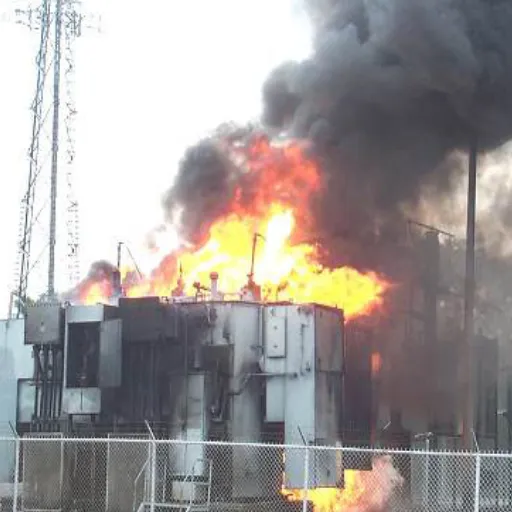
Electrical Disturbances and Surges
One of the most prevalent consequences that leads to transformer failures is the presence of higher electrical transients and spikes or surges. These disturbances normally involve various scenarios for instance low/elevated voltage due to lightning, switching operations, or overvoltage due to a breakdown of neighboring components or system. Exposure to any of these translations results in high energy within the transformer circuits, which the latter is not designed to handle efficiently. The exceeding current of storms in the power lines that Transformator is given permission to exceed effect the essential parts of the Transformator for example windings and core insulation or both. These are some of the mechanisms of failure which help to understand the need for protection of industrial appliances such as transformers from power surge.
One of the major processes that makes the effects of the electrical surges worse is the partial discharge. This is the local dielectric breakdown that occurs in a small portion of the insulation system. Partial discharge is typically expected once the insulation system experiences voltage stresses for a while as has been weakened by contaminants such as moisture and dirt. This process appears to be a small damage, but it eventually develops into insulation failure over time if it is not rendered ineffective in time. Risks that come from electrical disturbances need to be reduced, therefore, considerable attention should be given to both partial discharge activities and insulation performance.
Protective measures have been devised for safeguarding against transformer failures due to electrical anomalies, these include but are not limited to the use of surge protectors to redistribute undesired or excessive charge from the source transformer and effective grounding for instances of overvoltage. Other techniques that may be applied include modern day diagnostics which combines the use of grid integrated monitors as well as automated weighing mechanisms software for the purposes of monitoring the transformer in operation, and consequent identification of such areas prone to stress, faster. Furthermore, with better preventive technology and maintenance made through engineering time and practice, the risks of transformers in electrical stress and surges comes down on the part of utility and other industrial operations.
Insulation Degradation and Overheating
Insulation deterioration and excessive heat are two major concerns in the maintenance of transformers. For the efficient and optimum working of the transformer during its lifespan, cellulose or synthetic polymeric materials are used for insulation within the transformer. The Fibrous material gets older and usual wear and tear over a period but it happens more rapidly in presence of elevated temperatures, voltages and contaminants like moisture and dust particles. Destruction of insulation affects the transformer’s ability to take the shocking loads and the stress within, thereby causing transformer failures with no warning signs. In addition, aging of insulation materials produces more partial discharges, consequently compromising the transformer’s internal construction.
Overheating, in essence, fundamentally connects to insulation degradation, and it arises when the transformer gets loaded beyond its rating, has an inefficient cooling system, or lacks ventilation. If temperatures get very high, it will cause thermal spikes and resins will be strained to such an extent that hot spots become a factor that will ultimately affect the efficiency of the unit. Under the ieee requirements, for every increase of 10°C within a transformer, the transformers insulation foreseeable lifespan is said to go twice lower. The use of sensors and thermal cameras in detecting and solving overheating problems cannot be overlooked; these systems also allow visual representation of possible hot areas inside the transformer.
With the advent of oil analysis, dissolved gas analysis (DGA), and real time condition monitoring, insulation degradation and overheating can be managed more efficiently. Such methodologies are important in providing operators with true health information of the insulation for informed management action. On the other hand, with the implementation of enhancements such as advanced cooling techniques be it forced-air cooling or even oil rejuvenation systems extended service age for insulation is attained and enhanced operational performance is achieved. Utilities can balance performance levels against cost, effectively by encompassing prevention methods and monitoring techniques.
Mechanical Issues and Internal Failures
There are plenty of reasons that lead to mechanical assistance and internal failure of electrical system. For example, fatigue can occur in the material or it may be mishandled while installing or maintaining the said systems. Moreover, mechanical components for instance bushing, bolted connection as well as the winding become stressed over time because of the thermal, electrical, in addition to mechanical stresses that occur. In time, as a result of this immobilization, certain parts may crack, deteriorate or lose their position and this may degrade the system in to levels that may become a serious threat in terms of functionality. Moreover, one may incorrect assemble particular parts during installation which may lead to some areas being highly stressed or accelerate the process of wear and tear or accident..
Component detaching and component loosening on account of vibration is one of the commonly seen mechanical failures. Equipment that works using fuel or electricity and has moving parts, most notably transformers of great sizes and heavy types of rotating equipment, induces vibrations. These vibrations loosen fasteners and hence undo connections, which in turn result in partial discharges, hot spots and worst case scenario-the breaking of the equipment. As well as that, even without an appropriate torque being applied on assembly appropriately could pose a challenge because some critical components could be securely fixed and yet the equipment would deflect under any operational conditions. Indeed, checking the torque specifications as well as assessing the health of the installed components can avoid any impending problems through early interventions and corrective measures.
Comparatively, internal breakdowns within the transformers or motors may be attributed to the bridging of insulations or misalignment of the windings. Internal breakdowns frequently occur due to a combination of electrical throw down, overload and wear of the insulating materials, for instance, would lead to a reduction of localized insulation thickness which can become short circuits or burning spots. emergence of contemporary diagnostic devices analtering on DGA and partial discharge testing helps the operators recognize internal defects before intrusive injuries occur. A good deal of preventive maintenance and controlled replacements using modern technology not only mechanically but also internally reduces the instances of transformer failures and ensures efficient and safe operations of a system.
Signs of a Failing Transformer
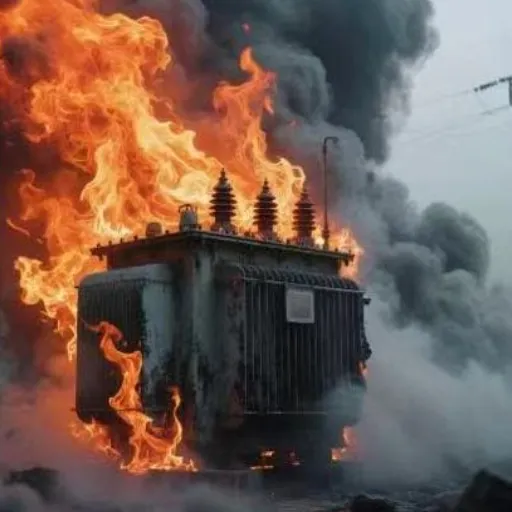
Identifying Symptoms of Transformer Failure
Consequences of transformer failures could be closely related to the ‘time factor’. It’s important to identify signs of transformer failures on time before any adverse effects are experienced or replacement becomes necessary. One of the symptoms is usually the presence of a strange noise that is similar to a growling sound when parts of the transformer are shifted within their position or worse there is an associated electrical fault. Yet another common indicator is a situation where there is overheating of the transformer and this may involve increased temperature of the oil or the hot spots in the windings or the core. These hotspots and the overall system temperature caused by acute overheating damages the insulation causing failure. A further snag that is encountered is the examining of the oil keeping in mind the coolant levels because it can be very harmful in the equipment if there is any sudden depletion or contamination.
Discoloration or decomposition of the insulating oil may also prove indicative that there will be transformer failures in short order. At regular intervals, dissolved gas analysis testing can be done to capture abnormal conditions such as high levels of gases due to thermal or electrical breakdown. As acetylene gas is increased, arcing inside the equipment is, for the most part, suspected. Inspections can also reveal the formation of carbon tracks or deposits of soot, which often correspond to electrical discharge activity that could prove destructive to the insulation or affect the whole system, in the long run. Usually, such problems need prompt measures to be taken so that they become more serious afterwards.
More so are the direct physical indications with detectable signals such as expansion of the tank, breaking of bushing, oil leakage, etc., indicating the stresses without opening the envelope. Interruption of service due to unexpected trips of the feeder caused either by the actor or the action or interrupted or unreliable voltage supply from the transformer also signifies problems. Technology is able to detect such symptoms even while they are still invisible through tools like partial discharge detectors and thermal imaging devices. Visual inspection, monitoring and maintenance, and repair of fault zones are duplexed to ensure quick re-dress of the small problems that can result in breakage.
Common Indicators of Electrical Transformers at Risk
Transformer failures can often be detected by the presence of certain warning indicators. Overheating is a common symptom, usually a consequence of climatic factors or degradation of dielectric materials or other components that will lead to low efficiencies or even violent destruction if prolonged. In addition, buzzing or humming noises may be witnessed which can denote loosened mechanical parts or maldistribution of magnetic lines of force. Another noteworthy sign is presence of leakage from the oil, which indicates defective gaskets or higher than normal pressure inside, and affects the cooling and insulation effectiveness. Change in color or traces of carbon deposits around transformers bushels or surfaces directly indicates that there might have been arcing problems or the insulation is failing.
Also, regular tripping of protective mechanisms may indicate other internal faults, such as winding short-circuits or core faults. The efficiency of the transformer could reduce significantly, or the output voltage may fluctuate more than normal suggesting defective or worn-out equipment. Also, in case of normal operation of excessive DGA, there could be an increase in the concentration of gases for instance hydrogen or acetylene in the oil and the gases may indicate some discharges and/or heating occurring inside the transformer.
It is also possible to reduce possible transformer failures by utilizing advanced diagnostic equipment. However, it is important for the operators to also carry out a maintainable maintenance routine in order to enhance the reliable operation of transformers in hostile settings.
Impact of Contamination on Transformer Reliability
The presence of various contaminants inside transformers affects their efficiency and reliability to a great extent. Contaminated liquid or solid insulations found in these electrical appliances have impacts that include, but not limited to, humidity, dirt or dust mixed in materials used for insulated making of knives and papers as well as contaminants of chemical nature, which hasten ageing that predispose these assets to failure. Below are some of the important effects that may be observed as a result of contamination in transformers:
- Moisture Contamination: The existence of water inside transformers causes a strong decrease in the insulation dielectric strength, high likelihood of occurrence of partial discharges and speed up of solid cellulose insulation degradation.
- Particle Contamination: Particles are solid but can be generated due to aging of components and are prone to cause abrasion, obstructing cooling pathways, local overheating, compromising transformer working effectiveness to mention just a few.
- Acid production: Impurities present in the insulating oil may enhance oxidative reactions which can result in the isolation of acids. Acid carries with it deterioration of the insulation, corrosion of the components inside and risks of transformer failures.
- Oxidation products: Sludge and varnish are the primary products that will be deposited on oil-immersed windings, as a consequence of oil contaminants and oil degradation. This will keep the switch gear temperature high thereby increasing insulation deterioration hence life transformer is reduced.
- Gas generation: Impurities cause generation of gasses; dissolved gases include hydrogen, carbon monoxide and any other fault gases in case of a transformer. In sufficient amounts, these gases will show that there is abnormal thermal or electrical effects which have a high negative impact on the system and need to be addressed.
With proper filtering, dehumidifying and constant checking of operation, it is possible to solve these problems and preserve the operation for a long time.
Preventive Maintenance Strategies
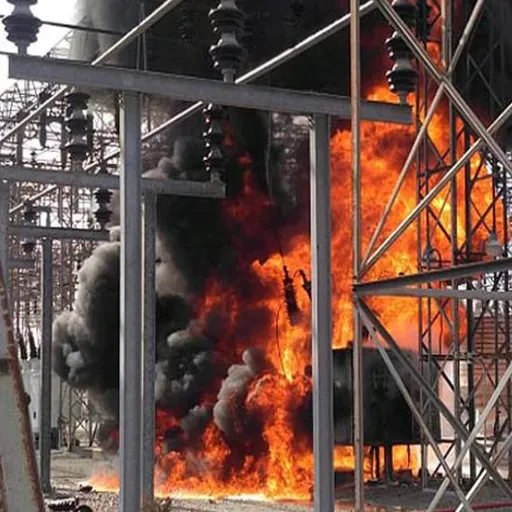
Effective Transformer Maintenance Practices
Transformative technologies in power systems hinge on transformers and, therefore, avoiding transformer failures and extending their longevity is very necessary in maintenance practices. One of the most basic and important measures that should be taken is to always set a schedule for inspecting the equipment often to notice any worn out parts or any defects. Technicians should conduct a detailed tracking of several control parameters – levels of winding resistance, insulation level, quality of oil and temperature. Smart diagnostic tools like Dissolved Gas Analysis (DGA) allow to predict the faults development by presence of contained gases such as hydrogen, methane or even ethylene. Timely detection of fault signs will enable interventions to be taken in advance, thus resulting in neither downtime nor expensive replacements.
It is also vital that the oil is tested and purified on a regular basis. The oil in a transformer has the function of facilitating the cooling of the transformer as well as its insulation, which means that the oil’s failure will destabilize the most fundamental operation of the transformer. Oil becomes ineffective when it is infiltrated with contaminants such as moisture, sediments or even byproducts of oil oxidation. As low-grade oil can lead to electrical discharges, filtration and degassing helps return oil to top condition and also minimizes moisture in the oil. By taking and testing oil samples over time to ascertain, for instance, acid numbers and interfacial tension, it is possible to make out how long the oil will last, and this information can be used to prevent transformer failures.
Modern power networks are designed on the foundation of the use of condition monitoring technologies to extend the transformer maintenance interval. Unlike conventional monitoring that is done periodically, real-time systems provide insight into the load currents, overall oil temperature, dissolved gas contents, among others, 24 hours a day and 7 days a week. When coupled with technologies such as analytics and artificial intelligence, these systems provide a way for predictive rather than preventive maintenance. Repair or rather failures cannot and should not be avoided when one can avert them. Instead, utilities can stop potential transformer failures from occurring thus ensuring that all devices are very reliable because there is minimal downtime. Evolution, however, does not call for an end to the old approaches, and using the old along with modern practices helps maintain and preserve preventive maintenance of transformers.
Monitoring Techniques for Early Detection
Monitoring techniques are very vital in making a diagnostic of transformers so as to avoid the occurrence of transformer failures. The most common one is the Dissolved Gas Analysis (DGA) which is used to detect fault-dissolved gases in the transformer oil. The presence of these gases – hydrogen, methane, ethylene or acetylene suggest that the transformer is developing the problems of electrical discharges, overheating or arcing. DGA is very effective in that it allows the detection of deviations even before the visible damage has occurred, hence action can be taken at the right time.
One more very important technique is Partial Discharge (PD) measurement. Partial Discharges are the localized discharges which do not dissipate the whole voltage between two conductive electrodes and cause electrical current between these electrodes. The concept consists in applying sensors which should measure ultrasound, electromagnetic radiation or electrical pulses present during PD activity in a machine, helping to determine weak points of the insulating material. PD measurement gives real-time statistics and it is important means to prevent transformer failures caused by insulation.
Thermal imaging is a very popular technique for surveillance of transformers. By employing infrared cameras, operators are able to heat map the surface of a transformer for anomalies, which may suggest overheating within, loose connections, or uneven loading. Thermal imaging systems, when combined with complex algorithms and use of machine learning, increase the efficiency of classification and justification of collected information as opposed to the former methods. In the presence of an it solutions and analytics they provide an advanced toolkit for early warnings against transformer failures, which contribute to effective maintenance and extending lifespan of transformers.
How to Reduce the Likelihood of Transformer Failures
Regular maintenance and careful inspection are among the basic methods I employ to avoid transformer failures. More specifically, the proper functioning of systems that maintain insulation, cooling, and oil levels is crucial, otherwise overheating and deterioration take place. I, therefore, take advantage of the opportunity to supervise damaging agents too like wear and tear- irreducing vibrations or temperature rises as they stipulate any further development towards a problem of a part before they go that far.
In addition, I consider that utilization of latest thermo detection gadgets including the diagnostic gas chromatography (dgc) would offer a lot of help to facilitate the appropriate observation objectives. With these mechanisms, I am able enough to observe small changes that not be visible during the regular visual inspections. Once I observed dangerous heat trends and gases that are expression the signs of insulating failure, I am able to solve the problems better and faster. Additional maintenance actions, however, are limited due to the existing condition based maintenance principles for the adjustment of transformers transformer’s service.
Finally, it is essential to prevent damage to transformers by managing the loads. This is because, by distributing the loads, and excepting the loads in advance, I shall not need to worry about the system inquiry. Simultaneously, adherence to manufacturers’ recommendations and attention to detail during the installation process shall create a conducive environment for the stability. It is the introduction of preventive maintenance and IVA, as well as load controls, that allows me to reduce the occurrence of transformer failures.
Impact of Transformer Failures Across Industries
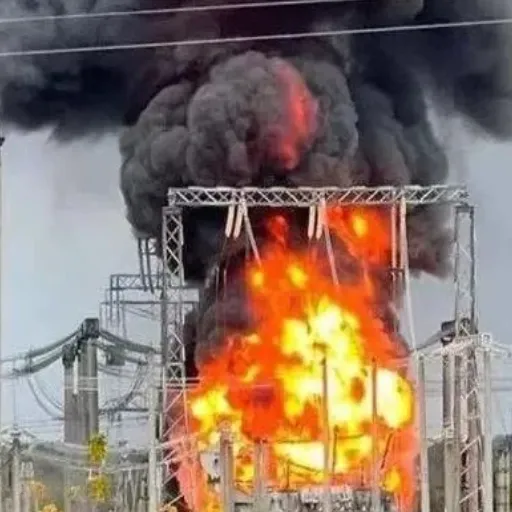
Consequences of Transformer Failures in Manufacturing
The impact of transformer failures in the manufacturing sector is extensive as it can compromise operations and profits. Since many manufacturing processes heavily depend on a consistent and reliable electric power source to run various pieces of equipment and automations, transformer outages often have drastic impacts like sudden breaks in operation. A stoppage of works due to the breakdown of transformers implies long delays between tentative runs as well as minimized production rates. The downtime affects the smooth running of operations, but at the same time, it influences the system due to the losses occurring in the working hours as well as non-fulfilment of the orders on time.
One more significant effect is the harm to machinery and its infrastructure due to abrupt transformer failures. Sudden changes in voltage within the circuitry or surges to the power supply that is tied to an inefficient or defective transformer units can cause damages to delicate equipment leading to extend repair since it requires to be fixed or replaced. Moreover, prolonged absence of power may require the employment of alternative systems or temporary sources of power, both of which are energy inefficient and costly. These strain of systems plus resources can add up to increased operating expenses.
Transformer failures can also have secondary impacts in situations where the operations of different industries are linked through supply chains. Delays may be experienced by suppliers and downstream partners, thereby affecting their own business and possibly business relations. The losses involved in such disruptions may be too huge to bear for companies working with thin operating margins or companies relying on just-in-time (JIT) operations. To avoid these situations, every manufacturer should pay extra attention to all the maintenance of transformers’ routine, develop real-time condition monitoring the equipment, and develop contingency strategies that guarantee sustained operations and reduce any financial damage.
Effects on Energy Distribution and Power Outages
The malfunction of transformers has the potential to cripple electricity networks, leading to blackouts that are very inconvenient and costly. Five effects and details regarding energy distribution and blackouts as a result of broken transformers appear below:
- Power Failure: Most of the time, transformer failures result in untimely power outages that come and affect areas with residences, businesses, and industries. An easy example is that transformer failures cause about 15-20% of power supply black outs in the entire world population.
- Grid Fluctuation: The absence of a transformer brings power imbalances in a network and results in changes of voltage levels in regions connected to that particular network. This kind of lack of control makes it difficult to supply power to all areas covered when demand is its highest.
- Losses in Economic Activities: The extended interruptions due to transformer problems bring about financial losses for the energy-dependant industries such as manufacturing, health care and information technology among many others. For instance, according to a US Department of Energy report, power interruptions cause businesses to lose close to $150 billion in a year.
- Effect on Important Components: Transformers are used in such vital places as hospitals, transportation, water services. They can cause various service disruptions, which in turn may constitute a threat to citizens.
- Overuse of Back Up Equipment: Power transformers especially when left out of service for long durations necessitate usage of emergency generators which are not built to run for prolonged periods. The equipment ends up having higher maintenance demands, utilization of more fuel and other mounting pressures on the electricity infrastructure.
Effectively combating these impacts of transformer failures on households calls for proper maintenance, grid upgrades and providing alternative means of energy distribution.
Case Studies: Real-World Examples of Transformer Failures
Case Study 1: Italy’s Powerful Blackout of 2003
An interrelated power outage spewed into Europe on September 28, 2003, which ended up incapacitating over 56 million people residing in Italy and a few regions of Switzerland. This started with just one high voltage line failure in Switzerland, which introduces transformers overload in the whole connected network. Poor infrastructure and negligence of cooperation between operators multiplied the impact scale. The study shows that Africa the importance of dependable transformers in stabilizing an electrical network and the destruction which comes with transformer fails simply because of lack of contingency and upgraded infrastructures.
Case Study 2: The blackout in New York City of 2019
Around the early evening hours of the 13th of July, 2019, thirty-two blocks of Midtown Manhattan were plunged into darkness as a result of power transformer blast that affected New York City grid. Thousands of residents totaling 72,000 people were left in the dark. Inrush currents of brief duration were involved and from the behavior of the protective systems, someone had over protected it. Fortunately, no injuries were caused but power cutbacks affected workplaces, commuting operations, events, and served as a reminder of why power transformer failures require comprehensive care and continuous service in highly urbanized settings.
Example 3:India’s Power Breakdown in 2012
India witnessed one of the worst blackouts of 2012, which toppled services for almost 620 million people in the country. Such blackout was attributed to the overloading of transformers and distribution lines, which had not been developed in time to replace outdated systems. This incident highlighted the importance of ensuring a balance in energy production and consumption, improve the interconnectivity of the grid system as well as develop transformers that will withstand – more frequent loss of power problems.
Such cases illustrate how transformer failures snowball into massive losses and highlight the importance of strict maintenance, an upgrade of technologies and can also build national energy infrastructure for such instances.
References
-
Transformer failures, causes & impact
This paper investigates the causes of transformer failures, focusing on stepdown transformers (11kV-220V) used in distribution sectors. -
A review on power transformer failures: analysis of failure types and causative factors
This review provides an analysis of different types of transformer failures and their causative factors, offering insights into improving power transformer reliability. -
A study of the root causes of high failure rate of distribution transformer-a case study
This study explores the root causes of premature failures in distribution transformers, identifying key factors contributing to their high failure rates. - Click here to read more.
Frequently Asked Questions (FAQ)
Q: What are some of the leading reasons for transformer failures?
A: Common transformer failures can be attributed to suppression failure of insulation and dielectric, excessive loading, entry of water, flaws in the process of manufacture and deterioration of the parts of transformers. There are also other factors which include excess temperature, overload and current spikes, as well as physical impact that may cause early failure or even complete breakdown of a transformer. Awareness of these factors assists in assessing and establishing causes hence avoiding devastating failures that may damage electrical components and structures.
Q: In what way does the breakdown of insulation contribute to the catastrophic failure of a transformer?
A: The deterioration of insulation is amongst the greatest challenges for any transformer to success. The reduction of the insulating strength of the transformers occurs due to heat, age, and any form of contamination in the oil or water ingress inside the transformer. As a result, the transformer experiences internal sparking, short circuit, and even total failure. Such a failure causes damage to the equipment and loss of power and therefore demands frequent checking and maintenance.
Q: How about dry transformers, are there any similar type of failures as the oil transformers?
A: Yes, also in this case, dry transformers can fail very much like the oil units, although the ways in which these transformer failures tend to be rather different. With regard to leakage of oil there is no issue of fire in dry transformers but they inevitably clear a path for insulation destruction, over heating or over loading of [an] appliance, or breakdown of dielectric. These can be avoided and enhanced life of transformers achieved through frequent checks, proper design of a transformer and management of the loads.
Q: What are the effects of (or how does) overload burns up the transformer and how does that impact the transformer’s lifespan?
A: As a major issue, overload occurs when a transformer is carrying out more than its capacity and overheat occurs resulting to a breakdown of the transformer since the insulation will degrade faster. Prolonged and frequent overloads affect the transformer negatively as the service life of the transformer is somewhat decreased. In such cases heating may run away and cause damage to the transformer. For example, installation of relevant protection devices, controlling demand for power, and creating a well designed transformer helps overcome most of the problems.
Q: In which case a transformer’s design prevents its failures?
A: The design of a transformer is an important factor for efficient operation of a transformer. Excellent design practices with regard to insulation margins, cooling capability, and transient voltage disturbance protection among others help to eliminate significant risks of transformer failures. The usage of transformers is mostly based on load and environment, and hence there is a design to accommodate this, however there are types and designs that do not fit the transformer usage properly. This can lead to transformer failure, excessive maintenance or premature transformer removal.
Q: When do you consider replacing rather than repairing a transformer when it fails?
A: The decision whether to replace or repair transformers will depend on the damage to the transformer, its age and also the downtime associated. In instances of failure where critical parts are affected or the transformer has reached its useful life, replacement is recommended. On the other hand, for isolated problems involving only components or systems detected through uptime inspection within short time, it is worthwhile to repair. Best options are identified through observation of root cause analysis and lifecycle cost.
Q: When considering transformer placement in the field, what are some of the notable challenges posed by the padmount design?
A: Padmount transformers are often subjected to harsh environmental conditions, external vandalism, water penetration, and vermin, aspects that may compromise the insulation and operational capacity of the transformer. In addition, since these transformers are usually used in distribution systems, the consequences of their failure are likely to include not only local outages but also downtimes and damage to equipment. To avoid them, their cases are also properly sealed, grounded and regular checks are conducted.
Q: What measures can be taken to safeguard transformers against failure and prolong their operation life?
A: Multiple measures should be adopted in order to cushion transformers against catastrophic transformer failures: select the appropriate transformer as well as ensure it is designed to standard; carry out routine inspections as well as tests; make use of protective relays and arresters; carry out load management to prevent thermal overloading; switch the transformer off when doing the repair; and prevent fundamental problems, like moisture and contamination that lead to transformers malfunctions. Such measures minimize the probability of the incipient end failure of the transformer thus, extension of the lifespan of the transformer, and consequently, the entire electrical system.