
Category Blog

PCB in Transformers: Testing, Regulations & Disposal
Polychlorinated biphenyls (PCBs) had a wide range of applications when they were introduced due to their unique properties of being inert and non-conductive, highly regarded in the making of transformers, net-installed electric devices, etc. However, in the long run, this…
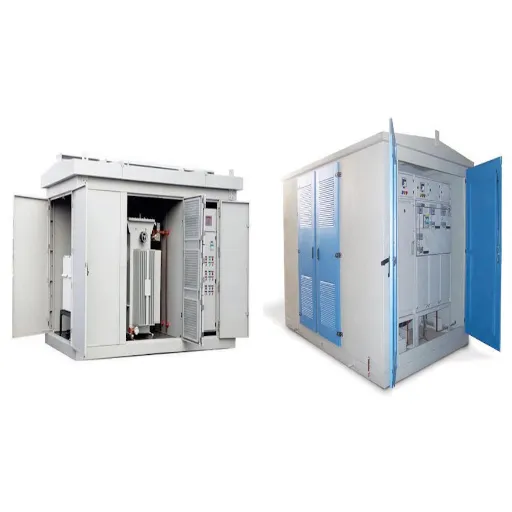
Compact Substation Design: Components & Layout Optimization
When it comes to transmitting electric current over considerable distances, the lack of space is always a concern. Against this background, compact substations provide the best alternatives. These forms should be supported in the present age because they are very…
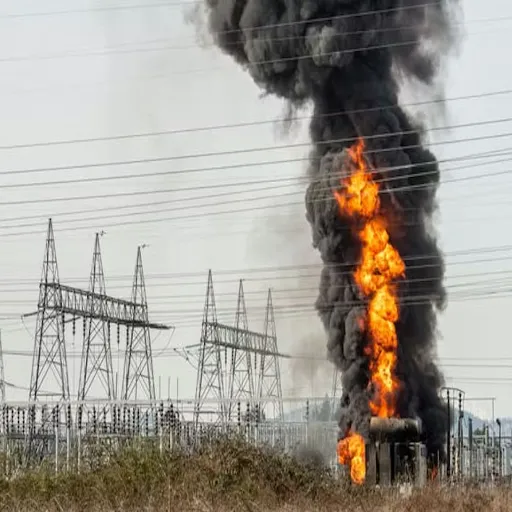
Transformer Fire Safety: Prevention & Suppression Systems
Power system operations depend on transformers as their essential components but safe transformer operation requires proper management to avoid fire risks. One transformer fire incident results in costly destruction, which leads to prolonged power outages and creates dangers for employees…

Mobile Substation Applications: Temporary & Emergency Power
Whenever there is a demand for improved power quality, and the required infrastructure is also missing or, in the case of outages, a mobile substation (MOSS) comes in handy. As such, utilities, industries, and even emergency forces look forward to…

Transformer Life Expectancy: Factors & Extension Strategies
The use of transformers is widespread in modern society, and understandably so, as they form an essential component of electrical circuits that provide current to any location that requires it. However, as in every other machine, transformers are rather sophisticated…
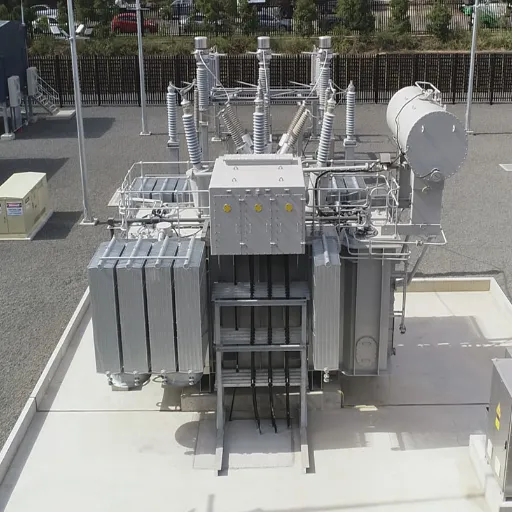
Emergency Power Transformers: Backup & Standby Solutions
Power outages are debilitating, risky, and can cause havoc in any workplace. It can be as a result of a hurricane, grid closure, or system overhaul. In both cases, it is crucial in all commercial and public services to have…
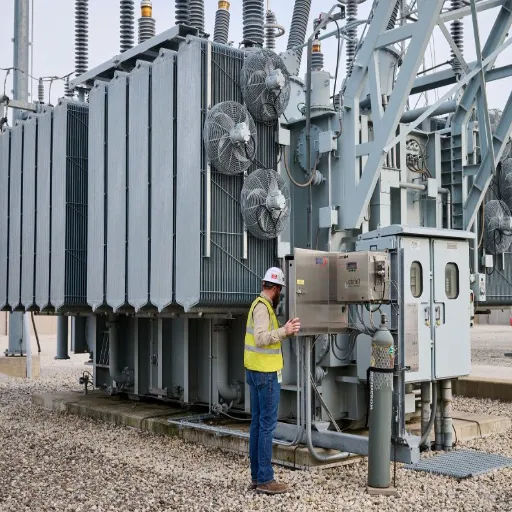
Transformer Retrofitting: When to Upgrade vs Replace
Transformers serve as fundamental elements in contemporary electrical systems because they provide essential support for electricity distribution and system performance. Many organizations need to make a critical choice between two options as their facilities reach the end of their useful…
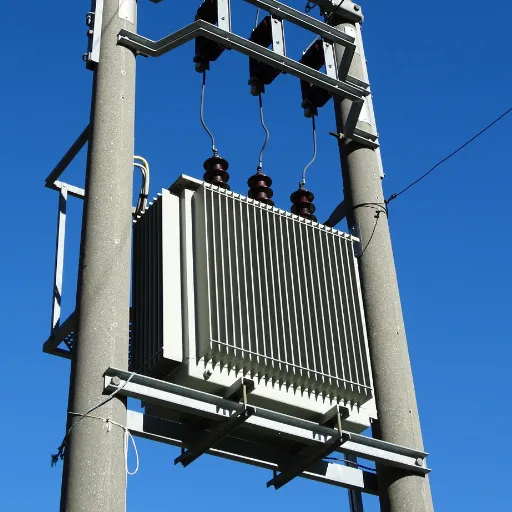
What Is A Distribution Transformer? Types & Applications
Distribution transformers function as vital parts of electrical power distribution systems because they provide safe and efficient energy transmission from power stations to all types of buildings. The essential function of distribution transformers in everyday life requires an explanation of…
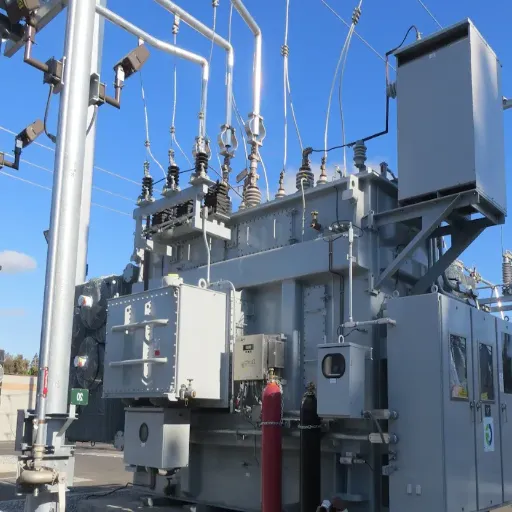
Step-Up vs Step-Down Transformers: Differences & Applications
Transformers function as essential components in contemporary electrical systems because they enable power distribution and consumption through their fundamental operation. The operational efficiency of electrical energy distribution and usage depends on step-up transformers and step-down transformers, which are the two…
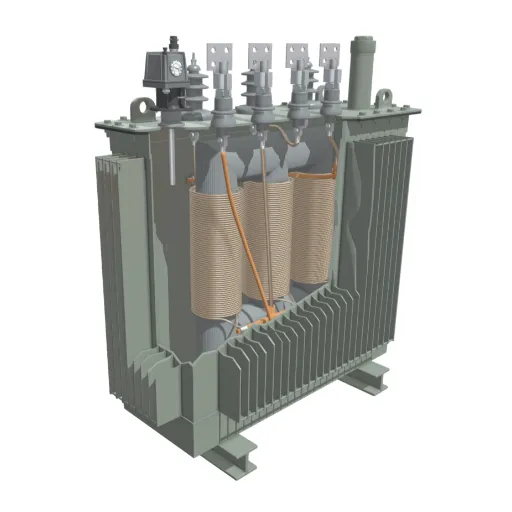
Hermetically Sealed Transformers: Benefits & Applications
Modern electrical systems depend on hermetically sealed transformers because they provide superior durability and operational efficiency and system reliability. The transformers operate in severe conditions because they stop moisture and air and external elements from entering their system. The solution…