
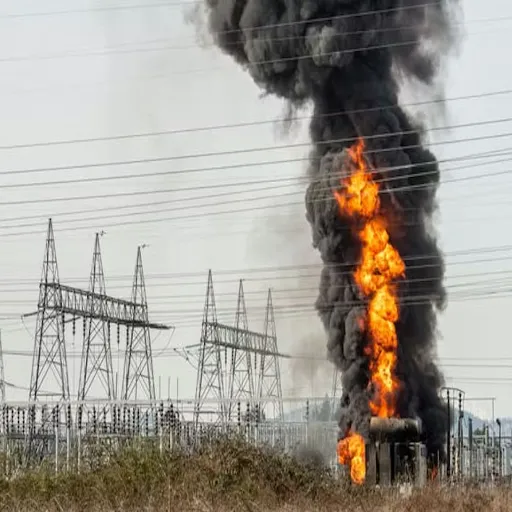
Transformer Fire Safety: Prevention & Suppression Systems

Power system operations depend on transformers as their essential components but safe transformer operation requires proper management to avoid fire risks. One transformer fire incident results in costly destruction, which leads to prolonged power outages and creates dangers for employees and nearby equipment. The blog post investigates vital procedures that need to be followed for transformer fire safety while demonstrating how prevention and suppression systems work to reduce fire hazards. We will provide you with best practices for protecting your infrastructure, which include both fire cause understanding and implementation of modern safety systems. The crucial information that you need to protect your assets will help you stay safe and function properly.
Introduction to Transformer Fire Safety
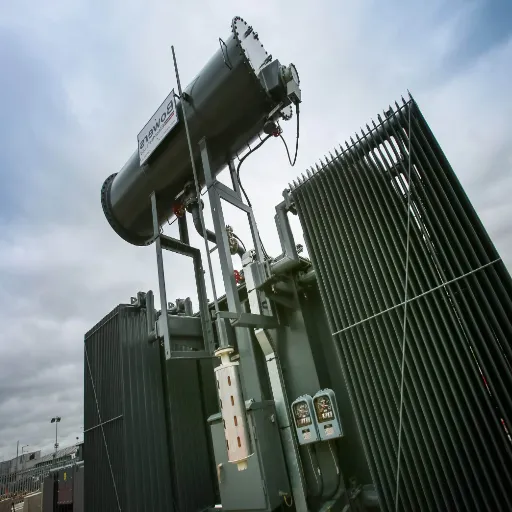
The Importance of Fire Prevention in Electrical Transformers
Transformers function as critical elements for electrical distribution networks since they enable industrial plants, business centers and residential areas to receive electricity. Transformer fires, which occur infrequently, can create dangerous situations that result in extended power outages, expensive repair work and damage to the environment, and threats to human safety. The industry statistics show that insulation failures, together with high temperatures, oil leaks, and electrical faults, cause most transformer fires that occur in the industry. The International Council on Large Electric Systems CIGRÉ conducted research that found that transformers experience ignition-related failures in about 1-2% of their operational lifetime.
Fire protection programs now utilize contemporary fire prevention technologies, which help minimize fire risks that occur during their implementation. Thermal monitoring systems enable early detection of component overheating problems, while dissolved gas analysis DGA sensors detect insulation oil deterioration. The implementation of fire monitoring systems together with fire protection systems has led to a 30-50% decrease in equipment failure rates at transformers during the past decade. The use of fire-resistant insulating fluids together with automatic fire suppression systems has successfully controlled fire damage from its initial outbreak.
Organizations need to stop transformer fires because their operational reliability depends on their ability to meet safety regulations while reaching their sustainability targets. Organizations can decrease disruption risks while protecting human safety and vital infrastructure by using modern technological solutions to tackle potential threats.
Consequences of Transformer Fire Failures
The research demonstrates that transformer fires result in annual worldwide financial losses that exceed one billion dollars because of equipment replacement needs, unanticipated operational interruptions and electrical supply disruptions. The IEEE study shows that fire incidents in transformers account for about 20 percent of all major power outages in industrial and utility power systems.
Transformer fires cause destructive impacts that result in serious environmental damage. The fire incident releases dangerous gases that contain polychlorinated biphenyls (PCBs) that will continue to contaminate the air and soil for long periods of time. Firefighters need to use water together with chemical suppressants during fire extinguishing operations, which results in environmental hazard sites that impact nearby ecosystems.
The environmental damage that results from transformer fires creates deadly fire hazards that cause both financial losses and environmental destruction. The energy released by these events has the potential to create explosions that put both workers and adjacent facilities at risk. Businesses need to implement advanced monitoring systems together with design standards and maintenance procedures for successful operational risk management.
Causes and Impacts of Transformer Fires
Transformer fires primarily happen because of electrical failures and thermal overload and mechanical failures, and insulation material breakdown. The latest studies demonstrate that electrical faults, which include short circuits and partial discharges, create a significant fire danger. Transformers enter thermal overload when they operate beyond their design limits, which results in excessive heat production that destroys the equipment. Aging and environmental damage lead to insulation breakdown, which increases system failure risk.
Industry studies demonstrate that transformer fires create conditions that endanger equipment safety. Electrical malfunctions account for approximately 70% of transformer failures which result in catastrophic fires for about 15% of these incidents. The downtime from transformer incidents results in businesses losing millions of dollars every year. An unplanned transformer fire outage in an industrial facility results in financial losses that vary from $1 million to $5 million based on the duration and scale of the operational disruption.
Environmental consequences raise serious concerns. The International Association for Fire Safety Science report shows that transformer oil fires release dangerous gases while burning transformer oil, which functions as a cooling and insulation material, and leads to soil and water contamination. Organizations need dissolved gas analysis (DGA) sensors and predictive maintenance software to use advanced technologies, which help them decrease failure rates while improving system operational performance. The tools enable operators to find early warning signs which include gas buildups inside the transformer, and this allows them to handle situations before fires start.
Preventative Measures for Transformer Fire Safety

Routine Maintenance Practices
The main purpose of normal maintenance work is to protect transformers from fire hazards while reducing equipment failure chances. The combination of regular inspections together with cleaning and servicing equipment for bushings and cooling systems, and seals enables operators to monitor equipment deterioration. The current industry data shows that transformers that maintain their maintenance records are 30% less likely to experience critical failures than transformers that undergo maintenance without established inspection schedules.
The usage of advanced diagnostic methods, which include infrared thermography and dissolved gas analysis (DGA), has become essential. The method of infrared thermography detects hotspots, which result from loose connections or equipment overloads, while DGA provides information about transformer oil chemical stability through gas buildup detection of hydrogen and methane gases. Engineers use DGA monitoring to predict equipment failures with 70% improved accuracy compared to traditional methods which help them conduct maintenance that protects against significant breakdowns.
Transformers achieve longer operational lifespans through proper maintenance of cooling systems and effective control of environmental factors, which include humidity and contamination. The maintenance documentation process, which includes recording all maintenance tasks together with maintenance analysis, helps organizations to establish preemptive safety measures that enhance the operational reliability of high-voltage systems.
Thermal Monitoring and Early Detection
The operational reliability and system health of transformers need thermal monitoring as an essential requirement. The presence of excessive heat serves as an initial warning indicator, which points to various critical problems that include insulation breakdown and core system failures, and overloading conditions. The operators use advanced thermal imaging devices and sensors to track the temperature of essential system components, which include windings and cores, and cooling systems. The research results show that transformer insulation life decreases by 50% when operating temperature increases by 10°C because early detection and maintenance work become essential for operation.
The introduction of infrared thermal cameras and fiber optic temperature sensors has transformed thermal monitoring through their ability to deliver precise, real-time temperature measurements. The systems have the capability to detect temperature irregularities at specific locations, which enables maintenance teams to fix issues before they develop into critical system breakdowns. The research findings demonstrate that organizations that implement both thermal monitoring and data analytics together with machine learning algorithms achieve fault prediction accuracy levels that reach up to 85% and experience reduced equipment downtime and decreased repair expenses.
The implementation of effective thermal management procedures through ventilation system upgrades and enhanced coolant circulation and component replacement will result in extended transformer operational life. The combination of predictive tools with thermal data enables industries to establish proactive maintenance systems that protect system performance and prevent unexpected equipment breakdowns.
Ensuring Proper Ventilation
The proper airflow system delivers essential support to transformers because it enables them to achieve their maximum operating capacity and increases their lifespan. The system requires proper airflow because it protects against overheating by extracting operational heat which enables the system to function at its full capacity. Research shows that transformers that operate at their best temperature range can achieve up to 20% longer operating life. The IEEE Transformer Standard C57.91 states that every 10°C increase beyond the designated hotspot temperature results in a 50% decrease in transformer insulation lifespan.
The effective implementation of ventilation systems requires the establishment of better airflow systems around transformer equipment and the maintenance of open ventilation paths, which can become blocked by particles and debris. The installation of exhaust fans and louvers has demonstrated success in enhancing heat dissipation through their use as cooling solutions. Organizations now use sensors together with IoT-enabled monitoring devices to observe temperature and airflow levels, which enables them to make real-time modifications when system faults appear.
The cooling methods for transformers depend on the specific operating conditions which determine whether natural or forced-air cooling systems will be used. The combination of forced-air cooling with carefully located fans enables high-capacity transformers to achieve significant thermal hotspot reduction. The research demonstrates that active cooling methods combined with predictive maintenance tools can decrease thermal equipment failures by 30%.
Industrial organizations that want to achieve energy-efficient transformer operation should establish correct ventilation systems which technological advancements support, because this system will reduce their risk of transformer overheating and operational failures.
Effective Response Strategies for Fire Incidents
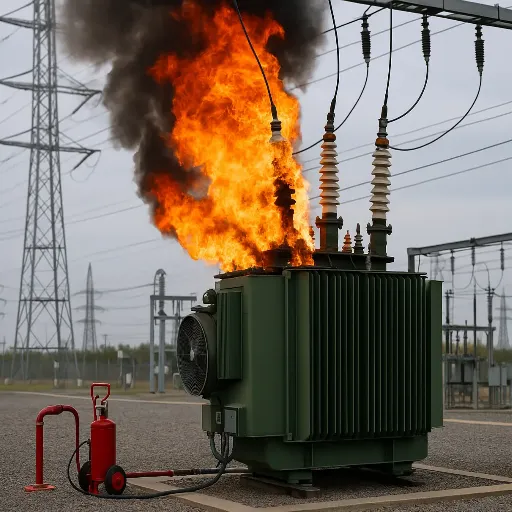
Immediate Steps to Handle Transformer Fires
The first response to a transformer fire needs to activate necessary emergency procedures that protect facilities and public safety while stopping the fire from spreading. Recent data shows that transformer fires generate major industrial fire incidents, which occur because of three common reasons: overheating, electrical faults and insulation failure. Emergencies require responders to follow these essential steps.
- Power Supply Isolation: The transformer needs to be disconnected from the power grid to stop any further electrical hazards. This step is necessary to stop electricity from flowing while we find and fix the problem.
- Fire Suppression System Deployment: Modern transformers are equipped with built-in fire suppression systems, which include nitrogen injection and water spray systems. The systems should be activated immediately to halt the fire while decreasing temperature levels.
- Evacuation and Safety Measures: All personnel must leave the area immediately while safety boundaries should be established. This procedure minimizes explosion dangers while protecting people from hazardous gas emissions.
- Use of Appropriate Extinguishing Media: The correct extinguishing agent needs to be selected for oil-filled transformers because water will make the situation worse, according to dry chemical powder and CO2 extinguishing agents.
- Contacting Emergency Services: The fire departments and emergency response teams should be notified without delay because this step ensures that professional help will be sent to handle the situation. Modern predictive tools can now alert emergency services instantaneously when a fire is detected.
Recent studies show that facilities with advanced fire detection systems achieved 40% faster response times, which resulted in significant reductions of operational losses. The probability of incidents occurring can be decreased through proper training of transformer operators and through regular testing of fire suppression equipment.
Overview of Fire Suppression Systems
Current safety requirements need fire suppression systems because their ability to detect and extinguish fires protects both property and human life. The systems encompass different types, which include water sprinkler systems, gas suppression systems and foam-based fire suppression systems. Water-based systems have established themselves as the most common fire protection system because they maintain operational status in more than 90 percent of worldwide installations through their proven dependability and economical implementation.
The operational capabilities of fire suppression systems become evident through testing results. The NFPA National Fire Protection Association report shows that sprinklers achieved a success rate of 96 percent during structural fires when they received proper maintenance and operational procedures. Smart sensors and cloud-based monitoring systems represent technological advancements that enable rapid fire detection and precise fire source identification.
Modern gas suppression systems utilize clean agents such as FM-200 and CO2 to protect sensitive equipment in data centers and archival storage facilities. Research shows these systems achieve fire containment within 10 seconds after activation, which results in a considerable reduction of equipment damage and operational downtime. The aviation and petrochemical industries demonstrate increasing usage of foam-based systems because these systems successfully extinguish flammable liquid fires.
The development of future solutions will combine AI-based detection systems with IoT-connected fire suppression systems to enhance fire prevention and emergency management. The study results from leading research institutions show that predictive models that use real-time data analysis can reduce fire incidents by 30 percent because they identify high-risk fire situations. Businesses can use these technologies to implement new operational processes.
Emergency Protocols and Procedures
The emergency protocols and procedures require effective operation because they protect people during emergencies while enabling rapid emergency response through organized emergency response efforts. FEMA reports that companies that develop and implement emergency response plans experience 75 percent higher disaster recovery rates than those without such plans. Organizations need to establish safe emergency plans that include complete risk assessments and evacuation procedures, visible exit routes and dedicated emergency meeting points that protect all workers from harm.
Organizations that implement technological solutions to handle their operational processes demonstrate the process improvements these solutions produce for their operational efficiency. The emergency response systems, which use AI technology to detect emergencies, deliver emergency alerts and response procedures to users, while mobile applications enable employees to retrieve emergency response plans without delay. The 2023 Deloitte study results show that companies that implemented advanced digital emergency management tools experienced a 40 percent faster emergency response time, which resulted in decreased potential damages and injuries.
Organizations need to conduct ongoing training sessions and practice drills to maintain operational readiness. The Occupational Safety and Health Administration (OSHA) studies show that workplaces that perform at least three emergency practice drills each year achieve 25 percent lower emergency incident loss rates compared to workplaces that do not conduct drills. Organizations can achieve effective emergency protocols through the combination of traditional methods and advanced technologies which provide complete emergency solutions that meet current requirements.
Regulatory Standards and Compliance Requirements

Key Regulations Governing Transformer Fire Safety
The safety standards for transformer operations face protection from multiple international and regional safety standards that protect against operational hazards. The NFPA 850 – Recommended Practice for Fire Protection for Electric Generating Plants and High Voltage Direct Current Converter Stations stands as the most recognized standard among existing standards. The standard establishes standards that power sector facilities must follow to establish their fire detection systems, their fire suppression systems and their emergency response procedures.
The IEC 61936-1 regulation establishes safety standards that apply to high-voltage equipment used in transformer stations and other installations. The IEC requires transformers to maintain proper spacing between them while using fire-resistant walls and containment basins to stop oil fires from spreading.
The recent data demonstrates that organizations need to follow rules. A 2023 industry report showed that power facilities that implemented NFPA and IEC standards showed a 30% decrease in transformer fire incidents when compared to facilities that did not have effective fire protection systems. The development of smart monitoring systems produced effective outcomes because their predictive maintenance systems decreased transformer failures by 40%.
The National Electricity Safety Code (NESC) in the United States and the European ATEX directives function as important regional regulations that establish safety standards. The standards use demanding design requirements and inspection requirements to guarantee safety in areas where explosive materials might be present.
The combination of advanced technologies, which include thermal imaging cameras and IoT sensors, and automated fire suppression systems, enables organizations to meet regulatory requirements better while protecting their assets, improving worker safety and reducing emergency response times.
Compliance with NFPA Standards
The National Fire Protection Association (NFPA) establishes fire prevention standards that are accepted throughout the world, together with safety standards and hazardous area risk management practices. The NFPA standards, which include NFPA 70 National Electric Code and NFPA 496 Standards for Purged and Pressurized Enclosures for Electrical Equipment, become essential requirements for companies that work with hazardous materials. The United States uses NFPA 70, which protects against explosion danger from flammable gases and dust to provide safe electrical installation guidelines for all electrical systems.
The recent advancements demonstrate that organizations must follow these standards to achieve success. The report states that industrial fires and explosions caused damages worth $1.3 billion across the United States in 2021 because companies failed to implement safety regulations or they used outdated safety equipment. The implementation of NFPA standards together with advanced fire suppression systems and real-time IoT-based hazard monitoring technologies has demonstrated successful results in risk reduction and asset protection through these methods.
The use of cloud-connected IoT sensors has achieved a 30% decrease in incident response times, which results in less dangerous hazardous leaks and potential explosions. The NFPA-compliant automated fire suppression systems have successfully extinguished more than 95% of fires during their initial stages, which has safeguarded both infrastructure and personnel.
The data demonstrates that organizations must educate their employees about NFPA standards while they implement these standards into their daily operations to guarantee maximum safety and complete regulatory compliance.
Impact of Regulatory Standards on Fire Protection Systems
The operational efficiency and system reliability of fire protection systems depend on regulatory standards because these standards measure their performance. The National Fire Protection Association, together with ISO and local authorities establish complete fire safety guidelines that organizations must follow to achieve high-quality fire protection results. Studies show that when people follow these standards, their chances of dying in fires and experiencing property loss decrease. According to NFPA data, buildings that use fire sprinkler systems according to regulations experience 87% fewer fire-related deaths and 68% less damage to their buildings.
The standards require organizations to adopt advanced technologies, which include cloud-based monitoring and Internet of Things (IoT) sensors, to improve their fire detection capabilities and emergency response times. The global smart fire protection systems market will grow from $18.7 billion in 2022 to $28.2 billion by 2027, according to a 2023 report by MarketsandMarkets, because regulatory requirements will drive market growth. The updated NFPA 72 guidelines for fire alarm systems in manufacturing facilities and commercial buildings reduce emergency response times by approximately 30%, according to research findings.
The research results show that fire protection systems must now operate according to existing regulatory standards. Businesses that put regulatory compliance first protect their employees and property while decreasing their chances of facing legal complications. Organizations can create stronger infrastructure systems when they track changing standards and use cutting-edge safety technology, which will help them achieve global fire prevention goals.
Reference Sources
-
“A study on the application of bushings fire prevent structure to prevent fire spread of transformer”
This study examines the structural components of transformers, such as bushings and insulating oil, and their role in preventing fire spread.
Source Link -
“Development of real-scale transformer fire test technology and evaluation of a solid aerosol-based fire suppression system”
This research focuses on real-scale transformer fire simulations and evaluates the effectiveness of solid aerosol-based fire suppression systems.
Source Link
Frequently Asked Questions (FAQs)
What are the main causes of transformer fires?
Transformer facilities experience fires because equipment malfunctions, insulation fails, and short circuits occur and power systems become overloaded, and lightning strikes and intentional destruction by people take place. The system enters a higher danger level because operators fail to perform adequate maintenance while excessive heat degrades system components.
How can we stop transformer fires from occurring?
The handling of transformer fires requires organizations to conduct maintenance work and supervise insulation systems while they monitor equipment for signs of extreme heat and excessive humidity. Organizations can detect impending problems through advanced technologies, which include thermal imaging and online monitoring systems. The establishment of fire risk prevention strategies improves through organizations’ adherence to industry standards and regulatory requirements.
What are the main elements that make up a transformer fire suppression system?
A transformer fire suppression system typically includes components such as heat and flame detectors, water spray systems, foam suppression systems and inert gas systems. The systems are built to detect fires, which they extinguish with their equipment to protect both the equipment and nearby facilities from harm. The modern suppression systems use automated activation to provide quick emergency response capabilities.
Why is regulatory compliance essential in transformer fire safety?
Regulatory compliance ensures that fire protection systems to meet both existing safety standards and all applicable legal requirements. The regulations that businesses must follow enable them to protect their employees while decreasing fire hazards and avoiding major legal and financial penalties. The organization achieves two goals through compliance because it establishes a safety culture and promotes accountability among its members.
What new technologies exist for preventing transformer fires?
The field of transformer fire safety receives a transformative boost through the implementation of AI-powered monitoring systems and advanced thermal imaging systems, and environmentally friendly fire suppression agents. The system provides emergency response teams with firefighting tools that allow their operations to run efficiently while safeguarding environmental resources.
How can organizations build resilience against transformer fire incidents?
Organizations develop their defensive capacity through three primary methods, which involve establishing comprehensive fire safety management systems, acquiring modern fire protection technology and training personnel in emergency response processes. The organization achieves infrastructure safety and business operational stability through its use of cutting-edge safety technologies and its active monitoring of developing industry standards.