
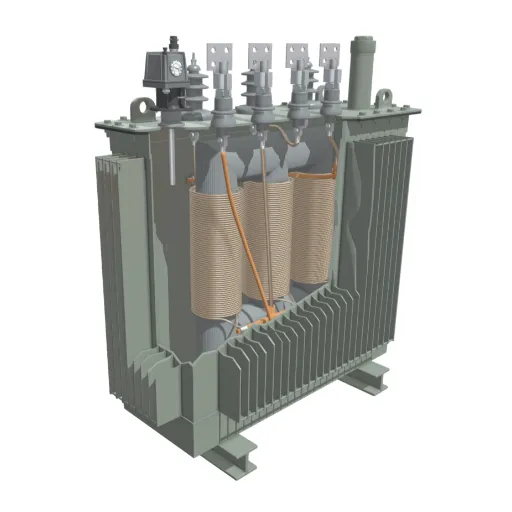
Hermetically Sealed Transformers: Benefits & Applications

Modern electrical systems depend on hermetically sealed transformers because they provide superior durability and operational efficiency and system reliability. The transformers operate in severe conditions because they stop moisture and air and external elements from entering their system. The solution provides perfect performance requirements for essential operations because it maintains its functionality even in different weather conditions. The article will discuss hermetically sealed transformers because they provide essential advantages and demonstrate special design characteristics and their effective use in various industrial applications. The complete guide helps engineers and facility managers and electrical solution enthusiasts to understand why hermetically sealed transformers have become the standard in their field.
Understanding the Hermetically Sealed Transformer
Definition and Key Features
The transformer operates under sealed conditions which prevent any air movement between its internal components and the outside atmosphere. The structure of this system prevents any moisture and harmful materials and oxygen from entering which would result in damage to the insulating oil and internal components over time. The sealed environment of the transformer system results in extended operational periods with reduced maintenance needs when compared to systems that lack sealing.
The hermetically sealed transformer system contains an airtight tank which protects its internal components through the use of an inert gas or oil. The transformers use metal or rubber expansion systems which allow their system to expand when the oil inside the transformer heats up. The transformers construction enables them to withstand hazardous environments because they maintain protection against humidity and dust and chemical exposure.
The technical features of hermetically sealed transformers provide operational benefits to industrial facilities which operate under challenging environmental conditions found in chemical plants and offshore platforms and high humidity areas. The sealed structure of the system guarantees consistent performance and dependable operation while it decreases equipment failure risks resulting from contamination that comes from outside sources. The combination of durability and adaptability and low maintenance requirements establishes hermetically sealed transformers as essential components in contemporary electrical networks.
How Hermetically Sealed Transformers Work
The operation of hermetically sealed transformers requires protection of their internal parts from outside environmental conditions which ensures that the system functions at maximum efficiency and durability. The design features a sealed tank which contains insulating fluid that functions as both a cooling and insulating material for the internal windings and core through the use of mineral oil and dielectric fluid. The sealed design of the system blocks external contaminants which include moisture and air and dust from entering the system which would impair its operational capacity.
The transformer tank needs to maintain its airtight condition because free air exchange remains absent. A hermetically sealed transformer system uses flexible components to handle thermal expansion of insulating fluid while traditional air-breathing systems need to be used. The components operate together with temperature changes to keep the seal intact while they prevent any air or moisture from entering.
The system maintains consistent performance through its entire operational range which functions effectively under extreme temperature conditions and high humidity environments. Hermetically sealed transformers require less maintenance than open-breathing systems because they reduce the chance of oxidation and degradation that occurs within insulating fluid which makes them reliable and efficient for demanding work. The critical infrastructure facilities utilize the equipment because of their durable design which enables them to maintain stable environments within their internal systems.
Differences Between Hermetically Sealed and Conservator Type Transformers
The design and operational requirements of hermetically sealed transformers and conservator type transformers show major differences throughout their maintenance procedures. The design of hermetically sealed transformers prevents any outside contact between their insulating fluid and the surrounding atmosphere because they maintain complete internal enclosure. The system needs no extra parts which operate between two points because it uses flexible corrugated walls to take care of insulating fluid volume changes that happen when temperatures rise and fall. The external conservator tank of conservator type transformers stores extra insulating fluid which operates as their primary storage system. The tank connects to the main transformer body through an opening which includes a breather for managing fluid expansion and air exchange.
The two transformers use different methods to deal with environmental conditions. Hermetically sealed transformers provide excellent defense against moisture and dust particles and atmospheric pollutants which maintain the insulation characteristics of oil while decreasing oxidation possibilities. The moisture protection system in conservator type transformers uses a silica gel breather to decrease moisture entry into the system. The system establishes effective results but it creates an opening which lets outside air enter the insulating fluid, which leads to contamination through the years, thus requiring maintenance intervals.
The low-maintenance design of hermetically sealed transformers makes them more suitable for maintenance work than most other systems. The sealed design of the system allows operators to stop replacing desiccants and checking breather functions which conservator systems require. The operating costs of conservator type transformers become more affordable because they perform better in environments which do not require intense operation. The choice between the two ultimately depends on the specific application, environmental conditions, and long-term operational considerations.
Advantages of Hermetically Sealed Transformers
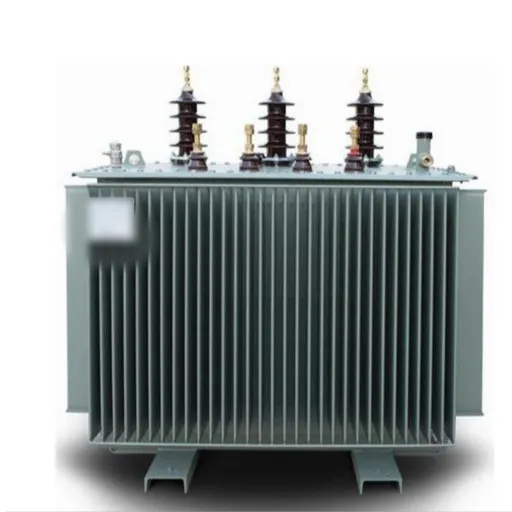
Maintenance-Free Operation
- No Need for Oil Saving Equipment: Conversely, the hermetically sealed transformer is devoid of the oil storage tanks and breather system, unlike the conservator type transformers. Consequently, there is no need to check or change the dessicants, resulting in increased effectiveness.
- Less Chance of Water Ingress: The design of the enclosure is very tight and prevents both air and moisture from getting to the transformer, which helps to maintain the insulation, and subsequently the oil.
- Extended Periods of Use Between Services: These transformers require less maintenance than conventional designs because, due to factors such as external contamination and oil oxidation, the amount of deterioration in such transformers is insignificant.
- Improved Resistance to the Surrounding Medium: Internal machinery is protected from all conceivable accommodations of the environment including acidic discharge and even climates, thanks to the airtight design which decreases the amount of maintenance lint.
- More Stable and Realible in an Active Mode: Fewer supplementary devices such as conservators and breathers make a hermetically sealed transformer less prone to failure. This enhances the entire system’s dependability and in particular, furthers the period between breakdowns or needed maintenances.
Performance in Harsh Environments
The hermetically-sealed transformers are capable of performing in very harsh operating conditions due to their strong design and the material used in making them. These transformers have five primary reasons for usefulness in adverse conditions.
- Can Withstand High Moisture Conditions: Such a type of insulation is fitted in the system where moist weather is expected since the capacity of moisture ingress is minimized, so there is no fear of degradation of the insulation.
- High and low temperature service: Hermetic transformers are able to operate in various temperatures which range from below freezing to high temperatures. They can operate in a temperature range of -40°C to +50°C without malfunctioning.
- Salt-Mist corrosion protection: These types of transformers are designed for offshore or marine applications prolonged exposure to salty air causes corrosion, hence this unwanted effect is eliminated by enclosing their working parts in corrosion resistance coating and materials.
- Able to withstand Sand and Dust: The hermetic construction shall prevent dust, sand and any other harmful particles from entering the system. There will be no chance of the particles hindering the operability up to the dusty desert or contaminated industrial air environment.
- Operating in Chemically Resistant Conditions: Enhanced transformers of the hermetic sealing are tolerant in corrosive atmospheres and do not incur damages or destruction of the content within short periods of time when subjected to such harsh environments.
With transformers possessing these factors, hermetically sealed transformer find uses in various industries working in hostile environment and include platforms, arctic base and desert substation.
Sealed Design Benefits
The hermetically sealed transformer is certainly a good option due to its nonreversible and specially designed structure. This because they guaranteeparticularly as regards performance stability, endurance and effectiveness in harsh applications. In this regard, there are five key points which I will highlight and these are:
- Improved Defense Against Water: These kinds of transformers are effective in re-circulating water intake through their closed systems thus preventing water exposure to dangerous parts and it’s contents that will cause insulation failure and enable operation in excess moisture conditions.
- It Reduces Maintenance Cost: With this kind of enclosure, oil sampling and routine replacement of oil is unnecessary, since the oil involved in service with the transformer does not get vaporized with contaminants, The maintenance eradication reduces the cost of running the device over the period of its activity.
- Greater Capacity to Endure Changes on Surrouding Elements: Sealed transformers are resistant to environmental factors such as high or low temperatures, presence of dirt and aggressive chemicals, and therefore performs efficiently even in deserts, factories or high salinity coastlines.
- Oxidation Avoidance: The sealed structure does not allow insulating oil to come in contact with air and thus prevents oxidation and maintains quality of oil and life of transformer for longer durations.
- Reduced Possibility of Leaks: The transformer is fully enclosed and no oil should leak out to the environment which protects the environment and prevents expensive rush shut downs or repair from oil spills.
Such characteristic features illustrate how significant and capable hermetically sealed transformers are in numerous industrial and environmental applications.
Disadvantages of Hermetically Sealed Transformers
Cost Considerations
- Big Money at the Beginning: The purchase of hermetically sealed transformers can be rather costly compared to other types that do not require sealing. It is because high-pressure and non-persistent sealing materials and manufacturing methodologies are expensive and difficult to manufacture.
- Difficult Manufacturing Fail Warm: The manufacturing processes employed to make termeric sealens transformers are very complex – extending from basic welding to heightened quality management activities – which explains the higher cost of production.
- Demands Complex and Unconventional Transformers: Hermetically sealed transformers are made such that maintenance is minimized but if and when maintenance or modification is required, certain skills or paraphernalia may be available. In comparison to conventional forms of transformers, this feature may contribute to a rise in servicing costs.
- Cost of transport and installation of transformers: The movement and sitting of their sealed structure might additionally add up the expenses or complication of the processes. There is also a possibility for the employment of tools or techniques that enrich the cost of logistics.
- Changes in Material Cost: The market’s price for hermetically sealed transformers is also affected by any changes in the prices for materials used in production. The manufacture of a hermetically sealed transformer would prove quite costly due to every employing produce from environmentally tireless and weather resistant metallurgical products and paints.
Repair and Replacement Challenges
- The difficulty of Design with seal: Incorporating this design with a seal that is exclusionary to many to the area with the internal parts of the component means the system is much more complex to repair. It can be difficult to open the sealed cover since it often needs specially designed tools and sometimes an expert can do tearing it apart so as to avoid further breakage or compromise of the seal.
- Unique Maintenance Tools: Because of the lack of ventilating fans the repair methods regarding the faults in the transformer require special equipment in most cases. This type of repair may be more complex and expensive since additional tools are required when dealing with an oil filled design or some external heat removal arrangement.
- Requirements for Ecological Safety: There are many ecological safety observation concerns related to whta is involved in working with the hermetically sealed transformer , especially in cases where there is a failure leading to the leakage of insulation oil. There are international safety measures that must be adhered to through proper channels of disposal or recycling of such failure or waste.
- Long Time to Wait for Replacement Components: With another hermetically sealed transformer however, the-equipment may sustain the repair for the whole period of transformer’s operation and thus do not need replacement until the end of its life cycle. Components that require replacement, for example, bushings and windings, are most often manufactured for each particular hermetically sealed transformer. Such components take longer to procure, due to which the down-time of critical equipment increases.
- Greater Expenses Incurred In Repairs: In most cases, the costs involved in the repair works of a hermetically sealed transformer are high because of the skills, materials and dint of precision. There are failures where such returns require a complete replacement other than repairing the wear and tear that might have occurred.
Limited Cooling Options
Cooling techniques offer greater flexibility with regards to their inclusion in designs. Hermetically sealed transformers however, are designed in a manner so as not to include any openings that expose them to air from the outside. Therefore, it is not easy to cool a given design in which there is no heat conducting solid medium that comes into contact with the ambient air. Listed below are five particular challenges of cooling such hermetically sealed transformer designs:
- External Air Exclusion: The operation of hermetically sealed transformers depends largely on the component’s insulating fluid, also known as dielectric fluids, such as mineral oil or synthetic esters which transport and circulate heat round the transformer for cooling purposes. The absence of an external source of air does not allow for a possible form of additional cooling.
- Expansion of Fluid: The expansion of any fluid rising to a high temperature would cause the unit to be pressurized. Such pressure can be handled by employing any of the general practices relating to thermal stress management which involves employing certain materials and designs which might further complicate the system.
- Free Forced Air Cooling: In contrast to dry transformers, hermetically sealed transformers will not utilize air cooling fans or blowers to boost the ability to dissipate heat and therefore combines with passive heat transfer mechanisms only.
- Conduction of heat via the tank: However, the heat is mainly conducted across metallic tank walls of the transformer, limiting the extent to which the system cools itself under high loads or high temperature regimes. This is more sensitive in areas with high temperatures.
- Limited uprating: There will be an upper limit to load walk-through the transformer with the available cooling method increasing the load vector (uprating). Exceeding the selective temperature could cause the transformer to heat up, impair the insulation, or lead to electrical damage, these transformers are not suitable for managing varying load conditions.
Such issues call for careful duel phase analysis and construction in order to achieve the hermetically sealed transformer operating conditions over long periods of time.
Applications of Hermetically Sealed Transformers
Industrial Applications
The use of hermetically sealed transformer is very common in a number of industries due to its solidity in construction, environmental immunity and less upkeep among others. The five most common examples of their use in an industrial environment are:
- Oil & Gas: Offshore platforms or refineries operate in corrosive climate, moisture and extreme temperatures making the installation of standard transformers impossible necessitating the use of hermetically sealed transformers. These are more robust and safer protecting and ensuring proper working at harsher conditions. And so when it comes to offshore vessels such transformers are made to work in the ranges of -25°C to 40°C and still be efficient.
- Renewable Energy Systems: Irrespective of the type of renewable energy that is installed, whether wind turbines or solar panels, these transformers prove to be very significant given the natural conditions that are faced in the course of using them. Being hermetic, moisture does not ingress, neither does dust, adding to the life and performance of the device. It has been found that, the need of maintenance is 20 percent less than conventional ones used in such cases.
- Chemical and Pharmaceutical Fields: Chemically aggressive media and vapors do not damage hermetic transformers, which makes them very suitable for them. They are contamination-free in operations where safety is required and also adhere to the proper rotation of an EX fan as required by the ATEX and IECEx standards.
- Underground Mining: Due to the austere nature of the terrains where miners perform their craft, the equipment used must be able to withstand substantial amounts of dust, vibration, and extreme temperature variations. Hermetically sealed transformers, specifically developed for application under this condition, can sustain the challenging environment surpassing 20 years of usage at a temperature range of minus 30°C to 50°C.
- Data Centers: In some of the most sensitive infrastructure areas such as data centers, the use of hermetically sealed transformer type is critical to ensure power outages are avoided. These transformers reduce noise and are space-efficient, increasing the general energy utilization while coming to terms with the thermal issues of space constraints.
Hence, it can be said that the importance of hermetically sealed number of transformers in these sectors is invaluable as they provide more long term cost saving benefits and firmness in operations.
Commercial Applications
A hermetically sealed transformer is extensively used in almost every industry due to its robustness, efficiency and flexibility of operating as per the required conditions. Most conventional commercial transformers get their maximum lifespan in only few applications. Below are five major illustrations of its wide ranging industrial application:
- Solar Power System: A hermetically sealed transformer is indispensable owing to its use in the wind and solar farms which in turn means less losses while transporting energy. With added environmental protection measures, these transformers sustain longer and more severe conditions for energy supply especially in areas with no access to the grid. They last quite long even on grueling field conditions.
- Information Technology Facilities and Relationships: The interference free working of these transformers in the data centers is vital as these consume more nimh that is better noise and space control than the transformers used in generations of the past. Research shows however that they may be even more energy efficient reducing operating costs as much as 12% thus making high – performance data centers more sustainable.
- Trains Electrification: Hermetically-sealed transformers are employed in internal & external regional and urban railway fixed installations to run the relevant systems. Safe as they are reliable, high loading is readily achievable, making public transport systems more serviceable.
- Commercial Buildings: Today’s commercial applications and in particular high-rise buildings as well as shopping centers apply hermetically sealed transformers for compressed and high maintenance energy supply. Consequently these buildings have energy management and safety that are cost and operationally efficient.
- Industrial Manufacturing: These transformers are in use on plant floors, machinery, and production run powered by them. Their structuring resists foreign matter and moisture allowing one to work in such a tough manufacturing location without incurring breakdowns and maintenance expenses.
All these use cases show how important hermetically sealed transformer is in many of the commercial sectors both from the performance and the environmental perspectives.
Usage in Renewable Energy Systems
Sealed transformers are the most important part of renewable systems as factors such as reliability, eco-consciousness, and efficiency play a role. An advantage of their design allows them to operate in a renewable energy system efficiently regardless of the harshness of the environment such as excessive heat or moisture. The following is a list of five specific uses of hermetically sealed transformersin renewable sources:
- Wind Turbines: Transformers are applied in wind Turbines to step-up or step-down voltage levels efficiently for transferring the electricity generated by the turbines to the power grid. The enclosure also helps them to resist damage from the ocean or desert environments in the wind farms or desert regions as those facilities are commonly situated. Wind farms such as those found in the sea, usually experience more heavily salted conditions compared to others say for instance located on the shore, hence hermetically sealed systems are indispensable.
- Solar Power Plants: Within solar energy promoting areas, hermetically sealed transformer are also available for voltage transformers which allows collectors to change production from measured stand – ups and placed in the – grid. The above mentioned transformers don’t require much care as they are able to work in open air or even severe dust areas. In line with industrial publications, the use of transformers in transforming solar energy into dependable electrical energy is very useful because of the extreme temperature capability of the transformers.
- Hydropower Stations: Such transformers find application at hydropower installations in order to withdraw power from turbines and supply them to the land facilities. The limited amount of openings keeps the water inside the transformer, which is clearly important for a transformer used on damp areas or areas with much water vapor. Subtractively concludes that the use of hermetically sealed system increases the life of a transformer system forty percent in such an environment.
- Energy Storage Systems: The need for reliable energy supply to renewable energy solutions is made possible in part through BESS and the transformers in question facilitate energy transfers between the various storage units and the distribution network. As in the case of remote or off-grid power supplies, insulation from environmental contaminants allows the equipment to operate safely and continuously.
- Geothermal Power Plants: Geothermal systems are usually found in regions with elevated levels of geothermal activity as well as the gases that are highly corrosive in nature. Hermetically sealed transformers remain secure in such environments and this offers protection in these regard. There is evidence that geothermal systems which possess sealed transformers experience maintenance cost reductions of up to 20%.
Such specific usage examples illustrate not only the inevitable significance of employing hermetically sealed transformers to help address renewable energy infrastructure issues, but also reflect the sustainable development principles built into all modern energy systems which ensure that these systems remain efficient, long lasting and are place-friendly.
Maintenance Considerations for Hermetically Sealed Transformers

Routine Inspection Guidelines
To enhance performance and improve the useful life of any hermetically sealed transformer, regular monitoring and inspection need to be carried out. The following maintenance routine needs to be adhered to:
- Visual Examination: Assess the transformer tank for possible mechanical distortions/deformations, looking out for corrosion and deformation. Ensure that all seals such as gaskets are present without any leakages in the oil, and especially none in the transformer oil.
- Checking the Oil Level: Utilize the external oil level gauge to check where the current oil level stands. A drastic change in the oil level can be an indication that the seals are compromised. Also, it may be that the internals are overheating and the situation should be resolved.
- Temperature Measurement: Check the surface temperature of the transformer using infrared thermal imaging, to detect any hotspots. Abnormal temperature elevations could be a sign of overloading or broken parts inside the equipment.
- Breather and Oil Deficiency: In transformers fitted with silica gel dried air breathers, check if the desiccant is exhausted and needs a change. For hermetically sealed transformer there will be no need because the pressure requirements remain unchanged.
- Composition of the Dielectric: This requires periodic examination of the oil to analyse the breakdown voltage, water content and composition of the gas phase. In the event of an increase in these gases during the lifecycle of the transformer may suggest arcing or heating of the transformer.
- Routine Electrical Tests: Routine electrical testing should be carried out to include test of winding resistance, insulation resistance, and ratio test of transformer turns test (TTR). These tests allow gathering information concerning the deterioration of windings and of the core (before the eligibility).
- Assess Pressure-Relief Devices: The appliances of the used pressure relievers need to be checked and tested for proper operation in the event of a pressure surge in order to protect the equipment and personnel present.
These detailed guidelines assist operators in early diagnosis of potential problems and maintenance of the transformer in optimum condition which in turn minimizes downtime directly and indirectly ensures the enabling of renewable energy systems in their pure properly functioning form.
Long-Term Care Strategies
Coming up with strong strategies for dealing with the issue of transformers in the long-run requires attention to both an appropriate maintenance approach and technological enhancements. One prominent feature is the adoption of predictive analytics systems that use not only past activities but also indicators from sensors for checking or predicting possible breakdowns. This way, it is easy to make certain interventions that are geared towards particular problems even before they occur or develop such problems to a large degree, and this helps in lowering the number and cost of such problems.
In addition, it is important to perform a periodic preventive test on the state of insulation systems of the various parts of a transformer with the use of advanced instrumentation such as partial discharge test. This is because one of the major causes of the deterioration of equipment remains the wear and tear of insulation which without early treatment end up significantly curtailing life expectancy operations. In each case, the systematic drainage of oil from the hermetically sealed transformer takes place, where such a preventer may cause the oil splashing or the oil likeliness from turning murky.
To boost the lifetime of the equipment, installation of remote monitoring facilities like temperature, gas concentrations and load management can be adapted to let these key variables be automatically tracked. Thanks to automatic alerts which are generated during such instances, quick action can be taken, thus preventing deadly resolution of any situation.
To conclude, integrating a maintenance regime which stipulates timelines for tasks such as oil sample collection, bushing inspection and condition monitoring of the cooling unit away from the sources of power is essential. It enables systems to function optimally under different forms of stress. Melding advanced technology and strict care guidelines, on the other hand, can deliver sustained durability aimed at ensuring more steady energy systems.
References
-
Gas Insulated Transformers (GYTs)
This paper discusses traditional oil-insulated transformers, including hermetically sealed designs and their operational benefits. -
Green Transformer Design
This document explores innovative hermetically sealed tank designs and their impact on transformer insulation life. -
TNB Approach on Managing Asset Retirement for Distribution Transformers
This paper highlights the use of hermetically sealed designs in oil-immersed distribution transformers. - Click here to read more.
Frequently Asked Questions (FAQ)
Q: Briefly describe a hermetically sealed transformer and how it can be distinguished from a transformer with a conservator.
A: The term ‘hermetically sealed transformer’ refers to an electrical transformer, the main tank of which and oil tank are fabricated in such a way as to provide a completely submerged or hermetical construction. They are contrasted with a conservator type transformers that feature an expansion tank or a conservator, to allow for the oil expansion, as well as some form of a breather to supposedly restrict the moisture one can every know them moisture bags to the minimum level possible. Otherwise, it is a self contained transformer comprising either a small bellow or, in some cases a top layer of nitrogen, to allow for oil. Further, it provides reduced oil thus enabling the transformer to perform longer than the existence of the conservator transformers.
Q: Specify the nature of the oil used in hermetically sealed transformers with reasons.
A: The utilized type of oil changes with the application and the desired features; many transformers use mineral oil as it is quite effective when it comes to the dielectric properties and it is affordable, whereas few include high value hermetic units or special units which make use of silicone oil for better resistance to temperatures, strength and stability in temperatures or flame retardant characteristics. It does have a bearing on the quantity of the oil, the power losses, cooling the heat and the lifespan of the transformer. The choice should be guided by the power density (measured in kVA), the electrical parameters and whether non-combustible fluids are needed (for example, in aviation and hospital equipment, they are necessary).
Q: Of all transformers enclosing electrical equipment included in transformers, which one ensures that it can be used for a longer period without the probability of using maintenance?
A: Keeping the transformer locked and sealed, helps in preventing air and moisture from getting to the transformer hence reducing the chances of corrosion or contamination of the oil hence increasing the lifespan of the transformer. Topping of oil as well as breather maintenance as in gland transformers is not necessary due to the sealing of the main tank. Nonetheless for proper evaluation of the status of the transformer in terms of presence of any internal insulation failure, it is proposed that oil sampling for the purposes of analysis and also checking pressure relief and braking the seal certifications are also necessary.
Q: For high and distribution level transformers, is a hermetically sealed transformer an option?
A: Yes. Hermetic transformers, better known as hermetically sealed transformers, have a diverse range of applicability, right from distribution transformers to high-voltage ones. Distribution transformers and almost all roles of power distribution, as hermetically designed transformers, provide operation that is free from maintenance or very minimal in maintenance. The challenges of oil volume, heat dissipation and thermal losses are well understood for the high voltage transformers and those with large kVA ratings. The scales at which electric transformers are safely operated and quickly performed frequently require the incorporation of standard such as IEC.
Q: In what way is the expansion of oil accommodated by the hermetically sealed transformer rather than an expansion tank?
A: Oil expansion in hermetic units is regulated primarily through the presence of a bladder or bellows, or through a nitrogen cushion. Pressure relief devices, proffered for use within the trade, are most commonly selecting the compounds of the hundreds of the order of 0.5 bar to provide protection of transformer against any breakage that may occur while maintaining internal pressure. Allowing no leakage of the oil and prevention of the ingress of moisture or dirt can be achieved by these techniques.
Q: Why use silicone oil as insulation medium in hermetically sealed transformers and what are shortcomings of insulating using silicone oil instead of conventional mineral oil in hermetically sealed transformer transformers抯?
A: Silicone oil ensures more heat resistivity, and can optimize operation and strength as well as thermal resistance and fire retarding in some overly packed cases—like aerospace and internal medical or non-medical applications, although mineral oil is used most times as it offers high electric insulation properties and is affordable as well as readily available in many transformers. The downside of silicone oil is that it is more expensive and may have material-gasket interference in the hermetically sealed main tank of the transformer. The behavior and analysis of dielectric fluids also changes
Q: Which tests and what monitoring are necessary in a particular transformer case, the hermetically sealed transformer?
A: Some recommended practices are periodic analysis of oil condition and contaminants including moisture and acidity; tests performed on the electrical and insulation aspects; thermal scanning for monitoring the heat distribution and any excessive heating on the laminations; and control of possible pressure relief or bu impression integrity. Hermetic transformers being contamination free impede external alterations, and any reduction in urine generally signifies an alteration and decrease in fibril integrity, hence the importance of performing a painful analysis. Generally for approval and ongoing testing, she prefers following IEC standards for testing.
Q: Which safety, environmental or fire aspects does a hermetically sealed transformer affect?
A: The risk of oil spillage is lowered and the chance that the dielectric liquid can be oxidized is decreased by hermetically sealed transformers. This in turn leads to less oxidation and slower degradation of oil. In addition, the use of non-flammable dielectric fluids or silicone oils minimizes the chances of fire risks that may occur in sensitive and confined places. But even sealed systems include the suitable pressure relief valves and the appropriate venting dimensions if the kVA and losses are going to be within the stipulated limits in order to avoid excessive pressure or temperatures that may lead to safety concerns.
Q: What requirements are indispensable for ease and proper utilization of hermetically sealed transformer when considering models for purchase?
A: First, ensure that the power rating (kVA) is appropriate, and that the unit is suitable for the type of oil and intended electrical loads. Understand performance expectations, especially the expected temperature characteristics (and the consequent bleeding of the heat assumption) of the system. Transformations with hermetically sealed transformer a provide full oil protection capability, reliable to installations allowed by IEC and other standards. There are those devices which fit in better with the installations involved whereby a conservator transformer will be required instead. Think of the maintenance schedule, the frequency of oil analysis and likelihood of breaking the seal, and such special considerations as high voltage insulation, lamination efficiency, and coorporation in areas such as aerospace and medical industries whereby certain types of dielectric insulating fluids are a must.