
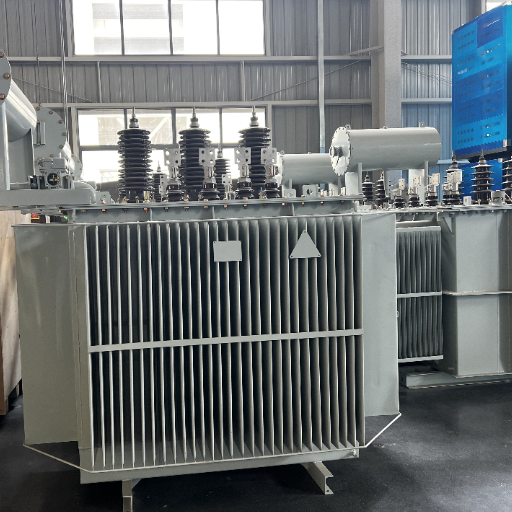
Transformer Cooling Classes ONAN ONAF OFAF: A Procurement and Selection Guide

Transformer cooling classes ONAN ONAF OFAF determine how much continuous power a transformer can deliver, how much it costs, and how long it lasts. A substation designer in Texas specified ONAN for a 20 MVA unit in a 45 degrees Celsius ambient environment. The transformer derated to 16 MVA. A 12,000 dollar ONAF upgrade would have delivered full capacity.
Engineers know these cooling classes exist. Matching them to real operating conditions is where most procurement decisions go wrong. The cooling class you specify affects not just first cost but 30 years of operating flexibility, maintenance burden, and thermal stress on insulation.
This guide decodes IEC 60076-2 cooling codes, compares capacity and cost across ONAN, ONAF, and OFAF systems, and provides a selection framework you can use at the procurement stage. Whether you are specifying a new unit or evaluating an upgrade, you’ll leave with clear criteria for the right cooling class.
Key Takeaways
- ONAN is the silent, maintenance-free baseline. ONAF adds 25 to 33 percent capacity with fans. OFAF adds 50 to 67 percent with pumps plus fans.
- A dual-rated ONAN/ONAF transformer costs only 5 to 10 percent more than ONAN alone but provides up to 33 percent more operational flexibility.
- For every 1 degree Celsius above 40 degrees Celsius ambient, derate ONAN units by approximately 1 to 1.5 percent.
- ONAN-to-ONAF retrofit costs 8,000 to 25,000 dollars. Specifying dual-rated at procurement is almost always cheaper.
- Factory build quality in radiator design and fan staging controls directly affects long-term cooling performance.
For a more in-depth understanding of power transformers, (please refer to our complete guide to power transformers.)
How Transformer Cooling Classes Work
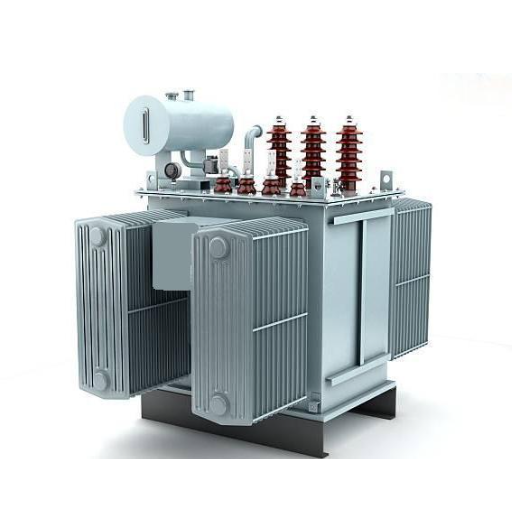
Transformer cooling classes are defined by IEC 60076-2, the international standard for power transformer cooling. The system uses a four-letter code that describes how heat moves from the windings to the surrounding air.
The IEC 60076-2 Four-Letter Code
Each letter in the code represents a stage in the cooling pathway:
| Position | Letter | Meaning |
|---|---|---|
| 1st | O or K | O = Oil (mineral or synthetic); K = Insulating liquid with fire point above 300 degrees Celsius |
| 2nd | N or F | N = Natural flow (thermosiphon); F = Forced flow (pump-driven) |
| 3rd | A or W | A = Air (external cooling medium); W = Water |
| 4th | N or F | N = Natural air movement; F = Forced air movement (fans) |
ONAN means Oil Natural, Air Natural. No pumps. No fans. Heat rises through the oil by thermosiphon, and air moves naturally across the radiators.
ONAF means Oil Natural, Air Forced. The oil still circulates by thermosiphon, but fans force air across the radiators to increase heat rejection.
OFAF means Oil Forced, Air Forced. Pumps circulate the oil, and fans force the air. Both media are actively driven.
Internal vs External Cooling Pathways
The first two letters narrate the internal cooling path (this explains whereas the heat comes out of the windings). The final two letters narrate the external cooling bath (this explains whereas the heat or heat comes out of the tank) molecules.
Internal cooling vulnerabilities dominate, whereas oil flow is extremely limited to remove and remove the heat fast; this isn’t OFAF to give the biggest cooling increase.
The difference between natural convection and forced convection is what separates ONAN from ONAF and OFAF.
If you are evaluating an oil immersed transformer for a substation or industrial project, understanding these codes is the first step to matching the cooling system to your load profile.
ONAN vs ONAF vs OFAF Explained
Each of these transformer cooling classes ONAN ONAF OFAF trades off capacity, complexity, cost, and reliability differently. The right choice depends on how you operate, not just how much capacity you need today.
ONAN: Oil Natural, Air Natural
ONAN is the baseline. No moving parts. No electrical consumption for cooling. No maintenance on fans or pumps.
Heat generated in the windings warms the oil. Warm oil rises naturally through vertical channels, travels to radiators mounted on the tank, and cools as ambient air passes over the fins. Cool oil sinks and returns to the bottom of the tank.
ONAN suits continuous base loads in moderate ambient temperatures. It is the most reliable cooling class because there is nothing to fail. A utility in Arizona has operated 500 ONAN distribution transformers for over 25 years with cooling-related failure rates near zero.
The tradeoff is size and capacity. An ONAN transformer needs more radiator surface area to achieve the same rating as an ONAF unit. In constrained substations or high ambient conditions, the physical footprint becomes a limiting factor.
ONAF: Oil Natural, Air Forced
ONAF adds fans to the radiator banks. When fans run, they increase air velocity across the cooling fins, dramatically improving heat transfer. The oil still circulates naturally.
The capacity boost is significant. ONAF typically delivers 25 to 33 percent more continuous kVA than ONAN with the same core and winding assembly. A 10 MVA ONAN unit becomes a 12.5 MVA unit when the fans operate.
Fans do not need to run continuously. Most ONAF transformers use thermostats that stage fan operation based on top-oil temperature or load current. At low loads, the unit runs as ONAN. At higher loads, fans activate automatically.
This dual-mode behavior makes ONAF transformer cooling popular for utilities and industrial plants with seasonal or daily load swings. A factory in Ohio runs its ONAF transformer in ONAN mode overnight when load is light, then fans engage during the production day when demand peaks.
The downsides are noise, maintenance, and power consumption. Fans add 3 to 6 dB to the sound level when running. They require periodic inspection for bearing wear and blade damage. And they draw several hundred watts, a small but measurable operating cost.
OFAF: Oil Forced, Air Forced
OFAF is the most aggressive cooling class for oil immersed transformers. Pumps circulate oil through the radiators, and fans force air across them. Both the internal and external heat transfer paths are actively enhanced.
The capacity multiplier is 50 to 67 percent above ONAN base rating. A 20 MVA ONAN unit can achieve 30 to 33 MVA with OFAF cooling.
OFAF transformer cooling is used where the highest power density is required: large generator step-up units, high-capacity substation transformers, and applications where physical size must be minimized. It is also common in transformers designed for high altitude or extreme ambient conditions where natural convection is insufficient.
The tradeoffs are more significant than ONAF. Oil pumps add a second set of moving parts, increasing maintenance requirements and failure modes. Pump seals can leak. Pump motors can fail. The control system is more complex. And the first cost is 15 to 25 percent higher than an equivalent ONAN unit.
ODAF and OFWF: Advanced Cooling Options
ODAF (Oil Directed, Air Forced) uses pumps to direct oil through specific cooling ducts inside the winding assembly, not just around the tank. This targets hot-spot temperatures more precisely and can achieve even higher capacity multipliers.
OFWF (Oil Forced, Water Forced) replaces air cooling with water-cooled heat exchangers. It is used in very large power transformers or installations where air cooling is impractical.
Both ODAF and OFWF are specialized classes beyond the scope of most procurement decisions. For standard substation and industrial applications, ONAN, ONAF, and OFAF cover the majority of use cases.
For a deeper technical breakdown of dry type and oil filled transformer selection in 2026, see our Dry Type Transformer vs Oil Filled Transformer: 2026 Selection Guide.
Cooling Class and Continuous kVA Rating
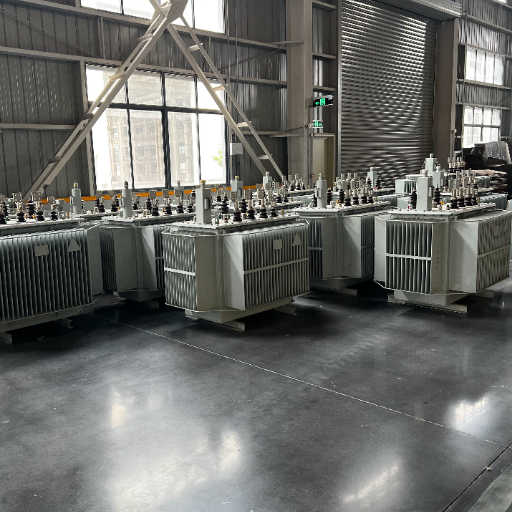
Cooling class directly determines continuous kVA output because it controls winding temperature rise above ambient. IEEE C57.12.00 and IEC 60076-2 provide standard capacity multipliers that manufacturers use to rate dual-rated and triple-rated units.
IEEE C57.12.00 Capacity Multipliers
The IEEE standard defines capacity multipliers relative to the ONAN base rating:
| Cooling Class | Capacity Multiplier | Relative to ONAN |
|---|---|---|
| ONAN | 1.0x | Base rating |
| ONAF | 1.25 – 1.33x | +25% to +33% |
| OFAF | 1.5 – 1.67x | +50% to +67% |
These multipliers assume standard ambient conditions: 40 degrees Celsius maximum ambient, 1,000 meters altitude, and normal installation clearances.
Transformer Dual Rating ONAN ONAF: Conventions and Notation
Manufacturers express transformer dual rating ONAN ONAF and triple-rated units with a slash notation:
A “10 / 12.5 MVA ONAN / ONAF” rating means:
- 10 MVA continuous with no fans running (ONAN mode)
- 12.5 MVA continuous with all fans running (ONAF mode)
A “15 / 20 / 25 MVA ONAN / ONAF / OFAF” rating means:
- 15 MVA in ONAN mode
- 20 MVA in ONAF mode
- 25 MVA in OFAF mode
The higher ratings are only available when the specified cooling equipment is operating. If fans fail on an ONAF unit, the transformer must be derated to its ONAN rating or operated within the thermal limits of natural air cooling.
Overload Capacity by Cooling Class
Cooling class also affects short-term overload capability. Transformers with forced cooling can sustain higher emergency overloads because the cooling system provides more thermal headroom.
| Cooling Class | Typical Emergency Overload | Duration |
|---|---|---|
| ONAN | 120% of rated kVA | 2 hours |
| ONAF | 140% of rated kVA | 2 hours |
| OFAF | 150% of rated kVA | 2 hours |
Overload capability matters for utilities facing summer peak demand or industrial plants starting large motors. IEEE C57.91 provides detailed loading tables that account for cooling class and ambient temperature. Specifying ONAF or OFAF provides operational flexibility that ONAN cannot match.
For a deeper technical breakdown of accurate transformer kVA and MVA rating selection methods, see our Transformer Ratings Explained: How to Select the Right kVA or MVA for Your Project.
Transformer Cooling Class Selection: How to Choose the Right ONAN, ONAF, or OFAF System
Transformer cooling class selection requires matching transformer capability to real-world operating conditions. The decision is not just about capacity; it is about reliability, lifecycle cost, and operational flexibility.
Load Profile and Variability
If your load is flat and predictable, ONAN may be sufficient. A water treatment plant running 24/7 at 75 percent load with no growth planned is a classic ONAN application.
If your load varies seasonally or daily, ONAF provides the best balance. The transformer runs silently and efficiently at light load, then boosts capacity when fans engage during peak periods.
If you need maximum capacity in a fixed footprint, OFAF is the answer. A data center substation with limited pad space and rapidly growing compute load might require OFAF to achieve the required kVA without expanding the physical installation.
Ambient Temperature and Altitude
For every 1 degree Celsius above 40 degrees Celsius design ambient, derate ONAN transformers by approximately 1 to 1.5 percent. In a 50 degrees Celsius environment, a 10 MVA ONAN unit effectively becomes an 8.5 to 9 MVA unit.
Altitude also matters. Above 1,000 meters, air density decreases, reducing natural convection efficiency. Derate by approximately 0.3 to 0.5 percent per 100 meters above 1,000 meters.
ONAF and OFAF are less sensitive to ambient and altitude derating because forced air and pumped oil compensate for reduced natural convection. In hot climates or high-altitude installations, specifying forced cooling is often cheaper than oversizing an ONAN unit.
Space and Noise Constraints
ONAN transformers require the most radiator surface area for a given rating. In urban substations or indoor vaults where space is limited, ONAF or OFAF allows higher capacity in a smaller footprint.
Noise is another consideration. ONAN units are nearly silent. ONAF fans add 3 to 6 dB when running. OFAF pumps and fans together can add 6 to 10 dB. For installations near hospitals, schools, or residential areas, noise limits may drive the decision toward ONAN or require acoustic enclosures for forced-cooling equipment.
Maintenance Access and Reliability Requirements
ONAN has the highest reliability because there are no moving parts. ONAF adds fan motors and control thermostats. OFAF adds oil pumps, flow indicators, and more complex control systems.
For remote installations with limited maintenance access, ONAN or conservative ONAF designs are preferable. A solar farm in the Nevada desert specified ONAN for its step-up transformers because fan maintenance trips are expensive and infrequent.
For urban substations with regular maintenance programs, ONAF and OFAF are practical and widely used.
Budget and Lifecycle Cost
First cost increases with cooling complexity:
| Cooling Class | First Cost Premium | Annual Maintenance | Reliability |
|---|---|---|---|
| ONAN | Base | Minimal | Highest |
| ONAF | +5% to +10% | Low (fan inspection) | High |
| OFAF | +15% to +25% | Moderate (pump + fan) | Good |
However, lifecycle cost often favors ONAF. A dual-rated ONAN/ONAF transformer costs only 5 to 10 percent more than ONAN alone but provides up to 33 percent more operational flexibility. That flexibility can delay or eliminate the need for a second transformer as load grows.
Cooling Class Procurement Best Practices
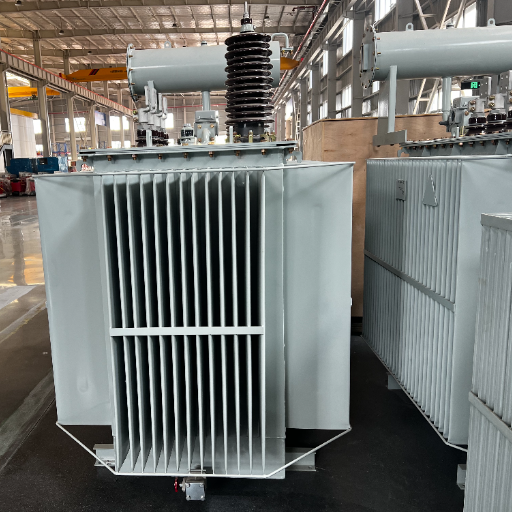
How you specify transformer cooling classes ONAN ONAF OFAF at procurement affects everything from delivery cost to 30-year operating flexibility. These practices help you get the specification right the first time.
When to Specify Dual-Rated Transformers
Specify dual-rated ONAN/ONAF transformers when:
- Load growth is expected within 10 years
- Seasonal or daily load swings exceed 20 percent
- Ambient temperature occasionally exceeds 40 degrees Celsius
- You want operational flexibility without oversizing the base unit
Dual-rated units are standard in utility procurement because they defer capital expenditure. A utility in Florida specified 15 / 20 MVA ONAN/ONAF units for a new substation. The ONAN rating handles current load. When a planned commercial development comes online in three years, the ONAF rating will accommodate the growth without replacing the transformer.
Retrofit vs Factory-Built ONAF
Existing ONAN transformers can often be upgraded to ONAF by adding fan packages to the radiator banks. Retrofit costs typically range from 8,000 to 25,000 dollars depending on transformer size, number of radiator banks, and control system complexity.
Retrofit makes sense when:
- The transformer is less than 15 years old and in good condition
- Load growth is modest (20 to 30 percent)
- The existing radiators have sufficient surface area to benefit from forced air
Factory-built dual-rated units make sense when:
- You are procuring a new transformer anyway
- The unit is critical and factory integration of controls is preferred
- You want integrated fan staging and thermostat controls from the manufacturer
Specifying dual-rated at procurement is almost always cheaper than retrofitting later. The incremental cost is small, and the factory controls are better integrated.
Fan Staging and Control Requirements
Not all ONAF controls are equal. Specify these features at procurement:
- Multi-stage fan control: Stage fans on progressively as temperature rises, not all-at-once
- Thermostat and winding temperature inputs: Control based on both top-oil and hot-spot temperature
- Automatic/manual switch: Allow operators to force fans on for testing or emergency conditions
- Loss-of-cooling alarm: Alert when fans fail or breakers trip
- Remote monitoring contacts: Integrate with SCADA for unattended substations
Factory-built fan staging controls from manufacturers with experience in your climate and application are more reliable than generic retrofit packages.
The Hidden Cost of Overspecification
Overspecifying cooling class wastes money. An industrial plant specified OFAF for a 5 MVA unit that ran at 60 percent load continuously. The pumps ran unnecessarily, consuming power and adding wear. A simple ONAN or ONAF unit would have served the application at lower first cost and lower operating cost.
Match the cooling class to the actual load profile, not to a theoretical worst case. If the worst case occurs only a few hours per year, consider whether an ONAN unit with occasional overload tolerance is more economical than continuous forced cooling.
How Factory Design Affects Cooling Performance
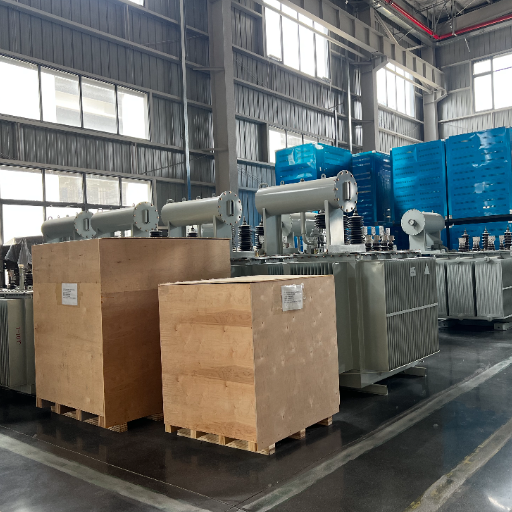
The transformer cooling classes ONAN ONAF OFAF you specify are only part of the story. Factory design quality in radiators, fans, and controls determines whether the cooling system delivers its rated performance over decades.
Radiator Design and Surface Area
Radiator effectiveness depends on fin design, tube arrangement, and total surface area. Low-quality radiators with insufficient surface area may not achieve the rated capacity boost even with fans running.
Request radiator performance data with your quotation. Reputable manufacturers provide heat rejection calculations showing that the radiator bank can achieve the specified ONAF or OFAF rating at design ambient temperature.
Fan Quality and Staging Controls
Fan quality varies significantly. Industrial-grade fans with sealed bearings, corrosion-resistant coatings, and balanced blades last longer and run quieter than budget alternatives.
Staging controls matter too. Well-designed controls start fans sequentially to avoid inrush current spikes that can trip breakers. They also provide hysteresis to prevent rapid on/off cycling that wears motors and annoys operators.
Oil Pump Reliability (OFAF)
OFAF pumps are the most maintenance-intensive component in transformer cooling. Specify pumps with:
- Mechanical seals rated for transformer oil temperatures
- Vibration monitoring or at least accessible inspection points
- Redundant pump configurations for critical applications
- Flow indicators visible to operators
Pump failure on an OFAF unit can force an immediate derate. Redundancy or rapid-response maintenance procedures are essential for critical assets.
Export Packaging for Radiator and Fan Protection
Shipping of Transformers subject them to vibrations, moisture, and general handling stress. On shipment, bent fins and other damage are most often developed in radiators and fans, in addition to moisture-related problems.
Radiator fins may be protected with an exterior shield of plywood or corrugated materials by putting severe bends onto the container while shipping. Fan motors must be bolted onto the package so they will be prevented from breaking to loose connections due to disruption from vibration. Make sure you install a small desiccant pack inside the control cabinet to absorb the moisture that gets into the space.
Assess the impact of transportation on radiators and fans before signing in the delivery receipt. Bent rad fins will result in a decreased cooling capacity. Off-balance or damaged fan blades may cause early wear on bearings.
If you are having a transformer sent to an international building project, seek out the exact standards required to protect and crate transformers from the manufacturer. Without getting into details and complexities, make sure not to compromise the efficiency of the cooling system that you have actually paid for.
Frequently Asked Questions
ONAN vs ONAF Transformer: What Is the Difference?
ONAN uses natural oil circulation and natural air flow with no moving parts. ONAF adds fans to force air across the radiators, increasing heat rejection by 25 to 33 percent. ONAF transformers cost 5 to 10 percent more but provide significant operational flexibility for variable loads.
Which cooling class offers the highest reliability?
ONAN offers the highest reliability because it has no moving parts. There are no fans, pumps, or motors to fail. ONAF and OFAF add components that require maintenance and introduce additional failure modes, though both are widely used in utility and industrial applications with good reliability records.
When should ONAF cooling be used instead of ONAN?
Specify ONAF when load varies seasonally or daily, when ambient temperatures occasionally exceed 40 degrees Celsius, when space constraints limit radiator size, or when future load growth is expected. ONAF provides 25 to 33 percent more capacity without the complexity of oil pumps.
Can an existing ONAN transformer be upgraded to ONAF?
Yes. Fan packages can be added to existing radiator banks. Retrofit costs range from 8,000 to 25,000 dollars depending on transformer size and control requirements. However, specifying dual-rated ONAN/ONAF at procurement is usually cheaper and provides better integrated controls.
Do ONAF fans run continuously?
No. Most ONAF transformers use thermostats or winding temperature sensors to stage fan operation. Fans run only when oil temperature or load current exceeds setpoints. At light loads, the transformer operates in silent ONAN mode.
How much does ambient temperature affect transformer loading?
For every 1 degree Celsius above 40 degrees Celsius design ambient, derate ONAN transformers by approximately 1 to 1.5 percent. A 10 MVA ONAN unit in 50 degrees Celsius ambient effectively becomes an 8.5 to 9 MVA unit. ONAF and OFAF are less sensitive to ambient derating.
Can transformers operate above their nameplate rating?
Yes, for short emergency periods. ONAN units can typically sustain 120 percent overload for 2 hours. ONAF units can sustain 140 percent, and OFAF units 150 percent. Continuous overload accelerates insulation aging and should be avoided.
What does a dual rating like 10/12.5 MVA ONAN/ONAF mean?
The transformer delivers 10 MVA continuously with no fans running (ONAN mode) and 12.5 MVA continuously with all fans operating (ONAF mode). The lower number is the nameplate kVA rating for natural cooling; the higher number applies only when forced cooling equipment is active.
OFAF Transformer Cooling: What Is It and When Is It Used?
OFAF means Oil Forced, Air Forced. Pumps circulate oil through the radiators, and fans force air across the cooling fins. OFAF adds 50 to 67 percent capacity above ONAN base rating but adds pump maintenance and higher first cost.
How do I choose the right transformer cooling class?
Match the cooling class to your load profile, ambient conditions, space constraints, and maintenance capabilities. Good transformer cooling class selection starts with the real operating environment, not the theoretical worst case. Use ONAN for flat, predictable loads in moderate climates. Use ONAF for variable loads or growth scenarios. Use OFAF for maximum capacity in limited space or extreme conditions.
Conclusion
Transformer cooling classes ONAN ONAF OFAF are not just technical labels. They are procurement decisions that shape operating flexibility, lifecycle cost, insulation life, and thermal aging for decades.
ONAN remains the reliable baseline for flat loads and moderate climates. ONAF delivers the best value for most utility and industrial applications by adding 25 to 33 percent capacity with modest cost and complexity. OFAF serves specialized applications where maximum power density is required.
The key procurement insight is this: specify for your real operating conditions, not your theoretical worst case. A dual-rated ONAN/ONAF transformer costs only slightly more than ONAN alone but provides years of operational headroom. Retrofit is possible but almost always more expensive than specifying dual-rated from the factory.
Request a transformer quotation with cooling class specification and ambient derating analysis from Shandong Electric Co., Ltd., a leading transformer manufacturer. Our engineering team will recommend the optimal cooling configuration for your load profile, environment, and reliability requirements.