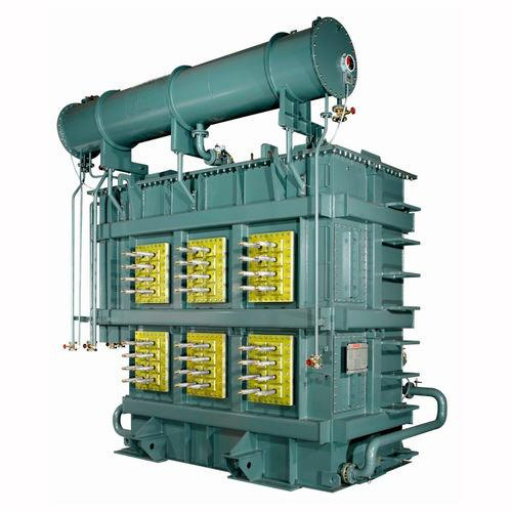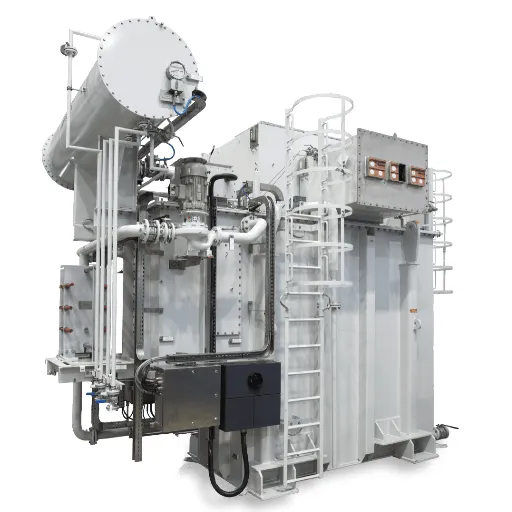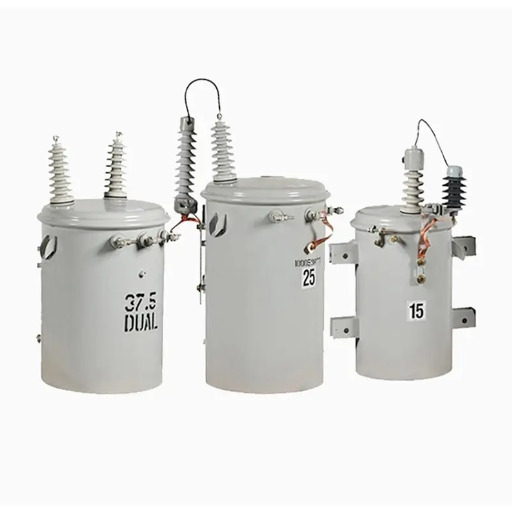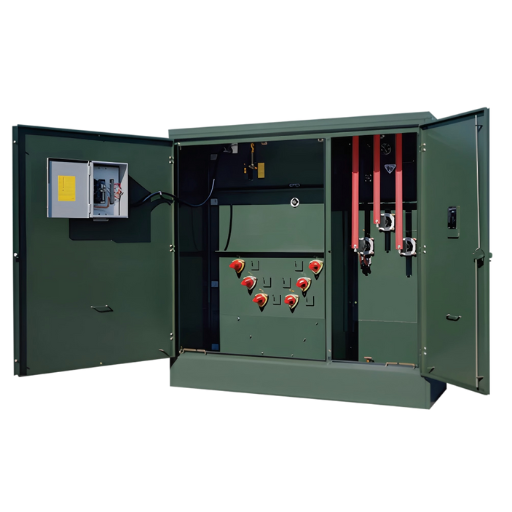
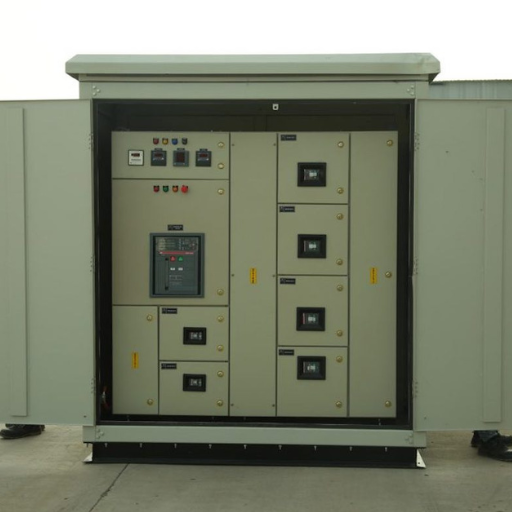
What is a Compact Substation?
A compact substation is a self-contained unit that integrates power conversion and distribution equipment into a reduced footprint. Unlike conventional substation or traditional substations often built as large outdoor yards, compact substations combine transformers, switchgear, protection relays and ancillary systems in a packaged or modular design to deliver high-voltage power handling in indoor and outdoor compact formats.
Maintenance of Compact Substations
Routine Maintenance Practices
Maintainability is built-in via segregated compartments, access, and standardized spares, sustaining reliable power and voltage stability.
Identifying and Troubleshooting Common Issues
Address nuisance trips, hot spots, moisture ingress, and loose terminations by checking settings, glands, insulation resistance, and logs.
Best Practices for Long-Term Operation
Use condition-based maintenance with sensors, calibrate relays, maintain earthing, update SCADA, and document changes.
Technical Specifications & Standards
| Specification | Details |
|---|---|
| Rated Voltage (HV) | Up to 36 kV |
| Rated Voltage (LV) | 400V / 415V / 480V or as customized |
| Rated Frequency | 50 Hz / 60 Hz |
| Cooling Method | ONAN (Transformer) / Air Natural (Housing) |
| Insulation Type | Transformer: Mineral Oil or Dry Type Cast Resin |
| Switchgear: Air Insulated (AIS) or Gas Insulated (GIS) | |
| Enclosure Material | Galvanized Steel, Aluminum Zinc, or Stainless Steel (Corrosion Resistant) |
| Protection Degree | HV/LV Compartments: IP54 |
| Transformer Compartment: IP23 or IP33 | |
| Ambient Temperature | -25°C to +45°C (Customizable for extreme conditions) |
| Short Circuit Withstand | Up to 25 kA / 1s or 3s (depending on rating) |
| Internal Arc Classification | IAC AB (Personnel safety protection) |
| Compliance Standards | IEC 62271-202: High-voltage switchgear and controlgear - High-voltage/low-voltage prefabricated substation |
| Ventilation | Natural ventilation with optional forced fan cooling for high-load conditions |
| Safety Interlocks | Mechanical and electrical interlocks to prevent unsafe operations |
| Color/Finish | RAL 7035 (Light Grey) or custom colors per client requirement |
Advantages of Compact Substation
Space-Saving Design
Compact Substations require significantly less space compared to traditional substations, making them ideal for urban and space-constrained environments.
Quick Installation
Delivered as pre-assembled units, they reduce installation time and labor costs, enabling faster project completion.
Cost-Effective
By minimizing civil works and on-site assembly, Compact Substations lower overall project costs.
Enhanced Safety
Fully enclosed designs protect personnel from live components and ensure safe operation in harsh environments.
High Reliability
Built with high-quality components, they ensure stable and uninterrupted power distribution.
Customizable Configurations
Tailored to meet specific voltage, capacity, and application requirements, offering flexibility for diverse projects.
Compact Substation Applications & Industries

Urban Applications and Infrastructure
Weatherproof, compact enclosures fit constrained urban sites like transit hubs, towers, and data centers, with LV panels feeding building loads and integrated switchgear ensuring safe isolation.

Industrial and Commercial Use Cases
Locating substations near loads reduces cable losses and construction complexity, integrating transformer, switchgear, and protection for stability under dynamic demand.
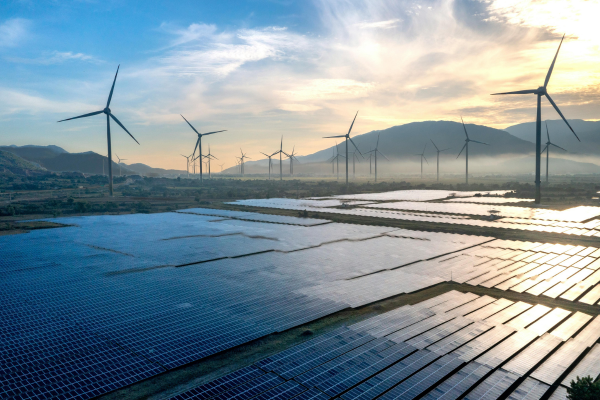
Utility and Renewable Energy Projects
Utilities and renewables use CSS for rapid deployment and grid-ready interconnection, stabilizing voltage and managing fault currents.
What Our Clients Say
“The plug-and-play nature of these compact substations was a game-changer for our solar farm project. We were operational weeks ahead of schedule, and the unit has performed flawlessly.”

Sophia Bennett
Renewable Energy Sector
“Space was our biggest challenge for a new downtown development. This compact solution provided all the power we needed without compromising our site plan. It’s efficient, safe, and reliable.”

Olivia Parker
Commercial Construction
Latest Insights
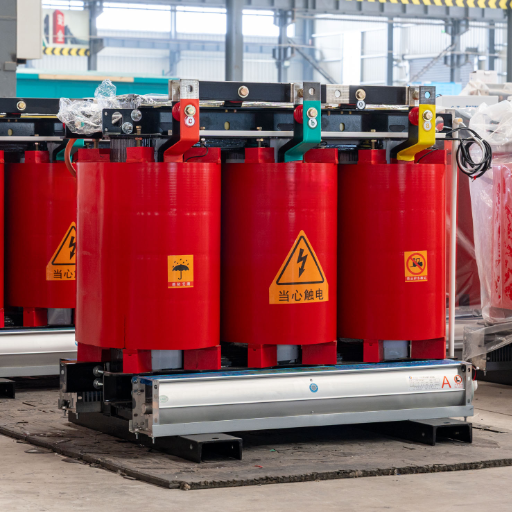
A low-loss dry-type transformer is a dry-type unit designed to reduce no-load (core) loss and load (copper) loss below standard…
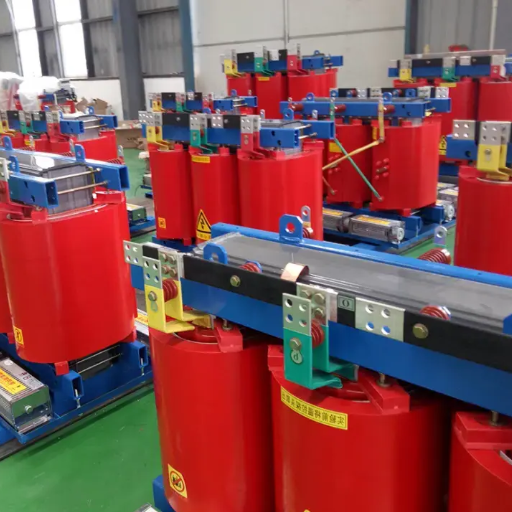
An IEC dry type transformer supplier is a manufacturer that builds dry type units to IEC 60076-11 and can prove…
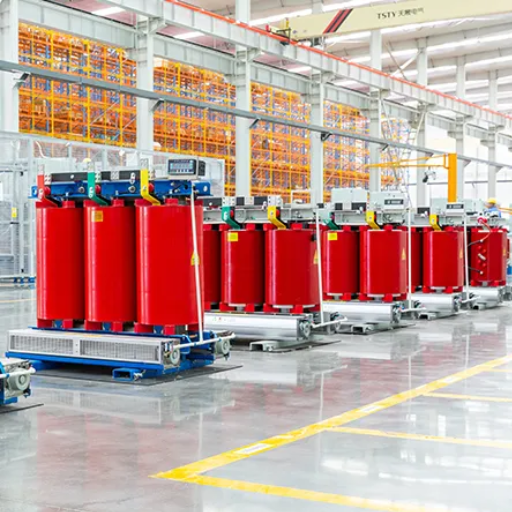
For a hospital project, a dry-type transformer is the standard indoor choice because it contains no flammable oil, needs almost…
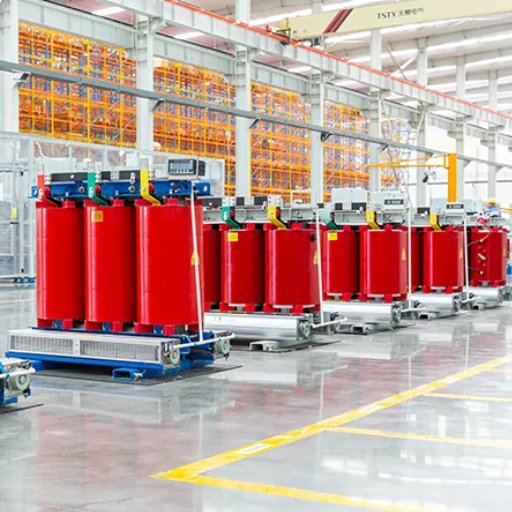
For most indoor installations, a cast resin dry type transformer is the best choice. Its epoxy-sealed windings handle humidity, dust, and strict…
Frequently Asked Questions (FAQs)
Unitized substations and packaged substation solutions both aim to simplify installation, but unitized substations emphasize modular design and factory-integrated testing so the substation is delivered as an assembled, self-contained unit. Packaged substation offerings may focus on transportable enclosures, while unitized and modular designs allow modern compact substations to be scaled and combined on site, reducing time to commission compared with traditional substation construction.
The development of compact substations has become driven by land constraints, urbanization, and the need for quicker deployment. Modern compact substations directly address limitations of conventional substation layouts by offering smaller footprints, integrated control systems, and improved safety. Compact substations have become preferred where substations play a critical role in delivering an uninterrupted power supply for industrial plants, commercial buildings, and critical infrastructure.
Yes—compact substations combine the essential components of a traditional substation into a smaller, optimized arrangement. While traditional substations often require extensive outdoor space and separate structures, a compact substation is a self-contained unit that integrates transformers, switchgear, and monitoring equipment, enabling full power conversion and distribution functions comparable to larger installations when properly specified.
Unitized substations reduce on-site civil works and simplify commissioning because much of the testing and integration is done at the factory. Substations require less construction time, fewer interfaces, and can be relocated if needed. During maintenance or emergencies, the modular design allows isolation of a section of the compact substation without disrupting the entire network, supporting uninterrupted power supply and faster repair times.
Compact substations come in a range of voltage classes and can be designed for high-voltage power by selecting appropriate insulation, clearances and transformer ratings. Modern compact substations and compact substation manufacturers design systems to manage high-voltage power safely while including protection, switchgear and monitoring comparable to conventional substation standards.
Choose compact substation manufacturers with proven experience in integrated substation design, quality control, and adherence to local grid codes. Evaluate design and advanced protection features, modular design flexibility, thermal management, and ease of maintenance. Also confirm whether indoor and outdoor compact options are available and whether the unitized solution includes all substation equipment required for your application.
-

Furnace Transformers
-
Special Transformers
-
Pole Distribution Transformer
-
Three Phase Pad Mount Transformer