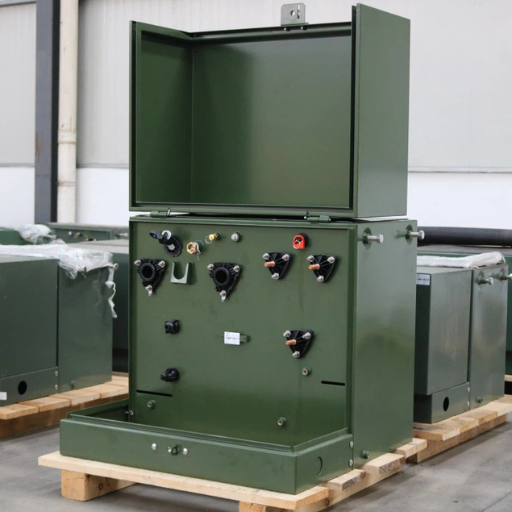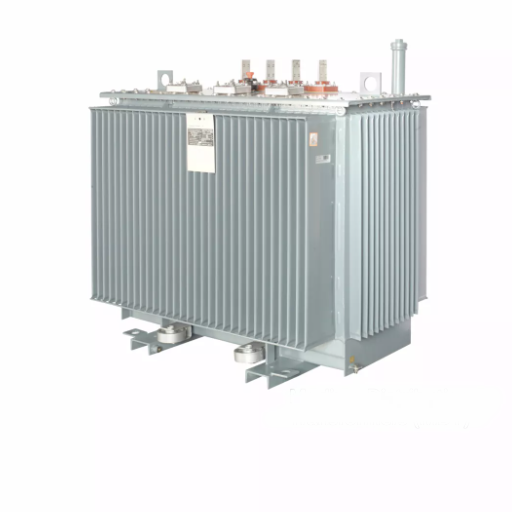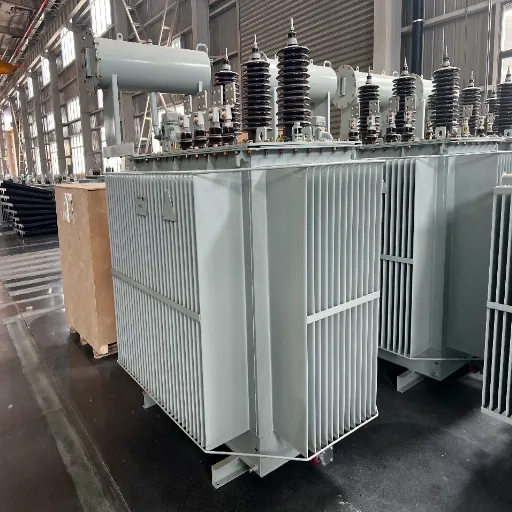
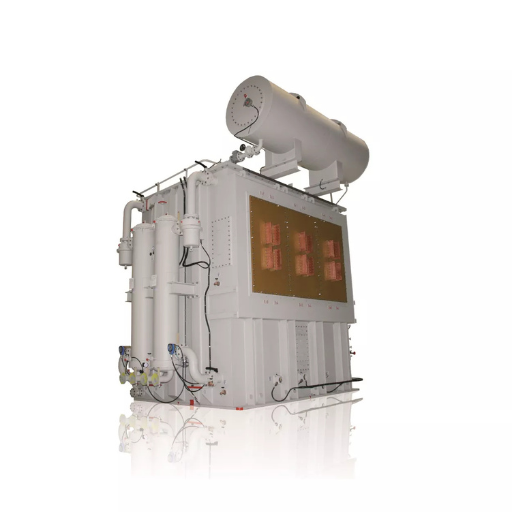
The Importance of Furnace Transformers in Industry
Furnace transformers are critical for converting grid voltage into the massive currents required for electric arc and ladle furnaces. They ensure stable, efficient energy transfer essential for melting metals and producing high-quality steel. Without a robust transformer, operations face costly interruptions and significant energy waste. Our units deliver precise voltage control and extreme durability, acting as the indispensable linchpin of modern metallurgical processing.
Furnace Transformers: The Heart of Smelting Operations
The Power Behind the Arc
Acting as the primary energy source, these transformers must handle frequent short circuits and rapid load fluctuations typical in scrap melting, maintaining arc stability without grid disruption.
Precision Refining Control
In Ladle Refining Furnaces (LRF), our transformers provide the fine-tuned voltage control necessary to maintain precise temperatures for alloying and refining molten steel.
Resilience in Harsh Environments
Designed to operate in environments with high ambient temperatures, conductive dust, and vibration, ensuring the “heart” of your mill never stops beating.
Technical Specifications & Standards
| Feature | Specification |
|---|---|
| Power Rating | Up to 300 MVA |
| Primary Voltage | Up to 220 kV |
| Secondary Voltage | Low voltage, high current (customizable range) |
| Current Output | Up to 100 kA |
| Cooling System | OFWF (Oil Forced Water Forced) or OFAF (Oil Forced Air Forced) |
| Tap Changer | On-Load (OLTC) or Off-Circuit (OCTC) options available |
| Insulation Class | Class A (standard), upgraded thermal classes available |
| Standards Compliance | IEC 60076, ANSI/IEEE C57 |
Benefits of Using Furnace Transformers
Maximum Energy Efficiency
Optimized core designs reduce no-load and load losses, significantly lowering electricity consumption and operational overhead.
Custom-Engineered Solutions
Tailored voltage ratios and impedance levels to match your specific furnace parameters and production goals.
Advanced Safety Features
Integrated monitoring systems for oil temperature and pressure ensure secure, stable operation and protect your workforce.
Enhanced Reliability
Built to withstand extreme mechanical stress and short-circuit forces, ensuring continuous operation during high-intensity melting cycles.
Extended Lifespan
High-grade insulation materials and robust tank construction provide long-term value and resistance to thermal aging.
High Current Stability
Delivers consistent high-current output necessary for maintaining stable electric arcs, even during volatile scrap cave-ins.
Applications of Furnace Transformers
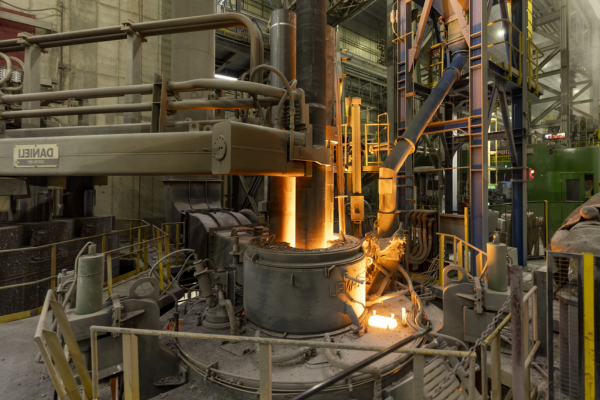
Electric Arc Furnaces (EAF)
Powering the melting of scrap steel with high-current electric arcs, requiring robustness against frequent short circuits and harmonic distortions.
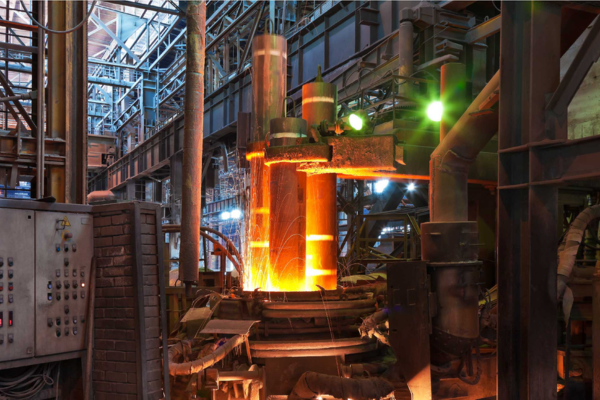
Ladle Furnaces (LF)
Used for refining molten steel, maintaining temperature, and alloying. These require precise voltage control for fine-tuning the metallurgical process.
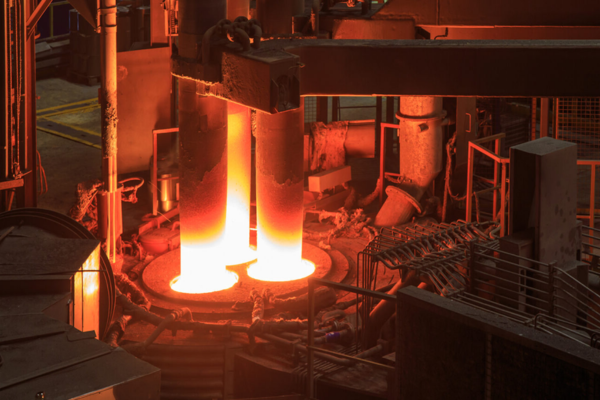
Submerged Arc Furnaces (SAF)
Essential for ferroalloy production, where the electrode is buried deep within the charge, requiring steady high-current delivery over long durations.
What Our Clients Say
“We needed a specific impedance solution for our ladle furnace to improve refining times. Their engineering team understood the requirement immediately and delivered a unit that optimized our entire melt cycle.”

Elena Rodriguez
Chief Engineer
“Reliability is everything in our sector. Since switching to these transformers, our unplanned downtime related to power issues has dropped to near zero. The build quality is visibly superior to our previous supplier.”

David Chen
Operations Director
Latest Insights
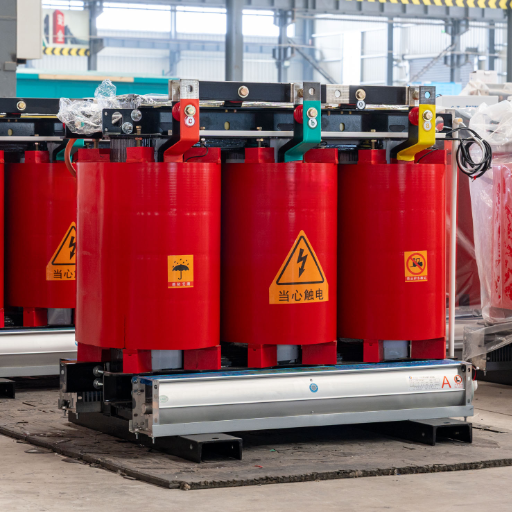
A low-loss dry-type transformer is a dry-type unit designed to reduce no-load (core) loss and load (copper) loss below standard…
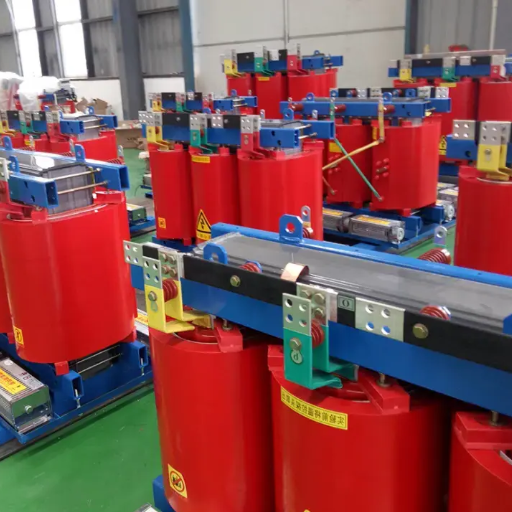
An IEC dry type transformer supplier is a manufacturer that builds dry type units to IEC 60076-11 and can prove…
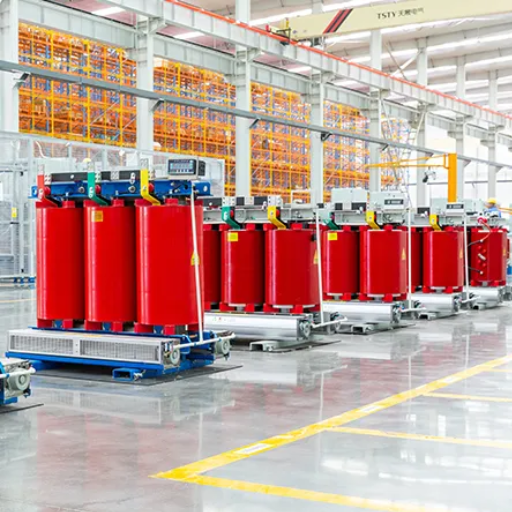
For a hospital project, a dry-type transformer is the standard indoor choice because it contains no flammable oil, needs almost…
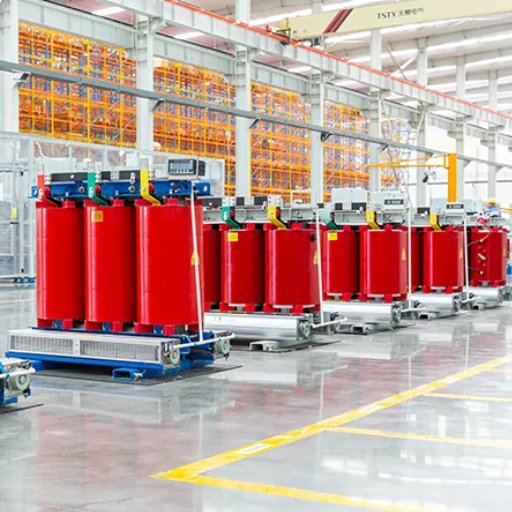
For most indoor installations, a cast resin dry type transformer is the best choice. Its epoxy-sealed windings handle humidity, dust, and strict…
Frequently Asked Questions (FAQs)
A furnace transformer is significantly more robust than a standard power transformer. While standard units are designed for steady loads, furnace transformers must withstand frequent short circuits (common during scrap melting), high secondary currents, and significant harmonic distortion. They are also constructed with heavier bracing and specialized insulation to handle the mechanical and thermal stresses unique to arc furnace operations.
Absolutely. We understand that retrofitting equipment into existing plants often involves tight space constraints and specific connection points. Our engineering team designs custom terminal layouts, cooling system orientations, and physical dimensions to ensure the new unit fits perfectly into your transformer vault, minimizing installation time and civil work costs.
While our transformers are designed for low maintenance, a proactive schedule is vital for longevity. We recommend visual inspections and oil analysis (DGA) every 3 to 6 months to monitor insulation health. A more comprehensive check of the tap changer and cooling system should be performed annually. We provide a detailed maintenance manual and schedule with every unit delivered.
Electric Arc Furnaces generate significant harmonic distortion which can overheat standard equipment. Our furnace transformers are designed with electrostatic shields between windings and specialized core grounding techniques. Furthermore, the windings are designed to minimize skin and proximity effects caused by high-frequency harmonics, ensuring the unit runs cool even under distorted load conditions.
For high-capacity furnace transformers, heat dissipation is critical. We primarily offer Oil Forced Water Forced (OFWF) and Oil Directed Water Forced (ODWF) cooling systems. These systems use heat exchangers to transfer heat from the transformer oil to a water circuit efficiently. For smaller units or areas where water is scarce, we can also engineer Oil Natural Air Forced (ONAF) solutions.
Lead times vary based on the complexity and MVA rating of the project. Generally, a custom-engineered furnace transformer takes between 6 to 9 months from the design approval to delivery. However, we offer expedited manufacturing tracks for critical replacement situations to get your plant back online as quickly as possible.
-

Single Phase Pad Mount Transformer
-
Hermetically Sealed Oil Transformers
-
Ground Mount Distribution Transformer
-
Manufacturing & Industrial