
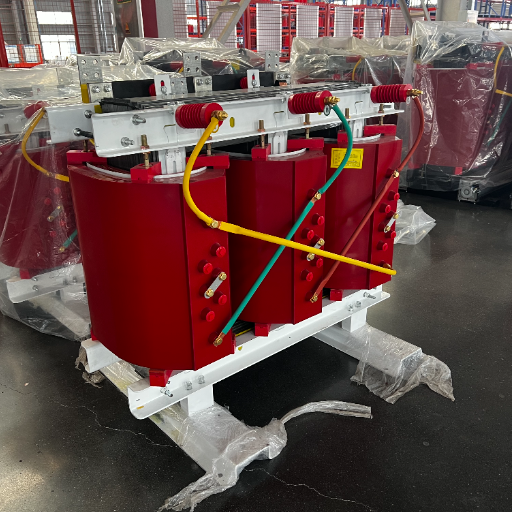
Three Phase Transformer Manufacturer: Industrial Buyers Guide

A three-phase transformer manufacturer builds voltage conversion equipment for three-wire AC power systems used in factories, commercial buildings, utilities, and infrastructure projects. These transformers differ from single-phase units in winding configuration, kVA calculation, and load balance requirements. Selecting the right manufacturer means matching technical capability to your specific three-phase application.
Carlos, a plant engineer at a CNC machining facility in Mexico, learned this the expensive way. During a production line expansion, he ordered a standard 1,000 kVA three-phase transformer based on the nameplate ratings of his new CNC machines. The kVA looked correct on paper. What the specification missed was the harmonic current generated by variable frequency drives and the uneven load distribution across the three phases. Within three months, the transformer overheated repeatedly. Insulation degraded. Carlos faced emergency replacement, lost production, and a budget overrun of nearly 30 percent.
By the end of this guide, you will understand how to specify a three-phase transformer, what technical details a manufacturer must verify, and how to evaluate a three-phase transformer manufacturer before placing your order.
For a broader overview of manufacturer capabilities, see our transformer manufacturer guide.
Key Takeaways
- A three phase transformer manufacturer should verify your kVA, voltage, vector group, load balance, and harmonic profile before quoting.
- Three-phase kVA is calculated differently from single-phase: multiply line voltage, line current, and the square root of three, then divide by 1,000.
- Vector group selection (Dyn11, Yyn0, YNd11) determines grounding behavior and fault protection coordination.
- Unbalanced loads and harmonic currents require K-factor ratings or oversized neutrals to prevent overheating.
- Manufacturer verification should include three-phase ratio tests, vector group confirmation, heat run testing, and material traceability.
What a Three-Phase Transformer Manufacturer Actually Builds
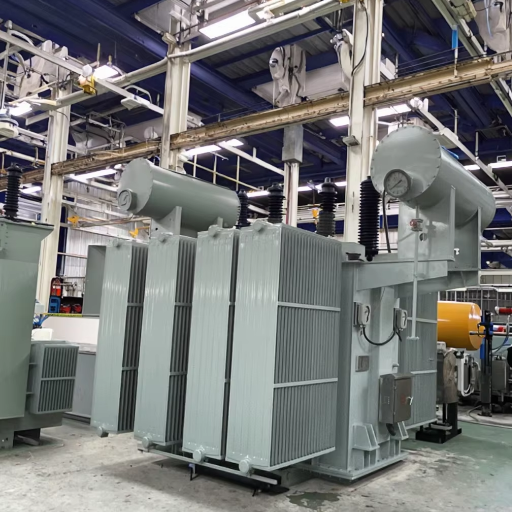
A three-phase transformer manufacturer produces units with three primary windings and three secondary windings arranged to transfer power between three-phase electrical systems. The windings can be connected in delta, wye, or combinations of both, depending on the required voltage transformation and system grounding.
Common product types include:
- Dry type three-phase transformers for indoor commercial and industrial installations
- Oil immersed three-phase transformers for outdoor utility and heavy industrial applications
- Cast resin three-phase transformers for high-fire-safety environments
- Distribution three-phase transformers for utility voltage step-down
- Power three-phase transformers for substations and transmission interfaces
The manufacturer must understand not just kVA and voltage, but also the relationship between line voltage and phase voltage, winding connection method, and how the transformer interacts with protective devices upstream and downstream. A manufacturer that asks only for kVA and voltage is selling a catalog unit, not engineering a system component.
For the fundamental differences between transformer types, see our comparison of three phase vs single phase transformer systems.
Key Specifications to Get Right
Three-phase transformers have specification requirements that single-phase units do not. Getting these wrong produces commissioning failures, protection miscoordination, or premature thermal damage.
kVA and Voltage Rating
Three-phase kVA is calculated using the formula:
kVA = (Line Voltage × Line Current × 1.732) / 1,000
The 1.732 factor is the square root of three. This formula applies whether you are stepping voltage up or down. Many procurement mistakes happen because buyers use single-phase calculations for three-phase systems, underestimating actual capacity needs by up to 42 percent.
Continuous load, diversity factor, and future expansion must also be considered. A transformer running at 90 percent of rated capacity continuously has less thermal margin than one running at 70 percent. Specifying for peak load only ignores the thermal stress of normal operation.
If your application involves voltage step-up or step-down with non-standard ratios, review our guide on step up transformer vs step down transformer selection.
Vector Group Selection
Vector group describes how the primary and secondary windings are connected and the phase angle displacement between them. It is one of the most underappreciated three-phase transformer specifications.
| Vector Group | Primary Connection | Secondary Connection | Phase Shift | Typical Use |
|---|---|---|---|---|
| Dyn11 | Delta | Wye with neutral | 30° lag | Industrial distribution, motor loads |
| Yyn0 | Wye with neutral | Wye with neutral | 0° | Commercial distribution, mixed loads |
| YNd11 | Wye with neutral | Delta | 30° lag | Substations, transmission step-down |
Dyn11 is the most common choice for industrial plants because it provides a stable neutral for single-phase loads and supports earth fault protection. Yyn0 is common in commercial buildings with balanced lighting and HVAC loads. YNd11 is typical at transmission substations where the delta secondary blocks zero-sequence harmonic currents.
Fatima, a consulting engineer in the UAE, understood this distinction clearly. She designed an electrical system for a commercial building with significant motor loading and specified a Dyn11 vector group. The contractor proposed a cheaper Yyn0 unit from a different three phase transformer manufacturer. Fatima refused. She explained that Yyn0 would not provide the correct earth fault protection coordination for the motor control centers. The project was commissioned with Dyn11, and the protection system operated correctly during a later ground fault event. Her insistence on the right vector group prevented equipment damage and safety risk.
Frequency and Standards
Three-phase transformers must be designed for the operating frequency of the network. A 50 Hz transformer operated on a 60 Hz system may have higher core losses and different magnetizing characteristics. Conversely, a 60 Hz transformer on 50 Hz may saturate the core.
Standards also vary by market. IEC 60076 governs three-phase transformers in most international markets. IEEE C57.12 applies in North America. A three phase transformer manufacturer exporting globally should be able to build to either standard and explain the practical differences.
Load Characteristics That Drive Selection
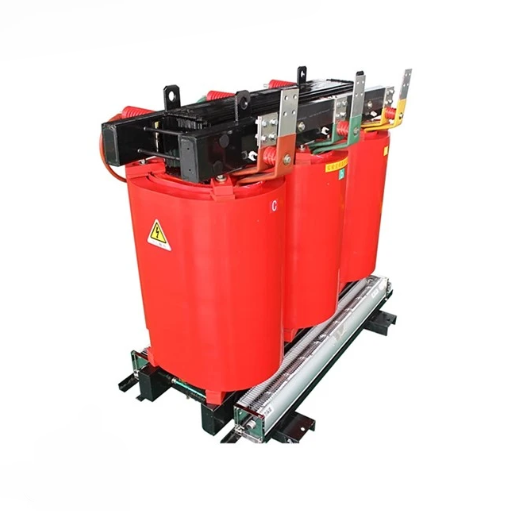
The electrical load profile determines whether a standard three-phase transformer will survive or fail. Three load characteristics deserve special attention.
Balanced vs Unbalanced Loads
In a perfectly balanced three-phase system, all three phases carry identical current. Real industrial systems are rarely perfectly balanced. Mixed motor, lighting, and single-phase loads create imbalance that causes neutral current and uneven heating.
A three phase transformer manufacturer should ask about your load balance. If single-phase loads exceed roughly 10 percent of total capacity, the transformer may need derating or an oversized neutral bus. Ignoring imbalance leads to localized overheating and reduced service life.
Harmonic Loads
Variable frequency drives, rectifiers, UPS systems, and LED power supplies draw non-sinusoidal currents. These harmonic currents create additional heating in transformer windings and cores that is not captured by standard kVA ratings.
Standard three-phase transformers are designed for sinusoidal loads. Applied to harmonic-rich environments, they can overheat even when the measured kVA is within nameplate limits. Solutions include:
- K-factor rated transformers with oversized conductors and improved insulation
- Oversized neutral busbars to handle triplen harmonic currents
- Derating standard transformers by 15 to 30 percent for known harmonic environments
Carlos’s CNC facility failure is a textbook example. The VFD loads produced harmonic currents that the standard transformer could not dissipate. His replacement unit, specified as K-factor 13 with a 200 percent rated neutral, has operated without thermal issues for four years.
If your project involves harmonic-rich loads, our custom transformer manufacturer guide explains how to specify K-factor and neutral sizing.
Motor Starting and Inrush
Motor starting currents can reach six to eight times the normal running current. A three-phase transformer supplying large motors must have sufficient impedance to limit voltage drop during starting while still providing adequate voltage regulation during normal operation.
The three phase transformer manufacturer should calculate voltage drop during motor starting and confirm that it stays within acceptable limits for your control equipment. Standard impedance values may need adjustment for motor-heavy applications.
How to Evaluate a Three Phase Transformer Manufacturer
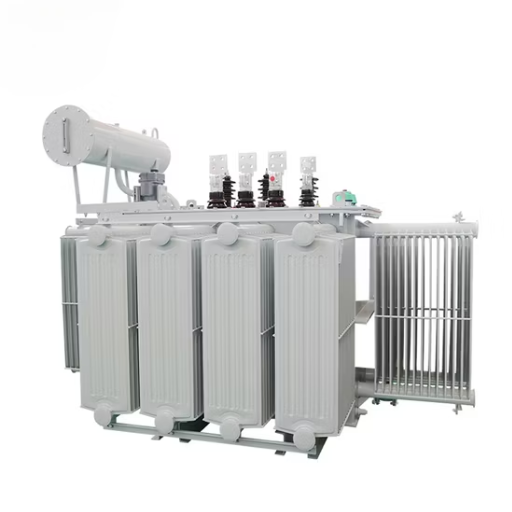
Not every manufacturer that builds three-phase units has the engineering depth to match them to complex industrial loads. Evaluate manufacturers across four areas.
Technical Review Capability
A capable manufacturer reviews your single-line drawings, load schedules, and protection settings before quoting. They should ask about:
- Power factor and expected load power range
- Harmonic spectrum if VFDs or rectifiers are present
- Motor starting requirements
- Expected load balance
- Protection relay settings and grounding philosophy
If a manufacturer quotes based only on kVA and voltage, they are not performing engineering review. They are selling inventory.
When you are ready to start a technical review, send your specifications to our engineering team for a three-phase transformer assessment.
Testing for Three-Phase Units
Three-phase transformers require tests that verify all three phases perform identically. Confirm that the manufacturer can perform:
- Ratio test on all three phases and all tap positions
- Vector group verification to confirm connection matches the nameplate
- Winding resistance measurement for all six windings
- Heat run test to verify temperature rise under balanced and specified unbalanced conditions
- Noise level measurement for commercial and urban installations
- Partial discharge measurement for medium and high voltage designs
For large power three-phase units, also review our power transformer manufacturer guide for additional HV testing requirements.
Manufacturing Quality
Quality in three-phase transformers depends on consistency across all three phases. Ask the three phase transformer manufacturer about:
- Core cutting accuracy and lamination grade
- Winding conductor size and placement consistency
- Insulation material temperature class
- Quality control records from recent similar units
- Material traceability for core steel and copper
Park, a facility manager at a manufacturing plant in South Korea, evaluated three manufacturers for a 2,500 kVA oil immersed replacement. He selected the manufacturer that allowed an on-site inspection of core cutting and winding operations. He watched operators perform in-process ratio checks and verified that three-phase vector group testing was performed in-house. The replacement unit has operated three years without issue. Park’s verification of manufacturing discipline prevented the field surprises he had experienced with previous suppliers.
Standards and Certifications
Professional three phase transformer manufacturers hold relevant certifications:
- ISO 9001 for quality management
- IEC 60076 compliance for international markets
- IEEE C57.12 capability for North America
- Efficiency compliance where applicable (DOE 2016, EU Ecodesign)
Verify certificates directly with issuing bodies. Claims of compliance without documentation should be treated skeptically.
| Evaluation Area | What to Ask | Strong Indicator | Warning Sign |
|---|---|---|---|
| Technical review | Do you review single-line drawings and load profiles? | Detailed questionnaire before quoting | Quote based only on kVA |
| Testing | Can you verify vector group and perform heat runs? | In-house test bay with three-phase capability | Outsourced testing only |
| Manufacturing | How do you ensure consistency across three phases? | In-process winding and ratio checks | No inspection records |
| Standards | What certifications do you hold? | Verifiable ISO and IEC/IEEE certificates | Vague claims |
Common Applications by Industry
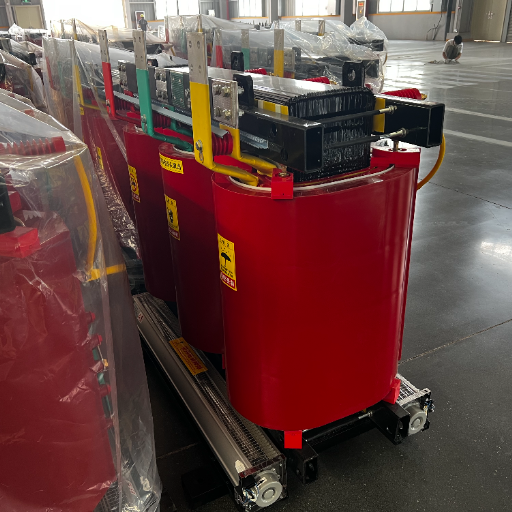
Three-phase transformers serve nearly every sector of modern infrastructure. The right three phase transformer manufacturer understands the priorities of each application.
Manufacturing plants need robust units for motor loads, often with K-factor ratings for VFD applications. Uptime and overload capacity are critical.
Data centers prioritize low losses, low noise, and redundant configurations. Dry type transformers are common because they eliminate liquid spill risk near critical equipment.
Commercial buildings need quiet, compact units that fit electrical rooms. Fire safety and low maintenance drive dry type or cast resin selection.
Utilities and substations require high reliability, long service life, and grid-standard compliance. Oil immersed designs dominate outdoor substations.
Renewable energy projects need transformers that handle variable generation, harmonic content from inverters, and outdoor exposure. Solar and wind farms often use oil-immersed transformer designs for capacity and dry type transformer designs for indoor collector stations.
Cost Factors and Lead Times
Three-phase transformer pricing depends on several interacting factors.
kVA rating has the largest impact. Larger units require more copper, more core steel, and larger tanks or enclosures. The cost per kVA typically decreases as rating increases, but total cost rises.
Voltage class affects insulation requirements and testing complexity. Medium-voltage units cost more per kVA than low-voltage units. High-voltage substation transformers require significantly more engineering and testing.
Cooling method affects material and manufacturing cost. Standard dry type units typically cost more per kVA than oil immersed equivalents at the same rating, but save on installation and maintenance in indoor applications.
Customization adds engineering time. Special voltage ratios, vector groups, K-factor windings, or enclosure modifications extend both cost and lead time.
| Specification | Typical Lead Time Range |
|---|---|
| Standard LV dry type, 75-500 kVA | 4-6 weeks |
| Standard MV dry type or oil immersed, 1,000-2,500 kVA | 6-10 weeks |
| Custom three-phase with special vector group or K-factor | 10-14 weeks |
| Large power three-phase, 5 MVA and above | 14-20 weeks |
For projects with mixed transformer requirements, our electrical transformer manufacturer guide provides a broader framework for balancing voltage class, type, and manufacturer selection.
Conclusion
Selecting a three phase transformer manufacturer requires more than matching kVA and voltage. It demands verification of vector group compatibility, load balance, harmonic tolerance, and manufacturing quality. The best manufacturers ask detailed questions about your load profile before quoting and can demonstrate three-phase testing capability.
Start your specification with accurate kVA calculations, then define your vector group, frequency, and standards requirements. Identify harmonic sources and motor starting loads. Finally, evaluate manufacturers on technical review depth, testing capability, and quality control discipline.
The right three-phase transformer protects your electrical system, supports reliable operation, and avoids the costly replacements that result from specification shortcuts. Send your voltage, load profile, and installation requirements to Shandong Electric Co., Ltd. for a technical review and quotation.