
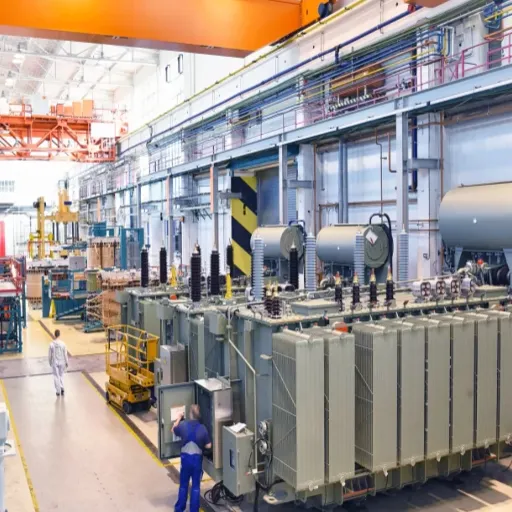
The Ultimate Guide to Industrial Transformers: Types, Selection, and Applications

The development of industries in modern times relies on transformers, used in the production processes to engage in power-hungry centers as well as inefficient processes. Industrial transformers are available in different forms and sizes, and these are useful for different purposes and affect different conditions; therefore, the knowledge of their types, how to select them, and their application is important for decision-making. This article attempts to make industrial transformers as pleasant and easy as possible for the reader since it clarifies and answers how these transformers function in general, what their most popular variants are, and how to select a suitable variant for a specific need. More confidence and ease in fear will be offered by this writing, especially to those more focused on industrial transformers or with a general interest in the topic.
Understanding Transformers

What is a Transformer?
Transformers are electrical machines that facilitate the movement of electricity from one circuit to another(s) without putting the circuits at risk of electrical connection. This advantage of the design of the transformers begins with understanding them as two coils that are wound together, mostly those within a box composed of laminated plates of iron, which helps to reduce energy losses during and improve energy efficiency. In accordance with Faraday’s law of electromagnetic induction, they either reduce or amplify the voltage to suitable levels; as such, they are employed in the distribution and transmission of power. This is the main reason why they are used in industrial transformers.
Transformers are manufactured in different styles according to their usages, which range from power transformers, distribution transformers, isolation transformers, and autotransformers. Power transformers are largely used only for power transmission purposes and are mostly a piece of high-voltage equipment used to transmit power over large distances. Meaning that, power transformers are usually high-capacity voltage devices expected to cater to a lot more loading as compared to other transformers. Concerning distribution transformers, they are meant to work just within a limited range of voltages that are often low in size and perform their function very close to consumers by transforming electricity for buildings, installations, or loading industrial transformers.
The transformer market is developing rapidly thanks to the increase in electricity consumption. A therapy occurs owing to the high efficiency of amorphous transformer cores, which are opposite in style to orthopedic transformer cores. Also, there is a tendency seen in the growth of awareness and demand for smart transformers that are capable of being monitored and incorporated into smart grids seamlessly.
Any electrical engineer must understand how to properly design and construct a transformer, because these apparatuses are essential in power systems. They enable the distribution of electricity with ease in a more efficient manner, which contributes towards the achievement of certain foreign policy objectives, especially in the context of energy, as well as being environmentally friendly. It is catching up fast in today’s world.
Key Components of Industrial Transformers
The efficiency, reliability, and performance of industrial transformers are mainly determined by specific parameters forming part of the major components in the product. These include:
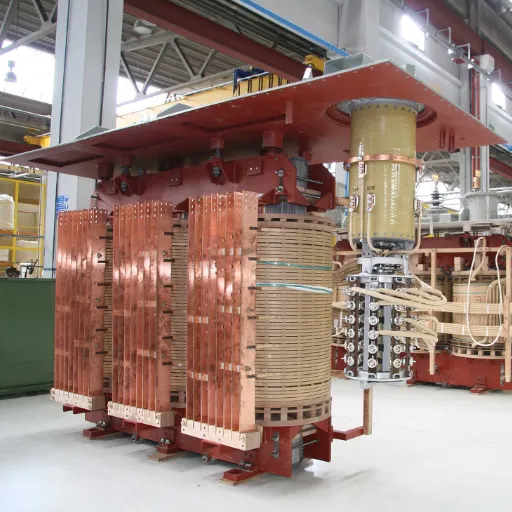
- Core – The core is one of the main components and is often constructed of a steel laminated electrical steel designed to minimize core losses through eddy current and hysteresis. It works as the magnetic circuit, which delivers efficient energy transfer between windings.
- Windings – high conductivity materials, for example, copper or aluminium, are commonly used to make up the windings. They transfer the electrical energy by electromagnetic induction applied to these windings. Transformers can have two different voltage ratios on the primary and secondary sides of the windings, depending on the purpose.
- Insulation System – Winding insulation and many other materials, such as paper, resin, or oil in designed to avoid direct contact between the windings to prevent detrimental electric discharges in the windings and ensure safe operation of the transformer. Insulation is very important in maintaining high working voltage and temperatures.
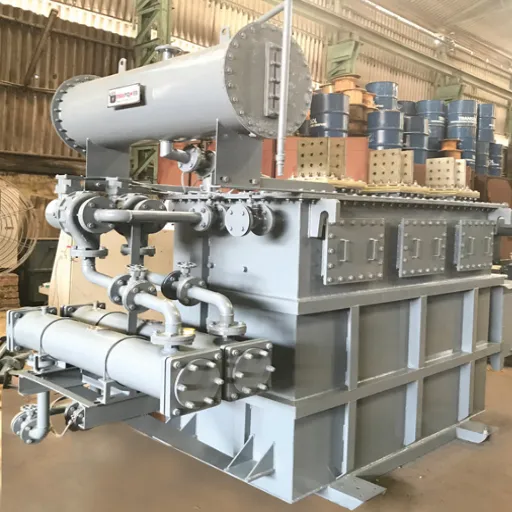
- Cooling Apparatus – Transformers are equipped with cooling systems such as oil-immersion cooling, air immersion cooling, or improved cooling technologies such as forced air or water cooling, which help in removing heat from the transformer while in service.
- Tap Changer – The transformer can have a tap changer, which helps to control the voltages by changing the ratio of turns. These devices play a significant role in the voltage regulation in installations such as those in power transmission or other heavy industrial machines.
- Tank and Ancillaries – Strong tanks filled with insulation oil, which has a good dielectric property and a coolant, have been installed, and these are the housing for the transformers. Enhancements in safety and performance have been made by providing fittings such as bushes, conservators, and protection devices.
Current Market Insights and Industry Trends
Current statistics reveal the outlook of the world’s transformer industry, which is predicted to witness considerable growth owing to the renewable energy projects and transformations of industrial transformers. As an illustration, the market is expected to have its most significant share in the smart transformers segment, which is estimated to rise over an anticipated compound annual growth rate of 10% during 2023-2030. Smart transformers are provided with IoT-based control measures for insight into the workability and state of functionality for timely preventive maintenance.
Likewise, all the more attention is paid towards the technologies that are enabling the development of a relatively new core concept of solid-state transformers (SST). This advanced technology incorporates functional power devices into transformers, making them more efficient, smaller, and able to support renewable energy variability. Sources envisage that the stand-alone SST market is projected to reach a value of $875 million by 2030,
These advancements, coupled with growth in electricity demand as well as sizable investments to facilitate green energy transitions, still make industrial transformers relevant to this modern energy era.
How Transformers Work
Transformers are devices used for transferring electrical energy between two sets of circuits using electromagnetic induction. This operating principle is otherwise known as Faraday’s Law of Electromagnetic Induction, which explains that any variation in the magnetic flux contained in this coiled object will show in the form of electromotive force, i.e., emf, which is the induced current in the nearby coil of the adjacent winding. A standard industrial transformer consists of a core that is made from materials that have a silicon steel laminated core wrapped in paper that serves as the outer layers of the core between pairs of tap changing coils, one of which is called the primary or input, and the other secondary or output, which is usually the high voltage side at the terminals.
Upon the introduction of voltage to the primary coil, the core will experience an alternating magnetic field. Therefore, there will also be an opposing voltage induced in the secondary coil, thereby allowing energy to be transferred from one space to the other without the need for any physical connections. This permits the realisation of either low or high voltage depending on the turn’s ratio of the respective windings, which is the reason why transformers are also referred to as ‘step up’ or ‘step down’ transformers in the absence of which no industrial transformers can adapt electrical energy.
There have been advancements in the development of transformers over the years. The employment of Silicon Carbide (SiC) and Gallium Nitride (GaN) switches is a representative example of such a factor contributing to the development of the energy-efficient SST technology. The transformers are (close to) full efficiency, operate over higher frequencies, are bi-directional, and hence much more favorable for operational activities to do with alternative energy resources, electric vehicle facilities or smart grids. The market for smart transformers is expected to grow at a CAGR of over 8% through the year 2023 due to the shift of energy-industrial transformers to decarbonization.
Also, currently, industrial transformers are equipped with digital sensors that continuously monitor crucial parameters in the device, such as temperature, current, and power load. This knowledge, hence, helps in improving system efficiency & mitigating any vulnerability of outages in the system, which is the growing trend known as energy management digitalization. To bring an example, it is estimated that the single use of digital transformers will save billions of dollars in activities pertaining to this particular operative food data economy. All these developments will help reaffirm the use of transformers in a stronger, more effective, and sustainable energy system.
Types of Industrial Transformers
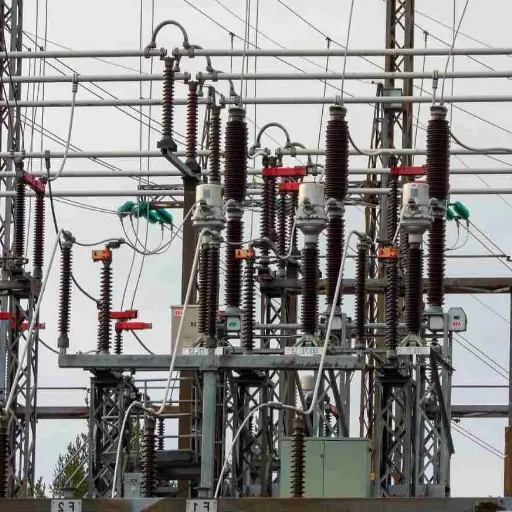
Power Transformers
Power Transformers are integral components of most power systems due to their application where power is to be distributed over very long distances. High voltages above 33kV are employed in this kind of system to cut on transportation losses that would naturally result from large distances. According to recent research, the global demand for power transformers in the world is expected to increase, and the market size will be worth about $40 Billion by the year 2030. Owing to energy demand, there is also the problem of incorporating renewable feeds and the expansion of smart grids.
Power transformers are, these days, often designed with sophisticated control and monitoring systems that enhance their stability in a grid and ensure the indestructibility of crashes. Smart power transformers, which cut down on network downtime or maintenance expenses, were forecasted to save costs by roughly 15–20% in 2022. As well as this progress, there came green transformers which replaced mineral oil-based designs armed with biodegradable edible oils, paving the way for a new sustainability revolution in the energy sector. In any case, there are now concepts of Power Transformers which will help them fit the Resolutions to Meet Energy Utility and Demand Dynamics All Over the World.
Distribution Transformers
Distribution Transformers are the types of transformers that are primarily present within the electrical network, used for lowering the circuit voltage to other users who may be residential, commercial, and even sometimes industrial; however, the transformers are not applied at these industrial applications, such as factories. Distribution transformers are the most important equipment of power systems, which have the purpose of safely transporting electric power to consumption centers. It is at stake proven for the present that the years coming are going to see expenditure on distribution transformers increasing exponentially, and with participants of the electrical system urbanizing, industrializing, and permeating the system with renewable energy.
One of the most significant changes in the development of Distribution Transformers is the integration of smart systems. The technology uses the internet and artificial intelligence to provide statistics about the condition of the performance of the systems, predict any potential damage, and help in energy supply management. Quoting MarketsandMarkets, it is revealed in this report that the global market value of smart transformers was $2 billion in 2022, with a projected value of $4.5 billion in 2027 at a CAGR of 10.1%. Furthermore, the sector has also seen the introduction of distribution transformers that are environmentally friendly. These mainly replace mineral oils with product formulations containing ester, all at the expense of reducing their greenhouse gas emissions.
Energy efficiency is the next most important factor or component. Some recent extremely effective designs, most of which are for the distribution transformers for modern systems, so-called amorphous iron core transformers, at least 99% efficient, so conventional transformers will not be necessary. This technological feature is designed to cope with the shortage and high cost of fossil fuels. Many countries in the world also formulate laws that advocate for the emergence of more efficient transformers that are said to cut out millions of greenhouse gas emissions every time. Physical attributes are unnecessarily absent mechanical stuff, which enhances the relevance of Distribution Transformers in the construction of solid, supportive smart networks.
Isolation Transformers
Isolation Transformers play an important role in the power system. They are used to transfer the power from one circuit to another without establishing a direct connection between them. These are used for safety, noise reduction, or isolation of sensitive units. These transformers are used in appliances to block the incoming high-frequency noise and to protect the interior equipment from the main supply sources.
According to the latest data, the global market for isolation transformers stood at approximately 2.3 billion United States dollars in 2022, and it is anticipated that the market trends over the existing period of 2022 will be a CAGR of 6.5 percent. These are mostly household medical and commercial cases where precision levels and even protection are imperative.
There are different types of transformers for completely different applications, and one such example is the Isolation Transformers, or what is also called an isolation transformer. This type of equipment uses two electrically separate circuits, allowing an AC power supply from one unit to another. Now, students are in a hospital, which is one of the applications where Isolation transformers are placed. A surge protector is another component that is commonly known to occupants in telecommunications facilities. In such facilities, servers are usually the kind of equipment used, so Isolation Transformers in such places are in greater use as compared to home use, considering the power damage in computers.
Energy efficiency has also played an important role in promoting their usage. Over the past few years, energy loss resulting from reasons such as electricity network distribution has also been minimized by producing energy-saving transformers that have low-loss performance materials that have already been manufactured for effective working. Moreover, the government and citizens want to develop energy technology and even regulation standards; therefore, in theory, one would expect Isolation Transformers to be required more in the future.
Specialty Transformers
Specialty Transformers are constructed with a special understanding of what those industries would most benefit from, and as such, they are designed to solve specific electrical problems in that particular case. In the case of all-purpose transformers, the uses are defined and include such considerations as changing voltage, providing insulation for signals, and power control in power conditioning.
According to current industry data, the global market for specialty transformers is predicted to experience growth at a compound annual growth rate (CAGR) of 6.1% until 2030, with 2023 as the starting year. This growth is owing to an increasing popularity in application areas such as agriculture, healthcare, infrastructure, and automotive, among others. Certain engineering equipment, such as high-frequency transformers present in EV chargers and other equipment, are solely an example of the energy-efficient systems specialty transformers can form.
In addition, changes such as the introduction of smart surveillance systems and IoT-based sensors are taken into account because these are the solutions that allow for monitoring of the progress in real time, on the other hand, assist in preventive maintenance before equipment fails, which means how such informational abuse expands, making contemporary thyristors necessary and ultimate. Since it is assumed that the worldwide demand for electricity is likely to rise by some two percent annually, the relevance of Specialty Transformers in ensuring efficient and reliable power supply systems cannot be ignored.
Key Selection Criteria for Transformers
Voltage Ratings
One of the most essential factors is the voltage ratings. Therefore, they describe the extent of voltage that the transformer systems are able to work without affecting their performance and safety. Furthermore, devices such as specialty transformers, depending on their intended use areas, take different voltages ranging from very small residential voltages to very large voltages found in utilities and industries. These are the ultra-high voltage transformers, which are found to be rated for more than 765 kV in the current industry trends, being ideal equipment for transmitting electricity over long distances with less energy wastage.
Included in these industrial transformers are the available liquid-filled ones of a single phase that are of 500 k Gal with 230kV, 2800 AK are assembled by large diameter cooling, applied as an automotive version of a source of all references, and are heat provision as will be furthered evidencing on because the temperatures may become excessive during operation.
All efforts that have been put in at the time of presenting the construction and especially insulation systems of material, and the first aspect of the first chapter material change the performance when in the use state of transformers operating at such high potentials are high voltage high power transformers. The need for industrial transformers with high voltages is predicted to rise by 6 per cent over the period, 2023 to 2030, with the rapid growth being driven by the investment in new projects with green energy and smart grids.
Moreover, another important aspect is that when installing transformers, it is necessary to ensure that the transformer’s voltage rating is appropriate to the system’s requirements. Otherwise, it may lead to thermal overloads and underperformed operation, which ultimately renders the equipment inoperative. In addition to this, there are enterprises that have already introduced novel methodologies for evaluating the materials used in particular techniques, such that they are capable of obtaining qualitative results in conformance with the above IEC 60076 and ANSI/IEEE C57 standards.
Capacity and Efficiency Specifications
The transformer’s capacity or power rating is usually issued in the form of kilovolt-amperes (kVA) or megavolt-amperes (MVA). In order to describe the activities carried out by a particular transformer, the term efficiency is used, which is a percentage value describing the loss of energy in the transformer; the higher the number, the less energy is lost. The current construction and operational practices clarifying the possible reasons for this article is mainly related to modern industrial transformers that have an efficiency of above 98 %.
The latest figures also indicate the use of large capacity industrial transformers, more so in countries implementing large-scale renewable energy projects. To illustrate it, in 2022, the world transformer industry was nearly at $81.1 billion, and the late 2023-30 period is envisioned to grow at 7.7% compound annual growth rate. This increase could be attributed to the fulfillment of electricity demands in developing countries and even the reconstruction of power grids all over the world.
Furthermore, there have been advances in technology recently, where the use of structures with amorphous cores, better cooling techniques, and smart monitoring techniques has played their part in enhancing the performance of transformers. For instance, certain industry reports point out that incorporating amorphous metal transformers in place of conventional silicon-steel core transformers can be efficient to the extent of cutting down core losses by nearly 70 percent. Apart from this, these technologies are energy-saving and useful for the achievement of emission reduction objectives advocated by the present global environmental policy.
Cooling Methods
In order to withstand high levels of energy and thrive under a variety of operating conditions, transformers must have reliable cooling systems installed. Numerous technologies exist for transformer cooling, but the major methods involve cooling by air and by oil.
- Oil Immersed Cooling: In this type of transformer cooling, transformer oil is used as the cooling medium to dissipate heat. For background in the industry, it is known that oil-immersed transformers, under certain design considerations, can perform satisfactorily under a wide range of environmental and load conditions. Refinements, for example, such as the directed oil flow and the OFAF (on load) and liquid/air-raid forced oil cooling systems, have doubled the thermal dissipation rate, allowing the oil-immersed transformers to reach up to 40 % of the heat availability capability, compared with the natural oil circulation only.
- Air-Cooled Systems: Air-cooled transformers, sometimes referred to as dry type transformers, usually utilize ambient air or utilize an external fan. The practice used in air-cooled transformers is limited to lower capacity transformers because of the large amount of ambient air used to cool the transformer. However, with the latest fan-assisted designs, a new dimension of utility has been brought into these types of transformers. The studies indicate that high-performance cooling designs can enhance the overall efficiency by almost 30%, and thus, they may be used even in sectors where the use of water-based coolers is not advisable.
Intensive research in the industry also suggests the use of hybrid configurations, which are made up of liquid and air cooling in the sources of the cooling system. The use of these systems targets high voltage applications, and this enhances thermal management by way of reducing temperature further by 20% post usage, as found by the manufacturers; thus, there are energy savings as well as extending life.
Integrating such advanced cooling techniques with sophisticated surveillance systems enables the efficient utilization of transformers. For example, real-time thermal monitoring aids in predicting risks of overheating and in undertaking appropriate cooling measures, thus effectively enhancing the overall functioning of the device.
Environmental Considerations
The current movement to protect the environment and reduce the effects of climate change has recently drawn attention to environmental issues, including transformer utilization. The new, state-of-the-art transformer designs with advanced cooling systems have been shown to consume about 30 per cent less energy during operation. This is a big plus: reduced energy losses go a long way toward preserving the country’s fossil fuel resources and reducing the climate change implications of the power plants used.
Furthermore, another cause for concern is the increasing demand for biodegradable ester-based transformer oils and similar environmentally friendly transformer fluids. These fluids are easier to handle than mineral oils, based on their life cycle assessment (LCA). This was demonstrated in a practical survey: minor environmental transformation strategies can reduce ecological disasters that lead to transformer accidents by 25%.
In a struggle to embrace, protect, and preserve the natural environment, workplaces in the transformer industry have begun using more environmentally friendly materials to make transformers. To illustrate this point, there is an argument that the development of the amorphous metal core in transformers has resulted in an estimated 70% decrease in zero-load losses, thereby improving their energy efficiency. It is important to note that the improvements these enable, combined with the introduction of smart grids, have the potential to become a much more environmentally benign and green approach to grid transformation.
Applications of Industrial Transformers
Manufacturing Industry Applications
Industrial transformers play an essential role in production across industries and enable continuous power. Recent studies and field analysis indicate that these transformers can improve performance by up to 20-30% compared with normal operation, thanks to the effective portable cooling system and source mode control. This tends to compromise exploration areas such as automotive manufacturing, chemical engineering, and semiconductor equipment production. The reason is that these activities consume enormous amounts of energy and require precision in operations.
To clarify, advanced transformers paired with IoT architecture assist in reconstructing field data. This comes in an unheard-of time from such smart equipment and brings content of various parameters – height, weight, among other things. It is currently projected by the professionals that these new developments have the ability to reduce events of misfortunes and lack of production by up to even forty percent, and this promises a lot of productivity. In the same vessel, there has been an increase in the application of dry conformal transformers that are easy to service and have a low probability of causing fires since fire-resistant transformers have fewer health implications compared to industrial transformers, especially in hazardous industries. Energy efficiency is a top priority today, and waste elimination is integral to designing new transformers with load factor and peak-load considerations.
Power Generation and Distribution
There has been a significant demand for power generation and the supply system around the globe due to the increased expansion of the renewable energy industry, as well as smart grids. As of the latest figures compiled in October 2023, it has been predicted that the market size in the renewable energy sector will expand at a compound annual growth rate (CAGR) of approximately 8.4% between 2023 and 2030, primarily because of the Electronics Gear expansion of the photovoltaic and wind power generation. This also emphasizes the higher prevalence of such energy solutions, which are free of or create negligible pollution. industrial transformers
Aside from this, the presence of smart grids assists in the modernization of power distribution. These grids have new technologies, which include sensor systems, mechanisms for data evaluation, as well as self-regulating devices, to facilitate enhanced and efficient operations. For example, the International Energy Agency (IEA) projected that the total investment in smart grid technologies around the globe had exceeded $300 billion in 2022; this includes for industrial transformers, with the hope that the industry will reduce energy wastage and promote renewable energy applications.
The global concern for fighting carbon emissions has heightened the interest and indeed utilization of green storage systems such as lithium-ion batteries in electricity consumption among Renewable Energy Sources. Development on this front, particularly of the claimed technology, is expected to go even further. In clear terms, by 2050, we expect more than two hundred and thirty gigawatts of Battery- Storage Capacities to have been installed worldwide. Consequently, minimizing or dealing with a protracted form of boundary on how disruption and its frequency is to be managed. As an outcome, there is a need to emphasize the project of improving energy production along with system delivery towards sustainability.
Renewable Energy Systems
Natural gas is gaining global market share for environmental reasons, as proponents argue that green gas is the way to meet ambitious climate change mitigation targets by reducing harmful emissions. Solar and wind resource utilization has grown rapidly, with both technologies accounting for more than 70% of global new installed capacity over the past few years. The global solar and wind industry will expand by 2,400 GW over the next 5 years, according to the International Energy Agency (IEA) forecast, representing a 75% increase from 2020, driven by numerous green projects initiated by governments.
A good example of such is solar water heating. This technology has grown significantly over the past decade, driven by cost reductions and improvements in quality. For example, over the past seven years, the cost of electricity generated from solar energy has dropped to less than $0.1 per kWh. Thus, in many countries, solar energy has become one of the cheapest methods of energy production. In addition to the possibilities of large-scale onshore wind power, large-scale offshore wind power has grown by leaps and bounds since the beginning of this millennium, with an expected threefold increase by the year 2030. In such scenarios, efforts have been made to develop newer designs of wind turbines, improve the efficiency of the old models, and operationalize the offshore wind farms.
One essential operational aspect of renewable energy systems in general is compensating for their inherent deficiency in time and/or space because this resource for conversion is unavailable, defective or insufficient. The network of renewable energy sources has now been put in place. Future estimates indicate the global market for battery storage could increase by 120$ billion by the year 2027. Much of this growth is to be achieved due to the necessity of catering to the high proportions of solar and wind generation, with reliable generation, and their inclusion in situations where renewables are the main form of energy.
There is also progress in the production of green hydrogen. In such conditions, there are big expectations that the new technologies will fully alter the position of green power as expressed within the economic systems. Said to originate from the electrolytic dissociation of water using renewable energy like solar or wind power, green hydrogen suits particular industries. The authors are further cognizant of technological evolution and show how the mainstream adoption of renewable energy systems in policy has created opportunities to encourage sustainable, clean development.
The transition has undoubtedly occurred, largely due to patterns and advancements in energy systems use and the emergence of the concept of Economy and Sustainable Development. Renewable energy-based systems have more capacity to play more roles, but only if they are redesigned and if public prerequisites are met.
Reference Sources
-
“Energy Department Researches Distribution Transformer Types and Demand Drivers”
A research-backed article by the U.S. Department of Energy focusing on distribution transformers, their types, and the factors influencing their demand.
Source Link -
“Power Electronic Transformers for Utility Applications”
This IEEE paper explores the use of power electronic transformers in utility and industrial applications.
Source Link -
“Transformer Design and Application Considerations for Nonsinusoidal Load Currents”
Published by IEEE, this paper explores transformer design and applications for industrial plants with nonsinusoidal load currents.
Source Link
Frequently Asked Questions (FAQs)
What Are Industrial Transformers and How Do They Work?
Industrial transformers, by definition, are electrical devices that help in the transfer of electricity from one circuit to another or more circuits using the principle of electromagnetic induction. That makes it necessary to raise or to lower the voltage of the existing system with equipment, transmission or similar means. The responsibility of industrial transformers is also to avert losses and suppress the uneven delivery of power for the reliable and safe supply of power.
What are the different types of Industrial Transformers?
There are a number of kinds of transformers needed in the industry, and for each specific type of operation, there is a particular transformer. Some of the most common types of industrial transformers used include step-up/step-down transformers, isolation transformers, autotransformers, and power transformers, among others. The supply of electricity at a higher voltage level can be made possible only with the help of step-up transformers, whereas it is only step-down transformers that can decrease the supply voltage level. Typically, the role of isolation transformers is mainly preventative and assists against unanticipated surges in voltage. While an autotransformer is a single coil transformer that is most often used for applications of variable transformers, power transformers can be used in working with power lines, which are overhead and can handle very high voltages best.
How Do You Select the Right Industrial Transformer for an Application?
The methodology of selecting a transformer can comprise the input voltage levels, the overall KVA rating of the transformer, the frequency of the system, and the environment. The importance of the transformer hampers the selection because, unlike those used in power transmission to homes, industrial transformers may not necessarily be the same. Furthermore, some of the other key parameters to consider would be the performance of the transformer, whether it will be an oil-cooled one or a dry type and whether the transformer will satisfy all the standards of safety and performance.
Where Can Industrial Transformers Be Used?
Industrial transformers have extensive applications across different sectors such as manufacturing, energy, and transport. In factories, they are used to run heavy machinery and ensure a consistent power supply as well as facilitate the supply of power over long distances. Apart from that, in some cases, for instance, installation of some applications like the renewables, transformers are required for their ability to increase and decrease voltages of solar cells and wind generators’ outputs, as it is needed to fit the network. Similarly, these systems are just as important for energy consumption in data centers, medical facilities, and other areas where a continuous supply of energy is essential.
How Do You Maintain and Ensure the Longevity of Industrial Transformers?
One of the most important aspects of maintenance is to see to it that industrial transformers serve longer than they should. Checking for overheating, insulation levels, oil levels (for oil-filling transformers), and cleaning to some extent is to be done. These can help to prevent the occurrence of faults, such as insulation gaining intense deterioration and plugs breaking down, even by using the many available highly sophisticated detection systems that are available. In this last case, even more is how the manufacturers’ operating guide, as well as observing limits of the load of the transformer, will help the transformer in service beyond the given time.
What Role Do Industrial Transformers Play in Digital and Smart Factories?
In importance, industrial transformers are beyond huge when any discussion of smart factories or the grasp of automation and interconnection is being made. They chip in with supplying constant power to control the power demand of robotics, IOT instruments, or high-tech machines. Additionally, industrial transformers can come in other forms as well, such as inspection devices allowing on-pedal solutions and offside operations; these plunge these devices into what is being termed as Industry 4.0.