
Transformer Testing Methods: Routine, Type & Special Tests

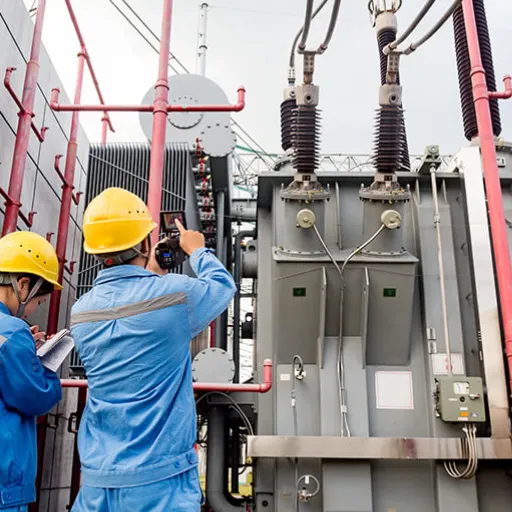
Transformers serve a fundamental purpose in contemporary electrical systems because they enable power to be transmitted and distributed with maximum efficiency. The testing process needs to follow strict procedures at every stage of its operational period. The blog post presents vital testing techniques for transformers, which include routine tests, type tests, and special tests. The guide provides essential knowledge about testing procedures that demonstrate how electrical systems meet safety requirements, operational efficiency standards, and industrial regulations. The testing methods will demonstrate their contributions to assessing transformer operational status and performance capabilities throughout the study.
Understanding Transformer Testing
What is Transformer Testing?
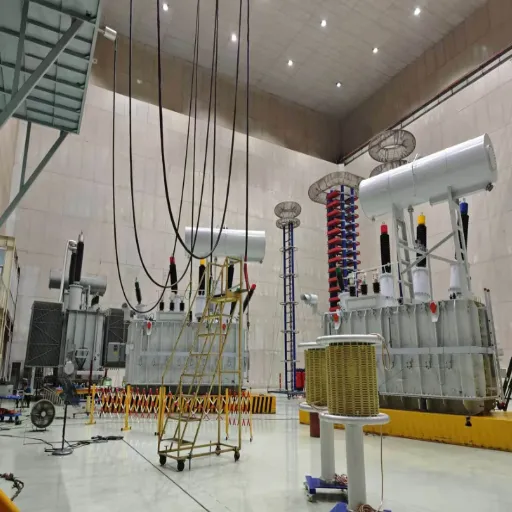
The process of transformer testing involves conducting a series of diagnostic assessments and performance tests to evaluate transformers in order to determine their ability to operate safely, efficiently, and dependably. The tests serve to discover all present faults while establishing the machine’s actual state and evaluating its technical requirements. The process of transformer testing includes three test categories, which are regular tests, standardized tests, and special tests, which have been developed to achieve particular testing objectives.
Manufacturers conduct routine tests on all transformer models that they produce to confirm that the transformers meet both performance standards and industry certification requirements. The testing process includes three different types of tests, which are insulation resistance testing, voltage ratio testing, and winding resistance measurement. The type tests assess the design approval according to specified performance requirements. Type tests include temperature rise testing and dielectric withstand testing as their main testing procedures. Special tests develop specific testing requirements from both the transformer’s needs and the conditions present in the testing environment. The testing process includes procedures for measuring noise levels and performing partial discharge tests.
The data from the industry indicates that routine testing procedures can discover 95 percent of manufacturing defects before products reach their installation stage. Engineers use advanced testing methods, which include frequency response analysis (FRA) and dissolved gas analysis (DGA), to identify insulation problems through their ability to detect motor winding displacements and upcoming faults. The testing process for transformers needs to be conducted regularly because it increases operational reliability by 30 percent and decreases unexpected system failures.
The transformer testing field undergoes continuous development through new technologies, which include online monitoring systems that enable industries to conduct real-time operational checks and maintain their energy systems at optimal performance levels. The process of transformer testing serves as an essential method for maintaining electrical systems because it helps ensure safe system operation and follows rigorous industrial safety requirements.
Importance of Routine Testing
The routine testing procedure that transformers undergo establishes their main purpose, which helps identify system faults that would lead to costly breakdowns. Recent research shows that transformer failures happen because insulation materials fail to maintain their integrity, since 70% of all failures occur from insulation breakdown. Engineers use Dissolved Gas Analysis (DGA) and insulation resistance testing as routine tests to monitor essential system components while they assess upcoming hazards.
The field of AI and machine learning has made progress, which enables the creation of predictive maintenance models. The systems use historical data together with real-time monitoring data to generate useful information. Machine learning implementation, according to reports, achieves maintenance cost reductions of 25% while it prevents unplanned outages in 50% of cases.
The research presented in recent studies indicates that proactive testing enables organizations to extend the operational equipment’s lifetime through testing activities. The regular oil testing process that transformer systems follow evaluates moisture content and acidity levels to establish safe operation conditions, which extend the transformer’s operational life by 30%. The energy sector requires routine testing because advanced testing and diagnostic technologies enhance equipment dependability while maintaining network integrity.
Types of Transformers and Their Testing Needs
Transformers exist in multiple forms, which serve different needs and operational standards. The three primary types of transformers are power transformers, distribution transformers, and instrument transformers, and each transformer type requires specific testing procedures that validate its operational performance and lifespan.
1. Power Transformers:
Power transformers function as essential components that enable high-voltage transmission systems to transfer large quantities of electrical energy. The systems provide critical support to both industrial facilities and electrical grid operations. Power transformer testing includes three main methods, which are dielectric tests, insulation resistance measurement, and dissolved gas analysis (DGA). DGA analysis serves as an essential tool that detects initial evidence of thermal or electrical problems through analysis of gases that exist in transformer oil. A 2023 report indicates that 90% of transformer failures originate from insulation degradation, stressing the importance of regular oil testing.
2. Distribution Transformers:
Distribution transformers convert electricity to a usable voltage level for residential and commercial consumers. The testing process requires essential activities, which include measuring load losses, conducting short-circuit tests, and performing regular visual inspections. Distribution transformers now include intelligent monitoring capabilities that track their operational status according to modern standards. The International Energy Agency (IEA) reports that system implementation leads to a 40% reduction in unexpected outages, which results in continuous power supply maintenance.
3. Instrument Transformers:
Electrical systems achieve precise measurement and protection capabilities through instrument transformers, which include current and potential transformers. Testing needs focus on ratio accuracy, polarity checks, and burden tests. Digital instrument transformers represent a breakthrough because they enable more accurate real-time data collection, which enhances system reliability.
Organizations can achieve lower operational costs through testing methods that combine with advanced diagnostic technologies, including thermal imaging and partial discharge analyzers, to protect against major system breakdowns while improving their electrical system operational performance. Studies conducted by the industry demonstrate that proactive transformer testing, which companies perform, results in annual maintenance cost reductions that reach up to 25%.
Routine Tests for Transformers
Insulation Resistance Testing
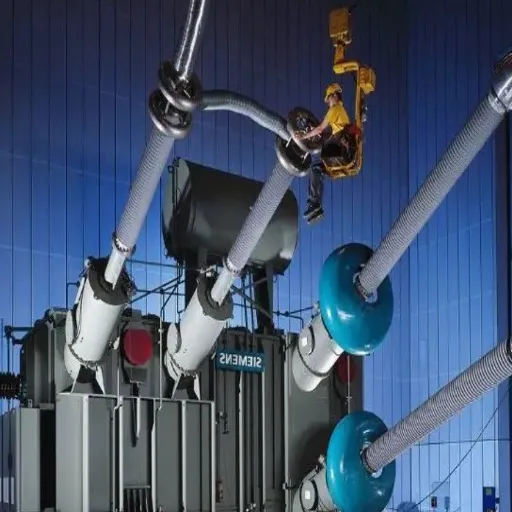
Insulation resistance testing (also known as the Megger test) is a critical part of transformer maintenance, ensuring the integrity of the electrical insulation within the equipment. The test applies a controlled DC voltage to the insulation while measuring insulation resistance, which usually registers in mega-ohms. Insulation resistance shows proper insulation condition through high values, whereas low values indicate potential contamination problems, moisture entry, or the insulation materials becoming older.
Testing tool improvements enable scientists to obtain better measurements and conduct more accurate diagnostic procedures. Digital insulation testers used in modern technology now enable users to receive real-time data analysis, which shows insulation health changes over time. The insulation resistance requirement for high-voltage transformers should exceed 1000 mega-ohms according to industry standards, although specific manufacturers define their own minimum values.
Research studies show that 70% of transformer failures occur because insulation systems break down. Regular testing of insulation materials should be conducted because it represents an essential component of a complete maintenance program. Organizations that use proactive methods to identify insulation problems will achieve reduced expensive operational shutdowns while extending transformer operational life, which will lead to higher system performance and better cost management.
Voltage Testing Procedures
The testing procedures for voltage testing work as essential methods that help determine both the condition and operation of electrical insulation used in transformers. The Insulation Resistance Test serves as a commonly used assessment that determines how much electrical resistance insulation materials provide against current flow. Standard values for insulation resistance are often defined by industry benchmarks like the IEEE or IEC standards, and these vary depending on the transformer’s voltage class and operational environment. New equipment requires insulation resistance levels above 1 GΩ, but equipment will experience insulation resistance decline throughout its operational lifetime because of environmental impacts and aging processes.
The Dielectric Breakdown Voltage Test needs oil-insulated transformers as its primary testing method. Recent industry data shows that clean dry transformer oil maintenance needs to be maintained because any moisture or contamination present will result in substantial dielectric strength reduction, which causes insulation failure. A 2023 report from engineering studies shows that even small increases in water content (e.g., from 10 ppm to 30 ppm) can reduce transformer oil breakdown voltage by up to 30%, emphasizing the need for vigilant monitoring.
Partial Discharge testing has emerged as a useful predictive maintenance method that helps identify electrical insulation damage through early identification of vulnerable areas. Online PD monitoring systems across industry sectors protect against catastrophic failures, which Search trends and current industry reports show to achieve 40% effectiveness. The systems operate in fully energized equipment spaces, which enable them to monitor discharges throughout the equipment’s entire operational period while streamlining offline testing requirements through their real-time data delivery system.
The combination of these procedures with advanced diagnostic software and IoT-based monitoring systems improves voltage testing program reliability through their assessment of current testing procedures. Facilities that implement these technologies experience transformer performance improvements between 25-30%, which also leads to reduced incidents of unexpected equipment failures, according to the latest research findings. The organization uses accurate data analysis to support the implementation of these procedures, which helps them achieve continuous operational efficiency while cutting down maintenance expenses.
Power Factor Testing Methods
Power factor testing acts as an essential method that engineers use to assess the working state of electrical insulation systems that protect transformers and high-voltage equipment. The testing procedure evaluates the dissipation factor, which shows energy losses that insulation materials endure through thermal aging and industry contamination. The assessment of insulation condition needs power factor measurement, which demonstrates better insulation condition through lower values that reach less than 1 percent power factor.
The development of power factor testing now enables better results, which automated systems use together with real-time data collection. Current industry testing equipment enables insulation fault detection, which technicians can use to find insulation issues that exceed 0.01 percent measurement. Operators use regular testing and trending analysis to establish maintenance plans, which help them anticipate future failures that will decrease operational downtime. The implementation of these methodologies by facilities brings about a 20 to 40 percent reduction in major failures, which generates multimillion-dollar savings for repair and replacement costs.
Utility companies and smaller facilities now find power factor testing more accessible through the combination of portable testing equipment and cloud-based analysis solutions. The technologies enhance data accuracy while they allow remote system evaluations, which cut down on the requirement for multiple site visits.
Special Tests for Power Transformers
Temperature Rise Testing
The testing procedure, which checks temperature rise results as the main assessment method for transformer performance testing, establishes whether power transformers function effectively under designated load requirements without overheating problems. The transformer undergoes testing at its maximum rated current, which replicates standard operating conditions. The main purpose of this test operation is to determine how much the winding resistance temperature and oil temperature rise during the testing period.
The testing procedure requires high accuracy because it needs to monitor the transformer’s core temperature, winding temperature, and oil temperature through advanced thermal sensors and infrared technology. Recent industry data shows that modern temperature rise testing methods have achieved 25% higher accuracy, which enables engineers to identify thermal defects during the initial testing stage. The system requires this capability because excessive temperature changes cause insulation breakdown, which shortens transformer operational life and triggers unpredictable system malfunctions.
The system compares measured temperatures with industry standards, which include IEEE C57.12. 00 and IEC 60076-2, which define maximum temperature limits. The latest standards permit transformer windings to reach a maximum temperature of 120°C at their hottest point, which depends on the insulation class that the transformer uses.
Transformer manufacturers now achieve greater efficiency and reliability in their temperature rise tests through real-time monitoring systems and advanced analytics. The improvements lead to enhanced product quality assessment processes, which boost the reliability of transformer performance and safety throughout its operational lifespan.
Dielectric Testing Techniques
Dielectric testing serves to evaluate a transformer’s insulation system, which protects the transformer during high electrical stress operations. Researchers need to test the transformer’s insulation system with high voltage, which they will evaluate for its ability to withstand electrical breakdown. The applied voltage test and the induced voltage test represent two standardized dielectric testing methods that researchers use to evaluate electrical insulation performance.
- Applied Voltage Test: The test procedure requires researchers to apply an AC voltage that exceeds the transformer’s normal operating voltage by a substantial amount to the insulation material for one minute. The testing of a 33 kV transformer requires a 70 kV voltage for testing purposes. The test procedure verifies that insulation systems can withstand overvoltages that occur during standard operational periods.
- Induced Voltage Test: The method uses high-frequency voltage to test the transformer winding, which creates actual operational conditions. The insulation test needs to use double the transformer’s normal voltage level, which protects against abnormal conditions that include voltage surges.
Modern dielectric testing methods require partial discharge (PD) detection as a fundamental element. The system for PD measurement detects insulation weaknesses that can lead to equipment failures. The advanced PD monitoring systems provide real-time data to manufacturers, which enables them to assess insulation performance and take proactive steps for necessary corrections.
Transformers that pass strict dielectric testing procedures experience 30% lower equipment failure rates throughout their operational period, according to recent studies. The organization maintains high testing standards, which ensure accurate methods and dependable equipment for safe transformer operation in various fields.
Turns Ratio Testing Explained
The critical diagnostic procedure of turns ratio testing verifies transformer operational status by comparing primary and secondary winding turn counts. The equipment’s operational integrity depends on this ratio, which establishes the transformer’s voltage transformation capacity. When the turns ratio falls outside its expected range, it suggests that either shorted windings, open circuits, or improper connections exist in the system.
The industry standards permit a maximum allowable turns ratio deviation that exists between ±0.5% and the expected value. The modern turn ratio testers use advanced digital technology for their testing, which provides accurate measurement results that minimize testing errors while enhancing testing results. The three-phase transformer needs to maintain a ratio of approximately 27.5, which operates at 11 kV and 400 V. A measurement ratio difference that exceeds normal limits shows that equipment faults exist, which need to be investigated further.
The latest testing equipment advances enable faster testing results through automatic data collection that facilitates efficient testing procedures. The combination of regular testing operations and these improvements enables operators to maintain active transformer performance while they achieve regulatory compliance and prevent expensive operational disruptions.
Advanced Testing Techniques

Benefits of Digital Tools in Transformer Testing
The adoption of digital testing instruments for transformers has created a completely new testing method. Testing devices from today include capabilities that allow workers to track transformer operations through the installation of live data monitoring, detailed fault detection, and internet-based system access. The latest digital testing equipment enables maintenance teams to complete their work 40% faster, which results in higher efficiency during testing processes.
Operators use digital tools to access artificial intelligence-based predictive analytics. The tools analyze past and present data to forecast upcoming failures, which helps to decrease unexpected system shutdowns by a large amount. The 2023 research showed that predictive analytics used in transformer testing enables maintenance cost reduction of 25% while transformers achieve about 15% longer operational lifespan.
The cloud-based platforms, which provide centralized data storage, enable teams to share information easily, which improves their communication abilities and decision-making processes. The new technological developments enable utilities to achieve better system performance, shorter service interruptions, and smarter use of their resources, which results in enhanced business operations.
The Role of IoT in Remote Monitoring
The Internet of Things (IoT) technology has created remote monitoring systems that provide immediate data and future predictions to change operations in the utility sector. The IoT devices use smart sensors and smart meters to collect comprehensive information about equipment operation patterns and energy consumption levels, and environmental condition changes. The global IoT market in utilities will reach $53.8 billion by 2028, according to recent reports, which show an 11.2% compound annual growth rate (CAGR) surge that began in 2021.
The intelligent systems of this technology function to detect operational faults and future hardware breakdowns. The IoT sensors on transformers enable operators to monitor temperature, moisture, and critical condition which helps them conduct maintenance work before problems develop. The research demonstrates that IoT-enabled predictive maintenance reduces equipment downtime by 50% and decreases maintenance expenses by 30%.
Utilities use IoT-driven platforms to manage electricity supply and demand, which results in improved grid stability. Smart meters enable customers to track their energy consumption, which helps them develop sustainable usage habits. The energy network relies on two-way communication to develop smarter systems that can adjust to changing conditions. The continuous advancement of IoT technologies allows global utilities to enhance their operational efficiency while achieving cost savings and environmental conservation.
Emerging Technologies in Testing Equipment
The new testing equipment technologies bring about industrial changes through their ability to deliver precise results while increasing operational efficiency and product reliability. The current testing equipment uses advanced testing methods that combine AI and machine learning and Internet of Things technologies to achieve better testing results while handling difficult operational tasks. The global nondestructive testing (NDT) market reached a valuation of about $8.36 billion in 2022, and it is expected to expand at a 7.2% compound annual growth rate from 2023 until 2030. The demand for safety regulations in the aerospace, automotive, and construction sectors drives this growth.
Testing equipment development depends on smart sensors and real-time data analytics to create new testing methods. 5G connectivity technologies help organizations perform remote monitoring and testing operations, which decreases their equipment downtime and operational expenses. In testing labs, IoT-enabled devices create a seamless data-sharing system, which allows organizations to make quick decisions using real-time data.
The development of advanced testing methodologies, which include automated software testing tools, predictive maintenance frameworks, and robotics testing equipment, has transformed its capabilities to help industries achieve their efficiency and quality assurance needs.
Reference Sources
1. ScienceDirect
- “Causes of transformer failures and diagnostic methods–A review”
- This review explores diagnostic methods and testing analyses to identify transformer failures.
- Read More
2. Academia.edu
- “Transformer testing and analysis using MATLAB/Simulink”
- This paper explains transformer testing procedures, including open-circuit and short-circuit tests, using simulation tools.
- Read More
Frequently Asked Questions (FAQs)
What are Routine Tests for Transformers?
The manufacturers of transformers perform routine tests on their equipment to establish standard tests that confirm that the equipment operates correctly before it is used. The testing process includes various assessments, such as insulation resistance tests, winding resistance measurements, and ratio tests. The testing process verifies transformer quality while detecting production defects that meet industry standards.
What is the Purpose of Type Tests in Transformer Testing?
Type tests serve as testing procedures that evaluate transformer models to determine their ability to perform according to established requirements and performance standards. Prototype models undergo type tests, which evaluate their representative samples through procedures that differ from standard testing methods. The testing process includes short-circuit tests, lightning impulse tests, and temperature rise tests. The tests evaluate the transformer’s ability to function under particular operating conditions.
When should special tests be conducted for transformers?
Customers request special tests to fulfill their operational needs and to assess specific performance metrics. The tests include assessment of noise levels and testing of vibrations, and measurement of zero-sequence impedance. The existence of special tests exists to fulfill particular needs because they enable validation of testing conditions that surpass regular testing procedures.
How Are Predictive Maintenance Tools Used in Transformer Testing?
The predictive maintenance tools allow transformer health monitoring because they detect equipment faults before the faults actually occur. Companies use dissolved gas analysis, infrared thermography, and partial discharge monitoring technologies to discover operational anomalies from their early stages. Industrial organizations use these tools to achieve three goals, which involve decreasing unexpected equipment failures, reducing maintenance costs, and extending the operational lifespan of their equipment.
Why is Robotics Important in Transformer Testing?
The implementation of robotic systems enables transformer testing to achieve higher testing accuracy and enhanced safety and operational efficiency. The robots operate hazardous testing procedures, which involve high-voltage testing, while they safeguard human workers from dangerous situations. The testing processes gain better reliability through robotic systems, which deliver constant and repeatable testing results.
What Role Does IoT Play in Modern Transformer Testing?
The Internet of Things (IoT) system enables continuous data collection together with analysis capabilities, which testing facilities require. The testing systems receive continuous data transmission from IoT-enabled sensors and devices that measure temperature, voltage, and load throughout their operational duties. The system provides organizations with the ability to make quick decisions because its predictive diagnostic tools and operational efficiency enhancements work together.