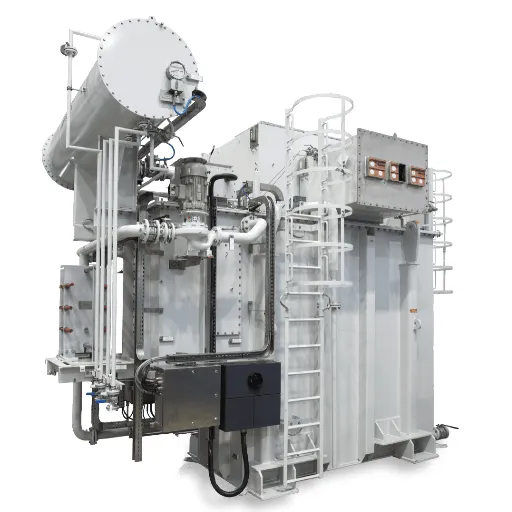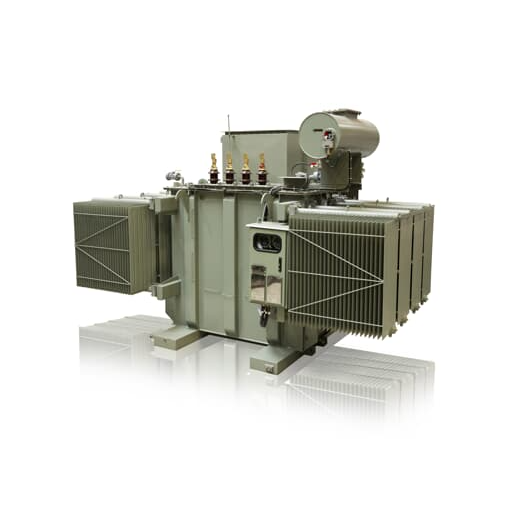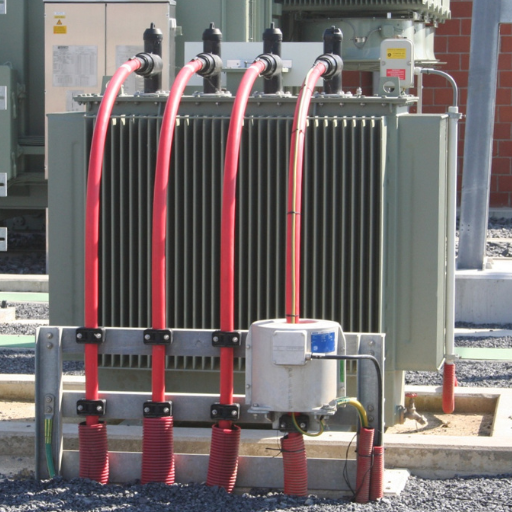

What is a Distribution Transformer?
A Distribution Transformer is a type of transformer used in the electrical power distribution system to step down the voltage from the high levels used in transmission lines to a lower voltage suitable for use in homes, businesses, and industrial facilities. It is the final stage in the power delivery process, ensuring that electricity is delivered safely and efficiently to end users. Distribution transformers are typically designed for high efficiency, low maintenance, and durability. We offer a complete portfolio of distribution transformers designed to meet the diverse needs of utility providers and industrial operators, ensuring maximum uptime, efficiency, and safety.
Distribution Transformers: Selection and Compliance
Single Phase & Three Phase Options
- Single Phase: Typically used for light, residential loads or remote applications to supply individual homes or small buildings.
- Three-phase: Essential for industrial, commercial, and high-density urban areas that require balanced power for large motors and heavy machinery.
Distribution Transformer Standards
- Standards Compliance: All transformers meet or exceed critical benchmarks set by Distribution Transformer Standards (ANSI, IEEE).
- Guaranteed Interoperability: Adherence to these standards ensures safe operation, quality assurance, and seamless integration into the existing power grid infrastructure.
Sizing & Selection Guide
- Accurate Sizing: Calculate the required kVA rating based on total load demand to prevent overload and premature failure.
- Voltage Specificity: specify the primary and secondary voltage requirements to ensure the selected unit meets local utility and specification requirements.
Types of Distribution Transformers We Manufacture

Pole Distribution Transformer
Compact and efficient, these transformers are mounted directly on utility poles, making them ideal for residential and light commercial power distribution in both urban and rural areas.

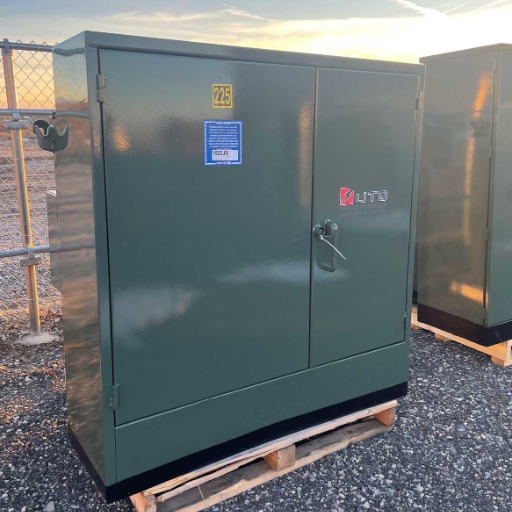
Ground Mount Distribution Transformer
Housed in secure, pad-mounted enclosures, these transformers are perfect for underground distribution systems in commercial centers, industrial parks, and residential subdivisions where aesthetics and safety are key.

Overhead Distribution Transformer
Designed for substation and overhead line applications, these units are built to withstand harsh environmental conditions while providing consistent power for a variety of loads.
Technical Specifications & Standards
| Parameter | Specification Details |
|---|---|
| Product Type | Pole Mount / Overhead, Pad Mount / Ground Mount |
| Rated Power (kVA) | Standard kVA range (e.g., 10 kVA to 500 kVA) |
| Primary Voltage | kV (Typically up to 34.5 kV for distribution grids) |
| Secondary Voltage | Low Voltage (e.g., 208V, 480V, 600V) |
| Phases | Single-Phase or Three-Phase Configuration |
| Cooling Method | ONAN (Oil Natural Air Natural) - Standard |
| Winding Material | Aluminum or Copper |
| Standard Compliance | ANSI/IEEE C57, IEC 60076, NEMA |
| Insulating Fluid | Mineral Oil or Biodegradable Ester Fluid |
| Enclosure/Mounting | Pole-Mount Hanger, Pad-Mount Cabinet (Sealed) |
Advantages of Distribution Transformers
High Efficiency
Distribution transformers are designed to minimize energy losses during voltage conversion, ensuring optimal power delivery and reducing operational costs over time.
Durable Construction
Built with robust materials and advanced engineering, these transformers can withstand harsh environmental conditions, ensuring long-term reliability and performance.
Versatile Applications
They are suitable for a wide range of uses, including residential, commercial, and industrial power distribution, making them highly adaptable to various needs.
Low Maintenance Requirements
With features like sealed designs and high-quality insulation, distribution transformers require minimal upkeep, reducing downtime and maintenance expenses.
Enhanced Safety Features
Equipped with safety mechanisms such as pressure relief valves and tamper-proof enclosures, they ensure the protection of both personnel and equipment.
Customizable Options
Available in various configurations, including pole-mounted, pad-mounted, and overhead types, they can be tailored to meet specific voltage, capacity, and environmental requirements.
Distribution Transformers Applications & Industries

Utility Power Distribution
Our transformers are trusted by electric utilities to deliver consistent, reliable electricity to residential neighborhoods, city centers, and rural communities. Designed for high performance and minimal outages, they support both overhead and underground power distribution networks, ensuring seamless service for millions of end users.

Industrial Operations
Purpose-built for demanding manufacturing environments, our transformers supply stable power to factories, processing facilities, and warehouses. Their robust design withstands harsh operating conditions, voltage fluctuations, and high loads, making them ideal for mission-critical industrial applications where uptime and operational efficiency are paramount.

Institutional Facilities
From hospitals and schools to shopping centers and office complexes, our distribution transformers deliver safe, efficient power for a wide range of commercial and institutional installations. With flexible installation options that can be tailored to site requirements, they offer secure, low-maintenance solutions for both new construction and modernization projects.
What Our Clients Say
“After a year in the field, our ground-mounted units have performed flawlessly. The robust construction stands up to the elements, and downtime has dropped to nearly zero.”

Richard
Infrastructure Engineer
“Switching to these distribution transformers was a game-changer for our power utility. We’ve seen improved efficiency, reduced energy loss, and minimal maintenance—even through harsh weather. “

Mark
Utility Operations Manager
Latest Insights
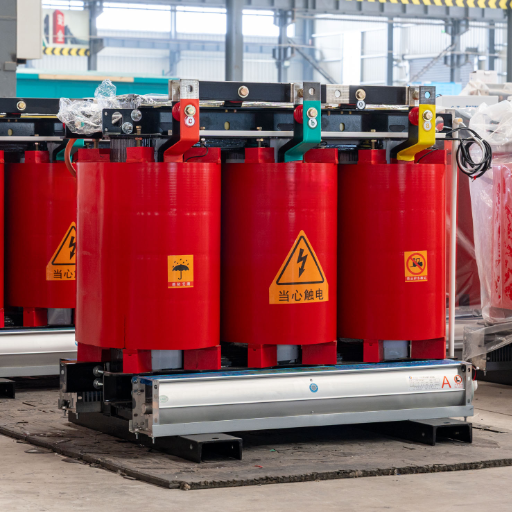
A low-loss dry-type transformer is a dry-type unit designed to reduce no-load (core) loss and load (copper) loss below standard…
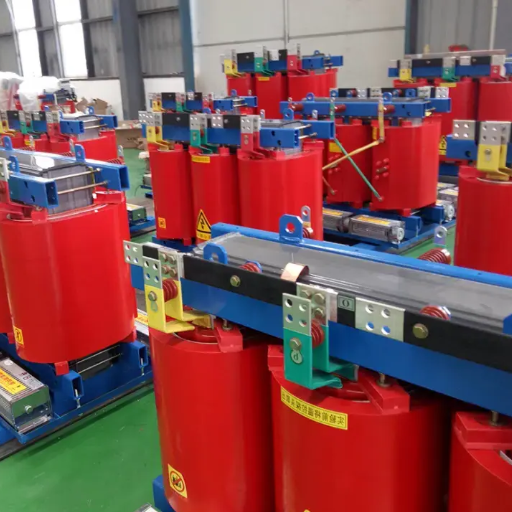
An IEC dry type transformer supplier is a manufacturer that builds dry type units to IEC 60076-11 and can prove…
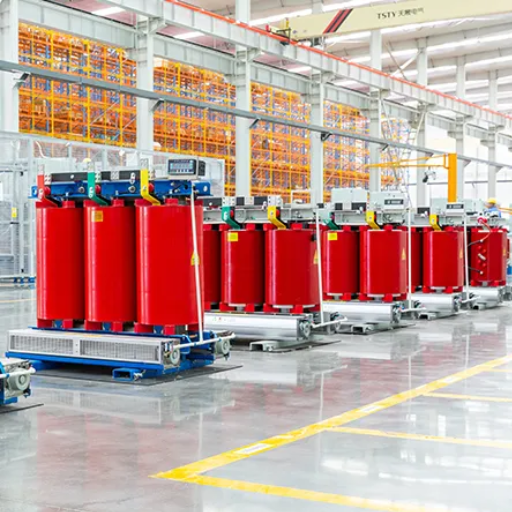
For a hospital project, a dry-type transformer is the standard indoor choice because it contains no flammable oil, needs almost…
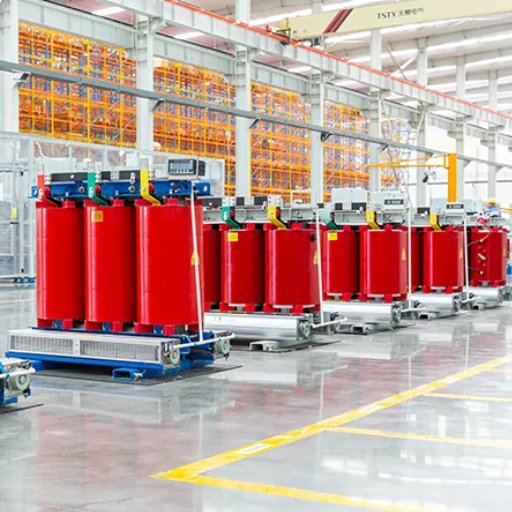
For most indoor installations, a cast resin dry type transformer is the best choice. Its epoxy-sealed windings handle humidity, dust, and strict…
Frequently Asked Questions (FAQs)
The choice of pole mount vs pad mount transformer largely depends on the location and infrastructure of the service area. Pole mount transformers are installed high up on utility poles, making them ideal for rural areas or older urban neighborhoods with overhead power lines. Pad mount transformers are ground-level units housed in secure metal cabinets, typically used in modern suburban developments, commercial parks, or areas where power lines are buried underground for aesthetic or safety reasons.
Selecting a distribution transformer for residential applications involves calculating the total expected load of the neighborhood or housing complex. You must consider the number of homes, average power consumption, and potential peak usage times. For most residential areas, single-phase transformers are sufficient, but larger complexes may require three-phase units. It is crucial to consult with an electrical engineer to ensure the unit is correctly sized to prevent overloads while maintaining efficiency.
Overhead distribution transformer installation requires careful planning to ensure safety and reliability. Key considerations include the structural integrity of the utility pole, proper clearance distances from buildings and vegetation, and adherence to local electrical codes. The installation must also account for weight distribution and secure mounting hardware to withstand environmental stressors like high winds or ice accumulation. Professional installation by certified linemen is mandatory.
Maintenance for pad-mounted transformers focuses on ensuring the enclosure is secure and the internal components are functioning correctly. Routine tasks include inspecting the cabinet for rust or physical damage, checking the oil level and temperature gauges, and verifying that the ground connections are intact. It is also important to keep the area around the transformer clear of vegetation and debris to ensure proper airflow for cooling.
Yes, Distribution Transformers play a vital role in connecting renewable energy sources to the grid. They can be used to step up the voltage from solar farms or wind turbines for transmission, or step it down for local use. However, transformers used for renewables often require special design considerations to handle variable loads and harmonics associated with inverters found in solar and wind power systems.
High-quality Distribution Transformers are built for longevity. With proper maintenance and operation within rated load limits, they typically have a lifespan of 25 to 40 years. Factors that can shorten this lifespan include frequent overloading, extreme weather conditions, and lack of routine maintenance such as oil testing or visual inspections.
-

Special Transformers
-
Distribution Transformers
-
Renewable Energy & Solar
-
Grounding Transformers