
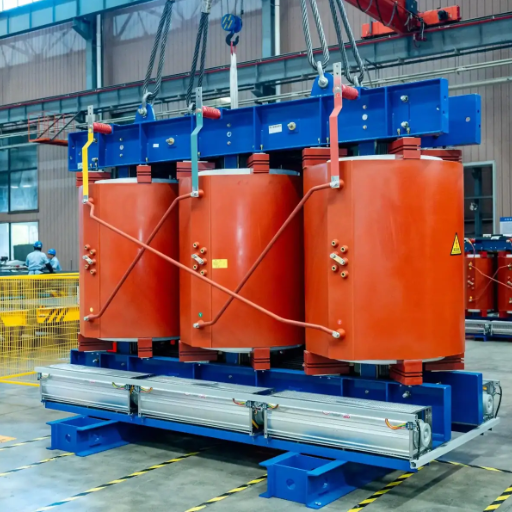
Cast Resin Transformer Manufacturer China: How to Choose the Right Factory

The best way to choose a cast resin transformer manufacturer in China is to verify that the supplier is an actual factory. Then confirm IEC 60076-11 compliance, check export certifications, review technical capability, request complete test reports, and conduct a factory audit before placing a bulk order.
What looks like a manufacturer on a B2B platform is often a trading company with no production floor. A procurement manager in Kenya learned this the hard way when twelve “cast resin transformers” arrived without partial discharge reports or climate class certificates. Local inspectors rejected the installation for non-compliance with IEC 60076-11. The project stalled for fourteen weeks, and the final cost exceeded the original higher bid by twenty-three percent.
That story is more common than buyers expect. This guide gives you a practical framework for sourcing cast resin transformers from China without repeating that mistake. You will learn how to separate real factories from trading companies, which certifications to demand, what documentation protects your project, and how to calculate true landed cost.
Key Takeaways
- China produces approximately 35–40% of global dry type transformers, making it a major source for cast resin transformer buyers.
- Verify factory status first: request business licenses, factory tours, and third-party audits to avoid trading companies posing as manufacturers.
- Require IEC 60076-11 compliance, partial discharge test reports below 10 pC, and export certifications such as CE, UL, or KEMA.
- Red flags include unusually low prices, no factory address, generic test reports, and poor communication.
- Total landed cost includes equipment, shipping, duties, insurance, third-party inspection, and commissioning, often adding 30–50% to the ex-works price.
Why Buyers Source Cast Resin Transformers from China
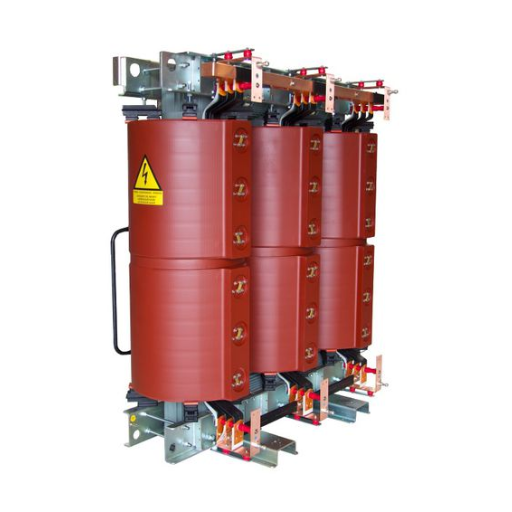
China has become the world’s largest production base for dry type transformers, including cast resin designs. Buyers turn to Chinese manufacturers for three practical reasons: manufacturing scale, cost structure, and export readiness.
Cost and Manufacturing Scale Advantages
Chinese factories benefit from integrated supply chains for copper, aluminum, silicon steel, and epoxy resin. That integration supports competitive pricing without forcing buyers into the lowest-quality tier. A well-specified 1,000 kVA cast resin transformer from a verified Chinese factory typically ranges from 8,000to8,000to15,000 ex-works, while a 2,500 kVA unit ranges from 15,000to15,000to28,000 depending on winding material and certification package.
Export Infrastructure and Logistics Experience
Established Chinese transformer manufacturers have experience with sea freight, export packaging, certificates of origin, and customs documentation. Sea freight from China to major international ports usually takes 25 to 45 days, with total order-to-site lead time often landing between 8 and 12 weeks for standard designs.
Range of Capacity and Customization Options
Chinese cast resin transformer factories commonly produce SCB series units from 100 kVA to 5,000 kVA and beyond. They can customize voltage ratios, vector groups, enclosure ratings, and tapping ranges. Many also offer OEM and private-label support for distributors and system integrators. If you are still deciding between transformer technologies, our dry type transformer guide explains where cast resin fits against other indoor options.
Common Concerns: Quality, Communication, and Lead Time
Despite the advantages, buyers worry about inconsistent quality, unclear communication, and hidden costs. Those risks are real, but they are manageable with a structured evaluation process. The next section provides that process.
5 Steps to Evaluate a Cast Resin Transformer Manufacturer in China
A clear evaluation framework saves more money than aggressive price negotiation. Use these five steps before signing a purchase order.
Step 1: Verify Factory Status
Ask for the business license and check that the registered address matches the factory location. Request a live video tour of the production floor, winding station, casting room, and testing area. A genuine manufacturer will welcome this. A trading company will delay, redirect, or refuse.
Step 2: Check Certifications and Standards Compliance
Confirm the factory builds to IEC 60076-11, the international standard for dry-type transformers. Ask whether they also follow GB/T 10228 for domestic Chinese requirements. For export markets, request CE, UL 1562, KEMA, or ASTA certificates as applicable. Always verify certificates with the issuing body when possible.
Step 3: Review Technical Capability and Product Range
Request a product catalog and ask about the highest and lowest kVA ratings they have produced. Ask about core material, winding material options, insulation class, and climate class. A capable factory should discuss altitude derating, humidity protection, and partial discharge limits without hesitation.
Step 4: Request Quality Documentation and Test Reports
Before order confirmation, ask for type test reports, routine test reports, and partial discharge test data. Premium cast resin transformers for data centers and hospitals should show partial discharge below 10 pC. Insist on serial-number traceability between reports and the units you receive.
Step 5: Conduct a Factory Audit or Third-Party Inspection
For orders exceeding 50,000, arrange for off-site auditors or hire a third-party inspection company (such as SGS) to conduct witnessed testing. Pre-shipment inspection typically costs between $800 and $2,500, but can prevent costs from exceeding this amount by several times.
A data center developer in Vietnam followed this exact process. He shortlisted three “cast resin transformer manufacturers” from a B2B platform. Two refused a video tour and could not produce licenses matching a factory address.
The third welcomed an SGS audit, provided IEC 60076-11 type test reports with serial-number traceability, and had completed five data center projects in Southeast Asia. The buyer ordered eight 2,500 kVA units and received full documentation within ten weeks.
Key Certifications and Standards for Chinese Cast Resin Transformers
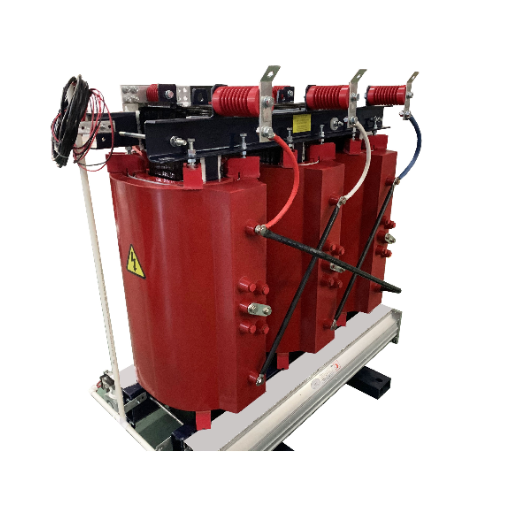
Certifications are not just paperwork. They define whether a transformer will pass local inspection and perform reliably for decades.
IEC 60076-11 and GB/T 10228
IEC 60076-11 is the core international standard for dry-type transformers. It covers temperature rise, insulation levels, short-circuit withstand, and testing. GB/T 10228 is the Chinese national equivalent. A good Chinese manufacturer should be able to explain how its designs satisfy both.
CE, UL, KEMA, and ASTA Certifications
CE marking is required for European Economic Area markets. UL 1562 applies to North American dry type transformer safety. KEMA and ASTA test certificates are respected third-party verifications of short-circuit withstand and other performance claims. Not every project needs every certificate, but the factory should hold the ones relevant to your destination.
Partial Discharge and Routine Test Requirements
Partial discharge measurement reveals the quality of epoxy casting and insulation integrity. For critical indoor applications, ask for values below 10 pC. Routine tests should include winding resistance, turns ratio, no-load loss, load loss, and insulation resistance.
Fire Behavior and Climate Class Verification
Cast resin transformers are often chosen for buildings because they resist fire spread and do not contain liquid coolant. Verify fire behavior class, environmental class, and climate class against your installation conditions. Altitude derating above 1,000 meters is approximately 0.5% per 100 meters for standard air-cooled designs.
Factory Tour: Cast Resin Transformer Production
The video below shows a typical cast resin transformer production line, including winding, vacuum epoxy casting, curing, and routine testing. Watching the manufacturing process helps buyers understand what to look for during a factory audit.
What to Request from a Cast Resin Transformer Manufacturer
Clear documentation is your best protection against delays and disputes. Request the following before finalizing any order.
Technical Datasheets and Drawings
Datasheets should include rated power, voltage ratio, vector group, impedance voltage, no-load and load losses, insulation class, cooling method, dimensions, and weight. General arrangement drawings help confirm that the unit will fit your electrical room or enclosure.
Type Test and Routine Test Reports
Type tests prove the design meets standards under extreme conditions. Routine tests prove each individual unit is correctly manufactured. Both should reference the same design platform and carry traceable serial numbers.
Factory Acceptance Test Arrangements
Ask whether you or a third party can witness the factory acceptance test. Witness testing adds confidence and is standard practice for larger projects. Some factories include FAT in the price; others charge separately.
Warranty Terms and After-Sales Support
Standard warranties range from 12 to 36 months. Clarify what the warranty covers, whether spare parts are available, and how technical support is provided after delivery. Strong after-sales support matters more than a slightly lower unit price.
Export Documentation Package
Confirm the supplier will provide the packing list, commercial invoice, bill of lading, certificate of origin, test reports, and any certificates required by your country. Missing documents can delay customs clearance by weeks.
A European distributor learned this lesson through an OEM partnership that worked. After auditing a Chinese cast resin transformer factory and placing a sample order, he established a two-year OEM agreement. The factory supplied 500–2,500 kVA CE-certified units under the distributor’s brand.
With 30% advance payment and 70% against bill of lading, the distributor now ships within five days of customer orders. He has captured 18% of his regional market.
Red Flags When Sourcing from China
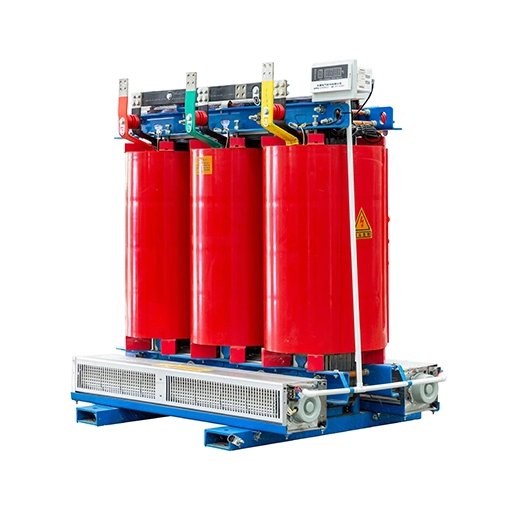
Some warning signs are obvious. Others only appear when you dig deeper. Watch for all of the following.
Unusually Low Prices Without Explanation
If a quote is 20% below comparable offers, ask why. The answer may be aluminum windings instead of copper, lower-grade core steel, missing tests, or a trading company margin that disappears later.
No Factory Address or Audit Access
A legitimate manufacturer will provide a clear factory address and allow verification. Refusal to share location details or arrange a visit is a serious red flag.
Missing or Generic Test Reports
Test reports should reference specific transformer models, serial numbers, and accredited laboratories. Generic PDFs with no traceability should not be accepted.
Poor Communication and Vague Answers
If the sales contact cannot explain winding material, insulation class, or partial discharge limits, the company may not have engineering depth. Technical responsiveness is a key differentiator.
No Export References or Project History
Ask for reference projects in your region or in similar applications. A factory with real export experience will provide project types, destinations, and approximate volumes.
Total Landed Cost: Beyond the Ex-Works Price
The unit price is only part of the equation. Total landed cost often runs 30–50% above the ex-works quote.
Equipment Cost by Capacity
| Capacity | Ex-Works Range (USD) | Notes |
|---|---|---|
| 500 kVA | 5,000–5,000–9,000 | Entry-level commercial applications |
| 1,000 kVA | 8,000–8,000–15,000 | Common for buildings and small industry |
| 1,600 kVA | 12,000–12,000–22,000 | Popular for hospitals and data centers |
| 2,500 kVA | 15,000–15,000–28,000 | Larger commercial and industrial sites |
Prices vary with copper versus aluminum windings, efficiency tier, and certification package.
Shipping, Insurance, and Duties
Sea freight for a single large transformer or a container load typically adds 1,500–1,500–6,000 depending on destination and incoterms. Marine insurance and import duties vary by country and HS code.
Third-Party Inspection and Testing Costs
Budget 800–800–2,500 for pre-shipment or witness testing. On-site acceptance testing after delivery may add further cost but protects against shipping damage and hidden defects.
Installation and Commissioning Budget
Installation costs depend on local labor rates, crane requirements, and electrical connection complexity. Commissioning should include ratio tests, resistance tests, and insulation checks before energization.
Example: 1,600 kVA Cast Resin Transformer Landed Cost
A 1,600 kVA cast resin transformer priced at 17,000ex−worksmightreach17,000ex−worksmightreach24,000–$27,000 landed. That includes freight, insurance, duties, third-party inspection, and local delivery. Buyers who compare only the ex-works price often underestimate their true budget by 35% or more.
Shandong Electric Co., Ltd. as Your Cast Resin Transformer Manufacturer
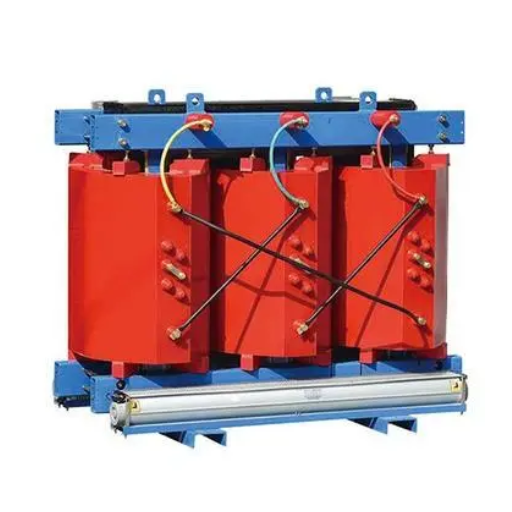
Shandong Electric Co., Ltd. manufactures cast resin and dry type transformers for commercial, industrial, and utility projects worldwide. Our production follows IEC 60076-11 and GB/T 10228, with routine testing and optional third-party witness testing for every order.
Manufacturing Capability and Export Experience
We produce SCB series cast resin transformers across a wide kVA range and support custom voltage, capacity, and enclosure configurations. Our export experience includes documentation, packaging, and logistics coordination for destinations across Asia, Africa, Europe, and the Americas.
Quality Control and Testing Standards
Each unit undergoes winding resistance, turns ratio, no-load and load loss, insulation resistance, and partial discharge testing. We provide test reports with serial-number traceability and support factory acceptance testing by customer or third-party representatives.
Customization and OEM Support
We offer custom winding configurations, vector groups, tapping ranges, and enclosure designs. OEM and private-label programs are available for distributors and system integrators who need consistent supply under their own brand.
How to Start a Project
Share your single-line diagram, voltage requirements, kVA rating, certification needs, and destination country. Our engineers will recommend the appropriate cast resin transformer design, confirm standards compliance, and provide a detailed quotation with lead time.
Frequently Asked Questions
What is the best cast resin transformer manufacturer in China?
The best manufacturer is the one that matches your project’s technical requirements, holds the right certifications, allows factory verification, and provides complete documentation. There is no single universal answer because application needs vary by voltage, capacity, climate, and import regulations.
How do I verify a Chinese transformer factory?
Request the business license, confirm the factory address, ask for a live video tour, and arrange a third-party audit for larger orders. Check that the company name and address on certificates match the production facility.
What certifications should a cast resin transformer from China have?
At minimum, confirm IEC 60076-11 compliance. For export, request CE, UL 1562, KEMA, or ASTA certifications depending on your market. Also request partial discharge test reports and routine test reports for the specific units.
How long does it take to manufacture and ship cast resin transformers from China?
Standard designs typically require 4–6 weeks of production plus 25–45 days of sea freight. Custom designs or large orders may extend this to 10–14 weeks total.
What is the typical MOQ for cast resin transformers from China?
Minimum order quantities vary by factory. Some accept single-unit orders for standard designs. Larger discounts and priority scheduling usually begin at 3–5 units or a full container load.
Can Chinese manufacturers produce cast resin transformers to IEC standards?
Yes. Many established Chinese factories design and test to IEC 60076-11. Always request the specific test reports and verify that the standard edition matches your local requirements.
How much does a cast resin transformer from China cost?
Pricing depends on capacity, winding material, efficiency tier, and certifications. Typical ranges are 8,000–8,000–15,000 for 1,000 kVA and 15,000–15,000–28,000 for 2,500 kVA ex-works. Total landed cost is higher after freight, duties, and inspection.
Do Chinese cast resin transformer manufacturers offer OEM services?
Yes. Many factories provide OEM and private-label manufacturing for distributors and EPC contractors. Expect an initial audit, sample order, and defined quality agreement before scaling volume.
Conclusion
Sourcing a cast resin transformer manufacturer in China is a procurement decision, not just a product search. The buyers who get the best outcomes verify factory status first, demand the right certifications, request complete test reports, and calculate total landed cost before comparing quotes.
Use the five-step evaluation framework in this guide to reduce risk and avoid the common mistakes that delay projects. If you need a cast resin transformer built to IEC standards with factory documentation and export support, contact our engineering team.
Send your voltage, kVA rating, certification requirements, and destination port. We will provide a tailored quotation and technical recommendation.
For a deeper technical overview of cast resin technology, read our dry type transformer guide. For outdoor or utility applications, our oil immersed transformer guide explains when liquid-filled designs are the better choice.