
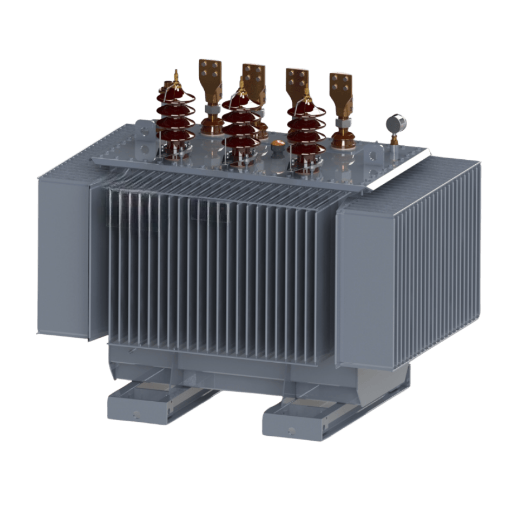
Hermetically sealed transformers: Design, advantages and selection guide

A hermetically sealed transformer uses a fully welded tank with no breathing system, preventing air and moisture from contacting the insulating oil and extending oil life by two to three times compared to standard conservator-type designs. This construction makes it the right choice for humid, coastal, dusty, and remote environments where routine maintenance access is limited or expensive.
A copper mine in Kazakhstan learned this distinction the hard way. The mine installed standard conservator-type transformers for their ore processing plant in 2021, selecting them based on lowest purchase price. Fine copper dust infiltrated the breather system within months, contaminating the silica gel and allowing particles to enter the oil. Particle counts exceeded ISO 4406 limits, and the maintenance team faced quarterly oil filtration costs of $6,000 plus breather replacement every six weeks. When the mine expanded in 2024, they switched to hermetically sealed transformers. The welded enclosures eliminated dust ingress entirely. Oil quality has remained stable for three years with only annual thermography checks. The sealed units cost 15% more upfront. They saved 70% on maintenance.
This guide explains how hermetically sealed transformers work, when the sealed construction premium is justified, and what maintenance is still required.
Key Takeaways
- Hermetically sealed transformers use welded tanks with no breathing system, eliminating air and moisture contact with insulating oil.
- Oil life extends 2-3x compared to conservator-type: 30-40+ years vs 15-25 years for mineral oil.
- Upfront cost premium is typically 10-20%, but maintenance savings of 30-50% over 25 years often justify the investment.
- Best environments: coastal, desert, mining, solar farms, and remote locations with limited maintenance access.
- Sealed does not mean maintenance-free: thermography, bushing inspection, and occasional oil testing are still required.
What Is a Hermetically Sealed Transformer?
Core Definition
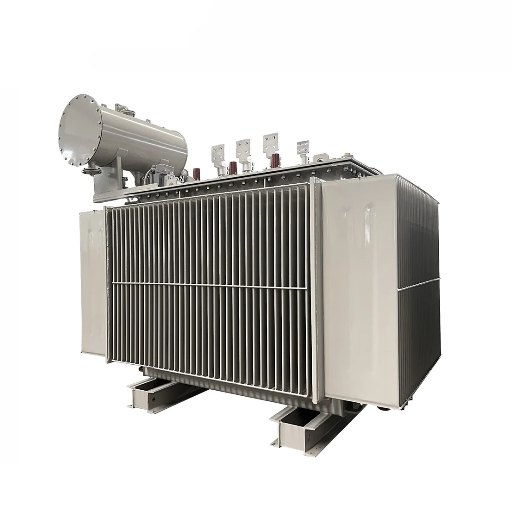
A hermetically sealed transformer is an oil immersed transformer whose tank is fully welded and sealed at the factory, with no pipe, breather, or other connection that allows atmospheric air to enter the oil volume. The term “hermetic” refers to this complete sealing: the internal environment is isolated from the external atmosphere for the service life of the unit.
The transformer is filled with insulating oil under vacuum at the factory, ensuring minimal dissolved gas and moisture content from the start. After filling, all openings are welded closed or sealed with permanent gaskets. The oil volume remains constant in terms of total mass, though the physical volume changes slightly with temperature.
How the Seal Accommodates Thermal Expansion
Oil expands when heated and contracts when cooled. A conservator-type transformer handles this with a separate expansion tank. A hermetically sealed design must manage expansion without breaking the seal. Two methods dominate:
- Nitrogen cushion: A pressurized nitrogen gas layer above the oil compresses as the oil expands and expands as the oil contracts, maintaining positive pressure inside the tank at all temperatures. Nitrogen is inert and does not react with oil.
- Flexible membrane: A corrosion-resistant metal or polymer diaphragm separates the oil from a small cushion of dry air or nitrogen. The membrane flexes to accommodate volume changes while maintaining the seal.
Both methods keep oxygen and moisture out. Both maintain positive internal pressure during normal operation, which actually inhibits moisture ingress through gasket joints better than the slight negative pressure that can develop in conservator systems during cold shutdowns.
Why Eliminating Air Contact Matters
Transformer oil degrades through three primary mechanisms: oxidation (reaction with oxygen), hydrolysis (reaction with moisture), and thermal cracking (breakdown at high temperatures). Oxidation is the dominant long-term degradation pathway for mineral oil in conservator-type transformers because the breather system, even with silica gel, allows some oxygen and moisture to reach the oil surface.
By eliminating air contact entirely, hermetic sealing removes the oxidation pathway. Hydrolysis is minimized because no new moisture enters. The oil degrades only through thermal stress, which is far slower than oxidation-driven aging at normal operating temperatures.
For the broader context on oil filled transformer types and applications, see our complete oil filled transformer guide.
How Hermetically Sealed Transformers Work
Factory Sealing Process
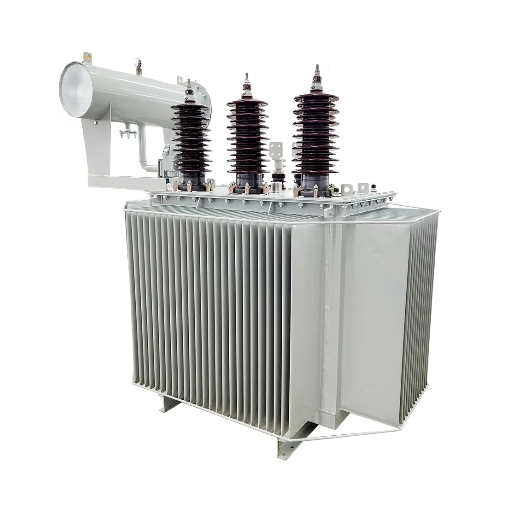
The manufacturing process for a hermetically sealed transformer includes steps that conservator-type units do not require:
- Core and winding assembly: Standard process, but with extra attention to clean handling since internal access will not be possible after sealing.
- Tank welding: All joints are fully welded rather than bolted. Access covers for bushings and terminals use precision-machined flanges with high-quality gaskets.
- Vacuum drying: The active part (core and windings) is dried under vacuum at 110-130°C to reduce moisture content in the cellulose insulation to below 0.5%.
- Vacuum oil filling: Insulating oil is introduced under vacuum, typically at less than 1 mbar absolute pressure, ensuring minimal dissolved gas and moisture.
- Seal welding: Filling ports and inspection openings are permanently welded closed.
- Leak testing: The sealed tank is pressurized with dry nitrogen or helium, and leak detectors verify that the leakage rate meets the design standard, typically less than 1% of total oil volume per year.
Internal Pressure Dynamics
During operation, the internal pressure of a hermetically sealed transformer varies with load and ambient temperature. At no-load and cold conditions, pressure may drop to slightly above atmospheric. At full load and high ambient temperature, pressure rises as the oil expands and the nitrogen cushion compresses. Pressure relief devices are fitted to prevent excessive pressure during fault conditions or extreme temperature events.
The positive pressure maintained during most operating conditions is a secondary benefit. It prevents moisture-laden atmospheric air from being drawn into the tank through gasket joints, which can occur in conservator-type units during cold shutdowns when the tank interior cools and contracts.
Oil Circulation and Cooling
The electromagnetic and thermal principles are identical to conservator-type transformers. Oil circulates by natural convection (ONAN) or with fan assistance (ONAF), carrying heat from the windings to radiators or tank surfaces where it dissipates to ambient air. The sealed construction does not change cooling efficiency. A hermetically sealed 1,000 kVA ONAN transformer performs the same thermal duty as a conservator-type 1,000 kVA ONAN unit.
Hermetically Sealed Transformer vs Conservator-Type
The choice between hermetically sealed and conservator-type construction is one of the most important decisions in oil immersed transformer specification. The right choice depends on environment, maintenance capability, and lifecycle cost perspective.
Construction Differences
| Feature | Conservator-Type | Hermetically Sealed |
|---|---|---|
| Tank construction | Bolted covers, welded seams | Fully welded, minimal bolted joints |
| Expansion system | External conservator tank | Internal nitrogen cushion or membrane |
| Breathing | Silica gel breather | None |
| Oil surface | In contact with air (via breather) | Isolated from atmosphere |
| Factory process | Standard drying and filling | Vacuum drying, vacuum filling, leak test |
| Footprint | Larger (conservator adds height) | Smaller (10-15% reduction typical) |
Oil Life Comparison
This is where the difference becomes quantified and financially significant:
| Parameter | Conservator-Type | Hermetically Sealed |
|---|---|---|
| Mineral oil life | 15-25 years | 30-40+ years |
| Natural ester life | 25-35 years | 40-50+ years |
| Primary degradation | Oxidation, moisture | Thermal only |
| Acidity limit reached | Typically year 15-20 | Typically year 35+ |
| Oil replacement events | 1-2 over service life | Often zero |
Maintenance Burden Comparison
| Maintenance Task | Conservator-Type | Hermetically Sealed |
|---|---|---|
| Silica gel breather | Replace every 3-12 months | Not applicable |
| Oil testing (DGA, BD) | Annual to biennial | Every 3-5 years |
| Oil filtration | Every 5-10 years | Rarely needed |
| Thermography | Annual | Annual |
| Bushing inspection | Annual | Annual |
| Leak checks | Annual | Annual (seal integrity) |
Cost Comparison
The upfront cost of a hermetically sealed transformer is typically 10-20% higher than an equivalent conservator-type unit. The payback depends on environment and maintenance costs:
- Temperate climate, accessible site: Payback period 15-20 years; conservator may be adequate.
- Humid or coastal environment: Payback period 5-10 years; sealed strongly recommended.
- Remote or dusty location: Payback period 3-7 years; sealed is often essential.
- Mining or industrial contamination: Payback period 3-5 years; sealed is typically required.
A 30 MW solar project in Saudi Arabia initially used conservator-type transformers. The combination of extreme heat reaching 50°C ambient, intense UV exposure, and sandstorms degraded breather seals and saturated silica gel within weeks. The maintenance crew spent 15 hours per week on breather service across 40 units, replacing saturated gel and cleaning dust-clogged air filters. When the project expanded to phase two, the operator specified hermetically sealed designs with welded tanks and natural ester fluid. Maintenance dropped to quarterly visual inspections. The sealed units eliminated the breather system entirely, and the natural ester provided added fire safety in the desert environment where brush fires are a seasonal risk.
When to Choose Each Design
Choose conservator-type when:
- The installation is in a temperate climate with low humidity
- Skilled maintenance staff are available on-site or nearby
- First cost is the primary constraint and lifecycle cost is secondary
- Oil sampling and filtration capability exists locally
- The application is standard utility or industrial with established maintenance programs
Choose hermetically sealed when:
- The environment is humid, coastal, or subject to heavy dust or sand
- Maintenance access is limited or expensive (remote sites, offshore, underground)
- The total cost of ownership over 25-30 years matters more than first cost
- Oil service infrastructure is not available locally
- The transformer will use natural ester fluid, where the cost premium of the fluid makes protecting it from oxidation even more important
Key Advantages of Hermetically Sealed Transformers
Extended Oil Life
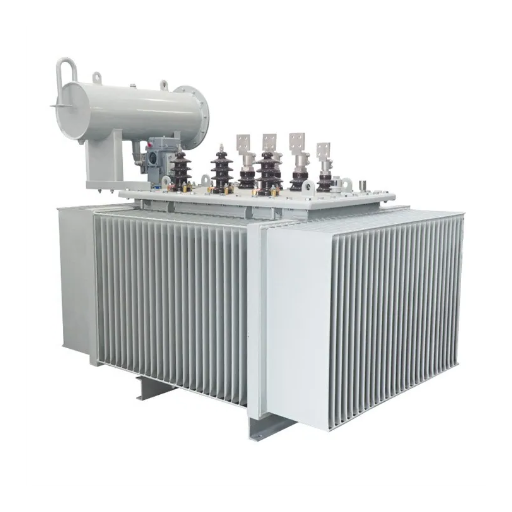
The primary advantage is quantified and significant. Mineral oil in a conservator-type transformer typically reaches acidity limits (0.3 mg KOH/g per IEEE C57.106) after 15-25 years of service, depending on climate and maintenance quality. In a hermetically sealed transformer, the same oil can remain below acidity limits for 30-40 years because oxidation is eliminated.
For natural ester fluids, the extension is even more pronounced. Natural ester oxidizes more slowly than mineral oil to begin with, but in a sealed environment its service life can exceed 40-50 years. This matters for project finance: a transformer with oil that never needs replacement is a lower-risk asset over a 25-year power purchase agreement.
Reduced Maintenance
Eliminating the breather system removes the most frequent maintenance task for oil filled transformers. Silica gel replacement, breather inspection, and desiccant color monitoring are no longer required. Oil testing intervals can extend from annual to every 3-5 years for sealed units in stable environments, because the oil chemistry changes so slowly.
Maintenance cost savings over 25 years typically range from 30-50% compared to conservator-type units in harsh environments. In moderate environments, savings are still 15-25%.
Humidity and Pollution Resistance
In coastal environments, conservator breather silica gel can saturate within days during monsoon seasons, allowing moisture-laden air to enter the oil. A hermetically sealed transformer is immune to ambient humidity. In industrial environments with chemical vapors, dust, or corrosive atmospheres, the sealed tank protects the oil from contamination that would degrade dielectric properties.
Smaller Footprint
Without a conservator tank mounted above the main tank, hermetically sealed transformers typically require 10-15% less vertical clearance and a smaller overall footprint. This is valuable in indoor vaults, underground installations, and compact substations where space is constrained.
Lower Total Cost of Ownership
When lifecycle cost is calculated over 25-30 years, including purchase price, installation, maintenance, oil service, and disposal, hermetically sealed transformers often deliver lower total cost despite the upfront premium. The break-even point varies by environment but frequently occurs within 10-15 years.
Limitations and Considerations
Hermetically sealed transformers are not the right choice for every application. Understanding their limitations prevents specification mistakes.
Higher Upfront Cost
The 10-20% premium is real and can strain capital budgets, especially for large orders. Buyers should calculate lifecycle cost to justify the premium, not assume it is always worthwhile.
Limited Oil Serviceability
Oil sampling is possible through sealed sampling valves, but filtration and reclamation are more complex than in conservator-type units. If oil does degrade (through thermal stress or internal fault), processing it requires specialized equipment that can work with sealed tanks. Complete oil replacement is possible but requires careful handling to avoid introducing moisture during the process.
Seal Integrity Risk
If the tank seal degrades due to corrosion, mechanical damage, or gasket failure, the primary advantage is lost. Regular external inspection for corrosion, paint damage, and gasket condition is essential. Pressure indicators, where fitted, can alert operators to seal problems before oil quality is affected.
Repair Complexity
Internal repairs require cutting open the welded tank, performing the work, and resealing. This is more complex and expensive than opening a conservator-type tank. The risk of introducing moisture during repair is higher. For this reason, sealed transformers should be specified with high initial reliability, and any manufacturing defects should be caught during factory testing, not in the field.
Initial Oil Quality Requirement
Because the oil cannot be easily replaced or filtered, the initial oil quality must be excellent. Vacuum drying and vacuum filling are essential. Factory testing must verify moisture content, dissolved gas, and dielectric strength before sealing. A manufacturing shortcut at this stage cannot be corrected later without significant expense.
Applications and Environments Where Sealed Transformers Excel
Coastal and Marine Environments
Salt-laden air and high humidity are the enemies of conservator-type transformers. A hermetically sealed design eliminates both. Offshore platforms, coastal wind farms, desalination plants, and port facilities increasingly specify sealed construction as standard.
Desert and Arid Climates
Extreme temperature swings, UV degradation of breather materials, and sand infiltration make conservator maintenance difficult and frequent. Sealed transformers eliminate all three problems. Solar farms in desert regions are a major growth market for hermetically sealed units.
Solar and Wind Farms
Renewable energy projects are often in remote locations with limited maintenance infrastructure. A sealed transformer that needs inspection only every few years is far more practical than one requiring quarterly breather service. The 25-30 year asset life of renewable projects also aligns well with the extended oil life of sealed designs.
Mining and Heavy Industry
Dust, vibration, and contamination are constant challenges. The Kazakhstan copper mine example illustrates the pattern: sealed construction protects the oil from the environment that surrounds the transformer. Iron ore mines, cement plants, and steel mills have similar conditions.
Underground and Indoor Vaults
Space constraints and limited ventilation make sealed transformers attractive for underground substations and indoor vaults. The smaller footprint and elimination of breather maintenance access are practical advantages.
For outdoor installation requirements including foundation and grounding, see our outdoor transformer installation guide.
Hermetically Sealed Transformer Standards and Specifications
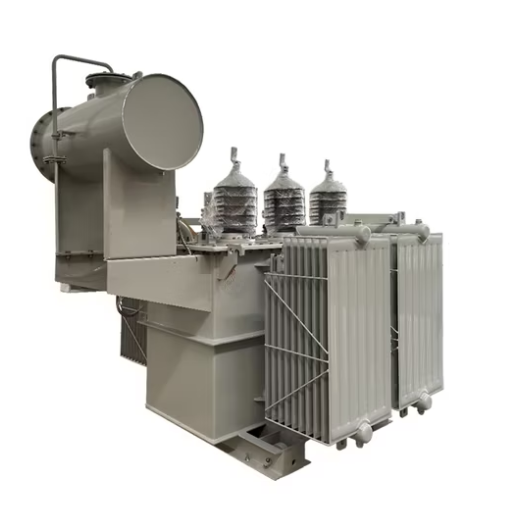
Applicable Standards
Hermetically sealed transformers are governed by the same standards as other oil immersed transformers, with additional requirements for sealing integrity:
- IEC 60076-1: General requirements for power transformers, including sealed construction provisions
- IEC 60076-2: Temperature rise requirements apply equally to sealed and conservator designs
- IEEE C57.12.00: General requirements for liquid-immersed distribution, power, and regulating transformers
- IEEE C57.106: Guide for acceptance and maintenance of insulating oil in equipment (relevant for initial oil quality)
Factory Testing Requirements
In addition to standard routine tests (winding resistance, turns ratio, no-load loss, load loss, impedance voltage), hermetically sealed transformers require:
- Leak test: Tank pressurized to 1.5-2 times normal operating pressure, held for 24 hours, with pressure drop measurement
- Helium leak detection: For critical applications, helium mass spectrometry detects leaks too small for pressure-drop methods
- Oil quality verification: Moisture content, dissolved gas analysis, and dielectric breakdown voltage must meet limits before sealing
Typical Ratings
Hermetically sealed construction is available across the full range of distribution and medium-power transformer ratings:
- kVA range: 50 kVA to 10,000 kVA (standard), up to 30 MVA (special designs)
- Voltage: Up to 36 kV standard, higher voltages available custom
- Cooling: ONAN and ONAF
- Fluid: Mineral oil, natural ester, or synthetic ester
Maintenance Requirements for Sealed Transformers
What Maintenance Is Still Required
Hermetically sealed does not mean maintenance-free. The following tasks remain essential:
- Infrared thermography: Annual scans detect loose connections, overload conditions, and cooling problems
- Bushing inspection: Check for tracking, cracks, or contamination on high-voltage bushings
- Cooling system: Clean radiators, verify fan operation (ONAF units), check for airflow obstruction
- Tank exterior: Inspect for corrosion, paint damage, oil leaks at gasket joints, and physical damage
- Pressure indicator: Where fitted, verify that internal pressure remains in normal range
Oil Testing Frequency
Oil testing intervals can be extended for sealed transformers because degradation is so slow:
| Environment | Conservator-Type Testing | Sealed Transformer Testing |
|---|---|---|
| Temperate, clean | Every 1-2 years | Every 3-5 years |
| Humid or coastal | Every 6-12 months | Every 2-3 years |
| Hot or dusty | Every 6-12 months | Every 2-3 years |
| After fault event | Immediate | Immediate |
Seal Integrity Monitoring
Some sealed transformers include pressure gauges or pressure switches that indicate internal pressure. A sustained drop in pressure below the normal range may indicate a seal leak. Gas analysis can also detect air ingress: rising oxygen content in dissolved gas analysis is an early indicator of seal compromise.
When to Open a Sealed Transformer
Opening a hermetically sealed tank should be considered a last resort, not a routine procedure. Reasons to open include:
- Internal fault requiring winding repair or replacement
- Severe oil degradation that cannot be addressed through sealed sampling valves
- Bushing replacement requiring internal access
Re-sealing after opening requires the same vacuum drying and vacuum filling process as initial manufacture. The cost is significant, which reinforces the importance of getting the specification right the first time.
How to Specify a Hermetically Sealed Transformer
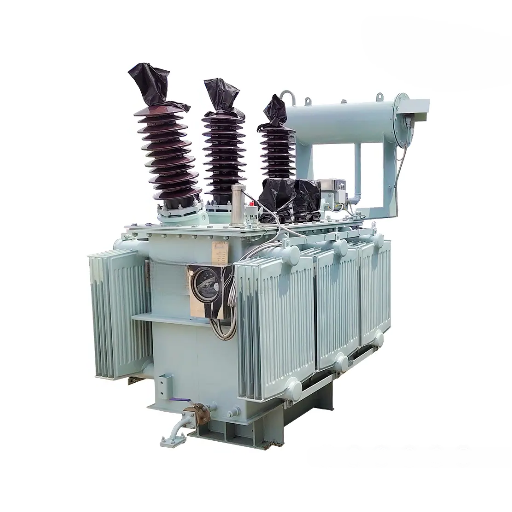
Step 1: Confirm the Environment Warrants Sealed Construction
Evaluate humidity, dust, salt air, maintenance access, and project lifecycle. If two or more of these factors are unfavorable, sealed construction is likely justified.
Step 2: Select Expansion System Design
- Nitrogen cushion: Preferred for larger units and higher voltages. Simple, reliable, no moving parts.
- Flexible membrane: Preferred for smaller distribution transformers and applications where pressure variation must be minimized.
Step 3: Specify Oil Type
Mineral oil is standard for cost-sensitive projects. Natural ester is strongly recommended for sealed transformers because its superior oxidation stability and moisture tolerance complement the sealed construction perfectly. The combination of sealed tank and natural ester fluid creates the longest possible oil life and lowest maintenance requirement.
For detailed fluid selection guidance, see our transformer oil types guide.
Step 4: Define Capacity, Voltage, and Cooling
Specify kVA, primary and secondary voltages, vector group, impedance, and cooling method (ONAN or ONAF) according to load requirements. Sealed construction does not change these parameters.
Step 5: Request Factory Documentation
For sealed transformers, factory documentation is especially important because post-delivery oil service is limited. Request:
- Vacuum drying and filling records
- Initial oil test report (moisture, DGA, dielectric strength)
- Leak test report with acceptance criteria
- Seal weld inspection records
- Pressure test certification
Frequently Asked Questions
How long does oil last in a hermetically sealed transformer?
Mineral oil in a hermetically sealed transformer typically lasts 30-40+ years, compared to 15-25 years in a conservator-type unit. Natural ester fluid can exceed 40-50 years in sealed construction. The elimination of oxidation as a degradation pathway is the primary reason for the extension.
Can a hermetically sealed transformer be repaired?
Yes, but internal repairs require cutting open the welded tank, performing the work, and resealing with vacuum drying and vacuum filling. This is more expensive and technically demanding than repairing a conservator-type unit. External repairs such as bushing replacement (without tank opening) and cooling system maintenance are straightforward.
Are hermetically sealed transformers more expensive?
Typically 10-20% more expensive than equivalent conservator-type transformers. The premium pays for additional welding, vacuum processing, leak testing, and the expansion system. In harsh environments, the maintenance savings usually recover the premium within 5-15 years.
What happens if the seal fails?
If the seal degrades or is damaged, atmospheric air and moisture can enter the oil, accelerating oxidation and moisture absorption. Early indicators include declining internal pressure (on monitored units) or rising oxygen content in dissolved gas analysis. A compromised seal should be addressed promptly to prevent oil degradation.
Can I use natural ester fluid in a hermetically sealed transformer?
Yes, and this combination is increasingly popular. Natural ester’s high oxidation stability and moisture tolerance complement sealed construction perfectly. The two technologies together can achieve the longest possible oil life and lowest maintenance burden.
Do sealed transformers still need oil testing?
Yes, but less frequently. Conservator-type transformers in harsh environments may need testing every 6-12 months. Sealed transformers can typically extend testing to every 2-5 years, depending on environment and criticality. Testing should still include dissolved gas analysis, dielectric breakdown voltage, and moisture content.
What kVA ranges are available in hermetically sealed construction?
Hermetically sealed construction is available from 50 kVA distribution transformers up to 30 MVA power transformers. The most common applications are in the 100 kVA to 10,000 kVA range for distribution, solar, wind, and industrial substations.
Is hermetic sealing suitable for tropical climates?
Yes, tropical climates with high humidity and heavy rainfall are ideal applications for hermetically sealed transformers. The sealed construction eliminates the moisture ingress problems that plague conservator-type units in these environments. Proper cooling design (adequate radiator capacity for high ambient temperatures) is important but unrelated to the sealing system.
Conclusion
A hermetically sealed transformer is not a luxury specification. It is a practical engineering solution for environments where air, moisture, dust, or salt would degrade insulating oil faster than maintenance teams can respond. The sealed construction extends oil life from 15-25 years to 30-40+ years, eliminates breather maintenance, and protects the transformer from the conditions that surround it.
The 10-20% upfront premium is recovered through maintenance savings in most harsh environments within 5-15 years. In moderate environments with good maintenance access, conservator-type transformers remain a valid and cost-effective choice.
The key is matching the construction to the environment. Coastal humidity, desert dust, mining contamination, and remote solar farms all point to sealed construction. Temperate utility substations with established maintenance programs may not need it.
Ready to specify a hermetically sealed transformer for your project? Send us your voltage, kVA, installation environment, and maintenance access conditions. Our engineering team will evaluate whether sealed construction is justified for your application and provide a detailed quotation with factory documentation specifications.