
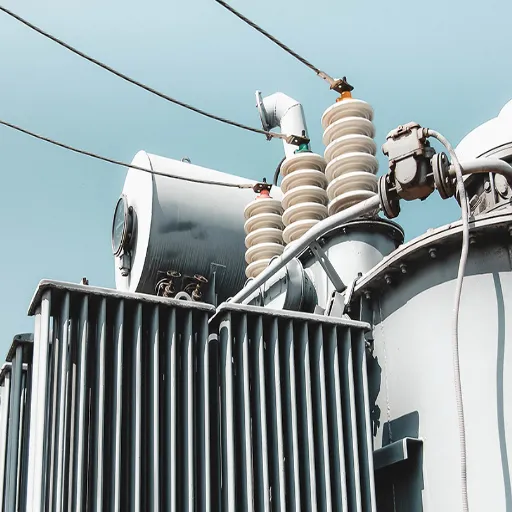
Transformer Maintenance Guide: Best Practices & Preventive Schedules

Transformers are often referred to as the backbone of power systems and their proper maintenance is indispensable for their longevity and reliability. The regularity with which transformers are being maintained will directly affect the quality of the energy supply they are distributing. As all machines do, transformers need maintenance to perform optimally. If such disregard for maintenance occurs, power outages, expensive repairs, and other service-related problems may arise.
The following guidelines provide you with the outline of the main procedures for transformer maintenance, helped by a detailed preventive program to follow for your systems. The article and its content will be of great help to you, whether you are an experienced technician or a facility manager looking for valuable insights, as they will provide you with the right knowledge to improve the performance and lifespan of your transformers.
Introduction to Transformer Maintenance
Importance of Transformer Maintenance
Maintaining transformers is crucial for the electricity to be supplied safely and without interruptions. Transformers are indispensable in electrical systems that handle voltages thus they are very much so, the heart of any industrial, commercial, or residential operation. If maintenance is neglected, the consequences might be the failure of the equipment, huge repair bills, and long periods of outage.
Preventive maintenance enables the detection of the problems that are likely to occur before they turn into a severe issue. Among the most important of these tasks are checking for oil leaks, keeping the outer surfaces clean, and controlling the temperatures. These maintenance activities not only result in the improved efficiency of the electrical system but also in the enhanced safety by cutting off the risks of fire or electrical faults that might originate from the failure of aged components.
💡 Key Benefits of Regular Maintenance
- Prolongs the life of transformers
- Maximizes return on investment
- Minimizes downtime and repair costs
- Ensures compliance with safety standards
- Enhances overall system performance
Overview of Transformer Types
Transformers are vital parts in electric circuits, and they perform different roles according to their kind and structure. The principal classes of transformers include power transformers, distribution transformers, autotransformers, instrument transformers, and isolation transformers. Every single one of them is particularly constructed to fulfill the operational requirements, thus permitting the energy to be transferred and stored safely and efficiently.
Key Objectives of Regular Maintenance
Without a doubt, functioning transformers need regular maintenance to be completely efficient, safe, and last long. The prevention of equipment failure and the minimization of downtime outages that would be expensive are the primary purposes. By not waiting for the problems to pop up, organizations can consistently have good power and avoid unplanned interruptions.
🎯 Prevent Equipment Failure
Minimize expensive downtime and ensure consistent power delivery
⚡ Reduce Energy Consumption
Minimize losses through regular inspections and servicing
✅ Ensure Compliance
Meet industry standards and safety regulations consistently
Understanding Transformer Failures
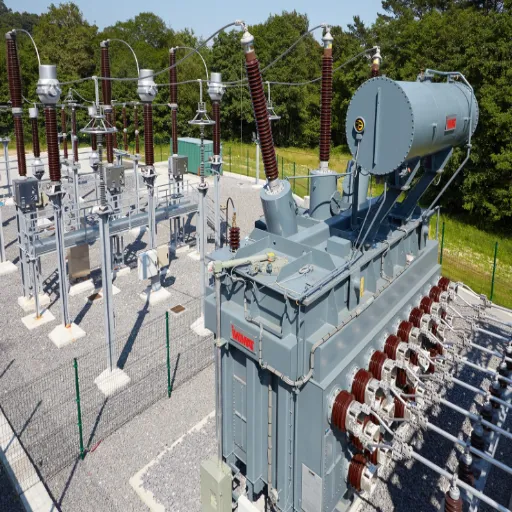
Common Causes of Transformer Failure
Transformer failures may be attributed to various reasons, the majority of which are related to operational stresses, environmental conditions, and maintenance difficulties. Insulation breakdown is one of the leading causes, which is often the result of the long-term exposure of the insulation material to heat, moisture, or contaminants that gradually degrade it. Besides, overloading is another frequent culprit, as going beyond the transformer’s designed capacity creates a lot of heat that, in turn, leads to thermal damage and inefficiency.
⚠️ Primary Failure Causes
- Insulation Breakdown: Long-term exposure to heat, moisture, or contaminants
- Overloading: Exceeding designed capacity generates excessive heat
- Environmental Factors: Lightning strikes and power surges
- Poor Maintenance: Neglecting oil quality tests and routine inspections
- Mechanical Failures: Core or winding displacement from operational stress
Impact of Overload on Transformer Lifespan
The transformer operation period can be cut short to a considerable extent from overloading because of the different negative impacts to the transformer. By subjecting the transformer to overloading conditions, the transformer will be able to produce more heat which will then lead to the insulation, oil, and windings; that are critical to the transformer’s operation, getting degraded very fast.
| Overload Impact | Description | Consequence |
|---|---|---|
| Degradation of Insulation | Excess heat damages paper and oil insulation | Loss of dielectric strength, risk of partial discharges |
| Oil Degradation | Dielectric strength decreases with temperature | Loss of insulating and cooling properties |
| Core Saturation | Intense magnetic fields at verge of saturation | Excessive currents drawn, increased heat generation |
| Windings Thermal Aging | Accelerated aging from intense heat | Loss of tensile strength, increased vulnerability |
| Mechanical Stresses | Electrical and mechanical stress application | Part loosening or displacement, mechanical failure risk |
Signs of Transformer Malfunction
Early detection of transformer malfunctions is of utmost importance as it not only prevents the occurrence of serious damage but also promotes the reliability of the whole operation. There are some commonly accepted signs that point to the malfunctioning of a transformer:
🔊 Unusual Noises
Humming, clicking, and buzzing sounds beyond normal operation indicate loose parts or damaged windings
🌡️ High Temperature
Excessive heat from overload, insulation deterioration, or cooling system failure leads to inefficiencies
💧 Oil Leaks
Visible oil leaks indicate cooling system problems affecting efficiency and insulation
🔥 Carbon Tracking
Burn marks, discoloration, or carbon buildup suggest arcing or short circuits
⚡ Voltage Variations
Output voltage fluctuations signal winding problems, core destruction, or bad connections
🧪 Gas in Oil
Dissolved gas analysis detecting hydrogen or methane indicates insulation failure
Routine Maintenance Practices
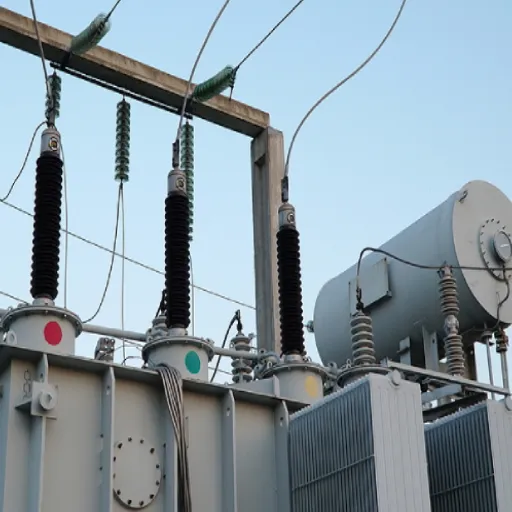
Essential Maintenance Tasks
The combination of these vital tasks with advanced diagnostic tools and analytics keeps the transformer at its best performance. Regular maintenance not only increases the lifetime of the machine but also reduces the incidents of unplanned shutdowns and total operating costs.
- Oil Analysis and Replacement
Transformer oil quality can be evaluated by periodic testing, and the presence of contaminants can also be detected. The oil needs to be replaced when it shows signs of degradation or contamination so that electrical faults and overheating can be avoided.
- Thermal Scanning
Thermal imaging can be used to find hotspots or areas of potential overheating in the transformer. The detection of loose connections, defects in the coil, or ineffective cooling systems can happen early on before they become serious.
- Bushing Inspections
Check bushings for cracks, contamination, or oil leaks. If bushings are damaged, they may result in insulation failure, and hence timely replacement is to be taken to assure safe operation.
- Core and Coil Inspections
The transformer core and coil should be inspected for mechanical damage, strange sounds, or overheating. Early detection of winding deformation or core issues can prevent sudden failures.
- Cooling System Checks
Check the performance of radiators, fans, and oil pumps. Cooling system functioning is very important for keeping the temperatures at the operating limits and preventing thermal stress.
- Gasket and Seal Replacement
Gaskets and seals should be examined for degradation or leakage. If the seals are worn out, moisture can come in, and that will ultimately lead to insulation getting degraded.
- Regular Cleaning
Dust, dirt, or anything that is corrosive should be removed from the transformer’s outside surface. The surface being clean will prevent contamination which can otherwise have a negative effect on performance and safety.
- Functional Testing of Protective Relays
Make sure protective relays are properly calibrated and working well to detect and cut off faults automatically before they spread to other parts of the system.
Scheduling Regular Inspections
Regular inspections are a core part of the maintenance process of transformers as well as a main factor of efficient maintenance. By having a frequent schedule, all important parts will be evaluated at least once for wear, rust, or any damage that can possibly occur. The inspections should comprise of visual inspection, diagnostic tests, oil sampling and thermal imaging to detect hot spots or other irregularities.
🔍 Modern Monitoring Technologies
- Online dissolved gas analysis (DGA) for real-time monitoring
- Partial discharge monitoring for early fault detection
- Predictive analytics for forecasting potential failures
- Condition-based maintenance instead of time-based schedules
Documenting Maintenance Activities
One of the main reasons maintenance activities are properly documented is the trustworthiness and productivity guarantee of electrical systems. Utilities could make a detailed database for each asset and a historical one just by writing down detailed and precise information about inspections, repairs, and upgrades.
📊 Benefits of Digital Documentation
- Computerized Maintenance Management Systems (CMMS) for instant updates
- Automated scheduling of inspections and inventory tracking
- Integration with IoT sensors for enhanced predictive maintenance
- Improved communication between field technicians and management
- Enhanced accountability and regulatory compliance
Preventive Maintenance Strategies
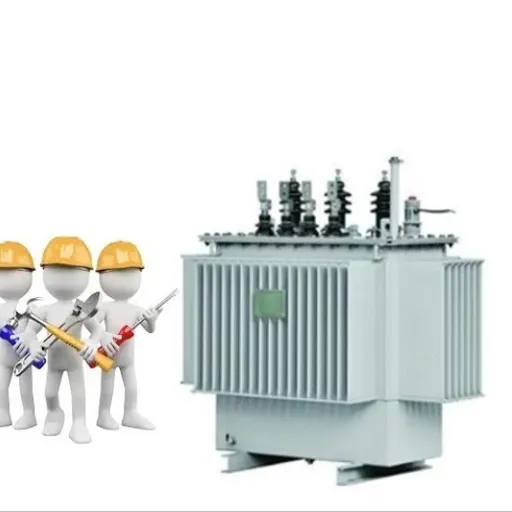
Developing a Preventive Maintenance Plan
A preventive maintenance plan is crucial for the assurance of operation and the longevity of critical systems and machines. Firstly, this action plan will get all reasons for failure, risks assessed and regular checks and maintenance operations established to avoid any problems becoming serious. Secondly, a successful plan is built on a good knowledge of the precise demands of the equipment, the environment it is operating in, and its usage patterns which in turn dictates the timing of the intervention.
1
Data Gathering
Collect historical performance data and expert advice
2
Technology Integration
Use predictive analytics and IoT sensors
3
Priority Setting
Focus on critical assets to minimize operational impact
4
Documentation
Maintain comprehensive records for continuous improvement
Using Technology for Predictive Maintenance
Industries are undergoing a substantial change in the way predictive maintenance is carried out, thanks to advanced technology adoption. Basically, the condition of machinery is being monitored in real-time with the help of data from various sources such as sensors, IoT devices, and machines. In the first place, vibration analysis, thermal imaging, and ultrasonic testing are some of the techniques that can be applied to detect possible failures or performance degradation as soon as they occur.
| Technology | Application | Benefits |
|---|---|---|
| AI & Machine Learning | Automated analysis of massive data sets | Pattern identification, anomaly detection, RUL forecasting |
| Digital Twins | Virtual representation of physical assets | Real-time simulation, scenario testing, risk assessment |
| Augmented Reality | Overlays digital information during inspections | Improved accuracy, reduced repair time |
| Cloud Platforms | Centralized data storage and processing | Enhanced accessibility, scalability, collaboration |
🚀 Key Advantages of Predictive Maintenance
- Reduced repair costs through early problem detection
- Extended equipment lifespan via timely interventions
- Prevention of unplanned outages and downtime
- Optimized maintenance scheduling based on actual conditions
- Enhanced safety through proactive risk management
Oil-Filled Transformer Maintenance Procedures
The proper doing of oil-filled transformers maintenance is very significant in determining their life span, dependability, and performance. The regular checking and maintenance of transformers allows the issues to be noticed early, and hence, there is no need for very costly failure or operational disruption.
🔧 Critical Maintenance Procedures
Oil Quality Monitoring
Conduct dissolved gas analysis (DGA) to detect gases indicating overheating, arcing, or insulation breakdown. Test moisture content and dielectric strength regularly.
External Component Inspection
Examine bushings, seals, and gaskets for cracks, leaks, or damage. Check cooling systems including fans and radiators for proper operation.
Thermal Profiling
Use infrared thermography for non-invasive monitoring of thermal profiles. Identify hot spots on connections or internal parts before equipment breakdown.
Regular Cleaning
Remove dust and debris to maintain cooling efficiency and prevent insulation degradation from environmental contaminants.
Repair and Troubleshooting Techniques
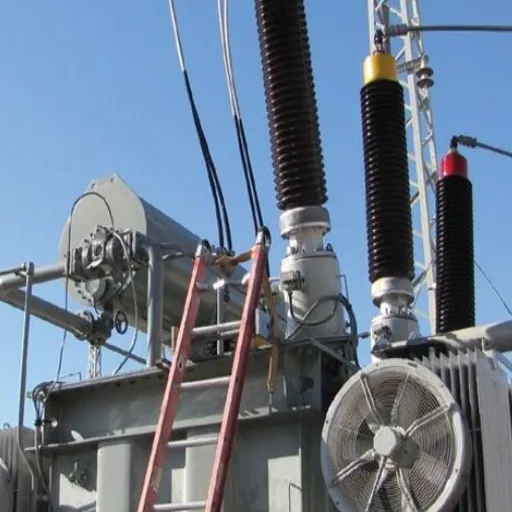
Identifying Common Issues
Oil-filled transformers are similar to any complicated machine, in that, they are subject to a variety of typical problems that can detract their performance and shorten their life. The most commonly met issue has been overheating which happens because of overloading, poor cooling system performance, or insulation degradation.
🌡️ Overheating
Caused by overloading, cooling system failure, or insulation degradation. Leads to accelerated aging.
💧 Moisture Ingress
Water contamination decreases dielectric strength, increasing short circuit and flashover risks.
⚡ Partial Discharge
Results from insulation defects or manufacturing errors, causing progressive damage over time.
🛢️ Oil Contamination
Oxidation causes sludge accumulation, reducing heat dissipation and creating inefficiency.
🔩 Corrosion
Affects metallic parts like tanks and bushings, especially in high humidity or harsh environments.
Repair Procedures for Transformer Components
When transformer components are being repaired, a methodical procedure is followed to guarantee the safety of the workers, high efficiency and the restoration of performance to the maximum level. The repair process is based on the following steps: thorough diagnostics, precision in component handling, and strict observance of industry standards.
📋 Standard Repair Procedures
Winding Repairs
- Isolate the transformer and conduct insulation resistance tests
- Remove and replace or rewind damaged windings
- Ensure coil shape and insulation strength match original specifications
Core Lamination Repairs
- Dismantle affected sections carefully
- Apply core plate varnish or replace deformed laminations
- Mitigate losses and reduce humming noise
Oil Leak Repairs
- Drain the oil from affected areas
- Repair or replace damaged seals and gaskets
- Refill tank with filtered insulating oil
💡 Modern Repair Enhancement
Online monitoring systems now provide real-time data about transformer conditions, allowing repair technicians to perfectly match their actions to parameters such as oil quality or partial discharge activity. These precise and proactive methods help repair efforts not just to bring back the power of the transformer but also to upgrade its reliability.
When to Call in Experts for Repair
Utilizing experts for transformer repair is very crucial when the problems become more than what routine maintenance can handle or when specialized knowledge becomes necessary.
| Situation | Why Expert Help is Needed | Expected Outcome |
|---|---|---|
| Severe Overheating or Noise | Requires professional diagnostics and advanced repair methods | Accurate problem identification and industry-standard solutions |
| Advanced Diagnostics Required | DGA, thermal imaging, partial discharge testing needs specialized equipment | Proper interpretation of results, targeted repair efforts |
| Safety and Compliance Concerns | High voltage work poses significant risks to untrained staff | Safe repairs meeting legal and operational requirements |
✅ Benefits of Professional Expertise
- Access to specialized diagnostic tools and technologies
- Skilled interpretation of complex test results
- Compliance with all safety regulations and standards
- Prevention of misdiagnosis and unnecessary costs
- Assurance of long-term reliability and safety
📚 References
-
Guide for Transformer Maintenance – Academia.edu: A systematic guide covering issues like insulators, oil levels, heating, and electrical diagnostics.
-
Transformers: Basics, Maintenance, and Diagnostics – U.S. Bureau of Reclamation: Discusses the importance of regular maintenance and testing for modern transformers designed with closer tolerances.
-
The Copper Book – Chapter 8: Transformer Maintenance – NRC.gov: Highlights the need for a well-conceived maintenance program to meet customer and regulatory expectations.
- Click here to read more.
Frequently Asked Questions (FAQ)
❓ What is transformer maintenance and what is its significance?
Transformer maintenance is the supporting system of the transformer which involves inspection and maintenance, electrical testing, oil level checks and preventative maintenance to prevent contamination of the transformer. Good maintenance keeps the transformer in good condition and reduces the risk of damage and failure. It is also a means to avoid outages and minimize the impact on the electrical equipment and power transformers.
❓ How frequently should I carry out inspection and maintenance on a transformer?
Generally, an annual maintenance is quite normal as part of a planned maintenance system, although more frequent check-ups may be necessary due to the load, the environment and the age of the transformer. A complete maintenance plan — comprising of field service visits, internal inspection, oil levels and temperature control, and electrical testing — helps detect problems before they become serious and aids a future maintenance plan for your transformer fleet.
❓ What are the most important transformer maintenance tips for oil-filled transformers?
Regularly check the oil level and the condition of the insulation of the transformer, keep monitoring oil levels and temperature, and carry out transformer tests and maintenance such as dielectric and dissipation factor tests. Maintenance tips are to check the oil for contamination, top up or replace the oil to maintain proper oil level, and monitor the transformer for signs of overheating or internal faults so that transformer damage can be avoided.
❓ What is the role of electrical testing in transformer failure prevention?
Electrical testing — like insulation resistance, turns ratio, and sweep frequency response — is done to expose the breakdown of a transformer and its winding and insulation. Through regular electrical testing and maintenance, the issues will be identified early when they are still not catastrophic, and the integrity of the transformer will be preserved by ensuring energy-efficient and reliable transformer delivery of electric power.
❓ What maintenance issues should I deal with for tap changer care?
Tap changer maintenance is vital; it involves inspecting mechanical components, checking contacts and oil or air systems, always referring to the guide to transformer maintenance for tap changers. Proper tap changer service prevents arcing and contact wear that could risk damage to the transformer or cause service interruptions, and the maintenance of the tap changer of the transformer is contributory to the effective operation of the transformer.
❓ When is internal inspection or field service warranted?
Internal inspection and field service are warranted when tests show abnormalities, after critical overloads, or at intervals as a part of a comprehensive maintenance plan. Internal inspection within the transformer uncovers problems within the transformer such as insulation breakdown or internal arcing. Field service teams are able to perform advanced testing and maintenance of transformers to ascertain the problem, thus minimizing the downtime.
❓ Is it possible for preventative maintenance to limit catastrophic transformer failure?
Yes, it is possible. Preventative maintenance pertaining to electrical testing, monitoring oil temperatures, annual maintenance scheduling, and comprehensive inspections etc. has a great deal of effect on the reduction of catastrophic failures. The structured maintenance and the services spot the warning signs early and do the repairs necessary to avoid the occurrence of transformer damage and the resultant costly service interruptions.
❓ What should a comprehensive maintenance plan for a transformer fleet include?
A comprehensive plan should merge the principles of guide to transformer maintenance with the day-to-day practical tasks: regular electrical testing, oil testing and check the oil routines, internal inspection plans, tap changer servicing, record keeping, and field service response. This strategy will not only keep the transformer fleet efficient, but will also detect problems before they get serious, and will provide valuable support for future maintenance decisions to ensure that electrical transformers remain reliable.
🔧 Ready to Optimize Your Transformer Maintenance?
Implementing a comprehensive maintenance program is essential for maximizing transformer performance, extending equipment lifespan, and ensuring reliable power delivery. By following these best practices and preventive schedules, you can significantly reduce downtime, minimize repair costs, and maintain compliance with industry standards.