

The Complete Guide to Power Transformers: Types, Applications & Selection (2025)

Electrical power transformers are essential for the distribution of electrical energy. These devices quietly provide power to homes, industries, and other infrastructures while you sleep. Unbeknownst to most end-users of electricity, the infrastructure of electrical energy and Power Transformers are the foundation of today’s modern society. Whether you are an electricity engineer or a decision-maker in the electrical energy industry, or even if you’re just curious about how the electrical energy that makes your car run comes through this system, it’s important to know what type of Power Transformer you will need to support your operations. In addition, this Guide will show you how to properly choose the Power Transformer you need based on technical specifications and usability.
Understanding Power Transformers
What is a Power Transformer?
A static electrical instrument called “power transformer” is utilized for the transmission of electrical energy from one circuit to another or among various circuits using electromagnetic induction. Normally in these transformers voltage transformation is accomplished with the purpose of efficient power transmission over networks and therefore balances such rising and or falling voltage levels that can carry high voltages on its primary coil and high on its secondary coil. Power transformers are crucial in achieving the flow of energy from the power stations to houses and commercial or industrial facilities.
The major objective of a power transformer is to provide for as little energy wastage as possible through line losses, while performing the process of transmission of electricity. In transformers this effective voltage transformation provides the only way to allow an appreciable amount of current to pass along a transmission line without excessive heat loss. On the other end of the lines, these transformers step down the voltage to acceptable and practicable limits for both residential and commercial buildings. The cost-effective conveyance of electricity is one of the reasons that transformers have become an essential component of the civilized world’s power delivery system.
Key Classification of Power Transformers:
- Step-Up Transformers: Generate sufficient voltage for transporting electricity over long distances
- Step-Down Transformers: Convert high voltage into a usable form for local usage
- Autotransformers: Provide flexible voltage regulation capabilities for specific applications
Such a device is necessary to keep energy technologies safe, energetic and functional for final consumers, thus its importance in modern electric systems cannot be over-emphasized.
Types of Transformers: Step-Up and Step-Down
In any electrical energy distribution system, it is necessary for safety and efficiency considerations to step up and step down voltages. Such shifts are implemented using step-up and step-down power transformers. In step-up transformers, the primary function is to increase the voltage that electrical energy is generated at, by power stations, so that this energy may be conveyed over long distances with minimal losses. Less current can accomplish the same energy transmission due to the higher voltage, and this in turn, aids in minimising losses incurred through heating of line conductors. Application of step-up transformers particularly comes in hand in high voltage transmission networks.
A step-down transformer, that is, one that reduces the voltage, is needed to effect safe voltage levels for distribution and usage of energy. Industrial, Commercial, and Residential applications employ different voltages and the voltage levels of electricity that energy is transmitted at need to be lowered so as to fit the operating voltage of various appliances, facilities, and equipment when it reaches various localities. Such step-down transformers prevent wasting unnecessary energy by lowering voltage levels required in delivering power to household and business areas and preventing damage to equipment due to overvoltage.
The utilization of such power transformers cannot be overemphasized with respect to the efficiency and maintenance of a grid. This is because they have the capability of escalating or lowering the voltage, ensuring that the power is efficiently transported, and yet safely consumed. Without the use of such systems, the conveyance of power would be very poor and would cause losses, incur more expenses and to some extent endanger equipment and structural organization.
The Role of Power Transformers in the Power Grid
Power transformers are essentially the backbone of the power grid as they allow electricity to be transmitted, distributed, and used over long distances. These devices serve the primary purpose of transforming voltages as appropriate so that power is transported and consumed without causing any unnecessary leakage for safety reasons. The following are five points on the significance and functions of power transformers:
1. Voltage Regulation
In order to further reduce power loss when transmitting electricity over long distances, power transformers change the voltage. It usually occurs in such a way that the transportation of current through power lines is done at high voltages and then lower voltages are made available to the final consumers to guarantee safety and the functioning of the electrical appliances.
2. Energy Efficiency
There is reduced power loss in the transmission process with the use of transformers, hence power network structure becomes more efficient. This saves energy and money, as well as lessens the wastage of electricity in the environment.
3. Grid Reliability
Through distributing power appropriately, mitigation of network overload and blackout avoidance is ensured in transformers due to their stabilizing and reliability enhancing roles as far as the supply of electricity is concerned.
4. Meet Safety Standards
Power transformers ensure that homes and workplaces are not met with voltage that is either too high or too low, in relation to the safe limits that electrical devices should operate. This way, such electrical devices and those using them are not exposed to any risk.
5. Energy Expansion
A growing power grid owing to increasing energy consumption becomes possible because of transformers. This is because such transformers help in the usage of power from renewable energy sources like the Sun and the wind by carefully controlling the distribution of power and assure the users that their systems will work with what they already have.
Such roles confer power transformers a very essential role which is to make sure that the grid functions optimally, safely, and adequately thereby sustains the demands of contemporary man.
Advancements in Transformer Technology
Development of Smart Transformers
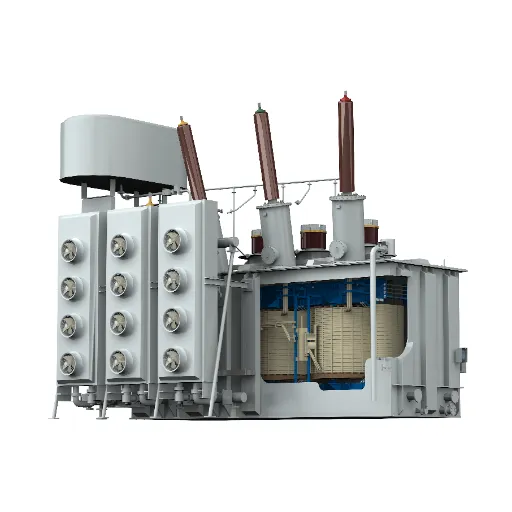
One of the main advantages of transformers who are able to work intelligently is the wide variety of highly efficient and advanced digital devices which increase the electricity distribution effectivity as well as the reliability and flexibility of the grid. The new transformers have all the instruments and very good programs that keep track of the performance metrics at the same time making it possible to apply security measures like voltage, current, and temperature. The connection of the smart transformers to the Internet of Things (IoT) enables them to send and receive data, which in turn allows them to interact with other grid components and perform necessary energy balancing computations automatically so that power losses are reduced to the minimum.
Key Benefits of Smart Transformers:
- ✓
Renewable Energy Integration: Ensures discharging a steady flow of power through precise voltage regulation and load balancing - ✓
Predictive Maintenance: Increases service life and minimizes losses by identifying problems earlier - ✓
Grid Modernization: Helps detect changing usage patterns and automatic flow adjustment - ✓
Decentralized Grid Support: Facilitates the formation of microgrids and distributed energy systems
Their capacity to be more versatile boost the main renewable energy sources into the power grid marking the most important innovation in the present-day energy sector. These innovations are the most critical proof of the transforming power of smart transformers to build an energy future that is sustainable and resilient too.
Improvements in Efficiency and Transformer Losses
Upgrading to more efficient transformers is vital in not only cutting down on the energy losses but also in making the energy distribution eco-friendly. Advancements in the design of the transformers such as the usage of amorphous metal cores and winding processes that have been made the most efficient, have played a crucial role in the reduction of the power lost before reaching the consumer’s premise. Amorphous metal cores, to be specific, have much lower hysteresis losses in comparison to the conventional silicon steel cores, which in itself is a very significant opportunity for energy savings.
Moreover, the improvement in the transformer manufacturing process has made the cost of these new efficient transformers more affordable. Some of the ways used to lower these and other transformer parts’ losses are the additional Insulation and cooling systems. New High-efficiency Transformers, besides the best possible reduced no-load and load losses of the energy, they get to contribute to what may be the “no-brainer” part i.e., operation savings. One source says that the companies who switch to energy-efficient transformers stand to make good savings in greenhouse gas emissions that otherwise would have been milliopounds of CO2.
Utilities and industries can become compliant with international energy efficiency standards by evaluating and implementing these technologies. The transition to digital monitoring devices not only optimizes efficiency; it also helps in predicting maintenance problems by monitoring the performance consistently. The coming together of the three methods proves that technological advancement is the prime mover of verifiable changes in transformer efficiency and sustainability.
Innovations Expected by 2025: IoT and AI Integration
The transformation of the energy sector via the IoT and AI integration is planned to be accomplished by the year 2025; hence, all the more the case of energy systems that rely upon the transforming and distributing energy will be strongly affected. The direct data collection will be the most significant advantage of having IoT sensors set within the transformers and using those for real-time data gathering. This kind of catch will allow parameters like the level of the product inside, temperature, isolation conditions to be under continuous monitoring. Moreover, it will also be a good communication link for the sensor to send data to centralized systems for analysis.
AI-Driven Capabilities in Modern Transformers
Pattern Recognition
Machine-learning algorithms highlight valuable patterns and filter out anomalies
Predictive Maintenance
Early alerts enable precise action planning and extended transformer life
Load Management
Automatic load control and detailed energy consumption monitoring
Grid Automation
Self-tuning grids that adapt to load demand changes efficiently
The AI will have a significant part in digesting the vast quantities of data gathered by the IoT devices. The AI- driven predictive maintenance will make it possible for the operators to be alerted on time and then to be able to plan their actions in a very precise manner so that the reliable performance is maintained and the life of the transformers can be further extended. Moreover, the analytics based on AI will be able to effectively manage the network of electrical power infrastructure. Thus, the automatic load control and the monitoring of energy consumption at a very detailed level will be instrumental in the reduction of waste and the cutting down of greenhouse gases emitted by the power sector.
Furthermore, the participation of IoT alongside AI is going to drive the innovation in grid automation. The use of these technologies is going to be able to self-tune the grid to the load demand change and efficiently and smoothly integrate renewable energy. The kind of level of mastermind that this is, will not just maintain the reliability of the system but also would be in compliance with the universal sustainability endpoints thereby bringing to light smarter as well as greener energy infrastructural which will have its full existence by 2025.
Challenges Facing the Power Transformer Industry
Supply Chain Constraints and Rising Material Costs
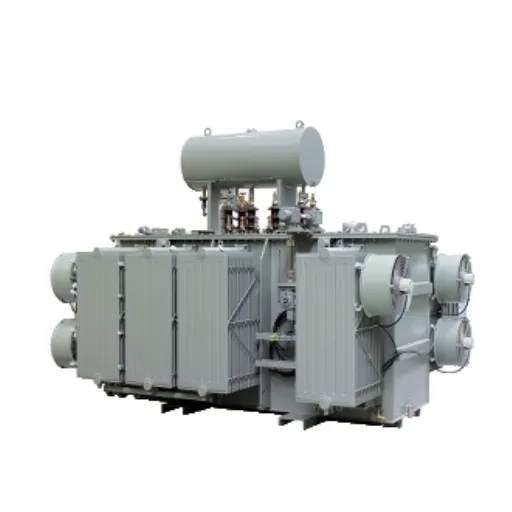
The electricity transformer business is currently not living in the best of times. The ever-developing logistics sector alongside the ever-increasing building material prices are the two main issues up the industry is facing. The worldwide supply chain and transportation industries have been impacted big time due to various factors such as the COVID-19 pandemic, rising geopolitical tensions, and the lack of certain strategic raw materials including copper, steel, and aluminium. All of these materials play a critical role in the production of power transformers and their short supply has not only resulted in the reduction of production but also in the increase of the price to a great extent.
⚠️ Critical Material Price Increases:
Copper prices have jumped up to nearly 40% during the last couple of years, significantly impacting manufacturing costs and profit margins.
Moreover, the ongoing transportation bottlenecks and delays in the global logistics network are magnifying the inefficiencies of the supply chain. The whole system from one end to the other is at breaking point, from shortage of port capacity all over the world to lack of workers, to lack of trucks, shelves in the warehouses. Consequently, this has led to delays in the deliveries of critical parts. This makes manufacturers exposed to high levels of uncertainty in the production process and at the same time, it raises the difficulty level of project planning.
Industry Response Strategies:
- Supply Chain Diversification: Combining multiple sourcing strategies and localization to reduce geographical risks
- Material Innovation: Investing in R&D to identify alternatives such as composite materials and advanced alloys
- Digital Tools: Implementing AI-controlled supply chain management systems for better forecasting and demand planning
- Flexible Pricing: Adjusting pricing strategies to maintain competitiveness amid rising costs
The Need for Skilled Labor in Transformer Manufacturing
The power transformer manufacturing sector is heavily dependent on a labor force that possesses specialized skills and technical knowledge. It requires precision and proficiency throughout the stages of making power transformers, from creating high-efficiency cores to winding complex coils. A trained workforce is the guarantee that the power transformers are up to the mark, they are “conforming” and they are “working properly” in different and harsh environments. At the same time, the humanity is facing a real upsurge in energy demand and evolving technologies quite rapidly. So, the industry lacks the needed labor to keep up with the pace.
Solutions to Address the Skills Gap:
- Increased investment in workforce development programs
- Establishment of apprenticeship hubs and partnerships with technical schools
- Government and industry association initiatives for training programs
- Financial incentives and professional certifications
- Focus on grooming the next generation of skilled talents
Addressing Transformer Efficiency Challenges
When considering power transformers, it is particularly important to manage their efficiency, since they consume electricity and hence increase operational costs in every power system and industrial installation. Reducing the energy losses, be it the core losses like hysteresis and eddy currents or the load losses, is a substantial difficulty as it affects both the energy charges as well as the environment. In response to these issues, several developments have been identified.
Amorphous Core Materials
Greatly decrease core losses compared to commonly used silicon steel cores, offering significant energy savings.
HTS Materials
High-Temperature Superconducting materials substantially increase performance by eliminating conductor resistance.
Digital Control Systems
Real-time monitoring and control systems that address transformer behavior issues through continuous surveillance.
Predictive Analytics & AI
Intelligent management systems that balance efficiency, performance, and cost through advanced algorithms.
Additional studies emphasize that the size of power transformers is very crucial, so as to suit the applications and thus avoid any wastage of resources. The danger with small transformers is that they get too hot while the large ones results in wasted energy. Through the use of predictive analytics and artificial intelligence, there has been an effort towards intelligent management of transformers which balances efficiency, performance and cost. The efforts toward enhancing these efficiencies do not only directly diminish the environmental gases but also fulfill the global sustainability agenda which is at the very core of how far the energy industry has progressed.
Sustainability Efforts in the Transformer Sector
Eco-Friendly Designs and Recyclable Materials
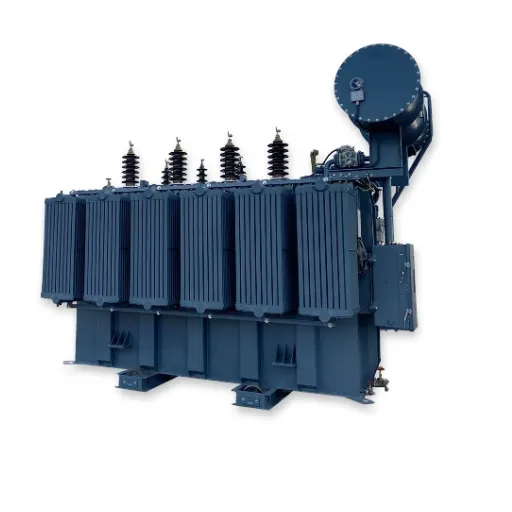
More and more power transformers are being created taking into account sustainability principles and using materials that will have less negative impact on the environment. In addition, manufacturers have also switched from using mineral oils to either biodegradable or vegetable based oils as insulating fluids which significantly reduces any chances of pollution in case of leakage and enhances biodegradability. Moreover, the improved energy efficiency concepts are also facilitated by the design that allows utilization of recyclable metals (such as aluminum and copper) for transformer care and windings, which in turn, improves the resource recovery processes necessary for the circular economy.
Sustainable Material Innovations
🌱 Biodegradable Oils
Vegetable-based insulating fluids reduce pollution risks and enhance biodegradability
♻️ Recyclable Metals
Aluminum and copper utilization improves resource recovery for circular economy
⚡ Amorphous Metal Cores
Significantly reduce no-load losses compared to conventional designs
In addition to materials, engineers are also coming up with new designs of transformers where the improvement is to reduce power consumption and increase and guarantee the life of a transformer. A major emphasis has been on mitigation of both core and winding losses which enhances performance and also reduces carbon emissions due to energy wastage. For example, there is a growing trend towards amorphous metal core designs as these significantly reduce no-load or idle losses than a conventional silicon steel core design, can. These innovations demonstrate a move to the development of power transformers that are efficient and at the same time do not harm the environment.
The recycling and end-of-life management of transformers, too, is amply being emphasized through advocacy for strategies to ensure valuable materials are recovered. Such components, including insulating oils or fluids, metals, and other detachable alternatives have established collection systems and recycling methodologies, where such components are not disposed of as waste but rather recycled. Dedicated to the use of alternatives and the implementation of effective recycling approaches, it is among the contributions of the power transformers industry towards its ecological optimization and achieving of worldwide environmental goals.
Energy-Efficient Solutions for Reduced Environmental Impact
Environmental standards are becoming more and more stringent on the transformer industry. But a stepstone for them is the use of such kind of energy-efficient technologies as well as the mitigation of environmental impact and the reaching of the sustainability goals. With their design, the modern transformers are focusing on a very low energy loss during transmission and distribution, and in this way, they are also contributing to reducing the electricity that will be wasted. The core of amorphous metal is considered one of the most effective methods since it has lower hysteresis losses as compared to the traditional one made by silicon steel. The insulation materials and windings have been the most advanced, and the system’s efficiency has almost backed up the idea of energy conservation.
Wider adoption of smart transformers and digitalization also heavily contributes to the enhancement of energy effectiveness. These modern types of transformers include IoT-embedded sensors and analytics which make it possible to monitor and maintain in real-time and to back up the system and avoid the waste of energy and the shortening of the equipment’s life. The same systems allow for natural and smooth connection to the renewable energy sources, which enhance the grid performance and allow for maximum utilization of solar, wind, and other green energy technologies.
📋 Key Regulatory Frameworks:
- European Union’s Eco-design Directive: Requires strict performance criteria to be met by transformer manufacturers
- Minimum Energy Performance Standards (MEPS): International policies that drive competing designs of energy-efficient transformers
- Incentive Programs: Various countries enforce regulatory measures with the main aim of developing and sustaining eco-friendly transformers
The transformer technology industry is very much driven by the policies that bring in competing designs of energy-efficient transformers. Manufacturing companies get credit for their innovative designs. Besides, strict regulations are paving the way forward for the industry to join in the participation towards an energy-saving and yet a sustainable future by applying engineering improvements in harmony with the regulatory frameworks.
The Critical Role of Power Transformers in Renewable Energy
Facilitating Efficient Transmission of Wind and Solar Power
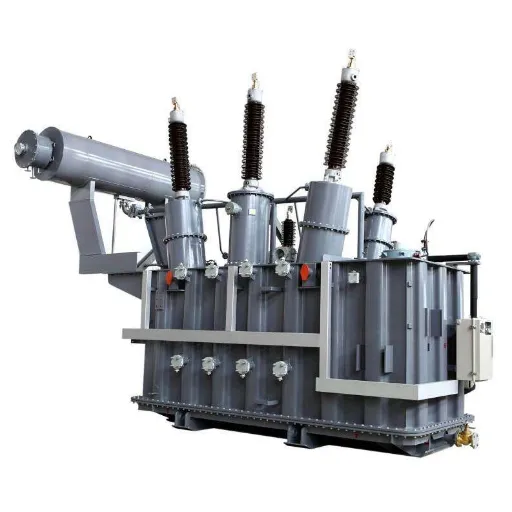
Power transformers are one of the most important parts of the renewable energy system as they help to have a smooth and easy electricity transmission from wind and solar installations. The function of the transformers is to bring the voltage produced at renewable energy sites to a high level for transmission to a distant place. High-voltage transmission is very important for the minimization of power losses and the keeping the electrical grid secure, particularly considering that many renewable energy facilities are not within close proximity to the cities and main consumers of electricity.
Recent innovations in high-efficiency transformer technology have enabled a better alignment with the problems attributed to renewable energy sources. Unlike the traditional power plants, the intermittent and weather-dependent wind and solar power generation cannot be easily considered to differ from the aspect of a stable energy supply. With new-age transformers integrating strong insulation systems, and the cores with minimal losses, and adaptively operated control systems, flux loads and frequencies that vary can be managed more effectively, ensuring a constant energy flow to the grid.
Moreover, the incorporation of digital monitoring and smart grid technologies in power transformers has significantly transformed grid management. One of the technologically advanced ways to create more reliable grids is the use of smart transformers, whose capability to predict the peak demand and manage renewable energy flow properly reduces the possibilities of blackouts and increases the grid’s recovery and resilience. Renewable energy’s rapid growth will only make power transformers more important if we want to keep connecting homes, factories, and entire communities with the produced clean energy’s power.
Power Transformers and the Transition to Greener Energy Systems
The world’s move towards greener energy systems revolves around power transformers. This is because of the continuous fast pace of renewable energy sources such as the sun, wind, and water power as part of our grid. Despite renewable energy sources are widely scattered and often emit energy in varying degrees, power transformers’ role is to provide a connection wherein the grid could be used by the power. This means that power transformers play a very important role in modern electrical systems that are becoming cleaner. The power transformers are necessary so that the energy can be transmitted efficiently by raising the voltage for the far destination transport and lowering it for the local point distribution which results in loss reduction through the whole process.
🔋 Innovations Supporting Green Energy Transition
High-Efficiency Transformers
Increase energy conversion efficiency and reduce power system pollution
Solid-State Transformers
Enable advanced control and improved performance characteristics
Ester-Based Insulation
Better insulation properties than oils and less prone to fires
Smart Transformers
Real-time monitoring and dynamic adjustments for decentralized grids
Specifically, the struggle with integrating renewable energy is being worked on through the new transformers’ technology. Novelty during such transformers as the high-efficiency as well as the solid-state ones the environment-friendly insulating materials used in this case are the main contributors to the increase in energy conversion efficiency and decrease in the pollution of the power systems. Additionally, the top-notch technologies of the day like smart transformers give support to real-time monitoring and grid conditions’ dynamic adjustments which are needed more as renewable energy and thus the grid become more and more decentralized and complicated.
The shift towards more sustainable energy systems also requires that sustainability becomes the prime concern in the production and operations of transformers. This encompasses, among others, the use of materials that are more recyclable and the implementation of regulations that are more stringent to avoid the emission of greenhouse gases during the manufacturing processes. Moreover, artificial intelligent and machine learning driven predictive maintenance systems are playing a very significant role in the extension of transformers’ operational life. Thus, they not only promise a cost-effective performance of transformers but are also instrumental in waste reduction. The fact is that power transformers still play a very significant part in the global effort to put in place a sustainable and resilient energy future through their stepwise upgrade to meet the growing demands of renewable energy systems.
Future Outlook for Power Transformers in Renewable Integration
The way forward for power transformers when it comes to connecting renewable energy sources to the main grid is set to have a lot of development and enhancements. This will be as a result of the growth in the capacities of renewable energy and smart grid systems. The demand for such systems will be increased in the coming decades. The demand for such increase also comes from the power transformers which in that case will be able to withstand high fluctuations or variances of the loads and topology resulting from the wind or the sun. High temperature superconducting transformers, as well as, the most recent forms of insulations are incorporated within the designs to optimize the performance, as well as, eliminating some sustainable loop holes.
🚀 Future Technologies on the Horizon:
- IoT-Based Smart Transformers: Edge-computing capabilities providing analyzed data in real-time
- Energy Storage Integration: Flexible grids able to absorb extra renewable energy and release it when needed
- High-Temperature Superconductors: Enhanced performance and reduced energy losses
- Advanced Insulation Systems: Improved reliability and environmental sustainability
Furthermore, advent of digital technologies is going to alter performance management and change the relationship with the grid. Internet of Things (IoT) based smart transformers with edge- computing installed could provide analysed data in real time enhancing the grid robustness and assist in load change management. Together with energy storage devices, these transformers will most likely contribute to the development of flexible grids which are able to absorb any extra renewable energy and release it when there is a lack of renewable resources.
In the future perspective, huge investments in research and development coupled with green energy transition enhanced policies will most likely lead to the rapid adoption of next generation power transformers. Such transition does not only emphasize the significance of creative engineering for the advancement of the energy sector but also supports that power transformers are very essential for the global energy transformation towards sustainable and distributed energy system.
References
-
Power Transformers – Baylor University: A lecture note discussing the importance of power transformers in power systems, focusing on efficiency and economical power transmission.
-
Compact Power Transformer Design – University of Minnesota: This source highlights advancements in power transformer design, emphasizing efficiency and reduced complexity.
-
How Many Transformers Will the US Distribution Grid Need by 2050? – National Renewable Energy Laboratory (NREL): A report estimating future transformer capacity requirements for the U.S. distribution grid.
-
Addressing the Critical Shortage of Power Transformers – Cybersecurity and Infrastructure Security Agency (CISA): A report discussing the role of power transformers in ensuring the reliability of the U.S. power grid.
- Click here to read more.
Frequently Asked Questions (FAQ)
Q: Define power transformers and explain how their construction helps transfer electric energy between circuits without altering the frequency at which they operate.
A: The power transformers are instruments which help in the transfer of electric energy from one circuit to another without change in the operating frequency. This is achieved through the principle of electromagnetic induction. The internals of the power transformers include the transformer windings on a transformer core and this facilitates the voltage transformation and power transmission and distribution from power stations as is wires on poles or the cables under the ground.
Q: Distinguish between the application of the distribution transformer and that of the large power transformers.
A: Distribution transformers are utilized in distribution networks for the purpose of providing supply transformers to step down the voltage to the levels required by the consumers. On the other hand, large power transformers are utilized in power generating stations, substations, and transmission systems for high-voltage transformers and large power ratings or long distance power flow. This is because the capacity of a distribution transformer is relatively low and is mostly an oil filled one if it is to be used for outside purposes.
Q: In terms of design characteristics, what are the factors influencing the transformer’s performance of power transformers?
A: In this context, the principles associated with transformers design concern themselves with only such issues as the type of core for the transformer, the construction and material of the core of the transformer, windings arrangements that include the three-phase windings (for three-phase transformers), insulation, oil for oil-filled power transformers, and transformer cooling systems. All of the above aspects impact the effectiveness and the level of losses of power supply networks, the ability of transformers to carry the specified load and heat losses.
Q: For what purpose is transformer oil used and what is its function in the operation of large power transformers?
A: In oil-filled power transformers and large oil-filled power transformers, oil plays the dual role of insulation and cooling fluid. For this purpose, transformer tanks are filled with oil for insolation purpose to reduce internal and external flare-up of transformers– in the core-to-seal gap insulating between core and windings, and cooling purposes – to avoid any damage in efficiency of the transformer by heat, and the aging of equipment is averted.
Q: How do transformers fail, and what kinds of transformer protection are available to reduce these risks?
A: Some of the reasons responsible for transformer failures can be, insulation breakdowns, overheating, winding faults, moisture ingress, overloading using a transformer beyond its power rating, or external factors such as lightning. There is a transformer protection system comprising of relays, surge arrestors, Buchholz relay for oil-filled transformers, transformer temperature monitoring and transformer oil monitoring which helps in detecting any faults in the transformers in time thereby enabling isolating the transformers and preventing any catastrophic damage to the power equipment or the power distribution networks.
Q: How does three phase transformer and isolation transformer have a place in present power distribution and transmission systems?
A: Three-phase transformers are already being implemented in practically all the areas of power systems as the power apparatus for transferring all other industrial loads essential for this power system and its cushioning networks. Isolation transformers ensure that one circuit is not in contact with the other for safety reasons, reduce noise automatically, or protect certain applications. For efficient energy distribution, three-phase transformers are necessary and for protecting equipment and people, isolation transformers are quite necessary as well.
Q: Which factors determine a transformer’s power rating and power capacity and how the output power is found?
A: Design aspects of a transformer, which dictate its power rating, cover all dimensions of the windings, or the core cross section, or else cooling and thermal thresholds are considered. Since, in practice, the transformer output power is given in kVA or MVA, this power comes from the active winding maximum allowable current at certain voltage. The engineering staff chooses a power rating that matches the power consumption in transmission systems, where the voltages are high or in distribution systems for supply transformers, where the voltages are lower.
Q: What exactly is the use of large transformers and high voltage transformers in AC overhead or underground networks respectively, within the context of overhead and underground distribution?
A: Huge transformers and high-voltage transformers can increase voltages at power stations to save energy on long-distance power transmission and reduce the voltages at substations for distribution purposes. In over the wire systems, high voltage utilities are placed on poles connecting to the wiring, however, in cities transformers are placed closer into substations or transformation enclosures which are buried beneath the ground for power distribution underground bearing in mind the issues of safety, access and heat removal.
Q: What is the impact of improved transformer design and maintenance processes on the performance graduation rate of electric motors’ power in terms of efficiency or longevity?
A: By designing a transformer well, such as reducing the core loss, optimising transformer windings, choosing the right transformer oil, and employing proper cooling, one increases the effectiveness of power and lowers the losses. Carrying out maintenance or condition monitoring, testing the oil or using protection, reduces transformer failures, and prolongs the life of both traditional transformers and power transformers, hence making electricity reach the end users without any interruptions.