

Rectifier Transformers for Electrochemical Applications

Rectifier transformers are very important for electrochemical processes in almost all industries. Such processes range from aluminium production, zinc resmelting, specific chemical production, and others, which rely on these transformers to ensure adequate conversion from DC power. This blog will focus on the use of rectifier transformers in the electrochemical industries, looking at their design and function, advantages, and benefits offered to these industries. The think piece on the other hand, is meant for engineers, plant managers, those who are eager to learn the science behind modern technologies, and convince them why these transformers are so important to their operations and how to choose an appropriate one. Expect detailed information on the effectiveness of the rectifier transformer in the advent of power conversion for growth.
Introduction to Rectifier Transformers
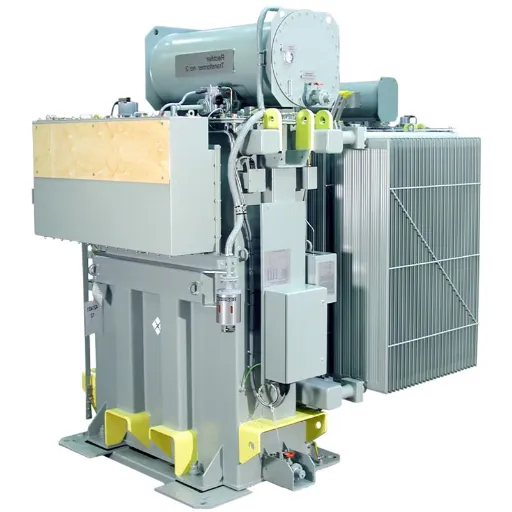
Definition and Purpose
A rectifier transformer is a specially designed apparatus that is used for transforming currents for rectifiers from the power supply system. As their name suggests, rectifiers are apparatuses that provide the conversion of AC power to DC power. In some industries, such as electrochemical industries, rectifiers are quite important due to the fact that they are used in electrolysis, aluminium ladle metallization, and welding, among others. Consequently, the rectifiers are unique in relation to the transformers manufactured to be applied with them. The aim is to make the transformers perform well and reliably in the conversion of the power from direct current to alternating current, considering the fact that rectifiers are non-linear loads and they produce a lot of harmonics.
As per the recent statistics on the application of rectifier transformer in the level of industry, it is estimated that the rating may go up to hundreds of MVA, that is, a megavolt-ampere, and may be as low as a few KVA, that is, a kilovolt-ampere, depending on the volume of application and how much strength it requires in this application. The contemporary design incorporates such cooling as oil cooling and air cooling, and the materials are tailored to withstand high temperatures and electrical pressures. Moreover, with the improvements in the designs of the transformers, efficiency in the use of energy has been achieved by reducing core losses as well as improving insulation configuration.
This fact also highlights the importance of a rectifier transformer in the development of green energy, too. As an example, let’s turn to the renewable sources of energy: solar photovoltaic power units, rectifiers convert direct current into alternating current, and therefore, rectifier transformers help in transferring the direct current power either to storage or the production of alternating current. With this many uses of the technology, it is possible to say that the rectifier transformers are generally used in the industry and current green powers as well.
Difference Between Rectifier Transformers and Power Transformers
Rectifier transformers and power transformers are employed in electrical systems for different purposes and as such, employ varied design configurations suited for their applications.
1. Functionality:
- The rectifier transformers were made with the sole purpose of providing a power supply to the rectifiers, which change AC to DC. Normally, they are used for electrochemical processing and electric transport, as well as in the renewable energy industry.
- Power transformers, they help in transferring electric energy from one or several circuits to another or several others through the process of electromagnetic induction, mostly in power Distribution and Transmission systems.
2. Design Features:
- Rectifier transformers frequently offer extra functionalities such as secondary windings configurations (e.g., start, delta, or zigzag), special cooling schemes, and harmonic filtration systems in order to cater to non-linear loads and high currents.
- Power transformers are more concerned with efficiency and the reduction of energy loss as power is transmitted over considerable distances than the rectifier transformer. They are most commonly used in higher voltages than a rectifier transformer.
3. Load Characteristics:
- A rectifier transformer aims to control the form of non-harmonic currents due to the rectification processes, which generate harmonics in the system. They are made more powerful to be able to withstand more of both thermal and mechanical stress.
- Power transformers handle a more stable sinusoidal load and efficient equilibrium conditions.
4. Efficiency and Losses:
- Recent market insights suggest that the efficiency of the rectifier transformer largely depends on the design and application and falls in the range of 95% to 98%. But the additional harmonic management features may introduce a minor increase in core and copper losses.
- In contrast, power transformers can exhibit very high efficiency of up to 99% for large units designed for use in networks that transmit electrical energy.
5. Market Insights and Advancements:
- Due to increasing pressure to switch to green energy and improve electrification, there will be a 7.1% CAGR growth of the transformer market forecasted for the years 2023 to 2030. The increasing popularity of rectifier transformers is evident in quite a few fields, such as aluminum smelting and steel manufacturing, not leaving out the charging stations for electric vehicles.
- For power transformers, there is an increase in investment in the development of smart grids, and the incorporation of renewable energy technology is being enhanced to ensure proper working of the economic life span, especially where dynamic loads are concerned.
The decision on whether to utilize a rectifier transformer or a regular power transformer is application, usage, or environment specific. With the passage of time, as a result of using better materials, insulations, and cooling technology, the advantages and reliability of both types of transformers are improving.
Importance in Electrochemical Applications
Rectifier transformers are quite significant electric machines that are used in many cases, such as electrolysis and electroplating. In both cases, there is always a requirement for uninterrupted and filtered direct current, and these rectifier transformers serve such a cause by converting AC to DC. For efficient and seamless operations, most industries such as aluminum smelting, chloroalkali, steel-making, etc make extensive use of these transformers.
Recent studies revisiting the global market position of the rectifier transformer indicate that an increasing number of industries where electrochemical processes are prevalent will demand, on average, a growth of 5.2% yearly between the years 2023 and 2030. Take, for example, the consumption of aluminum in the worldwide industry in 2022, which exceeded 68 million tons by volume for the said year; in that case, the higher efficiency of rectifier transformers has also been considered in recovering aluminum from its ore or the raw material.
Silicon-based circuits and improved insulation technologies tend to enhance the reliability and durability of these transformers. The current rectifier transformers employ advanced heat transfer techniques that lead to negligibly lower losses than the previous designs. This change in technology aligns with the concepts of sustainable development across the globe as it helps all sectors to lower their emission levels.
Whether the rectifier transformer is within the large heavy industrial plant or within the small electronics production unit, all such devices can be used with great ease and can never fail to meet the electricity demands built in the economies.
Fundamental Principles of Rectification

Understanding DC Power Generation
DC (Direct Current) power generation plays a crucial role in various industrial applications and modern power systems. DC power is generated when electrons flow steadily in a single direction, offering a stable and consistent energy output. This is particularly essential in processes such as electroplating, aluminum smelting, and battery charging, where precise voltage control is necessary.
According to recent data, the global DC power supply market is projected to grow significantly, with a compound annual growth rate (CAGR) of approximately 4.5% from 2023 to 2030. This growth is largely attributed to the increasing adoption of renewable energy systems, particularly solar photovoltaics (PV), which primarily generate DC power. For instance, statistics indicate that solar energy consumption increased by over 22% globally in 2022 alone, driving the demand for efficient rectification technologies.
Furthermore, modern rectifier transformers equipped with advanced thyristor technology and digital control systems enable efficiency levels of up to 98%, minimizing energy losses and enhancing overall system performance. Such advancements are critical as industries transition to energy-efficient practices to meet stringent regulatory standards and sustainability targets. This points to the pivotal role of DC power generation and its associated technologies in supporting the energy demands of a greener future.
Role of Rectifiers in Power Conversion
A rectifier transformer is required in any circuit that includes an alternating current or direct current, and it allows proper operation of the circuit. It determines how suitable certain appliances or accessories are for use for the purpose desired. Life without this technology is difficult. Almost all industries have rectifiers, such as home entertainment systems, factories, and renewable energy. Technology has improved and developed modern rectifiers that are more functional and reliable. This is because the rectifier contains advanced materials such as SiC and GaN semiconductors, which significantly improve the performance of the device.
According to market analysis projections, which shed light on the present day and show that the rectifier market is expected to rise considerably around the world, an increasing compound annual growth rate of about 6 percent would have been achieved in the period ranging from 2023 to 2030, as per the measures taken. Such factors consist of industrial parks with high power loads, charging stations for electric vehicles, and free distribution of solar-wind energy. Alternatively, models such as solar inverters with a total efficiency of over 98% leverage rectifiers for transforming power drawn from solar panels into electric power useful for machines and gadgets.
In addition, it should be noted that rectifier transformers, especially in tools such as welding, electroplating, and metal plating, which used to be designed as simple analogue devices, have changed. The current products are either already fitted with or are compatible with digital controls and monitoring equipment that enhances accuracy and energy savings. For example, thyristor-powered rectifiers have been used in a variety of places, albeit not as much as the DC-powered ones in aluminium smelters due to the large DC busbars; mega DC rectifiers have become almost mandatory. Fast forward, the product upgraded even further, typically the performance improved with the modern rectifiers as they reduced losses up to 30 percent and beyond.
The relentless development of rectifier technology can be a crucial contributor for the increase in the conditions of electrical equipment operations by the properties of such systems to the environment, focusing on the improvement of energy conservation and sustainability efforts in all parts of the world.
Types of Rectifiers Used with Transformers
Rectifier transformer application is divided into different types depending on design and operation. The basic rectifiers include a half-wave, full-wave, and bridge rectifier, and each of them has its unique good use. Advancements in modern technologies come with improved and more efficient rectifiers.
- Half-Wave Rectifiers
The simplest form of rectifiers is the half-wave rectifiers where the load is supplied with current for only half of the cycle of the AC supply. These kinds of rectifiers are very simple in construction, and the cost of production is very cheap, but their efficiency in comparison with other types of rectifiers is very low, with a maximum efficiency of approximately 40%. - Full-Wave Rectifiers
Full-wave rectifiers perform twice the action done by half-wave rectifiers, and thus their efficiency goes up. They are widely preferred over their counterpart half-wave as they produce a better output signal, which is a much smoother DC. The efficiency of a full-wave rectifier transformer goes up to 81%, hence its application in most power supplies. - Bridge Rectifiers
Bridge rectifiers are indeed very interesting as they have four diodes that are arranged in a square box or bridge fashion. Every time, current could flow even during the first half of any AC, thereby creating the rectifier transformer, which has now been optimized for the purpose of an uninterruptible DC supply. They have efficiencies of more than 85%, which means they can provide a stabilized power supply with high-performance.
Modern Developments and Data
The rising focus on energy-efficient systems and alternative power sources is pushing the refinement of advanced rectifier types. Within this perspective, the incorporation of silicon-controlled rectifiers (SCR) and insulated-gate bipolar transistor (IGBT) rectifiers in systems is aimed at performance optimization and increasing energy savings. Recent market survey reviews have established that advanced rectifiers have reduced energy usage in industrial applications by almost half, which is in line with the increased sustainability efforts. Moreover, the forecasts in the studies also stipulate that the rectifier transformer is expected to record a compound annual growth rate (CAGR) of 3.8% and eventually hit a value of about $5.7 billion by the year 2028.
These advances emphasize the significance of ongoing progress in the rectifier technology development, which aims to address the urgent client demand for energy effectiveness and seeks to increase the environmental electrification. Rectifiers raise the performance of the power system through the application of state-of-the-art technology and support the overall goal of lowering environmental damage.
Design Considerations for Rectifier Transformers
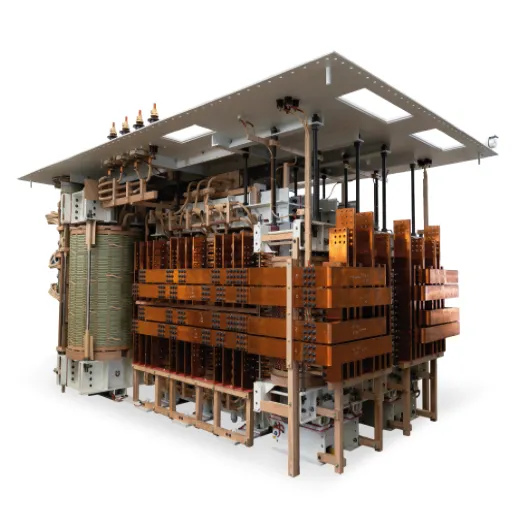
High Current Requirements in Industrial Applications
A rectifier transformer is responsible for providing a high current for products such as electrolytic, electrometalurgical, high-power drive, and others. This means the need for transformers of such nature is necessary for such purposes as the currents involved reach thousands of amperes and still need to be kept in check and effective. In addition, seeing as the aluminum distribution and polyelectrolyte industry are both growing, recent findings show that there is also a need to lower the price of high-capacity rectifier transformers.
The world rectifier transformer market is projected to experience significant growth at a CAGR of more than 4% every year from 2023 to 2028. This growth is mainly attributed to the increasing deployment of renewable energy sources and the enhancement of high-voltage systems in the industrial field. The country remains a top supplier of industrial transformers. It also plays a significant role in advancing this sector as the country’s major corporations are investing in research aimed at developing more compact loss-efficient transformers.
Additionally, creating elaborate cooling configurations in the rectifier transformer as well as oil or air type, adds to what makes the transformers carry a load for a greater period of time. Such designs save the transformer from excessive heat, extend its usefulness, and also prevent the expense of repairs. Improved sensing techniques and Artificial Intelligence have empowered operators to foresee breakdowns; thus, the importance of these inventions in the high-current industries cannot be overemphasized.
These circumstances demonstrate the importance of good engineering and modern solutions in the pressure and in meeting the growing needs of the market.
Transformer Sizing and Configuration
Transformers should always be properly designed and sized for respective tallerizers; otherwise, the load increases, the peaks do not have to be considered in the current design, and a load fluctuation is hopeless and is defined. In some cases, for example, a Sankey type transformer will be heavily loaded under very light loading loads, and small rated transformers can break down during heavy loads because they are heavily loaded, thus through loss of production.
About seventy percent (70 %) of such losses above blended geographical areas can be remitting newer transformers, which consume less, but not mini grids. This is a result of the use of amorphous metal transformer cores and enhanced optimization of the cores in terms of size and parameters. Also, rectifier transformer systems take advantage of technology with the use of voltage control and, at the extreme, phase shifting to face the supply and demand variations and even provide more reliability than the previous operational grid.
A rectifier transformer‘s dimension is relative to how much capacity the load would require—hence, a rectifier transformer‘s size would be known after carrying out load analysis. Of course, there have been advancements by the year 2023.; studies claim that with the implementation of IoT sensors inside transformers, the accuracy of the load forecast increases by 30 percent, and this helps operators design appropriate systems. In this regard, the advancements and improvements of data-driven techniques for combating power loss in electricity transformers are, however, visible.
Enclosure strategy has been modified due to the existence of advanced tactics that allow the construction of a more stable system that is also flexible. This is executed using modular transformers, which are known to provide morphological and operational functions with any system whose constraints are constantly challenged and adapted. These design and configuration solutions are most beneficial in the operations involving renewable energy, where the need to regulate the amount and processing of energy depends on the extent of the grid energization. For instance, in cases where there is no reactor, the daily power needs are met by positioning the rectifier transformer on the floor.
Insulation and Cooling Techniques
Transformers are additionally installed in facilities such as rectifier transformers, LPG setups, ACs, and many others. For that reason or any other, power substation designers create the infrastructure with reasonable and advanced technological developments within the walls. For example, high voltage power cable installation will incorporate some performance-graded insulation composites such as paper, pressboards, and advanced polymers-insulation to withstand overcurrents and resist voltage spike operations. For instance, there is a claim that an improvement of the insulation system may enlarge the transformer’s service life by up to 20%, which, in turn, will reduce the operating costs.
The prevention of the transformer’s damage by the heating process is therefore the mandate of any transformer’s operation. Nonetheless, the sophisticated one has both an air-cooled system, which can be either natural or forced ventilation, and liquid cooled system where either mineral oil, ester, or synthetic fluid is used. However, some studies have explored the possibilities of oils that are biogradable like esters, to achieve a lower transformer footprint and also improved fire resistance over the normal mineral oils that are used. It should be noted that improved cooling techniques are being designed so that temperatures within the transformers can also be monitored using IoT-based thermometers, and appropriate energy consumption and productivity levels of the transformer are fine-tuned to achievable limits. This smart transformer technology is being developed, and the use of electric field control and the upgraded transformer cooling system is focused on improving the operational efficiency in designing a new rectifier transformer so that it is more reliable and consumable.
Industrial Applications of Rectifier Transformers
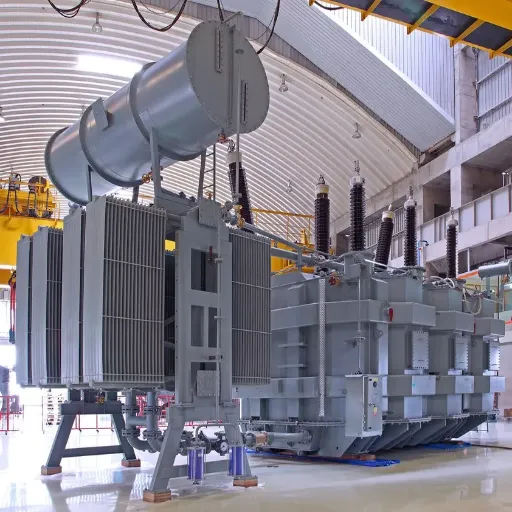
Electroplating and Surface Finishing
Rectifier transformers are of great importance to the electroplating, coating, and finishing industry because of the voltage levels they supply to the metal deposition equipment. Such a level of voltage and current is required in the electroplating industries with the aim of getting an equal coat thickness and surface.
As per reports, the global electroplating market will be worth 21.7 billion dollars by 2027, growing at 3.7% between 2020 and 2027, and this is mainly due to the shift towards improved rectifier transformer solutions. In recent days, the rectifier transformers have attained many features, from the provision of pulsing to the optimization of the design and operation. In addition to availability, monitoring solutions make it possible for observation and recalibration during the plating processes, therefore approximately reducing the excessively high consumption of raw materials by 25% or more.
Drawing on those advances, a variety of visual and creative forms as well as non-traditional approaches are becoming possible towards the rectifier transformer’s surface treatment technology, making it more effective, economical, and efficient to the current accreditation demands.
Battery Charging Systems
The progress of storage battery charging systems has made a notable impact, mainly focused on how well they tend to work, their reliability, and how they change. A good number of models are now smart chargers, utilizing AI and deep learning to manage the charging cycles, which range from the type of battery to the temperature and usage history. Battery life, thus, is preserved, and surplus energy consumption from the grid is also eliminated.
It has recently been documented that the Level 2 chargers most commonly used for electric vehicles or EVs available today can charge the batteries of an electric car from 0% to 100% full in about 8 to 10 hours, and some fast charging DC stations that have been made available to the public in recent years can bring the interstitial fluid with the battery charging to 80% in only 20 to 30 minutes. Cutting-edge developments have been observed in wireless in-circuit charging, where power can be transferred without direct contact and hence allows much more flexible applications such as charging phones within machines or plants.
The use of battery energy storage systems (BESS) technologies has similarly increased in recent years, as the need for renewable energy integration continues to rise. According to forecasts, across the globe, the market for battery energy storage is anticipated to expand from USD 10.88 billion in 2022 to USD 31.20 billion in 2029, growing at the rate of 16.3% per annum. The growth of battery charging systems such as these is an illustration of the importance of battery charging systems, as it helps in promoting a green energy society, and also caters to the needs of the residents, workplaces and industries.
Electrolysis Processes in Chemical Manufacturing
Electrolysis has not only been used simply to develop chemical release technologies, but its application goes as far as supplying electrical and thermal energy. However, while the primary purpose is to disintegrate a chemical compound consisting of various elements to enable feasible separation through the current that is produced, the concept of electrolysis has now expanded to include the device known as a rectifier transformer, since it comprises protective diodes that are used for conversion of high-frequency current and this is how it got its name. It is similar to water electrolysis used to produce hydrogen, which is no longer limited to research or controlled experiments in the laboratory, but also has business use. As in this case, hydrogen wholesale was valued at $130 billion in 2023, but with a compound growth rate of 7.5% per year, it is forecast that the market will be worth $220 billion in 2030. As in the case of other fantasies, the supply of hydrogen to the markets is provided due to the necessity to restrain carbon emissions in various sectors such as transportation, energy, manufacturing, etc., as the focus shifts towards the availability of clean and/or green hydrogen.
In addition, the production of chlorine and caustic soda also employs this method of electrolysis, which consequently enables the production of paper and other materials such as PVC and detergents. The size of this specific industry that makes use of chlorine and alkali products will amount to about $100 billion by the year 2028, mainly as a result of rising electrolytic technologies, which are powered by waste heat. These types are particularly adopted for a louver falling straight into the rectifier transformer, a semiconductor without a melting constituent inside, but made of renewable resources of energy; that is a positive advantage, for it allows expansion of the industry in view of the world system.
Reference Sources
1. Rectifier Transformers Market by Application and Region (2026-2032)
- This research emphasizes the use of rectifier transformers in electrochemical applications, including their importance in ensuring stable DC power for processes like electroplating and refining. It also covers advancements in cooling and insulation technologies.
- Source: 360iResearch Rectifier Transformers Market Report
2. Transformer Rectifier Market Analysis (2026)
- This report provides insights into the application of rectifier transformers in industrial processes, including electrochemical applications. It discusses market segmentation, technological innovations, and the impact of regulatory standards on the industry.
- Source: Cognitive Market Research Report
Frequently Asked Questions (FAQs)
What are Rectifier Transformers and How Do They Work in Electrochemical Applications?
A rectifier transformer is a one-of-a-kind transformer that converts the alternating current supply of electric power into the DC supply of electric power, which helps in carrying out electrolysis and other electrochemical operations. For this purpose, they come equipped with rectifiers to facilitate this objective. This enables the implementation of different units, such as chlor-alkali, metal plating, and hydrogen production by maintaining a stable DC supply as required by any such system.
Why Are Rectifier Transformers Important In The Chlor-Alkali Industry?
The chlor-alkali industry relies heavily on rectifier transformer conversion of AC to DC for electrolysis, and hence, rectifier transformers are very important in this industry. This electrochemical separation of elements is an integral process for producing, for example, chlorine, caustic soda, hydrogen, and several other chemicals, all of which find use in a wide range of industries. Electrolysis is becoming more effective and so is the manufacturing of rectifier transformers, meaning that these technologies are moving towards greater efficiency and lower costs for the industry.
How Do Rectifier Transformers Improve Energy Efficiency?
The incidence of modern energy-efficient design in these buildings is also enhanced by various means, such as temperatures and vapor infiltration, therefore, cutting down on energy. Further, integrated and usually used with environmentally friendly or energy-saving technologies. The use of rectifier transformers in the process of electrolysis further reduces energy consumption, which is both good for the economy and the environment.
What Factors Should Be Considered When Choosing a Rectifier Transformer?
It is necessary to take many factors into account when deciding on the rectifier transformer to be used for providing sufficient current and voltage in electrochemical processes: available cooling methods, performance and conformance with the rectifier, when applicable. Under very difficult circumstances, such as a chlor alkali production or electrolytic metal production processes, the transformer must meet strict reliability and safety requirements so as to allow its uninterrupted operation.
Can Rectifier Transformers Support Sustainable Industrial Goals?
Yes, for their modern versions’ production and application is crucial for the purposes of attaining strategic objectives, as it is very helpful in energy-conscious and green operations. The advanced energy-efficient designs and renewable solutions introduced rectify the transformer in the chlor-alkali production sector as well lesing the amount of emissions. Moreover, such development looks into the prospect of energy efficiency improvement in electrochemical processes.
What Are the Latest Trends in Rectifier Transformer Technology?
The most recent changes in rectifier transformer design are focused on enhancing the efficiency of the rectifying transformer, lowering energy consumption, and integrating environmentally friendly power into production chains. Some of the most notable enhancements are in digital management, new grids and better insulation. These objectives are relevant to environmental protection and the development of industries associated with reducing dangerous energy emissions in particular.