
Hermetically Sealed Oil Transformers: Complete Technical Guide for Industrial Applications

In 2019, a Danish offshore wind farm faced a problem, which made a difference. The first generation of conventional conservator-type transformers had developed premature insulation failures after just eight years. The first set had been plagued by the unwanted ingressions of salt spray and constant exposure to moisture. The maintenance costs had reached EUR 45,000 yearly and became cumulative, as technicians had to make monthly trips to replace silica gel breathers and check oil levels.
Lars Jensen, the site operation manager, had also created a great sensation when he opted for hermetically sealed oil transformers for Phase 2 of the ongoing work. That step had been quite dramatic: after five years of installing these hermetically sealed units, there was not one single maintenance cost. The oil was as clear as any technician’s eyes, and it had even saved the site over EUR 200,000 in cumulative operation costs.
The thing is, hermetically sealed success stories. Between solar installations in the desert and manufacturing in the humid tropics, it is beyond its pioneer use that hermetically-sealed oil transformers now reveal a fundamental set of new truths-eliminating the touch of the atmosphere eliminates a major factor in transformer degradation. Beyond industry data stands such a claim that the occurrence of 70-80% of transformer failures is based on oil contamination. But this is a mantra curable by the design of hermetic sealing.
After concluding this guide, you will have a much more profound knowledge of a hermetically sealed oil transformer, while understanding the conditions where hermetically sealed designs excel over those of the conservator type, and how to evaluate them for specific applications. This technical guide should help with new specifications for projects from an equipment start-up, or if you’re trying to renovate the old system, it will give a structured and fundamental way of choosing by providing engineering facts and live examples.
What Is a Hermetically Sealed Oil Transformer?
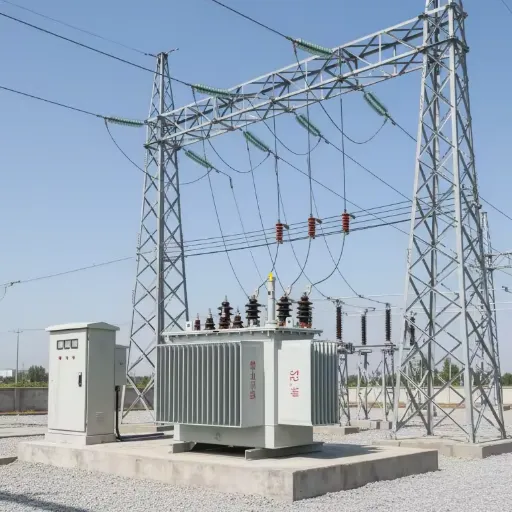
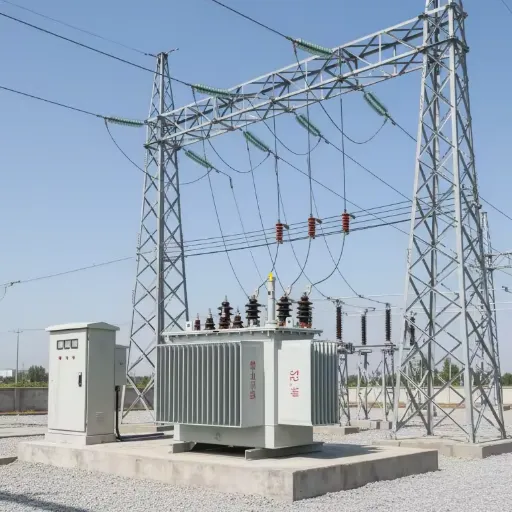
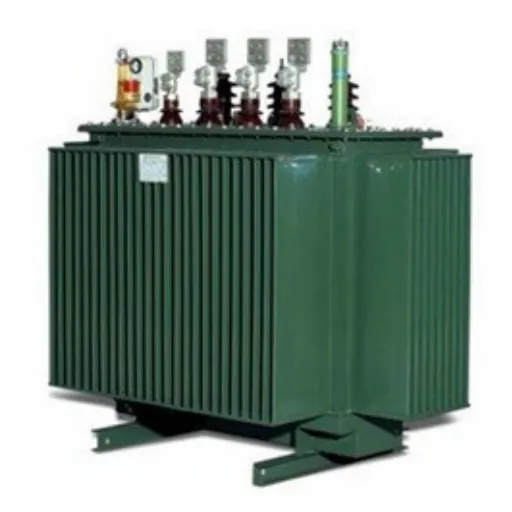
Hermetically Sealed Oil Transformers are electrical devices that are fully sealed up with insulating oil, which does not come into contact with the atmosphere, moisture, or contamination. Hermetically sealed transformers, unlike the traditional ones that come with external conservator tanks and silica gel breathers, ensure that the dielectric fluids in the tanks are fully enclosed by welded steel tanks that have flexible expansion systems.
The word hermetic is derived from the same origin as hermetically sealed or air-tight containers. This means that no contact with the outside is possible. While doing transformer engineering, this refers to a particular choice that tries to avoid the main drawback of the classical oil transformers, which is the breathing of the transformers, which inevitably involves the interchange of air with the ingress of oxygen, moisture, and dust, which alters the properties of the oil and leads to the premature aging of insulating material.
How Oil Expansion Is Accommodated
Transformer oil increases in volume by about 0.8% for every 10 degrees Celsius temperature increase. The expansion has to be handled in a tight system without breaking the hermetic seal. Among them are two types:
Corrugated Tank Design (Fully Filled)
The predominant method utilizes the corrugated two walls, which deform outwardly in such a way as to allow the oil to extend meaningfully during a temperature rise, as well as contract when cooling. Thus, therein, precision-engineered corrugations provide enough expandability to cover the entire range of possible thermal expansion while still achieving tight sealing. The tank is filled fully with oil and is without space for any air.
Gas Cushion Design
Some designs have a closed envelope above the oil surface as a cushion of nitrogen. As the oil is heated, it will displace this gas with a decrease in temperature. When the oil is cooled, such gas expands, filling the created vacuum. The nitrogen is not allowed to open up to natural air and shall remain, thus, sealed in the system.
Both methodologies aim at achieving the same critical objective, which is the preservation of the dielectric properties of oil through the prohibition of possible impurity from oxygen and humidity.
Hermetically Sealed vs. Conservator Transformers: A Detailed Comparison
When specifying oil-immersed transformers, engineers face a fundamental choice between hermetically sealed designs and traditional conservator-type units. Understanding the technical differences is essential for selecting the right equipment for your application.
Structural and Operational Differences
| Feature | Hermetically Sealed | Conservator Type |
|---|---|---|
| Air Exposure | Zero contact with the atmosphere | Continuous breathing through a silica gel breather |
| Oil Expansion Mechanism | Corrugated tank walls or an internal nitrogen cushion | External conservator tank holds excess volume |
| Typical Capacity Range | 25 kVA to ~5,000 kVA (distribution) | 5 MVA to 500+ MVA (transmission and large power) |
| Voltage Range | Up to 36 kV | Up to 220 kV and beyond |
| Maintenance Requirements | Minimal to none | Moderate to high (breather replacement, oil level checks) |
| Initial Cost | 20-40% higher than equivalent conservator units | Lower capital expenditure |
| Total Cost of Ownership | Lower than 15-20 year lifecycle | Higher due to ongoing maintenance |
| Oil Degradation Rate | Less than 2% per year | 5-10% per year |
| Expected Oil Life | 30+ years | 15-20 years |
| Physical Footprint | 20% smaller, 2-3 feet shorter in height | Larger due to the external conservator |
| Weight | 10-15% lighter | Heavier |
The Conservator System Explained
Traditional conservator transformers rely on an external cylindrical tank mounted above the main transformer tank. As the operating temperature rises, oil expands and flows into the conservator. When the temperature drops, oil returns to the main tank. This design requires a continuous air exchange through a silica gel breather that filters moisture from incoming air.
While this approach works for large power transformers where regular maintenance is feasible, it introduces several vulnerabilities:
- Ingress of Moisture: Despite the presence of silica gel breathers, some free moisture finds its way into the transformer.
- Oxygen Permeation: This refers to the contact with air that causes oil oxidation, leading to the formation of sludge and accumulation of acid.
- Maintenance Burden: Silica gel needs to be monitored and replaced regularly, failing to notice whether the adsorption medium is already saturated.
- Risk of Leakage: Additional pipes and connections between the main tank and the conservator create potential risk points.
Ready to explore custom transformer solutions for your specific requirements? Contact our engineering team for a detailed consultation on hermetically sealed designs tailored to your application.
When to Choose Hermetically Sealed
Select hermetically sealed oil transformers when:
- The installation environment is harsh, polluted, or humid
- Maintenance access is limited, difficult, or costly
- Space constraints favor a compact design
- Long-term reliability is prioritized over initial capital expenditure
- Fire safety and environmental protection are critical concerns
- The installation is in a remote location
When to Choose a Conservator Type
Conservator transformers remain the better choice when:
- Capacity requirements exceed approximately 5 MVA
- Voltage levels exceed 36 kV
- Regular oil analysis and monitoring are desired for condition-based maintenance
- Budget constraints favor lower initial capital expenditure
- The installation environment is controlled and easily accessible
- Load cycling involves extreme thermal variations that challenge expansion mechanisms
Five Key Advantages of Hermetically Sealed Transformers
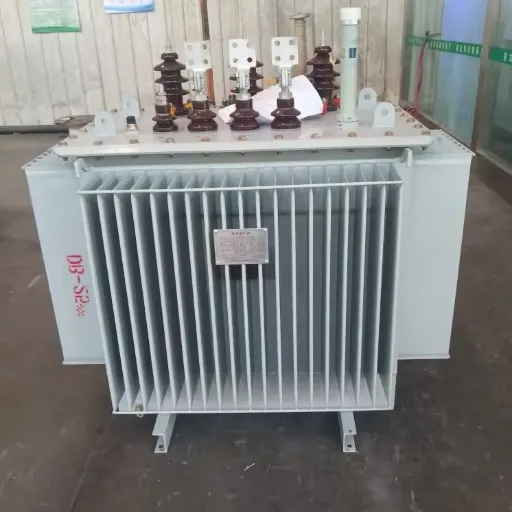
The hermetically sealed design offers distinct engineering advantages that translate into operational benefits across the transformer lifecycle.
1. Zero Maintenance Requirements
In the present practice, oil is sealed from air into a separate set and so does not need the primary duties of traditional oil-filled transformers. There is no need for silica gel breathers to be checked or changed. There is no oil level to be checked in periodic time sequences. Since oil never forms sludge and does not oxidize, no filtration is needed.
It is clearly a means by which a facility manager could save money on operations if he were responsible for numerous transformer installations. In a period of operation, it involves every fourth day inspection of the silica gel breather, annual oil analysis and visual assessment, and oil filtration every 5-7 years. Every single activity incurs labor costs, issues caused by downtime scheduling, and potential contractor expenses.
Case Example: In 2018, a manufacturing plant in Mumbai installed 12 hermetically sealed transformers across its campus. They were previously using Conservator-type units and had a yearly maintenance contract for ₹840,000 (almost about $10,000). The new hermetically sealed units needed only visual inspection, reducing expenses by as much as 94% for maintenance over six years.
2. Superior Environmental Protection
Sealed construction provides a built-in protection against environmental factors, which usually affect transformers. Moisture, being the enemy of dielectric strength and it leads toward aging of insulation, has no chance to enter. Oxygen is altogether forbidden in the said environment, which is harmful for oil. This includes dust and salt-spray conditions as well as chemical vapors and other materials that can affect the oil.
Therefore, hermetically sealed transformers are best-suited for applications in:
- Coastal installations: Components exposed to salt-laden atmospheres are being affected rapidly through corrosion and oil contamination
- Desert environments: Fine sand particles and dirt are extracted from the surrounding zone, through which the normal filtering effect can be passed
- Chemical plants: Corrosive vapors are deteriorating both energy and insulation materials
- High-humidity regions: Constant moisture exposures cross the breather capacity
- Polluted industrial areas: All kinds of pulverulent gold accelerate the aging of the oil.
3. Enhanced Safety and Reliability
The sealed tank design eliminates several safety risks associated with conventional transformers. Without external piping between the main tank and the conservator, there are no gasket joints or connection points where oil can leak. The compact design with corrugated fins actually provides better structural integrity than conservator assemblies.
Fire risk is reduced because the contained oil system minimizes leakage potential. In the unlikely event of an internal fault, pressure relief devices safely vent gases while maintaining the hermetic seal integrity.
Reliability statistics support this advantage. Studies of transformer failure modes show that approximately 30% of conservator transformer failures involve oil-related issues: moisture ingress, contamination, or degradation. Hermetically sealed designs eliminate this entire failure category.
4. Compact Design Benefits
The absence of an external conservator tank allows hermetically sealed transformers to occupy significantly less space than equivalent conservator units:
- Footprint reduction: An installation area is 20% smaller.
- Height reduction: More compact, 2-3 feet shorter, to fit into indoor installations with ceiling constraints.
- Weight reduction: Ideal for transport and installation, 10-15% reduction.
These dimensional advantages make hermetically sealed transformers ideal for:
- Indoor substations and electrical rooms
- Underground installations
- Rooftop transformer installations
- Compact substations and package units
- Retrofit applications where space is limited
5. Long-Term Cost Savings
Typically, the cost of a hermetically sealed transformer is 20-40% more expensive than an equivalent conservator initially. However, the net total cost over the entire lifecycle of 15-20 years is much cheaper. This is because of one or more of the following reasons:
Maintenance Cost Elimination: No replenishment of breathers, taking of oil samples, filtration, or level monitoring.
Extended Oil Life: Life of the oil stretches to 30 + years against 15-20 years of life in conservator designs.
Reduced Downtime: Reduced maintenance actually leads to less disruption, even in the normal flow of business.
Reduction in Insurance Premiums: Some insurers offer more affordable rates to those who have sealed designs as there is less fire risk.
Avoided Failure Costs: You can also avoid failure costs when experiencing a very low probability of oil contamination causing catastrophic failure.
Lifecycle Cost Analysis: A 1000 kVA transformer in hermetics will cost roughly $15,000-$18,000, while an equivalent transformer conservator would cost less ($12,000-$14,000). After 15 years, they might face the consequential costs of using a conservator, such as maintenance, oil treatment, and potential early replacement, which will be around $10,000-$15,000. As for the hermetic one, with $11,000 in savings and higher reliability, there is typically zero expenditure for maintenance.
Technical Specifications and Standards Compliance
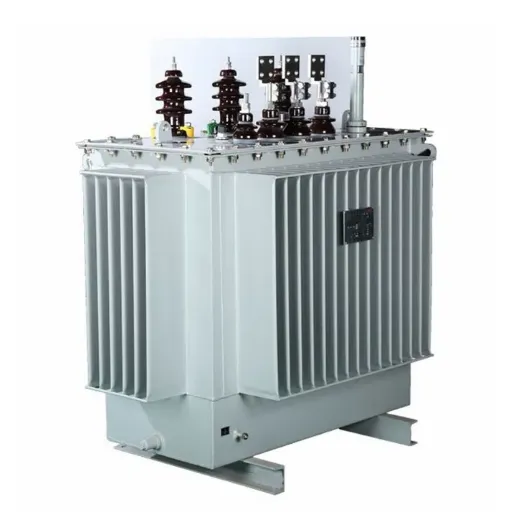
Hermetically sealed oil transformers are manufactured to rigorous international standards that ensure performance, safety, and interoperability. Understanding these specifications is essential for proper equipment selection and procurement.
Power and Voltage Ratings
Distribution-class hermetically sealed transformers typically cover the following ranges:
| Parameter | Standard Range |
|---|---|
| Rated Power | 25 kVA to 5,000 kVA |
| Primary Voltage | Up to 36 kV |
| Secondary Voltage | 415V, 433V, 230V, 400V (standard); other voltages available |
| Vector Groups | Dyn11 (most common), also Dyn1, Yyn0, and custom configurations |
| Frequency | 50 Hz or 60 Hz |
| Number of Phases | Three-phase (standard), single-phase available |
Power transformers with hermetic sealing can extend to much higher ratings, with specialized designs reaching 200 MVA and voltage classes up to 132 kV, though these applications are less common.
IEC 60076 Compliance Requirements
The series of standards called IEC 60076 for power transformer design, testing, and performance governs hermetically sealed transformers, which must comply with the following applicable provisions:
IEC 60076-1: General Specifications
Describes the basic requirements for transformer designs, such as the temperature rise limit, insulation levels, and so on. Hermetically sealed transformers must, therefore, meet the commensurate fundamental requirements with other oil-immersed types.
IEC 60076-2: Temperature Rise Limitations
Standard temperature rise limits apply:
- Top oil temperature rise: 60°C (or 65°C for certain designs)
- Winding temperature rise: 65°C (average), 78°C (hottest spot)
The sealed design actually aids thermal management by preventing moisture-related reduction in the oil’s heat transfer capability.
IEC 60076-3: Insulation Levels and Dielectric Tests
Specifies insulation coordination, dielectric test potentials, and minimum clearances within and outside the transformer. Hermetically sealed transformers receive routine, design, and special tests, as do respirator units.
IEC 60076-7: Loading Guide for Oil-Immersed Power Transformers
Guides the use of associated limited overload. It is therefore so worked out to sustain the same trade pattern of thermal characteristics. Over time, the oil properties remain constant.
IEC 60076-10: Determination of Sound Levels
Prescribes methods of measurement of transformer noise. The corrugated tank installation may differ a little in the acoustic characteristics from a plane tank because of the finned baffle surface.
EN 50464 Series (European Standard)
Specifically addresses hermetically sealed transformers and corrugated tanks. Cyclic testing of pressure is provided under 4. This standard consists of mechanically equivalent cyclic test requirements for the tank material’s stretching in the entire life of the tank transformer.
Insulating Fluid Options
While mineral oil remains the standard insulating medium, hermetically sealed transformers can utilize alternative fluids for specific applications:
Mineral Oil (IEC 60296)
This standard insulation oil possesses high dielectric characteristics as well as excellent heat transfer capability. The case varies based on its flash point, which normally stands at 140 °C, and its fire point at 160 °C. The most economical choice for a variety of applications.
Natural Esters Oil
Made out of vegetable oil and is normally extracted from soya or rapeseed. Consider the following advantages:
- Biodegradability: 95% or more time relies on spending hours under OECD 301 testing.
- Higher Fire Point: At 300°C+ as compared with 160°C for mineral oil.
- Moisture-tolerance: Absorbs and holds water without a great change in dielectric properties.
- Environmental safety: Will decrease the cost of spill cleanup as well as regulation issues
Natural esters are increasingly being specified within indoor installations, EPA-sensitive spaces, and applications at fire risk.
Synthetic Ester Oils
Engineered fluids offering:
- Fire safety: K-class fluid classification (fire point >300°C)
- Wide temperature range: Superior low-temperature performance
- Oxidation stability: Extended fluid life
Synthetic esters provide the highest fire safety rating, but at increased cost.
Cooling Methods
Hermetically sealed transformers employ standard cooling classifications:
ONAN (Oil Natural Air Natural)
The most common configuration for distribution transformers. Heat transfers from windings to oil, which circulates by natural convection through the tank walls or radiators, where heat dissipates to ambient air. The corrugated fins of hermetically sealed tanks enhance surface area for improved natural cooling.
ONAF (Oil Natural Air Forced)
For higher ratings or restricted installations, fans can be added to force air across cooling surfaces. This increases thermal capacity by 25-33% without increasing transformer size.
KNAN/KNKF (Ester Oil Cooling)
When natural or synthetic ester fluids are used, the cooling class designation changes from “O” (mineral oil) to “K” (non-mineral insulating liquid).
Applications and Industry Use Cases
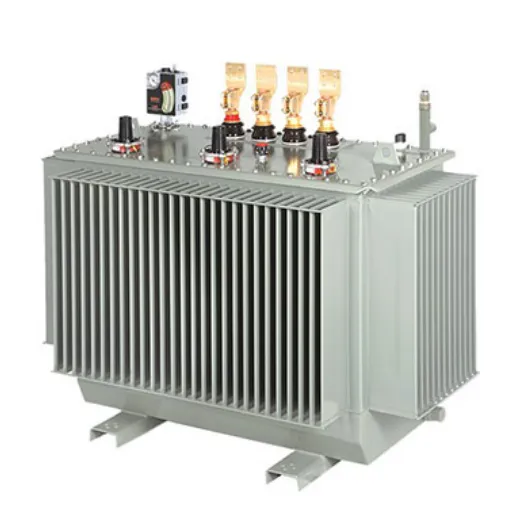
Hermetically sealed oil transformers serve critical roles across diverse industries and environments where reliability and minimal maintenance are paramount.
Ideal Installation Environments
Coastal and Marine Applications
Salt spray and high humidity can quickly destroy traditional transformers. But when sealed, the hermetically sealed construction will give complete protection to the transformer against these adversities. This is the reason why, increasingly, offshore wind farms, desalination plants, and port facilities select heretic design.
Desert and Arid Regions
The fine dust and sand particles in a desert environment can easily enter the breather systems and pollute the oil in conservator transformers. However, a hermetically sealed design will not allow dusty particles to enter with the air, making it the best solution in solar installations, mining operations, and major infrastructure projects in desert regions.
Tropical and High-Humidity Regions
Silica gel breathers should always get correct attention due to the region’s year-long humidity. One of the reasons for this is that the desiccant goes out very quickly as soon as the new humidity gets into the system running on oil. The above vulnerability is eliminated by using a hermetically sealed transformer.
Chemical & Petrochemical Plant Applications
The hermetically sealed transformer is preferred in most chemical facilities: those plants generating corrosive fumes and those site projects where hydrocarbons traverse, cite the rigorous rules of safety that govern the whole venture. The advantage of the seal construction wards off chemical invasion in oil while the classes of ester fluid approach fire-safe requirements.
Mining and Heavy Industry
Most mining activities, including dust, vibration, and sparse maintenance access, make the condition rough. Slashing on joint maintenance, the hermetically sealed transformer operating is minimally required to withstand all these rugged conditions. Convenient application of installations under the ground is made possible by its very compact shape and decreased incidence of fire risk.
Infrastructure Applications
Urban Substations and Indoor Installations
Where urban enclosures or basements are space-restricted, such installations can be given an advantage from the small overall sizes that hermetically sealed units guarantee. And, under construction, they present no height requirements through the elimination of any external conservator tanks: faultless encapsulation also means that no paint escapes existing enclosures.
Compact and Package Substations
Various schemes and provisions could consider compact spaces that are to be equipped with transformer circuits at low-voltage switchgear, all housed in a single enclosed design. For applications of this kind, hermetically sealed transformers are to be preferred due to their compactness and maintenance-free operation.
Underground Distribution Systems
Underground Distribution Systems give the power of Pad-mounted transformers to be used in the demanding environment of those expensive underground maintenance works that provide residents with various loss-minimizing strategies. This configuration renders maintenance underground a secondary but viable way in which to keep costs low.
Renewable Energy Projects
In many cases, harsh climate conditions and great distances maintain solar farms and wind energy installations. Thanks to minimal maintenance requirements along with lower requirements for the economic viability of renewable energy projects, the economic needs of this entire section are boosted by hermetically sealed transformers and trouble-free service.
Industry-Specific Examples
Data Centers and Critical Facilities
Transformer reliability affects operational continuity in data centers, financial services, and hospitals. Unplanned outages due to oil-related failures can be directly reduced by using hermetically sealed transformers.
Commercial Buildings and Shopping Malls
The advantageous lightness and tightness of a hermetically sealed unit are suitable for roof mounting in buildings:) A good point may be that the fire hazard it represents can also lower the insurance cost for building owners.
Water Treatment and Wastewater Plants
Incorporated in environments that are corrosive and environmentally regulated, the hermetically sealed design is mostly specifically made for the treatment of water. Natural ester oils are great for protecting the environment from spills, should they accidentally occur.
Maintenance Guidelines for Hermetically Sealed Transformers
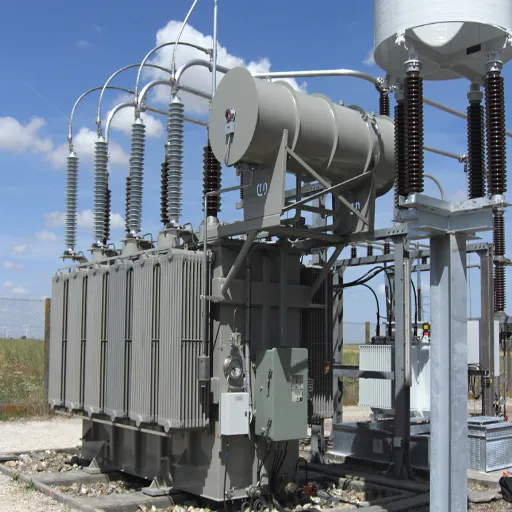
While hermetically sealed transformers are often described as “maintenance-free,” a proper understanding of inspection requirements ensures optimal performance and longevity.
Why “Maintenance-Free” Is Accurate
The term “maintenance-free” refers specifically to the elimination of oil-related maintenance tasks. Because the oil never contacts atmospheric oxygen or moisture:
- Oil oxidation does not occur
- Sludge formation is prevented
- Dielectric strength remains stable
- Moisture cannot reduce the insulation capability
This contrasts sharply with conservator transformers, which require regular breather maintenance, oil sampling, and periodic filtration to maintain oil quality.
Required Periodic Inspections
Although oil-related maintenance is eliminated, hermetically sealed transformers still require periodic inspections to ensure continued safe operation:
Visual Inspection for Oil Leaks (Quarterly to Annual)
Examine the tank, bushings, and all external surfaces for signs of oil seepage. The hermetic seal integrity is critical to transformer function. Any oil leakage indicates seal compromise and requires immediate attention.
Unlike conservator transformers, where minor oil additions can address seepage, hermetically sealed units cannot be simply topped off. Seal integrity depends on maintaining the designed internal pressure conditions.
Temperature Monitoring Verification (Continuous/Annual)
For transformers equipped with temperature monitoring devices:
- Verify that temperature readings display and record correctly
- Check that the alarm and trip contacts function as designed
- Compare temperature trends against baseline values
Abnormal temperature patterns may indicate overload conditions, cooling system blockage, or internal issues requiring investigation.
Bushing Inspection and Cleaning (Annual)
Inspect bushings for cracks, tracking, or contamination. Clean surfaces as needed to prevent flashover. Check that bushing connections remain tight and corrosion-free.
Grounding System Verification (Annual)
Test the integrity of the transformer grounding system. Ground resistance should not exceed 6 ohms for proper safety and surge protection.
Protection Device Testing (Annual)
For gas detector units, including a DGPT (Gas Detection, Pressure, Temperature) relay installation or pressure relief:
- Validate correct functioning according to manufacturer specifications
- Guaranteed freedom from paint-over relief devices, as this will not activate it.
- Found correctly working alarm and trip circuits.
Protection Devices Specific to Hermetic Designs
DGPT2 Relay (Gas, Pressure, Temperature Detection)
The DGPT2 relay is commonly used in hermetically sealed transformers as an alternative to the Buchholz relay found in conservator designs. This multifunctional device monitors:
- Gas accumulation: Detects internal arcing or overheating that produces gas
- Pressure changes: Monitors for sudden pressure increases from internal faults
- Oil temperature: Provides over-temperature protection
The DGPT2 provides alarm and trip contacts for each monitored parameter, enabling appropriate protective action.
Pressure Relief Device
A spring-loaded or diaphragm-type pressure relief device vents excessive internal pressure while preventing oil release under normal conditions. This safety device activates if internal faults generate gases faster than normal expansion can accommodate.
Thermometers and Temperature Sensors
Transformers 630 kVA and larger typically include dial-type thermometers with alarm contacts. Digital installations may use PT100 resistance temperature detectors for continuous monitoring and remote indication.
Critical Maintenance Procedures
If Oil Leakage Is Detected
Unlike conservator transformers, where adding oil is a routine maintenance task, hermetically sealed units require specialized intervention if leakage occurs:
- Do not add oil – Simply adding oil will not restore proper hermetic conditions
- Contact the manufacturer immediately – Seal integrity requires factory-authorized repair procedures
- Document the leakage – Record location, rate, and any associated conditions
- Consider temporary monitoring – If the unit must remain in service temporarily, increase inspection frequency
Temperature Anomaly Investigation
If temperature monitoring indicates abnormal readings:
- Verify that cooling surfaces are clean and unobstructed
- Check loading against rated capacity
- Compare current temperatures to historical data for the same ambient and loading conditions
- If temperatures exceed normal values without explanation, plan for inspection or replacement
Gasket and Seal Replacement
When gasket replacement becomes necessary due to aging or damage:
- Use only oil-resistant gasket materials specified by the manufacturer
- Tighten fasteners to specified torque values
- Consider factory-authorized service for critical applications
- Perform pressure testing after seal replacement
Long-Term Storage Considerations
If a hermetically sealed transformer must be stored before installation:
- Store in a dry location protected from the weather
- Maintain oil temperature above the dew point to prevent internal condensation
- Rotate desiccant in any external drying chambers if equipped
- Commission within manufacturer-specified timeframes to maintain warranty coverage
Market Trends and Industry Outlook
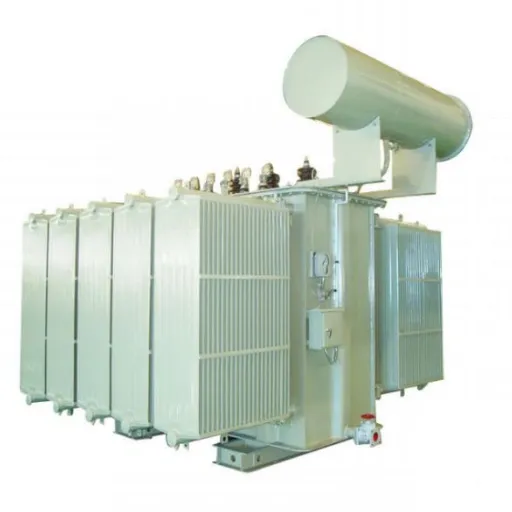
The hermetically sealed transformer market reflects broader trends in electrical infrastructure development, environmental regulation, and grid modernization.
Global Market Growth
Infrastructure expenditure and expansion in renewable energy are the main thrusts boosting growth in the oil-filled transformer market, including hermetically sealed models. According to market research:
- Global market value: Expected to grow from roughly $9 billion in 2025 to $12.7 billion by 2032, as calculated by a compound annual growth rate (CAGR) of 6.1 percent.
- Regional distribution: The Asia-Pacific makes up nearly 48% of the global market volume, deriving its roots as much from China’s grid expansion as India’s rural electrification campaign.
- Growth drivers: Superannuation, merging renewable energy, and the removal of ageing infrastructure
The seal oil transformer sector registered a faster growth as compared to the full sector, with a preference shifting towards anti-maintenance designs to be employed in a hard environment.
Technology Trends Shaping the Market
Digital Monitoring Integration
Modern hermetically sealed transformers increasingly incorporate sensors and communication capabilities for smart grid applications:
- Temperature monitoring with wireless data transmission
- Dissolved gas analysis (DGA) sensors for early fault detection
- Load monitoring and thermal modeling
- Integration with substation automation systems
They cater to troubleshooting what originally has been concealed. More sophisticated detectors manage to pull out diagnostic data without gnawing at the absolute hermeticity of the system.
Ester Oil Adoption
Environmental and fire safety regulations are driving the adoption of natural and synthetic ester insulating fluids:
- European markets increasingly specify biodegradable fluids
- Urban installations favor high fire-point esters for reduced risk
- Environmental regulations in sensitive areas restrict mineral oil use
Hermetically sealed construction is particularly compatible with ester fluids, as the sealed environment prevents the oxidation that can affect some natural esters over time.
Efficiency Improvements
Hermetically sealed transformers lose fewer losses because of the amorphous metal cores, optimized winding designs, and the advanced cooling systems, which they are built around:
- Core loss levels are less than 60%-70% compared to the traditional designs
- Energy savings from cost savings on total ownership
- Imposed efficacy legislations that are also increasingly stringently enforced
Regional Regulatory Developments
European Union EcoDesign Requirements
In the EU, regulations are enforced to manage the efficiency requirements for transformers; hence, with effect from 2021, the Tier 2 requirements are laid down in the standard. That a regulation favors rather better designs in terms of their efficiency is what is guiding the move from the old, less efficient units.
North American Efficiency Standards
US Department of Energy regulations will mandate the distribution transformers’ efficiency standards, the most recent of which go into force in 2027. This has led to an increase in the adoption of high-efficiency designs; these will include the top-sealed design, optimized, and put under a hermetic seal.
Asian Infrastructure Investment
- China: Programs worth $89 billion to expand its national grid, including significant purchases of transformers
- India: Over $109 billion investment in transmission infrastructure upgrades, which increases demand for new supplies
- Southeast Asia: Rapid changes in the electrification of most regions and promotion of industrialization, which leads to the opening of new markets.
Industry Challenges
Raw Material Costs
Copper and grain-oriented electrical steel prices significantly impact transformer manufacturing costs. Price volatility affects both initial procurement and replacement economics.
Supply Chain Constraints
Post-pandemic disruptions in the chain of distribution have extended lead times on those last critical components and materials. Advantages of the vertically integrated chains of supply were old warfare.
Skilled Labor Shortage
It is that aging demographic of workers in the transformer industry that finds itself besieged by the form in which talent is drawn. The availability of a maintenance-free sealed design has had its value reinforced by the highlights brought out by labor shortages.
Conclusion
Durability in its highest range, power transformers filled with hermetically-sealed oil are based on older technology, which solves the major deficiency associated with conventional oil-immersed designs and cuts down on contamination the most- that is, the existence of atmospheric air. Insulating oil is centralized into its system, kept from even so much as a wisp of oxygen and moisture, shutting down the oil’s primary entrance for its degeneration. They manage, therefore, to elongate the operational life of the transformer and post-service maintenance to nearly zero.
Moreover, the key advantages can be precisely qualified and quantified in long oil life reaching over 30 years to interpret versus 15-20 years with conservator designs, eliminating regular maintenance tasks, excellent performance in harsh environments, small dimensions for space-constraint installations, et cetera, plus lower total cost of ownership over 15-20 years compared to higher initial cost.
Selecting a transformer for future projects is something to consider with regard to using the completely enclosed transformers when the location is challenging to reach, maintenance access is low, and reliability is very important for the long term. Especially suitable for coastal applications, desert environments, remote points of application, indoor installations, as well as wherever one needs to care for lifecycle management costs in the way of application.
In cases where the voltage of the transformer exceeds 36 kV and/or the capacity rating goes beyond 5 MVA, conservator-typed transformers are still the best choice. However, as long as it is within the operating envelope, hermetically-sealed such designs will continue to offer very good value over an even wider array of industrial, commercial, and infrastructure applications.
Ready to specify hermetically sealed transformers for your project? Contact Shandong Electric’s engineering team for technical consultation, custom specifications, and competitive quotations tailored to your exact requirements. Our transformers are engineered to IEC 60076 standards with options for natural ester fluids, digital monitoring, and specialized configurations for challenging environments.