
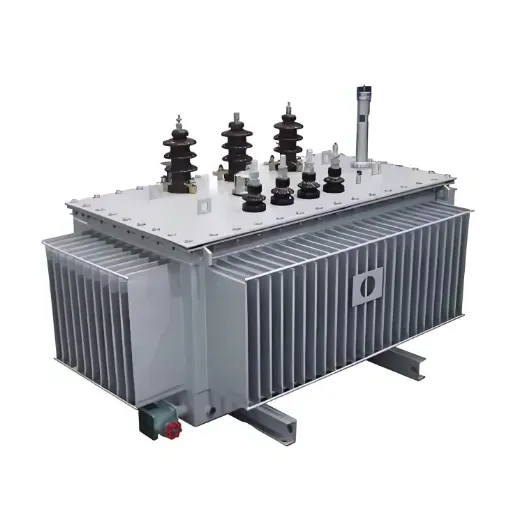
Maintaining Hermetically Sealed Oil Transformers: A Service Checklist

The correct maintenance of hermetically sealed oil transformers determines their operational efficiency, which also affects their lifespan and safety performance. Electrical systems require ongoing maintenance of their essential components to maintain optimal performance and prevent costly equipment breakdowns. The blog presents a complete maintenance guide, which includes a maintenance checklist that covers essential tasks for oil level checks, seal inspections, and ventilation system verification. This article provides essential information that all technicians need to maintain their transformers in optimal condition because it offers practical operating methods for transformers. The article explains methods to maintain transformer operations while protecting against upcoming dangers.
Introduction to Hermetically Sealed Transformers
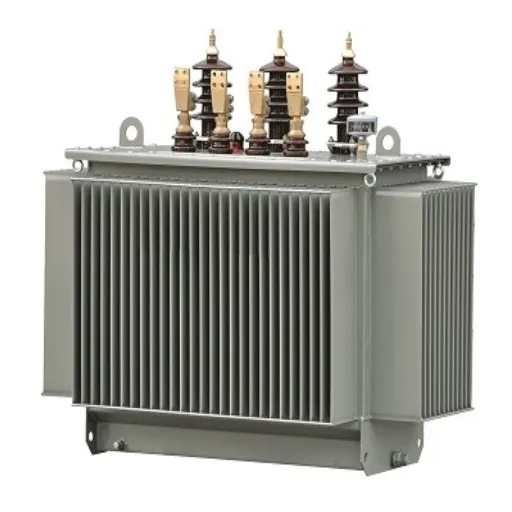
Importance of Maintenance for Oil-Immersed Transformers
Transformers that operate with oil as their insulation medium function as essential components of electrical systems by providing effective energy transmission and dependable operation. The transformers need appropriate maintenance activities that enhance their operational lifetime and functional abilities while retaining their operational dependability. The recent research findings demonstrate that insulation problems account for approximately 70% of transformer failures, which most often result from insufficient maintenance of transformer oil.
The operational status of electrical equipment depends on the current state of transformer oil, which functions as both an insulating material and a cooling system. The process of oil quality analysis requires regular assessments, which include testing dielectric strength and measuring moisture content and dissolved gas levels to identify potential issues at an early stage. The identification of hydrogen, methane and ethylene gases through Dissolved Gas Analysis (DGA) testing provides evidence of overheating or arcing occurrences within the transformer system.
The process of temperature control requires multiple essential elements. The transformer components experience increased damage when oil quality declines because this condition creates hotspots, which result in heat buildup. Research studies demonstrate that transformer insulation materials lose their effective lifespan when operating temperatures reach 10°C because of the permanent insulation material degradation.
The maintenance program needs to include oil assessments together with visual inspections of seals and bushings, ventilation system evaluation, and load monitoring activities. The prediction of equipment failures through thermographic imaging becomes more effective as this method detects unusual heat patterns.
Operators maintain equipment reliability through the combination of regular maintenance activities and advanced diagnostic methods, which lowers the probability of equipment failures.
Overview of Hermetically Sealed Transformer Features
Transformers with hermetic sealing maintain their best operational performance across various environmental conditions because their design prevents the entry of both air and water. The system maintains complete tank sealing, which creates an airtight barrier to outside substances while keeping the insulating oil protected from oxidation and degradation throughout its service life. The transformers achieve this advantage through their specific design, which results in better performance throughout their operational lifespan.
The transformers create high customer satisfaction because their operational upkeep needs are minimal. The tank design prevents any air movement between its inner space and the outside environment, which effectively eliminates both oil contamination risks and moisture pollution threats. The latest industry reports show that hermetically sealed transformers can function for 20 to 30 years or longer, depending on how they operate and the correct installation methods which installers choose.
Modern transformers now use cooling systems that feature radiators and corrugated tanks to maintain efficient heat removal during transformer operation. The equipment serves various applications which depend on high reliability standards, especially in renewable energy installations, industrial facilities and urban substations.
The system can function normally under extremely harsh operational environments. The transformers with hermetic sealing protect against environmental conditions, which include temperature changes between -25°C and +45°C and high humidity situations. The system allows remote area operation because it works well under tough conditions, which present challenges for standard transformer designs.
The global market for hermetically sealed transformers keeps expanding according to research, which forecasts a 4.5% annual growth rate until the year 2030. The distribution system now uses its sustainable energy efficiency combined with its cost-effective operation.
Understanding Oil Immersed Systems in Harsh Environments
Oil-immersed systems, which power transformers use to distribute energy systems function as both dependable and efficient solutions for power distribution in difficult operational conditions. The systems use insulating oil, which provides cooling capabilities and protective features to safeguard internal components against external threats, including high temperatures, high humidity levels, and dust particles. The system works best in remote areas and industrial sites because these locations experience environmental conditions that make standard transformer operations impossible.
The recent data shows that oil-immersed transformers have made progress in their ability to operate under different situations while improving their overall efficiency. The industry reports show that modern systems now use advanced insulation materials together with new cooling techniques, which achieve better energy efficiency and extended product lifespan. Research studies demonstrate that biodegradable insulating oils like natural esters provide environmental benefits while maintaining strong dielectric characteristics.
The oil-immersed transformer market will expand at a compound annual growth rate of 5.2 percent until 2030 because developing areas require new energy infrastructure, and renewable energy initiatives need reliable, long-lasting solutions. The development of monitoring systems has reached a new level through the introduction of built-in sensors that measure both temperature and moisture levels, enabling operators to maintain equipment performance in every type of operational situation.
The development of oil-immersed systems shows their vital role in creating sustainable energy systems that operate efficiently under extreme weather conditions.
Detailed Service Checklist for Oil Immersed Hermetically Sealed Transformers
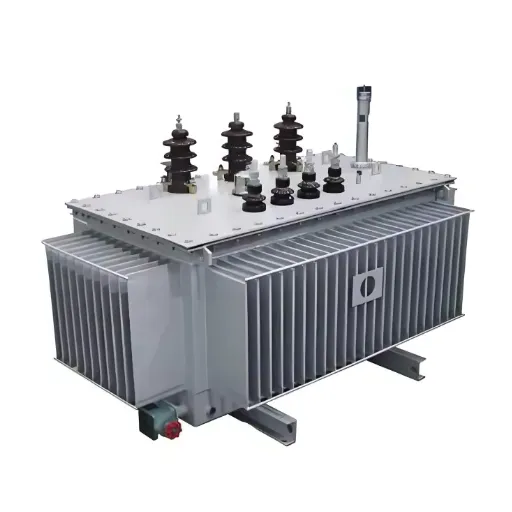
Visual Inspections for Sealed Type Transformers
- Check for Leaks
The inspection needs to assess all transformer casing and sealing zones to find any existing oil leaks. The transformer seal breaks when even small leaks occur because this allows moisture to enter the system, which results in reduced transformer life and performance issues. - Assess External Corrosion
The inspector needs to evaluate the transformer exterior to find any evidence of rust or corrosion damage. Corrosion attacks the material structure and protective coatings, which makes the unit vulnerable to environmental conditions. - Inspection of Bushings
The inspection process requires checking bushings for visible damage, which includes cracks, chips, and contamination, because these factors influence insulation performance. The presence of dirt and moisture on the equipment increases the chances of electrical discharge events. - Cooling System Evaluation
The evaluation needs to check radiator fins and cooling system components for any blockages, structural changes or equipment destruction. The system needs this component to function correctly because it prevents heat buildup, which would harm the internal parts. - Gas Pressure Check
The gas pressure measurement needs to confirm that the gas pressure falls within the specified limits, which range from 0.2 to 0.5 kg/cm² according to manufacturers’ guidelines. The system detects internal faults through deviations, which can also show gas leakage problems.
According to recent data, improper maintenance contributes to nearly 20-30% of transformer failures globally. Through routine visual checks that discover developing problems, operators can guarantee the extended operational life and dependable performance of oil-immersed hermetically sealed transformers.
Electrical Tests and Their Importance
The process of electrical testing functions as a vital procedure that guarantees both operational efficiency and safety protection for transformers that operate with oil and have sealed hermetic designs. The tests enable technicians to find potential faults at an early stage, which helps them avoid expensive repairs and unanticipated equipment breakdowns. The standard testing process uses three primary tests, which include insulation resistance tests and winding resistance measurements, and transformer ratio tests.
Currently, partial discharge testing functions as a crucial diagnostic technique according to the most recent industry research. Testing with PD detects specific areas of insulation failure that have the potential to develop into major equipment failures if not fixed. Data from studies about transformer failures show that 80% of transformer failures occur because of insulation problems, which emphasizes the importance of this test.
Dissolved gas analysis DGA functions as a vital diagnostic method. The method requires scientists to examine gases that have dissolved in transformer oil to identify problems like overheating or arcing, or partial discharge activity. The latest research demonstrates that more than 70% of aging transformer defects can be identified through a complete DGA assessment, which makes the test essential for maintenance work.
Operators now use advanced monitoring systems to assess electrical parameters without delay. Research shows that transformers with real-time monitoring systems experience 25-30% fewer failures than traditional systems. The combination of electrical testing and advanced technologies enables operators to enhance transformer reliability while extending their operational lifespan.
In-Depth Oil Analysis: What to Look For
The analysis of transformer oil serves as an essential testing method that enables operators to assess transformer equipment condition and operational capabilities. Transformer oil analysis enables technicians to assess the internal state of transformers, which helps them find potential problems that could lead to expensive equipment breakdowns. The essential parameters that need continuous tracking include the following:
- Dissolved Gas Analysis (DGA): The process of dissolved gas analysis requires the detection and measurement of gases that exist in dissolved form within transformer oil. The presence and concentration of these gases can help identify issues such as overheating, arcing, or partial discharges. For example, elevated levels of acetylene often indicate arcing faults within the transformer.
- Moisture Content: The transformer oil exhibits reduced dielectric strength because of its high moisture content, which creates potential risks for insulation failure and operational problems. The industry establishes a standard requirement that states that water content must remain below 20 parts per million to achieve optimal functioning.
- Acidity (Neutralization Number): The acid number of the oil indicates the level of oxidation byproducts that exist in the oil. The process of increasing acidity results in sludge formation, which decreases cooling efficiency while damaging insulation. A typical threshold for acidity is below 0.2 mg KOH/g.
- Electric Strength (Dielectric Breakdown Voltage): This test evaluates how well the oil can handle electrical pressure until it fails. The healthy oil range begins at 30 kV to 50 kV, which varies according to transformer requirements and specifications.
- Furan Analysis: Furan compounds form when cellulose insulation in transformers undergoes degradation. High levels of these compounds suggest significant insulation aging or damage. A measurement of 0.5 ppm or higher may warrant further investigation.
- Interfacial Tension (IFT): IFT measures how well oil can protect itself against contamination and oxidation processes. Decreasing IFT values below 15 mN/m may indicate the need for oil treatment or replacement.
The implementation of routine oil analysis together with the assessment of essential transformer parameters enables operators to acquire crucial information about their transformers’ operational performance. The research demonstrates that transformers that undergo scheduled comprehensive oil testing achieve a 40% reduction in unscheduled outages, thus establishing this method as a vital component of their maintenance strategies.
Recommended Frequency of Maintenance Tasks

Maintenance Schedule for Conservator Type Transformers
The maintenance schedule must follow structured guidelines to guarantee durable and dependable performance of conservator-type transformers. The following maintenance schedule recommends essential maintenance activities that meet industry requirements and current research findings.
Daily Checks:
- The team needs to perform monitoring and recording of oil levels in the conservator tank.
- The team needs to check for any oil leaks that might occur around gaskets and sealing points.
- The team needs to check for any sounds or vibrations that operate outside normal parameters.
Monthly Inspections:
- The team needs to check whether the breather system functions correctly by testing its silica gel and desiccants for saturation before replacing any components that require it.
- The team needs to examine bushings because their external surfaces need checking for dirt buildup and crack damage.
- The team needs to test temperature and pressure gauges to verify their operational accuracy.
Quarterly Maintenance:
- The team needs to collect oil samples for DGA testing, which will show up early potential equipment faults.
- The staff needs to inspect and clean the entire cooling system, which includes both radiators and fans, to achieve correct thermal management.
- The team needs to confirm that all electrical links remain secure while showing no signs of corrosion.
Annual Tasks:
- The staff needs to perform a complete electrical assessment, which includes testing insulation resistance, winding resistance, and polarization index.
- The team needs to examine and clean the tap changer while checking its mechanical and electrical functions.
- The team needs to replace the oil filter and perform a full oil quality assessment, which includes testing dielectric strength, water content, and acidity levels.
Every 3-5 Years:
- The team needs to remove and replace aged oil when tests show that it has reached substantial deterioration.
- The team needs to conduct ultrasonic or thermographic inspections to find any concealed faults.
- The team needs to evaluate how well the transformer performs and how efficiently it operates.
The maintenance schedule provides a framework that operators use to decrease failure occurrences while extending the service life of conservator-type transformers to achieve their maximum operational capabilities. The implementation of maintenance protocols that incorporate recent industry findings and technological progress will result in improved operational safety and reliability throughout the organization.
Factors Affecting Maintenance Frequency Based on Environmental Conditions
The maintenance schedule for conservator-type transformers depends on environmental conditions, which dictate their required maintenance activities. The latest research shows that industrial areas, desert regions, and coastal zones with advanced pollution, dust, and salinity levels need to perform maintenance tasks at higher frequencies. The two conditions present in these environments accelerate transformer component degeneration because they decrease the lifespan of insulation and seals and increase the chance of system breakdowns, which require immediate solutions.
The transformer oil, together with other vital components, functions under extreme weather conditions, which include high humidity and temperature changes. The equipment will achieve longer operational life and better performance because a regular maintenance schedule, monitoring, and necessary changes will control these operational impacts. Operators can create maintenance plans that respond to environmental challenges because they can use data from both predictive maintenance technology and real-time monitoring tools, which recent innovations have developed.
Long-Term Recommendations from Transformer Manufacturers
Transformer manufacturers use multiple methods to achieve permanent system performance and equipment longevity because they need to handle ongoing technological progress and operational requirements. The recent industry insights and data available in the field support these recommended practices.
- Implementing Condition-Based Maintenance (CBM): Manufacturers advocate for transitioning from traditional time-based maintenance to condition-based approaches. The system requires real-time condition monitoring, which depends on sensors to measure oil quality, temperature, and humidity levels. The latest research shows that organizations using CBM maintenance systems will experience a 30% reduction in maintenance expenses when compared to their regular scheduled maintenance practices, which will also lead to fewer unexpected equipment breakdowns.
- Use of High-Quality Insulation Materials: The development of insulation technology results in better thermal performance and extended product life. The research shows that cellulose-based insulation, which undergoes treatment with advanced fluids, achieves more than 25% better thermal aging performance, which decreases the likelihood of electrical failures during extreme operational conditions.
- Adoption of Eco-Friendly Transformer Fluids: Transformer manufacturers want companies to replace mineral oil with biodegradable fire-retardant fluids. Market research shows that using natural ester-based fluids for fire protection brings 50% better fire safety and helps organizations meet international environmental standards.
- Integration of Digital Monitoring Systems: Modern transformers increasingly come equipped with digital monitoring systems. The systems use IoT-enabled devices to deliver predictive analytics to operators which results in a 40% reduction of operational downtime. A 2023 industry report highlights that digital transformation in power systems is becoming a standard recommendation to enhance reliability and resilience.
- Training for Maintenance Personnel: Manufacturers stress the need for their technical staff to undergo regular training programs, which enable them to acquire knowledge about new technologies and current industry best practices. A recent survey of utility companies found that training programs reduced human errors in equipment handling and diagnostics by 20 %.
- Investing in Smart Transformers for Future Grid Compatibility: Manufacturers recommend investment in smart transformers that have advanced load management capabilities because renewable energy integration has become more common. Smart transformers enable power flow changes, which help manage changing energy requirements while maintaining grid stability.
The operators can solve their operational problems by implementing the complete set of recommended solutions, which include advanced technologies. The operators will achieve operational reliability and efficiency and sustainable performance by following established industry standards.
Safety Precautions for Maintenance Technicians

Personal Protective Equipment (PPE) Guidelines
Technicians who perform maintenance work require their complete set of personal protective equipment because their job duties expose them to hazardous conditions. Technicians must follow proper personal protective equipment requirements, which the current industry information and safety guidelines created by industry experts mandate according to their specific work tasks. Safety helmets protect against head injuries, while high-visibility clothing improves safety through better visibility, and insulated gloves provide electrical hazard protection, and steel-toed boots deliver foot protection.
Workers who handle dangerous chemicals or airborne particles must use respirators together with safety goggles. People need to wear hearing protection through earplugs or earmuffs because they work in environments that produce excessive noise. The protective equipment requires testing and maintenance because these procedures establish its operational capacity and efficiency. The guidelines, together with safety awareness programs, create a safe work environment that helps technicians decrease potential dangers.
Best Practices for Working with Oil Sealed Transformers
The operation of oil-sealed transformers requires operators to follow precise procedures which help maintain the equipment’s efficiency and secure its safe operation. The first requirement for oil testing needs the team to examine both the oil’s volume and its condition because any contamination or degradation of petroleum will result in transformer operational problems. The organization must conduct regular testing of oil samples to determine insulation characteristics, moisture levels, and dissolved gas content, because this practice helps detect future problems. The organization needs to perform regular physical examinations of seals and bushings because these inspections will assist in identifying both leaks and wear patterns, which help decrease the chances of oil spills and contamination incidents.
The organization needs to establish appropriate cooling and ventilation systems as an essential practice. The transformer needs sufficient airflow to stop overheating because excessive heat will damage its operating capabilities. The organization requires extra cooling systems to handle locations with elevated external temperatures. The organization needs to establish proper grounding procedures for tools, equipment and components during maintenance activities because this prevents electrical hazards from occurring.
Technicians need to understand all safety procedures for oil spills because they must learn about using spill containment kits and following environmental regulations for disposing spilled oil. The organization needs to train personnel on emergency response procedures because this training prepares them for handling emergency situations. The combination of these practices with routine maintenance and proactive procedures enables technicians to enhance the operational life and dependable performance of oil-sealed transformers while upholding safety requirements.
Emergency Procedures in Case of Oil Leaks
Immediate and successful responses to oil spills protect both natural environments and human life. The initial step requires finding and securing the leak origin point to stop additional oil discharge. The cleanup team needs to wear proper personal protective equipment (PPE) to maintain their safety during the operation. The crew should execute immediate deployment of spill containment materials, which include absorbent pads, booms and dikes to stop oil from spreading.
The incident requires urgent notification to relevant authorities, which include environmental agencies, while the situation needs to be documented for future analysis and accountability. All leaked oil, together with contaminated materials, needs to undergo disposal based on both local and international environmental rules. The team needs to perform a complete inspection of the transformer and all connected systems after they stop the leak to find and fix the main problem that causes future leaks.
The latest data shows that modern technological systems, which include real-time monitoring sensors, provide major improvements in leak detection and response operations. The systems enable organizations to practice predictive maintenance, which can decrease their entire operational spill risks. The combination of conventional emergency protocols with state-of-the-art technologies creates a complete system for effective oil spill response management.
Reference Sources
1. Development of Thermal and Structural Design Technology for a Hermetically Sealed Oil Transformer
- Focuses on the thermal and structural design aspects of hermetically sealed oil transformers.
- Source Link
2. Evaluating Key Performance Parameters of Hermetically Sealed Oil Transformers
- A study analyzing load losses, no-load losses, and leakage impedance in hermetically sealed transformers.
- Source Link
3. Online Fault Gas Monitoring System for Hermetically Sealed Power Transformers
- Explores fault gas monitoring systems to ensure the longevity of hermetically sealed transformers.
- Source Link
Frequently Asked Questions (FAQs)
What is the importance of maintaining hermetically sealed oil transformers?
The correct operation of hermetically sealed oil transformers requires proper maintenance, which extends their useful life. The transformer design requires a sealed environment because it needs to protect its insulating oil from moisture and contaminants, which would damage its dielectric properties. The maintenance procedures establish proper oil preservation, which decreases internal fault risks while enhancing operational efficiency and system dependability.
How often should oil testing be performed in hermetically sealed transformers?
The required oil testing needs to take place at least once every year. The testing process enables insulation oil health assessment through the measurement of essential factors, which include moisture content, dielectric breakdown voltage, and dissolved gas levels. The system empowers maintenance teams to detect problems before they escalate into significant system failures, which leads to reduced transformer downtime and lower repair expenses.
What are the key components of a service checklist for hermetically sealed transformers?
The complete service checklist needs to check transformer body appearance and determine oil quantity, test all working real-time monitoring equipment, and inspect gaskets and seals for any existing damage. The testing process should include electrical connection tests and thermal imaging assessments, which aim to identify hotspot areas.
How do real-time monitoring sensors benefit hermetically sealed transformers?
The real-time monitoring sensors deliver major benefits through their ability to continuously track essential operating metrics, which include temperature, pressure, and gas concentration. The systems provide the ability to detect leaks at an early stage, which enables maintenance to be scheduled in advance and operators to act appropriately during unusual situations. Real-time monitoring systems combined with traditional maintenance methods help operators achieve better system performance while decreasing expenses associated with extended maintenance work.
What actions should be taken if a leak is detected in a hermetically sealed transformer?
The first step after leak detection requires immediate action to minimize any potential danger. The process begins with transformer isolation, which allows for complete evaluation of the leak. The process requires first replacing all broken seals and gaskets, then returning the oil to its necessary level after proper filtration and purification. The engagement of specialized services becomes necessary when leaks need advanced repair work, which requires ongoing assessment through scheduled inspections and extra security systems.
Can modern technologies completely replace traditional maintenance practices for oil transformers?
Modern technologies exist to work alongside existing traditional maintenance methods rather than creating total replacement. The combination of real-time sensors with automated systems benefits operations through enhanced efficiency and predictive capabilities, but all physical inspections and testing needs to follow maintenance standards to maintain hermetically sealed transformer operations for extended periods.