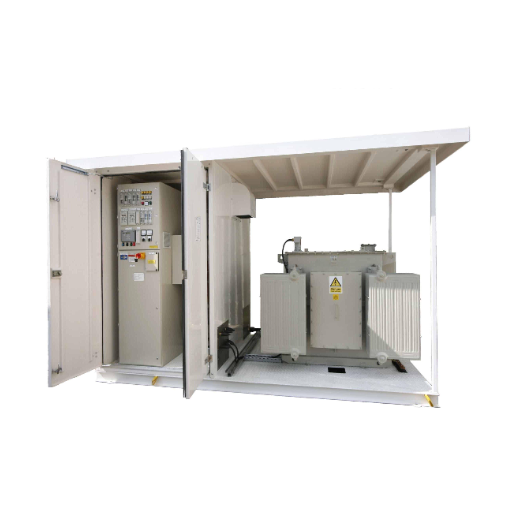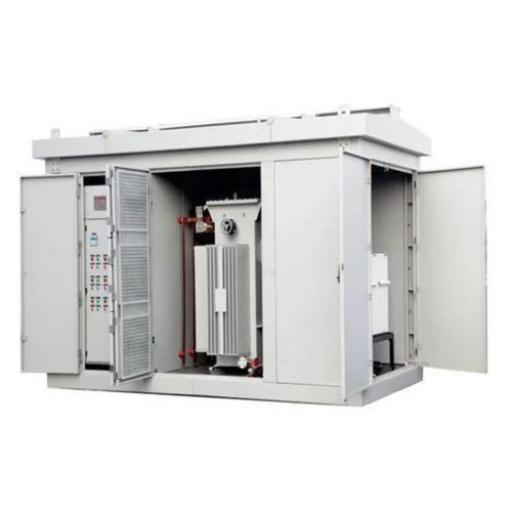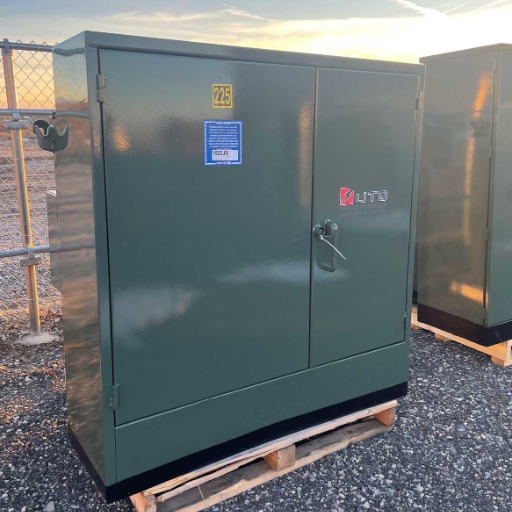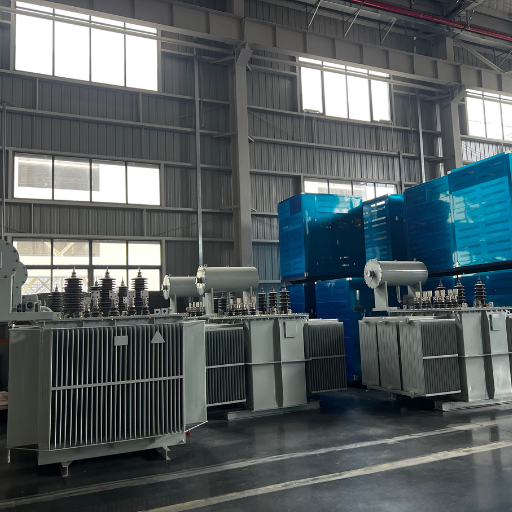
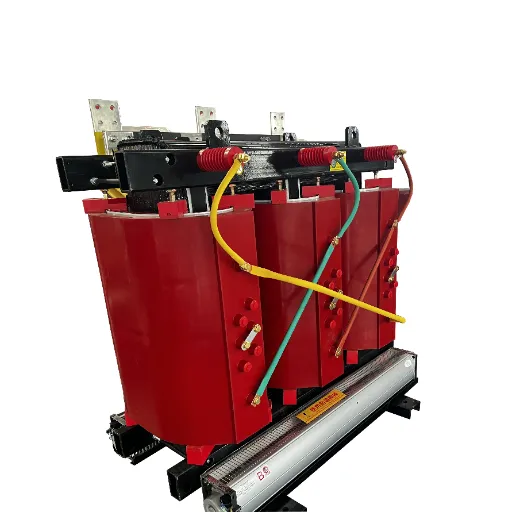
What is a Dry Type Transformer?
A dry type transformer is an electrical transformer that uses air as its primary cooling and insulating medium instead of a liquid like oil. The transformer’s core and coil are not immersed in any fluid. This design eliminates the risk of fire hazards, oil spills, and environmental contamination, making the dry transformer an exceptionally safe choice for indoor use and in populated areas.
Core Components of a Dry Type Transformer
Core Assembly
- Constructed from high-grade silicon steel laminations
- Minimizes core losses and improves efficiency
- Available in various kVA ratings from small distribution units to large substation transformers
Winding Configuration
- Primary and secondary windings made from aluminum or copper
- Insulated with temperature-resistant materials rated for continuous operation
- Designed to handle specific voltage levels and load requirements
Enclosure Options
- Ventilated designs for natural air cooling
- Non-ventilated transformers for dust-prone environments
- NEMA rated enclosures (Type 1, Type 3R) for indoor or outdoor installations
- Completely enclosed design options for maximum protection
Types of Dry Type Transformers We Manufacture
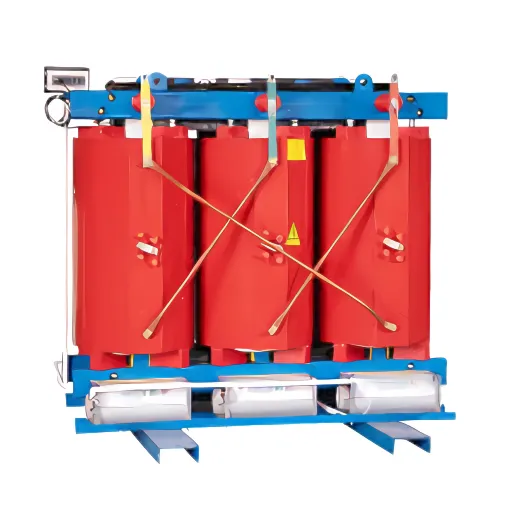
Three Phase Dry Type Transformers
These transformers are essential for industrial and commercial applications requiring efficient three-phase power distribution. They offer robust performance and safety benefits, making them a preferred choice for powering heavy machinery and large facilities with reliable voltage regulation.
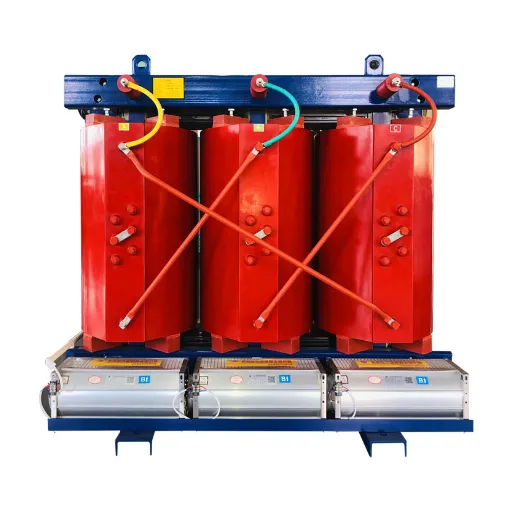
Cast Resin Dry Type Transformers
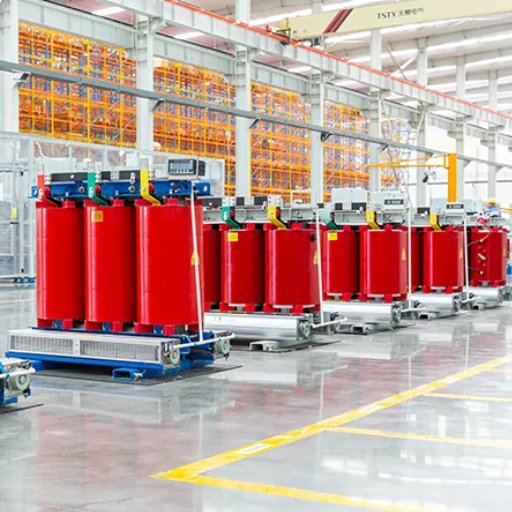
Featuring windings completely encapsulated in epoxy resin, these transformers offer superior protection against moisture, dust, and aggressive atmospheres. Their robust design ensures high mechanical strength and enhanced safety, making them ideal for challenging environments.
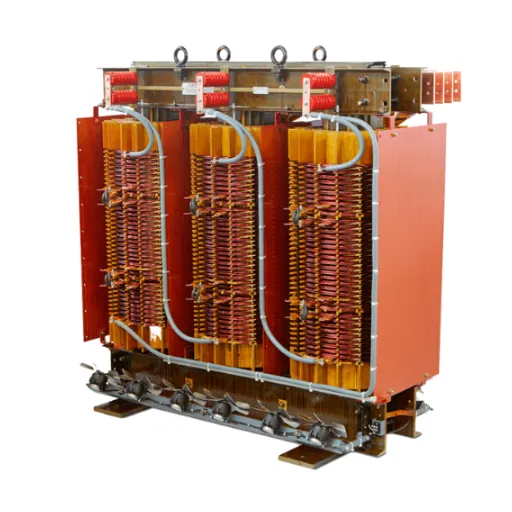
VPI Dry Type Transformers
Utilizing a vacuum pressure impregnated varnish system, VPI transformers provide a strong, durable insulation for the winding. They are versatile, cost-effective, and widely used in general purpose commercial and industrial settings, ensuring reliable power with good environmental resistance.
Technical Specifications & Standards
| Specification | Standard Range & Options |
|---|---|
| Power Rating (kVA) | 30 kVA to 20,000 kVA (20 MVA) |
| Primary Voltage | Up to 35 kV |
| Secondary Voltage | Low voltage (e.g., 480V, 600V) and medium voltage options |
| Phases | Single-phase and three-phase configurations |
| Frequency | 50 Hz, 60 Hz, or dual frequency |
| Winding Material | Aluminum or Copper |
| Insulation Class | Class F (155°C), Class H (180°C) |
| Temperature Rise | 80°C, 115°C, 150°C |
| Standards | ANSI, IEEE, IEC, NEMA |
| Enclosure Type | NEMA 1 (Indoor Ventilated), NEMA 3R (Outdoor) |
| BIL Rating | Standard and custom BIL levels available |
Advantages of Dry Type vs Oil Filled Transformers
Superior Fire Safety
Dry type transformers are air cooled and non-flammable, completely eliminating the fire hazards associated with oil-filled transformers. This significantly reduces the need for expensive fire suppression systems.
Environmental Friendliness
With no oil to leak or spill, dry type units pose no risk of environmental contamination to soil or groundwater. They are an eco-conscious choice for sustainable power distribution.
Reduced Maintenance Requirements
Unlike oil-filled transformers, dry type models require minimal maintenance. There’s no need for fluid sampling, filtering, or topping up, leading to lower ongoing operational costs and downtime.
Enhanced Installation Flexibility
Dry type transformers are ideal for indoor use in buildings, hospitals, and commercial centers where fire safety is paramount. Their design allows for installation without dedicated containment vaults or firewalls.
Lower Total Cost of Ownership
While initial costs might vary, the absence of fire protection systems, reduced maintenance, and longer lifespan contribute to a lower total cost of ownership for a dry transformer over its operational life.
Ideal for Sensitive Locations
The inherent safety and clean operation of a dry type transformer make it the preferred choice for installation in populated areas, data centers, and critical infrastructure where public safety and operational continuity are key.
Dry Type Transformer Applications & Industries

Manufacturing & Industrial Facilities
Power distribution for production equipment, automated systems, and heavy machinery. Robust construction withstands demanding environments with dust, temperature extremes, and continuous operation requirements.
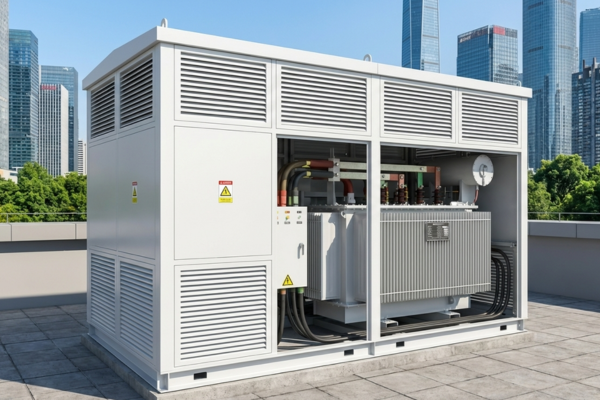
Commercial Buildings & Real Estate
Reliable voltage transformation for office complexes, shopping centers, and mixed-use developments. Compact designs fit building electrical rooms while meeting fire safety codes for occupied structures.

Healthcare & Medical Facilities
Non-flammable transformers ensure patient safety in hospitals and clinics. Low noise operation and minimal maintenance support critical power requirements for life-safety systems and medical equipment.
What Our Clients Say
“The cast resin transformers we sourced for our downtown high-rise project exceeded our expectations. Their compact size and inherent safety were perfect for our indoor substation. The entire process was seamless, from technical consultation to final delivery.”

Carlos M.
Project Manager
“Our manufacturing plant requires continuous, reliable power. The VPI dry type transformer we installed has been rock-solid. Maintenance is minimal, and the unit’s efficiency has contributed to noticeable energy savings. A great investment.”

Michael R.
Plant Engineer
Latest Insights
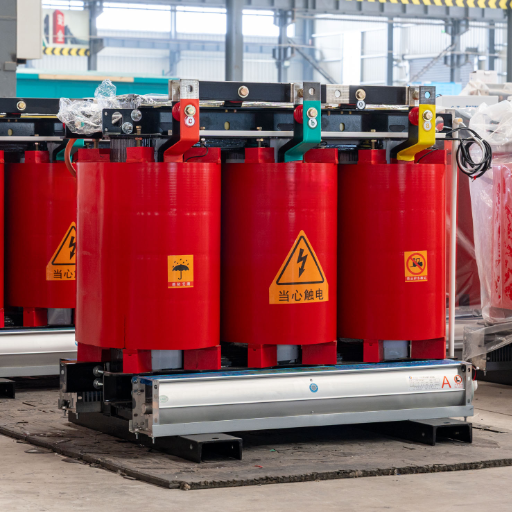
A low-loss dry-type transformer is a dry-type unit designed to reduce no-load (core) loss and load (copper) loss below standard…
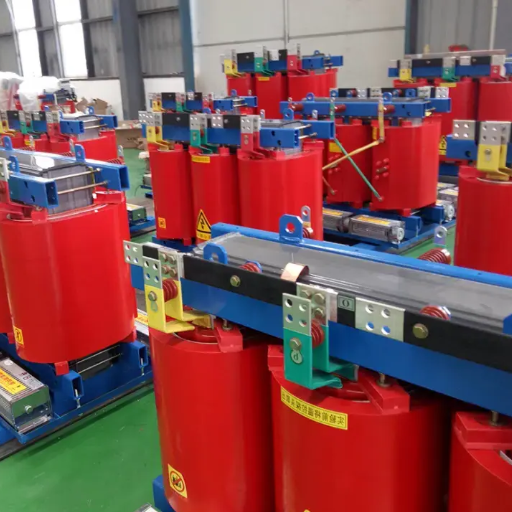
An IEC dry type transformer supplier is a manufacturer that builds dry type units to IEC 60076-11 and can prove…
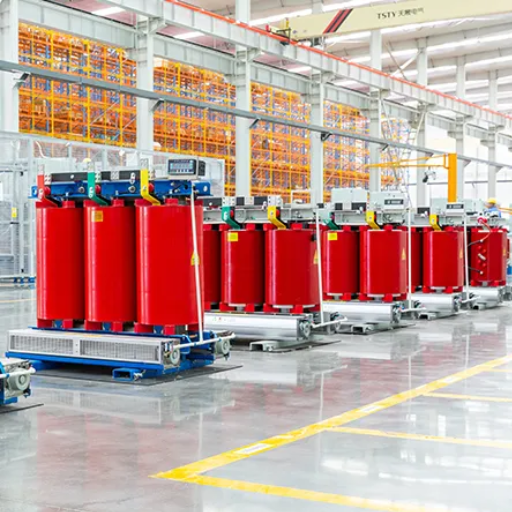
For a hospital project, a dry-type transformer is the standard indoor choice because it contains no flammable oil, needs almost…
For most indoor installations, a cast resin dry type transformer is the best choice. Its epoxy-sealed windings handle humidity, dust, and strict…
Frequently Asked Questions (FAQs)
With proper installation and maintenance, dry type transformers typically provide 25-30 years of reliable service. Cast resin units may exceed 30 years in favorable conditions. Lifespan depends on operating temperature, load cycling, environmental conditions, and maintenance practices. Regular inspections and maintaining operating temperatures within design limits maximize service life.
Yes, when equipped with appropriate weather-resistant enclosures rated Type 3R or higher per NEMA standards. These enclosures provide degree of protection to personnel against access to hazardous parts and protection against weather. However, indoor installations are generally preferred when feasible as they provide better protection from environmental stresses and easier maintenance access.
Calculate total connected load, apply appropriate demand factors based on load types, and add 25-40% capacity for future growth. Consider continuous vs. intermittent loads, motor starting requirements, and non-linear load effects. Ambient temperature above 30°C or installation altitude above 1000m may require additional derating. Consulting with experienced engineers ensures proper sizing for your specific application.
Cast resin transformers have windings completely encapsulated in epoxy resin, providing superior moisture and contamination protection for harsh environments. VPI transformers use vacuum pressure impregnation with insulating varnish, offering reliable performance at lower cost for general purpose applications in controlled environments. Cast resin units typically cost 20-40% more but provide longer life in difficult conditions.
Modern dry type and oil-filled transformers achieve similar efficiency levels, typically 98-99%. Oil-filled transformers may have slight advantage in very large ratings due to better thermal characteristics, but the difference is minimal. The total cost of ownership often favors dry transformer installations when considering elimination of containment systems, lower insurance costs, and reduced maintenance requirements.
Maintenance requirements are minimal compared to liquid-filled units. Monthly visual inspections check for obstructed ventilation and abnormal conditions. Annual detailed inspections include thermal imaging, connection tightening, and insulation testing. Cleaning accumulated dust every few years maintains optimal cooling. No fluid sampling or testing is required, significantly reducing maintenance burden and costs over the equipment lifetime.
-

Substation Container
-
Compact Substation
-
Renewable Energy & Solar
-
Oil Immersed Power Transformer