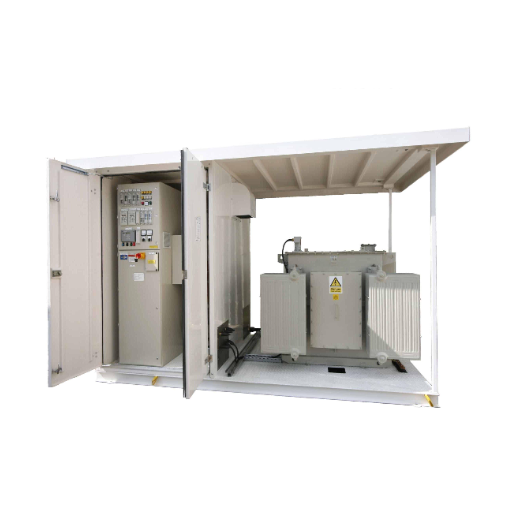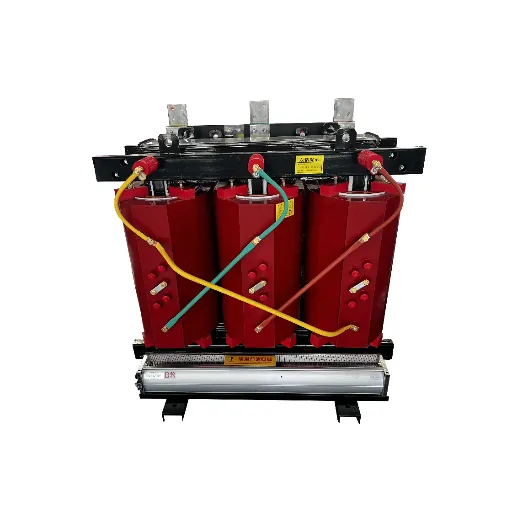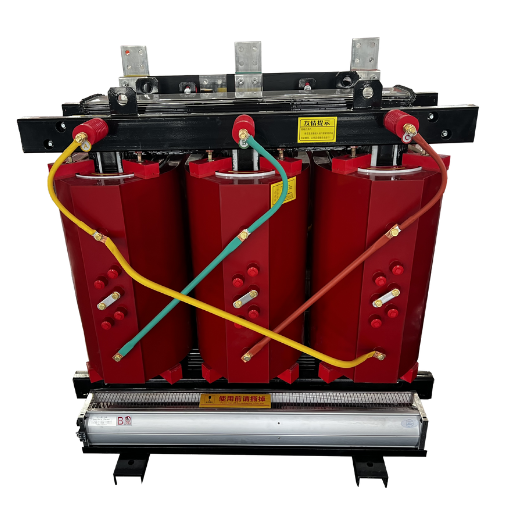
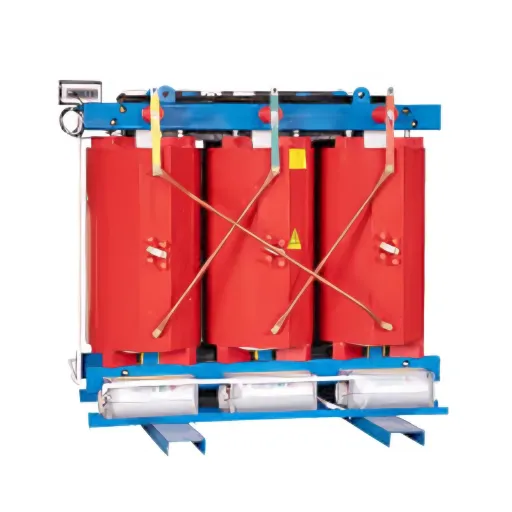
What is a Three Phase Dry Type Transformers?
A three phase dry type transformer is an electrical device designed to transfer power between three-phase systems using air instead of oil or other liquid-based cooling mediums. Constructed with solid insulation and robust enclosures, these transformers are well-suited for installations in commercial, industrial, and institutional environments where fire safety, minimal maintenance, and environmental considerations are essential. Unlike oil-filled units, dry type transformers mitigate leakage risks and comply with strict regulatory standards, ensuring efficient performance and enhanced operational safety for critical power distribution networks.
Maintenance and Care for Three Phase Dry Type Transformers
Routine Inspection
Conduct visual inspections regularly to identify dust build-up, loose connections, and potential insulation issues.
Cleaning Procedures
Use dry, non-conductive brushes or compressed air to remove contaminants from vents and surfaces, promoting effective cooling.
Connection Tightening
Periodically check and tighten electrical connections to ensure optimal conductivity and prevent hot spots.
Technical Specifications & Standards
| Parameter | Specification |
|---|---|
| Phase | Three Phase |
| Cooling Method | Air-cooled (Dry Type) |
| Insulation System | Solid insulation |
| Core Material | High-grade silicon steel |
| Coil Material | Copper or Aluminum |
| Primary Voltage Range | 208V, 480V, 600V (typical) |
| Secondary Voltage Range | 120V, 208V, 240V, 480V |
| Frequency | 50/60 Hz |
| Temperature Rise | 115°C or 150°C (depending on design) |
| Enclosure Type | Ventilated/NEMA-rated |
| Efficiency | DOE 2016 Compliant |
| Standards Compliance | ANSI, CSA, UL, DOE 2016 |
Advantages of Three Phase Dry Type Transformers
Enhanced Operational Safety
Dry type transformers do not use flammable liquids for cooling, significantly reducing fire risk and supporting compliance with stringent safety regulations. This design is ideal for environments with strict operational safety requirements.
Environmental Sustainability
By eliminating oil-based fluids, dry type transformers mitigate leakage risks and environmental contamination. This makes them suitable for eco-sensitive applications and facilities with rigorous sustainability mandates.
Simplified Maintenance
Their robust construction and lack of liquid coolant minimize maintenance demands. Routine inspection and simple cleaning procedures are generally sufficient, helping to reduce operational downtime and maintenance costs.
Reliable Performance
These transformers provide stable voltage transformation and deliver consistent performance under variable load conditions. Engineered for durability, they are less susceptible to failure from mechanical shock or vibration.
Flexible Installation Options
Dry type transformers can be safely installed indoors or outdoors, even in confined spaces, due to their reduced fire risk and minimal ventilation requirements. This flexibility supports diverse site layouts and retrofit applications.
Regulatory Compliance
Designed to meet ANSI, CSA, and DOE 2016 standards, these products ensure facilities adhere to industry benchmarks for efficiency and safety. This compliance supports both operational reliability and regulatory approval processes.
Three Phase Dry Type Transformers Applications & Industries

Commercial Buildings
Widely implemented in office complexes, hospitals, and educational institutions, these transformers provide reliable power distribution with minimal environmental impact. Their robust safety features and low maintenance requirements make them ideal for mission-critical building infrastructure.

Industrial Facilities
Essential in manufacturing plants, process industries, and data centers, these transformers deliver stable voltage under demanding conditions. Their design supports continuous equipment operation, reducing downtime and ensuring efficient energy use in high-load industrial environments.

Renewable Energy
Frequently used in solar, wind, and utility substations, these transformers efficiently integrate renewable energy sources into the grid. Their flexibility and compliance with international standards make them suitable for evolving utility needs and sustainable energy initiatives.
What Our Clients Say
“The Three Phase Dry Type Transformers have delivered exceptional reliability and efficiency in our operations. Maintenance requirements are minimal, and the safety features are best-in-class.”

Michael Anderson
Facilities Manager
“These transformers exceeded our expectations for performance and compliance. The technical support provided was extremely thorough, ensuring seamless integration into our facility.”

Sophia Clark
Senior Electrical Engineer
Latest Insights
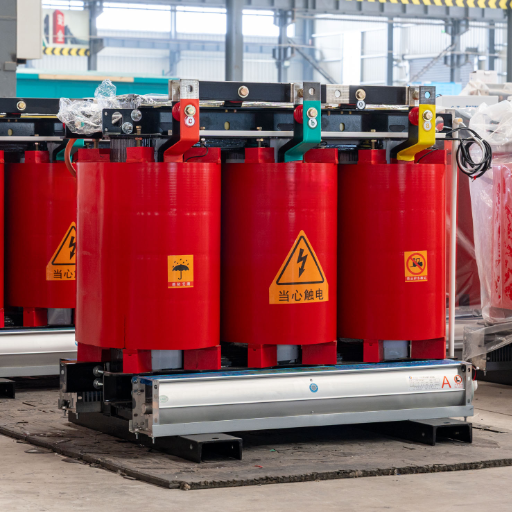
A low-loss dry-type transformer is a dry-type unit designed to reduce no-load (core) loss and load (copper) loss below standard…
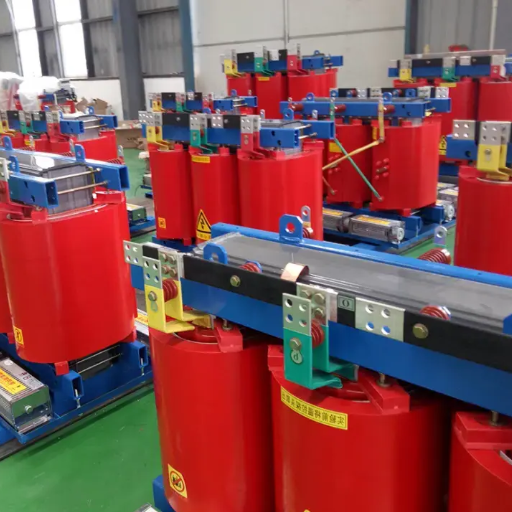
An IEC dry type transformer supplier is a manufacturer that builds dry type units to IEC 60076-11 and can prove…
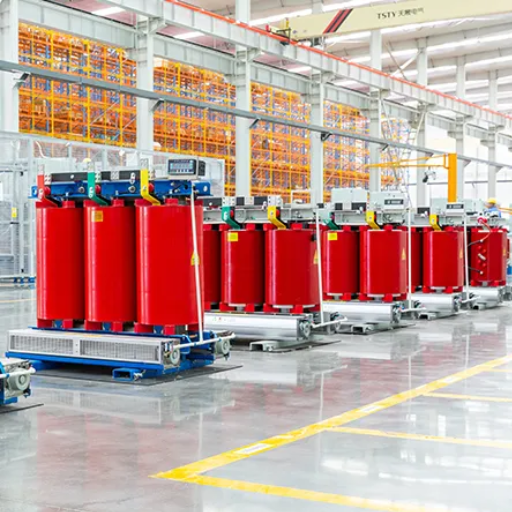
For a hospital project, a dry-type transformer is the standard indoor choice because it contains no flammable oil, needs almost…
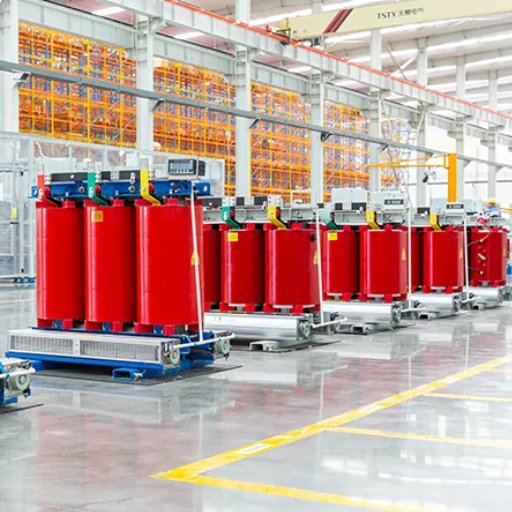
For most indoor installations, a cast resin dry type transformer is the best choice. Its epoxy-sealed windings handle humidity, dust, and strict…
Frequently Asked Questions (FAQs)
Dry type transformers eliminate flammable liquid coolants, resulting in enhanced safety, reduced environmental risk, and lower maintenance requirements.
These transformers are ideal for commercial, industrial, and institutional applications where fire safety, air cooling, and minimal maintenance are essential.
Routine inspections and cleaning should be conducted every six months to ensure optimal performance and equipment longevity.
They adhere to stringent ANSI, CSA, UL, and DOE 2016 requirements, ensuring both safety and operational efficiency.
Yes, many models feature NEMA-rated enclosures, allowing for reliable indoor and outdoor installation depending on site requirements.
These transformers are designed for high efficiency and compliance with DOE 2016 standards, providing consistent and reliable power conversion.
-

Substation Container
-
Industries We Serve
-
Commercial Real Estate
-
Hermetically Sealed Oil Transformers