
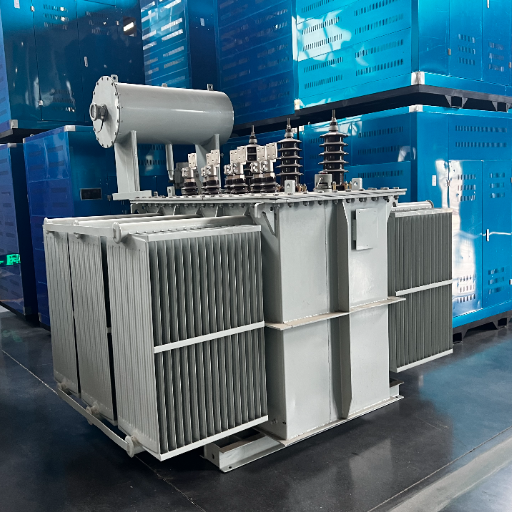
Transformer OEM Manufacturer: How to Build Your Brand with Outsourced Production

A transformer OEM manufacturer produces transformers under your brand name, using your specifications or designs. This model lets distributors, system integrators, and regional companies offer branded products without building a factory. The right transformer OEM manufacturer becomes an extension of your business; the wrong one becomes a liability for quality, delivery, and reputation.
Many companies search for a transformer OEM manufacturer when they want to launch a private label line, expand product offerings, or reduce reliance on third-party brands. This guide explains how OEM transformer manufacturing works, how it differs from ODM and private label, what you can customize, and how to structure a reliable partnership.
For a broader overview of manufacturer capabilities, see our transformer manufacturer guide.
Key Takeaways
- A transformer OEM manufacturer builds transformers under your brand, typically following your specifications and quality requirements.
- OEM means you own the design; ODM means the manufacturer owns the design; private label usually means rebranding an existing product with limited changes.
- Customization can include nameplates, enclosures, packaging, manuals, voltage ratings, and warranty terms.
- Design ownership, confidentiality, MOQs, pricing, and liability must be clearly defined in the OEM agreement.
- The best OEM partnerships combine manufacturing capability, quality systems, clear communication, and export support.
What Is a Transformer OEM Manufacturer?
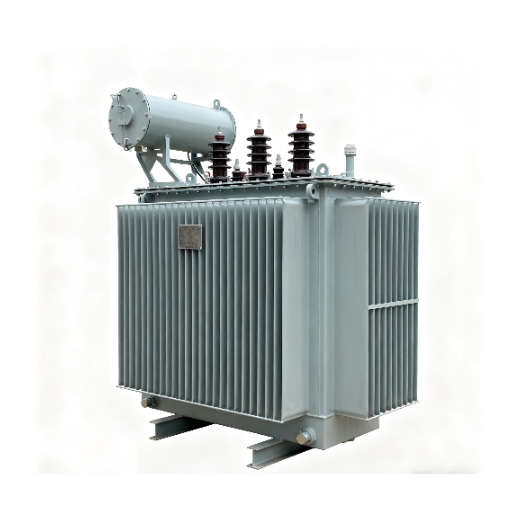
A transformer OEM manufacturer is a production partner that manufactures transformers for sale under another company’s brand. OEM stands for original equipment manufacturer. In this relationship, the buying company controls branding, market positioning, and often the technical specification. The factory focuses on production, quality control, and delivery.
This arrangement is common among electrical distributors, EPC contractors, renewable energy developers, and regional equipment suppliers. Instead of reselling someone else’s brand, they sell their own. That creates higher margins, stronger customer loyalty, and more control over specifications and service.
However, OEM is not the same as buying standard products with a sticker. A true transformer OEM manufacturer works with your requirements, provides documentation under your brand, and supports warranty and service as if the product were your own.
OEM vs. ODM vs. Private Label
| Model | Design Ownership | Customization Level | Best For |
|---|---|---|---|
| OEM | Buyer | High | Companies with specifications or unique market requirements |
| ODM | Manufacturer | Moderate | Companies that adapt an existing manufacturer design |
| Private Label | Manufacturer | Low (branding only) | Companies that want fast market entry with minimal engineering |
Carlos, a distributor in Brazil, wanted to launch his own transformer brand to serve industrial clients. He initially considered private labeling because it was faster. After reviewing the market, he chose a transformer OEM manufacturer instead. He provided voltage ranges, efficiency targets, and branding requirements. The manufacturer produced units under his brand with his nameplate and manuals. Within two years, his line grew from a 10-unit trial order to over 200 units annually.
Why Partner with a Transformer OEM Manufacturer?
Partnering with a transformer OEM manufacturer reduces capital investment and speeds up market entry for companies that want to compete without building production facilities.
Lower Capital Investment
Building a transformer factory requires land, equipment, skilled labor, testing bays, and certifications. Partnering with a transformer OEM manufacturer eliminates most of that capital burden. You invest in inventory and marketing rather than production assets.
Faster Time to Market
An established manufacturer already has production lines, supply chains, and quality systems. You can launch a branded product line in months rather than years.
Access to Manufacturing Expertise
Transformer manufacturing requires specialized knowledge in winding, core processing, insulation, tank fabrication, and testing. An OEM partner brings that expertise without requiring you to hire a full engineering team.
Flexibility in Capacity
You can scale orders up or down based on demand without worrying about fixed factory overhead. This is especially valuable for seasonal industries or project-based businesses.
Focus on Core Strengths
OEM partnerships let you concentrate on sales, distribution, and customer relationships while the manufacturer handles production.
A transformer OEM manufacturer is not only for large brands. Small distributors and startups use it to test markets. Regional companies use it to compete against international names. EPC contractors use it to offer branded equipment on tenders without owning production facilities.
What Can a Transformer OEM Manufacturer Customize?
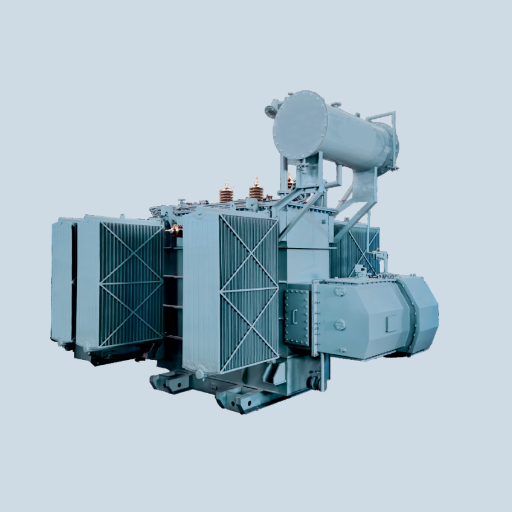
Customization depends on the manufacturer and the product type. A capable transformer OEM manufacturer should clearly define what is possible and what requires engineering review.
Branding and Labeling
Nameplates, serial number formats, logo placement, and rating plate information can usually be customized to match your brand identity.
Enclosures and Colors
Enclosure color, finish, and labeling can often be adapted. Unique enclosure designs may require new tooling.
Packaging and Manuals
Cartons, crates, pallets, and shipping marks can carry your branding. Operation and maintenance manuals can be produced with your company name and contact information.
Technical Specifications
Voltage ratios, kVA ratings, vector groups, impedance, cooling methods, tap changers, and accessories can be adjusted to meet market needs.
Documentation Templates
Factory test reports, material certificates, and compliance documents can be formatted under your brand, supporting a consistent customer experience.
Warranty Terms
Warranty periods and conditions can be aligned with your service policy. Some OEM partners handle warranty administration on your behalf.
Customization Limits
Not everything is flexible. Core magnetic designs often use manufacturer platforms for efficiency and certification. Major design changes require engineering review and may trigger new type tests. Safety certifications can restrict modifications to certified designs.
How to Choose a Transformer OEM Manufacturer
Selecting the right transformer OEM manufacturer requires the same rigor as selecting any strategic supplier, plus additional checks for branding and intellectual property.
Confirm Manufacturing Capability
Visit or audit the factory if possible. Verify winding capacity, core processing equipment, test bays, and production volume. Ask about experience with products similar to yours.
Review Quality Systems
ISO 9001 certification is a minimum. Ask about incoming material inspection, process controls, routine testing, and non-conformance handling. A quality agreement should define acceptance criteria and inspection points.
Assess Customization Flexibility
Discuss what can be customized and what cannot. Request samples of previous OEM work, including nameplates, packaging, and manuals.
Understand MOQ and Pricing
Minimum order quantities vary by product type and customization level. Standard distribution transformers may have MOQs of 10 to 20 units. Large custom power transformers may have MOQs of one to three units. Pricing should be transparent about materials, labor, testing, and any non-recurring engineering costs.
Evaluate IP Protection Practices
Ask how the manufacturer protects your designs, drawings, and brand information. A non-disclosure agreement is essential. Consider whether the manufacturer produces competing brands using similar designs.
Check Export and Documentation Support
If you sell internationally, your transformer OEM supplier must provide export-ready documentation, proper packaging, and compliance certificates for target markets.
Review Communication and Project Management
Clear communication prevents costly mistakes. Confirm who manages your account, how engineering questions are handled, and how production updates are shared.
Verify After-Sales Support
Warranty handling, spare parts availability, and technical support affect your reputation. Clarify whether the manufacturer supports your customers directly or through you.
Intellectual Property and Design Ownership
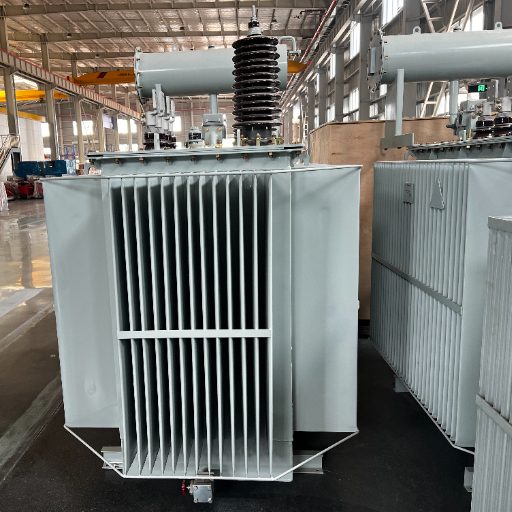
IP protection is one of the most important issues in an OEM relationship. Without clear terms, you may discover that your manufacturer owns the design or can sell similar products to competitors.
Who Owns the Design
In a true OEM arrangement, the buyer typically owns the design or specification. In an ODM arrangement, the manufacturer owns the design and licenses it to you. Make sure your contract reflects the model you intend.
Protecting Drawings and Specifications
All technical documents shared with the manufacturer should be covered by an NDA. Limit access to essential personnel. Mark documents as confidential and proprietary.
Non-Compete Clauses
Some OEM agreements include non-compete terms that prevent the manufacturer from selling your exact design to others. These clauses should be reasonable in scope and duration.
Tooling Ownership
If you pay for molds, fixtures, or special tooling, the contract should state that you own them. Clarify what happens to tooling if the partnership ends.
Transition Planning
If you later switch manufacturers, you need access to designs, tooling, and supplier information. Plan for this possibility from the beginning.
Mei, a brand owner in Southeast Asia, signed with an ODM supplier thinking she was getting OEM service. The supplier owned the core design and later began selling similar units under a competing brand in neighboring markets. After renegotiating with a true transformer OEM manufacturer, she secured design ownership, exclusivity for her region, and stronger confidentiality protections. The experience taught her to read contracts carefully and verify the manufacturing model before committing.
Pricing, MOQs, and Cost Drivers for a Transformer OEM Manufacturer
Understanding cost structure helps you negotiate fairly and avoid surprises with your transformer OEM manufacturer.
Typical MOQs by Transformer Type
| Type | Typical MOQ | Notes |
|---|---|---|
| Dry type distribution transformer | 5-20 units | Lower MOQ for standard ratings |
| Oil immersed distribution transformer | 5-10 units | Tank and enclosure design affect MOQ |
| Pad mounted transformer | 3-10 units | Custom enclosure adds setup cost |
| Custom power transformer | 1-3 units | Higher value per unit justifies lower MOQ |
| Cast resin transformer | 5-15 units | Mold and insulation setup matter |
Unit Cost Factors
Material costs dominate transformer pricing. Copper, grain-oriented core steel, insulation materials, transformer oil, and enclosures all fluctuate with commodity markets. Labor, testing, and overhead also contribute.
Non-Recurring Engineering Costs
Custom designs, new tooling, special tests, and certification work may require one-time NRE charges. These should be listed separately from unit pricing.
Certification Costs
If your market requires IEC, IEEE, GOST, or local certifications, clarify who pays for testing and renewal. Certification under your brand may require additional documentation.
Volume Pricing
Larger volumes usually reduce per-unit cost through better material purchasing and production efficiency. However, balance volume discounts against inventory risk.
Sample and Trial Orders
A small trial order lets you evaluate quality, packaging, and documentation before scaling. Expect to pay a higher per-unit price for samples.
Quality Control and Liability for Buyer-Branded Units
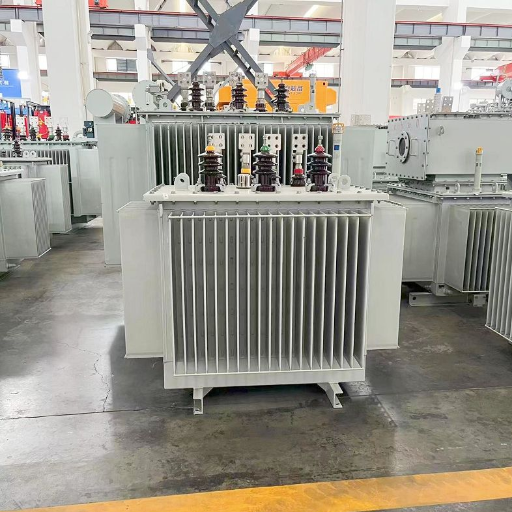
When your name is on the product, quality failures damage your brand. Your transformer OEM manufacturer must share your quality standards.
Responsibility for Defects
Your OEM agreement should define who is responsible for manufacturing defects, design errors, transport damage, and installation mistakes. Typically, the manufacturer covers defects caused by production, while the buyer covers specification errors or improper use.
Quality Agreements
A quality agreement should specify inspection points, acceptance criteria, test requirements, and documentation. Pre-shipment inspection by your representative or a third party adds confidence.
Pre-Shipment Inspection and Acceptance
Define how units are accepted. Common criteria include passing routine tests, matching approved samples, and completing all documentation.
Warranty Claims and Field Failures
Clarify how warranty claims are handled. Will the manufacturer repair, replace, or reimburse? Who communicates with the end customer? Response time matters for your reputation.
Product Liability Insurance
Consider whether product liability insurance is needed. In some markets, branded product sellers share liability with manufacturers.
Traceability and Batch Control
Batch numbers and material traceability help you identify affected units quickly if a material defect is discovered later.
Contract Terms and Red Flags
A well-structured contract with your transformer OEM manufacturer protects both parties and reduces disputes.
Essential Contract Elements
- Design ownership and intellectual property rights
- Product specifications and quality standards
- MOQ, pricing, and payment terms
- Tooling ownership and maintenance
- Warranty terms and liability limits
- Confidentiality and non-compete clauses
- Exclusivity, if any
- Termination and transition provisions
- Dispute resolution mechanism
Red Flags in OEM Contracts
- Vague design ownership terms
- No quality agreement or inspection rights
- Unrealistic MOQs or pricing that seems too low
- Missing warranty or liability clause
- Manufacturer refuses factory audit
- No confidentiality protection
- No clear process for engineering changes
- Unclear who owns tooling and certifications
Thomas, an EPC contractor in Africa, needed transformers branded with his company name for government tenders. He selected a transformer OEM manufacturer that produced units to his specifications, provided white-label manuals, and handled warranty claims discreetly through his brand. The arrangement allowed him to present a complete branded solution and win repeat contracts. The contract clearly defined design ownership, quality checkpoints, and warranty responsibilities, which prevented disputes during the first large order.
Conclusion
A reliable transformer OEM manufacturer can help you build a branded transformer line without the cost and complexity of owning a factory. Success depends on choosing a partner with real manufacturing capability, strong quality systems, and a clear understanding of your brand requirements.
Start by defining what you want to customize, who will own the design, and how quality will be controlled. Audit the factory, review sample work, and negotiate a contract that covers IP, MOQs, pricing, warranty, and liability. Treat the relationship as a partnership, not a simple purchase order.
If you are considering a transformer OEM program, contact the Shandong Electric Co., Ltd. engineering team. We support distributors, contractors, and brand owners with OEM manufacturing, custom specifications, branded documentation, and export delivery.
Contact our OEM team today to discuss your brand and product requirements.