
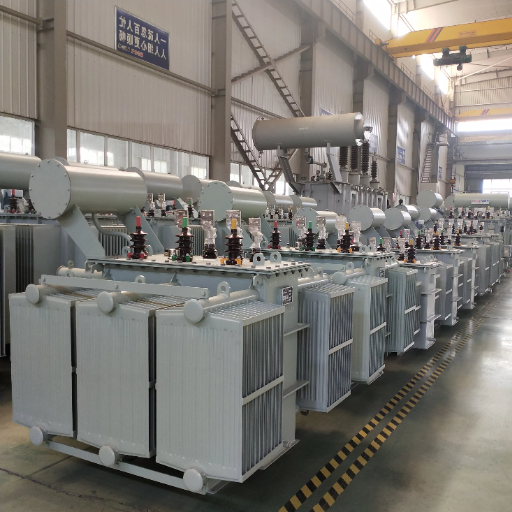
ISO Certified Transformer Manufacturer: What Certification Really Means for Buyers

An ISO certified transformer manufacturer has had its quality management system audited and approved by an accredited third-party body. That certification signals the manufacturer follows documented processes for design, production, testing, and continuous improvement. However, not every certificate is equal, and a valid certificate does not automatically mean a transformer will meet your project requirements.
Buyers often search for an ISO certified transformer manufacturer when a tender requires quality certification, when sourcing from a new supplier, or when they need to reduce procurement risk. This guide explains what ISO certifications mean in transformer manufacturing, which certificates matter most, how to verify them, and how to audit quality beyond the paper.For a broader overview of manufacturer capabilities, see our transformer manufacturer guide.
Key Takeaways
- An ISO certified transformer manufacturer has passed a third-party audit of its quality management system, not just its products.
- ISO 9001 is the most important certification for transformer buyers; ISO 14001, ISO 45001, and ISO 50001 add value for ESG, safety, and efficiency-focused projects.
- ISO management standards are different from IEC and IEEE product standards; both are needed for reliable transformers.
- Buyers should verify certificate accreditation, scope, factory address, and expiry date before trusting a certificate.
- ISO certification is necessary but not sufficient; factory audits, test witnessing, and references complete the evaluation.
What Is an ISO Certified Transformer Manufacturer?
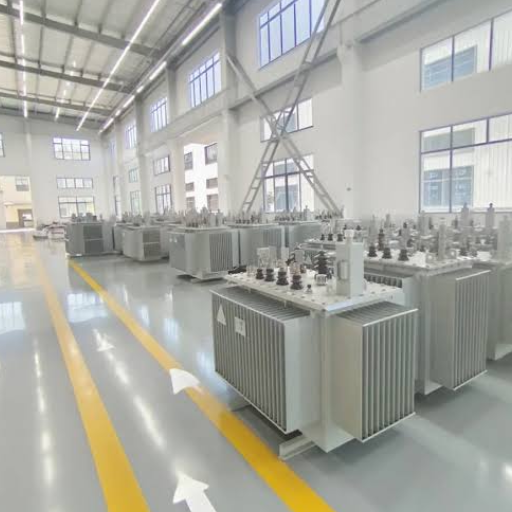
An ISO certified transformer manufacturer is a company whose management systems have been independently audited against ISO standards. For most buyers, the key standard is ISO 9001, which covers quality management. Certification means an accredited body has reviewed the manufacturer’s processes and found they meet the standard’s requirements.
The certificate applies to management systems, not individual products. It tells you the factory has documented procedures, tracks quality records, and follows a cycle of continuous improvement. It does not guarantee that every transformer will be perfect. That depends on how well the system is implemented on the shop floor.
Many transformer buyers assume that ISO 9001 is enough. It is an important starting point, but it must be combined with product testing, material traceability, and practical factory verification.
ISO Management Standards vs. IEC/IEEE Product Standards
ISO standards and IEC/IEEE standards serve different purposes. ISO standards describe how a company manages its business processes. IEC 60076 and IEEE C57 describe how a transformer must perform, what tests it must pass, and what safety margins it must maintain.
| Standard Family | Focus | Example |
|---|---|---|
| ISO 9001 | Quality management system | Documented design review and corrective action |
| ISO 14001 | Environmental management | Waste handling and energy use control |
| ISO 45001 | Occupational health and safety | Workplace hazard control |
| IEC 60076 | Product standard for power transformers | Temperature rise, impedance, losses |
| IEEE C57 | Product standard for North American transformers | Test methods and performance limits |
A manufacturer can be ISO 9001 certified and still produce transformers that do not meet IEC or IEEE requirements. Buyers should ask for both management certification and product test reports.
Linh, a quality engineer in Vietnam, selected a supplier that advertised ISO 9001 certification. During a factory visit, she discovered the certificate was issued to the company’s headquarters in another city, not the actual transformer production site. The production site had limited quality records and no documented incoming material inspection. She switched to an ISO certified transformer manufacturer whose certificate explicitly covered the transformer factory and production processes.
Key ISO Certifications for Transformer Manufacturers
Different ISO certifications tell you different things about a manufacturer. Understanding each one helps you match supplier capability to project requirements.
ISO 9001: Quality Management Systems
ISO 9001 is the foundation. It requires documented procedures for design control, purchasing, production, inspection, and corrective action. For transformer buyers, ISO 9001 certification indicates the manufacturer can consistently produce units to specification.
Key elements relevant to transformers include:
- Design and development review before production release
- Approved supplier lists for core steel, copper, insulation, and oil
- Production process controls for winding, core assembly, and tank fabrication
- Inspection and testing at each stage
- Non-conformance handling and root cause analysis
- Customer complaint tracking
ISO 14001: Environmental Management
ISO 14001 shows the manufacturer manages environmental impact. This matters for buyers with ESG policies, government contracts, or projects in environmentally regulated markets. It also signals that the factory controls waste oil, chemical handling, and emissions.
ISO 45001: Occupational Health and Safety
ISO 45001 indicates the manufacturer has a structured approach to worker safety. Transformer factories involve heavy lifting, high-voltage testing, and chemical processes. A strong safety record often correlates with disciplined operations.
ISO 50001: Energy Management
ISO 50001 focuses on energy efficiency in manufacturing. For transformer buyers, this can indicate that the manufacturer understands energy loss reduction, which aligns with producing efficient transformers.
ISO/IEC 17025: Testing Laboratory Competence
If the manufacturer operates its own testing laboratory, ISO/IEC 17025 certification confirms the lab is competent to perform electrical tests. This is more specific than ISO 9001 and adds confidence to factory test reports.
Certification Comparison Table
| Certification | What It Covers | Why Buyers Care |
|---|---|---|
| ISO 9001 | Quality management | Foundation for consistent production |
| ISO 14001 | Environmental management | ESG compliance and responsible operations |
| ISO 45001 | Health and safety | Worker safety and operational discipline |
| ISO 50001 | Energy management | Efficiency focus in manufacturing |
| ISO/IEC 17025 | Testing laboratory competence | Confidence in internal test results |
Why Buy from an ISO Certified Transformer Manufacturer?
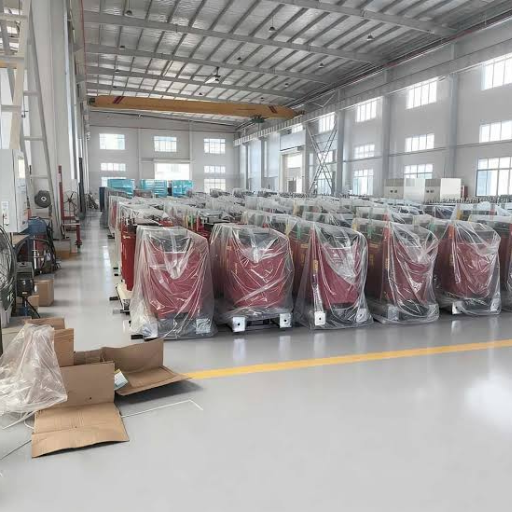
ISO certification delivers practical benefits that reduce buyer risk and simplify procurement.
Consistent Quality and Fewer Defects
A certified manufacturer uses documented processes and records. This reduces variation between batches and helps catch defects before shipment. Consistency is critical when ordering multiple transformers for the same project.
Traceability of Materials and Processes
ISO 9001 requires traceability. For transformers, this means core steel, copper, insulation, and oil can be traced to suppliers and batches. If a material issue appears later, the manufacturer can identify affected units quickly.
Documented Testing and Inspection
Certified manufacturers maintain records of routine tests, inspections, and calibration. These records support warranty claims, insurance requirements, and grid acceptance.
Faster Project Qualification
Utility tenders, EPC pre-qualification, bank financing, and government procurement often require ISO 9001. Choosing a certified supplier removes a common barrier from the qualification process.
Reduced Audit Burden
When a manufacturer already holds ISO 9001, buyers can rely on the external audit instead of conducting a full quality system audit themselves. This saves time and cost, though it does not replace a focused factory visit.
Better Response to Problems
ISO 9001 requires a corrective action process. If a transformer fails or a customer complaint is raised, the manufacturer must investigate and implement corrective measures. This structured response is often missing in uncertified workshops.
Omar, a procurement manager in the Middle East, managed a utility tender that required ISO 9001. One bidder submitted a certificate from a certification body Omar did not recognize. He checked the International Accreditation Forum database and found no record of the body. The certificate was not accredited. The bidder was disqualified. The winning bidder held ISO 9001, ISO 14001, and ISO 45001 from an accredited certification body and provided the full certificate chain on request.
How to Verify ISO Certification
Verification is essential. Fake, expired, or misapplied certificates are more common than many buyers expect.
Step 1: Check the Certificate Number
Every valid certificate has a unique number. The certification body should allow you to verify the certificate on its website or through an accreditation database.
Step 2: Confirm the Certification Body Is Accredited
Accreditation means a recognized national body has approved the certification body to issue certificates. Look for accreditation marks such as:
- IAF MLA (International Accreditation Forum Multilateral Recognition Arrangement)
- UKAS (United Kingdom Accreditation Service)
- ANAB (ANSI National Accreditation Board, USA)
- CNAS (China National Accreditation Service)
- DAkkS (Germany)
Step 3: Confirm the Scope Covers Transformer Manufacturing
The certificate scope must list transformer manufacturing or related activities. A certificate with a vague scope such as “sales of electrical equipment” does not cover production.
Step 4: Match the Address to the Actual Factory
The certificate must list the address where transformers are manufactured. Some trading companies hold certificates for offices or unrelated facilities. Always match the address to the production site.
Step 5: Check Expiry and Recertification Dates
ISO 9001 certificates are valid for three years, with surveillance audits typically each year. Confirm the certificate is current and that surveillance audits are up to date.
Red Flags for Fake or Misleading ISO Certificates
- Certificate issued by an unrecognized or unaccredited body
- No accreditation mark from IAF, UKAS, ANAB, CNAS, or equivalent
- Scope is vague or unrelated to transformer production
- Certificate expired without recertification
- Factory address on certificate differs from production site
- Certificate issued to a trading company rather than the factory
- Audit history shows unrealistically short audit duration
- Certificate cannot be verified on the certification body website
Factory Audit Checklist for Transformer Manufacturers
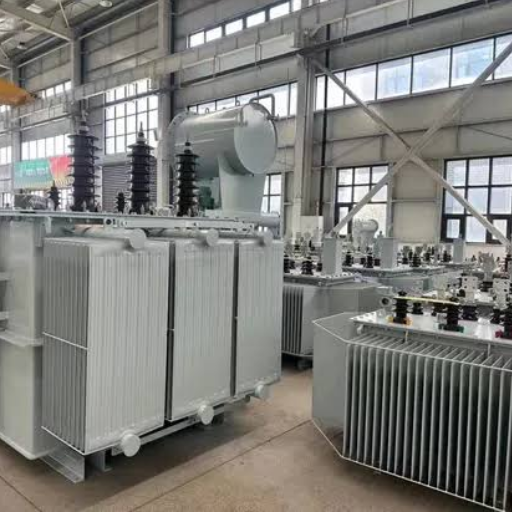
A factory audit helps you confirm that ISO certification translates into real practices. Use this checklist as a starting point.
Design and Engineering
- Is there a documented design review process?
- Are customer specifications formally reviewed before production?
- Are design changes controlled and recorded?
Purchasing and Incoming Materials
- Does the factory maintain an approved supplier list?
- Are core steel, copper, insulation, and oil inspected on arrival?
- Are material certificates stored and traceable?
Production Processes
- Are winding, core stacking, tank fabrication, drying, and oil filling controlled by work instructions?
- Are critical operations performed by trained operators?
- Is work in progress protected from contamination and damage?
Testing and Quality Control
- Is there a dedicated test bay with calibrated equipment?
- Are routine tests performed on every unit?
- Are test records retained and traceable to serial numbers?
Calibration and Measurement
- Is measuring and test equipment calibrated on schedule?
- Are calibration certificates available for review?
- Are out-of-calibration items removed from use?
Non-Conformance and Corrective Action
- Does the factory record defects and customer complaints?
- Are root cause analyses performed?
- Are corrective actions verified for effectiveness?
Storage, Packaging, and Shipping
- Are finished transformers stored in a clean, dry environment?
- Is packaging designed for the transport mode?
- Are shipping inspections performed before dispatch?
Audit Questions to Ask
- Can you show me your latest external audit report?
- How do you handle customer complaints?
- What is your internal non-conformance rate?
- How do you qualify and monitor material suppliers?
- Can I witness a routine test on a current order?
- Which certification body performs your audits?
Sophie, an EPC contractor in Europe, audited a Chinese ISO certified transformer manufacturer before placing a large order. The ISO 9001 certificate was genuine, but the factory lacked proper calibration records for several key test instruments. The manufacturer agreed to recalibrate all equipment through a third-party laboratory and provide verification before production started. The project succeeded because Sophie combined ISO verification with practical checks on the factory floor.
ISO Certification Is Necessary, But Not Sufficient
ISO 9001 is a strong indicator of management discipline, but it does not guarantee technical competence. A poorly implemented ISO system can exist alongside weak engineering, outdated equipment, or inadequate testing.
What ISO 9001 Does Not Prove
- That the design engineers understand your specific application
- That the factory has modern winding or core processing equipment
- That test bays can perform all required type tests
- That workers are properly trained and supervised
- That the manufacturer has experience in your market or climate
How to Evaluate Quality Beyond the Certificate
- Review factory test reports from recent orders
- Request references from projects similar to yours
- Visit or audit the factory if possible
- Witness routine tests before shipment
- Check material certificates and traceability
- Ask about training records and operator qualifications
- Review the manufacturer’s complaint and corrective action history
Why the Cheapest Certified Factory May Still Be a Risk
Low pricing from an ISO certified transformer manufacturer can be tempting, but cost-cutting often appears in material quality, inspection frequency, or after-sales support. Certification does not prevent a factory from using lower-grade core steel, skipping intermediate inspections, or understaffing its quality department. Price should be compared alongside technical capability and support.
ISO Certified Transformer Manufacturer in China: What to Expect
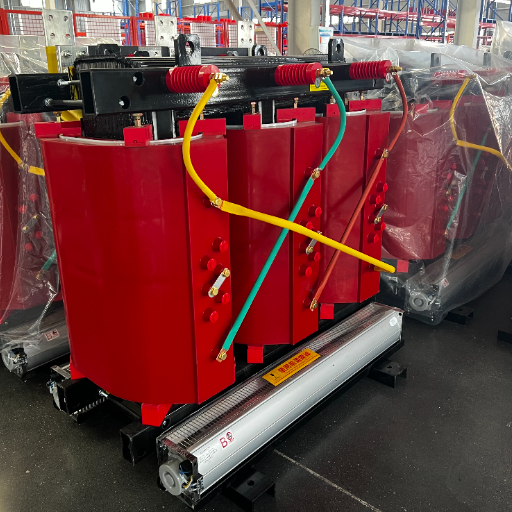
China is home to a large number of transformer manufacturers, and many hold ISO 9001 certification. The key is understanding the difference between a certificate that exists on paper and a quality system that works in practice.
Accredited vs. Local-Only Certificates
Some Chinese factories hold certificates from internationally accredited bodies such as SGS, TÜV, Bureau Veritas, or CNAS-accredited organizations. Others hold certificates from local bodies that may not be recognized internationally. Buyers should verify the accreditation body through CNAS or the IAF database.
Common Strengths
- Large production capacity
- Competitive pricing
- Experience with export packaging and documentation
- Flexibility with custom designs
Common Gaps
- Certificate scope may not match the actual production site
- Quality system implementation can vary between factories
- Documentation practices may not meet Western utility standards
- After-sales support can be limited without local partners
Why Factory Audit Matters More for Overseas Suppliers
When you cannot visit easily, the risk of a mismatch between the certificate and reality increases. A third-party factory audit, video inspection, or pre-shipment witness test helps close that gap. For large orders, the cost of verification is small compared to the cost of receiving non-conforming transformers.
Conclusion
ISO certification is one of the most useful signals when evaluating a transformer manufacturer. An ISO certified transformer manufacturer with ISO 9001, and ideally ISO 14001 and ISO 45001, demonstrates management discipline and accountability. However, the certificate is only as good as the system behind it.
Start your evaluation by verifying accreditation, scope, address, and expiry. Then go further with a factory audit, test report review, and reference checks. Certification opens the door, but practical verification determines whether the manufacturer can deliver reliable transformers for your project.
If you need an ISO certified transformer manufacturer for your utility, industrial, or export project, contact the Shandong Electric Co., Ltd. engineering team. Share your specifications, certification requirements, and delivery needs, and we will provide a transparent quotation with full documentation support.
Contact our engineering team today for a specification review and quotation.