
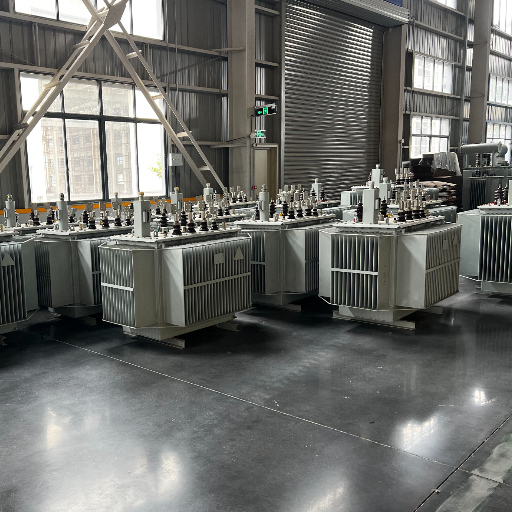
Transformer Exporter: How to Source, Ship, and Receive Transformers Across Borders

A reliable transformer exporter does more than put a unit on a ship. They verify that the transformer matches your local grid code, prepare the right export documents, package it for weeks at sea, and support you after it arrives. Choose the wrong exporter, and a perfectly good transformer can still create customs delays, site failures, or unexpected costs.
International buyers often search for a transformer exporter when local supply is limited, prices are uncompetitive, or a project requires a specific design only available from overseas. This guide explains how to evaluate exporters, what documents and logistics matter, and how to avoid the common mistakes that turn an international purchase into a project problem.
Key Takeaways
- A transformer exporter handles international sourcing, export documentation, packaging, shipping, customs, and often installation support.
- Manufacturer-direct exporters offer the best technical control; trading companies offer market access but less control over design and quality.
- Export documentation must include commercial invoice, packing list, bill of lading, certificate of origin, factory test reports, and regional compliance certificates.
- Sea freight is standard for transformers; packaging must protect against shock, moisture, and corrosion during transit.
- Regional standards such as IEC 60076, IEEE C57, GOST-R, SASO, and SONCAP must be verified before shipment.
For a broader overview of manufacturer capabilities, see our transformer manufacturer guide.
What Is a Transformer Exporter?
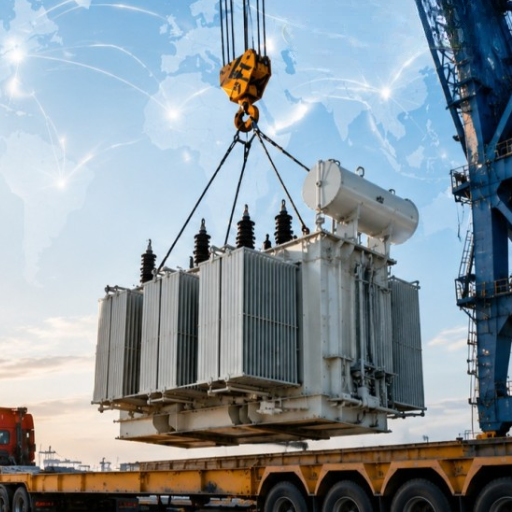
A transformer exporter is a company that manufactures or sources transformers and ships them to international buyers. The role extends beyond production. A capable exporter coordinates documentation, packaging, customs clearance, freight booking, insurance, and often installation supervision. They act as the bridge between the factory floor and the project site.
Exporters come in several forms. Manufacturer-direct transformer exporters own production facilities and sell directly to international customers. Export trading companies coordinate orders without owning factories. International distributors hold stock and add local support. OEM or private label exporters build units under buyer branding. Each model has advantages, and the right choice depends on how much technical control, speed, and support your project needs.
The difference between an exporter and a strategic partner becomes clear when problems arise. A transactional exporter ships the unit and moves on. A reliable exporter helps you confirm grid compatibility, prepares complete customs documents, and responds when questions arise at site.
Transformer Exporter vs. Manufacturer vs. Trading Company
| Role | Owns Factory | Controls Design | Handles Export Docs | Best For |
|---|---|---|---|---|
| Manufacturer-direct exporter | Yes | Yes | Yes | Technical control and customization |
| Export trading company | No | No | Yes | Market access and multilingual support |
| International distributor | No | Limited | Partial | Local stock and after-sales service |
| OEM/private label exporter | Sometimes | Sometimes | Yes | Brand customization and packaging |
If your project requires custom voltage, special impedance, or regional certification, a manufacturer-direct transformer exporter is usually the safer choice. If you need fast access to standard units with local support, a distributor may work better. Trading companies add value when language, payment terms, or regional market knowledge matter more than engineering control.
Why Export-Specific Transformer Expertise Matters
International transformer procurement is not just domestic procurement with a longer delivery route. Voltage, frequency, standards, climate, and documentation all change across borders. An exporter who understands these differences can prevent expensive mistakes before the transformer leaves the factory.
Voltage and Frequency Compatibility
Different regions use different grid standards. A transformer designed for 50 Hz operation may overheat on a 60 Hz grid if not properly engineered. Voltage ratios must match local distribution levels. A transformer exporter should confirm the target grid parameters before finalizing design.
Local Grid Code Compliance
Grid operators in many countries require type tests, witness testing, or specific documentation before accepting a transformer. An experienced exporter knows which tests apply and can schedule them during production rather than after arrival.
Certification Requirements
Certification needs vary widely. IEC 60076 covers most of Europe, Africa, Asia, and the Middle East. IEEE C57 applies to North America and some Central and South American markets. GOST-R is required for Russia and CIS countries. SASO certification is needed for Saudi Arabia. SONCAP applies to Nigeria. CE marking may be required for the European Economic Area. A competent transformer exporter will know which certificates your destination country requires.
Climate and Environmental Adaptation
Transformers shipped to hot, humid, dusty, or high-altitude locations may need design adjustments. Cooling capacity, enclosure rating, insulation materials, and oil specifications may all need review. An exporter who asks about ambient conditions is protecting your investment.
Communication and Documentation Standards
Time zones, languages, and documentation formats can slow international projects. A reliable exporter provides clear English documentation, responds during your business hours, and uses standardized formats that customs and grid authorities accept.
Export Documentation Every Buyer Should Request
Incomplete documentation is one of the most common causes of export delays. Before shipment, confirm that your transformer exporter can provide every document your bank, customs office, and grid authority will require.
Essential Documents
- Commercial invoice: Used for payment, customs valuation, and import declaration.
- Packing list: Describes contents, weights, dimensions, and crate markings.
- Bill of lading or airway bill: Serves as the transport contract and title document.
- Certificate of origin: Confirms where the transformer was manufactured, often needed for duty calculation.
- Factory test report: Proves the unit passed routine tests before shipment.
- Material certificates: Trace core steel, copper, insulation, and oil quality.
- Compliance certificates: IEC, IEEE, GOST, SASO, SONCAP, or CE as required.
- Quality management certificate: ISO 9001 or equivalent.
- Packing and handling instructions: Guide safe unloading and storage.
- Insurance certificate: Covers transit damage or loss.
- Installation, operation, and maintenance manual: Needed for site installation.
- Warranty certificate: Defines coverage period and terms.
- Export customs declaration: Required for exit clearance from the origin country.
Document Checklist by Stage
| Stage | Key Documents | Why They Matter |
|---|---|---|
| Payment | Commercial invoice, proforma invoice | Bank releases funds based on these |
| Production | Factory test report, material certificates | Verify quality before shipment |
| Shipment | Bill of lading, packing list, insurance | Control goods and prove contents |
| Customs | Certificate of origin, compliance certs | Clear import without delays |
| Site handover | IOM manual, warranty certificate | Enable installation and service |
Kwame, a project engineer in Ghana, ordered a 2,500 kVA transformer for a mining site. The transformer exporter delivered the unit on time, but the certificate of origin was missing the correct HS code. Customs held the shipment for three weeks while the paperwork was corrected. Demurrage and storage fees added thousands of dollars to the project. His next exporter provided a complete document package upfront and assigned a logistics coordinator who confirmed every paper matched local requirements. The shipment cleared customs in four days.
Packaging and Shipping for Transformers

Transformers are heavy, sensitive, and expensive. Proper packaging protects the investment from factory to site. Sea freight is the standard transport mode because of weight and size, though air freight may be used for small emergency units.
Sea Freight vs. Air Freight
Sea freight handles large weights and dimensions at lower cost. Transit times typically range from two to six weeks depending on route. Air freight is faster but limited by aircraft capacity and cost. Most power and distribution transformers above a few hundred kilograms move by sea.
Wooden Crate Standards
Crates must comply with ISPM-15 standards for wooden packaging used in international trade. This prevents the spread of pests and avoids customs rejection. Treated wood should carry the IPPC mark.
Protection for Oil Immersed Transformers
Oil immersed units require special attention. Many exporters fill the tank with nitrogen or dry air and seal it for transit. This prevents moisture ingress and oil oxidation. Shock recorders and tilt indicators can detect rough handling. Desiccants help control humidity inside the crate.
Shock and Vibration Protection
Bushings, radiators, conservators, and accessories are vulnerable to transport damage. Packaging should isolate these components, secure loose parts in a separate accessory box, and use foam or rubber cushioning. Pre-shipment photos document the condition before transit.
Heavy Haul for Oversized Units
Large power transformers may not fit in standard containers. Flat rack containers, open-top containers, or breakbulk shipping may be required. The transformer exporter should coordinate heavy haul from factory to port and from destination port to site.
Packaging Checklist
- Shock protection for bushings and accessories
- Moisture control during sea transit
- Clear lifting and handling markings
- Bolt-down points for container or vessel
- Accessory box secured separately with inventory
- Documentation pouch in waterproof bag
- Pre-shipment photos and condition report
Customs Clearance and Import Logistics
Smooth customs clearance requires preparation before the shipment arrives. Delays often happen because buyers or exporters misunderstand classification, duties, or inspection requirements.
HS Code Classification
Transformers generally fall under HS code 8504, though subcategories vary by type and capacity. The correct classification affects duty rates and import permits. Confirm the HS code with your customs broker before shipment.
Import Duty and VAT
Duty rates vary by country and by trade agreements. Some countries offer reduced rates for machinery imports. VAT or GST may be payable at import. Your transformer exporter should provide accurate values and origin documentation to support correct assessment.
Pre-Shipment Inspection
Some countries require pre-shipment inspection by authorized agencies. Examples include SONCAP for Nigeria and PSI requirements in parts of Africa and Asia. The exporter must know these rules and schedule inspections during production.
Port Handling and Inland Transport
Port handling, unloading, and inland transport require planning. Large units need cranes, special trailers, and route surveys. Storage at port should be brief because demurrage accumulates quickly.
Common Clearance Delays and How to Avoid Them
- Missing or inconsistent documents
- Incorrect HS code or valuation
- Non-compliant wooden packaging
- Lack of required certificates
- Delayed payment of duties and fees
Working with an experienced transformer exporter who has shipped to your country before reduces each of these risks.
Payment Terms, Risk Management, and Contracts
International transactions carry payment, currency, and delivery risks. Clear contract terms protect both buyer and exporter.
Advance Payment vs. Letter of Credit
Advance payment is simple but places risk on the buyer. A letter of credit (LC) provides more security because the bank pays only when documents meet agreed terms. LC fees add cost but are common for first-time transactions or large orders.
TT Payment Terms
Telegraphic transfer payments can be structured in milestones, such as a deposit with order, progress payment before shipment, and balance against documents. This balances risk between buyer and seller.
Documentary Collection
Documents against payment (D/P) and documents against acceptance (D/A) offer intermediate security. The bank releases documents only after payment or acceptance of a draft.
Currency Risk
Exchange rate fluctuations can affect final cost. Some buyers and exporters agree on a fixed currency or use hedging instruments for large contracts.
Incoterms
Incoterms define who pays for transport, insurance, and duties. Common choices for transformer exports include:
- FOB (Free on Board): Exporter delivers to port; buyer arranges sea freight.
- CIF (Cost, Insurance, and Freight): Exporter arranges freight and insurance to destination port.
- DAP (Delivered at Place): Exporter delivers to buyer’s named location; buyer clears customs.
- DDP (Delivered Duty Paid): Exporter handles all costs including duties and taxes.
For buyers unfamiliar with international logistics, CIF or DAP often reduce complexity. DDP is convenient but requires the exporter to have deep knowledge of local import procedures.
Performance Guarantees
Large projects may require performance guarantees or bank guarantees. These protect the buyer if the exporter fails to deliver or if the transformer does not meet specification.
Installation Supervision and Remote Commissioning
Transformers do not always arrive with an installation team. Many exporters provide remote guidance or send an engineer for supervision. The right approach depends on project size, local capability, and contract terms.
When On-Site Engineer Support Is Necessary
Large units, complex installations, or projects with strict grid acceptance requirements usually benefit from on-site support. The exporter’s engineer can supervise unloading, positioning, connection, and testing.
Remote Commissioning
For smaller units or experienced local contractors, remote commissioning may be enough. The exporter provides video calls, written procedures, and real-time support. This reduces cost and travel time.
Site Testing Checklist
After arrival, the transformer should be tested before energization:
- Ratio and polarity test
- Winding resistance measurement
- Insulation resistance test
- Transformer oil test (for oil immersed units)
- Vector group verification
- Tap changer operation check
- Earthing and connection inspection
Language and Documentation Translation
Operating manuals and nameplates may need translation into the local language. Some countries require nameplates in the national language. Confirm these requirements early with your transformer exporter.
Spare Parts Handover
First-fill oil, gaskets, bushings, and OLTC contacts should be clearly listed and handed over at site. Storage instructions protect these parts until needed.
Warranty, Spare Parts, and After-Sales Support for Export
International buyers depend on clear warranty terms and accessible spare parts. A transformer exporter who disappears after delivery creates long-term risk.
Standard International Warranty
Warranty periods for exported transformers typically range from 12 to 36 months. The warranty should specify what is covered, what is excluded, and the claim process. Be cautious of vague warranty language.
What Warranty Covers and Excludes
Coverage usually includes manufacturing defects and material failures. Exclusions often include damage from improper transport, installation errors, overload, neglect, or unauthorized modifications. Proper installation and maintenance documentation protect your claim rights.
Spare Parts Strategy
For remote locations, holding critical spare parts on site reduces downtime. Common recommended spares include first-fill oil, gaskets, silica gel breathers, bushings, and OLTC contact parts. Ask your transformer exporter to recommend a spares list based on your location.
Local Service Partnerships
Some exporters partner with local service companies for commissioning, maintenance, and emergency repairs. This shortens response time and reduces travel costs.
Technical Support Channels
Email, phone, and video support should be available across time zones. Confirm response time commitments and whether emergency support is available.
Elena, a procurement manager in Russia, needed GOST-R certified transformers for a utility project. The first transformer exporter quoted attractive prices but could not produce valid GOST-R documentation. The selected exporter prepared the certificates, adapted nameplate labeling to Russian requirements, and arranged winter-rated packaging. The transformers passed state inspection on the first submission. The slightly higher initial cost avoided rework, rejection, and schedule delays.
How to Vet a Transformer Exporter
Evaluating an exporter requires the same discipline as evaluating a manufacturer, plus additional checks for international capability.
Review Export Experience
Ask for references from projects in your region or similar countries. An exporter with direct experience in your market understands local customs, standards, and logistics.
Confirm Manufacturing Control
If the exporter is not the manufacturer, ask who builds the transformers and what quality systems they follow. Request factory audit reports or videos if possible.
Verify Documentation Capability
Ask to see sample export documents from previous shipments. A professional transformer exporter should provide clean, accurate templates quickly.
Assess Logistics Partnerships
Good exporters have relationships with freight forwarders, customs brokers, and heavy haul providers. Ask how they handle oversized cargo and insurance.
Evaluate Communication
International projects require prompt, clear communication. Test response times during the quotation phase. Slow or unclear responses usually worsen after shipment.
Check Financial Stability
For large orders, consider the exporter’s financial health. Long production cycles and international payments create exposure if the exporter cannot deliver.
Red Flags to Avoid
- Cannot explain regional certification requirements
- Refuses to provide sample documents
- Quotes without confirming grid parameters
- No experience shipping to your region
- Vague warranty or no spare parts support
- Unwilling to use secure payment terms
Raj, an EPC contractor in the Middle East, imported ten dry type transformers for a hospital. The transformer exporter used inadequate crate bracing to save cost. Two units arrived with cracked bushings, and the replacement process took eight weeks. Raj now requires shock recorders, pre-shipment photos, and marine insurance on every export order. The lesson cost his project time and money.
Conclusion
Choosing the right transformer exporter means finding a partner who can manage the full journey from factory to site. The best exporters combine manufacturing control, export documentation expertise, proper packaging, logistics coordination, and after-sales support. They ask about your grid code, climate, certification needs, and site conditions before quoting.
Start your evaluation by confirming the exporter’s regional experience, manufacturing partnerships, documentation capability, and logistics network. Request references, sample documents, and realistic shipping timelines. Compare quotes on total delivered value, not just product price.
If you are planning an international transformer purchase, contact the Shandong Electric Co., Ltd. export team. As an experienced transformer exporter, we manage export documentation, sea freight packaging, regional certification, and installation support for projects worldwide.
Contact our export team today for a quotation and shipping plan.