
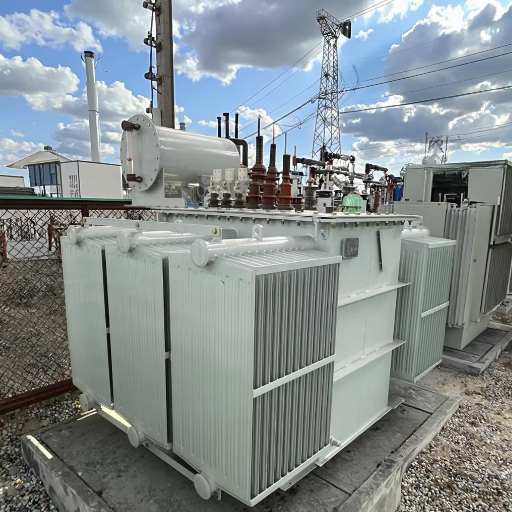
Industrial Transformer Supplier: How to Choose a Reliable Partner for Factory and Plant Power

The best industrial transformer supplier does more than deliver a box with windings inside. They review your load profile, ask about your environment, and recommend a unit that will still be reliable ten years after installation. Choose the wrong supplier, and you may end up with a transformer that looks correct on paper but fails early because nobody asked the right questions.
Industrial buyers often search for an industrial transformer supplier when a plant expansion is underway, a replacement unit is needed urgently, or a facilities upgrade requires higher capacity. This guide explains how to evaluate suppliers, what capabilities matter most, and how to avoid common procurement mistakes that create downtime and unexpected cost.
Key Takeaways
- An industrial transformer supplier should act as a technical partner, not just a product source, by reviewing load profile, environment, and uptime requirements before quoting.
- Manufacturing plants, steel mills, mines, data centers, and oil and gas facilities each need different transformer types, enclosures, and cooling methods.
- Stock transformers work for standard replacements with common voltages and kVA ratings; custom units are necessary for unusual voltages, harsh environments, and harmonic-rich loads.
- Technical support depth, test documentation, spare parts availability, and warranty terms separate reliable suppliers from risky ones.
- Total cost of ownership usually matters more than purchase price because industrial transformers operate for 20 to 30 years.
For a broader overview of manufacturer capabilities, see our transformer manufacturer guide.
What Is an Industrial Transformer Supplier?
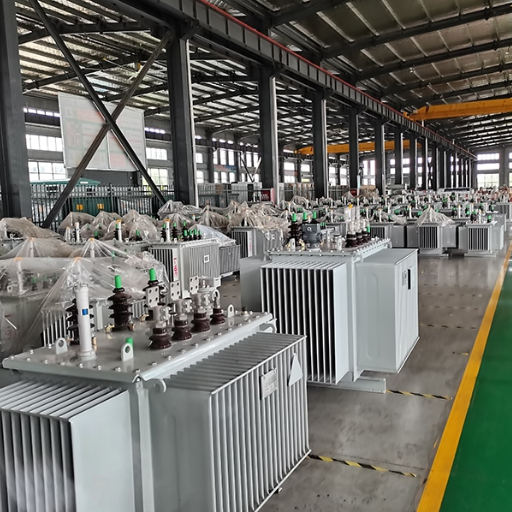
An industrial transformer supplier sources, specifies, and delivers transformers for factory, plant, and heavy infrastructure applications. The role includes more than moving product from a factory to a receiving dock. A capable supplier helps buyers match transformer design to real operating conditions, coordinates delivery logistics, and provides after-sales support when issues arise.
Suppliers come in several forms. Manufacturer-direct industrial transformer suppliers produce transformers in their own factories and sell directly to project owners and contractors. Authorized distributors carry stock from one or more manufacturers and add local support. Industrial electrical wholesalers focus on fast availability of standard ratings. Specialist transformer resellers source non-standard or hard-to-find units for specific applications. Each model has strengths, and the right choice depends on lead time, customization level, and the support you need after delivery.
The difference between a supplier and a strategic partner often appears during the quotation stage. A transactional supplier sends a price list and waits for an order. A strategic partner asks about voltage, kVA, load type, duty cycle, installation environment, and future growth. That conversation protects buyers from ordering a transformer that technically fits but practically fails.
Industrial Transformer Supplier vs. Manufacturer
Suppliers and manufacturers are not always the same entity. A supplier may hold stock, manage import logistics, and provide local commissioning support without owning production. A manufacturer controls design, testing, material selection, and customization. Many industrial buyers benefit from working with a manufacturer that also acts as a direct supplier, because it removes a communication layer and shortens response time.
If you need a stock 1,000 kVA unit with a common voltage ratio, a distributor may deliver faster. If you need a 3,150 kVA unit with special impedance, a K-factor rating, or a corrosion-resistant enclosure, you typically need direct access to the manufacturer. The key is matching your project to the industrial transformer supplier’s real capability.
Industrial Applications That Shape Supplier Selection
Every industrial environment creates different stress on a transformer. An industrial transformer supplier who understands your industry will recommend the right construction, cooling, and protection. A supplier who does not may quote a standard unit and hope it survives.
Manufacturing Plants
Manufacturing plants present motor starting currents, voltage regulation challenges, and frequent load changes. An industrial power transformer supplier should ask about the largest motor, the total running load, and whether variable frequency drives dominate the load profile. Dry type transformers are common indoors, while oil immersed units may be used for outdoor substations.
Steel and Metal Processing
Steel mills and metal processing facilities use furnace transformers, rectifier duty units, and equipment with high harmonic content. These loads create overheating, extra neutral current, and mechanical stress. A heavy duty transformer supplier should specify K-factor ratings, oversized neutrals, and cooling systems matched to overload cycles.
Mining and Heavy Industry
Mining transformers face dust, vibration, temperature extremes, and limited maintenance access. Suppliers should recommend rugged enclosures, adequate IP ratings, and designs that tolerate transport over rough roads. Outdoor oil immersed transformers are often preferred because they handle overload and harsh conditions better than indoor dry type alternatives.
Oil and Gas
Oil and gas facilities require transformers that meet safety-class requirements and operate reliably in outdoor or hazardous areas. Suppliers should understand flameproof requirements, fire protection, and oil containment where regulations apply.
Data Centers
Data centers prioritize low-noise dry type transformers, redundant configurations, and fast delivery. Indoor safety is non-negotiable, so cast resin or vacuum pressure impregnated dry type units are common. A data center transformer supplier should also understand dual-source configurations and paralleling requirements.
Chemical and Pharmaceutical
Chemical plants need corrosion-resistant construction and clean power for sensitive process equipment. Pharmaceutical facilities often require indoor safety, low noise, and designs that support validation documentation. A supplier should be able to provide material certificates and test reports that satisfy quality auditors.
Food and Beverage
Food and beverage plants may need washdown-resistant enclosures and transformers placed near production areas where liquid-filled units are not permitted. Dry type or encapsulated designs are typical, and suppliers should understand hygiene and space constraints.
Key Capabilities to Look for in an Industrial Transformer Supplier
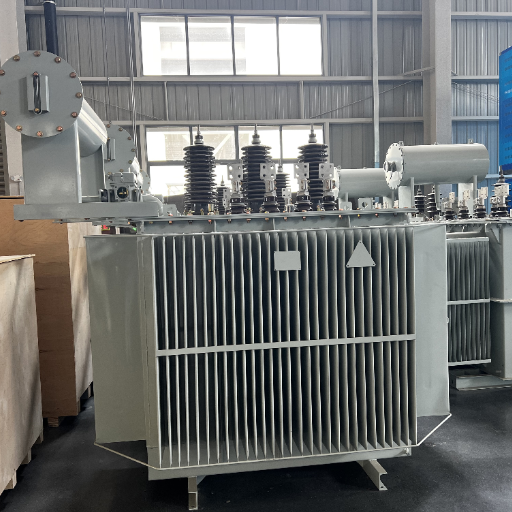
Not every industrial transformer supplier can support industrial projects effectively. Before placing an order, confirm that the supplier offers the technical and logistical capabilities your project demands.
Technical Specification Support
A good industrial transformer supplier reviews your single-line diagram, confirms primary and secondary voltage, recommends kVA size with future growth, selects the appropriate vector group, and checks impedance for voltage regulation and short-circuit coordination. They should also advise on tap changer requirements and cooling method.
Stock Availability
Standard ratings such as 500 kVA, 1,000 kVA, 1,500 kVA, and 2,500 kVA with common voltage combinations are often available from stock. A supplier with regional inventory can cut emergency replacement time from months to weeks. This is especially valuable for manufacturing plants where downtime cost exceeds the transformer price.
Custom Manufacturing Access
When standard units do not fit, the industrial transformer supplier must be able to specify or produce custom designs. Customization may include unusual voltage ratios, special dimensions, non-standard impedance, reinforced tanks, or K-factor windings. Ask whether the supplier controls this capability internally or outsources it.
Testing and Certification
Industrial transformers should be supported by routine factory test reports. For demanding applications, type tests may be required. The industrial transformer supplier should verify compliance with IEC 60076 or IEEE C57 standards depending on your market. Test documentation protects both performance claims and insurance requirements.
Quality Assurance
Ask how the supplier controls material quality. Traceable copper, grain-oriented core steel, and proven insulation systems are non-negotiable for long service life. Factory inspection options, pre-shipment checks, and material certificates add confidence.
Packaging and Transport
Industrial transformers are heavy and sensitive. A capable industrial transformer supplier packages units for sea freight or overland transport with shock protection, moisture indicators, and nitrogen preservation for oil immersed units. Large units may require special heavy haul arrangements.
Commissioning Support
Installation supervision from the supplier’s engineer reduces wiring errors, commissioning delays, and warranty disputes. Ask whether the supplier provides on-site support for testing, energization, and handover.
After-Sales Service
Spare parts availability, warranty terms, and technical support access determine how quickly a problem can be resolved. A supplier who disappears after delivery is a liability for industrial buyers who depend on uptime.
Stock vs. Custom: Choosing the Right Supply Path
One of the first decisions an industrial buyer faces when working with an industrial transformer supplier is whether to order from stock or request a custom-built transformer. The right path depends on urgency, specifications, and risk tolerance.
When Stock Transformers Work
Stock units are ideal when the application is standard. Common voltages, standard kVA ratings, indoor dry type construction, and non-harsh environments are all good candidates. Lead times are typically 1 to 4 weeks, and pricing is predictable.
Marta, a plant engineer in Brazil, once ordered a replacement transformer from a general electrical supplier who had a 1,000 kVA unit in regional stock. The supplier asked only basic voltage questions. The unit arrived quickly and was installed within two weeks. Eighteen months later, it failed. Marta later discovered that her plant’s VFD load created harmonics the standard transformer was never designed to handle. The supplier had never reviewed the load profile. The fast delivery saved time upfront but cost the plant three weeks of downtime and a second replacement.
When Custom Units Are Necessary
Custom transformers are required when the application deviates from standard conditions. Examples include unusual primary or secondary voltage, special impedance, outdoor IP-rated enclosures, K-factor ratings for harmonic loads, seismic requirements, or non-standard dimensions. Lead times typically range from 6 to 16 weeks depending on design complexity.
Lead Time and Cost Trade-Offs
Stock transformers usually cost less per unit because they are produced in batches. Custom units cost more upfront but reduce downstream risk. A good industrial transformer supplier will help you evaluate whether a stock unit truly fits or whether a small customization will prevent a much larger failure cost.
Industrial Transformer Specifications That Matter
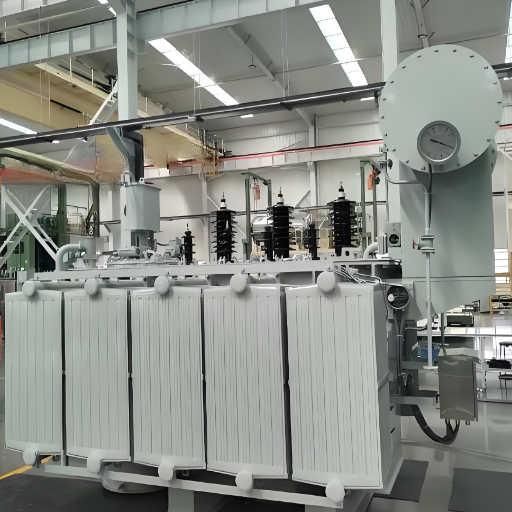
The right specification separates a transformer that survives from one that thrives. An experienced transformer supplier for industrial use will walk through each parameter with you and document why each value was selected.
| Parameter | Why It Matters | Typical Industrial Range |
|---|---|---|
| kVA rating | Must cover present load plus future growth | 100 kVA to 5,000 kVA |
| Voltage ratio | Grid and equipment compatibility | 400V to 33 kV common |
| Vector group | Affects ground fault behavior and parallel operation | Dyn11 is most common |
| Impedance | Influences short-circuit current and voltage regulation | 4% to 8% typical |
| Cooling method | Determines thermal performance in the environment | AN/AF or ONAN/ONAF |
| IP rating | Dust and moisture protection for the location | IP20 indoor, IP54 outdoor |
| K-factor rating | Harmonic tolerance for VFD and rectifier loads | K-4, K-13, K-20 |
| Noise level | Critical for indoor and urban industrial sites | 55 to 75 dB depending on size |
| Temperature rise | Insulation life depends on operating temperature | 80K, 100K, or 115K |
| Enclosure type | Mechanical and environmental protection | NEMA/IP rated, stainless optional |
Getting these details right requires more than copying values from an old nameplate. Load profiles change, standards evolve, and the original installation may not have been optimal. A thorough supplier will ask for the current and future state of the plant, not just the past.
How to Vet an Industrial Transformer Supplier
Supplier evaluation should be structured. Industrial buyers who rely only on price often learn the hard way that the cheapest quote from an industrial transformer supplier carries hidden costs.
Review Industry Experience and References
Ask for case studies or references from projects similar to yours. An industrial transformer supplier who has delivered transformers for steel mills, mines, or data centers will understand issues that a general electrical supplier will miss.
Confirm Manufacturing Partnerships or In-House Capability
If the supplier is not the manufacturer, understand who builds the transformers and what quality systems they follow. The further the industrial transformer supplier is from production, the slower and less precise the response will be. For international buyers, a transformer supplier China option can offer competitive factory-direct pricing, but only if quality systems, testing documentation, and export logistics are verified.
Ask for Sample Test Reports and Certifications
Request a sample factory test report and confirm that certificates are available. IEC 60076 compliance, ISO quality systems, and material traceability are minimum expectations for industrial applications.
Verify Logistics Capability
Can the supplier deliver to your region? Do they understand import documentation, sea freight packaging, and on-site unloading? For large units, ask about heavy haul experience and crane requirements.
Evaluate Responsiveness and Engineering Depth
During quotation, does the industrial transformer supplier ask detailed technical questions? Do they respond quickly to clarifications? Slow or vague communication during the sales phase usually predicts poor support after delivery.
Check Warranty and Spare Parts Availability
Standard industrial warranties range from one to three years. More important is whether spare parts are held in stock and how quickly technical support can respond. A long warranty is meaningless if the supplier cannot ship a replacement bushing within a reasonable time.
Request Delivery Track Record
Ask for realistic lead times for recent projects of similar size and complexity. A supplier who promises impossibly short delivery dates may be cutting corners or subcontracting without disclosure.
Red Flags to Avoid
- Cannot explain K-factor or harmonic derating
- No clear warranty or service policy
- Refuses to provide test reports
- Quotes without reviewing load details
- No experience with your industry or environment
- Vague lead times or frequent schedule changes
Hassan, a procurement manager in Egypt, needed eight dry type transformers for a new textile factory. He received three quotes. The lowest came from a general supplier who never asked about installation environment or future expansion. The middle quote came from an industrial transformer supplier who requested floor plans, load schedules, and ventilation details. That supplier also had stock in a regional warehouse and delivered in three weeks, then provided installation supervision that prevented two wiring errors. The slightly higher unit price was recovered in avoided downtime and rework.
Lead Times, Delivery, and Site Receiving
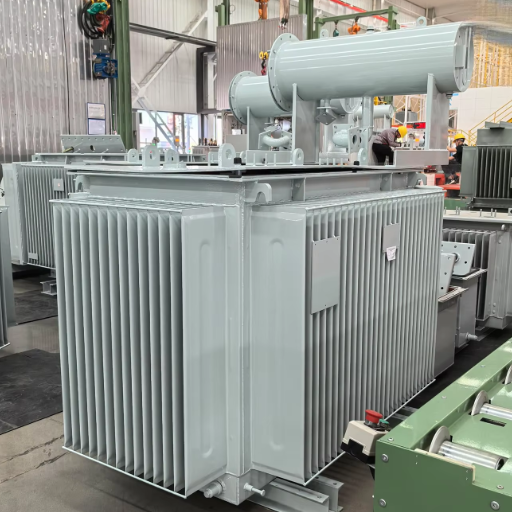
Industrial transformer lead times depend on design complexity, material availability, and test scheduling. Understanding the timeline helps project planners working with an industrial transformer supplier avoid surprises.
Typical Lead Times
Stocked standard units can ship within 1 to 4 weeks. Built-to-order industrial transformers usually require 6 to 16 weeks. Highly customized units or those requiring type tests may extend beyond 16 weeks. Post-2020 supply chain pressures for core steel and bushings have made realistic planning even more important.
Factors That Affect Lead Time
Core steel availability, copper conductor supply, bushing procurement, transformer oil availability, and test bay scheduling all affect delivery. An industrial transformer supplier with strong supplier relationships and in-house production control can buffer some of these risks.
Site Receiving Checklist
When the transformer arrives, inspect it before accepting delivery:
- Check the nameplate against the purchase specification
- Inspect the tank and enclosure for transport damage
- Verify bushings, accessories, and oil levels on oil immersed units
- Review packing list and documentation
- Take photos of any damage before signing the delivery receipt
- Confirm crane and rigging capacity for unloading
Storage Before Installation
If installation is delayed, store the unit in a clean, dry location. Oil immersed transformers should remain sealed with nitrogen or dry air. Dry type units should be protected from moisture and dust. Follow the industrial transformer supplier’s storage instructions to preserve warranty coverage.
Total Cost of Ownership: Beyond the Purchase Price
Industrial buyers who focus only on the purchase price often overlook the largest cost category: operating cost over the transformer’s service life. A transformer with lower losses may cost more upfront but deliver significant savings over 20 to 30 years when sourced through the right industrial transformer supplier.
No-Load and Load Losses
Transformer efficiency depends on core steel quality, winding design, and loading profile. No-load losses occur continuously, even when the transformer is lightly loaded. Load losses increase with the square of the load current. In industrial plants with long operating hours, even small efficiency differences compound into large energy costs.
Maintenance and Inspection Costs
Dry type transformers generally require less maintenance than oil immersed units. Oil immersed units need oil testing, leak checks, and breather maintenance. An industrial transformer supplier who helps you choose the right type for your maintenance capability reduces lifetime cost.
Downtime Cost
A single transformer failure in a continuous process plant can cost tens of thousands of dollars per hour. Spare parts availability, technical support responsiveness, and design margin all affect how quickly you recover.
Spare Parts and Service
Industrial transformer suppliers who stock critical spare parts and offer remote or on-site support reduce the cost of unexpected failures. When evaluating an industrial transformer supplier, ask what spare parts they recommend keeping on site and how quickly they can ship emergency components.
Efficiency Upgrades
Replacing an old, inefficient transformer with a modern low-loss design can pay back within a few years in plants with high operating hours. A supplier who understands transformer efficiency can model the savings for you.
Petra, a maintenance supervisor in Poland, sourced a 2,500 kVA oil immersed transformer for a steel mill from an industrial transformer supplier who offered the lowest price but no spare parts support. When a bushing failed after two years, the lead time for a replacement part was 14 weeks. Production losses during the wait far exceeded the original price difference. Her next industrial transformer supplier committed to holding critical spare parts in Europe and cut emergency repair time to five days. The experience taught her to evaluate total cost, not just invoice cost.
Conclusion
Choosing the right industrial transformer supplier means finding a partner who understands your load, your environment, and your uptime requirements. The best suppliers ask detailed questions, provide clear documentation, and support you after delivery. They help you decide between stock and custom units, select the right specifications, and plan for total cost of ownership rather than lowest purchase price.
Start your evaluation by confirming the industrial transformer supplier’s industry experience, testing capability, logistics reach, and after-sales support. Request references, sample test reports, and realistic lead times. Compare quotes on total lifecycle value, not just unit price. A reliable industrial transformer supplier reduces risk, shortens recovery time, and helps your plant run without interruption.
If you are planning an industrial transformer purchase or replacement, contact the Shandong Electric Co., Ltd. engineering team. As an experienced industrial transformer supplier, we review your voltage, kVA, load profile, and site conditions, then recommend the most practical solution for your project.
Contact our engineering team today for a specification review and quotation.