
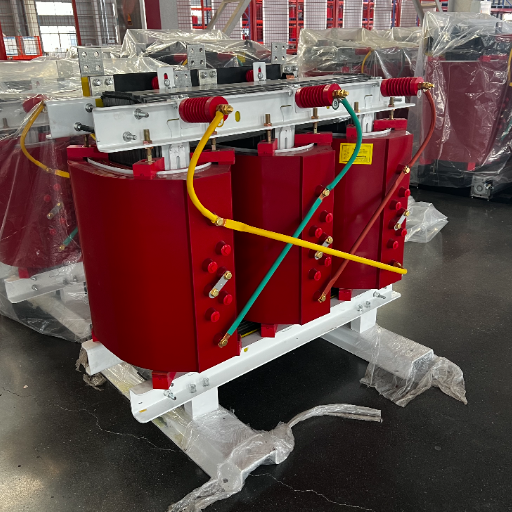
Three Phase Transformer vs Single Phase Transformer: An Industrial Selection Guide

The facility manager in Shenzhen installed three single-phase transformers in 2022 to operate a 120 kVA motor control line which required transformers for its power needs. The system experienced multiple Variable Frequency Drive failures The system faced voltage drops during motor startup The system resulted in equipment damage costs exceeding 40 thousand dollars. The root problem of the system stemmed from incorrect transformer setup which operated with three-phase power requirements.
Most plant managers want to hide the existence of operational problems that happen with regularity in production facilities. The choice between a three phase transformer vs single phase transformer is not simply about how much power you need. Your entire electrical system infrastructure will experience voltage stability problems and equipment compatibility issues and energy efficiency decreases which will lead to higher total ownership costs.
The guide will explain transformer operation through detailed information about transformer types and their appropriate applications and their suitable facility configuration selection process. The course will teach you about technical distinctions between systems which will assist you in maintaining operational efficiency for your motors and drives and business activities.
For a more in-depth understanding of power transformers, (please refer to our complete guide to power transformers.)
What Is a Single Phase Transformer?
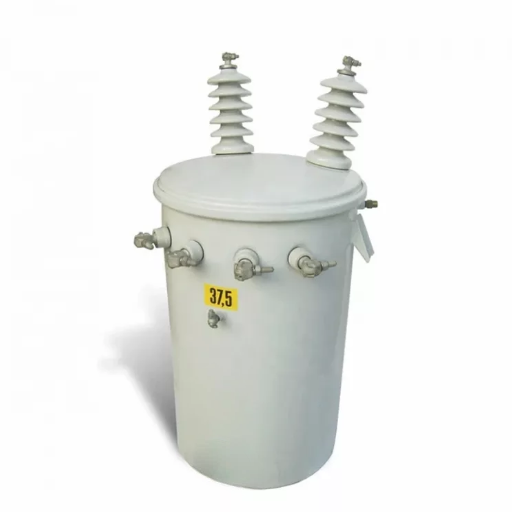
A single phase transformer transfers electrical energy between two circuits using a single alternating current (AC) waveform. Its design includes one primary winding and one secondary winding which both wrap around a common magnetic core. The primary winding generates a magnetic field that changes when AC voltage is applied to it. The magnetic field generates a voltage in the secondary winding through electromagnetic induction which Faraday’s Law describes.
Working Principle
In a single-phase system the power operates as a single AC waveform which repeats its positive and negative peaks. The load power distribution operates in a pattern which reaches its highest point during the first half of the cycle and then decreases to zero at two points throughout the complete cycle. The fluctuation becomes almost impossible to detect in small loads which include lighting and residential outlets. The system creates vibration and heat energy loss and efficiency drops when used with large motors or delicate industrial machinery.
The voltage transformation follows the same turns-ratio relationship as all transformers:
Vs / Vp = Ns / Np
Where Vs is secondary voltage, Vp is primary voltage, Ns is secondary turns, and Np is primary turns. In a standard distribution transformer, this ratio steps high distribution voltage down to usable levels like 120V or 240V.
Construction and Design
Single-phase transformers use core-type and shell-type designs as their standard construction methods. Core-type units wrap the windings around the core legs, while shell-type designs surround the windings with the core material for better magnetic protection. The transformers provide compact size because of their simple manufacturing process and they deliver cost savings for operations with small power requirements.
The single-phase design requires less conductor material and cooling capacity and space than three-phase systems. The system operates effectively for pole-mounted distribution and pad-mounted residential units and light commercial applications.
Typical Applications
Single-phase transformers are the workhorses of residential and small commercial power distribution. These single phase transformer applications include:
- Residential power supply, stepping distribution voltage down to 120V/240V for homes
- Rural distribution networks, where loads are spread over large distances
- Small commercial loads under 25–50 kVA, such as retail stores and restaurants
- Lighting circuits, sign boards, and light-duty equipment
What Is a Three Phase Transformer?
The three phase transformer requires three different AC waveforms which need to be 120 degrees apart from each other. The system employs three primary windings and three secondary windings which all connect through their common magnetic core. The system maintains uninterrupted power delivery because one phase reaches zero current while the other two phases continue to transmit power.
Working Principle: Three Phase Transformer Working Principle
The three-phase system operates through electromagnetic induction which requires three synchronized waveforms for its function. The system uses two windings which consist of one primary winding and one secondary winding to operate one phase of power. The three waveforms produce constant power output because they are spaced 120 degrees apart from each other. The system generates steady power output which satisfies the operational requirements of both rotating machinery and heavy industrial equipment.
Three-phase transformers can be connected in several configurations. The two most common are:
- Delta (Δ) connection, where the windings form a triangle and line voltage equals phase voltage
- Wye (Y) connection, where one end of each winding connects to a common neutral point, and line voltage is √3 times the phase voltage
These connection options give engineers flexibility in matching transformer output to facility requirements and motor control systems.
Construction and Design
Three-phase transformers operate with core designs that use either three-limb or five-limb configurations. The three-limb core functions through its center limb which transmits the total magnetic flux from its two outer limbs. The core achieves efficient operation because the three phases maintain balance which results in fluxes canceling each other out while using less material than three separate single-phase transformers would need.
Five-limb designs add two additional outer limbs to provide a return path for unbalanced flux, making them suitable for large power transformers and applications with asymmetric loads. The windings become more complicated because insulation systems need to protect against higher voltage levels while cooling requirements exceed those found in single-phase units.
Typical Applications
Three-phase transformers dominate industrial and commercial power systems. Typical applications include:
- Industrial manufacturing plants with large motors and heavy machinery
- Data centers, where stable power and load balancing are critical
- HVAC systems in large commercial buildings
- Power generation and substations, stepping voltage up for transmission or down for distribution
- Mining, oil and gas, and other heavy industries requiring reliable high-capacity power
Three Phase Transformer vs Single Phase Transformer: Key Differences
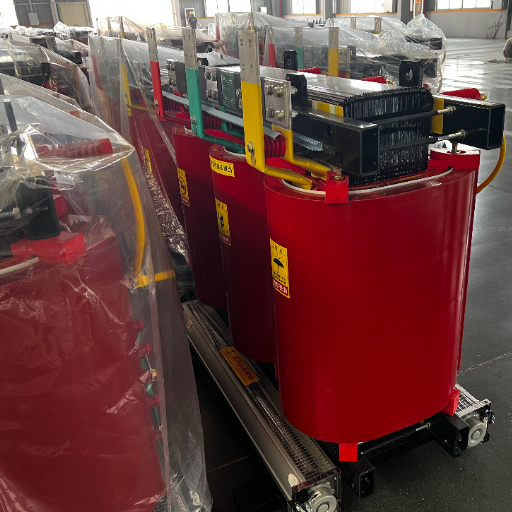
The fastest way to understand the three phase transformer vs single phase transformer debate is to compare them side by side.
| Feature | Single Phase Transformer | Three Phase Transformer |
|---|---|---|
| Phase Supply | 1 AC phase | 3 AC phases (120° apart) |
| Windings | 1 primary, 1 secondary | 3 primary, 3 secondary |
| Power Capacity | Up to ~100–250 kVA | 100 kVA to 1,000+ MVA |
| Typical Efficiency | 92–96% | 96–99.5% |
| Power Delivery | Pulsating | Continuous and stable |
| Physical Size | Compact | Larger, but smaller than 3 separate single-phase units |
| Initial Cost | Lower per unit | Higher per unit, lower per kVA |
| Best Used For | Homes, small offices, lighting | Factories, data centers, heavy industry |
This table captures the structural differences, but three distinctions matter most for industrial buyers.
Power Capacity and Scalability
Single-phase transformers reach their maximum capacity between 100 kVA and 250 kVA for actual working applications. Manufacturers and utilities use three-phase systems for their projects because these systems provide lower costs per kVA and better power quality. A single three-phase transformer can handle anything from 100 kVA to over 1,000 MVA in utility applications.
Efficiency and Operating Cost
Three-phase transformers demonstrate greater efficiency than single-phase transformers when both types operate at their respective rated capacities. Taishan Transformer provides comparative data which shows that a 100 kVA single-phase transformer experiences total losses of approximately 2,050W (95.0% efficiency) while a comparable three-phase unit operates with losses of only 1,650W (96.7% efficiency). The 1.7% efficiency difference creates actual cost reductions because the transformer operates all the time.
Equipment Compatibility
Three-phase transformers demonstrate greater efficiency than single-phase transformers when both types operate at their respective rated capacities. Taishan Transformer provides comparative data which shows that a 100 kVA single-phase transformer experiences total losses of approximately 2,050W (95.0% efficiency) while a comparable three-phase unit operates with losses of only 1,650W (96.7% efficiency). The 1.7% efficiency difference creates actual cost reductions because the transformer operates all the time.
Why Three Phase Transformers Are More Efficient: Understanding Three Phase Transformer Efficiency
The efficiency advantage of three-phase transformers is not an accident of design. The efficiency of three-phase transformers results from the fundamental principles which govern three-phase power operation.
First, continuous power transfer reduces core losses. The core material in a single-phase transformer experiences increased hysteresis loss because magnetic flux reverses direction with each cycle. In a balanced three-phase transformer, the center limb flux represents the outer phases vector sum which results in complete cancellation. The core experiences less net flux variation, which reduces both hysteresis and eddy current losses.
Second, lower current per conductor reduces I²R losses. The three-phase system requires three conductors for current distribution whereas a single-phase system needs either one or two conductors to deliver the same power. Each conductor carries less current, and because resistive losses are proportional to the square of the current (P_loss = I²R), the total copper losses drop.
Three-phase transformers use core material with higher efficiency than other systems. The three-phase unit requires less total steel and copper than three separate single-phase transformers which have the same capacity. The design achieves less heat generation, decreased energy losses, and a smaller space requirement for identical kVA ratings.
Single Phase vs Three Phase Power: Which One Does Your Facility Need?
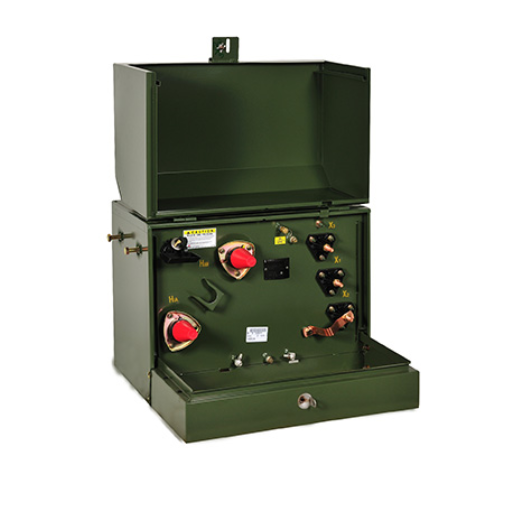
Choosing the right transformer configuration depends on four practical factors: load size, equipment requirements, power quality needs, and future growth plans.
Load Size and Power Requirements
As a general rule:
- Below 25–50 kVA: Single-phase is usually sufficient and more cost-effective
- Above 50–100 kVA or with heavy motors: Three-phase becomes essential
If your facility runs multiple large motors, compressors, or pumps, three-phase power is non-negotiable. The inrush currents and continuous loads will overwhelm a single-phase supply.
Equipment Compatibility
Most industrial motors above 5 HP are designed for three-phase operation. VFDs and servo drives are also predominantly three-phase input devices. If your equipment list includes:
- Three-phase induction motors
- Industrial VFDs and inverters
- Large HVAC chillers
- CNC machines and automated lines
Then a three-phase transformer is the correct foundation.
For smaller shops without three-phase grid access, there are workarounds. Three-phase motors can be powered through single-phase supplies by using phase converters together with single-phase-input VFDs. The solutions require higher expenses while they provide reduced torque and create harmonic distortion which decreases motor lifespan.
Voltage Quality and Stability
Three-phase systems provide better voltage regulation and lower total harmonic distortion (THD) when the load is balanced. This equipment becomes essential for handling sensitive operations in CNC machines and data servers and medical imaging systems. A well-balanced three-phase transformer also reduces neutral current which decreases overheating in conductors and panels.
For a deeper technical breakdown of accurate transformer kVA and MVA rating selection methods, see our Transformer Ratings Explained: How to Select the Right kVA or MVA for Your Project.
How Transformer Selection Affects VFD and Motor Performance
Transformer choice is not just about getting power to your building. It is about delivering power in a form that your VFDs and motors can use reliably.
Input Power Stability
Three-phase transformers deliver smoother voltage with less ripple than single-phase equivalents. This stable input reduces stress on VFD rectifiers and DC bus capacitors. When Chen Wei, a maintenance supervisor at a packaging plant in Dongguan, upgraded his facility from an undersized single-phase supply to a properly sized three-phase transformer, his VFD trip rate dropped by nearly 80%. The consistent phase voltage eliminated the sags that had been shutting down his conveyor drives during motor startup.
Phase imbalance is another hidden risk. Poor transformer selection or improper installation can create voltage differences between phases. Even a small imbalance, 3–5%, can cause VFDs to fault, motors to overheat, and bearings to fail prematurely.
Harmonic Considerations
VFDs create non-linear loads because they operate in that way. The system experiences harmonic distortion because they draw electrical current in pulsed intervals instead of continuous sine wave patterns. Single-phase systems experience greater challenges in eliminating filters because they have higher harmonic concentration. The three-phase system distributes distortion across its three phases, making it simpler to handle.
In facilities with many VFDs some engineers install dedicated drive isolation transformers to separate VFD loads from other equipment. This system creates isolation for harmonics protects delicate control circuits and enhances the entire power system’s quality.
Motor Starting and Inrush
Large motors draw 5–7 times their full-load current during startup. A three-phase transformer is better able to handle these inrush currents without significant voltage sag. Proper transformer sizing, typically 125% of continuous load or more, prevents the voltage dips that cause VFD undervoltage faults and contactor chatter.
Cost, Installation, and Total Cost of Ownership
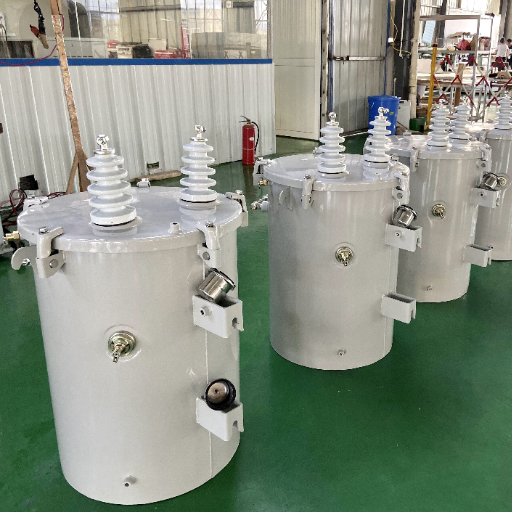
Upfront price is only one part of the three phase transformer vs single phase transformer decision. Smart buyers look at total cost of ownership over the equipment lifespan.
Upfront Cost
For small loads, single-phase transformers provide cheaper purchase and installation expenses. The equipment presents less weight and requires fewer mounting resources because of its compact design. The single-phase unit provides the most affordable solution for residential or light commercial applications which require 25 kVA.
Three-phase transformers require a higher initial investment. The equipment requires concrete pads and oil containment and complex buswork because of its increased size and weight. The cost per kVA decreases when a system’s capacity increases. The three-phase units become more economically efficient at 100 kVA and higher according to their dollars-per-kVA measurement.
Operating Cost
The efficiency gap between single-phase and three-phase transformers translates directly into operating cost. A 100 kVA three-phase transformer running at 96.7% efficiency wastes 400 fewer watts than a single-phase equivalent at 95.0% efficiency. The annual operation of this system becomes more efficient because it provides approximately 3,500 kWh of energy savings. At an industrial electricity rate of 0.10perkWh theannualsavingsexceed0.10perkWh theannualsavingsexceed350 per transformer. In a facility with multiple units, those savings compound quickly.
Three-phase transformers also tend to run cooler, which extends insulation life and reduces maintenance frequency.
Scalability and Future-Proofing
Installing single-phase infrastructure in a facility that will eventually need three-phase power results in expensive errors. The conversion process from single-phase to three-phase requires the installation of new transformers and switchgear together with complete rewiring and substantial operational interruptions. The installation of three-phase capacity at the beginning proves more cost-effective when there exists any possibility of future business expansion.
How to Choose the Right Transformer for Your Application
Use this framework to resolve the three phase transformer vs single phase transformer question for your specific facility.
Step-by-Step Selection Framework
- Calculate total load in kVA. Add up all motors, drives, lighting, heating, and auxiliary equipment. Do not just add horsepower ratings; convert everything to kVA using motor power factor and efficiency.
- Identify phase requirements of critical equipment. Check motor nameplates and VFD input specifications. If your largest or most important equipment requires three-phase power, that dictates your transformer choice.
- Evaluate voltage regulation and power quality needs. Facilities with CNC machines, data centers, or sensitive automation need the voltage stability that three-phase transformers provide.
- Consider future expansion plans. Size the transformer for at least 25% more capacity than your current peak load. If you expect to add more three-phase motors or VFDs in the next five years, plan for three-phase infrastructure now.
- Match cooling method and enclosure to the environment. Oil-immersed units suit outdoor installations and large loads. Dry-type transformers are preferred indoors or where fire safety is critical.
- Verify standards compliance. For global projects, ensure the transformer meets IEC 60076. For North American installations, check IEEE C57 certification. Export-ready equipment should carry the appropriate regional approvals.
Integration Checklist
Before finalizing your transformer selection, verify:
- Transformer output voltage matches VFD input rating within ±5%
- Transformer kVA capacity accounts for motor inrush and harmonic loads
- Vector group is compatible with parallel operation if required
- Neutral grounding arrangement matches your facility’s protective relaying scheme
- VFD troubleshooting resources are available for power quality issues
Conclusion
The three phase transformer vs single phase transformer decision shapes your entire electrical system performance through its impact on efficiency and reliability and safety. Single-phase transformers serve as effective and economical solutions for residential and commercial applications that require power below 50 kVA. Three-phase transformers serve as vital components for industrial facilities which require constant power supply and enhanced voltage control and compatibility with large motors and VFDs.
The key takeaways are straightforward:
- Match transformer type to your load size and equipment requirements
- Prioritize three-phase power for industrial motors, VFDs, and continuous operations
- Size for real-world conditions, including inrush, harmonics, and future growth
- Consider total cost of ownership, not just upfront purchase price
When you get the transformer right, everything downstream performs better. Motors run cooler. VFDs trip less often. Energy costs drop. And your facility is ready to scale.
Frequently Asked Questions
What is the difference between single phase and three phase transformer?
The difference between single phase and three phase transformer designs comes from their different methods of power distribution. A single phase transformer uses one AC waveform with one primary and one secondary winding to transfer power, making it suitable for small residential and commercial loads. A three phase transformer uses three AC waveforms which are spaced 120 degrees apart through three windings on each side to deliver continuous stable power for industrial motors and VFDs and large commercial systems.
Which is more efficient: single phase or three phase transformer?
Three phase transformers are more efficient. Typical full-load efficiency for three-phase units ranges from 96% to 99.5%, while single-phase transformers typically achieve 92% to 96%. The continuous power transfer, lower current per conductor, and more efficient core utilization all contribute to reduced losses in three-phase designs.
Can I use three single phase transformers as a three phase bank?
Yes. Three identical single-phase transformers can be connected in a delta or wye configuration to create a three-phase bank. This method provides a solution when standard three-phase units are not available and when backup systems are needed because one transformer can be replaced without powering down the complete bank. However, a single integrated three-phase transformer is usually more efficient, compact, and cost-effective.
Can I run a three phase motor on single phase power?
Yes, but it requires additional equipment such as a phase converter, a Variable Frequency Drive with single-phase input, or a rotary converter. The solutions require additional funding and operational difficulties because they create more complex systems, and they provide less initial power output together with decreased system performance when compared to standard three-phase electrical systems. For smaller applications, low voltage VFD systems with single-phase input can be a practical bridge. For long-term industrial use, installing a proper three-phase supply is the better solution.
Why do industrial facilities use three phase transformers?
Industrial facilities use three-phase transformers because these transformers deliver stable high-capacity power which industrial facilities require to operate large motors and pumps and compressors and VFD-driven automation systems. Three-phase power delivers continuous torque to motors while also decreasing vibration and enhancing efficiency and providing superior voltage regulation compared to single-phase power.
What kVA rating do I need for my facility?
Add the total load of all equipment in kVA, including motors, drives, lighting, and HVAC. Then add a safety margin of at least 25% to account for motor inrush currents, harmonic distortion from VFDs, and future expansion. For example, if your calculated load is 80 kVA, select a transformer rated for at least 100 kVA.
Can a three phase transformer be used in a home?
The answer to your question is yes. The power needs of residential homes are fulfilled through single-phase electrical systems which provide power for their lighting and appliance and outlet requirements. A three-phase transformer would be oversized, more expensive, and underutilized in a typical home environment.