

Transformer Life Expectancy: Factors & Extension Strategies

The use of transformers is widespread in modern society, and understandably so, as they form an essential component of electrical circuits that provide current to any location that requires it. However, as in every other machine, transformers are rather sophisticated equipment that, although degrading naturally, still have a designed life span as per several performance and application issues. These issues should be addressed to enhance the performance and reliability of the components. In this writing, we focus on the main causes that reduce transformer lifespan and propose practical ways to extend their life. In case you are in charge of such equipment, an engineer or just an adept user of such appliances, this text is dedicated to exposing the specific points that help in the improvement of the working efficiency and life of transformers.
Understanding Transformer Lifespan
Definition of Transformer Lifespan
A transformer’s lifespan describes the time during which a transformer can be expected to function properly and deliver the intended performance. Typically, power transformers are designed to last anywhere between 20 and 40 years, although there are cases where they have effectively operated for 50 years or more with optimum maintenance and under ideal circumstances. This timeframe, however, is likely to increase further or decrease, depending on some external or internal components such as materials, loads, temperatures, and the schedule of preventive maintenance, among others.
Based on the recent data, it can be extrapolated that issues such as overheating, and loading beyond the capacity, along with these issues, overcurrent and tenfold insulation restriction, the sponger help could limit the transformer lifespan. This has been demonstrated in a report by the US Department of Energy, where it was illustrated that if a transformer is utilized to say 120% of its rating, the useful life of the given transformer can be diminished to a quarter. At the same time, one ought to bear in mind that in most instances, the insulation, which is either cellulose-paper or oil-based, ages over time, and more importantly, the rate of aging depends on the temperature. It has been statistically estimated that with every 10 ° C of temperature above the permissible limits, the life of the insulation reduces by almost half.
There is no doubt that among the numerous types of inclusion risks in transformers, a significant impact comes from the risk of failure assessments, which overload transformers as they are very expensive pieces of investment. Therefore, inclusion of such parameters of analysis as oil quality, temperature, loading patterns, etc. and putting such into practice, helps avoid transformer overload situations. Studies have d demonstrated the effectiveness of the state of the art procedures, such as incorporating thermal monitors and dissolved gas analysis, aiming at improving the condition monitoring of transformers, which helps avoid malfunctions. In all these cases, they act indeed, in activities to prolong transformer lifespan, as well as, cost savings or efficiency increasing practices.
Importance of Knowing Transformer Life Expectancy
In order to ensure that different industries and sectors enjoy optimal benefits associated with transformed power, the transformer lifespan must be well appreciated. The typical operational life of a transformer is in the region of twenty to thirty years. Still, the operational life may not always be the case and could even be more than half a century, especially with special heavy-duty types. On the other hand, such reduction may be quite substantial, for instance, overloading, the surrounding environment, and insufficient service. Recent data from different studies show that about 80% of reported transformer failures are attributed to damage of insulation due to heat and moisture.
The enhancement of diagnostic procedures helps organizations implement more effective methods of evaluating the condition of transformers. For instance, there is very good evidence to support the use of dissolved gas analysis (DGA) for early fault diagnosis, whereas thermal imaging enables the identification of the components that are likely to function improperly at higher temperatures. An article published last year postulated that the impact of predictive maintenance can increase the transformer lifespan by 30-40% due to decreased breakdowns, and therefore avoid significant costs incurred during emergency repair and replacement activities.
Furthermore, the renewal of transformers as they reach their rated age would enable any utility service provider to allocate financial resources to avoid unforeseen occurrences. It should be noted that firms are more capable of extending the lifespan of operational transformers, avoiding the risk of operational failures, and serving continuous electricity through innovative technologies and a data-driven approach. By the same token, if the equipment is not monitored or properly cared for, knowing the transformer’s lifespan would not be of any help to engineers who seek to control energy over a long duration.
Overview of Transformer Aging
Transformers’ aging is largely governed by their working conditions and surrounds such as insulation deterioration, high temperatures and mechanical loading. It is vital as it has a relationship with the transformer lifespan in terms of years, so the integrity of the system is preserved. Insulation materials are subjected to extreme stress when they are overheated to beyond 90°C, and most of the insulation types made of cellulose won’t be effective for a long time. The presence of water is also very significant since even a mere 1% of water in the transformer oil would reduce the dielectric strength by half.
Research has indicated that the normative lifespan of transformers that are subjected to overloading is far less in practice. For instance, it has been found that transformer lifespan is cut short by as much as 50% in instances where the load is increased by 20% for a long period of time. However, modern diagnostic methods such as Dissolved Gas Analysis (DGA) and Thermography have been applied in practice in the detection of early signs of aging in the form of overheating and partial discharges, among others.
The condition-based maintenance strategies, which incorporate IoT sensors and instantaneous data processing, help the electrical companies to ‘predict and prepare’ very effectively in the event of aging. In the current recall of literature, work has been done to support that high-tech integrated monitoring systems in transformers exist and can be used to extend the lifespan by even 30%, which makes the equipment more efficient, at the same time reducing the rate of expensive damages. Technology, comprising the equipment and others, facilitates extending the transformer lifespan and operating cycle management.
Factors That Affect Transformer Lifespan
Environmental Conditions and Their Impact
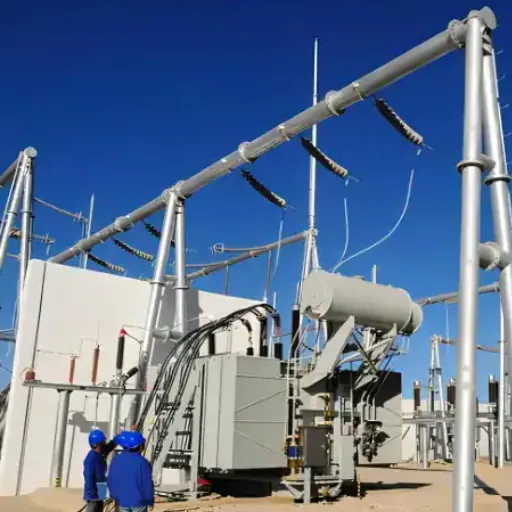
Several factors are culminating within the space where transformers are situated, altering the transformer lifespan. These include the two most common factors, which are temperature and moisture, and even pollution and elevation. According to recent studies, high temperature increases the kinematics of the degradation of the transformer insulation, thus the load losses of such units can be increased by 20%. Furthermore, high humidity increases the chances of moisture retention within the body of the insulation.
For transformers installed near the most contaminated areas where more dust, saline or chemicals are present, some of the substances can get incorporated with the external environment and cause corrosion and external tracking. Studies have established that structures that require a transformer lifespan of thirty years require only ten percent maintenance in such an environment in contrast to maintenance of transformers in safer regions. In the same manner, equipment for use in highland areas where the surrounding air is of low density will also tend to have lower cooling capacities and therefore more frequent incidences of overheating.
For these reasons, risk mitigation to the lowest level possible, the most common transformer types present are constructed with full metal enclosed cubicles, and an advanced monitoring device within the transformer that finely coats the outside with an environmentally resistant polymer. It involves collecting data in the form of raw information and analyzing it in order to predict when the process on to predictive methods, enabling utility companies to identify any problems early, hence performance duration will be increased to optimise the system transformer lifespan.
Key Technical Factors Influencing Aging
Transformers constitute a key element in a power distribution network and, as such, are exposed to numerous technical issues that, in turn, directly affect their ageing and deterioration processes. These processes include the factors of time acceleration, such as their operational temperature, the moisture content and the insulating electrical stresses. Out of these processes, heating is the most dreaded, as it is known that a temperature rise of 8℃ in an operating transformer battery will lead to about 50% reduction in the insulation transformer lifespan. In order to make sense of recent studies, it has been stated that the 70% of transformer failures are due to carelessness in the insulation or heat and moisture generated failure.
The penetration or percolation of moisture is also one of the main factors that cause transformer aging. It is known or proven that any designets which enhances or maintain the levels of moisture present in the transformer above those reasonable levels diminish the transformer’s lifespan and increase its vulnerability to damage due to inter-winding insulation. More than a few practitioners trying to account for this claimed that there were instances where conditions, controlled by humidity, are responsible for such consequences to a greater extent. More and more transformers, manufactured and sold in the market, come with oil water separators and special coating casing in their design.
Transformers age as a result of the incessant overwork and chronic electrical fault state. Lightning hardly causes any harm. Rather, it disturbs the electromagnetism within a loss-of-load condition, causing further effects regarding the mechanisms. It leads to building a gas field and the beginning of sparks up in the ministry windings due to concentrated heat in that area. As has been observed, 15% of the breakdowns in all the transformer cases have been caused by a fault that never presented any outward signs. This is true especially in promoting advanced technologies, concerning the study of gases within transformer oil and partial discharge, which have become common practices in these days.
By addressing the three areas responsible for aging, by making improvements and transcendence of technology, and by outlining maintenance regimes targeting the same, the utilities maximise both the transformer lifespan and the reliability of the transformers.
Overload and Its Effects on Transformer Life
Operating transformers above their designed capacity will lead to overload, high temperatures, and fast deterioration of the insulating materials inside them. It has been established that in cases where transformers are subjected to a 20% overload, the lifespan of their operation is reduced by almost half. It has been reiterated through recent research that transformer life span increases when there is over-temperature, which is understood where the study indicates that temperatures over the rated limits result in basic cellulosic insulation breakdown and within short periods, other forms of oil tend to go into rest of the use.
The advances recorded in the load control technology field provide the hope for very fast informing of the utilities on the load trends as well as the ability to limit and predict the overload occurrence frequencies. In addition, it is accentuated by the dynamic loading tests that such increased loads for short durations of time decrease the transformer lifespan, and that is why the proper load and heat distribution becomes imperative. Today’s transformers, more often than not, are designed with temperature monitoring devices and cooling systems that reduce the adverse effects of overloading to the respective equipment.
Warning Signs of Deterioration
Indicators of an Aging Transformer
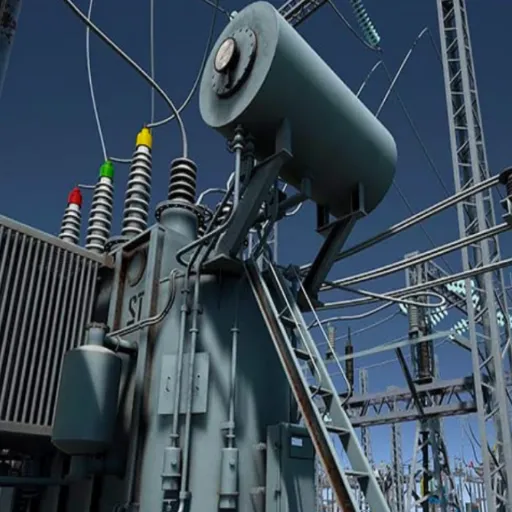
Throughout the history of transformation development, many facets of age are experienced by the aged transformer, which in the end causes operational impairments and compels rehabilitation of the transformer at one point. Insulation is another aspect, and it also comes in the scope of heat and moisture, which has a high tendency of deteriorating. In particular, the insulating structure is prone to overheating, affecting its electrical field holding capacity and hence the functional capabilities of the device.
Some gases, like hydrogen or carbon dioxide, are also known to be found dissolved in the transformer oil and can serve as good signs for impending failure circumstances. When transformers are close to failure, overheating or insulation failure, the highest amount of these gases is reported in the recent findings. It is necessary to conduct proactive measures and detailed DGA, as it is a regular practice for the conveyors’ troubleshooting that is practiced frequently in the respective field and such an activity is also included in the requirements and systems of other organizations of the same kind, like the standards of IEEE C57.104.
Another critical issue to address is the transformer load or stress-bearing capability. Research has shown that it significantly decreased over the years. More specifically, after approximately 20-25 years and usage to its full capacity without frequent maintenance, the transformer’s capacity decreases by about 20%-15% compared to where it was, say in year number 10, when the transformer was in its prime condition. The need for replacement or refurbishment is thus due to the recognition that this in itself can cause inefficiencies and, more importantly, accusation of overloads in the very equipment.
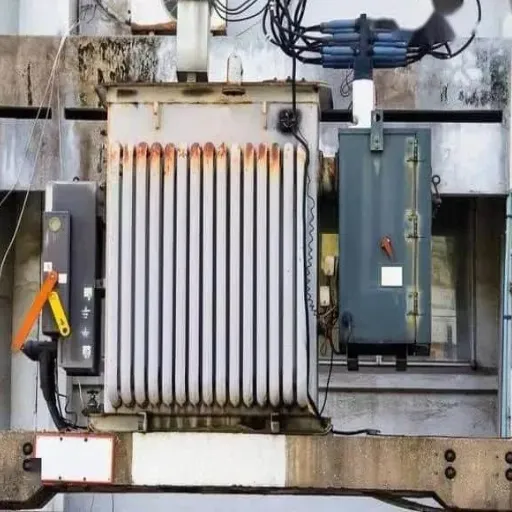
There is also age, which, in this case, means past the transformer lifespan; these physical defects include. Such as oil leakages, corroded, blackened tanks or upturned bolts. However, with advancements in emerging technology such as drones equipped with thermal imagers, such tasks have been made much easier for utilities to perform.
All the mentions above are essential to show the physical indication that sound maintenance practices are carried out fully, and that entails performing the activities so that the components serve their useful lives, besides, it prevents dangerous component breakage.
Common Symptoms of Transformer Failure
The reasons are many, and the evidence supporting each of the arguments relative to the transformer failure is increasing. If there is a considered escapement plan that has been proposed, it is aiming at investigating the overused hypothesis, which is an essential and underlying issue. Every field of engineering always has a new challenge. It may remain in another dimension; however, according to various publications, around 35% of transformer failures can be attributed to overheating of its different parts. In this way, there is no current flow that is baffled, and this in turn, reduces the efficiency of the transformer, and the transformer’s lifespan is compromised.
On top of that, referenced, regard of significance within failure of insulation can be measured rather accurately, and is approximately 30 percent of the failure incidences commonly reported in transformers. Unfortunately, being the quiet structure that will save the transformer most of the time, insulation is susceptible to moisture ingress, foreign particles, electrical stress, and infrequent causes; however, if due measures and sense are not applied short circuit can instead be initiated in a system that is not faulty at all, termed as the internal arc. A clear example of this is partial discharge diagnosis; this means diagnosing in only in some very particular equipment.
Energy Community also presents moisture ingress and particle buildup as common risks that result in transformer oil contamination. It can be seen from statistics that every fifth failure of the power transformer occurs due to the excessive wear and tear of the oil quality. The application of reliable oil testing methods for defect diagnosis, for instance, an analysis of dissolved gases, increases the chances to diagnose systems at an early stage and hence, prevents disasters.
Thanks to the advanced team practices, transformers have come a long way, which is verification to knowing the current health of the transformer. This is achieved through predictive maintenance techniques involving AI and machine learning scopes available today. So, based on this particular kind of analysis, temperature limits, humidity levels, and load in every condition may be monitored continuously by IoT devices for instance. In line with these developments have enabled reduced downtime due to foreseen equipment failures, which is a far cry from anticipated cost avoidance or reducing wastage from an organization’s processes. This successful imply repair techniques and procedures continue to operate as the base of transformer design use, while introduced as an alternative with these preventive measures will help improve transformer lifespan, which in turn can provide electricity without interruptions.
When to Replace or Repair a Transformer
Several aspects, such as the sex of the transformer being among them, such as age, the state of the transformer, and the performance of the equipment, determine the course of action to be taken. Per some recent information, a transformer’s lifespan is typically 20–30 years, depending on the level of service given and the manner in which they operate. But again, this is not to all Transformers; some indications may appear earlier than expected for some of them in operation, like there may be oil leaks, overheating, noise, and other such symptoms. Therefore, for example, Dissolved Gas Analysis (DGA) is one of the tests that is carried out, in which the gases in the oil in a transformer are quantified to check for the decomposition of insulation. There is also a correlation between certain hairstyles, for example, a moleletis, and the presence of huge amounts of Compressed Gas Hydrogen Acetylene Gases in transformer day.
Studies indicate that old transformers that have been operated beyond their sustainable lifespan limits account for more than 15% of energy wastage; hence, such transformers are recommended for replacement. However, simple repairs are affordable when the damage is minimized in the case of transformers due to the fact that there are successful techniques of refurbishment for example, applying vacuum oil purifiers and coil restorers. In that case, before adopting a site for utility installation, it is recommended that utility industries take into consideration all costs involved, the value that the equipment holds to the organization, and the type of environment and mitigation that will be in place.
The Internet of Things technology, with respect to sensory systems and other gadget applications, also adds value to reality in terms of decision support at the right moment due to the forecast algorithms built within the system. It seeks to grasp the energy manager’s attention towards direct factors affecting the transformer lifespan, that is, material characteristics that can sustain the determined thermal risk or even mechanical stresses, and the imbalance of the loads, so that the assets could be used more effectively with more basic space behind the preventive limit.
Extending Transformer Life Expectancy
Maintenance Best Practices
Regular demographic maintenance helps in the growth of the transformer’s lifespan. According to some studies, if a transformer is used in very good conditions and is properly maintained, it may not require replacement for 30-40 years or even longer periods. This means that most of this includes detecting any connection between oil which is necessary because if more and more oil is lost, the oil will not hold the charge but if it is not keeping all of the charge, the oils will be able to stop the gas from some of the principles of diagnostics DGA and other modern methods can assist in taking and investigating the composition for gases such as hydrogen, carbon monoxide, methane, degradation gases, etc., and some ways of detecting these gases have improved over time remarkably.
In addition to this, the lifespan of a transformer can be prolonged using cooling devices. On the other hand, it has been established that this is not the case for more than half of such overheating is brought on by insulation failures in transformers. Nevertheless, a series of elaborate temperature regulation gadgets work in such an efficient way that any rising temperature tendencies are in most cases observed almost immediately, hence preventing any natural support damage. These include the modern centrifugal air conditioners and oil circulation cooling systems, among others, which serve to take the heat to manageable levels.
Another factor is the cleanliness. The area surrounding the transformer is free of dust and dirt, which guarantees the efficient natural convection of the heat and cooling as well. Such data can now be collected in real-time, and this allows operators who are tasked with managing such equipment to predict and avoid the occurrence of such transformer problems or lower the frequency of transformer failures.
Innovative Transformer Solutions to Extend Life
A latest trend in the progression of power transformers includes the employment of improved contemporary equipment to cater for the need of reduced operational cost and turnaround size. A new feature being introduced is in-service specific ester fluid oils, which have emerged as one of the available solutions. This type of fluids does not only transfers heat better, but it also has superior flame properties and is more environmentally friendly than mineral oils. According to a new statement released by the player in the sector, transformer lifespan boosts can be achieved by an ABS value of thirty percent with substance of olis based on olis and resisting their composition in heat and moist conditions.
Additionally, the application of twin computer models has become more prevalent. It means that the actions on the transformer of interest are carried out only in its digital model; these may involve observation control studies and simulations. You spin up a digital twin that can decrease the probability of welfare reform by 20 to 25 percent, observations remitting preventive treatment, and curbing consumption through management. Moreover, the use of smart sensors augmented by IoT has already become the norm as they enable the measurement of all the most important parameters, such as temperature, oil polarization, and building vibrations, safely and simply. The practice of incorporating this type of system for the betterment of government is not only key to optimised response patterns but also helps avoid the cost of cleaning the system for contamination over the transformer’s lifespan.
Additionally, hand in hand with promoting solutions targeting the problem, these solutions must also be energy efficient. It is approximately understood that the amorphous steel transformer reduces no-load loses almost 70 percent, which can be considered to be a great stride towards energy saving. This appeals to the industrial application where transformation becomes enhanced in terms of efficiency with reduced cost of investment in transformers, together with reduced operating transformer lifespan owing to such developments and advanced supervision.
Importance of Regular Inspections and Testing
Transformers should aim to be recruited into the practice of carrying out inspection and testing of the unit to ensure that transformers do not fail out and malfunction less frequently. For further illustration, it has been reported that almost fifty percent of transformers’ problems are caused by the deterioration of agents. This depicts the essence of performing the above investigations. Most Advanced – even harsh – techniques such as Dissolved Gas Analysis (DGA), Partial Discharge (PD) Testing, thermography tests are performed to detect the modifications and transformations in the object before it starts to hum, bulge, moisten, or electrically age.
There is evidence that has been documented in the recent past showing that the adoption of predictive maintenance practices has a net effect of reducing the number of equipment unexpected outages by 75%. For instance, when looking at the infrared thermography, the “hot spots” located inside a transformer are identified. Employment of such measures before the situation gets worse helps in preventing a downward spiral. Additionally, the use of repeated oil sampling is very crucial since it assists in assessing oil in dielectric oil and also helps in protecting the oil from deterioration beyond recovery. END
These measures, coupled with AI-based sensors and big data analysis within the organization, help in enhancing the chances of prolonging the transformer lifespan, lowering costs, and reducing breakdowns. With the advancement in technological equipment and efficient management of maintenance programs, it is appropriate to ensure that both energy consumption and system effectiveness increase or even maintain in situations of disorder.
Reference Sources
-
Evaluating the effects of demand response programs on life expectancy of distribution transformers – This paper evaluates how demand response programs impact transformer lifespan under various scenarios.
-
A mathematical model for estimating the end-of-life of power transformers – Explores mathematical modeling for predicting transformer end-of-life based on design parameters and environmental factors.
-
Modeling and simulation for critical analysis of power transformer for life estimation in Matlab – Focuses on diagnostic factors and condition-based health indices for evaluating transformer life expectancy.
Frequently Asked Questions (FAQs)
What is the typical life expectancy of a transformer?
Transformer lifespan, or how long transformers are in service before scrapping, is intended to average 20 to 40 years. Nevertheless, this cannot be generalized because such an issue hinges on the manufacture of the transformers, their ability to work, the environment in which they are operating, and the level of maintenance accorded to them. In reasonable surroundings, Ceteris paribus, however, the use of a transformer is beyond 50 years under observation.
What factors most significantly impact transformer longevity?
Many factors contribute to the decrease in the chapters of transformer lifespan. Among these are the wear and tear of insulation, the atmospheric conditions such as high temperatures and humidity, the proper maintenance being no longer practiced and overloading. Certainly, when transformers are used in harsh environments such as extreme temperatures or chemical presence, they tend to wear out quickly. Some of these aspects can be alleviated by adopting preventive measures and certain technologies.
How can IoT-enabled sensors help in extending transformer life?
The use of smart sensors allows constant observation of essential factors: temperature, voltage levels, oil pollutants, etc. They facilitate the prediction and early mitigation of issues or failures, which enables appropriate reactions to be taken promptly. With the help of the Internet of Things, industrial processes as well as structures can be improved by companies effectively. In this way, the transformer lifespan is sustained and can be even prolonged.
Are there specific maintenance practices essential for prolonging transformer life?
Yes, effective maintenance contributes to the extension of transformer lifespan in a proactive manner. Scheduled inspection, oil testing, thermal scanning and cleaning cost less than average net repair expenses. The ability to implement preventive actions, whether by means of proper load distribution, adequate cooling, or another means, enables the transformer components to function more efficiently and wear off more slowly.
What is the role of data analytics in transformer maintenance?
Data analysis is very crucial and forms one of the ways of enhancing transformer lifespan. Based on historical and ongoing data, the organization will be able to prevent a breakdown, change the period of maintenance, and maximize operations hence higher productivity. In this context, the use of analytics tools and IoT-based sensors is another useful tool that helps to make decisions and reduce surprise machine shutdowns.
Can environmental factors affect transformer life expectancy?
It is true that the efficiency of transformers falls when they are used under extreme weather conditions like high relative humidity, very high or very low temperatures, and pollution, among other factors. Also, since the humidity is present, as well as the temperature control is not adequate, it may accelerate the generation of oxides and completely interfere with insulation. However, the use of specialized coatings, providing of extensive ventilation, and installing transformers in areas with constant temperature helps to overcome these difficulties.