
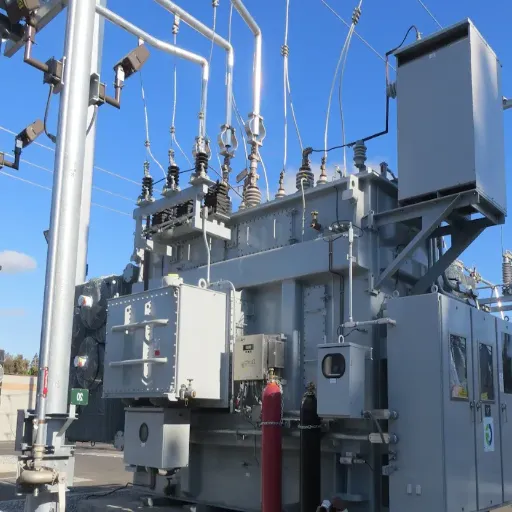
Step-Up vs Step-Down Transformers: Differences & Applications

Transformers function as essential components in contemporary electrical systems because they enable power distribution and consumption through their fundamental operation. The operational efficiency of electrical energy distribution and usage depends on step-up transformers and step-down transformers, which are the two main transformer types used. What establishes their fundamental difference? The design elements and operational functions of the two systems determine their usage in everyday situations and industrial environments. The blog post examines the main differences between step-up transformers and step-down transformers by describing their operational functions, their benefits and their different ways of being used. The information will help you determine which transformer meets your needs because you will learn about their essential role in maintaining our energy-reliant society.
Introduction to Transformers
What is a Transformer?
A transformer exists as an electrical apparatus that transfers electrical power between different electrical circuits by using electromagnetic induction. The system content operates as a critical system component that enables power distribution across different operational environments by transforming voltage to meet specific operational requirements. This technology enables power to move across long distances without losing much energy during the transmission process.
Transformers operate through the principle of electromagnetic induction, which Michael Faraday first demonstrated in 1831. The system contains two primary components, which include primary and secondary windings that encircle a magnetic core. The primary winding creates a magnetic field when alternating current passes through it, which produces voltage in the secondary winding. The process enables voltage transformation through either voltage raising or voltage lowering, depending on the specific type of transformer used.
Recent energy data indicate that transformers achieve high efficiency rates, which often surpass 95%, thus rendering them essential components of current power systems. The worldwide transformer market will experience a growth period, which will reach a compound annual growth rate of 6.5% from the year 2022 to 2030, because of rising energy requirements and improvements in smart grid systems. Transformers provide essential functions for cities and industrial areas, and rural regions because they guarantee a constant electricity supply to homes and businesses, and renewable energy facilities.
Transformers improve safety through their voltage control functions, which reduce energy losses during transmission. The devices function as essential elements that handle electricity from power plants by increasing voltage for long-distance transmission and decreasing voltage for home usage. The transformer demonstrates its capacity to meet all energy requirements through its multiple applications, which exist in all contemporary energy systems.
Importance of Transformers in Electrical Systems
Transformers serve as essential components of present-day electrical systems because their capacity to manage voltage enables safe delivery of electrical power to users. According to recent data, global energy demand has surged by approximately 4.6% in 2021 (IEA, 2021), increasing the need for robust and adaptable electrical infrastructure. Power distribution systems require transformers to meet their operational requirements because they achieve energy efficiency by decreasing energy waste during power distribution and transmission.
The high-voltage transformers play a vital role in power distribution throughout extensive areas. The transformers at power plants increase voltage levels which leads to decreased current flow that results in reduced power line resistive losses. The transmission loss for the 230 kV to 765 kV voltage increase will decrease by almost 50%, which will improve power distribution efficiency to both urban and rural regions.
The distribution transformers function to guarantee a safe and efficient electricity supply to all end users. The transformers decrease high transmission voltages to safe levels, which people can use for their household and industrial equipment, which typically operate between 120V and 480V, depending on the location and intended use.
Transformers have developed new solutions because renewable energy sources such as solar and wind power have gained popularity. Solar inverters require specific transformers, which enable them to convert direct current from solar panels into alternating current for grid compatibility with standard electrical networks. The offshore wind farm transformers elevate electricity output to 400 kV before sending power to the mainland.
The integration of smart transformers with eco-friendly transformer designs creates advanced technologies that improve efficiency and decrease environmental damage. Smart transformers use their sensors to track real-time information, which enables them to achieve optimal performance while minimizing operational interruptions. Eco-design transformers, which use biodegradable fluids, result in 99% lower environmental impacts compared to traditional transformers.
Transformers function as essential components that enable electrical systems to deliver efficient and secure operations throughout the globe while meeting the requirements of rising energy consumption and the shift towards sustainable energy sources.
Overview of Step-Up and Step-Down Transformers
The electrical system uses step-up transformers and step-down transformers to manage voltage levels, which enables safe electricity distribution and efficient energy transmission. The step-up transformer functions by raising voltage levels, which makes it suitable for transmitting power across extended distances. The process achieves high efficiency because it minimizes energy waste, which occurs during power line transmission. The step-down transformers decrease voltage to safe levels, which people can use for their residential, commercial and industrial needs.
Step-up transformers operate within high-voltage transmission systems, which function at voltage levels between 110 kV and 800 kV according to current operating conditions. The transformers help decrease transmission losses, which can reach up to 5-10% of energy when voltage control measures fail to operate effectively. The process of step-down transformers functions at lower voltage settings, which include the reduction of 11 kV to 230 V for household and small industrial power needs.
The worldwide transformer market experiences rapid changes because renewable energy sources now become integrated into its operations. The advanced transformer technology now enables operators to monitor real-time data while optimizing energy distribution throughout their networks, which enhances grid stability and minimizes equipment failures. The smart systems will experience a compound annual growth rate of approximately 9% from 2023 until 2030 which demonstrates their growing importance in fulfilling contemporary energy infrastructure requirements.
Fundamental Definitions and Working Principles
How Step-Up Transformers Work
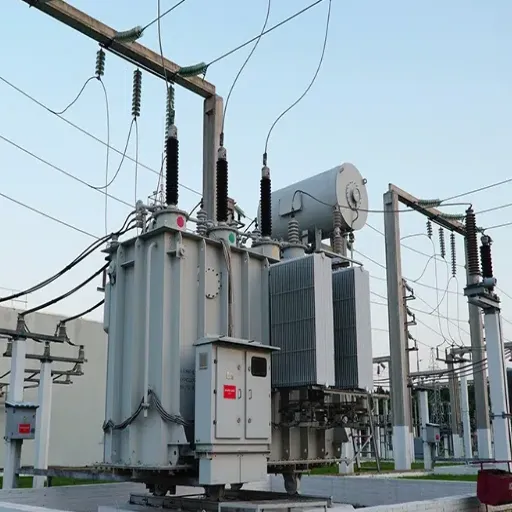
Electricity transmission systems use step-up transformers because these devices increase the electrical power voltage to enable power transmission over extended distances. The system preserves transmission energy by minimizing losses, which guarantees that customers receive power efficiently and dependably. The transformers use electromagnetic induction to boost voltage because they possess more secondary coil windings than primary coil windings.
Power stations use step-up transformers to boost turbine-generated voltage from 11-33 kV to standard transmission voltages, which range from 132 kV to 765 kV. The system achieves its economic benefits because high voltage transmission leads to lower current levels, which results in reduced energy expenditure for heat transmission line losses. The current technological innovations in material science and design methodologies have increased system performance to a level where 99.75% operational efficiency becomes achievable.
The present report indicates that the global transformer market experiences rapid growth, which will reach a value of USD 98.88 billion by 2030, while maintaining a 7.07% compound annual growth rate from 2022 to 2030. The renewable energy investments, smart grid initiatives, and infrastructure renovation requirements drive the market demand for efficient step-up transformer solutions, which resulted in this business expansion. The upcoming energy systems will achieve sustainable operation because real-time monitoring technology improvements and insulation material advancements will enable these transformers to operate optimally.
How Step-Down Transformers Work
Step-down transformers serve as essential systems that transform high-voltage electrical power into lower voltages for use across residential, commercial and industrial sectors. The transformers function through two windings that operate based on electromagnetic induction, where the primary winding connects to the high voltage source and the secondary winding produces the lower voltage. The system achieves voltage reduction through primary and secondary coil turns ratio modifications. The system creates the step-down result through primary coil turns that exceed secondary coil turns.
The transformer with a 10:1 turns ratio will output an output voltage of 1,000V when receiving an input voltage of 10,000V. Step-down transformers serve as essential components in power distribution networks, which use them to change transmission line electricity from hundreds of kilovolts to 220V or 110V, which serves residential and business needs.
The development of step-down transformer systems now incorporates high-temperature superconducting materials, which enhance system performance by reducing energy losses. The global transformer market shows that modern step-down transformers enhance grid efficiency through system upgrades, which improve electricity delivery reliability in developing areas. The contemporary designs now use real-time monitoring systems with IoT sensors to gather performance data about temperature, voltage and efficiency, which helps in detecting system faults at early stages.
Step-down transformers serve as essential components in smart grid systems because they help distribute electricity and manage the increasing demand for power that arises from worldwide electricity consumption growth and renewable energy integration.
Key Differences in Operation
Step-down transformers reduce electrical current voltage levels to safe voltage outputs that homes and businesses, and factories can use. The primary winding of the transformer receives high-voltage electricity, which the secondary winding blocks through its fewer turns, thus creating a lower output voltage. Engineers now achieve higher transformer efficiency through the development of new materials that work with modern design methods to decrease energy losses during voltage conversion operations.
Modern step-down transformers now operate with efficiency rates that reach 98% when they operate under optimal load conditions, thereby reducing power wastage. The International Energy Agency reported in 2023 that transformer upgrades using amorphous core materials will produce annual energy savings of 60 terawatt-hours when applied to power grids worldwide.
Step-down transformers and smart grid systems operate differently because each technology serves a distinct operational purpose. The new transformer systems now incorporate performance monitoring systems together with IoT sensors that track actual operating data. The recent studies demonstrate that IoT-enabled transformers can decrease downtime by 30% through their use of predictive maintenance, which secures grid operational reliability. The use of digital technologies in transformer systems shows a positive impact on performance, adaptability and energy efficiency improvements in power distribution systems.
Key Differences Between Step-Up and Step-Down Transformers
Coil Windings and Voltage Ratios
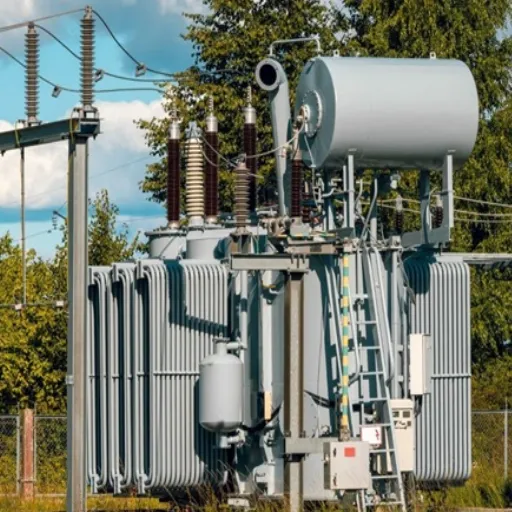
The operational capabilities of step-up transformers and step-down transformers emerge from their unique coil windings and voltage ratios. A step-up transformer increases the voltage from the primary coil to the secondary coil, featuring more turns in the secondary winding compared to the primary. The system enables efficient electricity transmission across extensive distances because elevated voltage levels decrease energy waste during power distribution. The recent data shows that high-voltage step-up transformers can raise voltage levels to a maximum of 765 kV based on the grid requirements.
Step-down transformers operate by decreasing voltage through their secondary coil, which contains fewer winding turns than the primary coil. The transformers function as fundamental components for delivering power to end users because they maintain safe operating voltage levels for both residential and commercial electrical systems. Distribution substations perform voltage reduction from 11 kV or 33 kV to 240V or 120V for residential applications because this method protects users while maintaining system performance. The modern step-down transformers use IoT sensors for monitoring their coil temperatures and operational load, which enables performance optimization and reduction of maintenance downtimes. Data from recent studies highlights that advances in manufacturing and design have improved energy efficiency ratios by up to 96 to 98 percent for high-quality transformers in both step-up and step-down applications.
Current Behavior in Different Transformers
Step-up and step-down transformers represent the primary types of transformers, which serve different functions according to their construction and operational use. Power generation facilities use step-up transformers because they enable efficient long-distance electricity transmission through voltage level increases. The system provides a method to decrease energy transmission line losses, which becomes essential when operating with high-voltage systems. The latest advancements have increased efficiency ratios to more than 97% for modern designs of the product.
Step-down transformers operate closer to end users because they decrease voltage levels, which makes electricity safer for residential and commercial use in industrial settings. The advanced IoT technologies enable step-down transformers to monitor their operations in real time while tracking load performance and coil temperature and detecting faults, which helps reduce operational risks and maintenance expenses.
Distribution transformers, which serve as common step-down transformers in distribution systems, have achieved significant improvements in their operational efficiency and capacity to manage load variations. The latest research shows that distribution transformers achieve energy efficiency levels of 99.75% because of improved core materials and engineering practices that use amorphous steel. The development achieves energy loss reductions while producing environmentally friendly outcomes, which advances global energy sustainability goals.
Smart grid technology advancements have enabled railway systems and specific industrial applications to use auto-transformers. The power transformers are popular because their small dimensions and high efficiency enable power transfer between different voltage levels. The current auto-transformers use predictive maintenance software to detect anomalies and forecast failures, which enhances their reliability while reducing service interruptions.
Energy efficiency standards and sustainable energy solutions have remained the primary drivers of transformer technology development throughout history. A significant study shows that eco-friendly insulating fluids and solid-state transformers are being utilized more frequently now to create better energy transfer solutions for different industrial applications. The developments demonstrate how transformers contribute to solving the energy problems faced by contemporary society.
Efficiency and Losses in Transformers
Transformers require proper efficiency to operate efficiently because it affects their energy requirements. Modern transformers achieve efficiencies between 95% and 99% that depend on their particular size and operational purpose. The operation of transformers results in two types of losses, which are core losses and copper losses.
Transformers experience core losses because their core material must continuously undergo magnetization and demagnetization processes that depend on the current frequency and magnetic flux density. The copper losses occur when electric current passes through the windings because the copper resistance generates heat. The International Energy Agency (IEA) reports that approximately 2-3% of global energy is lost through transformer inefficiencies.
The operational losses that occur during system operation now have solutions through recent advancements, which include amorphous metal cores and high-efficiency winding designs. The use of amorphous metal cores leads to lower energy consumption because they create less hysteresis loss than conventional silicon steel cores. The digital monitoring system enables transformers to work at their optimal performance level by adjusting their operations based on current load needs and changing environmental conditions.
The cutting-edge technologies and transformer designs function as essential elements for decreasing operational costs while assisting worldwide efforts to transition toward renewable energy systems.
Real-World Applications
Step-Up Transformers in Power Grids
Power grids use step-up transformers because these devices increase power line voltages to enable effective electrical power distribution across extensive distances. The transformers function by raising voltage levels, which decreases power losses through transmission lines because lower current levels result in less heat production. The United States uses three transmission voltage levels of 69 kV, 115 kV, and 765 kV for different transmission distances and regional grid requirements. High-voltage transmission systems decrease power losses because transmission losses increase in accordance with current flow squared (I²R losses). The implementation of step-up transformers has emerged as the primary method to decrease electricity expenses while satisfying increasing power requirements.
Renewable energy systems depend on step-up transformers because these transformers provide their basic operational needs. Medium-voltage electricity generation occurs at solar farms and wind parks, which operate within the voltage range of 12 kV to 35 kV. The electrical system uses step-up transformers to boost voltage levels, which will transmit power into the high-voltage transmission grid. The system transports clean energy to urban areas through optimized delivery methods that reach extended distances.
The efficiency of transformers improves through modern materials and design enhancements, which use amorphous core technology to achieve 70% no-load loss reductions compared to standard silicon steel core technology. The power grid system needs these innovations because it requires renewable energy solutions to create modern power grid systems that become common across the world.
Step-Down Transformers in Consumer Electronics
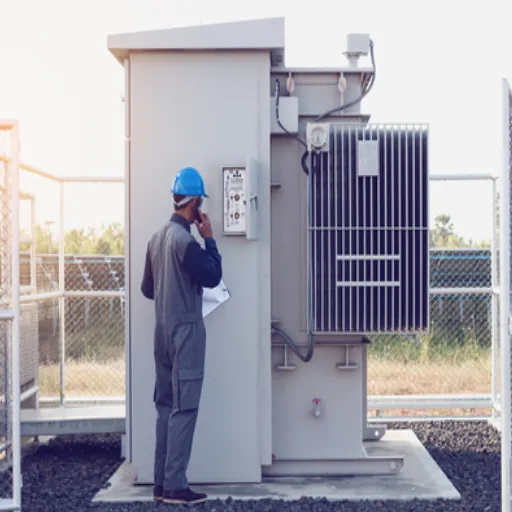
Step-down transformers operate multiple consumer electronics devices because they change high-voltage electricity from power grids into lower voltages, which work for home appliances. These transformers ensure that equipment such as laptops, smartphones, televisions, and home appliances receive the appropriate power levels without overloading or causing damage.
According to recent data, global sales for step-down transformers are projected to grow at a compound annual growth rate (CAGR) of approximately 6.5% from 2023 to 2030, driven by the increasing demand for energy-efficient electronics and smart appliances. Modern transformers use advanced materials, which include ferrite cores to deliver superior performance while decreasing energy waste. The introduction of voltage regulation systems that operate automatically in transformers provides both stability benefits and extended operational time for all devices that connect to the system.
The developments support the current trend, which requires energy-efficient systems that decrease electricity waste and help organizations achieve their environmental sustainability targets. For instance, many manufacturers are now designing transformers with higher efficiency ratings, such as the U. S. Department of Energy’s (DOE) proposed standard for distribution transformers, which aims to improve energy efficiency by 26-50% depending on the design. The system not only protects devices from damage but also leads to a major decrease of global residential energy usage.
Comparative Use Cases in Industry
All industries now require energy-efficient transformers because businesses must lower operational expenses and comply with strict energy conservation standards. The manufacturing sector depends on high-efficiency transformers because they power heavy machinery while decreasing energy waste. The recent market analysis report shows that energy-efficient transformers used in industrial operations can decrease electricity waste by 30%, which results in companies saving tens of thousands of dollars each year.
Transformers in the renewable energy sector function as essential components that link solar farms and wind farms with power grid networks. The efficiency of amorphous core transformers exceeds that of traditional silicon steel core systems by 60% when used in modern applications. Wind energy projects that used high-efficiency transformers resulted in a 20% decrease of energy transmission losses according to research conducted by the International Renewable Energy Agency (IRENA).
The healthcare sector uses these technological advancements by employing energy-efficient transformers in MRI machines and diagnostic devices. The efficient transformers provide power stability, which enables advanced medical systems to operate without high utility expenses.
The use cases demonstrate how various industries implement solutions for their energy problems. Companies can achieve sustainable operations and decrease CO2 emissions while obtaining economic advantages through the implementation of advanced transformer technology. Energy-efficient transformers serve as essential elements of contemporary infrastructure systems, according to industry research data.
Reference Sources
Experimental Analysis of Transformer Efficiency
Key Findings: This study investigates the efficiency of step-up and step-down transformers under varying load conditions. It highlights how resistor/load manipulation impacts transformer performance.
Methodology: Experimental procedures involved testing transformers with different load values to measure efficiency and performance metrics.
IoT-Based Monitoring of Distribution Transformers
Key Findings: The research focuses on the application of IoT for real-time monitoring of step-up and step-down transformers in power distribution systems. It emphasizes improved operational efficiency and fault detection.
Methodology: IoT sensors were integrated into transformer systems to collect and analyze data on voltage, current, and temperature.
Detailed Modelling and Simulation of Single-Phase Transformers
Key Findings: This paper presents two approaches for modeling single-phase, two-winding transformers, including step-up and step-down auto-transformers. It provides insights into their operational characteristics and simulation results.
Methodology: The study used detailed mathematical modeling and simulation techniques to analyze transformer behavior under different scenarios.
Frequently Asked Questions (FAQs)
What is the difference between step-up and step-down transformers?
Step-up transformers increase electrical voltage from primary circuits to secondary circuits while decreasing current flow between those circuits. Power plants use this transformer type to achieve efficient electricity transmission across extended distances. Step-down transformers decrease voltage during distribution to create electrical power that residential areas and commercial buildings and industrial facilities can safely use.
How do step-up transformers ensure efficient power delivery?
The electricity transmission process experiences less energy loss because step-up transformers function as vital system components. The system reduces current flow through power lines because they raise voltage levels, which leads to decreased energy loss and heat production. This method enables power companies to transmit electricity across extensive distances while maintaining efficiency and system reliability.
Where are step-down transformers commonly used?
Step-down transformers operate in electrical grids to deliver the necessary voltage levels that end consumers require. The technology exists in both residential neighborhoods and industrial zones to match electrical output with the safety needs of residential devices, office machinery and industrial equipment.
How do step-down transformers contribute to sustainability?
The combination of step-down transformers with contemporary energy-efficient systems results in increased operational performance. The transformers achieve energy savings through their design, which decreases core losses and enhances copper winding performance, thereby helping to meet sustainability targets while reducing CO2 emissions in multiple environments.
When should I choose a step-up transformer over a step-down transformer?
Your power needs will determine which option you should select. The transmission of electricity over extended distances requires step-up transformers which function as distribution network components for industrial operations. Select a step-down transformer to achieve safe voltage reduction which works with electronic devices and residential outlets in your local distribution network.
Do energy-efficient transformers apply to both step-up and step-down types?
Energy-efficient transformers exist without restriction to either type because they work to decrease energy waste through their designated use cases. The system uses advanced insulation materials and optimized design and improved magnetic cores to deliver consistent power while decreasing operating expenses and achieving financial savings throughout its entire service life, whether used for voltage enhancement or reduction.