
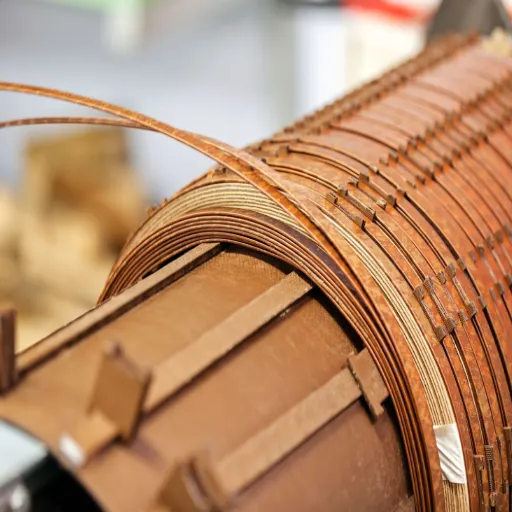
Understanding Transformer Losses: No-Load, Load & Total Losses

The present electrical systems require transformers as vital components because these devices enable power distribution through networks while ensuring reliable energy transmission. Transformers display operational inefficiencies that occur in all standard electrical equipment. The process of optimizing performance and reducing operational costs requires knowledge of the three transformer loss types, which include no-load losses, load losses, and total losses. The blog post examines the different types of losses by analyzing their operational processes, their effects, and their overall importance. The article provides valuable information that helps engineers, energy managers and general readers understand and solve problems related to transformer inefficiencies.
Introduction to Transformer Losses
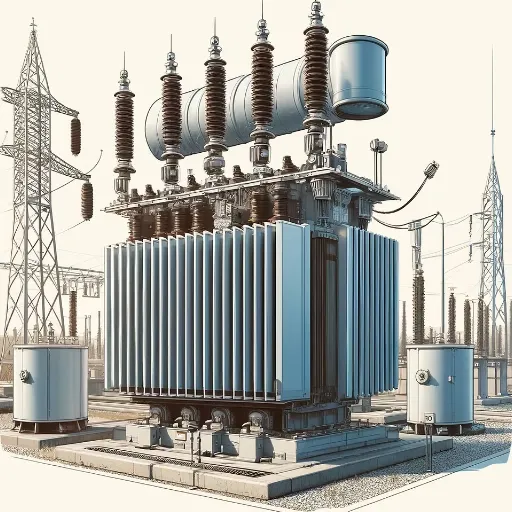
Importance of Transformer Efficiency in Power Systems
Modern power systems depend on transformer efficiency because it determines both energy savings and system reliability, and total system operational costs. Transformers serve as voltage converters in power distribution systems, yet their energy losses at low transformer operations throughout extensive regions create severe challenges. Optimization of transformer systems becomes essential because system losses create about 2-3 percent of global electrical energy waste, according to recent research.
The no-load core losses and the load copper losses constitute the two major types of electrical losses. The constant core losses of a transformer happen when it operates without supplying any load because core material keeps magnetizing. Current data shows that core losses constitute 20 to 30 percent of total transformer losses. The winding conductors experience copper losses because of their resistance, which changes according to the load. The loss figure increases in a squared fashion as load rises, while this figure accounts for 70 to 80 percent of total loss.
Transformers require high-efficiency designs to achieve their target loss reduction goals. The amorphous core transformers use advanced materials that reduce core loss properties to achieve 70 percent energy loss savings when compared to traditional silicon steel core designs. The use of aluminum and copper as low-resistance materials for windings results in lower copper losses which helps performance improvements.
The global demand for sustainable practices has led to regulatory requirements that mandate higher transformer efficiency standards. The U. S. Department of Energy energy efficiency standards and the European Union EcoDesign Directive regulations both establish mandatory minimum efficiency requirements for transformers. Reports suggest that adhering to these higher standards could reduce CO2 emissions by millions of metric tons annually.
The process of enhancing transformer efficiency results in both decreased energy use and reduced operational expenses, which simultaneously support environmental protection goals. The combination of smart grid technology and predictive maintenance development creates additional efficiency benefits through its capacity to monitor performance in real time while enabling operational control at peak efficiency levels.
Overview of Types of Losses in Transformers
The operation of transformers encounters two main loss categories, which include core losses that refer to iron losses and copper losses. Core losses occur due to hysteresis and eddy current losses which his magnetic field travels through core materials. Power supply frequency and core material characteristics directly affect energy losses, which typically range between 1 and 3 percent in modern transformer systems.
Electrical devices experience copper losses through their winding coils because of the resistance found in their copper wire components. The load determines this type of loss, which increases according to the current squared value. The full operational system at total load demonstrates that copper losses create an energy loss which reaches 2-4 percent of all input power. Recent data indicate that improving transformer efficiency could significantly reduce global energy wastage.
High-efficiency transformers with amorphous metal cores achieve 70% reduction in energy losses when compared to standard transformers that use silicon-steel core technology. Current advancements will result a reduction of greenhouse gas emissions which will amount to tens of millions of metric tons per year thus helping organizations achieve their sustainability goals.
Solid-state transformers (SSTs) represent emerging technologies that achieve higher efficiency through their ability to optimize voltage management while they work with renewable energy systems. The industry can achieve significant progress in energy efficiency and the reduction of carbon emissions through ongoing innovation and the implementation of energy-efficient design solutions.
No-Load (Core) Losses
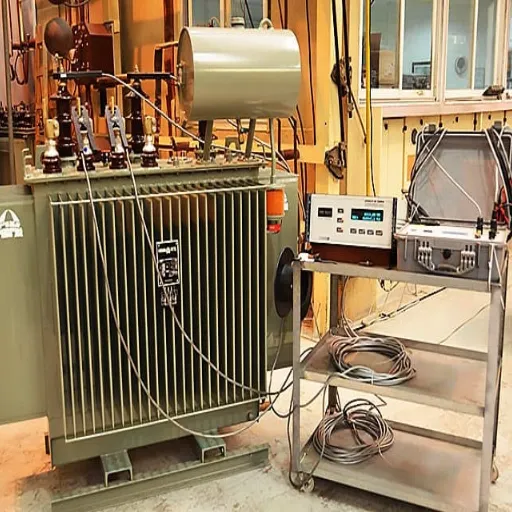
Causes and Impact of No-Load Losses
The core of the transformer creates no-load losses, which engineers identify as core losses because the transformer works without providing any electrical output. The two main components of these losses include hysteresis losses and eddy current losses. When alternating current passes through the core material Hysteresis losses occur because the core material experiences continuous magnetization and demagnetization cycles. Eddy current losses occur because electrical currents called eddy currents flow through the core material.
According to current research findings No-load losses usually represent 20-30% of all transformer energy losses. The primary method for achieving loss reduction in core material quality improvement. Advanced amorphous metal cores create substantial loss reductions because their high magnetic permeability, together with their reduced hysteresis effects, creates this effect. Transformers that use amorphous metal cores achieve 75% reduction in no-load losses when compared to traditional silicon steel cores.
These developments are essential for the operation of contemporary electrical power networks. The continuous operation of transformers makes even small no-load loss reductions result in significant energy conservation throughout their operational lifespan. The United States grid system will save multiple terawatt-hours of electricity every year if the system achieves a 1% reduction in losses across the entire grid system, which represents enough power to supply hundreds of thousands of households. These measures support worldwide efforts to enhance energy efficiency while decreasing environmental damage.
Hysteresis Loss in Transformers
Transformers lose energy through hysteresis because their core material experiences continuous magnetic reversals during the operation of alternating current. The core material produces thermal energy through its process of magnetization, which leads to energy dissipation that depends on the size of the core material’s hysteresis loop. The Steinmetz equation establishes a connection between hysteresis loss and the alternating current frequency and core material characteristics.
Transformers achieve reduced hysteresis loss through advanced core technology which employs high-quality silicon steel and amorphous metal materials. Amorphous metal transformers show a 70% decrease in core losses when compared to standard silicon steel transformers. The research indicates that if this practice becomes widespread, it will result in yearly energy savings of about 15 terawatt-hours worldwide which translates into millions of metric tons of reduced carbon dioxide emissions.
The core hysteresis reduction methods utilize materials that exhibit minimal core hysteresis while researchers create optimal core designs and advanced insulation methods. The measures constitute essential components that enable transformer efficiency enhancement in distribution and power applications and that support sustainable energy objectives while decreasing operational expenses throughout the transformer’s operational period.
Eddy Current Loss and Its Impact
The phenomenon of Eddy current loss emerges when an alternating magnetic field causes circulating currents to form within a transformer’s conductive core. The currents produce heat while they decrease energy efficiency which leads to major energy losses that harm the transformer’s operational performance. Core laminations function as a solution that divides conductive material into multiple thin insulated sections to decrease eddy current flow.
New research shows that eddy current losses in transformers can produce 20-30% of total core losses, according to the specific design and material selection. The implementation of advanced technologies through high-grade silicon steel and nano-crystalline alloys for core construction results in a reduction of eddy current losses, which reaches 40%. The specific lamination thickness, which operates between 0.2mm and 0.35mm, establishes an effective method for reducing these losses.
The new technologies that we developed enable compliance with energy efficiency requirements that include DOE 2016 in the United States and Ecodesign in the European Union, which require transformers to meet higher efficiency standards. The implementation of these methods enables operators to decrease their energy consumption during operations while they work toward sustainability targets and international greenhouse gas emission reductions.
Load (Copper) Losses
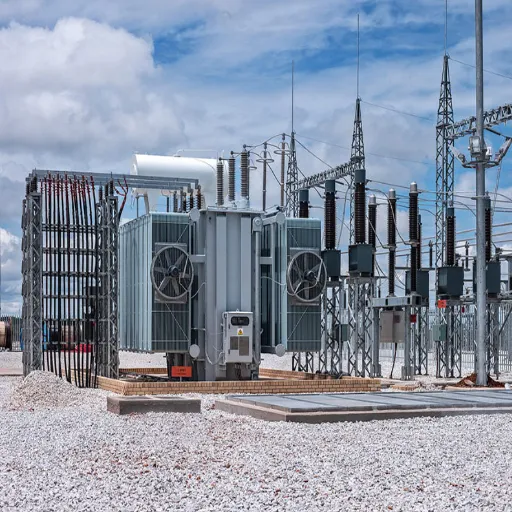
What Are Load Losses?
The transformer winding·direct current·results in load losses which people call copper losses. The losses occur because the winding conductors operate with resistance, which causes energy to transform into heat. Load losses increase with load current because they grow at a rate that corresponds to load current squared according to transformer power output.
Recent study findings indicate that load losses account for 20-25% of total energy loss found in standard transformers. High-capacity transformers exhibit load losses between 1-5% of their capacity because the actual load losses depend on materials and winding design. The implementation of low-resistance copper windings combined with better design optimizations leads to substantial loss reduction which improves energy efficiency.
Transformer designers need to develop load loss reduction methods that fulfill both global energy demand and sustainability requirements. The transition to high-efficiency transformers will reduce yearly energy usage by multiple terawatt-hours, which leads to decreased operational expenses and reduced carbon emissions. The industry can solve this important transformer performance issue through the use of advanced materials and new design methods.
Factors Contributing to Copper Loss
People refer to copper loss as I²R loss, which occurs when current flows through winding resistance in a transformer. The winding experiences energy loss, which becomes present according to the current square value and the resistance present in the winding. Multiple elements create a major impact on copper loss:
- Current Flow and Load Levels
The copper loss increases as the current flowing through the windings rises, particularly under heavy load conditions. Transformers experience peak capacity operation, which results in copper losses that decrease their thermal performance and operational efficiency, according to industry research. - Conductor Material
Copper loss depends on the resistivity of conductor materials. The industry standard material for transformers, copper, has a low resistivity of approximately 1.68 µΩ·cm, but researchers are investigating advanced alloys and superconducting materials to develop new methods for loss reduction. - Winding Temperature
Transformer windings experience resistance changes that occur in response to temperature variations. The resistance of copper increases by approximately 0.393% for every degree Celsius rise in temperature. The use of advanced cooling and insulation solutions becomes essential because copper loss increases at higher operating temperatures. - Frequency of Operation
Skin and proximity effect losses in electrical systems experience frequency-based changes because alternating current uses different conductor distribution methods at various frequency ranges. The data demonstrates that proper design changes enable transformers to operate at higher frequencies, which helps reduce additional losses.
Manufacturers use advanced winding designs and superior conductor materials, and optimized cooling systems to decrease copper losses while they enhance energy efficiency. The U. S. Department of Energy estimates that transformer efficiency improvements will result in annual electricity savings of more than 93 terawatt-hours in the United States, which can supply power to multiple million households. The need for continued investment in innovative transformer technologies has been confirmed by this evidence.
Minimizing Load Losses in Transformers
The transformers experience load losses, which engineers call copper losses because their windings impede electrical current flow. Engineers and manufacturers use new technological developments together with strategic methods to achieve better results in controlling these losses. The use of advanced conductor materials, which include aluminum and copper with superior electrical conductivity, creates an efficient solution because these materials reduce resistance, which results in lower energy loss.
The current design practices have adopted modern design methods, which include windings cross-sectional area optimization and compact coil design implementation. High-grade transformer steel serves as the core material for core construction, while properly designed laminated cores prevent eddy currents and increase operational efficiency.
Transformers utilize digital monitoring systems for real-time performance evaluation, which identify system faults while optimizing power distribution. The International Energy Agency (IEA) conducted a study that found that smart grid technology implementation, combined with advanced transformers, leads to 15% load loss reduction. The whole lifespan of the transformer system will result in lower operational expenses and reduced greenhouse gas emissions.
The utilities and industries sector investigates amorphous metal cores, which provide reduced magnetizing losses and uses liquid-immersed cooling systems that feature advanced thermal control. The techniques achieve an effective reduction of energy waste that occurs during different load situations.
The industry aims to enhance energy efficiency and sustainable development through the implementation of these new technologies. The development of low-loss transformer systems requires combined financial backing and governmental assistance to expedite their market entry. The worldwide reduction of load losses will result in electricity savings that total hundreds of terawatt-hours annually, thus helping to achieve climate and energy goals.
Types of Losses in Power Transformers
Core Losses vs. Copper Losses
Transformer power losses exist as two distinct categories, which include core losses and copper losses that determine transformer energy efficiency. The core transformer system experiences core losses, which people refer to as no-load losses because of transformer core magnetization. The system losses remain unchanged during all load conditions because core material quality and design decide their actual performance. Modern amorphous core transformers achieve core loss reductions of up to 60% when compared to traditional steel core transformers based on recent research findings.
Copper losses occur in transformer windings because the current flow through them meets their inherent resistance. The two factors establish an absolute relationship that leads to load current that produces square dimensions. The combination of modern winding techniques and high-conductivity materials, which include advanced copper alloys and aluminum windings, leads to significant decreases in these specific losses. Industry reports indicate that optimized copper winding designs enable electricity savings of approximately 20%, which occurs during high-load operational periods.
Transformers achieve their highest efficiency level when both core losses and copper losses reach their minimum possible values. The development of advanced computational models has become essential for manufacturers and policymakers who need to design transformers that comply with new efficiency standards while pursuing global energy-saving goals.
Total Losses in Transformer Operations
The losses in transformers can be classified into two primary categories which consist of core losses and copper losses. The core losses, which consist of hysteresis and eddy current losses, show constant behavior across all transformer loading states. The copper losses rise at a rate proportional to the square of load current, which results in these losses becoming critical during periods of maximum load.
New research shows that modern high-efficiency transformers achieve 50% lower energy losses when compared to earlier transformer designs. Energy-efficient transformers with amorphous metal cores can achieve 70% core loss reductions when compared to standard silicon steel core transformers. The implementation of conductors with higher conductivity, together with systems that enable uniform current distribution, results in decreased copper losses. Research conducted in industrial settings shows that superior cooling systems enable organizations to sustain their energy efficiency because equipment overheating results in significant energy loss.
The U. S. Department of Energy estimates that high-efficiency transformers will enable commercial and industrial sites to save 200 terawatt-hours of electricity each year until 2040, which will lead to 150 million metric tons of reduced carbon emissions. The technological advancements fulfill international sustainability requirements, which establish the necessity for ongoing transformer research and development efforts.
Identifying and Classifying Different Types of Losses
Transformers experience energy losses during operation, which can broadly be categorized into two main types: core losses (no-load losses) and copper losses (load losses). The core experiences core losses because its magnetization causes core energy loss even when the transformer does not supply any electrical load. Core materials experience current flow, which generates eddy currents that result in losses, together with hysteresis losses that depend on the core material properties.
The electrical resistance of winding conductors causes copper losses to occur when the transformer operates at its load capacity. The losses increase with the square of the load current, which explains why efficiency becomes crucial at maximum load conditions.
The latest information shows that current transformer designs have cut their energy loss rates by more than half. The International Energy Agency (IEA) report states that advanced materials like amorphous metallic cores will decrease core losses by 70% when compared to traditional silicon steel cores. High-efficiency transformers with optimized design can lower energy losses from their systems by 20-30% when compared to traditional transformers, which creates substantial financial benefits for industrial operations.
The assessment of core and copper losses enables manufacturers and industries to achieve better transformer efficiency while supporting global decarbonization goals and enhancing energy system sustainability.
Practical Application of Transformer Efficiency

The Economic Impact of Reduced Energy Losses
The reduction of energy losses that occur during transformer operation results in two advantages: it protects the environment and creates separate economic advantages. Industrial facilities across the globe will save 80 terawatt-hours (TWh) of electricity until 2030 because of high-efficiency transformers, according to recent research findings. The energy savings lead to annual CO2 emission reductions that amount to approximately 60 million metric tons, which supports international decarbonization targets that include the Paris Agreement requirements.
High-efficiency transformers require an upfront payment, which companies will recover through their future energy expense reductions. Industries can decrease their yearly electricity costs between 15% and 25% when they switch from outdated transformers to new transformers that meet their operational needs. The economic advantages of energy-efficient technology upgrades are enhanced because multiple regions, including the U. S. and the EU, provide tax incentives and rebates to support these upgrades.
The implementation of advanced solutions enables industries to achieve financial success while participating in worldwide energy conservation efforts, which create benefits for both businesses and environmental health.
Real-World Applications of Loss Mitigation Techniques
Various industries use loss mitigation techniques to enhance energy performance while decreasing operational expenses. Intelligent energy monitoring systems become essential tools for manufacturing facilities because they help businesses achieve considerable cost reductions. The latest reports show that companies using this technology have achieved energy usage reductions reaching 15%, which results in significant financial savings during extended periods.
The commercial real estate market is increasingly adopting smart building technologies, which include advanced HVAC systems and automated lighting controls. Buildings that implement these technologies can achieve 2023 data, which shows operational cost reductions of about 25% and a carbon footprint reduction of close to 30%.
Fleet management and route optimization have become common practices within the transportation industry. McKinsey conducted a study that demonstrated that companies in the logistics field reduced their fuel waste through loss mitigation methods by over 20%.
Advanced techniques and emerging technologies drive economic growth and environmental protection through their implementation in industrial operations, according to these examples.
Reference Sources
- Design and Analysis of Sen Transformer Using FEM and No-Load Loss Calculation – Discusses localized fluxes and no-load loss calculations.
- Modeling and Analysis of Amorphous Steel Transformer for Potential Loss Reduction in Power Systems – Examines no-load and load losses in transformers for energy efficiency.
Frequently Asked Questions (FAQs)
What are transformer losses, and why do they matter?
Transformer losses describe the energy losses which happen when electrical transformers operate to transmit and distribute electricity. The system losses create a significant impact on power system efficiency because they determine system performance, while their expenses affect both system operation and environmental sustainability. Industries can achieve better energy efficiency through transformer loss understanding, which helps them reduce energy waste while increasing their system dependability.
What is the difference between no-load losses and load losses in transformers?
The transformer core experiences no-load losses, which people call core losses because these losses occur when no electrical load is present. The main cause of these losses stems from core magnetization, which depends on both core material properties and operational frequency. The transformer windings experience load losses, which people call copper losses because electrical power flows through them during transformer operation. The windings create resistance, which causes power losses that increase when the transformer load rises.
How is the total loss in a transformer calculated?
The total loss of a transformer system results from adding no-load losses to load losses. The no-load losses of a transformer system stay the same through all operating conditions, while its load losses change with the current that flows through its windings. Engineers use total loss calculations to find the complete efficiency of transformer systems, which also helps them discover areas that need efficiency improvements.
What measures can be taken to mitigate transformer losses?
Multiple methods exist to decrease operational losses in transformers, which include using high-efficiency core materials and designing windings with reduced electrical resistance and operating transformers at their maximum capacity for energy loss prevention. The combination of predictive maintenance techniques with standard inspection methods enables organizations to identify problems before they develop into major system failures, which helps them reduce operational losses.
How do emerging technologies assist in minimizing transformer losses?
The combination of digital monitoring systems with IoT-enabled sensors and machine learning analytics functions as essential tools that help decrease transformer losses. The tools provide operators with real-time transformer performance data, which enables them to identify operational issues that require quick resolution. The combination of automation with AI-based optimization methods results in better load management systems, which increase overall energy efficiency.
Why is it necessary to solve transformer losses in industrial and commercial operations?
The industrial and commercial sectors need to solve transformer losses because these losses directly affect their operational costs and energy expenses. The organization achieves three benefits through loss reduction because it results in lower electricity costs, decreased carbon emissions and enhanced system sustainability. The system continues to function effectively, which provides dependable power needed to support both business activities and continuous operations.