
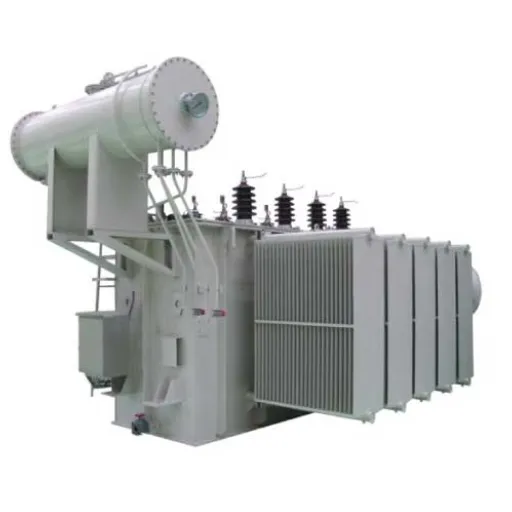
Transformer Oil Types: Mineral Oil vs Natural Ester vs Synthetic

The performance and the lifetime of transformers are largely affected by the kind of oil used in their operation. A transformer oil is practically an uncelebrated workhorse that insulates, cools and shields against electrical failures. Nevertheless, not all oils meant for transformers are equal. Every one of the products such as mineral oil, natural ester oil and manufactured oil has advantages and disadvantages and therefore brings a specific choice of oil in question for both engineers and organizations. A discussion of these three categories of transformer oil types and how they differ and which one is applicable in situations is explained in this article.
Understanding Transformer Oil
Purpose of Transformer Oil
It is evident that transformer oil is of utmost importance for the smooth functioning and dependability of the transformer. The major function it performs is the insulation and cooling of the critical transformer parts i.e the windings and the core, by avoiding electrical breakdowns and absorbing the heat generated inside. Such measures enable the transformer to function optimally at all load levels without enhancing the occurrence of electrical failures.
Another key importance of transformer oil is its dielectric nature, providing insulation between the components of the transformer. As a result, these fragile components are safeguarded against any high voltage electric rise, and even short circuits. Apart from that, it also prevents arcing and enhances the protection of the transformer, which is crucial for keeping it in a healthy state.
Furthermore, transformer liquid also serves to inhibit incursion of moisture and contamination that can cause insulation materials to break down as well as affect the performance of the transformer. It also helps in preventing the oxidation and corrosion of the metallic parts of the equipment which in turn enhances the lifespan of these metallic parts. Indeed, transformer oil is important in maintaining the operation of transformers in various industrial and power distribution activities which explains why it is useful and vital.
Role of Transformer Oil in Electrical Systems
The inclusion of transformer oil is an essential ingredient for the safe functionality of systems’ electrical reasoning wherein it serves multiple functions that are practically needed for sustaining the performance, life-instinct, and safety of the transformer. Here below are the five img key roles of transformer oils with detailed explanations.
- Insulation: Transformer oil is highly excellent in electrical insulation and blocks electrical discharges into the transformer; as a result, the materials at high voltage are properly separated and the risk of short circuiting becomes less.
- Cooling: In an utmost technological analogy, transformer oil might be considered as a cooling medium that removes heat from critical constituents of the transformer. Thus, it obviates overheating and ensures safe performance of the transformer at permissible levels of temperature, even under high load situations.
- Protection against Contaminants: It creates a barrier that shields against dirt, moisture, and any other contaminants. This is very critical in keeping insulating materials away from degradation and minimizing the risk of electrical failures.
- Resistance to Oxidation: Transformer oil is designed to fight against oxidation and thereby prevent common corrosion and rust in the binding wires and other parts of the transformer. Increased service lives of the transformers considerably reduces the regular maintenance of the transformer.
- Arc Suppression: Though there are some essential functions performed by the transformer oil, arc suppression is of utmost importance. While the transformer is in operation, instances of electrical arcs might occur. Transformer oil thus serves to smother these arcs by creating a non-conductive state in their environment where they turn into a safe function area.
In summary, transformer oil does many of the critical functions that power industrial and power distribution operations. PProtectionumptechical area.
Different Types of Transformer Oils
Different transformer oil types are made for different use conditions and operational requirements. The most widespread are the following:
- Transformer Oil with a Mineral Base: The most common transformer oil is based on mineral oil, that is a refined product of oil, or crude oil. This type of transformer oil is especially in demand because of its outstanding properties in terms of cooling, apart from the fact that it is cheap. Unfortunately, it is less green than other alternatives since it is not easily broken down by environmental factors and may be hazardous in circumstances of leakage or spillage.
- Transformer Oil with a Silicone Base: The oils of silicone offer excellent temperature resistance qualities and self-extinguishing abilities. These oils are preferred in high temperature environments or applications where an increased level of fire protection is necessary. Although this type of oil can be more expensive than mineral oils, a necessity for safety and extreme conditions usually warrants the added cost.
- Nature Esters and Synthetic Esters: There are actual and synthesized esters that can be used alternatively to mineral oil, and they offer biodegradability. Vegetable-based natural ester oils show good compatibility with the environment and high levels of fire safety and thus are preferable for green projects. Synthetic ester oils share the same benefits but are more applicable for harsh conditions owing to their durability.
The selection of transformer oil types is determined by a number of parameters such as environment, operation and safety. However, in any case, maintenance and sampling of transformer oil should be adhered to in order to sustain the functionality of the transformer apparatus.
Classification of Transformer Oil Types
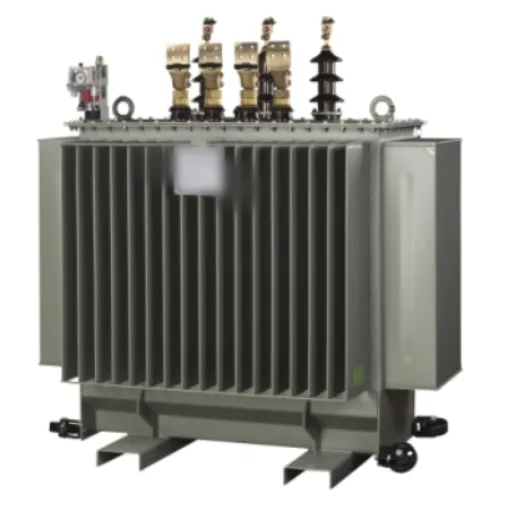
Mineral Oil: Characteristics and Applications
Transformer oils include, among them, mineral oil that is widely used for its ease of availability and low cost. Mineral oil is crude-oil based and can be categorized into two groups, i.e., naphthenic and paraffinic oils. While naphthenic oils are welcome for their low pour point and superior low temperature operation, paraffinic oils are more attractive due to a higher oxidation stability, making them a choice for use in some specific applications.
Mineral oil demonstrates excellent qualities as a dielectric, serving as the primary insulator and coolant within transformers. Its high thermal conductivity distributes heat effectively to keep the system functioning at optimum temperature and to prevent overheating. It promotes fire safety, as the oil is highly flammable. Therefore, areas with potential fire hazards or high population concentrations must be very cautious. Moreover, the environment might also have concerns, as mineral oil is non-biodegradable and remains a threat in terms of oil-spill.
Advancements in refining techniques help in enhancing performance of mineral oil. Larger hits are taken to stave off the effects of oxidation while lower gas formation makes mineral oil with new formulations “green.” This advancement ensures that mineral oil can be a potential option for many applications of transformers from sub to extra high power. When striking a discernible balance between the benefits and the essential safety and maintenance issues, the mineral oil, today, is therefore indispensable for the transformer industry.
Natural Ester: Properties and Benefits
Transformers have undergone a considerable transition among the latest eco-friendly and eco viable modifications. Natural esters, which are plant oil-derived substances, are bringing a significant revolution in any of the transformer system. The most informative fact to be revealed everywhere is that natural esters are biodegradable, thus reducing the environmental risk in case of oil leakage. The fluids also show excellent fire resistance properties because of their very high flash and fire points, making them suitable for use in very crowded urban areas or environmentally sensitive areas. Nature has been kind in providing us with these esters, thereby lessening a load on mother Earth by emitting lower carbon gases at the time of production. That is parallel to global sustainability goals in the energy sector.
From the technical standpoint, natural esters do have some admirable dielectric properties. They maintain a stable insulation under high electric stresses. They also handle moisture in a far better way than mineral oils. They accept more water without detracting from their insulating capabilities. It follows that this characteristic may reduce the rate of degradation, thereby making the cellulose insulation life of transformers last longer. Usually, natural esters are compatible with traditional materials used for transformers’ construction, whereas these oils can be conveniently retrofitted into current systems or incorporated into newly designed systems. Their operating temperature durability, last but not least, will be relevant to ensuring the cooling requirements of modern transformers.
While natural esters offer a multitude of benefits, they also come with challenges. They are often characterized as having a higher viscosity than mineral oils, which may restrict some transformer designs and efficiency while working in lower temperatures. Another challenge of using natural ester fluid for this purpose is the high cost compared to mineral oil due to the complex production processes and sourcing of raw material. Nonetheless, because of the decrease in the costs of production and the widening of applications due to advances in technology, the adoption of natural esters is expected to gather pace. On consideration of the environmental implications, enhanced safety, and severity of the performance levels, these ester fluids place themselves as an investment of promise for the future of insulation and cooling systems for transformers.
Synthetic Oils: Advantages and Use Cases
In many applications across industries, particularly where transformer oil types are used as both an insulating and cooling medium, synthetic oils have many uses and can be counted on. The major plus of these oils is that they are thermally very stable and can work to high temperature conditions. This means high temperature performance and subsequently longer equipment service. Synthetic oils are consumable oils as they do not get oxidized or decomposed with usage.
The other most common characteristic for synthetic oils is the ability to improvise electric properties, enhancing insulation and reducing possible electrical hazards. However, these changes are uncommon and in most cases, the utilities of the oils lie in its nature rather than structure as they are designed to conform with specific criteria and regulations. As this allows them to be manufactured more clearly, performance and behavior of synthetic oils do not deviate even in harsh factors.
In addition to their functions, synthetic oils provide an opportunity to create solutions that are customized to the users’ needs. This versatility creates an opportunity for the designing of specialized conditioners for transformers that have to operate under heavy loads or in environmentally safe zones. These oils tend to cost more than ordinary mineral oil, but in the long run, due to minimized downtime as well as improved performance, they become very economical for such operational purposes. In essence, the use of synthetic oils is an innovative approach towards ensuring the strict requirements of the contemporary electrical set-ups are met.
Transformer Oil Comparison
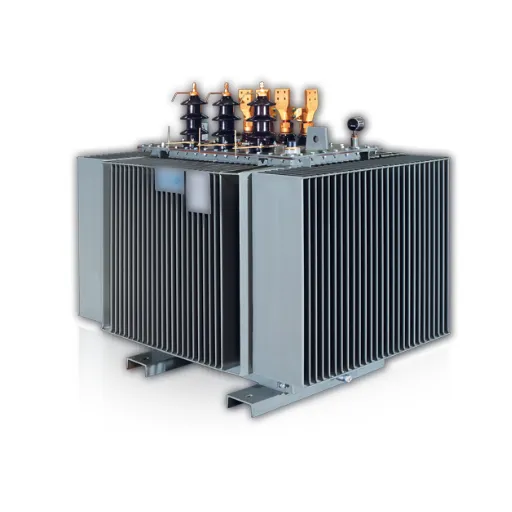
Dielectric Strength and Performance
One of the most significant aspects of dielectric strength in oils is the comparison of different transformer oil types as it determines how well the oil resists the flow of current. More often than not, synthetic oils have an advantage over mineral oils due to their homogeneous molecular arrangements which do not contain many contaminants thus making the oil more insulative. They exude such extreme electric strength even in the most uncomfortable situations such as highs and lows temperatures or wetness in the air, thus allowing transformers to work optimally even with the most sensitive shells. Rather, synthetic ester based oils are able to hit nearly 70 kilovolts of dielectric strength under normal conditions, which is considerably higher than what is found in many mineralizational oils.
Also, functionality of transformer oil types during the service is highly dependent on the heat conductivity of a given type of oil and indirectly on the efficiency of a given transformer oil. Synthetic liquids have good heat stabilizing properties, which improves the heat removal and also restrains wear due to operational temperature conditions, preventing degradation of the system. Such improvement in thermal properties in view of the applications of transformers of this class and size allows for longer efficiency of the system and it’s functioning as well. Not to mention the fact that the artificial transformer oils have tiny oxidation rate and therefore less wear and tear on the oil without the need for frequent re-mineralization of the oil.
In terms of environmental benefits, synthetic oils present better options, especially where biodegradable ester-based oils are concerned. The toxicity associated with spills or leaks of mineral oils, which are extracted from crude oil, is pertinent as these synthetic biodegradable oils eventually disintegrate in the surrounding. This minimizes the environmental impacts associated with the use of transformer systems. The outstanding dielectric and thermal properties complemented by environmental advantages of synthetic oils constitute a sound and sustainable alternative to the modern electrical infrastructure. Therefore, these oils are preferred for both conventional and industrial uses as they help maintain high-performance standards yet leaves room for the globalization of eco-friendly innovations.
Viscosity and Temperature Stability
The utilization of transformer oil depends greatly on its ability to circulate inside the system ensuring that the heat produced from the transformers is managed with ease. Transformer oils have low-viscosity to offer adequate fluidizing characteristics of compressed oils vying levels even at lower lying temperature thus eliminating the possibility of overheating, thereby helping the transformers function clear of all mechanical hiccups. Transformer oil types which have a characteristic of being maladaptive to the defined viscosity of any oil especially in hot and cold weather may indeed become impractical to use. In such cases as these, synthetic transformer oils are the best for this viscosity problem because they have the same viscosity within the wide range of temperatures.
A Very strong point of synthetic oils deserves mention about their exemplary resistance to temperature extremes. The oils are designed with the ability to continue working efficiently in warm and low-temperature settings as well. In Comparison with mineral oils, metallurgical oils are more stable in high temperature conditions, thus the useful cleanness of transformers is higher, as well as their service period. Even as there is a drop in temperature, they keep their viscosity low, so long as there is no problem of freezing. Due to this advantage, synthetic oils may be used in any geographic location with no regards to their intended use, hot deserts, or cold places with installations.
Additionally, the majority of synthetic oils are known to have high resistance against oxidation which contributes to the prevention of the accumulation of deposits like sludge overtime. They are formulated to withstand high temperatures without breaking down, thereby sustaining functionality during operating machines at higher capacities. The compressed oils where synthetic oils are used have been shown to extend the changeover intervals for the transformer vault and improve the energy using data from the previous research. Notably, adopting high-performance low-viscosity synthetics with optimal heat conductivities allows industries to increase the dependability, productivity and decrease the environmental impact of their electrical systems without having to incur significant costs in the future.
Flash Point and Fire Safety Considerations
This specification is very useful in considering the performance of transformer oils particularly in fire risk contexts. A flash point is defined as the that minimum temperature at which the oil gives off sufficient vapor to support combustion in the presence of a simple source of ignition. Since transformer oils with high flash points are safer in minimizing the hazards of fire risk, such liquids can be used effectively in industries even in extreme conditions. On most occasions, synthetic versions of transformer oils have considerably high flash points than the mineral oil varieties, and this is a great advantage especially in manufacturing and energy sectors.
Thermal stability of new releases of transformer oil types demonstrates higher charactereres, securing the media from behaving destructively at high temperatures. For example, lubes fortified with esters are favored due to their high flash points and being friendly to the environment. Fire safety studies have shown these petroleum based products have more complementary fire safety management strategies and adhere better to global fire safety requirements such as IEC 61039 or IEEE C57.91. Risk fire incidents integrating these oils in the transformers ensures that firms do not go into losses in fire related situations, like damage to crucial machinery.
The use of fire safe transformer oil types potentially decreased the insurance and risk cost concern on the facilities. Oil manufacturers together with maintenance operations should consider the flash point and ways in which fires can be controlled in the event they occur for safety purposes in combination with other factors which include for example ventilation and suppression systems, other control devices like fire alarms, among others. Adopting transformer oil types, especially those with high flash point, is practical and helpful for industries seeking safety, as well as professional compliance with changing standards.
Oil Selection for Transformers
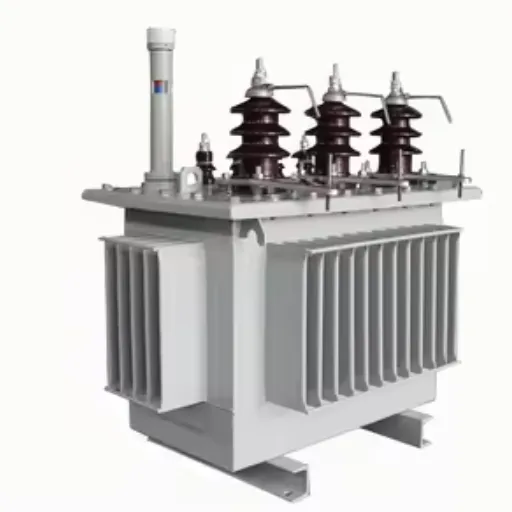
Factors Influencing Oil Selection
The proper selection of transformer oils consists of several factors, depending on performance, reliability, and safety. One major consideration is the thermal stability of transformer oils; it needs to maintain its insulation properties and be stable in viscosity even at extreme temperatures (never breaking through). It is thermal that makes sure the transformer operates efficiently even at full load and under adverse conditions. Oxidation stability is another important feature that goes a long way in maintaining the oil free from the attack of acids or sludge that could impair performance or reduce equipment life.
The dielectric strength of oil is also significant due to its ability to insulate electrical components directly. A high dielectric strength means the oil can act as a strong guard against electrical discharges and short circuits. This is an important attribute in applications where insulation is crucial to prevent failure in a system employing a high voltage. The oil must also have maximum compatibility with other materials used in the transformer. Paper insulation and seals must not be degraded by the oil nor should it react adversely with them. Such degradation types and undesirable reactions could create maintenance issues and lead to equipment failures.
Environmental and safety concerns today are the next major caboose of oil selection. Industries at the present time are serious about the use of environmentally friendly, biodegradable transformer oils to pay off their environmental credits. Since safety precautions are being brought more to the limelight, the necessity is for the oils to have a very low toxicity, coupled with a very high flash point, will only be made possible when a detailed discussion on this matter is taken. Or else, Emissions regulations are also requiring environmental standards for them being adopted. The necessity for using oils that fit in both dictated and proposed legitimate and moral boundaries becomes more mandatory than ever. This triage of factors would ultimately facilitate in achieving optimized transformer efficiency, service life longevity, and observance of global safety and environmental standards.
Guidelines for Choosing the Right Oil Type
When it comes to selecting a transformer oil type, achieving value for money in addition to maintaining an acceptable level of sustainability and success is important. Key considerations follow below:
- Performance of Dielectrics: It is essential that the transformer oil is able to support high levels of dielectric strength and so avoid electrical stress to which other materials would succumb resulting in electrical failure or breakdown.
- Hygenic Thermal Management: The thermal conductivity of oil should be good and so should be its low viscosity which helps in removing heat from the system thus lessening any chances of overheating the machine.
- Oxidation Resistance: Whereas oils resistant to oxidation form sludge and include acids with time, such feature build out the strength of the transformer systems.
- Moisture Absorption: The oil also needs to have very low levels of moisture content since the presence of moisture in oil would decrease the insulation properties of the oil hence the performance of the whole system.
- Effects on the Environment: Using oils which are biodegradable, are friendly to the environment, offers an opportunity for all these industries to be more environmentally friendly. As aims to achieve global sustainability grows, there is a general bias on the use of oils that are biologically produced, which are less toxic.
- Conformity to Regulations: The suitability of the oil selected in accordance to the industry standard, such as ASTM, IEC or any other domestic legislation regarding emissions, safety and the environmental should be ensured.
In most cases, transformer oil types used have low values of PCBs (Polychlorinated Bi-phenols) or are PCB-free oils. The allowed levels of PCBs in transformer oils are less than 20mg/kg to less than 50mg/kg depending on the country.
Case Studies on Oil Selection
Case Study 1: Transition to Bio-Based Oils in Manufacturing
A major car company just completed the move from petroleum-based mineral oils to bio-based oils in an effort to support the environment and sustainability. After a very thorough usage period of the new oils it was found out that not only did their use have less environmental impact, but also the machines even operated better as the oils were providing better lubrication under high-temperature conditions. Consequently, during the year of the transition, there was a 15% decrease in the time of the machinery standstill and the overall company’s carbon emissions were reduced by around 12%.
Case Study 2: High-Performance Synthetic Oils in Energy Production
An energy production plant which was producing the oil, however, was having problems with oil quality in high-load turbines. It was only after they introduced the use of synthetic oils, designed for temperatures above the usual, that the plant eventually declared that the oils brought with them not only better but also longer-term thermal stability in the turbines. The change that the company saw, as a result, was not only in the form of no longer frequent oil changes but it also brought them a 20% saving on maintenance and a 10% increase in operational efficiency over two years.
Case Study 3: Eco-Friendly Hydraulic Fluids in Construction
A construction company has adopted eco-friendly hydraulic oils in order to comply with very severe environmental regulations. They have chosen several sorts of biodegradable oils for their hydraulic systems, which not only met the environmental standards but also decreased the probability of soil contamination if the oils leaked. The situation that the company had to bear was turned into an improving one regarding their compliance record and their image as sustainable practitioners.
Through examining these applications, which really did happen, sectors can receive proper oil selection techniques that rank performance, sustainability, and compliance as top concerns. These instances are proof that the discussed benefits can be achieved by just utilizing sensible decision-making in oil selection.
Environmental Impact and Sustainability
Eco-Friendly Aspects of Different Oil Types
Oils very significantly in terms of their impact on the environment which depends on their sources, chemical composition, and disposal methods. Oils of plant origin, for example, soya, rapeseed, or sunflower oils, have attributes of biodegradability and low toxicity, thus are more sustainable compared to petroleum-based oils. These sources are renewable and also at the same time reduce the negative side of using the finite fossil fuels while most of the time but not always emitting fewer greenhouse gases throughout their production and use.
Besides, the negative impact of oils from synthetic sources is that they often excel in the arrangement and do not get cool in any way but their manufacturing processes are the ones which need more energy. Nevertheless, progress in the field of chemical engineering is creating the possibilities of even more environment-friendly synthetic lubricants, which are not only highly efficient but also less pollutant.
It is not waste oil itself but improper handling of it that causes the ecological impact to be reduced. Waste oils when not recycled or disposed of properly can enter into soil and water systems and cause contamination. Luckily, the latest changes in the refining of recycled oil have been making large strides in sustainable practices and one of them is to feed back the used oils into production cycles thus making a reduction in the waste and resource extraction on the whole.
The considerations mentioned above bring into focus the matter that it is not only the oil’s technical attributes that are to be considered but also its long-term environmental effects, which show how the industries can make their performance objectives in sync with the sustainability goals.
Regulatory Considerations for Transformer Oils
Regulating the transformer oils is one of the main factors to ensure the operational safety and environmental protection because these oils have an extremely important role in the function of the power transformers. Various environmental groups and industry-specific organizations worldwide have set very strict regulations primarily for the transformer oils to be produced, used, and disposed of. For instance, the International Electrotechnical Commission (IEC) and ASTM International have drawn up the standards concerning oil quality, dielectric strength, and chemical properties to keep the performance consistent. Observance of these standards certifies that the transformer oils are of safe and reliable quality, which will prevent risks like the collapse of the mechanism and the leak of the hazardous substances.
The environmentally friendly transformer oils that are now being utilized instead of polychlorinated biphenyls (PCBs) that harm the environment and are omnipresent in eco-systems are already the upcoming trend due to the eco-friendly drive that is now finally gaining ground in the manufacturing industry as a whole.ionic wind technology has been the latest breakthrough, including the use of biodegradable transformer oils that are less toxic thus diminishing the environmental risk but still providing the expected output. The employment of the new eco-friendly oils as a means of conserving the environment is now on prime this year.
Guidelines for disposal and recycling are a significant part of the principles for transformer oil. Various countries have made obligatory for firms to dispose of used oils through specific procedures, which may include the steps of refining and recycling in addition to collection. The introduction of programs for the rejuvenation of the oils by re-refining has been accompanied by the momentum of accepting such practices and the potential to establish new resource-efficient and circular economic models. It is being suggested in some sectors that the most sustainable way to go with oil is the one that is through closed-loop systems where oil is retrieved, processed, and put back into use. This way of dealing with the waste by the closed-loop methods will save resources in a way that it will not be deemed illegal at the same time. Regulation has always been around the industries; that is why it is probably the matter of balancing the efficiency of operations and the fellowships with the environmental and safety standards.
Future Trends in Sustainable Transformer Oils
Sustainable transformer oils are becoming popular and it is a result of innovation, stricter governmental regulations, as well as the increasing awareness of environmental protection. So far, the most critical development has been the shift towards biodegradable and natural ester-based transformer oils which are now more and more being used due to their positive impact on the environment as well as their superior performance rate in extreme heat situations. It is expected that these eco-friendly substitutes will be greatly demanded to be used by industries.
Furthermore, advances in tiny technology are making it easier and better to create oils for transformers. They are trying to use particles that are so small they are capable of raising the thermal conductivity, dielectric strength, and stability of the oil, which could lead to the extension of transformer lives and a higher energy efficiency aim. Moreover, the digital monitoring systems now are becoming a part of the transformer operations more and more frequently that they can keep track of the oil performance in real time, locate indications of wear, and make quick-fix suggestions to cut losses.
As countries all over the world are striving for decarbonization, the need for electricity and renewable energy sources is paramount and these, in turn, are driving the market for environmentally friendly transformer oils. Moreover, with the change in the scenario, the transformation of the power grids is the main project going on globally and eco-friendly products are being the highlight of the same, thus making world a better and safer place. The research and industrial collaborations along with the presence and contribution of the academic side are believed to be the most crucial factors in the formation of the best industry practices in this segment, such that the reliability of the transformer oils does not decrease and at the same time they are made to conform to the increasingly stringent environmental regulations.
References
-
Moisture Solubility for Differently Conditioned Transformer Oils – University of Wisconsin
This paper presents measurements of solubility for various types of conditioned transformer oils, including fresh and lab-aged oils. -
Liquid Cooled Transformers – University System of Maryland
A guide that includes information on transformer insulation classes and the types of oil used. -
Transformer Insulating Mineral Oil – Seattle City Light Engineering Standards
Provides insights into the use of mineral oil and natural ester oils in transformers. - Click here to read more.
Frequently Asked Questions (FAQ)
Q: What types of transformer oils are there in the market and what makes the phrase “types of transformer oils” significant?
A: Most transformer oils are refined mineral oils also referred to as insulating oil or dielectric oil, silicon-based transformer oils, and transformer oils of bio-based origin made from sustainable sources. The importance of transformer oil types is because the liquid which is used in transformers is expected to act as an insulation fluid as in the already complex transformers, there is a need to also remove heat from the device thus, a transformer oil type should be considered in terms of cell filling and insulating cooling, high fire point capabilities as well as, any enhancements it may provide such as the effectiveness of the transformer and its lifespan.
Q: What is the difference between silicon oil (mineral oil) and other types of transformer oils such as silicon oil and biosilicone?
A: A refined mineral oil produced from crude oil is generally transformed into petroleum-based insulating oil that is used in transformers because it is inexpensive, has good electric characteristics, and high cooling capacity. In the case of silicone oil, the properties are adjusted and it has higher working temperature and higher fire point applications in transformers which require the transformer to withstand higher temperature or be safer. However, not all bio-based transformer oil is low toxic and describes all the tested formulations relatively well in terms of oxidation stability. All of them, on the other hand, have certain insulating elements, but its different effectiveness and applications differ and therefore this category is applicable in some or other ways: in tight, filled transformers, in big transformers, in cold locations, etc.
Q: What is the function of the oil inside the transformer? How does it provide operational advantages to the transformer?
A: In addtiion to oil serving as a transformer winding cooling agent, it has several other applications. The oil functions as an electrical insulating medium (dielectric oil); it contributes to the heat dissipation from the core and windings when circulated; it provides a certain degree of protection against moisture and other forces that might shorten the lifespan of the winding insulation. As a result of excellent insulating and cooling properties, the oil helps in enhancing the transformer performance as well as retention of breakdown voltage levels and extension of service life of the transformed equipment.
Q: How does oil testing and DGA help in keeping the transformer in good condition?
A: Oil testing, which involves dissolved gas analysis (dga), is significant since it indicates the state of the oil and the performance of internal components. DGA determines the amount of dissolved gas formed as a result of transformer defects such as arcing and heating. Routine testing of oil samples (oil sample results for breakdown voltage, moisture, and acidity) is vital for maintenance planning, including oil regeneration, addition, or replacement to prevent failure of any electrical equipment.
Q: How does breakdown voltage affect the selection of transformer oil?
A: Breakdown voltage is a parameter which refers to the voltage level at which an insulating oil is no longer capable of containing the electrical potential applied on it. The more it withstands electric fields, the higher is the breakdown voltage. Due to this reason, apart from cost considerations, additional characteristics such as oxidation stability, dielectric strength and also how long can the dynamic performance of oil of a particular transformer type be retained, it is sometimes important for the practitioner to know what is the breakdown voltage of an oil. Some transformer oil types have very low breakdown voltage which shortens the life of the equipment and endangers the safety of the power equipment.
Q: Is it possible to recondition an aged oil and what factors should dictate the application of oil reconditioning?
A: Indeed, oil used in transformers may be restored and re-used through regeneration, which is a process of removing damaging factors such as moisture, gases and waste products, resulting in re-establishment of the insulating qualities of the oil. It is a viable option when the transformer oil testing indicates contamination or loss of properties, but the oil’s chemistry remains adequate; this increases useful life, minimises waste generation and can also be an inexpensive form of replacement without actually replacing the oil all together plus the condition of the stored oil together with its components is still coherent for the conditions of the transformer.
Q: Related to transformer oil types, which ones are most preferable in cold-weather conditions or transformers working at elevated temperatures?
A: In cold places, some mineral or ester-based compositions are capable of retaining their consistency and dielectric property due to special silicone oils or biological oils designed to be used at lower temperatures than traditional oils due to their lower pour point. At high temperatures, silicone hydroxide oils, or synthetic fluids, are used due to their resistance and their high combustion temperature, offering properties which are more thermally resistant and taulogically superior compared to the traditional mineral oils.
Q: What are the practical considerations associated with dressing gasket whiles selecting the correct transformer oil types for power cassette?
A: The design team shall consider transformer oil types by looking at factors such as insulation, cooling, and fire retardation starting with high insulation prices on one end and biologically saturates on the other end in a process of balance. Aspects to take into account are also the availability of both forced cooled larger transformers and conservator type filled transformers, operational regime that shall cater for interactions, or limits such as operational and safety constraints on the location.