

Solar Farm Transformers: Requirements & Best Practices

The solar power sector has experienced rapid growth as a renewable energy source, which has resulted in increased demand for essential components that guarantee system performance and operational reliability. The solar farm transformers function as vital components that perform the essential duties of energy conversion and distribution. The blog post explains fundamental requirements together with the best practices for operating solar farm transformers, which provide energy specialists, project managers, and solar farm performance specialists with tools to improve their work. The guide contains complete information about transformer selection, together with compliance procedures that help you achieve maximum system efficiency and prolonged operational life for your solar energy systems.
Understanding Solar Transformers
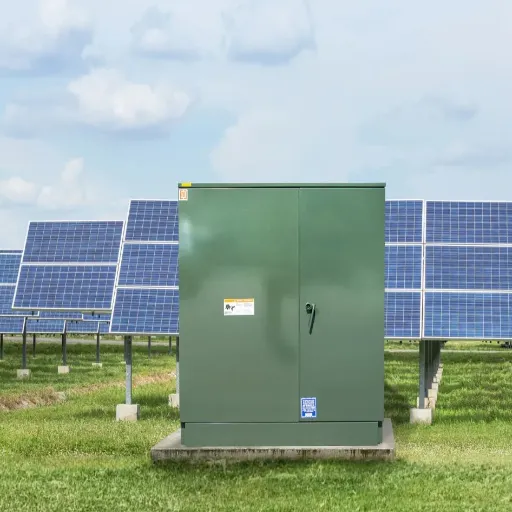
What is a Solar Transformer?
The solar transformer operates as a vital component of solar power systems because it transforms electrical output from solar panels into electricity suitable for power transmission. The solar panels produce direct current (DC) electricity at low voltage, which the inverters transform into alternating current (AC). The solar transformers elevate AC voltage to grid standards, which enables safe operational conditions and effective power distribution throughout the system.
Recent industry data indicates that solar power transformers operate between 600 volts and 35 kilovolts on their low-voltage side, while their high-voltage side reaches 345 kilovolts based on the operational requirements and design specifications of solar farms. The transformers have been specially designed to handle the unpredictable power fluctuations, high harmonics, and various load conditions that occur in solar energy systems.
Modern solar transformers operate with advanced cooling methods that include ONAN (Oil Natural Air Natural) and ONAF (Oil Natural Air Forced) systems to manage heat generated during their peak operational times. The products are designed to resist extreme temperature conditions, moisture, and UV radiation, which will enable them to function effectively for 20 to 30 years.
The solar transformers improve solar energy project performance through their voltage regulation capabilities, which reduce energy waste and meet international standards, including IEC and IEEE. The renewable energy sector benefits from its continuous development, which helps to achieve worldwide sustainability objectives.
Importance of Transformers in Solar Power Systems
Transformers serve as vital elements within solar power systems because they enable solar panel electricity to reach both the power grid and the final users in an effective manner. According to recent reports, global solar energy capacity reached approximately 1040 gigawatts (GW) at the end of 2022, and the role of transformers in this rapid expansion cannot be overlooked. The photovoltaic (PV) system generates a voltage that transformers use to increase the voltage until it reaches the standards needed for high-voltage transmission grids, which helps to decrease energy loss during transmission.
The modern solar transformers use advanced materials and state-of-the-art insulation systems to endure all weather conditions. The high-efficiency amorphous core transformers achieve a 60-70% core loss reduction when compared with standard silicon steel core transformers. Solar farms now prefer dry-type transformers because they provide safe operation to the environment while requiring little upkeep and handling extreme operating conditions.
The data from the industry shows that utility-scale solar farm investments have been growing steadily over time. Solar transformers that implement smart grid technology now include sophisticated monitoring systems that deliver real-time performance data and enable maintenance planning through predictive analysis. The essential components of transformer operational efficiency and extended lifespan depend on these technological improvements. Solar transformers drive the international transition to sustainable renewable energy sources through their technological advancements and accurate design methods.
Key Specifications of Solar Transformers
Modern solar power systems require advanced solar transformers, which now operate at higher efficiency levels. The following document contains essential specifications and important information about the system.
- Power Rating: Solar transformers typically range from 50 kVA to 5000 kVA or higher, depending on the scale of the solar installation. The higher power ratings enable effective operation of large utility-scale solar farms.
- Voltage Levels: The system provides three different voltage levels, which include low voltage (LV) and medium voltage (MV), and high voltage (HV) to enable different grid system connections. The standard operating range for LV systems is below 1 kV, while MV systems operate between 1 kV and 36 kV.
- Efficiency: Modern solar transformers achieve efficiencies of 99% or more because high-quality core materials and optimized design minimize core and copper losses. The system produces maximum energy output while it reduces energy losses.
- Frequency: The system operates at two standard frequencies, which are 50 Hz and 60 Hz, to enable compatibility with international markets and grid systems.
- Cooling Systems: Solar transformers provide two cooling system options, which include air-cooled (AN) and oil-cooled (ONAN/ONAF) systems to deliver dependable operation across different geographical and operational environments.
- Smart Technology Integration: The IoT-based monitoring systems enable real-time collection of voltage and current and load and temperature data, which helps to improve system performance and maintenance predictions.
- Compliance Standards: Most solar transformers meet international standards, which include IEC 60076 and IEEE C57.12, to provide safe operation and dependable performance across different environmental situations.
The solar transformers use their detailed specifications to advance renewable energy development through their capacity to boost solar power system efficiency and sustainability, and technological development.
Design Considerations for Solar Transformers
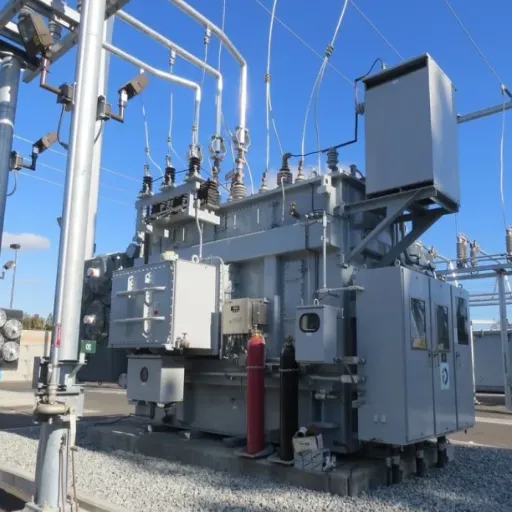
Factors Affecting Transformer Design
The design of solar transformers needs to consider multiple essential factors for achieving optimal performance, dependable operation, and extended service life in renewable energy systems. Below are key considerations:
- Temperature Regulation
Solar transformers face extreme temperature changes because they need to operate outdoors. Transformers become more vulnerable to overheating in specific environments, which leads to operational capacity reduction when ambient temperatures reach high levels. Modern designs use efficient cooling systems that include both oil-immersed and air-cooled cooling technologies to solve this issue. For example, IEEE standards define ambient temperature ranges from -20°C to 40°C, which requires proper thermal management to achieve stable operational performance. - Load Profiles and Overloading Capacity
The output of solar power plants varies during the day, which creates unpredictable electricity demand patterns. Transformers need to operate at both normal load conditions and extreme overload situations according to their complete design specifications. New research indicates that solar power systems achieve load factors between 15% and 30%, which depend on their geographical location and the efficiency of installed solar panels. Transformers with enhanced short-term overload capacity enable continued service delivery without experiencing operational problems. - Harmonic Distortions
The electrical system experiences harmonic distortions when power electronic devices, such as inverters, create harmonics through their operations. Solar transformers need to combine low-loss magnetic materials with advanced filtering systems, which work to reduce harmonic distortions. Total Harmonic Distortion (THD) should remain under 5% according to IEC regulations because this practice protects insulation systems from damage and keeps equipment functioning at optimum efficiency. - Efficiency Optimization
Solar transformers need to achieve maximum operational efficiency because their primary function exists to support renewable energy generation. The implementation of amorphous core materials together with advanced winding techniques results in a significant reduction of core losses and copper losses. Recent transformer design advancements now enable energy efficiency achievements of 99%, which fulfill or exceed EU Tier 2 EcoDesign requirements. - Environmental Factors
Extreme weather conditions, which include UV radiation, corrosion, and moisture infiltration, lead to degradation of transformer components. The protection system uses three primary elements, which include protective coatings, stainless steel enclosures, and advanced sealing technologies to handle this issue. Research indicates that using corrosion-resistant materials in outdoor settings can extend the lifespan of transformers by two decades within challenging environmental conditions. - Grid Compatibility
Solar transformers need to follow grid codes because this requirement enables them to function properly with national power grid systems. The local grid system needs to maintain three essential operational parameters, which include voltage regulation, phase balance, and frequency stability.
The solar transformer design process achieves evolution through its implementation of essential design elements, which create better systems for renewable energy expansion while maintaining sustainable energy distribution through efficient power transmission.
Load Requirements and Transformer Sizing
Transformers need proper sizing according to load requirements, which helps energy systems operate with efficient performance, dependable service, and long-lasting equipment. The power of predictive analysis tools has improved through their ability to forecast future load capacity based on actual customer usage data and upcoming demand trends. Residential solar systems require transformers with capacities between 5 kVA and 15 kVA, while commercial and industrial setups need transformers that range from 50 kVA to several MVA, depending on their operational requirements and organizational size.
The research findings show that oversized transformers consume excess energy when they operate at low load conditions, while they operate at dangerous levels between low and high load conditions, which leads to dangerous equipment failure. The International Energy Agency (IEA) requires organizations to follow proper load forecasting practices together with current transformer standards to reduce operational risks. Transformers achieve energy loss reduction through their size optimization process, which results in 30 percent efficiency increase, thus enabling grid operators and end users to reduce costs while improving environmental results.
The combination of real-time load monitoring with predictive analytics capabilities enables software-driven modeling advancements to provide accurate transformer sizing results. The innovations enable transformers to deliver current load requirements while providing capacity for future power demands, which matches the ongoing development of renewable energy sources and smart grid technologies.
Choosing Between 208V and 480V Transformers
The selection process for 208V and 480V transformers requires evaluation of power needs and system efficiency, and design characteristics. The specific application, together with the load type that needs to be powered, determines the selection process. A 208V transformer operates in residential or light commercial power settings, which require standard equipment and appliances for compatibility. 480V transformers operate better in industrial environments and large commercial spaces, which need high-voltage power to run heavy machinery and complex systems efficiently.
- Efficiency and Power Losses
The voltage level used for power transmission directly determines the efficiency of power transmission. The better power transmission efficiency of 480V transformers between transmission points makes them the best choice for transmitting electrical power over long distances. The 480V system shows an efficiency improvement over the 208V system that leads to 75% power loss reduction based on recent research findings. - Cost Considerations
Facilities with lower power needs find 208V systems to be more cost-effective because their installation requires cheaper wiring and switchgear, and installation services. The initial expenses of 480V transformers exceed those of other systems, yet their operational efficiency will generate energy savings throughout their service life because they can manage high electrical loads without experiencing major voltage drops. - Practical Applications
A 208V transformer will fulfill the power needs of a small office building, which uses regular lighting and computer systems, and HVAC units, while maintaining budget constraints. A manufacturing plant needs a 480V transformer, which provides enough power capacity and efficiency to run industrial-grade motors and heavy equipment. - Safety Standards and Code Compliance
Safety standards, together with code compliance requirements, create the rules for choosing the right transformer type. The design and installation of transformer systems must comply with National Electrical Code (NEC) requirements and local regulations, which protect the safety and reliability of electrical systems.
Each option has its strengths, and selecting the right transformer depends on load requirements, efficiency goals, and budget considerations—underscoring the importance of thorough analysis and planning. The process of selecting transformers requires careful examination of load needs and energy efficiency targets, together with financial factors that determine the appropriate choice for specific applications.
Real-World Applications of Solar Transformers
Challenges and Solutions in Transformer Implementation
The operation of solar farms requires transformer technology, which encounters several challenges that need resolution for complete system performance and operational system reliability. The research findings have identified essential challenges and corresponding solutions, which are presented in the list below.
1. Thermal Management
Transformers in high-temperature environments experience their most significant operational challenge because they cannot control their temperature results. The excessive heat causes two problems that affect transformer performance and decrease its operational lifespan. The latest research indicates that thermal stress accounts for 30 percent of transformer failures, which lead to system failures.
The solution to the problem involves using advanced cooling systems, which operate through forced air or oil cooling, for successful heat management. The latest product designs now use thermally enhanced insulation materials, which allow operation at elevated temperature levels.
2. Efficiency Losses During Peak Hours
Solar farm transformers experience efficiency problems because their power loads vary throughout the day, with peak generation times bringing the most significant power changes. Transformers that operate inefficiently cause energy losses, which industrial research estimates will reach 40 TWh throughout all solar power plants worldwide during the upcoming year.
The solution requires high-efficiency transformers with amorphous core designs, which demonstrate effective methods for reducing energy losses. The transformers achieve a 75 percent reduction in no-load losses, which results in better total energy delivery performance. The smart monitoring systems, which control transformer output adjustments according to peak and off-peak times, will improve system operation efficiency.
3. Integration with Aging Grid Infrastructure
The connection of modern transformers to existing grid systems, which lack proper maintenance, creates operational challenges that restrict solar farm expansion. The system faces difficulties regarding proper voltage management and effective reactive power control.
The solution requires transformers to use advanced control systems, which include on-load tap changers (OLTCs), which enable seamless voltage management throughout their operational activities. Grid-aware transformer design enables power grid operation through both traditional and smart grid networks, which results in improved operational efficiency.
4. Weather-Related Challenges
Outdoor transformers experience operational problems because they must face severe weather conditions, which include storms, lightning and heavy rainfall. The environmental conditions lead to two problems, which result in insulation failure and equipment malfunction.
Weatherproof transformer enclosures, together with strong insulation materials, provide effective protection against environmental hazards. The installation of surge arresters together with grounding systems will provide complete lightning protection for transformers.
5. Cost Constraints
The specialized transformers that solar projects require have high initial costs, which prevent small projects from using optimal system designs. The cost of high-efficiency transformers exceeds standard transformer prices by a factor of two to three times.
The solution requires governments and institutions to designate energy-efficient equipment subsidies and incentives as mechanisms, which will reduce financial obstacles to implementation. The manufacturing costs of advanced transformer systems decrease as companies expand their production capacity, which leads to better equipment affordability.
The development of sustainable solutions through cutting-edge technologies will enable solar farms to achieve better operational performance, which addresses their existing operational challenges.
Emerging Trends in Solar Transformer Technology
Recent years have seen advancements in solar transformer technology, which now enables the development of sustainable energy systems that achieve greater operational efficiency. The industry is currently developing new high-voltage transformer designs that will decrease energy losses that occur during electricity transmission. The next-generation transformers, which, according to industry reports, achieve efficiency levels above 99%, produce less energy waste when compared to traditional transformers. The system functions as an essential component for solar farms because operators need to transmit energy across long distances without incurring high operational expenses.
The implementation of smart monitoring systems has transformed how solar transformers undergo maintenance. The systems use Internet of Things (IoT) sensors to deliver instant information about transformer operations, which includes temperature changes and load shifts, and fault detection. The application of predictive maintenance techniques enables organizations to reduce operational interruptions by up to 30%, which results in substantial savings for operators while maintaining continuous energy output.
The current trend in the industry shows that companies now prefer sustainable insulation materials for their operations. Companies now prefer biodegradable ester-based fluids instead of using traditional mineral oils, which they consider their primary operational fluid. The fluids provide improved fire protection because their flash points exceed safe limits, while they maintain environmental safety because they have lesser impact on soil and water resources during spills.
The industry currently embraces modular transformer designs because these systems enable customized power solutions that match the requirements of solar farm operations. The system lowers initial costs while it makes subsequent system enhancements easier to implement, which provides organizations with operational flexibility to adapt to future renewable energy marketplace changes. The solar transformer market will grow to $4.7 billion by 2028, according to industry data, which shows a 6.5% compound annual growth rate starting from 2023.
The energy sector has committed itself to using innovative technologies that will enhance efficiency and sustainability while decreasing operational costs for solar power systems.
Best Practices for Solar Farm Transformers
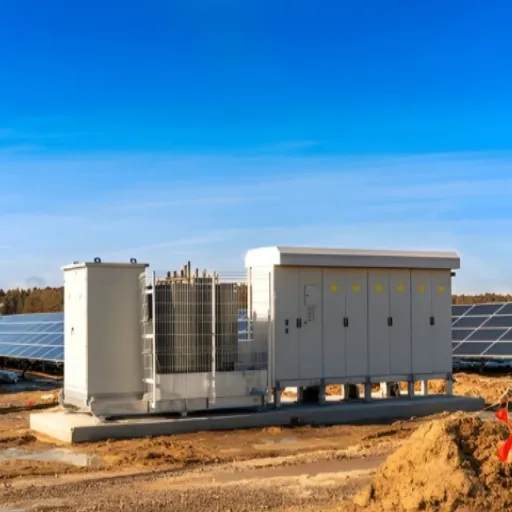
Maintenance and Monitoring of Transformers
The upkeep of solar farm transformers requires maintenance work to be done together with monitoring activities, which need to be handled as one of the essential requirements. The combination of regular inspections with thermal imaging and dissolved gas analysis (DGA) creates essential techniques that enable the detection of upcoming issues before they result in system failures. The recent research shows that about 50% of solar farm outages occur because of transformer failures, which makes it necessary to establish proper maintenance procedures as the primary focus.
The introduction of advanced IoT and AI-based solutions enables the system to achieve major enhancements in its monitoring functions. The operators can forecast equipment deterioration through predictive analytics by using current operational data, which helps them decrease unpredictable operational interruptions. The worldwide market for transformer monitoring systems projects a 10.6% compound annual growth rate (CAGR) until 2027, which demonstrates their growing usage in the renewable energy industry. The combination of technology-based solutions with strict operational procedures enables solar farms to achieve maximum energy production while improving their entire system performance.
Safety Considerations in Transformer Operations
The operations of transformers rely on safety regulations, which become especially vital for solar farms that work with high-voltage equipment. According to global industry reports, electrical faults and overheating represent the main reasons that lead to transformer failures, which create 70% of all failure incidents. Advanced safety system installations, which use temperature sensors and pressure relief devices, will decrease hazards because they protect both equipment and staff.
Transformer operations require adherence to international safety standards, which include IEC International Electrotechnical Commission and IEEE guidelines for their safe functioning. The implementation of regular maintenance schedules results in a transformer accident reduction of up to 40% according to recent data. The combination of predictive analytics with real-time monitoring systems helps to improve operational safety while extending the essential equipment operational duration.
The implementation of training programs for operators and technicians serves as an effective method to decrease human error, which remains a major cause of operational safety incidents. The adoption of contemporary safety measures together with technological advancements enables solar farm operators to achieve operational safety while preventing expensive interruptions.
Regulatory Compliance and Standards
The operational activities of solar farms depend on regulatory compliance because governmental bodies and international organizations establish requirements that safeguard public safety, protect natural resources, and enhance operational effectiveness throughout the energy industry. The International Renewable Energy Agency IRENA estimates that more than 100 countries have established renewable energy policies, which demonstrates the need for policy compliance to achieve lasting success in the renewable energy sector.
The National Electrical Code NEC in the United States requires solar panel installation to follow particular requirements, which include wiring methods and grounding techniques, together with fire protection measures. Solar farm operators must observe Clean Air Act regulations while they use federal incentives such as the Investment Tax Credit ITC which enables them to decrease project expenses by as much as 30%. The SEIA data indicates that strict regulatory compliance has contributed to a 33% annual increase in solar capacity growth throughout the United States up to 2023.
ISO 14001 environmental management standards require all solar farms to implement their standards because this helps them decrease environmental effects while maintaining sustainable operations. Environmental, Social, and Governance ESG requirements need to be fulfilled by large-scale project operators because these standards serve as the basis for investor financing requirements. The establishment of solid compliance systems enables solar farms to maintain their operational activities while supporting global clean energy initiatives.
Reference Sources
-
Solar irradiance forecasting with transformer model – Published by MDPI, this paper discusses the use of transformer models in solar energy forecasting.
-
Effects of current harmonics on maximum loading capability for solar power plant transformers – Published by IEEE, this paper examines the impact of current harmonics on transformers in solar PV plants.
-
Transformer-coupled multi-input two-stage standalone solar photovoltaic scheme for rural areas – Another IEEE publication, this paper focuses on transformer-coupled systems for rural solar PV applications.
Frequently Asked Questions (FAQs)
What are the essential specifications needed for transformers used in solar farms?
Solar farm transformers must achieve high efficiency maintenance, which requires them to convert the different solar panel outputs into grid-compatible voltage. The transformers need to fulfill all specified operational requirements while reducing energy losses and meeting applicable regional grid standards. The designs of these systems need to function in outdoor conditions, which requires them to withstand various weather patterns, ultraviolet radiation, and all types of environmental damage, including water and dust contamination.
How do solar farms ensure environmental compliance with transformer installations?
Solar farm transformers must follow ISO 14001 standards together with local zoning regulations to achieve their environmental compliance requirements, which help reduce ecological damage. The sustainable design process requires two components, which include selecting environmentally friendly materials and creating operational methods that stop oil spills and gas emissions. Non-toxic materials should be used for transformer cooling systems because they create less environmental danger according to environmental safety standards. These actions enable solar farms to fulfill Environmental, Social, and Governance ESG requirements, which help them win endorsement from stakeholders who care about environmental protection.
What is the role of maintenance in enhancing transformer performance?
The maintenance process appears necessary because it protects both the operational period and the functional capacity of solar farm transformers. The best maintenance practices require technicians to perform routine system checks, which help them find and solve problems related to equipment overheating, corrosion and component insulation breakdown. The advanced monitoring systems enable operators to access instant performance information, which helps them execute predictive maintenance practices to stop expensive equipment breakdowns. The proper maintenance creates two benefits, which include dependable operations and improved protection for the entire solar farm facility.
Why is robust grid compatibility important for solar farm transformers?
The integration process, which connects solar-generated electricity to the power grid, requires solar farm transformers to meet all essential grid compatibility standards. The transformers need to maintain voltage levels while they work to decrease harmonic distortion, which occurs because of solar power output changes. The system generates power output that meets grid standards because the system complies with both IEEE and IEC standards and grid operating codes.
What are the best practices for transformer safety on solar farms?
The operation of solar farm transformers requires dedicated safety measures that protect all personnel and equipment. The implementation of effective grounding systems, which protect relays and arc-flash mitigation devices, will decrease operational hazards. The installation process needs to follow proper procedures, which require transformers to have sufficient space between them and their surroundings for safety reasons, while their weatherproof enclosures provide additional protection. Training staff members about emergency response procedures together with operational safety protocols, helps to decrease workplace dangers while ensuring adherence to industry regulations.